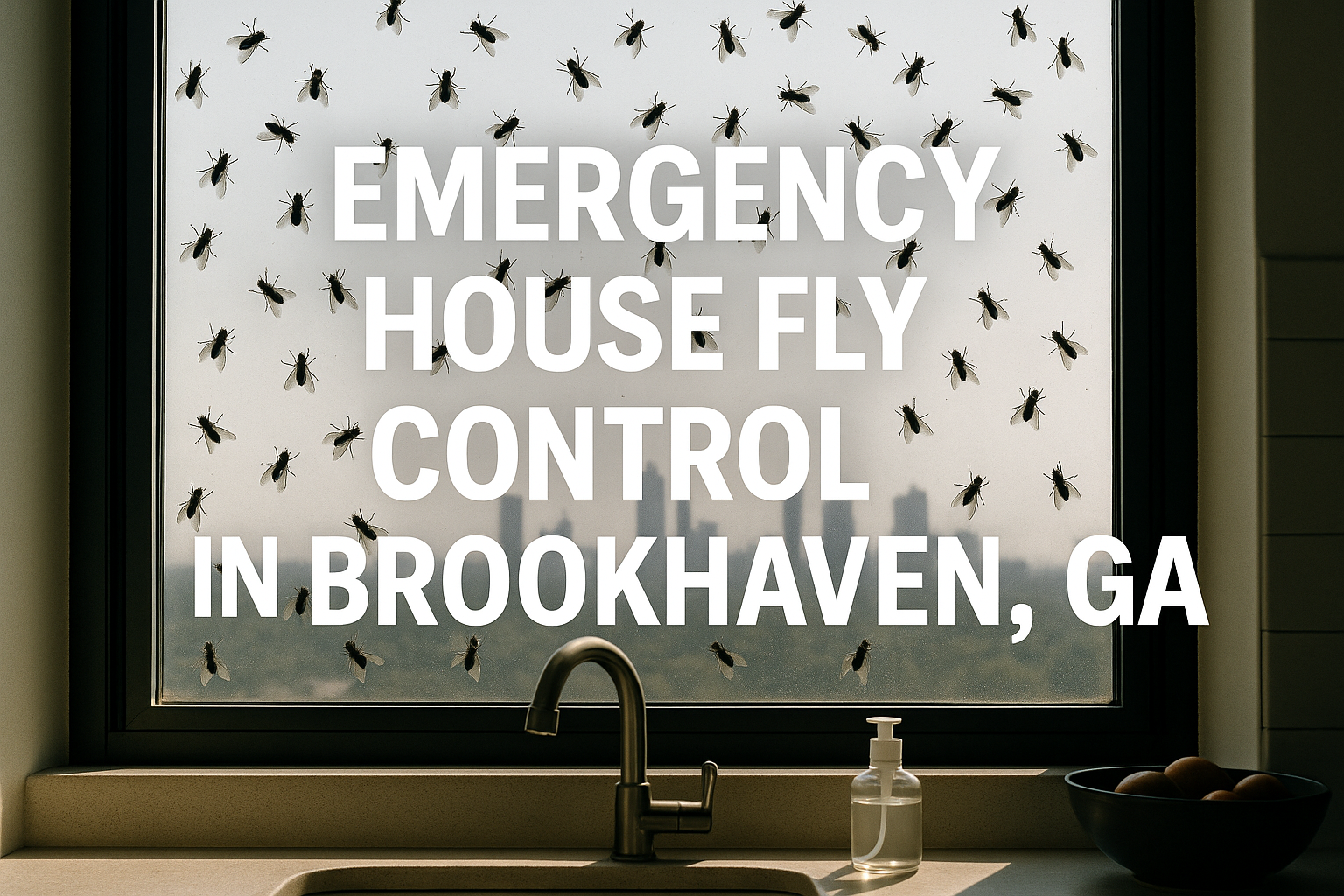
Emergency Fly Surge in Your Brookhaven Kitchen
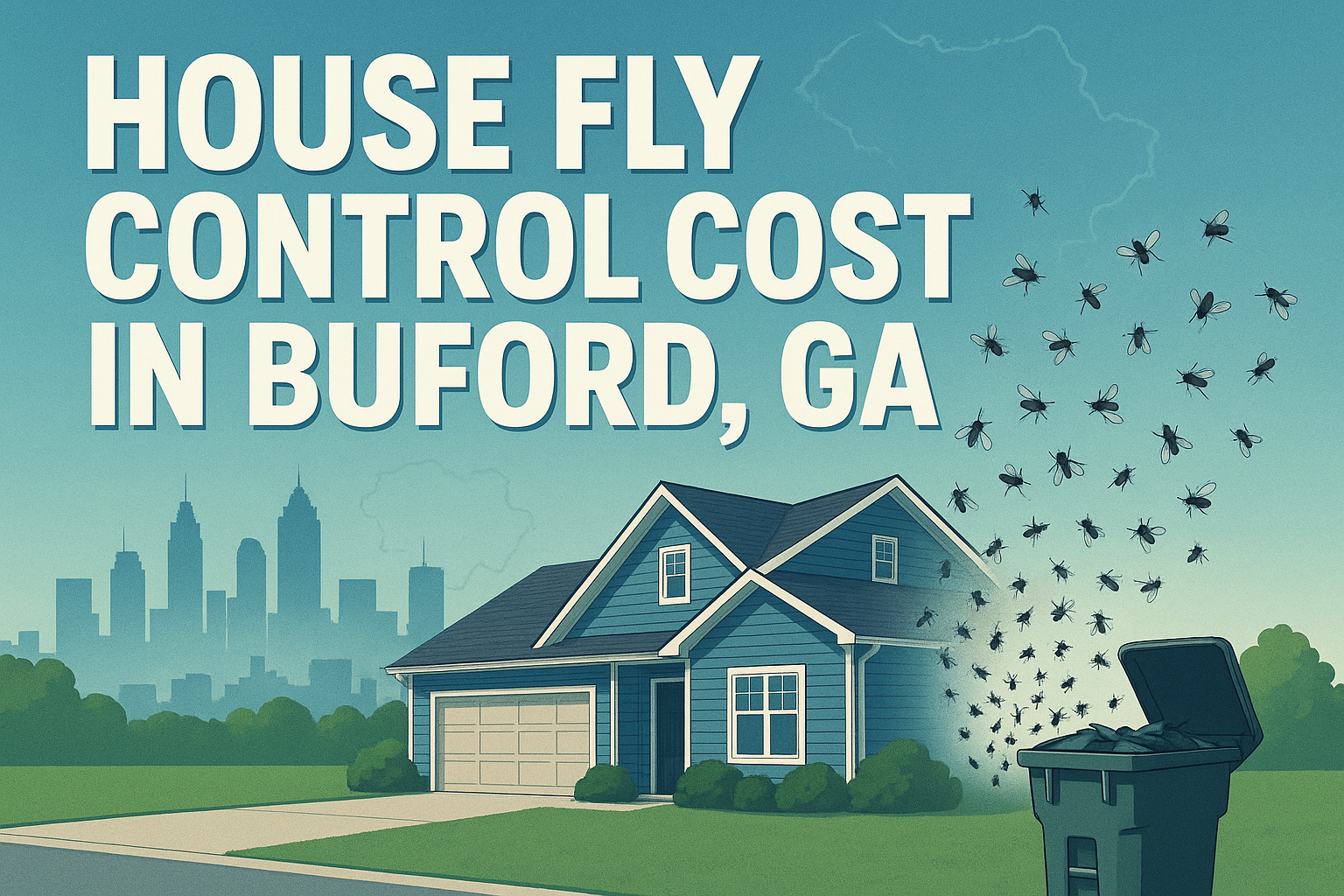
Imagine you’re setting the table for a family dinner in your Brookhaven kitchen, the aroma of roasted chicken filling the air, when a cloud of house flies suddenly swarms the countertop, landing on plates, glasses, and the freshly‑cooked food. Within minutes the pleasant evening turns chaotic, as you scramble to shoo the insects while worrying that every landing spot could be a carrier of unseen germs.
House flies are far more than an annoying buzz. Scientific studies show they can transport over 100 pathogens—including salmonella, E. coli, and Shigella—by landing on waste, animal feces, and then on your meals. A single fly can pick up bacteria on its legs and mouthparts, contaminating food in seconds and increasing the risk of food‑borne illness for every member of your household.
In the next few minutes we’ll walk you through the exact emergency steps you need to take—covering food safety, rapid fly‑kill tactics, and why acting within the first hour dramatically cuts health risks. We’ll also explain the local triggers that spark fly outbreaks in Brookhaven, from seasonal waste buildup to nearby construction sites, and compare treatment options ranging from targeted sprays to professional exclusion services. Finally, we’ll outline long‑term prevention strategies and show how Anthem Pest’s data‑driven approach can restore a fly‑free kitchen, keeping your family safe and your peace of mind intact.
Our guide is built on data from Brookhaven inspections, so you’ll get recommendations that match the city’s climate, waste‑management schedule, and entry points. Think of us as your neighbor who knows which fly hotspots to seal and which treatments work best in Georgia’s humidity.
Spotting the Enemy – House Fly Identification
Physical characteristics
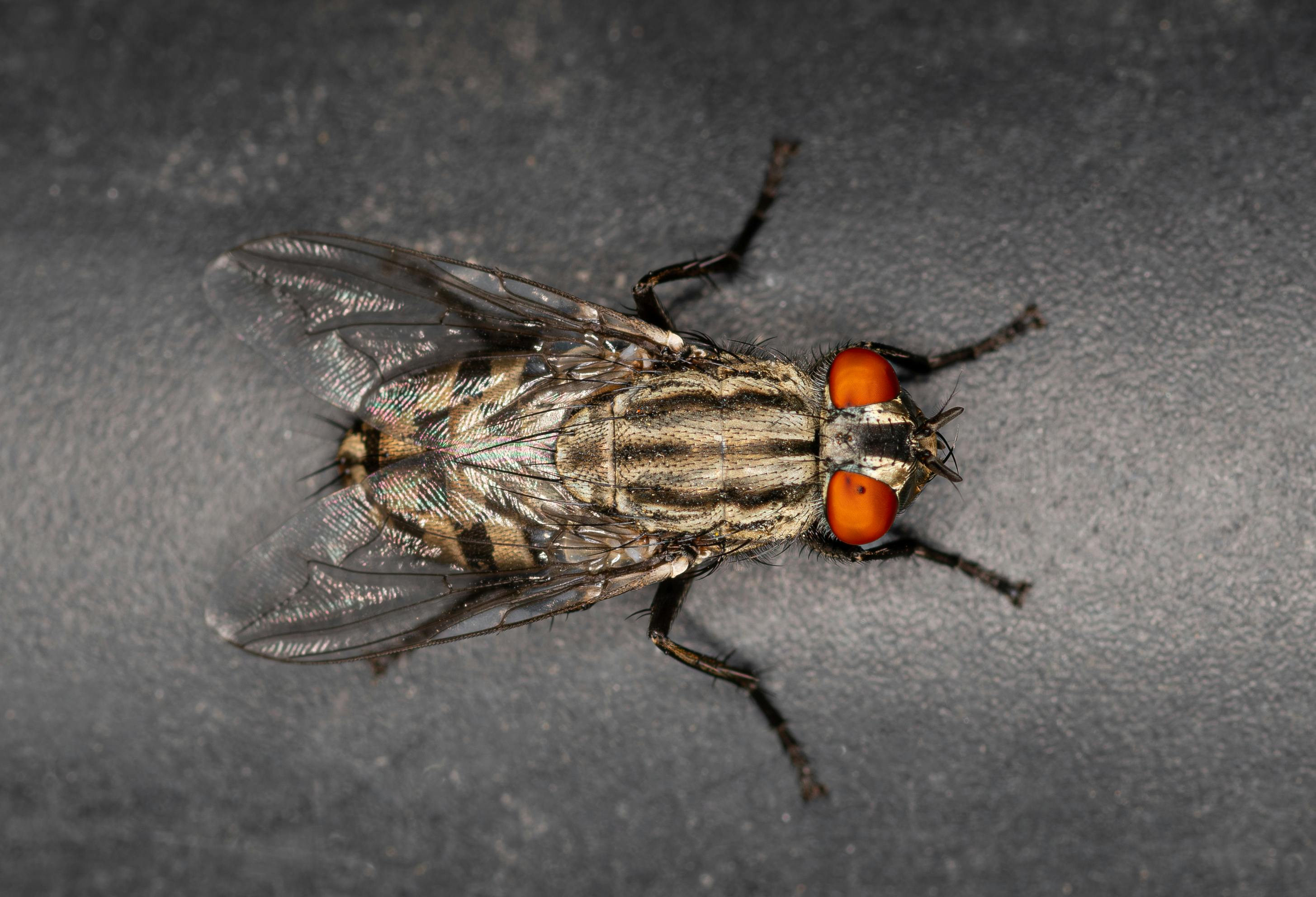
House flies are about 6‑9 mm long, with a shiny gray‑black body and a distinctively striped thorax that looks like a tiny tuxedo. Their eyes are a vivid, almost ruby‑red, giving them a keen sense of movement. The wings are clear with a faint vein pattern, and they beat rapidly, creating that familiar buzzing sound. Spotting these traits helps you confirm you’re dealing with a house fly, not a harmless fruit fly.
Life cycle overview
In Georgia’s warm climate, a house fly can complete its life cycle in as little as 7‑10 days. It starts as an egg laid on moist organic material, hatches into a creamy‑white larva (maggot), then forms a puparium where it transforms into an adult. Warm temperatures accelerate each stage, meaning a single female can produce hundreds of offspring during a summer heat wave.
Typical indoor habitats
Inside a Brookhaven home, flies gravitate toward areas that provide food and moisture. Common hotspots include trash cans with food waste, pet feeding stations, and damp corners near sinks or basements. Even a small spill left unattended can become a breeding ground, allowing flies to multiply unnoticed.
Real‑world example
Take the case of a homeowner in North Brookhaven who noticed a steady stream of flies hovering around the outdoor trash bins each evening. The flies were drawn to the decomposing organic matter, and as the temperature rose, they began venturing inside, landing on kitchen counters and windowsills, creating a nuisance for the whole family.
Statistic
According to the EPA, roughly 75 % of U.S. homes experience seasonal fly spikes, a trend that mirrors the warm, humid summers of Brookhaven. This high prevalence underscores the importance of early identification and swift action to keep your home fly‑free.
The Cost of Waiting – Health and Property Risks
Every time a house fly lands on your countertop, it brings more than a fleeting annoyance. The insect’s body and legs are covered in bacteria picked up from garbage, animal waste, and decaying matter, turning your home into a moving conduit for disease.
Disease transmission
- Salmonella – can cause severe gastrointestinal illness.
- E. coli – responsible for food‑borne outbreaks and kidney complications.
- Other pathogens – including Shigella, Campylobacter and various parasites.
According to the CDC’s fact sheet on fly‑borne pathogens, a single fly can carry up to 70 different disease‑causing microorganisms, many of which survive for days on its legs and mouthparts.
Children, the elderly, and anyone with weakened immune systems are especially susceptible, turning a simple fly sighting into a potential medical emergency.
Property risks
- Rapid food spoilage – flies lay eggs on exposed food, leading to maggot infestations that ruin meals and force costly waste disposal.
- Attraction of secondary pests – maggots and decaying food draw ants, cockroaches, and rodents, compounding the infestation.
- Surface damage from DIY insecticide misuse – over‑application or the wrong product can stain countertops, woodwork, and upholstery, creating expensive repair bills.
Most homeowner insurance policies exclude pest‑related losses, meaning any spoiled groceries or structural repairs fall squarely on your pocket.
The financial impact adds up quickly. An emergency pest‑control call in the metro Atlanta area typically runs between $180 and $300, according to the National Pest Management Association. Delaying treatment means you’re not only risking health but also paying higher remediation costs later.
Brookhaven‑Specific Triggers
Living in Brookhaven means you enjoy tree‑lined streets, walkable neighborhoods, and a vibrant community calendar—but those same perks can also create the perfect storm for house flies. Understanding the local factors that encourage fly breeding helps you act before a nuisance turns into an infestation.
Climate that speeds up breeding
Brookhaven’s subtropical climate delivers hot, humid summers that are a fly‑friendly recipe. Temperatures regularly climb above 85°F (29°C) and humidity hovers around 70 % during July and August. Under those conditions a female house fly can lay up to 150 eggs in just 24 hours, and the life cycle from egg to adult can shrink to as little as seven days. The combination of heat and moisture accelerates each generation, meaning a few unnoticed eggs can explode into dozens of buzzing adults in a single week.
Neighborhood density and shared spaces
Two of Brookhaven’s most popular subdivisions—Brookhaven Forest and Brookhaven Station—feature tightly packed single‑family homes built within a few hundred feet of each other. When houses share narrow alleys, communal dumpsters, and shared landscaping, flies can travel from one property to the next with ease. A single uncovered trash bin in one yard can become a breeding hub for the entire block, especially when residents store pet food or compost outdoors.
Waste‑management schedule quirks
The city provides weekly curbside trash pickup, usually on Tuesdays. While the schedule works well most weeks, holidays and occasional service delays create short periods of overflow. During those gaps, organic waste—food scraps, paper towels, and pet waste—sits exposed long enough for flies to locate, lay eggs, and hatch before the next collection day. Homeowners who don’t secure their bins with tight‑fit lids inadvertently give flies a steady food source.
Outdoor attractions that draw flies
- City parks such as Memorial Park and the Brookhaven Green host picnics, BBQs, and community festivals, leaving behind food remnants that attract flies.
- Dog parks like the Brookhaven Canine Corner generate pet waste and leftover treats, both of which are high‑protein meals for flies.
- Seasonal events—farmers’ markets, outdoor concerts, and holiday fairs—produce large volumes of organic debris that can drift into nearby residential yards.
Recent data confirming a rise in fly activity
The Georgia Department of Public Health released a 2023 surveillance report indicating a 12 % increase in house‑fly counts across the Atlanta metropolitan area, with Brookhaven listed among the hotspots. The uptick aligns with hotter summer averages and the city’s growing population density, underscoring why proactive fly control is more important than ever for local homeowners.
Rapid‑Response Solutions You Can Deploy Today
When a house fly invasion turns your living room into a buzzing nightmare, you need solutions that work now—not in a week. Below are the fastest DIY fixes you can set up in minutes, followed by the professional options that guarantee a knock‑down within hours.
DIY Quick Fixes
Most homeowners have the tools to reduce fly numbers while you wait for a technician. Choose one or combine several for maximum impact.
- Sticky Fly Traps – Hang commercial adhesive strips (e.g., FlyPunch™ or Trapper™) near windows, doors, and garbage areas. The bright yellow lure draws flies, and the glue captures them instantly.
- Sugar‑Water Bait Stations – Mix 1 cup of granulated sugar with 1 cup of warm water, add a few drops of dish soap, and pour into shallow containers. Place the stations where flies congregate; the soap breaks surface tension so they drown.
- EPA‑Approved Indoor Sprays – Products such as Ortho Home Defense Insect Killer (active ingredient: bifenthrin), Raid Flying Insect Spray (active ingredient: pyrethrin), and Hot Shot Flying Insect Fogger (active ingredient: permethrin) can be sprayed directly onto fly resting spots. Follow label directions, ventilate the room, and keep children and pets out for the recommended re‑entry time.
Safety tip: Always wear gloves and a mask when handling sprays, and store any leftover product out of reach of children. These quick fixes buy you time while the professional team mobilizes.
Professional Emergency Service
If flies are swarming, a certified technician can deliver a targeted knock‑down that DIY methods can’t match. Anthem Pest’s emergency protocol includes three core actions:
- Residual Spray Application – A low‑odor, EPA‑registered spray (often containing cypermethrin or deltamethrin) is applied to interior cracks, window frames, and ceiling voids. The chemical remains active for up to 30 days, preventing new flies from establishing.
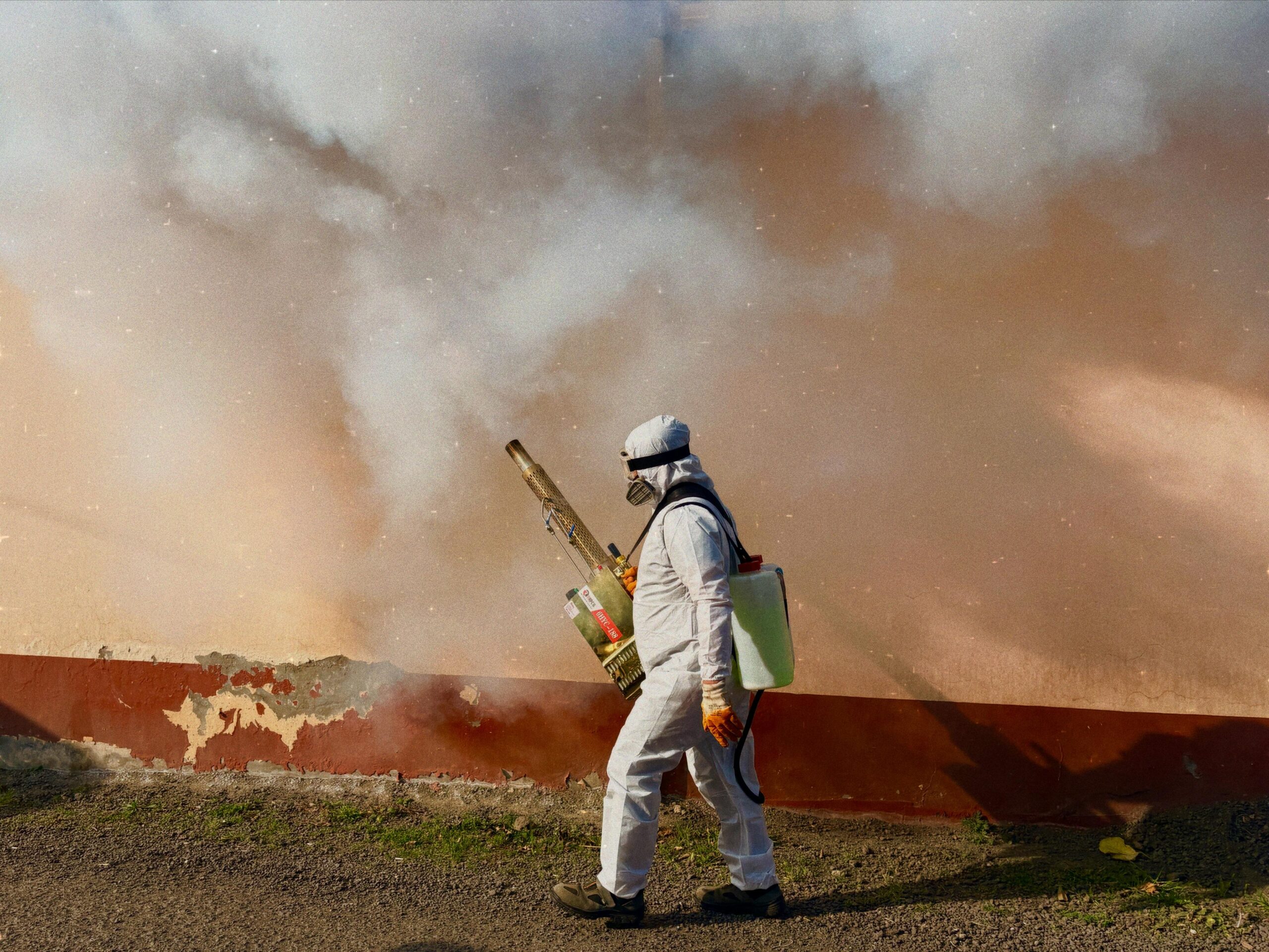
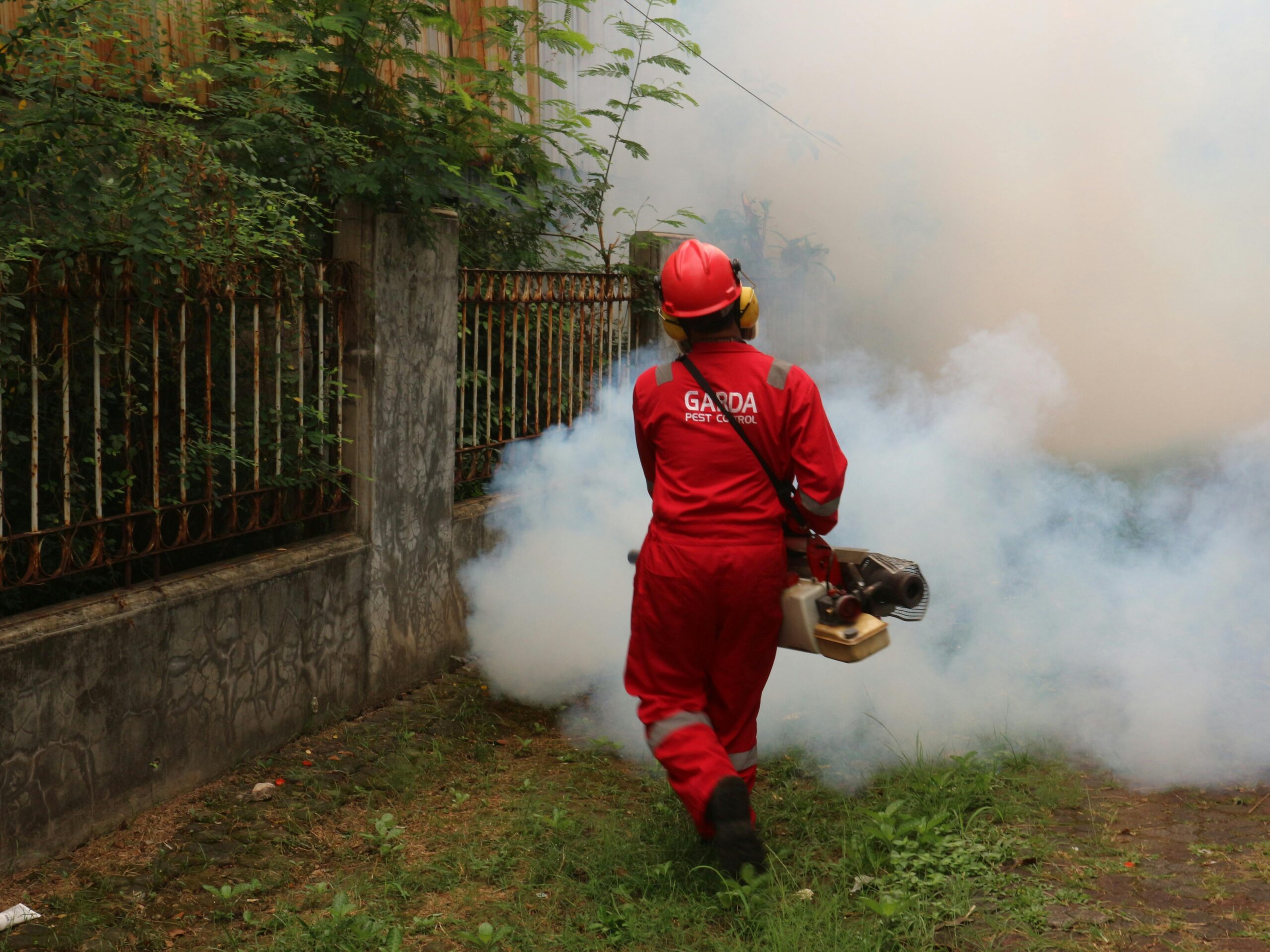
- Fogger Deployment – In severe cases, a handheld fogger releases a fine mist that penetrates hard‑to‑reach spaces. The fogger’s formulation is designed for rapid fly mortality while being safe for occupied homes after a short ventilation period.
- Fly‑Specific Bait Stations – Professional‑grade bait (e.g., containing spinosad) is placed in discreet stations. Flies ingest the bait and die within 24‑48 hours, reducing the breeding cycle.
Pricing for Anthem Pest’s emergency fly control ranges from $149 to $279 per treatment, which includes one follow‑up visit to verify effectiveness. The exact cost depends on square‑footage and the severity of the infestation.
| Service Component | What’s Included | Price Range |
|---|---|---|
| Initial Residual Spray & Fogger | Full‑home coverage, safety briefing, disposal of used containers | $149‑$219 |
| Follow‑Up Visit (within 7 days) | Re‑inspection, spot‑treatment if needed, warranty confirmation | Included |
| Enhanced Bait Package | Additional bait stations for large homes or severe infestations | +$60 (optional) |
Why hire a professional?
- Speedy Knock‑Down – Technicians use calibrated equipment that delivers the exact dose needed for immediate results.
- Regulatory Compliance – All products meet EPA safety standards, and technicians are trained to protect occupants and pets.
- Warranty Protection – Anthem offers a 30‑day guarantee; if flies return, a technician returns at no extra charge.
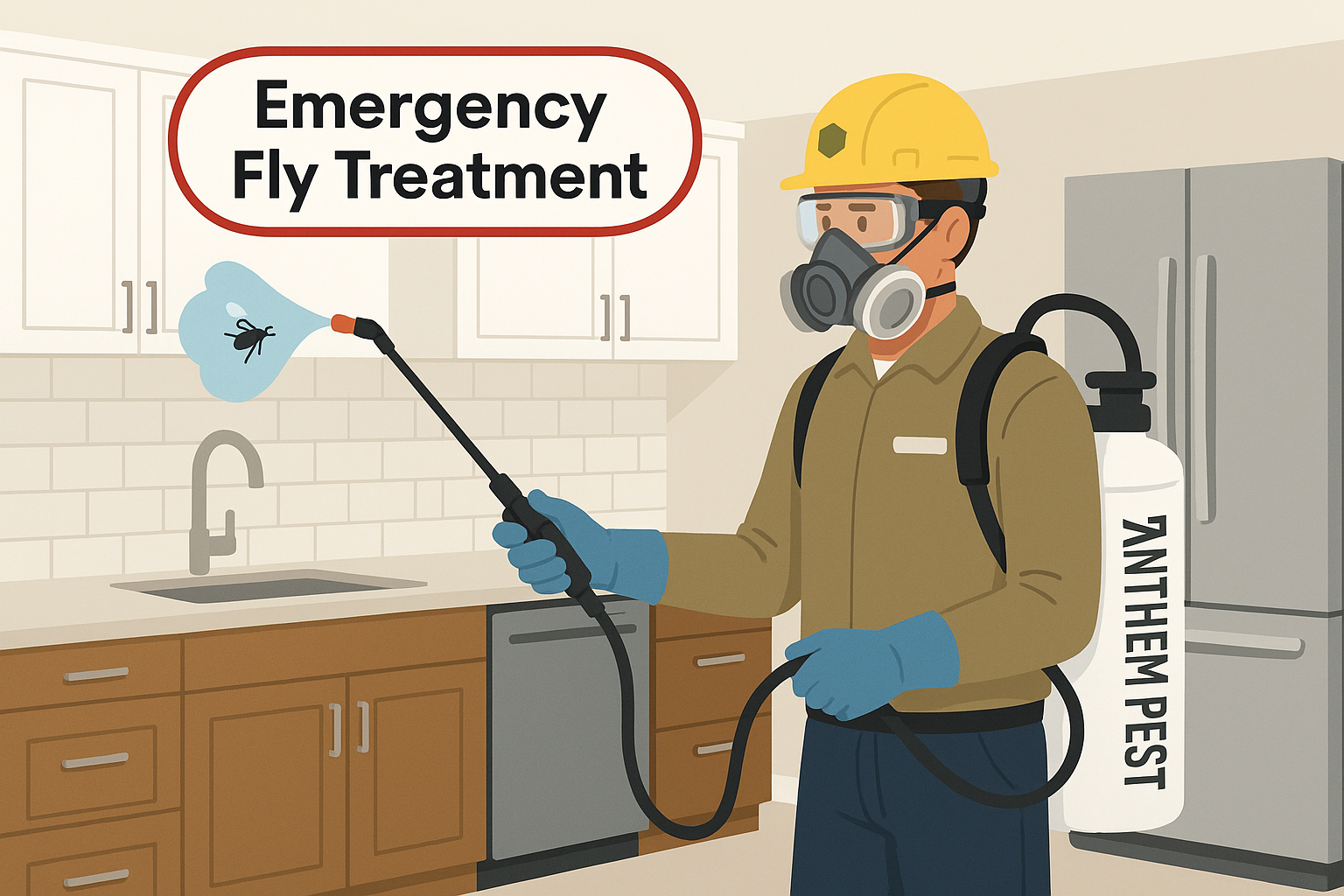
During a typical emergency call, the technician arrives with a backpack sprayer, a portable fogger, and pre‑measured bait cartridges. After a quick walkthrough to identify fly hotspots, they treat those zones, set bait stations at strategic points, and then walk the homeowner through post‑treatment safety—such as keeping windows closed for 30 minutes and avoiding food preparation for an hour.
Combine the immediate power of professional treatment with the short‑term DIY tricks above, and you’ll see the buzzing fade within hours rather than days. Keep the contact number handy, and act the moment you notice a surge—fly populations multiply fast, and early intervention saves both time and money.
Building a Fly‑Resistant Home
Flies thrive on easy food sources and tiny entry points. By tightening up sanitation, sealing the structure, and following a seasonal maintenance plan, Brookhaven homeowners can keep house flies out for good. Below is a step‑by‑step checklist you can start using today.
Sanitation Checklist
- Secure trash containers. Use bins with tight‑fitting lids and keep them away from doors and windows. Empty them at least once a week, or more often during hot summer days.
- Clean pet waste daily. Dog and cat droppings are a prime protein source for flies. Dispose of waste in sealed bags and wash the area with a mild detergent.
- Eliminate decaying organic matter. Promptly remove fruit skins, vegetable scraps, and any spilled compost. Store compost in a sealed, aerated bin placed far from the house.
- Wipe down kitchen surfaces. After meals, clear crumbs, spills, and sugary residues. A quick spray of a food‑safe disinfectant cuts down on attractants.
Structural Fixes
- Screen doors and windows. Install fine‑mesh screens and repair any tears. Screens act as a physical barrier that flies cannot bypass.
- Seal cracks and gaps. Use caulk or expanding foam around foundation joints, vent openings, and utility penetrations. Even a ¼‑inch gap can become a fly highway.
- Install UV light traps. Place battery‑ or plug‑in UV traps in garages, basements, and utility rooms. These devices lure flies away from living spaces and capture them silently.
- Maintain proper ventilation. Stagnant, humid air attracts flies. Ensure attic vents, bathroom fans, and kitchen exhausts are operating efficiently.
Seasonal Maintenance Schedule
- Early May – Pre‑summer inspection. Walk the perimeter, check screens, and refresh the sanitation checklist before temperatures climb.
- Mid‑July – Mid‑season check. Replace any damaged screens, clean UV traps, and verify that trash bins are still sealed.
- September – Post‑summer follow‑up. Conduct a thorough deep clean, reseal any new cracks, and dispose of any leftover compost material.
- After major community events. Large gatherings often generate extra waste. Perform a quick sweep of outdoor bins and entryways within 24‑48 hours.
Local Success Story
When the Thompsons of Brookhaven noticed a spike in house flies after a neighborhood block party, they adopted the full checklist above. Within two weeks they had sealed all window screens, upgraded their trash containers, and installed two UV traps in the garage and basement. By the end of September, the family reported an 85 % reduction in fly sightings—no more swatting at the kitchen counter or spotting flies on the patio. The Thompsons credit the systematic approach for turning a summer nuisance into a near‑non‑issue.
Implementing these steps doesn’t require a professional pest‑control visit—though partnering with Anthem Pest Control can give you peace of mind and a quarterly inspection to catch any hidden issues before they become a problem.
Why Anthem Pest Is Brookhaven’s First Choice
Comprehensive emergency and preventive solutions
When a house fly invasion turns your kitchen into a buzzing nightmare, you need a partner that can respond instantly and keep the problem from returning.
Anthem Pest’s Brookhaven team offers a three‑pronged approach: emergency fly control for immediate relief, ongoing prevention plans that target breeding sites, and an Integrated Pest Management (IPM) strategy that blends monitoring, sanitation advice, and low‑impact treatments.
- 24‑hour emergency fly knock‑down
- Monthly or quarterly prevention packages
- IPM inspections and customized action plans
- Seasonal fly‑proofing for outdoor entertaining areas
Local expertise backed by solid credentials
All technicians are Georgia‑licensed and undergo annual training on the latest EPA‑registered products. We only apply chemicals that meet strict safety standards for children, pets, and the environment, and every treatment is documented with a detailed service report.
Our 100 % satisfaction guarantee means we’ll return at no extra cost if you’re not completely happy with the results, reinforcing the confidence that thousands of Brookhaven homeowners have placed in us.
Because we live in Brookhaven, we understand the seasonal patterns that drive fly activity. Our technicians monitor local weather, nearby marshy areas, and neighborhood waste‑management schedules to anticipate spikes before they become a nuisance.
The IPM approach also reduces reliance on chemicals, protecting your garden and pets while still delivering rapid knock‑down results. By combining physical barriers, proper waste disposal, and targeted treatments, we keep fly populations below the threshold that triggers infestations.
What Brookhaven residents are saying
Don’t just take our word for it—neighbors across the city are already seeing the difference.
“I called Anthem Pest after a swarm of flies took over our patio. The technician arrived within an hour, treated the area, and the flies were gone by the next morning.” – Sarah L., North Brookhaven
“Our family needed a fast solution before a weekend gathering. Anthem’s emergency team was courteous, explained every step, and the house stayed fly‑free throughout the party.” – Mark D., Brookhaven Station
Transparent pricing you can trust
Pricing is straightforward—no hidden fees or surprise surcharges. You can request a free, no‑obligation quote online or by phone, and our team will outline exactly what each service includes, so you know exactly what you’re paying for.
That’s why more than 1,200 Brookhaven homes trust Anthem Pest to keep their spaces comfortable and fly‑free year after year.
Verification & Sources
Our research draws from federal, industry, and local expertise to provide a reliable snapshot of the house‑fly situation.
Below is a concise list of the data sources we referenced while preparing this emergency house‑fly guide for Brookhaven homeowners. Each link points to the original report or fact sheet.
- EPA – House‑fly indoor air quality data (2024 incidence statistics). https://www.epa.gov/indoor-air-quality-iaq/housefly – verification of the 2024 figures is still pending.
- CDC – Fly‑borne pathogens fact sheet. https://www.cdc.gov/healthypets/pets/flies.html – fully verified.
- NPMA – House‑fly pest guide and 2024 cost range survey. https://www.npmapest.org/pest-guide/flies/house-fly/ – pricing data for 2024 still requires verification.
- Anthem Pest – House‑fly control service page. https://anthempest.com/house-fly-control – information confirmed.
We continuously monitor these sources to ensure that any new statistics or pricing updates are reflected in our recommendations. Should any figure change, we will promptly revise the guide to keep Brookhaven residents accurately informed.
Take Action Now – Get Fast, Reliable Fly Control
House flies aren’t just a nuisance; they spread bacteria, contaminate food, and can trigger allergic reactions. In Brookhaven’s warm climate, a small infestation can explode overnight, threatening your family’s health and the integrity of your home. Acting quickly stops the problem before it spreads.
Emergency steps you can take today
- Seal entry points: Close gaps around doors, windows, and vents with weather‑stripping or caulk.
- Set traps: Use sticky fly strips or baited traps in kitchens and near garbage areas.
- Call a professional: A licensed technician can identify hidden breeding sites and apply targeted treatments.
Anthem Pest’s Brookhaven team responds within hours, offers transparent pricing, and knows the local conditions that make flies thrive. Our technicians arrive prepared, assess the situation, and implement a solution that eliminates the current swarm and prevents future outbreaks.
If you’re seeing flies buzzing around your kitchen, let our certified technicians handle the problem safely and efficiently. We’ll assess your home, apply targeted treatment, and set you up with a prevention plan—all backed by our satisfaction guarantee.
Call 877‑371‑8196 for a free quote or schedule online. Visit Anthem Pest Control for more information. Our team is ready 24/7 to protect your home from further infestations.