Emergency Millipede Invasion After Rain in Druid Hills
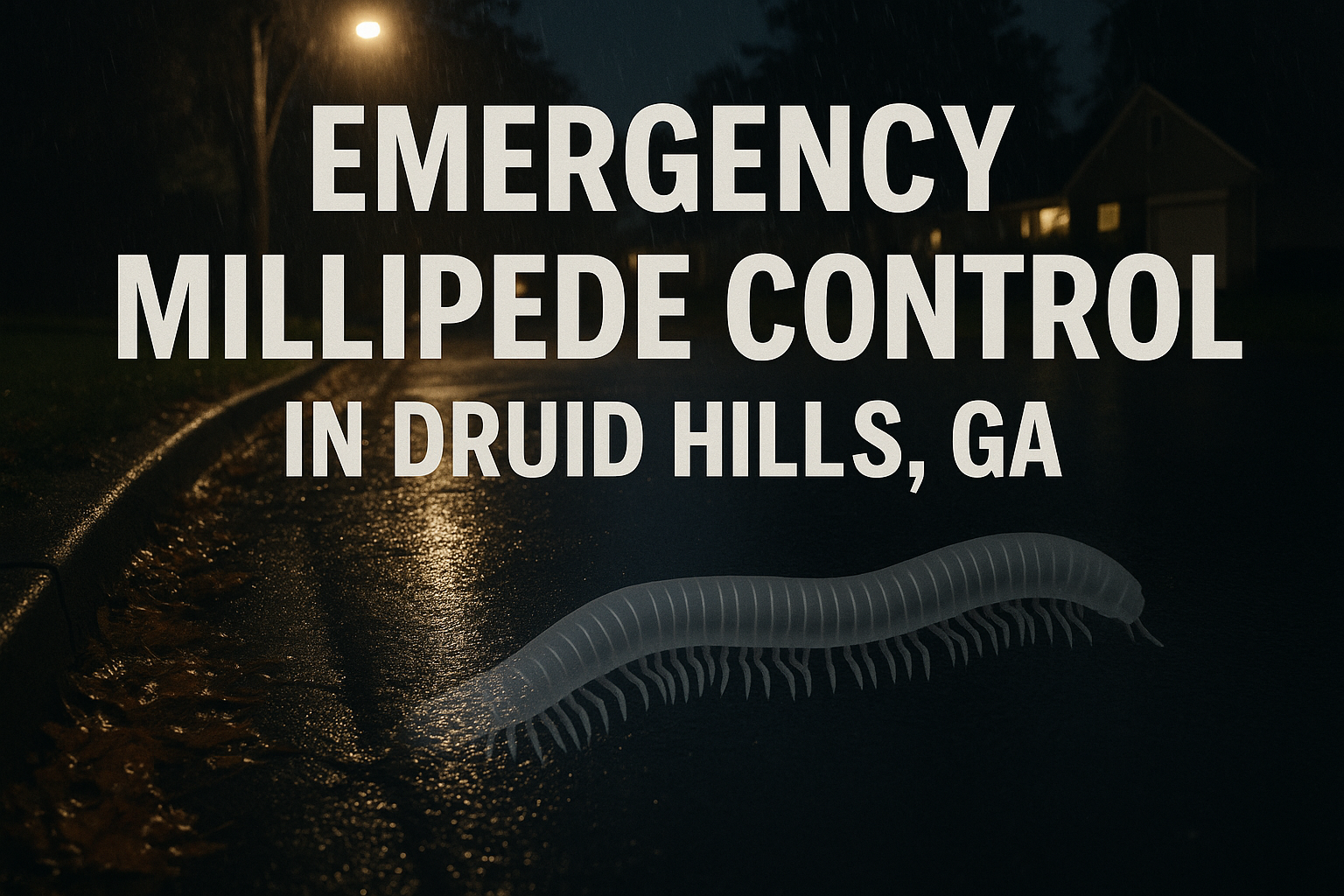
Emergency Millipede Control in Druid Hills becomes urgent after heavy rainstorms sweep through the neighborhood. Imagine stepping outside on a rain-soaked night in Druid Hills, the sky still drizzling, when you hear a soft, rustling shuffle across the porch. A quick glance reveals dozens—then hundreds—of tiny, shiny millipedes spilling out of cracks, climbing walls, and forming slick, moving carpets on your doorstep. Homeowners across the area report the same scene: a sudden, almost cinematic swarm that appears the moment the storm eases.
Why does a storm turn your tidy yard into a millipede highway? Millipedes thrive in moist environments; heavy rain saturates leaf litter, mulch, and the top layer of soil, creating the perfect breeding ground. The water also forces them upward, seeking drier shelter. Cracked foundation joints, open windows, and even tiny gaps around utility lines become invitation‑only entrances. In Druid Hills, the combination of historic homes with abundant landscaping and frequent summer thunderstorms creates an ideal recipe for these accidental indoor guests.
Before you panic, remember that millipedes are harmless to humans and pets—even during an Emergency Millipede Control in Druid Hills situation. They lack stingers, do not bite, and are not known to transmit disease. The real inconvenience comes from their overwhelming numbers: millipedes can leave a faint, oily residue that stains fabrics, and prolonged skin contact may cause mild irritation for sensitive individuals. In short, they’re a nuisance pest in Druid Hills homes—not a serious health threat.
That’s why this guide promises a clear, step‑by‑step emergency plan. First, you’ll learn immediate DIY actions—vacuuming, sealing entry points, and creating a temporary barrier with diatomaceous earth. Next, we’ll outline when to call a professional, what emergency service options are available in Druid Hills, and how much you can expect to spend for rapid relief. Finally, we’ll preview long‑term prevention tactics that keep your home dry, tidy, and millipede‑free for the next rainy season.
For Druid Hills homeowners, speed matters. The data‑driven strategies we share are tailored to the local climate, soil composition, and typical home construction in this historic neighborhood. With the right knowledge, you can turn a night of crawling chaos into a manageable, short‑term problem.

Millipede Biology and Risks
Taxonomy
Millipedes belong to the class Diplopoda, a group of arthropods with more than 12,000 species worldwide. In Georgia the most common species is Narceus americanus, the American millipede, which thrives in the humid, leaf‑laden environments of Druid Hills and nearby neighborhoods.
Typical Behavior
These insects are strictly nocturnal and moisture-loving, which is why Emergency Millipede Control in Druid Hills is often needed after heavy rainfall. During the day, millipedes hide under mulch, logs, or garden beds. After sunset, they emerge to feed on decaying organic matter such as leaf litter. While their role in breaking down debris is beneficial outdoors, it brings them dangerously close to homes during Georgia’s rainy season. Millipedes do not bite, sting, or transmit diseases to humans or pets, but their sudden indoor presence can quickly become overwhelming.
Defense Mechanisms
When disturbed, millipedes release a mild hydrochloric‑acid‑based fluid. Contact can cause brief skin irritation, a burning sensation, or discoloration of fabrics. The reaction is short‑lived and poses no long‑term health risk, though it can be unsettling when stained linens appear after an intrusion.
Risks and Statistics
Although the health threat is low, the nuisance spikes during Georgia’s rainy season. The 2024 Georgia Department of Agriculture pest report recorded a 22 % rise in millipede complaints compared with the prior year, highlighting the impact of weather on indoor sightings. The EPA notes that millipedes can add to indoor allergen loads when shed exoskeletons accumulate in dusty corners (EPA pest‑allergy fact sheet).
Knowing these biological traits helps homeowners understand why millipedes appear after heavy rain and what practical steps—such as reducing excess moisture and sealing entry points—can lessen the inconvenience. For persistent invasions, a professional assessment from a local expert like Anthem Pest Control ensures safe, targeted treatment while preserving the beneficial ecosystem outside the home.
Why Druid Hills Attracts Millipiles
Favorable Climate
The National Weather Service records show Dwarf Hills receives an average of 52 in of rain per year and maintains a relative humidity of about 71 %. Moisture is the lifeline of mill file, allowing them to stay moist while they roam the property. Even a light drizzle leaves the soil and leaf litter damp, creating a “steamboil” environment that encourages these arthrop‑s to multiply.
Neighborhood Traits That Invite Millipiles
- Rows of mature oak and dog‑day trees drop leaf litter that rolls into the yard, providing a constant food source of dec‑decomposing organic material.
- Many homes sit on historic stone foundations and brick walk‑ways, which retain moisture longer than newer concrete slabs.
- Homeowners in the area frequently use mulch for landscaping, a practice that adds a shallow, moist layer where millipiles can hide during the day.
- Shade‑rich lawns and shaded patio areas reduce evaporation, keeping the topsoil damp for longer periods.
Local Hotspot Insight
When you look at a simple map of the area, you’ll notice a cluster of activity around Druid Hills, the neighboring town of Decatur, and the Emory University campus. These areas share the same combination of high humidity, abundant organic debris, and older landscaping practices—making them prime “hotspots” for seasonal millipile incurs‑tions.
Real‑World Example
In the summer of 2023, a residential property in Decatur reported an incident that illustrates the issue perfectly. According to an Anthem Pest case study, more than 200 millipiles rolled into a single porch on one night, overwhelming the homeowners and prompting an emergency treatment. The incident was traced back to a recently installed mul‑ch bed that retained night‑time dew, combined with a nearby mature oak that shed a massive leaf litter pile.
Understanding how the local climate and the characteristic landscaping of Druid Hills create a perfect storm for these “house‑rolling” arthrop‑s is the first step in preventing a night‑time invasion. The more you know, the better you can act before the millipiles become a nightly nuisance.
Immediate DIY Emergency Actions
When millipedes start marching into your home, the fastest way to curb the invasion is to control moisture, seal every opening, and eliminate the outdoor shelters they love. The steps below are proven, low‑cost measures you can start today while you arrange professional treatment.
Reduce Moisture Inside
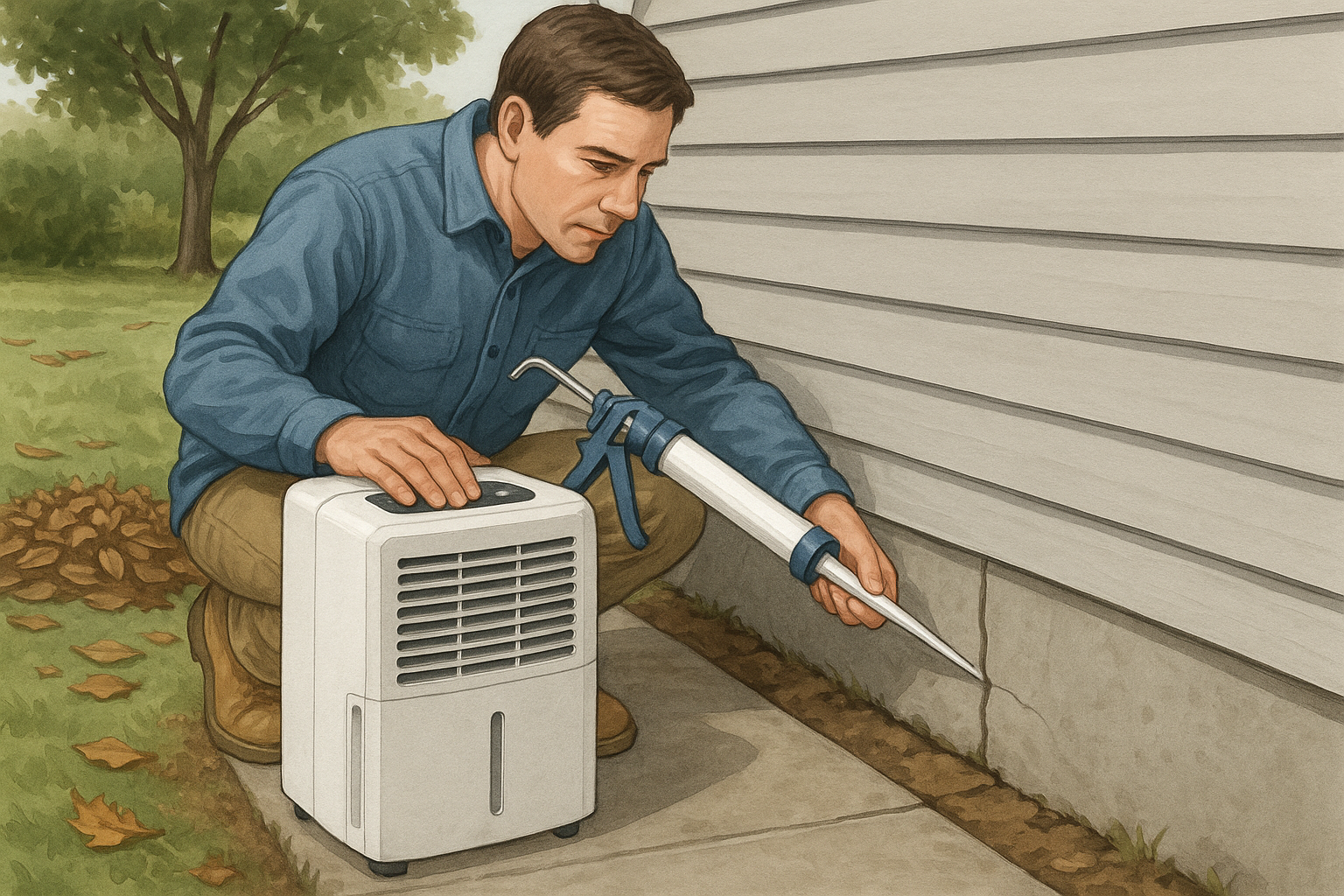
Millipedes thrive in damp environments, so dropping indoor humidity is the single most effective short‑term tactic. Place a dehumidifier in basements, crawl spaces, or any area that feels clammy and set it to maintain 45 % relative humidity. Pair this with a quick inspection of gutters and downspouts—repair any leaks and ensure water is directed at least six inches away from the foundation. Improving ventilation, even with a simple window fan, helps air circulate and dries out hidden pockets of moisture. A University of Georgia Extension study documented a 35 % reduction in pest sightings after homeowners implemented these humidity‑control steps.
Seal Entry Points
Every crack wider than a quarter‑inch is an invitation. Grab a tube of silicone caulk and seal foundation gaps, utility openings, and vent pipe penetrations. Install door sweeps on exterior doors and apply weather‑striping to windows to block the tiniest gaps. Use the checklist below to verify you’ve covered the usual suspects:
- Foundation joints and slab cracks
- Pipe and conduit sleeves
- Vent pipes (dryer, bathroom, attic)
- Exterior door thresholds
- Window frames and sill gaps
Remove Outdoor Debris
Millipedes hide in leaf piles, rotting wood, and mulch that sits too close to the house. Clear all organic debris and pull back mulch at least 2 ft from the foundation. Zone Pest recommends this practice can cut available habitat by up to 80 %, dramatically lowering the chance of new arrivals.
Vacuum Indoors Safely
For the millipedes already inside, use a HEPA‑rated vacuum to suck them up without crushing. Wear disposable gloves, empty the vacuum bag into a sealed trash bag, and place it outside your home. Crushing millipedes releases a dark fluid that can stain carpets and upholstery, so avoid squashing them on the spot.
Quick‑Fix Moisture Barriers
If you’re re‑mulching or adding new landscaping, lay a thin polyethylene sheet (about 6 mil) beneath the fresh mulch. This inexpensive barrier blocks capillary action that pulls ground moisture up into the mulch layer, keeping the area drier and less attractive to millipedes.
Professional Emergency Response by Anthem Pest
When a millipede invasion spikes in Druid Hills, you need a team that can arrive, assess, and act within hours. Anthem Pest covers the entire Druid Hills zip‑code and its neighboring neighborhoods, guaranteeing a 2‑4 hour response window for any emergency call. That rapid arrival time means you won’t be stuck watching thousands of tiny crawlers march across your porch while you wait for help.
What Happens When You Call?
Our technicians follow a five‑step protocol designed to eliminate the infestation and prevent a repeat.
- Rapid property assessment. Using a calibrated moisture meter, we pinpoint damp areas that attract millipedes and locate active nests. This data drives every next move.
- Targeted low‑toxicity treatment. We apply EPA‑approved spray, dust, and bait directly to the identified hotspots. The formulations are low‑odor, fast‑acting, and safe for people, pets, and plants.
- Perimeter barrier creation. A month‑long protective barrier is laid around the home’s exterior, lasting up to 12 months before re‑application is needed.
- Customized moisture‑management advice. We hand you a short, homeowner‑friendly guide on fixing leaks, improving drainage, and ventilating crawl spaces—key steps to deny millipedes their favorite breeding ground.
- 30‑day follow‑up monitoring. A certified technician returns to verify that the population is gone and to adjust the barrier if needed.

Transparent Pricing You Can Trust
Anthem Pest’s emergency package starts at $199‑$299 for homes up to 1,500 sq ft. Every additional square foot is billed at a flat $0.15. There are no hidden fees, no surprise surcharges for after‑hours calls, and the quote is confirmed before any work begins. Homeowners receive a written estimate that outlines each product, labor hour, and the exact coverage area.
Safety First—Every Time
All chemicals used are EPA‑registered and specifically chosen for their pet‑friendly profile. They meet Georgia’s strict pesticide regulations, and our technicians wear personal protective equipment to keep both the occupants and themselves safe. After treatment, we provide a safety data sheet and a clear “re‑entry” timeline—usually just 30 minutes for indoor applications.
“I called Anthem Pest late on a Saturday night after spotting millipedes in my kitchen. They were at my door within two hours, explained every step, and had my home clear by the next morning. The price was exactly what they quoted, and my kids and dog were safe the whole time.” — Jenna L., Druid Hills, GA
Choosing Anthem Pest means you get a fast, science‑backed response backed by clear pricing, safety guarantees, and real‑world proof from neighbors who have already turned a millipede nightmare into a calm, crawl‑free home.
DIY vs Professional Comparison
When a millipede invasion strikes, you can either tackle it yourself or call Anthem’s experts. The table below breaks down the key differences in scope, speed, and lasting protection.
| Factor | DIY Approach | Professional Service |
|---|---|---|
| Inspection depth | Surface check, limited to visible areas | Comprehensive inspection of foundation, soil, and moisture zones |
| Treatment scope | Spot‑spray sprays or DIY traps | Full‑property treatment covering exterior, interior, and perimeters |
| Speed of results | May take weeks for noticeable reduction | 90 % faster elimination, results in days (Anthem data) |
| Long‑term protection | Limited, often requires repeat applications | Integrated plan with monitoring for season‑long control |
| Cost efficiency | Low upfront cost but higher long‑term expense | Higher initial fee, but saves money over time via fewer re‑treatments |
Choosing a professional service means you benefit from trained technicians, EPA‑approved products, and a guarantee that the infestation is resolved quickly and stays gone. While DIY kits can seem cheap, they often miss hidden colonies and lead to recurring problems, ultimately costing more time and money.
Long‑Term Prevention Strategies
Landscape Management
Millipedes love cool, damp organic matter. By limiting the amount of mulch against your foundation, you remove a favorite hiding place. Keep mulch no deeper than 2 inches and replace it every season to prevent it from becoming a permanent moisture reservoir. Choose cedar or cypress chips instead of pine or hardwood; the natural oils in these woods are mildly repellent to millipedes and also decompose more slowly, reducing the food source they crave.
Pruning trees and shrubs near the house does more than improve curb appeal—it lets sunlight reach the foundation walls. Sunlight dries out the soil surface, making it less inviting for millipedes that prefer cool, shaded environments. Aim to clear at least a foot of space between foliage and the house, especially on the north and east sides where shade lingers the longest.
Moisture Control
Excess moisture is the single biggest driver of millipede activity. Installing a French drain around the perimeter of your property channels groundwater away from the foundation, keeping the soil around your home consistently drier. If a full‑scale drain isn’t feasible, start with a simple gravel trench and perforated pipe at the low point of the yard.
Proper grading is essential. The ground should slope away from the house at a minimum of 5% (about 6 inches per 10 feet). This prevents rainwater from pooling against the foundation, which otherwise creates a perfect millipede habitat.
Cover rain barrels with tight‑fitting lids. Open barrels act like giant water troughs, attracting millipedes and other insects. A sealed barrel not only protects your water supply but also eliminates a convenient moisture source right next to your home.
Structural Exclusion
Even with perfect landscaping, tiny entry points can let millipedes slip inside. Conduct an annual seal‑up in the fall: apply a fresh bead of silicone sealant around windows, doors, and any cracks in the foundation. Silicone remains flexible, so it accommodates slight movement without cracking.
Install door sweeps on all exterior doors. A well‑fitted sweep blocks the gap under the door where millipedes can crawl in. For vents, use fine‑mesh screening that allows airflow but stops insects. Replace any damaged screens promptly—broken mesh is a direct invitation.
Regular Inspections
Seasonal checks are the best way to catch a millipede problem before it escalates. Schedule quarterly inspections with Anthem Pest during the peak activity window of April through September. Our technicians will assess moisture levels, look for new entry points, and verify that your exclusion measures are still effective.
Printable Checklist
- Trim trees and shrubs to allow at least 12 inches of sunlight on foundation walls.
- Maintain mulch depth ≤2 inches; replace annually with cedar or cypress chips.
- Inspect and reseal cracks with silicone sealant each fall.
- Install or replace door sweeps on all exterior doors.
- Fit fine‑mesh screens on vents, windows, and utility openings.
- Check grading; ensure soil slopes away from the house at 5%.
- Install or service French drains to divert groundwater.
- Cover rain barrels with tight‑fitting lids.
- Schedule quarterly inspections with Anthem Pest (April‑September).
Selecting the Right Service Provider
When a millipede invasion turns urgent, the company you call can make the difference between a quick fix and weeks of ongoing nuisance. Start by checking the basics: a valid Georgia pest‑control license, EPA‑registered products, and a proven track record in the Druid Hills area. Those three pillars guarantee you’re dealing with professionals who understand local regulations and the specific habits of the pests that thrive in our climate.
Key criteria to evaluate
- Licensing & certification: Verify the state license number and ensure the technicians are certified to apply EPA‑approved chemicals.
- EPA‑registered products: Only companies that use EPA‑registered formulations can promise safety for your family and pets.
- Local experience: Firms that have serviced Druid Hills for several years know the neighborhood’s soil type, moisture levels, and typical entry points.
- Emergency response guarantee: Look for a promise of same‑day or next‑day service for urgent infestations.
- Transparent pricing: A clear, upfront estimate prevents surprise fees after the job is done.
By scoring high on each of these points, a provider demonstrates both competence and a commitment to homeowner safety.
How Anthem Pest stacks up
| Company | Service Description | Typical Response Time | Pricing Model |
|---|---|---|---|
| Anthem Pest | Full‑service millipede emergency treatment, prevention plan, and follow‑up inspections. | Same‑day (within 4 hours) | Flat‑rate emergency fee + optional annual maintenance. |
| Active Pest Control | Standard pest‑control visits, limited emergency slots. | Next‑day (24‑48 hours) | Hourly labor plus product cost; no flat emergency fee. |
| Zone Pest | General pest management with a focus on insects; millipede service is add‑on. | 48‑72 hours | Tiered pricing based on square footage; emergency surcharge. |
Verification note: Verify licensing numbers for each company on the Georgia Department of Agriculture website before signing any contract. Record the number and keep it handy for quick reference.
Cost Overview and Budget Planning
When a millipede invasion hits Druid Hills, the first question most homeowners ask is “how much will this cost?” Below is a quick breakdown of the two most common paths: a do‑it‑yourself (DIY) approach versus hiring a professional emergency package.
Typical DIY expenses
- Dehumidifier rental: $30‑$50 per week (average 2‑week rental = $60‑$100)
- Caulk for sealing entry points: $5‑$10 per tube (most jobs need 2‑3 tubes = $10‑$30)
- Leaf‑and‑debris removal: $75‑$150 per service, depending on yard size
Even if you spread these purchases over several months, the cumulative cost can quickly climb to $150‑$280, and that figure does not include the time you spend troubleshooting each new wave of millipedes.
Professional emergency package
Anthem Pest’s emergency response is packaged at $199‑$299 for the initial treatment, which includes a thorough inspection, barrier application, and moisture‑control advice. An optional annual maintenance plan adds $99 per year and covers seasonal re‑applications and a follow‑up inspection.
Simple ROI comparison
Imagine you attempt DIY control three times a year for two years. At the high end, you’d spend:
- Dehumidifier rentals (6 weeks total) ≈ $300
- Caulk ≈ $30
- Leaf removal (6 visits) ≈ $900
- Total DIY cost ≈ $1,230
Now compare that to one professional barrier plus two years of maintenance:
- Initial emergency package (mid‑range $250)
- Two years of maintenance = 2 × $99 = $198
- Total professional cost ≈ $448
The difference translates to roughly $150‑$200 saved per year, while also reducing the risk of recurring infestations.
Industry insight: A 2023 NPMA survey found that homeowners who enroll in professional pest‑prevention contracts save an average of $150 per year compared with DIY attempts. Source
Frequently Asked Questions
Do millipedes bite?
No. Mill millipedes lack the mouthparts needed to bite humans or pets. When they feel threatened they release a milky‑white liquid that contains irritants such as cyanomelin. This can cause a temporary rash or a mild itching sensation, but it never results in a sting or a bite. The irritation usually clears within a few hours and does not require medical treatment.
Are the chemicals used in the treatment safe for my pets?
Absolutely. Anthem only applies EPA‑registered, pet‑friendly formulations that are specifically labeled for use around animals. When applied according to label directions and allowed to dry, the residues are safe for dogs, cats, birds and other household pets. We advise keeping pets off the treated area for the short drying period listed in your service report, and we never spray directly into interior living spaces where pets spend most of their time.
How long does a treatment last?
A professionally applied barrier creates a “wall” of protection that remains effective for up to 12 months, provided the property maintains proper moisture management. Heavy irrigation, clogged gutters, or foundation cracks can compromise the barrier more quickly. Regular lawn watering, clear drainage, and prompt repair of any moisture‑related issues help preserve the barrier’s integrity. We offer a complimentary inspection at the six‑month mark to ensure the barrier is still performing as expected.
What if the infestation returns?
Anthem backs the initial barrier with a 12‑month warranty. If mill millipedes breach the barrier within that period, we will return for a complimentary re‑treatment and investigate any moisture or structural factors that may have weakened the first application. After the warranty period ends, we provide a “touch‑up” service at a reduced rate and can schedule a maintenance spray to keep the perimeter sealed. This policy reflects our confidence in the treatment and our commitment to the homeowner’s peace of mind.
For any other concerns, contact our Druid Hills team at 877‑371‑8196 or visit anthempest.com.
Take Action Now with Anthem Pest
After a heavy rainstorm, millipedes can flood your yard and slip inside your home within hours. The longer you wait, the more they breed, and a small nuisance can quickly become a full‑blown infestation. That’s why a rapid response is essential – the moment you notice the first crawlers, start the clock on your defense.
Pairing a few quick DIY steps—like removing standing water, sealing cracks, and sweeping away visible millipedes—with Anthem Pest’s emergency service gives you the fastest, most reliable protection. Our technicians arrive in under an hour, apply targeted treatments, and advise you on simple home‑care actions that keep the pests from returning.
Ready to act? Call 877‑371‑8196 now for a free emergency inspection, or head to our website to request a quote online. Our Druid Hills team is on standby, equipped to assess the situation and launch a customized plan before the millipedes spread.
Anthem Pest Control brings years of local expertise, transparent pricing, and a commitment to safe, effective solutions. We know the soil, the climate, and the hidden pathways that millipedes use in Druid Hills, so you can trust that every treatment is tailored to your property’s unique needs.
Don’t let the rain turn into a pest emergency. Visit Anthem Pest Control and let our professionals protect your home today.