Identifying Millipedes and Their Threats
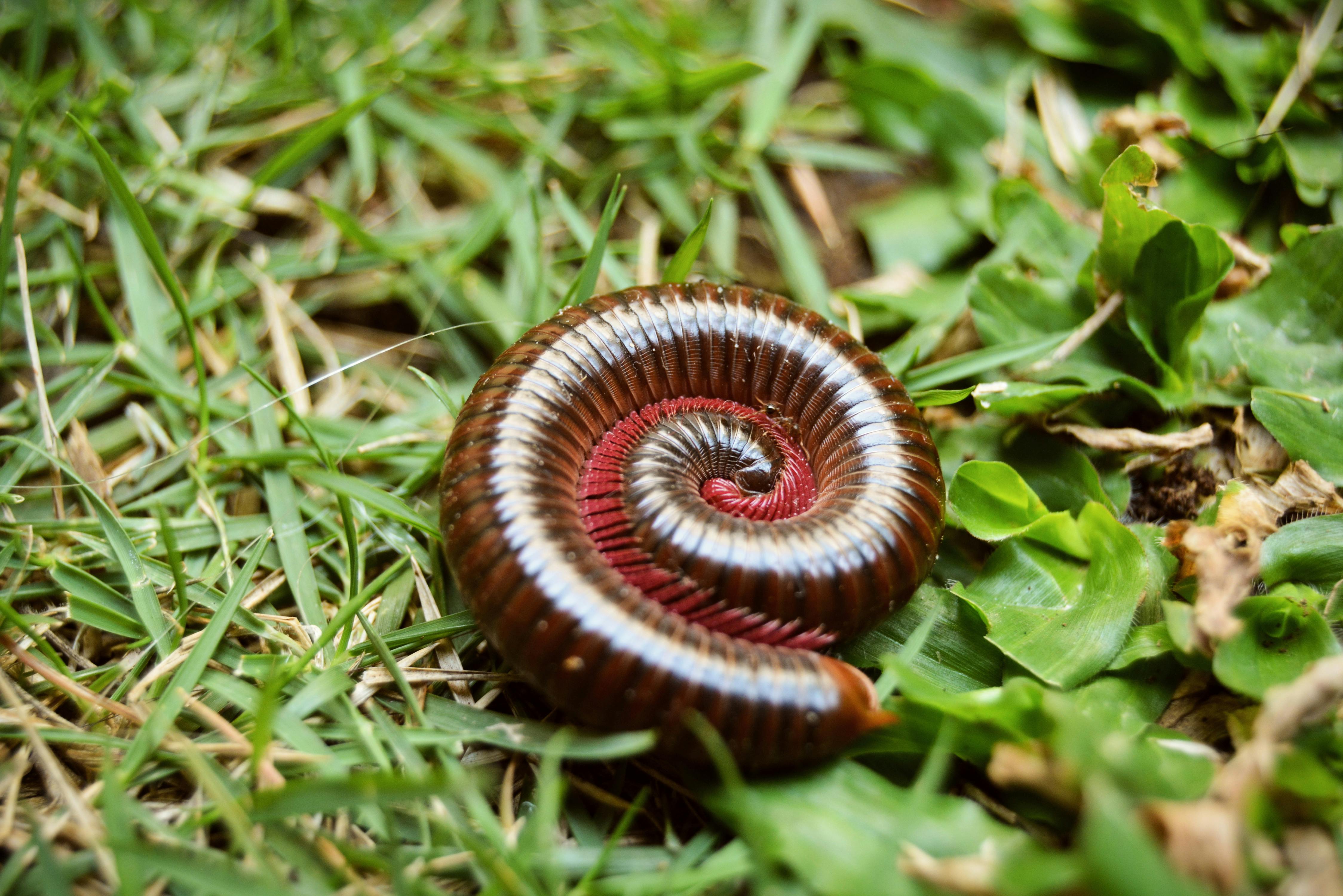
Millipedes belong to the class Diplopoda, a group of arthropods best known for their long, segmented bodies and the abundance of legs—two pairs per segment after the first few. Despite the many limbs, they are completely harmless to humans; they lack venom and do not bite. Their primary role in nature is to break down decaying plant material, helping to recycle nutrients back into the soil.
When you’re trying to determine whether the critter you’ve spotted is a millipede, look for a few key visual cues. Most household species range from 1 to 4 inches in length, though some can grow larger in the deep South. Their coloration varies from pale tan or brown to a darker, almost black hue, often with a glossy sheen. You’ll typically find them under leaf litter, mulch, or in damp, shady corners of your yard—places that retain moisture.
Homeowners often fall prey to common misconceptions. Because millipedes never bite or transmit disease, many assume they’re entirely benign. In reality, while they won’t harm you or your pets, a massive influx can become a serious nuisance. When thousands gather, they can clog drains, stain carpets, and even damage wooden structures by feeding on the damp, rotting material that compromises the integrity of siding or decking.
Moisture is the main driver that pushes millipedes from the outdoors into homes. Basements, crawl spaces, and any area with poor ventilation become attractive pathways. During rainy seasons or after heavy irrigation, the soil around your foundation stays saturated, prompting these creatures to seek drier shelter. Once inside, they follow the same moist trails, often congregating near utility lines, laundry rooms, or under sinks where condensation is common.
For a deeper dive into the biology and behavior of these pests, the Peachtree Pest Control – Millipedes page offers a thorough, locally‑focused overview. Understanding what you’re dealing with is the first step toward an effective response.
As we move forward, it’s essential to recognize that millipede activity isn’t random. Seasonal shifts—particularly the transition from dry summer to damp fall—play a pivotal role in triggering infestations. The next section will explore how weather patterns and landscaping choices set the stage for these unwelcome guests.
Seasonal Activity of Millipedes in Georgia
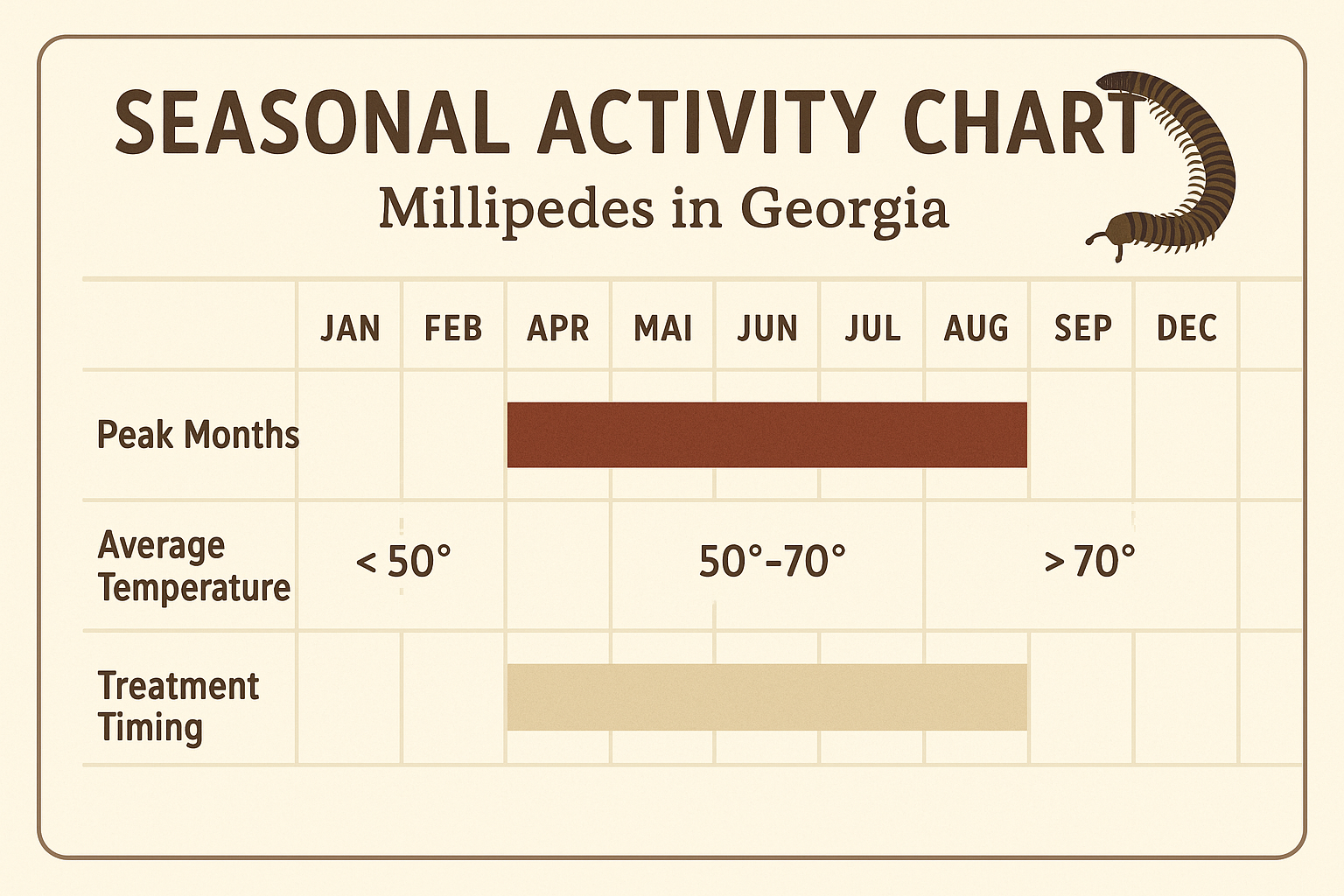
Georgia’s humid subtropical climate creates the perfect backdrop for millipedes. Warm temperatures above 60°F combined with year‑round moisture—especially after summer rains—allow these detritivores to thrive in leaf litter, mulch, and damp foundations. When humidity climbs above 70 % and soil stays moist, millipedes multiply rapidly, seeking shelter in homes to escape the heat.
The seasonal activity chart above highlights two distinct peaks: a spring surge from April through June and a secondary burst in early fall, September through October. During these windows you’ll notice the highest numbers of millipedes crawling along foundations, in basements, and even inside living spaces.
Temperature data line up closely with these spikes. Average daily highs of 70‑80°F in April–June and 68‑78°F in September–October coincide with the insects’ breeding cycles. When nights stay warm and the ground remains damp, eggs hatch and juveniles emerge, driving the visible increase in activity.
To keep millipedes out of your home, plan treatments around these peaks. A preventative barrier applied in late February to early March creates a chemical shield before the spring rush. Follow up with a second application in late July through early August to knock down the fall generation before it seeks indoor refuge. Timing these treatments just outside the peak periods gives the most bang for your buck and reduces the chance of an emergency invasion.
Quick tip: During the off‑season, inspect crawl spaces and basements for standing water or leaky pipes, and seal cracks around doors, windows, and utility entries. Cutting off moisture and entry points is the simplest way to keep millipedes at bay.
Professional Treatment Options for Millipede Infestations
When millipedes breach your home’s defenses, a DIY spray rarely offers lasting relief. Trained technicians from Anthem Pest Control follow a systematic, science‑backed approach that targets the insects where they hide, while safeguarding your family and pets.
Thorough Inspection: Finding the Weak Spots
The first step is a detailed walkthrough of both exterior and interior spaces. Technicians locate entry points such as foundation cracks, door sweeps, and gaps around utility penetrations. They also trace moisture sources—leaky gutters, damp mulch, or standing water—that attract millipedes. By mapping infestation hotspots, the crew can apply treatments precisely where they’ll be most effective.
Exterior Perimeter Treatments: Building a Protective Barrier
Once the problem areas are identified, a perimeter barrier is established. Professionals may choose granular granules that are broadcast around the home’s foundation, or a liquid spray that adheres to soil and siding. Both methods create a chemical shield that repels millipedes before they can cross into your yard. The products used are EPA‑approved, long‑lasting, and calibrated to avoid runoff that could harm nearby plants.
Interior Treatments for Severe Cases
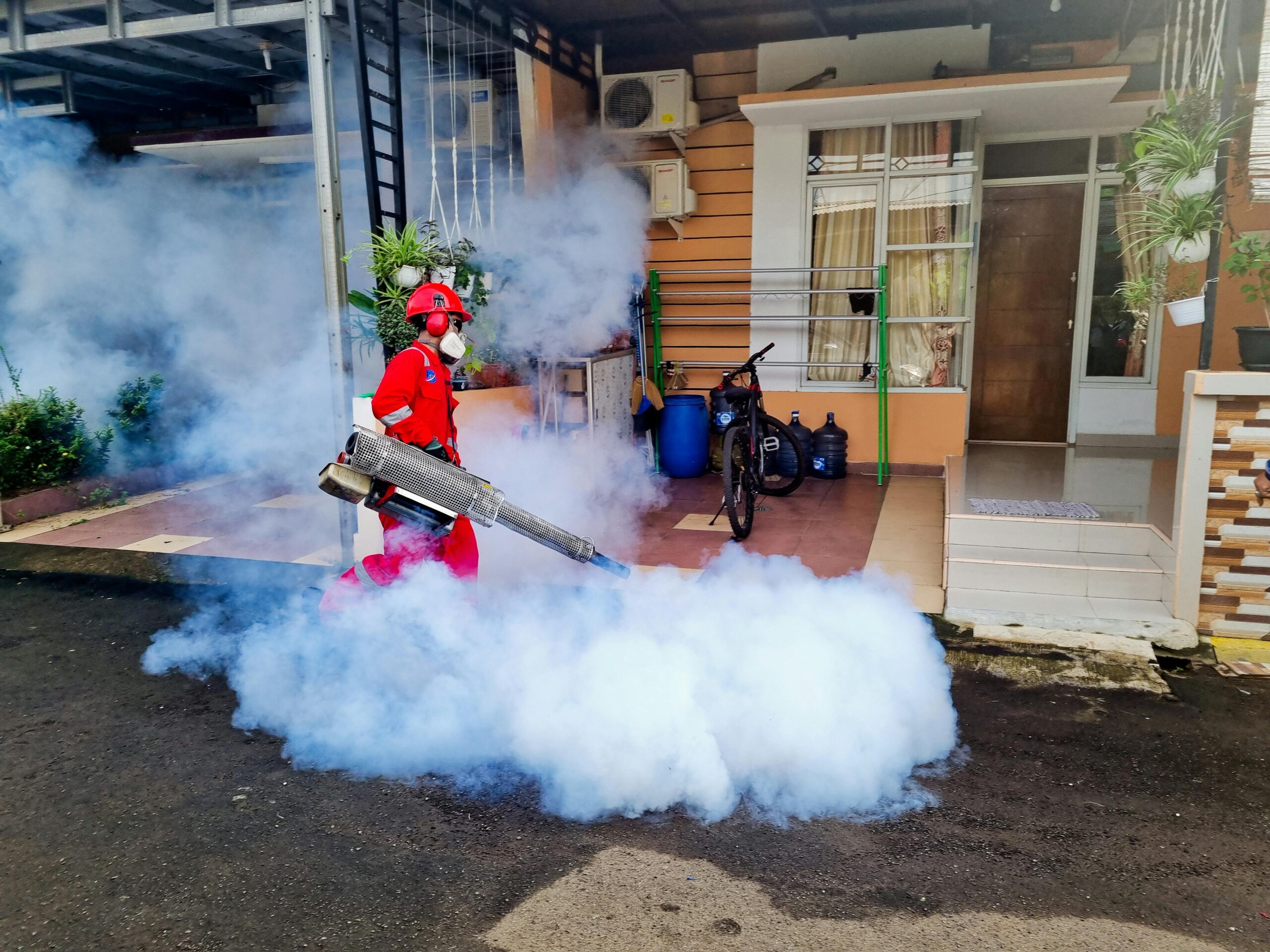
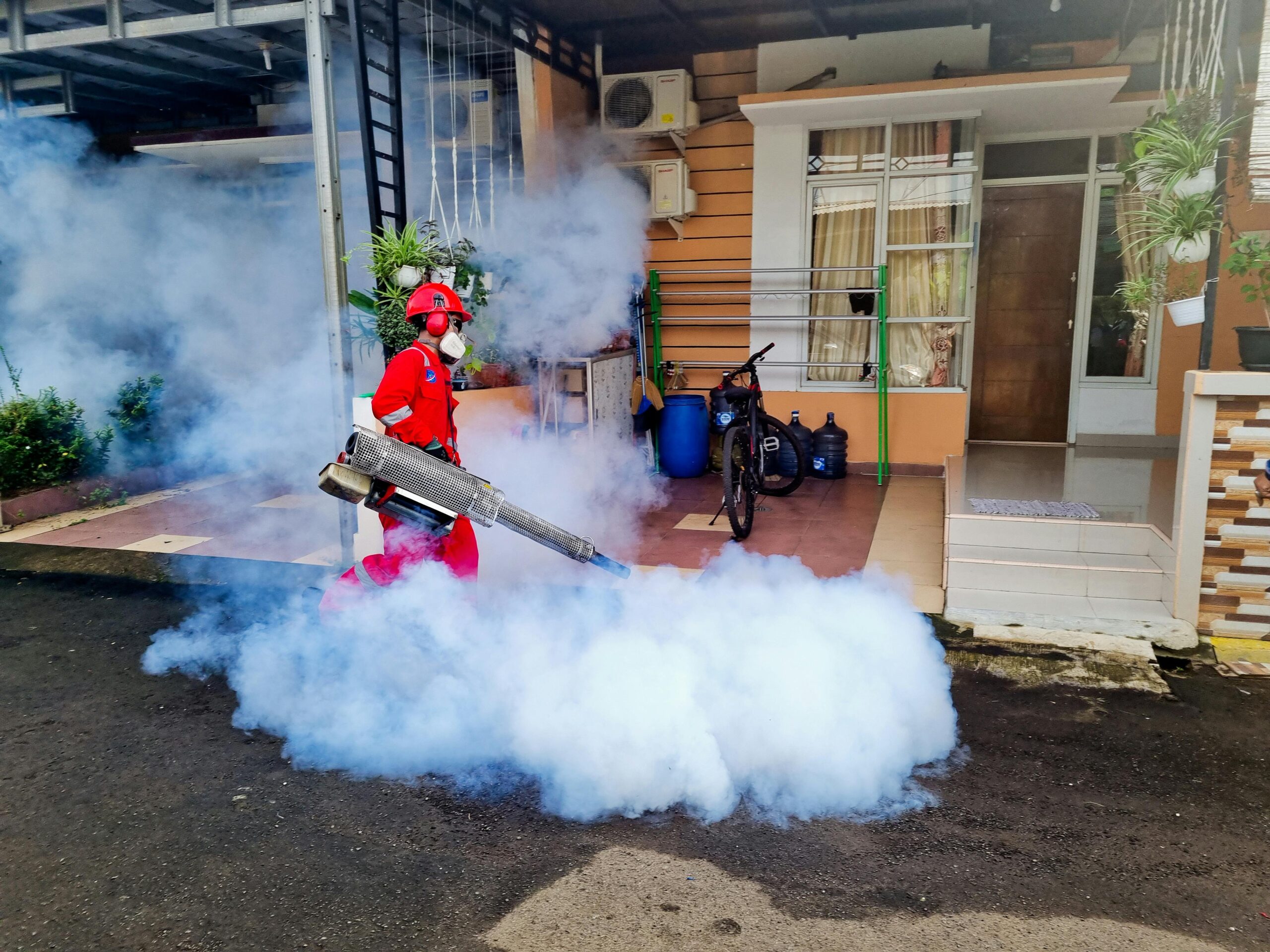
If millipedes have already entered living spaces, targeted interior applications are necessary. Technicians employ low‑odor sprays in cracks, crevices, and baseboard gaps, as well as dust formulations that remain active for weeks. In extreme infestations, a brief fogging session distributes fine particles throughout the affected rooms, ensuring hidden colonies are reached without over‑spraying surfaces.
Safety First: Protective Gear and Approved Products
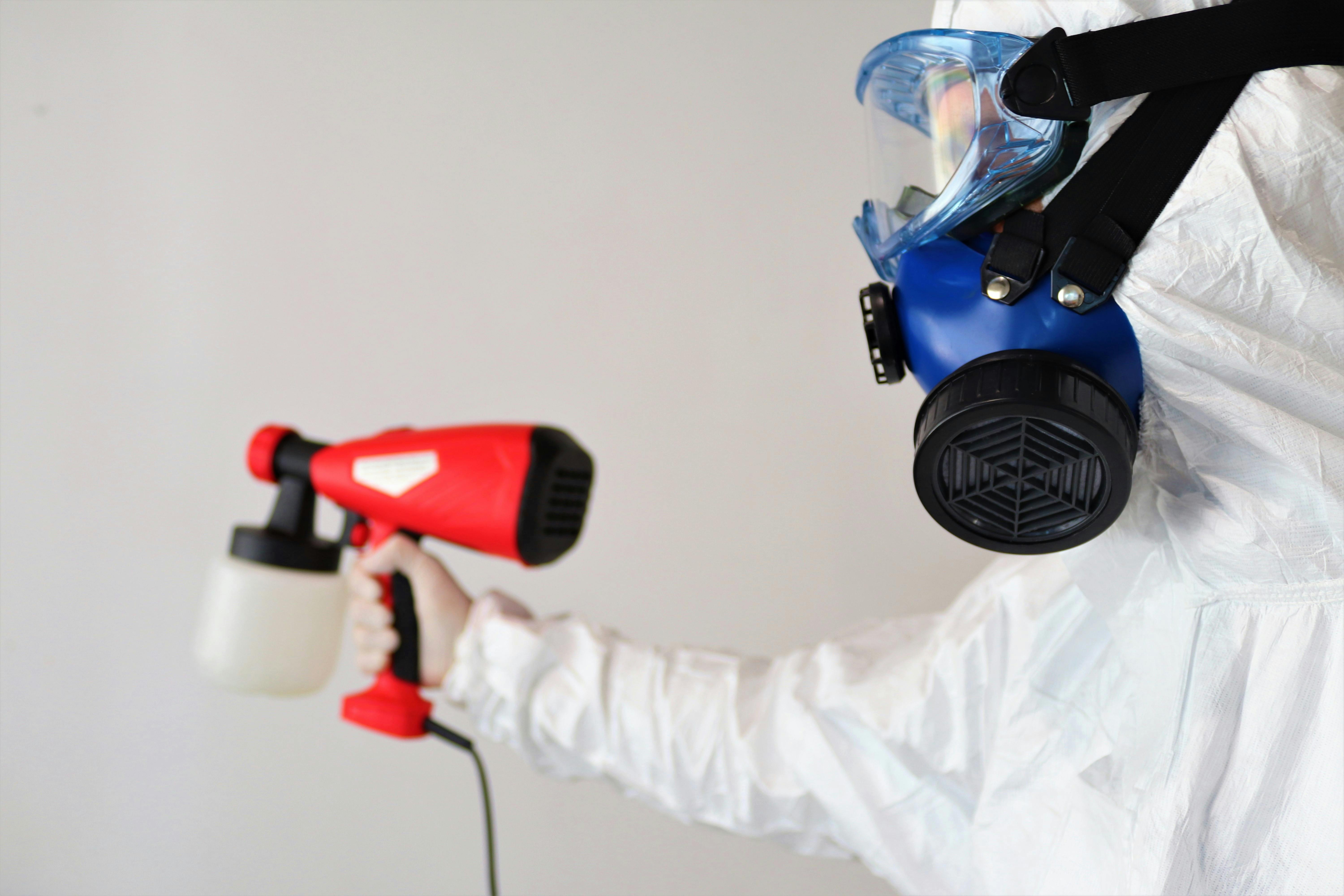
Every Anthem Pest technician dons gloves, goggles, and respirators to protect themselves during application. The chemicals selected meet strict EPA standards for indoor use, guaranteeing that residues are safe for children, pets, and indoor air quality once the recommended ventilation period has passed.
Post‑Treatment Recommendations
After the service, homeowners receive a concise action plan. Reducing moisture is paramount—use a dehumidifier in basements, fix leaky pipes, and replace soggy mulch with dry, well‑draining alternatives. Simple landscaping tweaks, like trimming vegetation away from the foundation, further diminish millipede appeal.
“Professional treatment tackles the root cause—moisture and entry points—while DIY sprays only mask the problem. A licensed technician’s expertise and EPA‑approved products give you lasting peace of mind.” – Jordan Miller, Certified Pest Control Technician, Anthem Pest Control
Emergency Millipede Control Pricing and Service Tiers
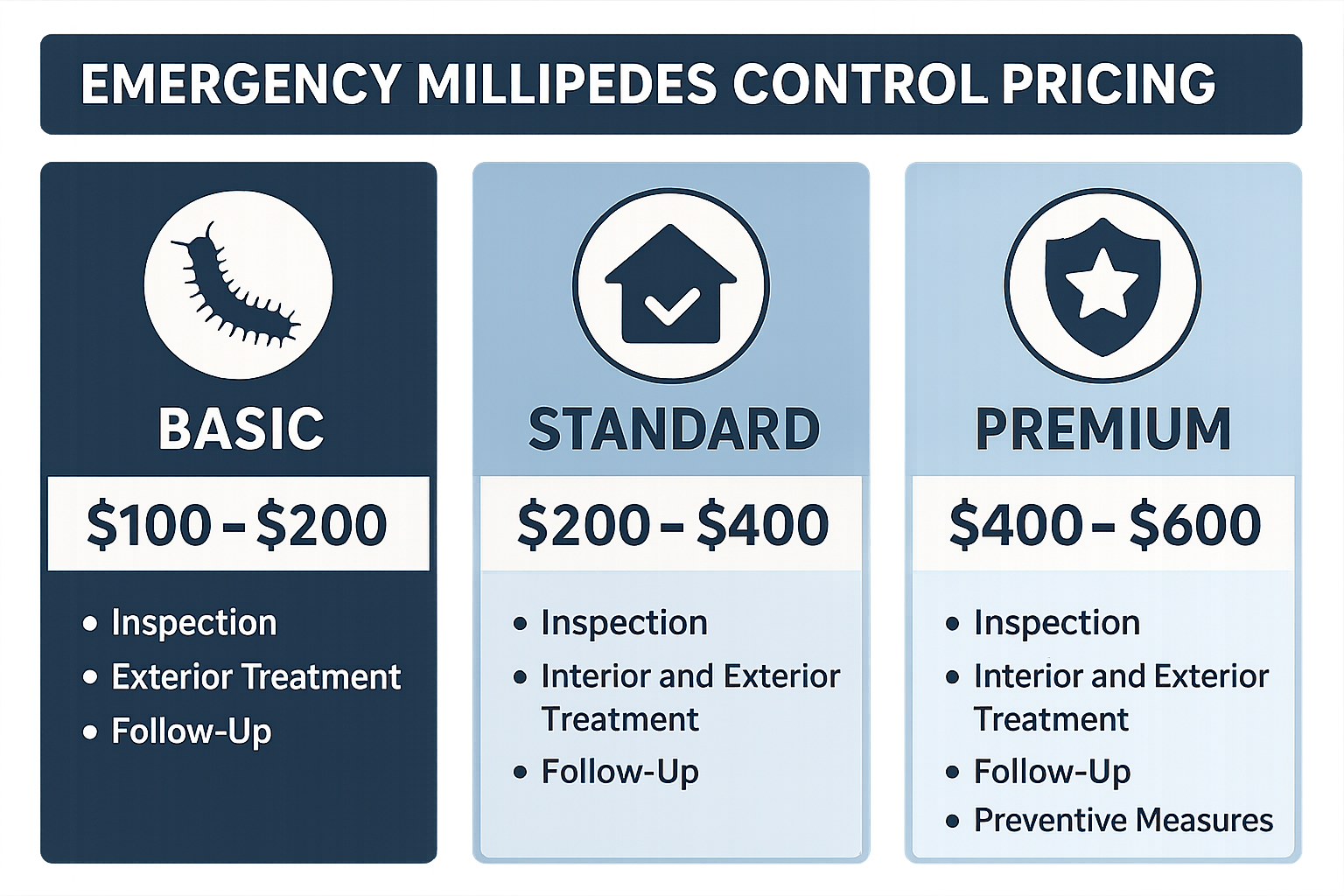
When a millipede invasion spikes, you need a plan that matches both the severity of the problem and your budget. Anthem Pest Control offers three clear‑cut service tiers—Basic, Standard, and Premium—so you can pick the level of protection that feels right for your home and the urgency of the outbreak.
Service Tier Overview
Choose the tier that aligns with the stage of your infestation:
- Basic: Early sightings, low numbers, and a need for quick perimeter protection.
- Standard: Visible clusters, interior activity, and a desire for a follow‑up visit.
- Premium: Massive swarms, property‑wide concerns, or homeowners who want long‑term monitoring.
| Tier | Cost Range (USD) | Included Services |
|---|---|---|
| Basic | $120 – $180 | Initial inspection, perimeter spray |
| Standard | $200 – $280 | Inspection, perimeter spray, interior treatment, one follow‑up visit |
| Premium | $350 – $450 | All Standard services plus guaranteed re‑treatment, annual monitoring, priority scheduling |
Every tier begins with a thorough, licensed‑technician inspection that pinpoints entry points and recommends preventative steps. The Premium package adds a guaranteed re‑treatment if millipedes return within 30 days and an annual monitoring visit to keep future invasions at bay.
Why the Higher Tiers Offer More Value
The Premium tier isn’t just a pricier option; it’s a safety net. Guaranteed re‑treatment eliminates surprise costs, while annual monitoring means we’ll revisit each spring to catch early activity before it becomes an emergency. The Standard tier provides interior treatment and a follow‑up visit—ideal for moderate infestations that have already crossed the yard line.
Emergency Scheduling Explained
For severe outbreaks, we treat “emergency” as a true priority. Same‑day service is available for confirmed high‑risk situations, and next‑day appointments cover urgent but less critical cases. Once you call, our dispatch team confirms the tier, sets a rapid appointment window, and guarantees a certified technician on‑site within the agreed timeframe.
All prices are upfront with no hidden fees – see the infographic for a quick visual.
Protect Your Home with Anthem Pest Control
By now you know how to spot millipedes, why they surge in the spring, and what a professional treatment can do to keep them from turning your yard into a crawl‑way. Early detection and swift action are the best defenses against a full‑blown invasion, especially before the insects find their way into cracks, gutters, or even the foundation where moisture can attract even more pests.
Why Choose Anthem for Millipede Management?
Anthem Pest Control combines nationwide expertise with a local‑focused approach. Our licensed technicians understand the specific climate patterns of Peachtree City, Georgia, and use EPA‑approved products that are safe for pets, children, and the environment. We employ proven methods such as soil drenching and perimeter barriers to create a long‑lasting shield around your property, delivering fast, effective results that fit most budgets.
Transparent Pricing and Satisfaction Guarantee
We believe you should know exactly what you’re paying for, so Anthem offers clear, upfront pricing with no hidden fees. Every job includes a written estimate, a detailed work plan, and a satisfaction guarantee—if millipedes reappear within 30 days, we’ll return and retreat at no extra charge. This commitment gives you confidence that your investment protects your home for the entire season.
Free, No‑Obligation Inspection
Schedule a complimentary inspection and receive a customized treatment plan tailored to your property’s layout, soil type, and existing landscaping. Our team will walk you through the recommended steps, timing, and any preventive measures you can take, and we can arrange service windows that suit your busy schedule, including evenings and weekends.
Ready to act? If you’re noticing millipedes marching across your lawn or finding them inside your home, let our local experts handle it quickly and responsibly. Call today for a free quote and peace of mind.
Phone: 877‑371‑8196
Website: Anthem Pest Control