Emergency Mosquito Bloom in Smyrna – Why Immediate Action Matters
Emergency mosquito control Smyrna GA imagine stepping out of your front door on a humid Tuesday night in East Cobb, just as a sudden summer downpour ends. Within minutes, the streets of Olde Smyrna fill with a thick, humming cloud of mosquitoes, buzzing so loudly you can hear them over the distant thunder. Families pull their children inside, and even the most seasoned gardeners scramble for screens.

The surge isn’t just a nuisance. The CDC reported 1,200 mosquito‑borne disease cases across the United States in 2023, a sharp rise that underscores how quickly an outbreak can turn deadly. Each case represents a potential household like yours suddenly exposed to vector‑borne pathogens.
West Nile virus, for instance, can cause fever, headaches, and in severe cases, neurological damage within days of the bite. Zika, though rarer in Georgia, poses a serious risk to pregnant women and can lead to birth defects. The speed at which symptoms appear means there’s little time to wait for a doctor’s visit before the illness escalates.
That’s why this guide walks you through a step‑by‑step emergency response: from immediate source reduction to safe, EPA‑approved treatments that knock mosquitoes out of your yard within hours. When you need the fastest local expertise, Anthem Pest Control’s certified technicians are on call 24/7, equipped with the same tools we use for city‑wide outbreaks and the local knowledge to target Smyrna’s unique breeding hotspots.
Every 24‑hour delay allows larvae to mature, turning a manageable pocket of water into a full‑scale breeding ground. In Smyrna’s humid climate, a single stagnant birdbath can produce hundreds of adults by dusk. Acting now stops the cycle before it overwhelms your family’s outdoor space.
First, let’s identify whether the buzzing you hear is a true emergency mosquito bloom and what clues tell you it’s time to call in the pros. The sooner you act, the less likely you’ll face a summer of relentless bites and costly professional interventions.
Spotting the Mosquito Threat in North Georgia
In Smyrna, two mosquito species dominate the summer landscape and are responsible for most nuisance bites and disease risk. Knowing their appearance and habits lets you act quickly and call a professional emergency mosquito control Smyrna GA service before the problem explodes into a full-blown infestation.
Common culprits in Smyrna
- Aedes albopictus – the Asian tiger mosquito
- Culex quinquefasciatus – the southern house mosquito
How to tell them apart
Both species are roughly the size of a fingernail, but their markings and activity windows differ markedly.
- Aedes albopictus: About 2‑5 mm long, with bold black‑white striped legs and a single white stripe down the center of its thorax. It is most active during daylight, especially early morning and late afternoon.
- Culex quinquefasciatus: Slightly larger, 4‑6 mm, sporting a uniform brownish‑gray body and no striking leg patterns. It prefers dusk and night, often buzzing around porch lights.
Where they breed
Aedes mosquitoes love clean, stagnant water that collects in artificial containers—think flower pots, discarded tires, or a 15‑liter birdbath left uncovered. Culex, on the other hand, thrives in polluted or organically rich standing water such as clogged gutters, septic overflows, or animal‑filled rain barrels. Regularly emptying or treating these water sources eliminates the larvae before they mature, cutting the population in half within a week.
Quick‑check checklist
-
Rapid DIY Mitigation Steps You Can Take Today
When mosquitoes are buzzing around your yard, you don’t have to wait for a professional visit to start cutting their numbers. Within the next 24 hours you can take three low‑cost actions that dramatically reduce breeding sites, block adult activity, and protect your family from bites.
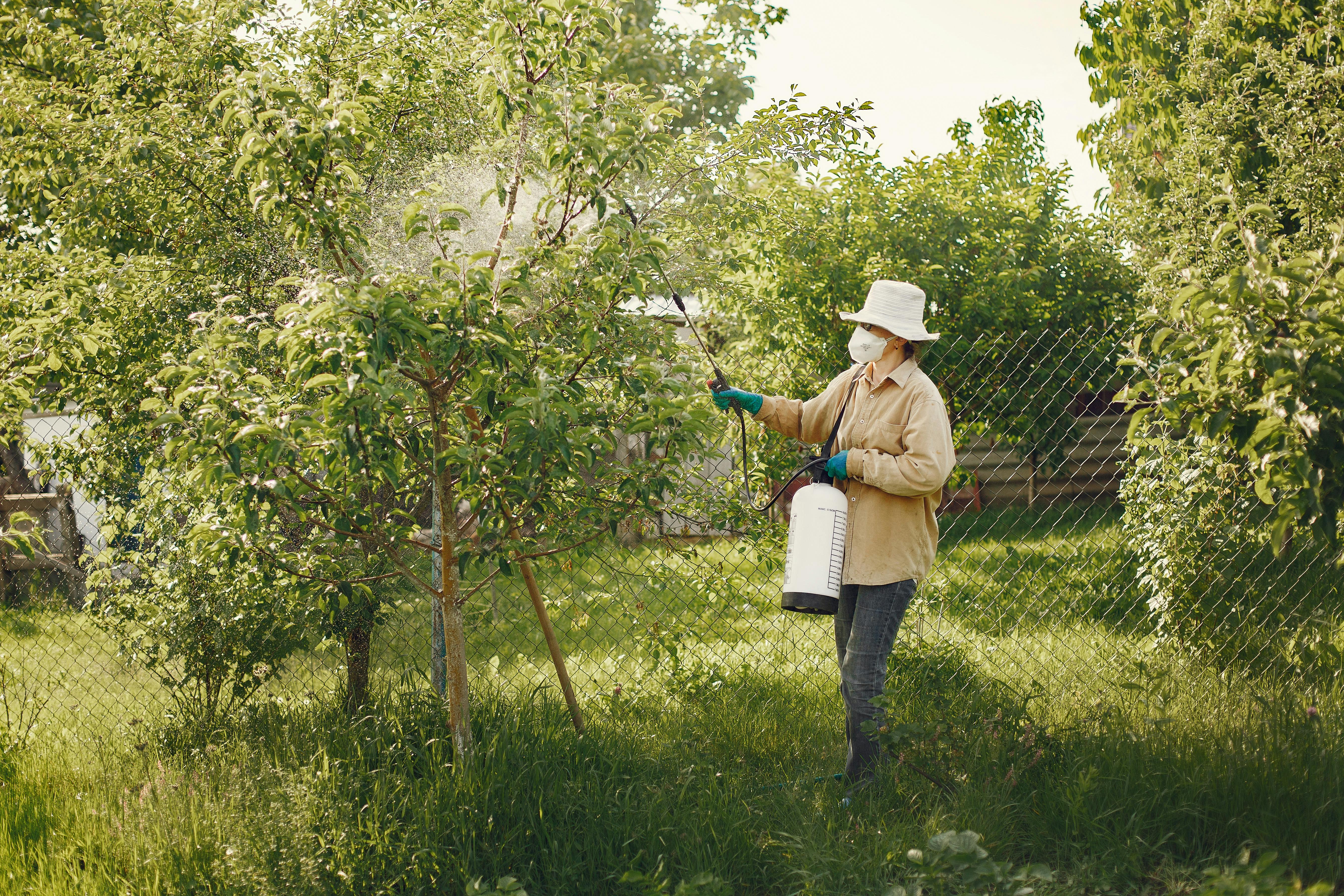
1. Drain or Cover All Standing Water Female mosquitoes need just a few millimeters of stagnant water to lay eggs. Walk around your property and locate every potential reservoir—birdbaths, plant saucers, clogged gutters, pet water dishes, and even the rim of a discarded tire. Performing these inspections and removing standing water is a key part of emergency mosquito control Smyrna GA, ensuring mosquitoes have fewer breeding grounds. Empty and scrub each container, then refill with fresh water or, better yet, cover it with fine mesh or a tight-fitting lid. For items you can’t move—like a low-lying garden pond—add a layer of sand or a floating cover to break the water’s surface tension. Completing this sweep within 24 hours removes the primary breeding grounds and forces mosquitoes to search elsewhere.
2. Apply an EPA‑Registered Larvicide (Bti)
If you have hard‑to‑drain spots—such as a shaded ditch, a rain barrel, or a backyard drainage basin—treat them with a bacterial larvicide containing Bacillus thuringiensis israelensis (Bti). A single kit, typically priced between $15 and $30, covers up to 2,500 sq ft and remains active for several weeks. Follow the label: wear gloves, measure the correct dose, and sprinkle the granules evenly over the water’s surface. Bti targets mosquito larvae without harming fish, pets, or beneficial insects, making it a safe choice for residential use.
3. Install Outdoor Fans and Use DEET‑Free Repellents
Adult mosquitoes are weak fliers. Position a box or oscillating fan on patios, decks, or near outdoor seating areas; a gentle breeze of 3–4 mph is enough to keep them off your skin. Pair the airflow with DEET‑free repellents—such as oil of lemon eucalyptus or picaridin—applied to exposed skin and clothing. These repellents create a scent barrier that mosquitoes avoid, while the fan disperses the scent and any lingering insects.
According to the NYC Health Department, households that combine these three DIY actions see a 45 % reduction in mosquito bites after just 48 hours.
- Always wear disposable gloves when handling larvicides.
- Store chemicals out of reach of children and pets; keep the original label handy for reference.
- After treatment, rinse any equipment that came into contact with the product.
- If you notice persistent hotspots, consider contacting a licensed professional for a targeted spray.
When DIY Isn’t Enough – Call a Professional
Even the most diligent homeowner can hit a wall when mosquitoes multiply faster than a summer storm. If your yard is larger than half an acre, packed with dense shrubs, or you’ve been battling a swarm for more than 48 hours, it’s time to hand the job over to the experts. The same rule applies when vulnerable family members—young children, seniors, or pets—are at risk from mosquito‑borne diseases.
Scenarios That Demand a Pro
- Properties exceeding ½ acre where DIY sprayers can’t reach every corner.
- Thick, layered vegetation that shelters adult mosquitoes and larvae.
- Swarms that persist beyond two full days despite over‑the‑counter treatments.
- Households with infants, elderly relatives, or animals that are especially sensitive to chemicals.
Anthem Pest’s Emergency Response Process
When you call Anthem Pest
Building Long‑Term Mosquito Prevention for Smyrna Homes
Seasonal Maintenance Calendar
Staying ahead of mosquitoes means syncing your actions with the local climate. Follow this simple calendar and you’ll keep the buzz at bay all year long.
- Spring (March) – Schedule a pre‑emptive barrier spray before the first warm days arrive. This creates a protective coating on foliage, decks, and outdoor structures, stopping adult mosquitoes from establishing a foothold.
- Summer (June‑August) – Perform weekly spot checks for standing water. Apply a low‑dose larvicide to birdbaths, plant saucers, and any puddles you can’t eliminate. Consistency is key; a single missed week can let a new generation hatch.
- Fall (October‑November) – Conduct a post‑season cleanup. Rake away leaf litter, clear gutters, and empty any containers that collected rain. Removing these reservoirs deprives overwintering mosquitoes of a safe haven.
Landscape Practices That Starve Mosquitoes
Smart landscaping reduces breeding sites while keeping your yard attractive.
- Trim lawn grass to ≤ 3 in. Short grass dries quickly and is less inviting for mosquito larvae.
- Install proper drainage swales or French drains in low‑lying areas to prevent water from pooling after rain.
- Incorporate mosquito‑repellent plants such as citronella, marigold, or lavender. Plant them in sunny spots where they release volatile oils that deter adult mosquitoes.
Smart‑Home Mosquito Management
Technology can give you an extra edge. Mosquito Magnet traps, priced between $150‑$250, emit carbon dioxide and a scent blend that lures mosquitoes away from your patio. Using these devices is a smart addition to any emergency mosquito control Smyrna GA plan. One unit typically lasts 2‑3 years, making it a low‑maintenance, set‑and‑forget solution for busy homeowners.
DIY vs. Professional: Cost‑Benefit Snapshot
Annual expense comparison and expected mosquito reduction Option DIY Total Pro Plan Mosquito Reduction % Basic DIY (spray + larvicide + trap) $180 N/A ≈ 55 % Full DIY (includes landscaping upgrades) $320 N/A ≈ 70 % Professional Annual Plan (Barrier spray, quarterly inspections, larvicide, drainage audit) N/A $450 ≈ 90 % When you weigh the numbers, the professional plan costs a bit more but delivers a near‑complete reduction in mosquito activity—freeing you from weekly spot checks and giving you confidence that every hidden breeding site is addressed.
Local Resources, Regulations, and Community Action
When mosquitoes become a public‑health threat, Smyrna’s city code steps in. Ordinance 12‑14 requires every property owner to eliminate standing water that can serve as a breeding site. The law defines “standing water” as any container, puddle, or drainage issue that holds water for more than 48 hours. Failure to comply can result in a fine of $250 for the first violation and up to $500 for repeat offenses. Knowing the exact language helps you avoid penalties while protecting your family.
The Smyrna‑Fulton County Health Department maintains a real‑time mosquito alerts page. This portal posts weekly risk levels, identifies disease‑carrying species in the area, and offers specific actions you can take that week—such as applying larvicide to bird baths or scheduling a professional fogging service. Bookmark the page and check it every Thursday, when the department releases its update.
Neighborhood Watch and HOA Partnerships
Mosquito control works best when an entire block acts as one unit. If you belong to a homeowners’ association, propose a quarterly “mosquito audit” at your next meeting. Assign one volunteer to inspect common areas for clogged gutters, over‑filled planters, or forgotten rain barrels. Document findings in a shared spreadsheet so the entire community knows where treatment is needed.
For non‑HOA neighborhoods, a simple neighborhood watch group can fill the same role. Create a WhatsApp or Nextdoor thread dedicated to pest alerts. When a resident spots a surge of mosquitoes, the group can quickly alert everyone and coordinate a collective request for a city‑approved fogging event. The city often offers discounted fogging for coordinated neighborhoods that submit a single request through the health department.
By staying informed about local ordinances, using the county’s alert system, and collaborating with neighbors, you turn a lone homeowner’s battle into a community‑wide defense. This proactive approach not only reduces mosquito populations but also keeps Smyrna compliant with its public‑health regulations.
Quick Answers to Your Mosquito FAQs
Below are concise, expert answers to the questions we hear most often from Smyrna homeowners dealing with a mosquito surge.
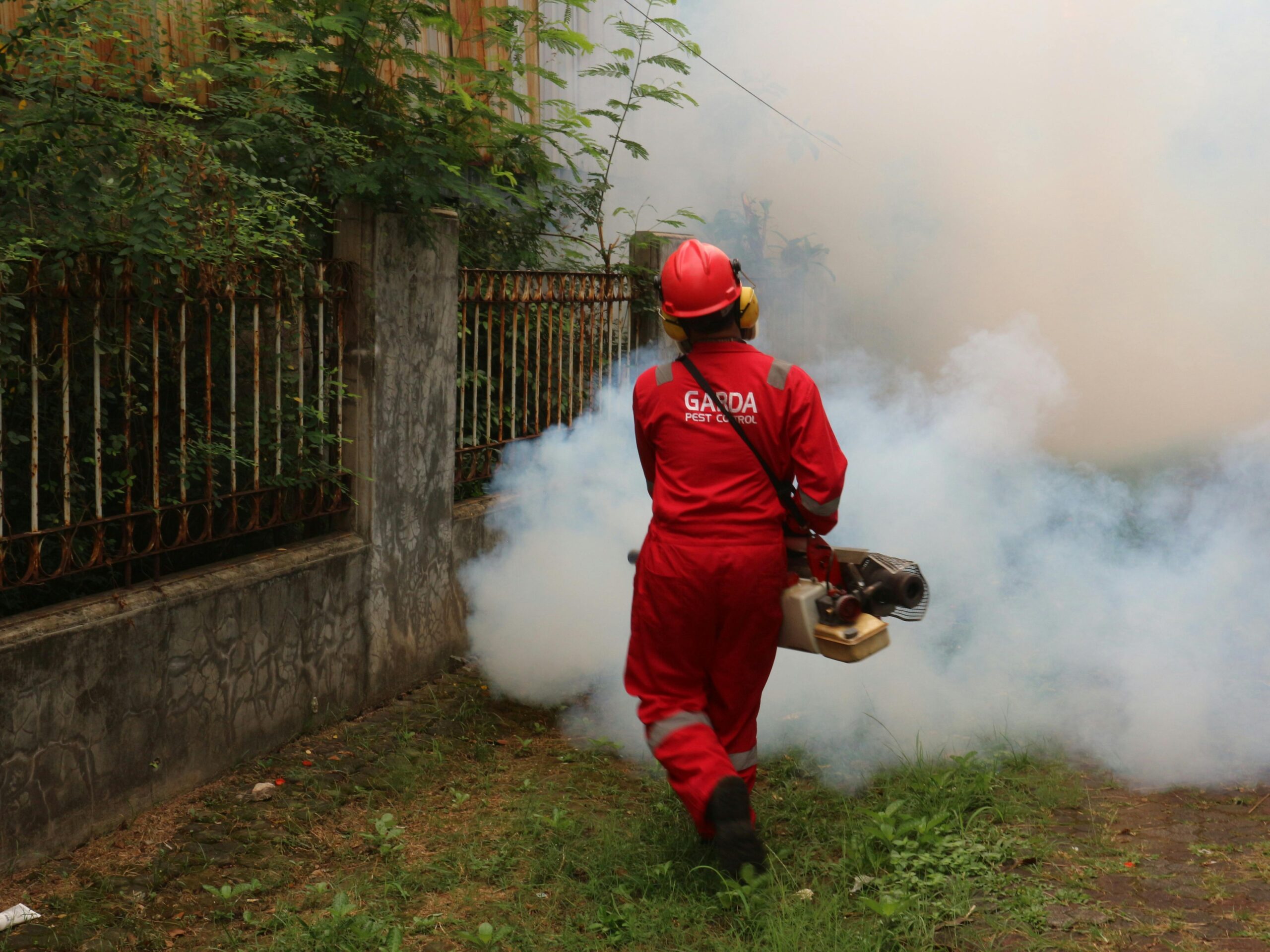
- How long does fogging last? A professional fogging application typically provides 1‑2 weeks of noticeably reduced mosquito activity. Heavy rain can wash away residual chemicals, so a follow‑up treatment is usually recommended after a downpour of more than half an inch. During the active season, we typically re‑apply every 10‑14 days to stay ahead of new adult emergence.
- Are treatments safe for pets? We use EPA‑registered products that are formulated for low toxicity to mammals. To be extra safe, keep dogs, cats, and other pets indoors for about 30 minutes after the fogger has been applied and the mist has settled. If you have a senior pet or a pet with respiratory issues, extend the indoor wait time to an hour for extra peace of mind.
- Will fogging eliminate all mosquitoes? Fogging dramatically lowers the adult mosquito population, but it does not eradicate every single insect. The most effective strategy pairs fogging with source‑reduction—eliminating standing water, trimming vegetation, and sealing entry points—to keep numbers down long‑term. Targeted larvicide treatments in breeding sites complement fogging and can cut future populations by up to 80 %.
- Where can I verify the safety of the chemicals? All products we apply are listed on the EPA’s Mosquito Control page, which provides detailed toxicity and environmental data. You can review the information here: EPA Mosquito Safety Data.
For the most reliable protection, schedule a professional inspection so our technicians can tailor fogging frequency, pet safety protocols, and source‑reduction recommendations to your property.
Take Action Now – Protect Your Smyrna Home
Mosquitoes multiply faster than you can notice, and every bite raises the risk of West Nile, Zika, or other serious illnesses. In Smyrna’s humid summer, a small breeding site can become a full‑blown outbreak by sunset. That’s why Anthem Pest’s 2‑hour emergency response isn’t just fast—it’s essential for protecting your family’s health and your peace of mind.
Don’t wait for the swarms to grow. Call 877‑371‑8196 right now and schedule a free, no‑obligation emergency inspection within the next 24 hours. Our team will arrive, assess the hotspot, and launch a targeted treatment before the mosquitoes spread further.
Our locally trained technicians know Smyrna’s neighborhoods inside out and use only EPA‑approved solutions that are safe for children and pets. Let us give you the peace of mind you deserve while you reclaim your backyard for evenings, barbecues, and family fun.
Ready to act? Visit Anthem Pest Control and let our experts handle the emergency before it escalates.
Why Choose Anthem Pest in an Emergency
Here’s what you gain when you call us during a mosquito surge:
- Rapid 2‑hour dispatch ensures mosquitoes are tackled before they bite again.
- EPA‑approved, low‑toxicity products protect your family, pets, and the environment.
- Locally trained technicians understand Smyrna’s micro‑climates, targeting breeding sites with pinpoint accuracy.