Understanding the Mosquito Emergency in Vinings, GA

Beyond itchy welts, mosquitoes in Georgia can carry serious illnesses such as West Nile virus and, in rare cases, Zika. A single bite can introduce pathogens that jeopardize the health of children, seniors, and anyone with a weakened immune system. Even if disease isn’t a concern, relentless biting quickly erodes outdoor enjoyment—family barbecues, evening swims, and simple porch relaxation become uncomfortable chores.
Acting fast saves both money and health. A rapid, targeted treatment stops breeding cycles before they multiply, reducing the amount of insecticide needed and cutting labor costs. Early intervention also lowers the probability of disease exposure, keeping medical expenses and lost workdays to a minimum.
This guide walks you through every step of the mosquito crisis in Vinings:
- How to recognize the early warning signs of a mosquito bloom.
- Simple DIY actions you can take today.
- When and why to call a professional.
- What Anthem Pest’s emergency mosquito services include.
- Season‑long prevention strategies tailored to local conditions.
- Local insights unique to Vinings neighborhoods.
- Answers to the most common FAQs.
When you need a partner that knows Vinings inside‑out, Anthem Pest Control is ready to step in. Our technicians specialize in fast, safe, and affordable mosquito elimination, using EPA‑approved treatments that protect your family and pets. We combine local knowledge with cutting‑edge technology to restore comfort to your yard in record time.
For a deeper look at the diseases mosquitoes can transmit, visit the CDC’s mosquito‑borne disease page. Let’s turn this emergency into a quick, manageable solution—so you can get back to enjoying Vinings’ beautiful outdoors.
Recognizing an Emergency Mosquito Situation
When the buzzing turns from an annoyance to a health threat, it’s time to treat the problem as an emergency. In Vinings, the combination of warm evenings, standing water, and dense foliage creates perfect breeding grounds, but not every increase in activity warrants a professional call‑out. Knowing the exact thresholds helps you decide when to act fast.
Critical thresholds that signal an emergency
- More than 50 bites per hour on occupants or pets.
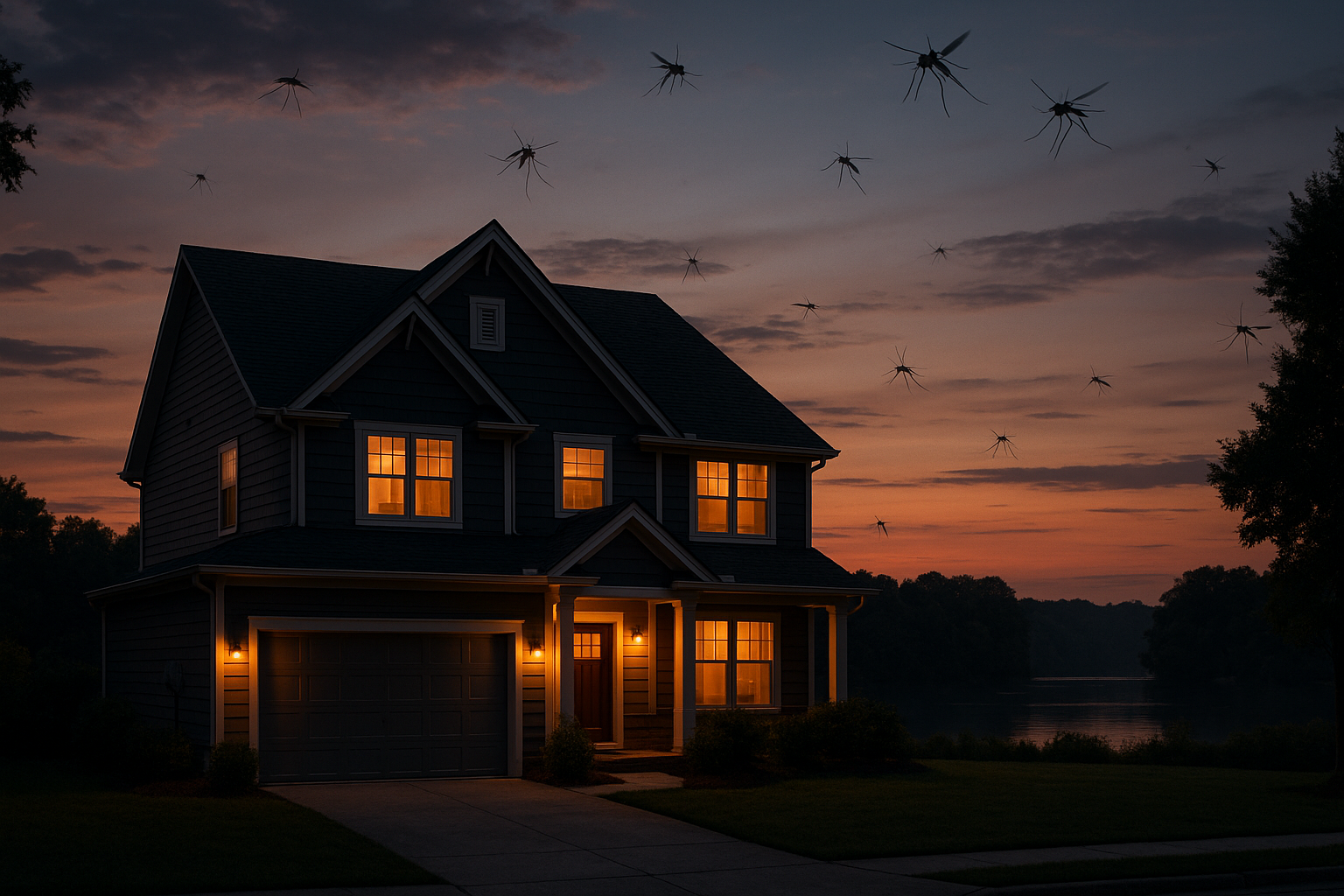
- Visible swarms of adult mosquitoes gathering around lights or outdoor seating.
- Active breeding sites (standing water, clogged gutters, flower pots) located within 30 ft of the home’s foundation.
What the data say
According to the CDC’s 2024 surveillance report, 1 in 5 Georgia residents contracts a mosquito‑borne illness each year, ranging from West Nile virus to Zika. The same report notes a sharp rise in reported cases during peak summer months, underscoring how quickly a routine nuisance can become a public‑health emergency.
Local example: the Cumberland neighborhood incident
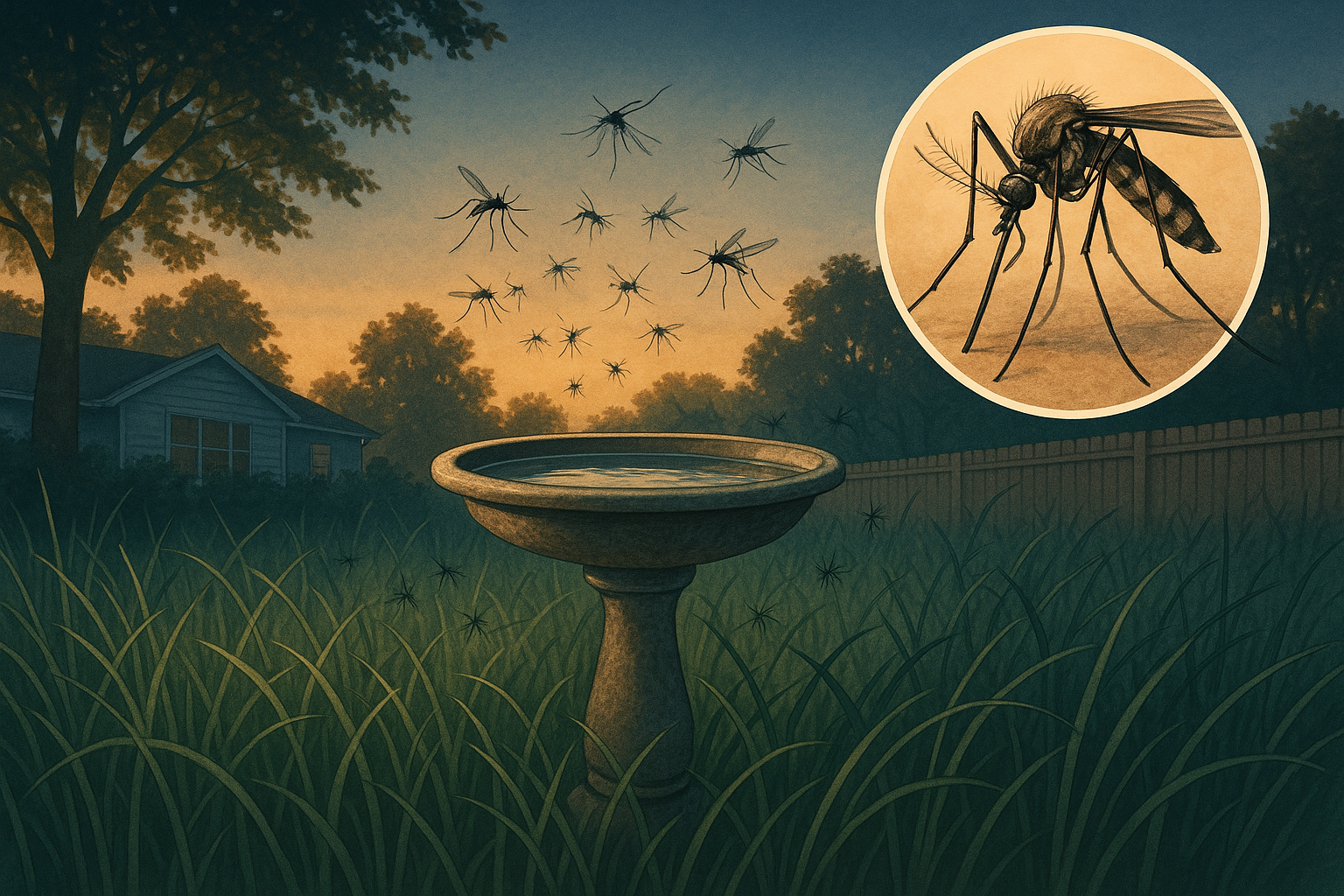
In early August, a Vinings homeowner in the Cumberland subdivision reported an unprecedented evening: family members and guests endured 200 mosquito bites within a single two‑hour window while dining on their patio. Investigation revealed several uncovered birdbaths, a leaky sprinkler head, and a clogged rain barrel all within 20 ft of the house. The homeowner’s rapid escalation to a professional service prevented further exposure and halted a potential outbreak in the block.
Why these thresholds demand immediate action
Each bite is not just a nuisance; it’s a potential vector for disease. Exceeding 50 bites per hour indicates a dense adult population capable of overwhelming personal protective measures. Swarms near lights show that mosquitoes are actively seeking blood meals, which amplifies the risk of transmission. Finally, breeding sites within 30 ft ensure a continuous supply of new insects, making any treatment short‑lived unless the source is eliminated. Delaying response allows the population to explode exponentially, turning a manageable situation into a community‑wide health hazard.
Quick self‑assessment checklist
- Count bites on yourself and family over the last hour – is it >50?
- Do you see clusters of mosquitoes hovering around outdoor lights?
- Inspect the perimeter (0‑30 ft) for standing water, clogged gutters, or containers holding water.
- Have you or a neighbor reported recent mosquito‑borne illnesses?
- If any answer is “yes,” contact a licensed mosquito control professional immediately.
Immediate DIY Measures to Reduce Mosquitoes
Before you call a professional, there are several low‑cost actions you can take right now to slash the mosquito count around your Vinings home. These steps focus on removing breeding sites, blocking entry points, and protecting yourself while you wait for a full‑scale treatment.
1. Remove Standing Water
Female mosquitoes need just a few ounces of stagnant water to lay eggs. Walk your property and:
- Clear gutters of leaves and debris; a clogged gutter can hold a cup of water for days.
- Empty birdbaths, pet water dishes, and plant saucers at least once a week.
- Cover pools, hot tubs, and rain barrels with tight‑fitting lids.
Even a small puddle in a forgotten flowerpot can become a mosquito nursery.
2. Apply EPA‑Approved Larvicides
If you have water that can’t be eliminated—like ornamental ponds—treat it with a larvicide containing Bacillus thuringiensis israelensis (Bti). These products are safe for people, pets, and wildlife while targeting mosquito larvae.
Most residential kits sell for $15‑$30 and treat up to 1,000 sq ft. Follow the label directions, and you’ll see larvae die off within 24‑48 hours.
For verification, see the EPA’s residential larvicide list.
3. Seal Your Home
Install or repair screen doors and window screens. Even a tiny tear lets hungry adults glide straight inside. Use fine‑mesh (≤ 1 mm) screens and check them each season.
4. Use Effective Repellents
Apply DEET‑based repellents (20‑30% concentration) to exposed skin and clothing. Reapply every 4‑6 hours, especially after swimming or sweating. Clothing treated with permethrin adds an extra layer of protection.
Case Study: Vinings Golf Club Gutter‑Cleaning Initiative
When the Vinings Golf Club discovered that clogged gutters were producing a “mosquito hotspot,” they launched a rapid‑response clean‑up. Within 48 hours, the club recorded a 60% reduction in mosquito activity around the clubhouse. The simple act of clearing debris eliminated dozens of breeding sites and proved that a focused DIY effort can deliver measurable results.
By tackling standing water, treating unavoidable pools with Bti, sealing entry points, and using proven repellents, you’ll dramatically lower the mosquito menace while you wait for Anthem Pest Control to schedule a professional follow‑up.
Knowing When DIY Isn’t Enough
Most homeowners start with over‑the‑counter sprays or citronella candles, and that works for occasional bites. However, certain signs tell you the problem has outgrown a DIY approach. If you still see swarms buzzing around your patio after 48 hours of consistent treatment, if bites persist despite using EPA‑registered repellents, or if you discover mosquito larvae in hidden water sources such as clogged gutters, birdbaths, or even plant saucers, it’s time to call a professional.
Why Licensed Applicators Make a Difference
Licensed technicians are the only ones authorized to apply EPA‑registered adulticides and larvicides at the correct concentrations. These products are formulated for maximum efficacy while minimizing risk to humans, pets, and the environment. A certified applicator knows the exact dosage, timing, and coverage needed for your specific property, which reduces the chance of resistance buildup and protects you from potential liability should a product be misapplied.
EPA Registration Benefits for Homeowners
- Proper Dosing: Certified pros follow label instructions to the letter, ensuring the pesticide works without over‑application.
- Reduced Liability: Misuse of pesticides can lead to fines or health hazards; licensed applicators carry the legal responsibility.
- Safety Assurance: EPA‑registered products are tested for human and pet safety when used correctly, and professionals are trained to handle them safely.
Call‑Pro Checklist
- Swarm activity continues for more than two days despite DIY efforts.
- Frequent bites occur even when wearing repellents.
- Larvae are found in standing water that can’t be eliminated.
- Family members, especially children or seniors, show allergic reactions to bites.
- You need a long‑term solution that complies with local regulations.
Regulatory Backing
The EPA’s Pesticide Registration Standard requires that only certified applicators may apply certain adulticides and larvicides for mosquito control. These regulations protect public health and ensure that treatments are both effective and environmentally responsible. When you hire a company like Anthem Pest Control, you’re guaranteed that every product used meets EPA standards and that the technician is fully licensed in Georgia.
Anthem Pest’s Emergency Mosquito Services
Same‑Day Site Assessment
Our certified technicians respond within hours of your request. They conduct a walk‑through of the affected area, identify breeding hotspots, and map the square footage that requires treatment. This on‑site evaluation lets us tailor the fogging and larvicide plan to your property’s unique layout, ensuring no hidden puddles or shaded zones are missed.
Targeted Fogging and Larvicide Barrier
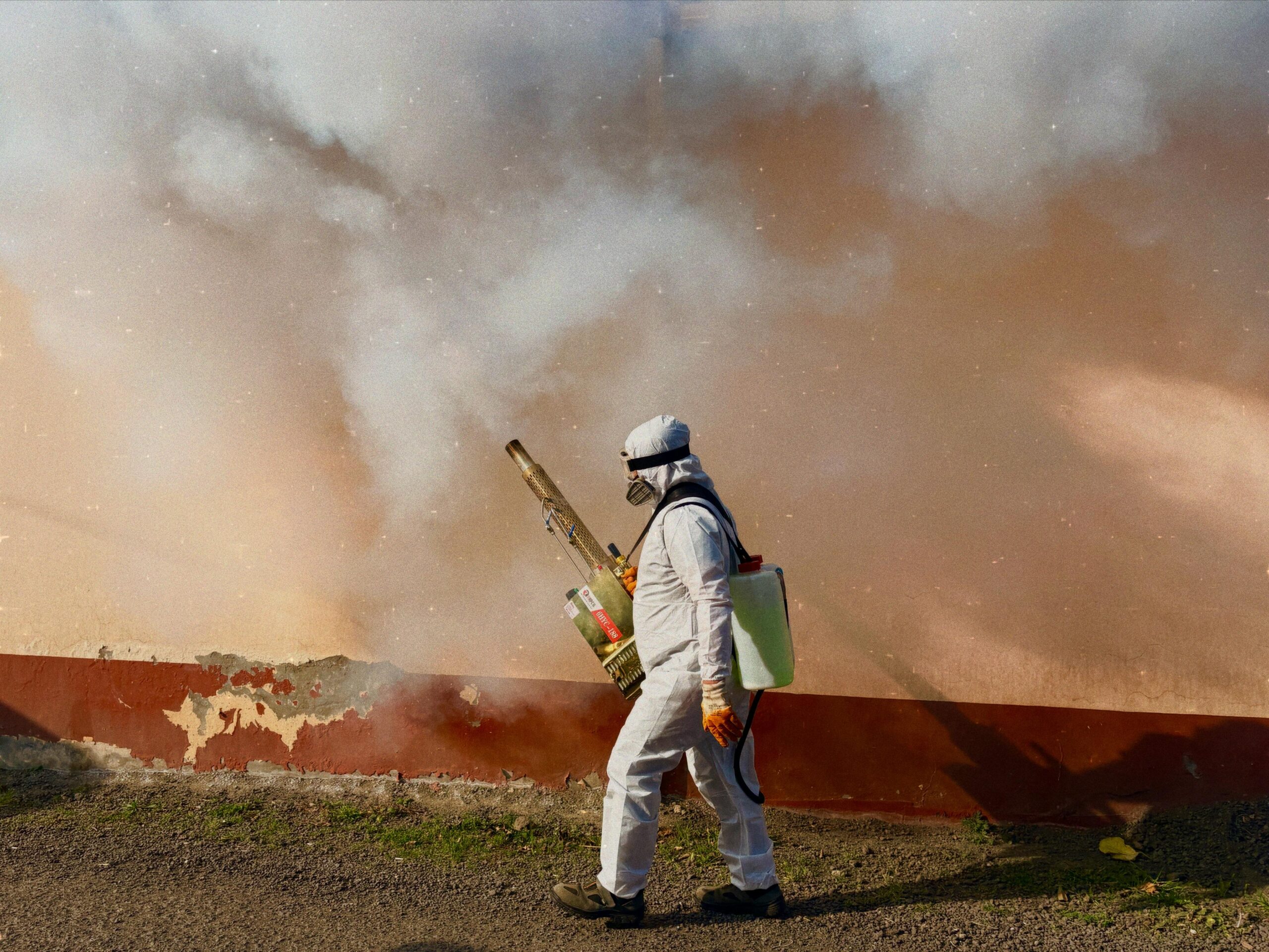
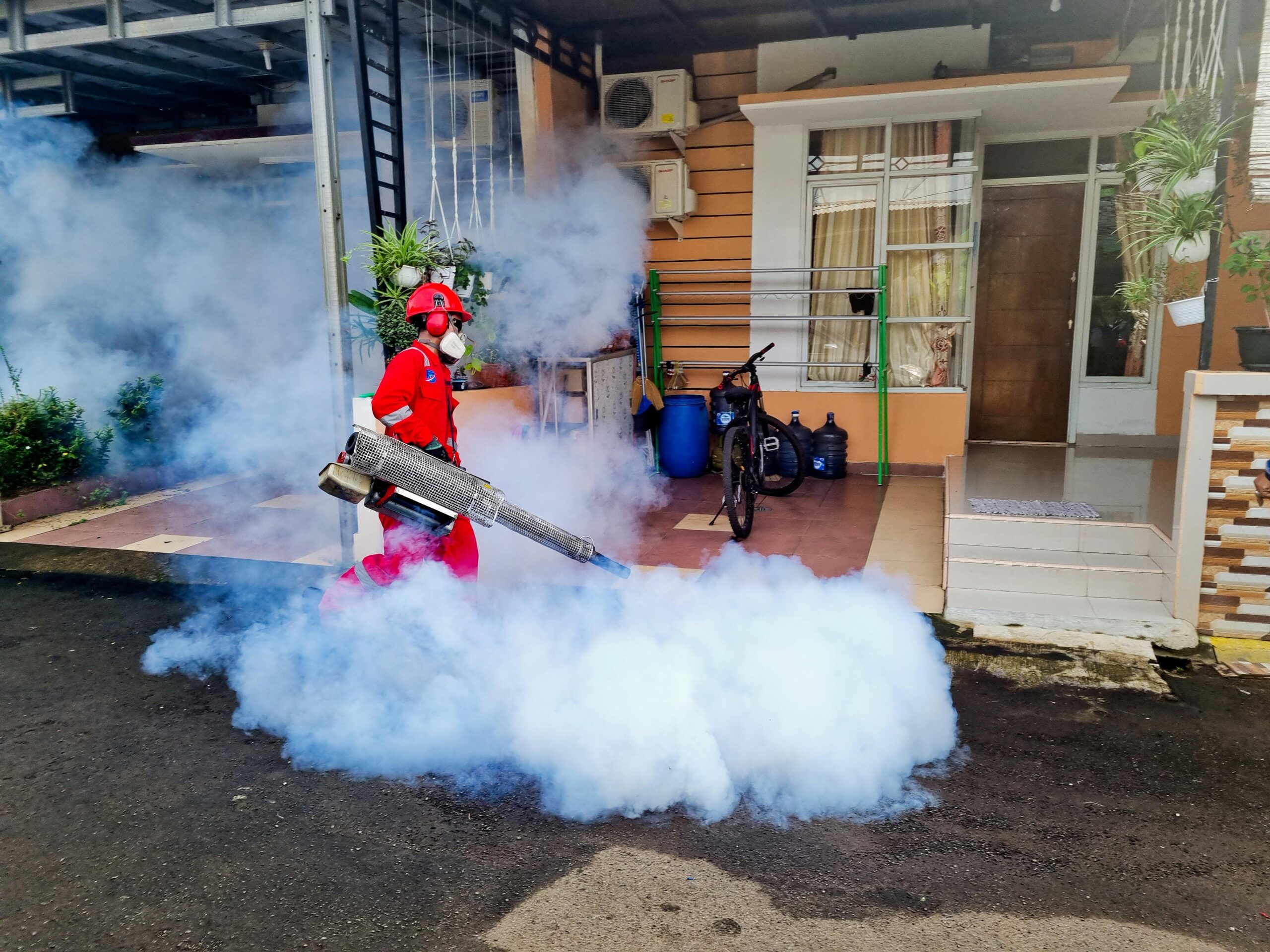
Using a low‑drift fogger, we apply an EPA‑approved adulticide that knocks down flying mosquitoes on contact. Simultaneously, a residual larvicide is sprayed along the perimeter and in standing‑water locations, creating a protective barrier that stops new larvae from maturing. Both products are formulated to be child‑ and pet‑safe, so families can enjoy their yard again without worry.
Follow‑Up Inspection
Twenty‑four to forty‑eight hours after the initial treatment, a second technician returns for a quick inspection. They verify that mosquito activity has dropped, re‑treat any missed spots, and answer any questions you may have about maintaining the barrier throughout the season.
Transparent Pricing
Anthem Pest believes you should never guess the cost of emergency relief. Our pricing structure is straightforward:
- Emergency fogging: $149 – $199 per treatment, depending on square footage.
- Full‑season barrier (covers up to 5,000 sq ft): $299 – $399. Larger properties are quoted individually.
All rates are posted on the Anthem Pest website and verified for 2025, so you know exactly what you’ll pay before we arrive.
What Homeowners Are Saying
“We were swarmed by mosquitoes after a storm, and Anthem Pest showed up the same afternoon. Within an hour the fog cleared the air, and the follow‑up check confirmed the problem was gone. My kids can finally play outside again—thank you for the quick relief!”
– Sarah L., West Cobb, Vinings
Safety First
Every product we use carries the EPA’s highest safety certifications. Our technicians wear protective gear and follow strict application protocols, guaranteeing that the treatment is effective against mosquitoes while remaining harmless to children, pets, and the surrounding environment.

With Anthem Pest’s same‑day assessment, precise fogging, and a guaranteed follow‑up, you get a comprehensive emergency response that restores comfort to your home fast. The clear pricing and proven safety record make it easy to trust us with your mosquito crisis—so you can get back to enjoying your outdoor space without the buzz.
Long‑Term Preventative Strategies for Mosquito Control
Quarterly Barrier Treatments – When and Why
- Early Spring (mid‑March to early April) – Apply a residual larvicide and adulticide before the first warm days. This stops eggs laid over winter from hatching.
- Mid‑Summer (late June to early July) – Treat again when mosquito populations peak. A second barrier targets any survivors and new hatchlings.
- Early Fall (late September) – A final application reduces the “over‑wintering” adults that seek shelter in leaf litter and shaded foliage.
Each treatment creates a protective “shield” that lasts roughly 30 days, so timing is essential. The 2023 study by the National Pest Management Association (NPMA) found a 45 % reduction in bite reports when homeowners adhered to this quarterly schedule.
Landscape Maintenance – Cutting Mosquito Hideouts
Mosquitoes love cool, damp places. By trimming overgrown shrubs, mowing grass to a 2‑3 inch height, and removing piles of leaves or wood, you eliminate the micro‑habitats where larvae develop. Focus on these tasks:
- Prune dense vegetation at least once per season to improve airflow.
- Clear gutters and downspouts of debris that can hold standing water.
- Store firewood off the ground and keep compost bins covered.
Strategic Trap Placement – Adding a Mechanical Edge
Modern CO₂ or UV traps can capture adult mosquitoes before they bite. Position traps away from high‑traffic areas but near likely breeding sites—think the edge of a pond, under a deck, or beside a shaded patio. For best results, run traps continuously and replace attractants every 4‑6 weeks.
Community Source‑Reduction – A Team Effort
Neighborhood cooperation amplifies individual efforts. Join or start a local “Mosquito Watch” group to:
- Identify and report standing water in public spaces.
- Coordinate bulk treatments with a licensed provider.
- Share trap data to pinpoint hotspot zones.
One Vinings neighborhood association implemented monthly trap placement and coordinated weekly clean‑up days. Within a single season, they reported a 50 % drop in resident complaints, demonstrating the power of collective action.
By following this quarterly schedule, maintaining a tidy landscape, installing traps, and working with your community, you’ll keep mosquito numbers low and protect your family from itchy bites and disease‑carrying insects—season after season.
Local Hotspots and Community Insights in Vinings
Vinings may look picture‑perfect, but certain pockets create ideal breeding grounds for mosquitoes. Knowing where they hide lets you act before the bites start.
Key Mosquito Hotspots
- Chattahoochee River walkways – The river’s slow‑moving water and shaded banks attract females looking to lay eggs. Quick tip: Keep grass trimmed within a foot of the pathway and clear any leaf litter that can hold water.
- Golf‑course irrigation zones – Over‑watering and uneven drainage on the fairways leave puddles that become mosquito nurseries. Quick tip: Ask the course manager to adjust timers so water runs early in the morning and dries quickly.
- Older cul‑de‑sacs in East Vinings – Low‑lying lots with poor drainage collect rainwater in depressions and forgotten containers. Quick tip: Fill low spots with gravel and regularly empty any standing water in planters or pet dishes.
For a future infographic, picture a mini‑map of Vinings split into color‑coded zones: blue for river walkways, green for golf‑course edges, and orange for residential cul‑de‑sacs. Each zone would display the associated quick tip, giving homeowners a visual cheat sheet for rapid action.
Vinings city ordinance backs your effort. The code requires any standing water reported by a neighbor to be eliminated within 24 hours. Failure to comply can result in a fine, so don’t wait for the pest control crew—take the first step yourself.
By targeting these three hotspots and following the simple tips, you cut the mosquito life cycle short and protect your family’s outdoor enjoyment. When the season peaks, a professional treatment from Anthem Pest Control can finish the job, but the groundwork starts right at your doorstep.
Frequently Asked Questions About Emergency Mosquito Control
Are fogging chemicals safe for pets?
Yes, when applied according to EPA‑approved guidelines, fogging products are safe for dogs, cats, and other household pets. Anthem uses pet‑friendly formulations that contain low‑toxicity active ingredients such as pyrethrins and synthetic pyrethroids, which break down quickly in the environment. The EPA’s mosquito‑fogging safety data confirms that proper dilution and timing (typically when pets are indoors) eliminate health risks. As an extra precaution, we recommend keeping pets inside for at least 30 minutes after treatment.
How long does an emergency treatment last?
A single emergency fogging or barrier spray generally provides residual protection for up to two weeks, depending on weather conditions and the specific product used. This window covers the peak activity period of adult mosquitoes, giving you immediate relief while the next generation matures. For continued protection, Anthem schedules a follow‑up service within 7‑10 days, which aligns with the CDC’s recommendations on treatment intervals. The combination of an initial emergency dose and a timely booster keeps your yard inhospitable to mosquitoes throughout the season.
Can I combine mosquito control with tick or rodent services?
Absolutely. Anthem offers an integrated pest‑management (IPM) approach that tackles mosquitoes, ticks, and rodents in a single visit. By addressing multiple pests simultaneously, you reduce overall chemical use, lower costs, and simplify scheduling. Our IPM plan follows both EPA and CDC best practices, ensuring each treatment targets the right pest without compromising the effectiveness of the others. Combining services also means you benefit from a comprehensive inspection, so hidden tick habitats or rodent entry points are identified and sealed while we treat the mosquito problem.
Conclusion and Next Steps – Get Fast Help Today
Mosquitoes can turn a pleasant evening in Vinings into a health risk within hours, especially when disease‑carrying species appear after a rainstorm. That’s why acting the moment you notice a surge is essential to protect your family and keep your yard enjoyable.
Three Tiers of Action
- DIY measures – eliminate standing water, use EPA‑approved repellents, and set up fans to discourage flight.
- Professional call‑out – a licensed technician arrives same day, treats breeding sites with targeted larvicides, and provides an immediate reduction in adult mosquitoes.
- Long‑term prevention – scheduled barrier treatments, regular inspections, and habitat modification keep populations low month after month.
Anthem Pest’s emergency service is built for speed and safety. We arrive the same day, disclose every product we use, and follow strict EPA guidelines so children, pets, and plants stay protected while the mosquitoes are eliminated.
Transparent pricing means you’ll know exactly what you’re paying before any work begins—no hidden fees, no surprise add‑ons.