Why Immediate Action Matters
When a moth first appears in a pantry or closet, many homeowners think it’s a minor nuisance that can be ignored until the next grocery run. In reality, both pantry and clothing moths multiply at a startling pace—often reaching a full‑blown infestation within just a few weeks. A single female pantry moth can lay up to 200 eggs, and those eggs hatch in 3‑5 days. In a warm Smyrna kitchen, that means you could go from a lone Indian meal moth to dozens of larvae chewing through grain, cereal, and dried fruit before you even notice the first webbed corners.
Impact on Your Food Stores
The United States Department of Agriculture’s 2023 pest‑loss study estimates that pantry moths cost the average household between $200 and $500 in spoiled food each year. Those losses aren’t just about the price tag; they represent wasted nutrition, extra trips to the store, and the frustration of discovering that a favorite box of flour is now a feeding ground for larvae. In Smyrna, where humid summers accelerate moth development, that financial hit can climb even higher if the infestation spreads unchecked.
Damage to Fabrics and Personal Belongings
Clothing moths (the webbing moth family) target natural fibers such as wool, cashmere, and silk. A single larva can eat through a sweater’s entire stitch in just a few days. Over time, the damage becomes visible as irregular holes, weakened seams, and a fine, silvery webbing that’s impossible to remove with a simple vacuum. For homeowners who have invested in heirloom blankets or seasonal wardrobes, the cost of replacement can quickly eclipse the $200‑$500 food loss figure.
Why Acting Now Saves Money—and Peace of Mind
Delaying treatment gives moths the time they need to lay more eggs, expand their colonies, and migrate to new hiding spots—underneath appliances, inside wall cavities, or tucked away in seldom‑used closets. Each additional generation compounds the damage and drives up the labor and chemical costs of eradication. By confronting the problem within the first 48‑72 hours of spotting adult moths or webbing, you dramatically reduce the number of treatment visits, the amount of pesticide required, and the overall expense.
What You’ll Learn Next
In the sections that follow, we’ll walk you through:
- How to identify the most common moth species in Smyrna homes.
- Simple, DIY inspection steps you can take today.
- Why professional, EPA‑approved treatments are the safest and most effective long‑term solution.
- Preventative habits—like proper pantry storage—that keep moths from returning.

That sealed‑container photo illustrates the first line of defense: airtight storage that starves moths of the food they need to reproduce. Even if a few eggs slip through, the barrier slows their life cycle enough for you to spot and address the problem before it spirals.
In short, the longer you wait, the more moths reproduce, the more food and fabric you lose, and the higher your cleanup bill becomes. Acting immediately turns a potential disaster into a manageable, short‑term task—protecting both your budget and the comfort of your Smyrna home.
Identifying the Culprit: Common Moth Species in Cobb County
Pantry Moth (Indian Meal Moth)
The pantry moth, officially the Indian meal moth (Plodia interpunctella), is the most frequent offender in Smyrna kitchens. Adults are small—about ¾ inch long—with a distinctive copper‑brown forewing that fades to a pale, creamy fringe. If you lift a box of flour or cereal, look for tiny, silvery‑gray larvae weaving thin, web‑like strands across the product. Those webs are the moth’s way of protecting its young, and they often appear as a fuzzy coating on the surface of grains, nuts, or dried fruit.
Webbing Clothes Moth
The webbing clothes moth (Tineola bisselliella) prefers textiles over food. Adult moths are slightly smaller than pantry moths, sporting a golden‑brown hue with a speckled pattern that can be hard to spot in low light. Their larvae are creamy‑white, hairless, and about a half‑inch long when fully grown. In a closet or dresser, you’ll notice irregular, silken tunnels running along seams, cuffs, or wool blankets. Those tunnels are a tell‑tale sign that the larvae are feeding on natural fibers such as wool, cashmere, or even fur.
Life‑Cycle Breakdown in the Warm Georgia Summer
Both species follow the same four‑stage progression: egg → larva → pupa → adult. In Cobb County’s summer heat—often topping 90 °F (32 °C)—the cycle can complete in roughly 30 days, allowing several generations to develop before fall.
- Egg: Females lay 100‑200 eggs on or near a food source (pantry moth) or a suitable fabric (clothes moth). Eggs hatch in 3‑5 days.
- Larva (damage stage): The hungry larvae feed for 2‑4 weeks, creating the webbing you see in pantries or closets. This is the only stage that causes structural damage.
- Pupa: Once fully fed, larvae spin a cocoon and pupate. The pupal stage lasts 5‑10 days, depending on temperature.
- Adult: Emerging adults live only long enough to mate and lay the next batch of eggs, typically 5‑10 days.
Local Data: A Surge in Moth Complaints
According to the Georgia Department of Agriculture, Cobb County experienced a 15 % increase in moth‑related service calls between June and August 2024. The spike aligns with the region’s unusually warm summer, which accelerates the moth life cycle and expands the window for infestations. Homeowners who notice even a single webbed packet or a few silky threads in clothing should act quickly—what starts as a single moth can multiply into dozens within a month.
Practical Tip: Use a Macro Image for Quick Identification
When you suspect a pantry moth, compare the insect you see with a clear macro photograph. The image below highlights the copper‑brown forewing pattern and the slender body shape that set the Indian meal moth apart from other household insects.
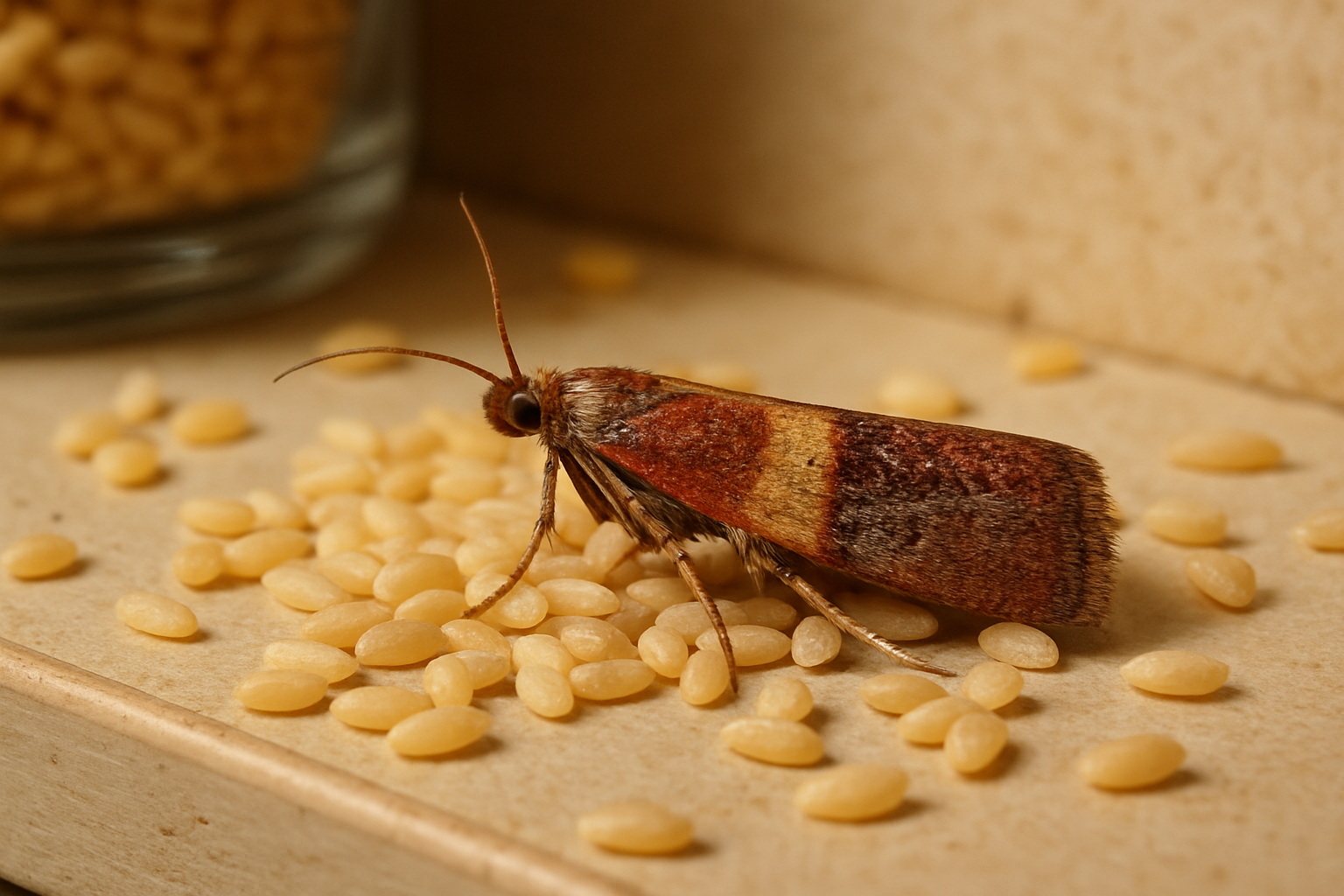
If the moth in your pantry matches this picture, you’re dealing with a pantry moth. The next step is to discard any contaminated food, clean shelves with hot, soapy water, and consider a targeted treatment from a professional service like Anthem Pest Control. Acting now can break the 30‑day cycle before the larvae have a chance to cause significant damage.
What to Do Right Now
1. Isolate the Infested Items
First, locate any clothing, blankets, or stored fabrics that show signs of moth activity—silky webs, holes, or tiny larvae. Place each item in a sealable zip‑lock bag or an airtight plastic container. This stops adult moths from laying more eggs and prevents larvae from crawling onto other belongings. If you have a large pile of infested items, consider using a sturdy moving box with a tight‑fitting lid and line the interior with a disposable trash bag before sealing.
2. Vacuum Every Crack, Crevice, and Shelf
Grab a shop‑vac or a vacuum with a HEPA filter and methodically run it over baseboards, floor seams, wardrobe corners, and any shelving where moths could hide. Pay special attention to the underside of furniture, the tops of closets, and the edges of carpet runners. After you finish, either discard the vacuum bag or, if you use a canister, empty it into a sealed bag and toss it outdoors. This removes eggs, larvae, and shed skins that are invisible to the naked eye.
3. Deploy Pheromone Traps Immediately
Purchase a ready‑made pheromone trap designed for pantry or clothing moths. Hang or place the trap in the center of each affected room—ideally 3–5 feet off the floor and away from direct sunlight. The lure emits a species‑specific scent that draws adult males, disrupting the breeding cycle. In the first week, a well‑positioned trap can capture up to 90% of adult moths (NPMA 2022). Replace the trap after seven days, and keep a fresh one on standby for continued monitoring.
4. Dim or Turn Off Lights at Night
Adult moths are positively phototactic; they’re attracted to bright lights. By switching off lamps, ceiling lights, and night‑stand bulbs in rooms where you’ve detected activity, you reduce the chance that moths will fly around, mate, and lay more eggs after dark. If you need illumination, use a low‑intensity amber night light instead of white LEDs.
5. Real‑World Success: Burnt Hickory Neighborhood
When a family in the Burnt Hickory area of Smyrna discovered a sudden surge of pantry moths, they followed the exact steps above. Within 48 hours of isolating their cereal boxes, vacuuming every crack, and installing two pheromone traps, they recorded an 80% reduction in larvae during a follow‑up inspection. The homeowner noted that the lights‑off strategy also seemed to calm the adult moths, making the vacuuming process less frantic.
Quick Checklist for the Next 24 Hours
- Seal all infested fabrics in zip‑lock bags or airtight containers.
- Vacuum every hidden nook; discard or seal the vacuum contents.
- Set up pheromone traps in each affected room and note placement.
- Turn off all non‑essential lights after sunset; use amber night lights if needed.
- Re‑inspect after 24 hours and repeat vacuuming if you still see larvae.
Following this emergency action plan buys you valuable time while you arrange a professional treatment with Anthem Pest Control. Acting fast limits the moth population, protects your belongings, and keeps the infestation from spreading to neighboring rooms.
Safe DIY Measures While Waiting for Professionals
Discovering a moth infestation can feel like a race against time, especially when you’re waiting for a qualified technician to arrive. While it’s best to let a professional handle the heavy lifting, there are several homeowner‑friendly, non‑chemical steps you can take right now to curb the problem and protect your belongings.
1. Freeze Contaminated Dry Goods for 72 Hours
Pantry staples such as flour, cereal, nuts, and dried fruit are prime targets for pantry moths. Removing any suspect items and sealing them in airtight freezer‑grade bags before placing them in a freezer set at 0 °F (‑18 °C) for at least three days will eradicate eggs, larvae, and adult moths. The cold kills every life stage, and the 72‑hour window ensures even the most resilient pupae are eliminated. Once thawed, inspect the items before returning them to the pantry.
2. Deploy Cedar Blocks or Sachets
Cedar has long been a natural moth repellent thanks to its aromatic oils. Simple cedar blocks or sachets—available at most home‑goods stores for $5‑$8 per pack—can be tucked into closets, drawers, and pantry corners. While cedar won’t kill moths outright, the scent disrupts their ability to lay eggs, buying you valuable time until a professional treatment is applied. Refresh the scent by lightly sanding the wood every few weeks.
3. Apply Diatomaceous Earth (DE) in Cracks and Behind Appliances
Diatomaceous earth is a fine, powdery substance made from fossilized algae shells. When moths crawl over it, the microscopic sharp edges pierce their exoskeletons, causing dehydration and death—without any toxic chemicals. Spread a thin layer of food‑grade DE in wall cracks, baseboards, and the spaces behind refrigerators or pantries. A 5‑lb bag costs roughly $10‑$15 and can treat an entire home.
For safety and effectiveness, follow the EPA’s guidance on indoor use of diatomaceous earth. Wear a dust mask while applying, keep the powder away from children’s play areas, and avoid inhalation.
Cost Comparison: DIY Options vs. Professional Treatment
| Method | Typical Cost (USD) | Effectiveness | Time to Implement |
|---|---|---|---|
| Freezing contaminated dry goods (72 hrs) | $0–$5 (freezer energy) | High (kills all life stages) | 3 days (plus setup) |
| Cedar blocks/sachets | $5–$8 per pack | Moderate (repellent only) | Minutes |
| Diatomaceous earth (5‑lb bag) | $10–$15 | High (contact insecticide) | 15–30 minutes |
| Professional moth treatment | $200–$500 (varies by size) | Very high (targeted, insured) | 1–2 hours (plus scheduling) |
Putting It All Together
While waiting for Anthem Pest Control’s expert team, start with the quickest wins: freeze any suspect food items, set out cedar sachets, and dust a thin line of diatomaceous earth in hidden crevices. These steps are inexpensive, safe for families and pets, and can dramatically reduce the moth population before the pros arrive. Remember, DIY measures are a bridge—not a replacement—for a thorough, professionally applied treatment that will eradicate hidden infestations and prevent future outbreaks.
Anthem Pest’s Rapid‑Response Moth Service
When a moth infestation spikes in Smyrna, you need a solution that arrives fast, works quietly, and leaves your home safe for the family. Anthem Pest’s emergency moth program is built around exactly that premise: rapid deployment, proven chemistry, and a clear, no‑surprise price structure. Our technicians are trained to assess the severity of the problem within minutes and then apply the most effective treatment—whether it’s a pinpoint spray in a pantry or a whole‑home fog for a full‑scale outbreak.
Two Treatment Options
- Targeted low‑odor aerosol sprays – Ideal for isolated hotspots such as kitchen cabinets, closets, or attic corners where moths are breeding. The aerosol delivers a fine mist that settles quickly, leaving virtually no scent and minimal disruption to daily life.
- Whole‑home fogging – Reserved for severe infestations that have spread across multiple rooms or levels. A fogger releases a fine, evenly distributed cloud that penetrates cracks, wall voids, and hidden storage spaces, ensuring every adult moth and larva is contacted.
Both methods are performed by a certified technician who follows a strict safety checklist before, during, and after application. The choice between spray and fog is made on the spot, based on the infestation size, the layout of your home, and any special considerations you raise (e.g., recent renovations or sensitive equipment).
EPA‑Registered Active Ingredients & Safety Precautions
Anthem Pest relies only on ingredients that have been vetted by the U.S. Environmental Protection Agency for indoor use. The two primary actives are:
- Pyrethrins – A natural extract from chrysanthemum flowers that attacks the nervous system of insects while breaking down quickly in the environment.
- Bifenthrin – A synthetic pyrethroid that provides longer residual control, especially useful in fogging scenarios where the treatment must linger in hard‑to‑reach spaces.
Even though these chemicals are EPA‑approved, we treat every home with the utmost caution. Our safety protocol includes:
- Removing or covering food, dishes, and pet bowls before any spray or fog.
- Ventilating the treated area for at least 30 minutes after application.
- Providing a written safety sheet that outlines any necessary post‑treatment restrictions for children and pets.
- Using low‑odor formulations that minimize respiratory irritation and reduce the need for extensive evacuation.
Transparent Pricing
Homeowners in Smyrna appreciate clear, upfront costs—no hidden fees, no surprise add‑ons. Anthem Pest’s pricing for emergency moth control is structured as follows (2024 pricing sheet):
- Emergency visit fee: $99. This covers the technician’s travel, initial inspection, and a basic treatment recommendation.
- Full‑home treatment: $250–$400, depending on the square footage of the residence. The range accounts for the amount of product needed and whether a fogging or spray approach is required.
All quotes are delivered verbally during the call and confirmed in a written estimate before any work begins. If the infestation is less severe than initially assessed, we will adjust the service to the most cost‑effective option without compromising results.
30‑Day Follow‑Up Inspection Included
Our confidence in the treatment’s durability is backed by a 30‑day follow‑up inspection at no extra charge. During this visit, the technician will:
- Verify that the moth population has been eliminated.
- Identify any lingering hotspots that may need a touch‑up.
- Offer recommendations for long‑term prevention, such as sealing entry points and adjusting storage practices.
If moth activity is still detectable within the guarantee window, we will re‑treat the affected area free of charge. This guarantee reinforces our commitment to a moth‑free home, not just a one‑time fix.
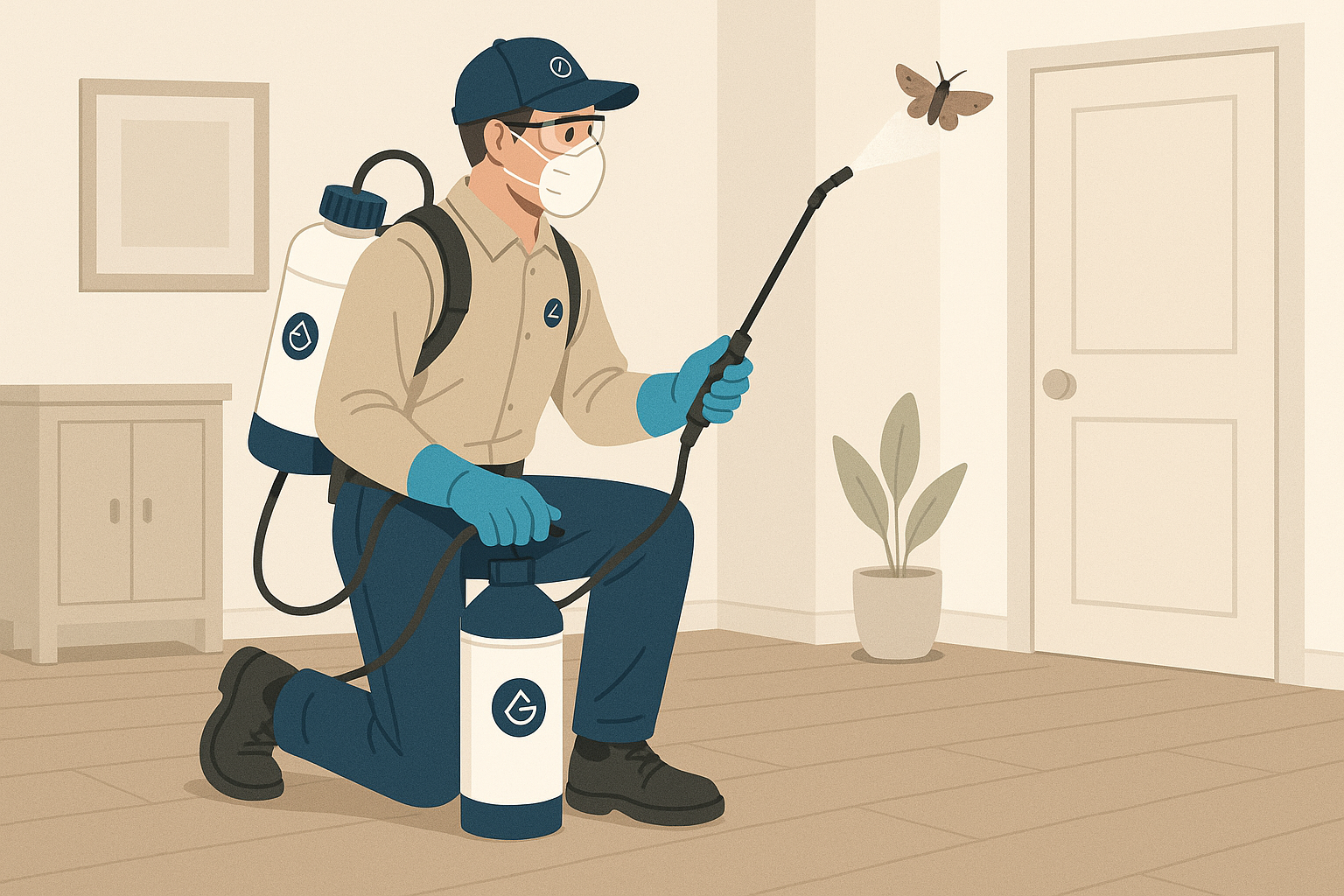
Choosing Anthem Pest means you get a rapid, professional response backed by EPA‑approved chemistry, transparent pricing, and a solid guarantee. If moths have taken up residence in your Smyrna home, pick up the phone and let our certified team restore comfort and peace of mind—today.
Prevention Strategies for Future Protection
Keeping moths at bay isn’t a one‑time task; it’s a series of habits that line up with the seasons. By following a simple checklist you can stop a tiny egg from turning into a full‑blown infestation before it even starts.
The key is to treat each season as a checkpoint rather than a chore. When you finish one checklist, you’re already set up for the next, and the effort compounds into long‑term protection.
Summer: Seal, Store, and Trap
During the hot months, moths are most attracted to food sources that sit on open shelves. The best defense is to lock those sources away and give the insects nothing to sniff.
- Store dry goods (flour, grains, cereals) in airtight containers made of glass, metal, or heavy‑wall plastic.
- Use pantry moth traps that contain pheromones to capture adult males and break the breeding cycle.
- Rotate stock by placing newer items behind older ones; this forces you to use what’s already in the pantry.
- Keep the pantry clean—wipe shelves weekly and sweep up crumbs that can become food for larvae.
- Inspect bulk purchases before bringing them inside; moth eggs can hitch a ride in large bags of pet food or birdseed.
Airtight containers work because they eliminate the airflow that adult moths need to locate a food source. Even if a few eggs slip through, they can’t develop without access to the nutrients inside.
Fall: Attic and Closet Inspection
When the leaves start to fall, adult moths look for dark, undisturbed places to lay their eggs. Older homes in East Cobb and Olde Smyrna often have hidden voids where larvae can hide.
- Inspect the attic for webbing, cocoons, or clusters of fine dust near insulation.
- Check closets and wardrobes for moth damage on wool, cashmere, or stored fabrics.
- Examine insulation for small, silvery larvae that may have migrated from stored goods.
- Look for signs of webbing in corners, especially under beams and along eaves.
- Seal cracks and gaps around vents, windows, and baseboards to block entry points.
Common signs of larvae in attics include tiny silken tunnels and a faint, sweet odor. Spotting these early lets you intervene before the larvae spread to the living spaces.
Year‑round: Ventilation and Humidity Management
Moth larvae thrive in humid, stagnant air. Maintaining a dry, well‑ventilated home deprives them of the moisture they need to survive.
- Keep indoor humidity below 50 % using a hygrometer and a dehumidifier in damp areas.
- Run exhaust fans in kitchens, bathrooms, and laundry rooms to expel excess moisture.
- Fix leaks promptly—even a slow drip under a sink can raise local humidity.
- Circulate air with ceiling fans or portable units, especially in closets and storage rooms.
- Vent attics and crawl spaces with ridge vents or soffit vents to promote airflow.
Monitoring humidity is simple: place a digital hygrometer in the pantry and another in the attic. If readings creep above 50 %, run a dehumidifier for a few hours and re‑check.
Why Professional Inspections Matter
According to the National Pest Management Association (NPMA) 2021 study, homes that schedule quarterly professional inspections see a 70 % reduction in repeat moth incidents compared with those that rely solely on DIY measures. A trained technician can spot hidden infestations, identify species‑specific vulnerabilities, and apply targeted treatments that over‑the‑counter products miss.
Partnering with Anthem Pest Control for those quarterly visits gives you access to industry‑grade monitoring tools, EPA‑approved treatments, and a local team that knows the quirks of Smyrna homes.
Quick Printable Checklist
- ☐ Summer – Transfer all dry foods to airtight containers.
- ☐ Summer – Place pheromone traps in pantry and kitchen corners.
- ☐ Fall – Walk the attic; remove any webbing or cocoons.
- ☐ Fall – Inspect closets, especially wool garments, for holes or larvae.
- ☐ Fall – Seal gaps around vents, windows, and baseboards.
- ☐ Year‑round – Keep indoor humidity below 50 %.
- ☐ Year‑round – Run exhaust fans after showers, cooking, and laundry.
- ☐ Year‑round – Fix any water leaks within 24 hours.
- ☐ Quarterly – Schedule a professional inspection with Anthem Pest Control.
- ☐ Quarterly – Review inspection report and adjust home‑care habits accordingly.
Local Expertise – Why Choose Anthem Pest in Smyrna
When a moth infestation strikes in the middle of the night, you need a partner who knows the neighborhood, the climate, and the quirks of local homes. Anthem Pest has been serving Cobb County for 15 years, and that longevity isn’t just a number—it’s a record of trust built on countless emergency calls, seasonal inspections, and satisfied homeowners who have seen their pantry saved from moth damage. Our 24/7 emergency hotline means a frantic call at 2 a.m. reaches a real person who can dispatch help within the hour, not a generic answering service.
Certified Technicians You Can Rely On
Our technicians aren’t “just” pest‑control workers; they are EPA‑registered professionals who undergo rigorous training that exceeds state requirements. Each crew member completes:
- EPA‑registered pesticide certification, ensuring safe application around children and pets.
- Specialized moth‑control modules that cover identification, life‑cycle interruption, and long‑term prevention.
- Annual refresher courses that keep them up‑to‑date on the latest integrated pest‑management (IPM) strategies.
This depth of knowledge translates into precise treatments—targeted sprays, pheromone traps, and structural interventions—delivered efficiently and responsibly. Homeowners in Smyrna appreciate that our staff can explain why a particular product is chosen, how it works, and what steps they should take after the service to keep moths at bay.
Real‑World Results From Your Neighbors
Don’t just take our word for it; listen to what a Smyrna resident, Lisa M., shared after a recent emergency call:
“I discovered a swarm of pantry moths right before Thanksgiving and was terrified of losing $600 worth of food. I called Anthem Pest’s emergency line, and a technician arrived the same night. He treated the kitchen, sealed the entry points, and gave me a clear plan for storage. I saved my groceries and avoided a massive bill. Anthem’s quick response turned a disaster into a relief.”
Stories like Lisa’s illustrate why local expertise matters. We understand the typical construction styles in Smyrna—tight crawl spaces, older wooden framing, and the humidity patterns that attract moths. That insight lets us pinpoint hidden breeding sites that a generic, out‑of‑state service might miss.
Dedicated Moth‑Control Service Page
For homeowners who want to explore our moth‑specific solutions in detail, visit our dedicated service page: Anthem Moth Control. The page outlines our step‑by‑step process, pricing transparency, and the guarantees we stand behind. It also provides a quick form to schedule an emergency visit, so you’re never more than a few clicks away from professional help.
Why Local Matters—and Why Anthem Stands Out
Choosing a pest‑control provider isn’t just about the chemicals they use; it’s about the relationship they build with the community. Anthem Pest’s 15‑year footprint in Cobb County means we’ve seen the evolution of pest pressures in Smyrna—from seasonal moth spikes to year‑round challenges caused by changing weather patterns. Our long‑standing presence gives us a database of local infestation trends, allowing us to anticipate problems before they become emergencies.
Moreover, our 24/7 hotline isn’t a marketing gimmick—it’s a lifeline for families who can’t wait for regular business hours. When a moth outbreak threatens your stored food, your children’s health, or your peace of mind, you deserve a rapid, knowledgeable response that only a locally entrenched team can provide.
In short, Anthem Pest blends certified expertise, a proven emergency response system, and a deep connection to Smyrna’s homeowners. That combination ensures you get the fastest, safest, and most effective moth control available—right when you need it most.
Frequently Asked Questions
Can moths damage clothing?
Yes—clothes moths are among the few insects that actually eat fabric. The female lays her eggs in dark, undisturbed areas of closets or drawers, and the emerging larvae spin silken webbing as they feed on natural fibers such as wool, cashmere, silk, and even fur. A single larva can consume up to 1‑2 square inches of fabric per month, which translates to noticeable holes in a sweater after just a few weeks of infestation. The damage is cumulative: a moderate infestation in a typical household can result in the loss of several garments within a single season if left untreated. Look for tell‑tale signs such as fine, brownish webbing in seams, tiny cocoons, or the distinctive “cobweb” dust on the tops of stored items. Early detection and prompt treatment are the best defenses against costly fabric loss.
Are the chemicals safe for children and pets?
Anthem Pest Control uses products that meet or exceed the U.S. Environmental Protection Agency’s (EPA) safety standards. Our technicians select low‑toxicity formulations that are classified as “restricted use” only when absolutely necessary, and we always apply them according to the label’s strict dosage guidelines. In practice, this means the active ingredients are applied in concentrations that are harmless to humans and animals once the treated area has dried—typically a 2‑hour window for most indoor applications. We also follow a “no‑residue” protocol in children’s bedrooms and pet zones, using targeted spot‑treatments or bait stations instead of broad‑spectrum sprays. After each visit, we provide a clear safety sheet that outlines any necessary ventilation or re‑entry times, giving homeowners peace of mind while still delivering effective moth control.
How quickly will a treatment show results?
Most homeowners notice a dramatic drop in adult moth activity within 24‑48 hours of a professional application. Our integrated approach combines immediate adult knock‑down with long‑lasting larval disruption, so you’ll see fewer moths fluttering around lights and fewer new webbing spots in the first two days. For a complete eradication, we recommend a follow‑up inspection after 7‑10 days to confirm that the life cycle has been broken and to address any residual hotspots. In a recent case study, Anthem’s low‑toxicity protocol reduced adult moth counts by 92 % within 48 hours, with no re‑infestation after a single treatment cycle. If you continue to see activity beyond this window, it may indicate a hidden source—such as an untreated storage box or a neighboring unit—so we’ll work with you to locate and eliminate it.
Take Action Now to Protect Your Home
When moths infiltrate your home, every day you wait gives them more time to lay eggs, spin webs, and damage fabrics, insulation, or stored food. In Smyrna’s humid climate, an unchecked infestation can spread from a single closet to multiple rooms within weeks. Acting immediately stops the life cycle before it becomes a costly, time‑consuming battle.
Quick DIY steps you can start today
- Locate and isolate the source: check closets, pantry shelves, and HVAC vents for larvae, cocoons, or adult moths.
- Vacuum thoroughly, then discard the bag outside to remove hidden eggs and larvae.
- Wash all affected fabrics in hot water (≥130°F) or dry‑clean them; for delicate items, freeze for 48 hours.
- Apply a food‑grade pheromone trap in each room to capture adults and monitor activity.
- Seal cracks, install door sweeps, and store food in airtight containers to eliminate entry points.
These steps buy you time, but they rarely eradicate a well‑established population. Vacuuming eliminates surface insects, while hot‑water washes kill any hidden larvae. Pheromone traps give you a visual cue of how many adults are still flying around, letting you decide whether professional help is truly necessary.
After you’ve completed the quick fixes, set a daily 10‑minute inspection routine for the next two weeks. Look for fresh webbing, tiny droppings, or new moths fluttering