Emergency Moth Situation in Vinings – Why It Matters
Vinings, Georgia, enjoys a mild, humid climate that feels great most of the year, but that same weather creates the perfect breeding ground for moths. When temperatures linger above 70°F (21°C) and humidity stays above 60%, adult moths emerge in large numbers, laying eggs on fabrics, stored foods, and even the exterior walls of homes. These spikes are not random and follow the region’s seasonal patterns, late spring through early summer and again in early fall, highlighting the need for effective moth control Vinings to protect homes and belongings.
According to the Fulton County Pest Report 2024, Vinings reported a 27 % increase in moth‑related service calls compared with 2023. In the first six months of 2024 alone, there were 184 confirmed moth infestations, up from 144 the previous year. The report also highlighted that 62 % of those calls originated from residential neighborhoods with older, wood‑frame homes—exactly the type of property most of our readers live in. These numbers illustrate that what might feel like an occasional nuisance is, in fact, a growing emergency that can damage clothing, upholstery, and even structural wood if left unchecked.
This guide is designed to give Vinings homeowners a clear, data‑driven roadmap for immediate action. First, you’ll learn the quick‑step checklist to assess the severity of an outbreak and limit damage within hours. Next, we’ll break down Anthem Pest Control’s transparent pricing model so you know exactly what to expect before any technician arrives. Finally, we’ll cover long‑term prevention strategies—seasonal inspections, proper storage practices, and targeted treatments—that keep moths from returning year after year.
Moth infestations can escalate faster than many homeowners realize. A small cluster of larvae can consume an entire wardrobe in weeks, and the silk webs they spin create fire‑hazard‑prone debris in attics and crawl spaces. Moreover, untreated moths often signal broader sanitation issues that attract other pests such as ants or rodents. Addressing the problem promptly not only saves you money on replacement items but also protects the structural integrity of your home and the health of your family.
While the statistics may sound alarming, the solutions are straightforward. Our approach blends scientific insight from the latest county data with practical, homeowner‑friendly steps. By the end of this section, you’ll understand why moths have become an emergency in Vinings, what the recent numbers mean for your property, and how this guide will empower you to protect your home without surprise fees or guesswork.
Spot the Culprit – Common Household Moths in Vinings
When you discover tiny, fluttering insects around your pantry or in your closet, the first step is to know exactly which moth you’re dealing with. In Vinings, two species cause the most trouble for homeowners: the pantry moth (also called the Indian meal moth) and the webbing clothes moth. Knowing their differences saves you time, money, and a lot of frustration.

Pantry Moth (Indian Meal Moth)
The pantry moth is the unwelcome guest of kitchens. Adult moths are about ½ inch (12‑15 mm) long, with slender bodies and a wingspan of roughly 1 inch (25 mm). Their forewings are a mix of reddish‑brown and gray, marked by a distinctive crescent‑shaped “W” pattern near the tip. Antennae are long, feathery, and curve outward, giving the moth a delicate silhouette.
- Size: 12‑15 mm body length; 25 mm wingspan.
- Wing pattern: Reddish‑brown with a subtle “W” marking.
- Antenna shape: Long, feathery, and slightly hooked.
- Larval behavior: Cream‑colored larvae spin silken tunnels inside grain, flour, nuts, and dried fruit. You’ll often find webbing and tiny brown frass (excrement) near the food source.
Impact: According to the USDA Economic Research Service, a pantry moth infestation can destroy up to 30 % of stored grain in just six weeks. That translates to wasted money and a pantry that suddenly smells faintly of moth.
Clothing Moth (Webbing Clothes Moth)
Unlike the pantry moth, the webbing clothes moth prefers dark, undisturbed fabrics. Adults are slightly larger, measuring 8‑10 mm in body length with a wingspan of about 12‑16 mm. Their wings are a uniform golden‑brown or tan, lacking the dramatic “W” pattern of pantry moths. Antennae are slender and thread‑like, ending in a tiny brush.
- Size: 8‑10 mm body length; 12‑16 mm wingspan.
- Wing pattern: Uniform golden‑brown, no distinct markings.
- Antenna shape: Thin, thread‑like with a subtle brush tip.
- Larval behavior: Larvae are creamy‑white, about ½ inch long, and feed on natural fibers such as wool, silk, and cashmere. They create silken tunnels and small, irregular patches of damage that look like tiny holes or “eaten” spots.
Because clothing moth larvae hide inside the fabric, damage often goes unnoticed until a sweater or blanket looks ragged or has a webbed patch. Early detection is key to preventing costly repairs or replacements.
Quick tip: If you spot a live moth, compare it side‑by‑side with the macro photo above. Notice the wing shape, color, and antenna type—these visual cues will point you to the correct species and the appropriate treatment plan.
Why Immediate Action Is Critical
When moths infiltrate a home, the problem can snowball faster than you’d expect. A single female garment moth can deposit 200‑300 eggs over just a few weeks. Those eggs hatch into voracious larvae that begin chewing through natural fibers, and within a month the infestation can expand from a hidden corner to an entire closet. Delaying treatment gives those larvae a runway to multiply, turning a manageable situation into a costly, time‑consuming battle.
Health concerns that can’t be ignored
Moth infestations are more than a fabric‑damage issue. The larvae and their shed skins can contaminate food storage areas, especially if pantry items are left uncovered. According to the CDC’s moth health facts, exposure to moth debris may trigger allergic reactions, respiratory irritation, and, in rare cases, secondary infections if the insects come into contact with open wounds. For families with young children, seniors, or anyone with asthma, the presence of moth fragments can exacerbate existing health conditions.
Financial impact backed by data
A recent survey conducted by the Georgia Department of Agriculture revealed that 45 % of Georgia households report moth damage during the summer months (Georgia Dept. of Agriculture survey). That nearly half‑percentage translates into thousands of dollars in lost clothing, upholstery, and even structural damage when infestations spread to insulation or stored fabrics in basements. The longer you wait, the more replacement items you’ll need, and the higher the professional treatment costs become as technicians must address larger, entrenched colonies.
Neighborhood hotspots you should watch
In Vinings, certain areas are especially vulnerable. Older homes in The Landings, Briarcliff, and Vinings Overlook often feature expansive closets, attic spaces, and basements where fabrics are stored for generations. These environments provide the perfect shelter and food source for moths, allowing them to thrive unnoticed until damage is evident. Homeowners in these neighborhoods report a higher frequency of moth sightings, making rapid response essential to protect both personal belongings and property value.
In short, the window for effective moth control is narrow. The combination of rapid reproduction, health risks, and proven financial loss underscores why waiting even a few days can turn a small nuisance into a major emergency. Acting now—by contacting a trusted local provider like Anthem Pest Control—stops the life cycle in its tracks, safeguards your family’s health, and preserves the integrity of your home’s interior.
Rapid Response – Professional vs. DIY Treatment Options
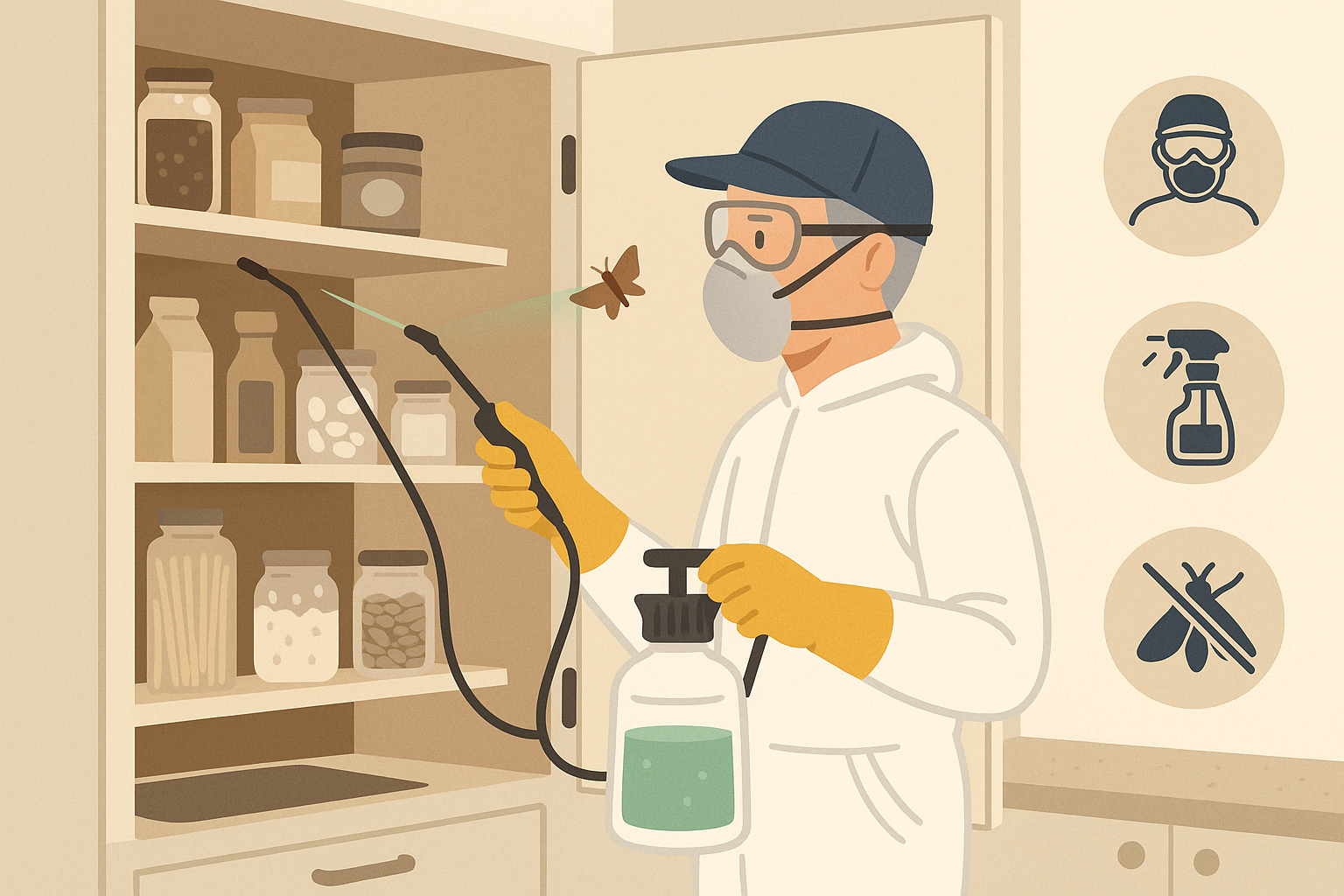
When a moth outbreak turns your pantry into a battlefield, every minute counts. The difference between a swift, thorough professional intervention and a quick DIY patch can mean the difference between a single night of chaos and a lingering problem that resurfaces weeks later. Below, we break down exactly what each approach looks like when you need moth control Vinings for an emergency response.
Professional Emergency Workflow
Anthem Pest’s emergency team follows a four‑step protocol designed to eliminate the infestation fast and prevent re‑infestation.
- Thorough Inspection: A certified technician surveys every vulnerable area—pantry shelves, stored grains, closets, and even HVAC returns—to locate breeding sites and assess the severity of the problem.
- Targeted Aerosol or Fogger Application: Using EPA‑approved, low‑odor aerosol sprays or foggers, the technician treats identified hotspots. The formulation is calibrated to reach cracks, crevices, and hard‑to‑see corners where moth larvae hide.
- Pheromone Trap Placement: After treatment, the tech installs high‑efficacy pheromone traps at strategic points. These traps capture adult moths, giving you immediate visual confirmation that the population is dropping.
- Follow‑Up Visit: Within 5‑7 days, a second visit confirms that the infestation is gone and replaces any traps that have reached capacity. This step is crucial for catching any late‑emerging larvae.
DIY Quick Fixes You Can Deploy Tonight
If you’re on a tight budget or need an immediate stop‑gap before a professional can arrive, these home‑based tactics can buy you time.
- Airtight Storage: Transfer all grains, cereals, and dried goods into sealed, freezer‑grade containers. This starves moths of food and prevents newly hatched larvae from finding a meal.
- Pheromone Traps: Purchase ready‑made traps from a hardware store and place them near pantry shelves and closets. While not as powerful as the pro‑grade versions, they still reduce adult activity.
- Freezer Treatment: For items you suspect are already infested (e.g., a bag of flour), seal them in a plastic bag and freeze for 72 hours. The extreme cold kills eggs, larvae, and adult moths.
What’s It Going to Cost?
| Service | Price Range | What’s Included |
|---|---|---|
| Initial Emergency Visit | $150 – $300 | Inspection, aerosol/fogger treatment, trap placement |
| Follow‑Up Visit | $50 – $100 | Trap check, additional treatment if needed, final verification |
Professional service may seem pricier at first glance, but consider the hidden costs of DIY attempts: missed larvae, re‑infestation, and the time you spend hunting down every hidden egg. A certified technician brings speed, comprehensive coverage, and a guarantee that the problem is truly resolved.
In a true emergency, the safest bet is to call Anthem Pest immediately. Their rapid‑response team can be on your doorstep within hours, applying industry‑standard treatments that you simply can’t replicate with household products. DIY methods are useful for short‑term containment, but they lack the reach, potency, and follow‑up assurance that a professional service provides.
DIY vs. Professional – Cost and Effectiveness Comparison
When a moth invasion shows up in Vinings, the first instinct is often to grab a store‑bought spray and tackle it yourself. While that approach can feel empowering, hidden pockets of larvae often remain undetected. Those unseen colonies can chew through fabric, insulation, and even structural wood, easily adding $500–$1,000 in repair bills before you realize the problem.
Professional technicians bring more than a bigger can of pesticide. They use thermal imaging, moisture meters, and trained inspection techniques that expose nests behind walls, under floorboards, and inside HVAC ducts. The NPMA 2023 moth control report found that a properly applied professional treatment slashes recurrence rates by 85 %, a stark contrast to the 30‑40 % success most DIY kits achieve after a single application.
Below is a quick decision‑tree to help you decide whether a DIY effort will likely save you money—or if calling a pro is the smarter move.
| Scenario | DIY Recommended? | Professional Recommended? |
|---|---|---|
| Isolated sighting in a single closet, no visible damage | Yes – targeted spray and thorough cleaning | No – professional visit not necessary |
| Multiple rooms showing webbing, larvae, or fabric damage | No – risk of missed colonies | Yes – comprehensive inspection and treatment |
| Large home (>2,500 sq ft) with attic and crawl‑space access | No – limited reach of DIY tools | Yes – equipment and expertise for hard‑to‑reach areas |
| Time‑sensitive situation (e.g., upcoming event, moving out) | No – DIY may take days to see results | Yes – fast‑acting professional service |
| Budget constraints but willing to monitor closely | Yes – start with low‑cost traps and preventive measures | No – consider a one‑time professional spot‑treatment only if DIY fails |
Infestation severity is the most decisive factor. A few stray moths can be knocked out with a household aerosol, but once you spot larvae in multiple zones, the odds are the colony has already spread beyond sight.
Home size matters, too. A compact townhouse may allow you to treat every nook with a handheld sprayer, while a sprawling ranch with an attic, basement, and garage creates hidden corridors where moths thrive. Professionals have the ladders, vacuums, and low‑pressure foggers needed to saturate those spaces evenly.
Time constraints often tip the scale. DIY solutions usually require repeated applications over weeks, and you’ll need to vacuum, wash, and monitor continuously. A licensed technician can finish a thorough treatment in a single visit, letting you get back to daily life without lingering worries.
Bottom line: if you’re dealing with a minor, early‑stage problem and have the patience to follow up daily, a DIY approach can keep costs under $150. However, for anything beyond a single room, for larger properties, or when you can’t afford the risk of hidden damage, the upfront investment of a professional service—typically $300‑$600 for a full‑home moth program—pays off by preventing costly repairs and reducing the chance of a repeat invasion.
Transparent Pricing for Emergency Moth Control
When a moth infestation strikes, the last thing you want is a surprise bill. At Anthem Pest Control, we believe every Vinings homeowner should know exactly what they’re paying for, why the cost varies, and how they can save. Below is a clear breakdown of the typical fees you’ll encounter during an emergency moth control Vinings service.
Typical Service Fees
| Service | Price Range |
|---|---|
| Initial Inspection | $75 – $100 |
| Primary Treatment | $150 – $300 |
| Follow‑up Visit | $50 – $100 |
These ranges cover the basic labor, materials, and equipment needed to assess the problem, apply a targeted moth solution, and verify that the treatment was effective. The final quote will land somewhere within each range, depending on the specifics of your home.
What Influences the Cost?
- Square footage: Larger homes require more product and longer application times.
- Infestation severity: A light sighting costs less than a full‑blown outbreak that has spread to multiple rooms.
- Moth species: Some species, such as pantry moths, need different chemicals than carpet or clothing moths.
- Structural treatment needs: If larvae have penetrated walls, flooring, or insulation, additional work is required.
- Access challenges: Tight crawl spaces, attic obstacles, or multi‑level homes can increase labor time.
By understanding these variables, you can anticipate why two neighboring houses might receive slightly different estimates. Our technicians always explain the drivers behind the numbers before any work begins, ensuring you feel confident in the investment.
Local Savings for Vinings Residents
Anthem Pest Control wants to make emergency moth relief even more affordable for our Vinings community. Use the exclusive discount code VININGS10 when you schedule your service to receive 10 % off the total bill. This code applies to the combined cost of inspection, treatment, and any necessary follow‑up visits.
How to redeem: Mention the code to our office staff at 877‑371‑8196 or enter it on the checkout page of anthempest.com. The discount is automatically applied before you finalize payment.
Reminder: Pricing can fluctuate with seasonal demand and changes in product costs. Always verify the current rates on Anthem’s website or during your phone consultation before quoting a final amount.
Prevention Strategies for Vinings Homeowners
Seasonal Checklist: Keep Moths Out of Your Pantry
Every season brings a new chance for moths to discover a food source in your kitchen. Follow this simple, month‑by‑month routine to stay one step ahead:
- Store dry goods in glass containers. Moths can chew through cardboard and plastic, but they can’t tunnel into airtight glass.
- Vacuum the pantry monthly. Use the hose attachment to pull out crumbs, spilled flour, and any stray larvae hiding in corners.
- Refresh cedar or lavender sachets. Place them on shelves, inside drawers, and in closet corners. Both scents act as natural repellents without chemicals.
- Inspect new purchases. Before bringing bulk rice, cereal, or pet food inside, give each bag a quick visual check for holes or webbing.
Home Maintenance Tips: Seal the Entry Points
Even the most diligent pantry routine won’t help if moths can slip through cracks and gaps. Strengthen your home’s defenses with these quick fixes:
- Seal cracks and gaps. Use silicone caulk around baseboards, window frames, and where pipes enter walls. Pay special attention to the area around your dryer vent, a common moth pathway.
- Repair or replace damaged window screens. A torn screen is an open invitation for adult moths to flutter inside.
- Install door sweeps. A brush‑type sweep on exterior doors blocks the tiniest insects while still allowing the door to close smoothly.
- Maintain proper ventilation. Stagnant, humid spaces encourage moth breeding. Use exhaust fans in kitchens and bathrooms to keep air moving.
Neighborhood‑Specific Advice: The Landings Attic Challenge
Vinings homeowners in the The Landings subdivision often report moth activity originating from attic insulation gaps. These openings let outdoor moths drift in during the warm months and provide a sheltered breeding spot in winter.
Take these targeted steps:
- Inspect attic insulation. Look for visible gaps around light fixtures, vent chases, and where the roof meets the walls.
- Seal gaps with expanding foam. For larger openings, fill them with low‑expansion spray foam, then trim excess once cured.
- Upgrade insulation where needed. Adding a thin layer of blown‑in cellulose can close hidden voids and improve overall energy efficiency.
- Schedule a professional audit. Anthem Pest Control can perform a thorough attic inspection, identify hard‑to‑reach entry points, and recommend long‑lasting sealing solutions.
Safe Pesticide Use: Follow the EPA’s 2024 Residential Guide
If you decide a targeted pesticide is necessary—perhaps for a severe infestation—always prioritize safety. The EPA 2024 Residential Pesticide Use Guide outlines best practices for homeowners:
- Choose products labeled specifically for indoor moth control.
- Read the label thoroughly; apply only the recommended amount and avoid over‑application.
- Ventilate the treated area by opening windows and using fans for at least 30 minutes after application.
- Keep children, pets, and food items out of the treated space until the pesticide has dried completely.
- Store any remaining product in its original container, out of reach of children and pets.
By combining a seasonal pantry routine, diligent home maintenance, neighborhood‑specific attic checks, and responsible pesticide use, Vinings homeowners can dramatically reduce the likelihood of a moth invasion. For personalized advice or a professional inspection, give Anthem Pest Control a call at 877‑371‑8196 or visit anthempest.com. Your home will stay clean, your clothes will stay moth‑free, and you’ll enjoy peace of mind all year long.
Local Expertise – Anthem Pest in Vinins
24‑Hour Emergency Line & Rapid Dispatch
When a moth infestation erupts in the middle of the night, you need a partner that can answer the call instantly. Anthem Pest’s 24‑hour emergency line (877‑371‑8196) is staffed around the clock for Vinings residents, so you never have to wait for business hours to get help. As soon as you dial, a local dispatch coordinator pulls up your address, verifies the pest type, and sends a crew within the hour. That rapid response is the difference between a small flare‑up and a full‑blown infestation.
Certified Technicians, EPA‑Registered Products, and a Satisfaction Guarantee
Our Vinings team knows the neighborhood streets, the older colonial homes, and the newer town‑homes that line Peachtree Industrial Boulevard. Because they live and work in the same area, they can spot the subtle signs of a moth problem before it spreads—such as tiny silk webbing in attic corners or moth‑damaged fabrics in closets. Every technician sent to Vinings is fully certified and trained on the latest EPA‑registered products, which break the moth life cycle while remaining safe for children, pets, and the environment. Anthem backs each treatment with a satisfaction guarantee: if you still see activity after the recommended follow‑up, we’ll return at no extra cost until the problem is resolved.
Deep Understanding of Vinings‑Specific Moth Patterns
Vinings has its own pest rhythm—summer brings a surge of webbing moths that love the humid evenings, while the cooler fall months invite pantry moths that seek stored grains. Anthem’s field specialists have logged dozens of Vinings‑specific cases, so they recognize which species are likely to appear at any given time of year. That knowledge lets us tailor a treatment plan that targets the exact moth species on your property, rather than using a one‑size‑fits‑all spray. The result is faster knock‑down, fewer applications, and lower overall cost for you.
What Vinings Homeowners Are Saying
“[Testimonial to be added]” – Vinings homeowner
Frequently Asked Questions About Emergency Moth Control
Below are the most common questions homeowners ask when a moth infestation demands immediate attention, and the answers you can expect from a certified Anthem Pest technician.
How quickly will a professional treatment work?
Our technicians apply a fast‑acting, EPA‑registered formulation that begins killing active moths within the first 24 hours. Most homeowners see a noticeable 70‑80 % reduction in adult activity after 24‑48 hours, and complete control is typically achieved within seven days when the treatment is followed by the recommended vacuuming and laundry protocols. The product also leaves a residual barrier that continues to suppress hatchlings for up to three weeks. In rare, heavy‑infestation cases we may schedule a second visit to ensure every life stage is eradicated.
Are the chemicals safe for children and pets?
Yes. The products we use are low‑toxicity, EPA‑registered insecticides specifically labeled for indoor residential use. When applied according to the label, exposure risk is minimal. We always advise keeping children and pets away from treated areas for at least two hours, ventilating rooms, and washing any fabrics that may have come into direct contact with the spray.
We also recommend:
- Covering food and utensils before treatment
- Keeping pets in a separate room for at least two hours
- Opening windows to increase airflow
What’s the warranty period for emergency moth control?
Anthem Pest offers a standard
Take Action Now – Your Trusted Vinings Moth Partner
When a moth infestation spikes in Vinings, every day you wait gives the pests more time to lay eggs, damage fabrics, and spread disease‑causing microbes. That’s why a rapid response isn’t just a convenience—it’s essential to protect your home, your belongings, and your peace of mind.
Three immediate steps you can take
- Identify the source. Look for tell‑tale signs such as silvery webbing, clusters of larvae, or damaged clothing near closets, attics, and pantry shelves.
- Treat the affected area. Use a targeted, EPA‑approved moth spray or set up pheromone traps to interrupt the breeding cycle. For severe cases, professional fogging or heat treatment may be required.
- Prevent future invasions. Seal cracks, store fabrics in airtight containers, and schedule a regular inspection to keep moths from returning.
While you can start these actions yourself, the most reliable way to end an emergency is to call a local specialist who knows Vinings’ climate, building styles, and seasonal moth patterns. Anthem Pest Control brings that expertise straight to your doorstep.
Why Anthem Pest is the right partner
- Local knowledge – Our technicians live and work in the Vinings area, so they understand the specific moth species that thrive here and the most effective treatment windows.
- Transparent pricing – You’ll receive a clear, itemized quote before any work begins, with no hidden fees or surprise add‑ons.
- 24‑hour emergency line – Moth problems don’t keep office hours, and neither do we. Call any time, day or night, and we’ll dispatch a team within hours.
- Safe, proven solutions – We use low‑toxicity products that protect your family and pets while eliminating the infestation fast.
Ready to stop the moths in their tracks? Call us now for a free emergency quote at 877‑371‑8196 or schedule service online. Our friendly staff will walk you through the process, confirm the best treatment plan, and get you back to a moth‑free home today.
Visit Anthem Pest Control to learn more about our emergency services, read customer testimonials, and book your moth control Vinings appointment with just a few clicks.