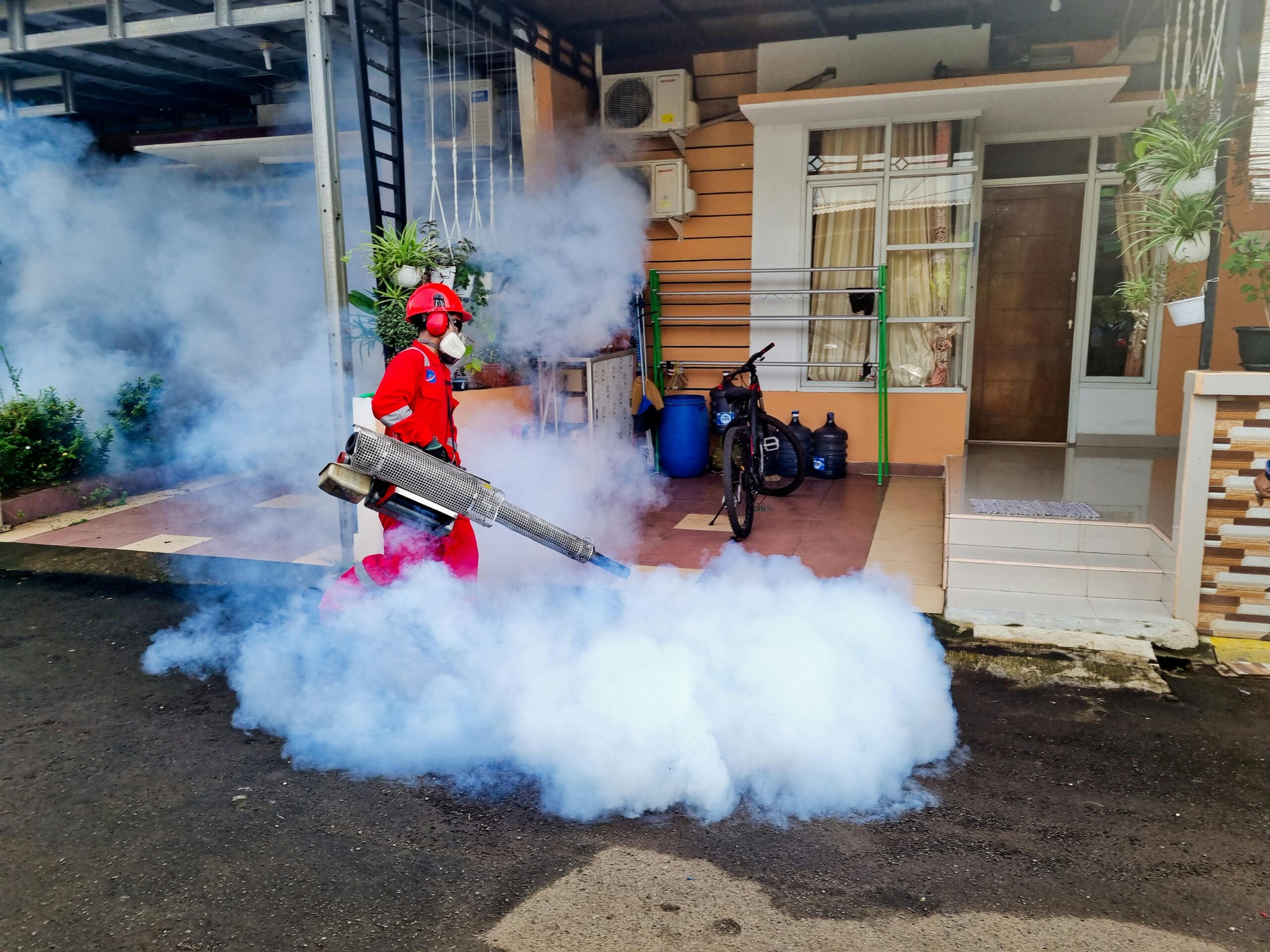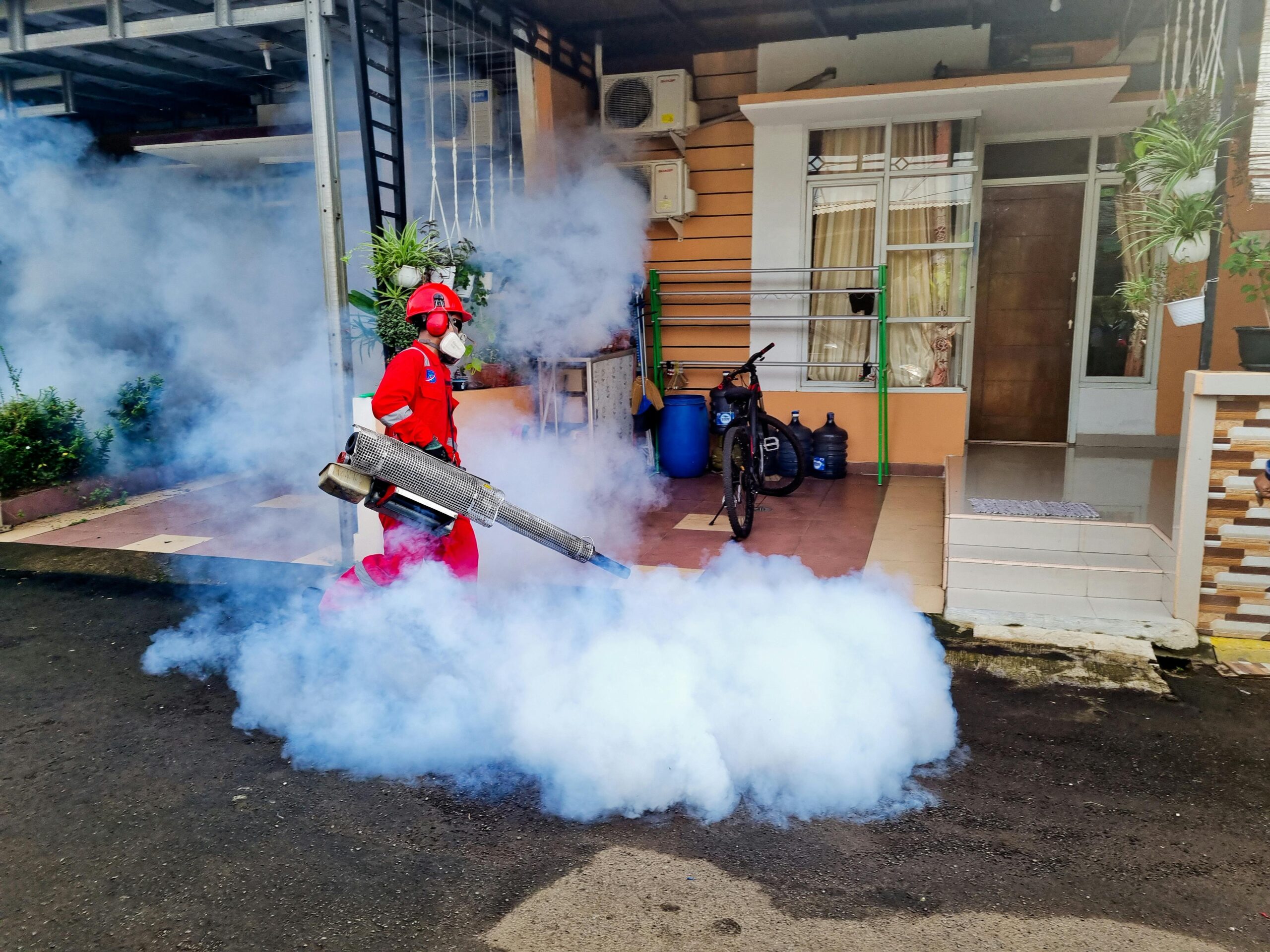
Spotting the First Signs of a Mouse Infestation
When a mouse slips into your house, it’s usually hunting for three basic needs: food, shelter, and water. A pantry stocked with cereal, an unsealed trash can, or even a leaky faucet can turn a tidy home into an all-you-can-eat buffet for these tiny intruders. Because mice are incredibly adaptable, they’ll squeeze through gaps as small as a pencil-lead and set up camp in hidden corners, walls, or insulation—one of the reasons mouse control Decatur GA homeowners rely on is so important. Recognizing the early signs of their presence gives you a crucial head-start before the problem spirals out of control.
Why Mice Choose Your Home
Mice are drawn to warmth and easy access to nourishment. In the summer, they seek cool, dry spaces; in winter, they look for heated rooms where food is stored. Anything that provides a steady water source—leaky pipes, pet dishes, or even condensation—adds to the attraction. Understanding these motivations helps you spot the most vulnerable spots: near appliances, under sinks, and in cluttered storage areas.
Visual Clues You Can’t Miss
- Droppings: Small, dark, rice‑shaped pellets often found along baseboards, behind appliances, or inside cabinets.
- Gnaw Marks: Fresh, clean cuts on wood, plastic, or wiring; look for parallel lines on cardboard boxes or the edges of furniture.
- Shredded Materials: Mice love to line their nests with shredded paper, fabric, or insulation. Tiny piles of fluff near corners or in hidden crevices are a red flag.
- Close‑up Evidence: A single mouse sighting or a high‑resolution photo of a mouse can confirm activity.

Sounds and Smells
Even if you don’t see a droplet or a gnaw mark, mice often give away their presence with subtle noises. Listen for faint scratching or scurrying sounds in walls, ceilings, or under floorboards, especially at night when they’re most active. A faint, musky urine odor—sometimes described as “wet dog”—can also signal a hidden nest. These sensory clues are especially useful in rooms where visual evidence is harder to spot, such as attics or crawl spaces.
Quick Room‑by‑Room Inspection Checklist
| Room | What to Look For |
|---|---|
| Kitchen | Droppings near countertops, gnawed cabinet edges, food spillage, unsealed bags. |
| Pantry | Shredded packaging, chewed cereal boxes, droppings on shelves, open containers. |
| Basement | Gnaw marks on insulation, droppings in corners, rustling in stored boxes, water sources. |
| Attic | Scratching sounds, droppings near insulation, shredded paper, entry points around vents. |
Documenting What You Find
Before you call a professional, take clear photos of any droppings, gnaw marks, or nests you discover. A quick note of the location (e.g., “kitchen cabinet, upper shelf”) and the type of evidence helps the technician assess the severity and plan an effective treatment. Organized documentation also speeds up the quoting process, ensuring you get a transparent, accurate estimate from Anthem Pest Control.
Health Risks and Why Immediate Mouse Control Matters
When mice set up shop in a Decatur home, the danger extends far beyond an unwelcome sight. These tiny rodents are carriers of serious pathogens, and their droppings, urine, and even their fur can turn a comfortable household into a health hazard.
- Hantavirus – transmitted through inhalation of dried mouse droppings or urine.
- Salmonella – spread when contaminated food or surfaces are touched.
- Leptospirosis – contracted via contact with urine‑soaked materials.
Each pathogen spreads in a unique way, making prevention crucial. Hantavirus particles survive for weeks in dried droppings, so even a seemingly clean corner can release infectious aerosols when disturbed. Salmonella thrives on food residues left on countertops, and a single bite of contaminated cereal can cause an outbreak. Leptospirosis, often overlooked, can enter the bloodstream through tiny skin cuts, leading to kidney damage if untreated.
Symptoms appear quickly and can be severe: hantavirus often starts with fever, muscle aches, and respiratory distress; salmonella causes sudden stomach cramps, diarrhea, and fever; leptospirosis may lead to high fever, headache, and jaundice if left untreated.
For a comprehensive overview of rodent‑related health hazards, the U.S. Environmental Protection Agency provides detailed guidance EPA – Rodents.
Infants, seniors, and anyone with compromised immunity are especially at risk. A mild fever in a child can quickly progress to severe respiratory issues if hantavirus is involved, while older adults may experience prolonged recovery from salmonella infections.
Beyond infectious disease, mouse dander and urine are potent allergens. In homes with sensitive occupants, even microscopic particles can trigger sneezing, watery eyes, and full‑blown asthma attacks, especially during the colder months when mice are most active indoors.
Mouse urine contains proteins that cling to dust particles, turning ordinary cleaning dust into a hidden trigger. Studies show that homes with active mouse infestations have up to a 30% higher incidence of asthma attacks among residents.
Rodents love to gnaw, and electrical wiring is a favorite target. A single chewed wire can spark, creating a fire risk that endangers both property and lives. The National Fire Protection Association reports that rodent‑induced fires account for a measurable share of residential blazes each year.
As mice burrow through insulation, they create gaps that reduce energy efficiency and raise heating bills. Their constant foraging also contaminates pantry items, spreading bacteria and rendering food unsafe for consumption.
Early intervention is dramatically cheaper than repairing fire‑damage, replacing insulation, or covering medical expenses from illness. A single professional treatment can cost a few hundred dollars, while a post‑damage renovation or hospital stay can run into thousands.
Professional mouse exclusion typically starts at $200‑$300 for a single‑family home, yet the average homeowner spends $1,500‑$3,000 on fire‑damage repairs, insulation replacement, and medical bills after an infestation is ignored. Investing in a preventive treatment therefore pays for itself many times over.
Because health threats multiply quickly, waiting for visible damage only gives mice more time to spread disease, allergens, and destruction. Prompt mouse control protects your family’s well‑being and your wallet, turning a potential emergency into a manageable maintenance task.
Proven Treatment Methods for Homeowners
Integrated Pest Management (IPM) – The Smart Framework
Integrated Pest Management is a science‑backed approach that blends prevention, monitoring, and targeted action. Instead of relying on a single tactic, IPM encourages homeowners to understand mouse behavior, eliminate food and water sources, and then apply the most effective control method. By prioritizing non‑chemical solutions first, you reduce risk to pets, children, and the environment while still staying EPA‑compliant. When chemicals become necessary, IPM dictates that they are used sparingly and precisely, ensuring maximum impact with minimal exposure.
Mechanical Controls – Traps and Bait Stations
Mechanical tools are often the first line of defense because they provide immediate results without chemicals. Below is a quick look at the most common options:
- Snap Traps – Fast, inexpensive, and highly effective when placed along walls and near known activity. Pros: Immediate kill, no poison residue. Cons: Requires careful placement to avoid accidental injury.
- Live‑Catch Traps – Capture mice unharmed for release far from the home. Pros: Humane, reusable. Cons: Must be checked frequently; release may violate local wildlife regulations.
- Bait Stations – Enclosed boxes that hold a measured amount of rodenticide. Pros: Reduces exposure to non‑target animals, tamper‑resistant. Cons: Requires correct placement and regular inspection.
For best results, set traps perpendicular to the wall, with the trigger side facing the mouse’s travel path. Rotate locations every few days to prevent trap shyness.
Chemical Controls – Rodenticides Done Right
When mechanical methods fall short, EPA‑approved rodenticides become a valuable backup. Safety is paramount:
- Placement Guidelines – Position bait stations in concealed areas such as behind appliances, inside wall voids, or under cabinets. Keep them at least 18 inches off the floor to deter pets.
- Safety Precautions – Wear disposable gloves, store products in their original containers, and lock them away from children. Always follow the label’s dosage instructions; over‑application can lead to resistance and environmental harm.
- Compliance – Only certified technicians may apply second‑generation anticoagulant rodenticides (SGARs). Homeowners can purchase first‑generation products for limited, short‑term use, but must adhere strictly to label warnings.
Professional Services – Inspection, Exclusion, and Fumigation
Professional pest control teams bring tools and expertise that most homeowners lack. A typical service includes:
- Comprehensive Inspection – Technicians identify entry points, nesting sites, and food sources using flashlights, moisture meters, and infrared cameras.
- Exclusion – All gaps larger than ¼ inch are sealed with steel wool, caulk, or metal flashing. This stops new mice from entering after the current infestation is cleared.
- Fumigation (Rare) – In severe, multi‑unit situations, a certified professional may apply a controlled‑release gas to eradicate hidden colonies. This method follows strict state regulations and requires temporary evacuation.
The Role of a Certified Technician

A certified technician from Anthem Pest Control does more than place traps. They assess the property, recommend the safest EPA‑compliant products, and ensure all equipment meets local regulations. Their training allows them to calibrate bait stations, document placement for future audits, and educate homeowners on proper maintenance. When you schedule a visit, you’re getting a partner who guarantees both effectiveness and peace of mind.
Homeowner Maintenance Tips – Keeping Mice Out for Good
After treatment, ongoing vigilance is the key to a mouse‑free home:
- Seal Food Sources – Store grains, pet food, and garbage in airtight containers. Clean crumbs immediately.
- Eliminate Water – Fix leaky pipes, keep sinks dry, and use dehumidifiers in basements.
- Regular Inspections – Walk the perimeter quarterly, looking for fresh gnaw marks or droppings.
- Maintain Exclusion – Re‑check door sweeps, window screens, and vent covers after any renovation.
- Use Monitoring Stations – Place a few low‑profile snap traps in hidden corners for early detection.
By combining IPM principles with the right mechanical or chemical tools—and leaning on a certified professional when needed—you’ll protect your Decatur home from mouse invasions while staying safe for family and pets.
Emergency Mouse Control Pricing Packages
When a mouse invasion strikes, you need a solution that matches the urgency and scale of the problem. That’s why mouse control Decatur GA services from Anthem Pest are structured into three clearly defined packages—Standard, Premium, and Deluxe—so you can pick the level of service that aligns with your home’s size, infestation severity, and budget.

Standard Package
- Inspection: Comprehensive visual assessment of entry points and activity zones.
- Trapping: Placement of up to 5 snap traps or live‑catch devices.
- Exclusion: Sealing of obvious gaps (up to 10 ft of openings).
- Follow‑up visit: One post‑treatment check within 14 days.
- Warranty: 30‑day mouse‑free guarantee.
Typical price range: $149 – $199. Ideal for single‑family homes with a light to moderate mouse presence.
Premium Package
- Inspection: Detailed walkthrough with infrared detection for hidden activity.
- Trapping: Up to 10 traps plus bait stations for broader coverage.
- Exclusion: Professional-grade sealing of all identified entry points (up to 25 ft).
- Follow‑up visits: Two checks—one at 7 days and another at 21 days.
- Warranty: 60‑day mouse‑free guarantee.
Typical price range: $229 – $279. Best for medium‑sized homes where mice have established multiple pathways.
Deluxe Package
- Inspection: Full‑home assessment with thermal imaging and rodent activity monitoring.
- Trapping & Baiting: Unlimited traps, strategic bait stations, and eco‑friendly rodenticides.
- Exclusion: Complete sealing of all potential ingress points (up to 50 ft) using industry‑standard materials.
- Follow‑up visits: Three visits over 30 days, plus a final inspection.
- Warranty: 90‑day mouse‑free guarantee with complimentary re‑treatment if needed.
Typical price range: $349 – $429. Designed for larger properties or severe infestations where a proactive, long‑term solution is essential.
Each package’s price reflects three core components: labor (technician time and expertise), materials (traps, sealing products, and any bait), and the length of the guarantee. The more comprehensive the service, the greater the coverage and peace of mind you receive.
Choosing the right tier starts with a quick self‑assessment. If you’ve spotted only a few droppings and the mice seem confined to one area, the Standard package will likely resolve the issue. When you notice activity in multiple rooms, gnaw marks on walls, or a larger property footprint, the Premium or Deluxe options provide the extra reach and follow‑up care needed to eliminate the problem permanently.
Ready for a tailored quote? Call Anthem Pest at 877‑371‑8196 or visit anthempest.com to speak with a local specialist who can match the right package to your home’s unique needs.
Seasonal Mouse Activity in Georgia and Optimal Treatment Timing

Interpreting the Seasonal Activity Chart
The chart breaks down mouse behavior into four temperature bands that correspond to Georgia’s calendar months. Light green indicates low activity when temperatures hover above 80°F, typically June and July. Medium-green shows moderate activity as nights cool to the 70°F range (August–September). Dark green marks the peak period—when average lows dip into the 60°F–50°F bracket (late September through November), a time when mouse control Decatur GA becomes especially important for homeowners. Finally, the gray zone reflects the post-winter lull when daytime warmth rises but food sources remain scarce (December–February).
Why Late Summer Through Early Winter Is the Peak
Mice are opportunistic. As outdoor temperatures drop, they seek the warmth and steady food supply of homes. Homeowners also begin storing pantry staples, garden harvests, and seasonal decorations, creating abundant, easily accessible nutrition. The combination of cooler nights and abundant indoor food drives the surge in activity from late August to early December.
Pre‑Emptive Treatment Windows
To stay ahead of the invasion, schedule a preventive treatment during the moderate‑activity window—mid‑August to early September. This timing allows the pesticide barrier to establish before mice start testing entry points. For maximum efficacy, aim for a second follow‑up in early October. By treating before the dark‑green peak, you reduce the likelihood of an infestation taking hold.
Maintenance Actions During Low‑Activity Periods
- Inspect foundation and crawl spaces in December through February when mice are less active and easier to spot.
- Seal gaps around utility penetrations, vents, and siding with steel‑wool or caulk; mice can squeeze through openings as small as a dime.
- Trim vegetation away from the house to eliminate bridge pathways that rodents use to reach roof eaves.
- Rotate pantry storage by using airtight containers; this removes one of the primary attractants during the upcoming peak.
Linking Timing to Anthem Pest’s Pricing Packages
Anthem Pest Control aligns its service windows with the seasonal curve. Homeowners who schedule the Premium package before October benefit from a full‑season barrier, a mid‑season follow‑up, and a post‑winter inspection—all for a single, transparent price. The Standard package, ideal for those on a tighter budget, still covers the crucial pre‑peak treatment in September and a complimentary inspection in January. By timing your purchase with the chart’s low‑activity months, you lock in the best rates and avoid the surge‑pricing that often follows a reported infestation.
Quick Checklist for the Upcoming Season
- Mark your calendar for a pre‑emptive treatment in the first week of September.
- Order the Premium package before October 15 to secure the full‑season protection.
- During December‑February, perform a thorough inspection and seal any new gaps.
- Keep pantry items in sealed containers and limit outdoor food sources.
- Schedule a follow‑up inspection with Anthem Pest in late January to verify the barrier’s integrity.
Secure a Mouse‑Free Home Today with Anthem Pest Control
When mice slip into your Decatur home, the clock starts ticking. The sooner you spot the signs—tiny droppings, gnaw marks, or a faint rustling in walls—the faster you can stop an infestation before it spreads disease, contaminates food, and damages wiring or insulation. Prompt treatment isn’t just about comfort; it protects your family’s health and preserves the structural integrity of your house. Early action also keeps costs low, avoiding the expensive repairs that come from unchecked rodent damage.
Key Takeaways
- Early detection stops health risks and costly repairs.
- Integrated Pest Management (IPM) combines inspection, exclusion, and targeted treatment for lasting results.
- Professional, transparent service ensures you know exactly what’s happening and what you’re paying for.
Anthem Pest Control brings a proven, science‑backed approach to rodent control. Our certified technicians are trained in the latest IPM techniques, meaning they first assess your home, identify entry points, and recommend the most effective, least invasive solutions. We use safe baits and traps that target mice while protecting children and pets, and we back every service with a clear, upfront price—no hidden fees, no surprise add‑ons. Because we understand the unique challenges of Georgia’s climate, our seasonal monitoring helps keep your home mouse‑free year‑round.
Ready to take the next step? Request a free, no‑obligation quote that’s tailored to your home’s layout and mouse activity level. Our team will walk you through the inspection process, explain the treatment plan, and answer any questions you have—so you can make an informed decision with confidence.
Call now at 877‑371‑8196 or email us to schedule your assessment. Our friendly staff is standing by to help you protect your home and family.
Take action today and enjoy peace of mind. Visit Anthem Pest Control to learn more about trusted mouse control Decatur GA services and to claim your personalized, free quote.