
Emergency Mouse Control in Dunwoody – Why Immediate Action Matters

After the recent downpours that drenched DeKalb County, homeowners in Dunwoody have reported a startling spike in mouse sightings. The wet conditions push rodents out of their burrows and into our homes in search of dry shelter and food. If you’ve just spotted a mouse darting behind a cabinet, consider it more than a fleeting nuisance—it’s the first warning sign of a fast‑moving emergency.
Mice are not just dirty; they are carriers of serious illnesses. They can spread hantavirus, salmonella, and leptospirosis through urine, droppings, and contaminated food. According to the Centers for Disease Control and Prevention, “Rodents are known to transmit a variety of diseases to humans, including Hantavirus Pulmonary Syndrome and Lymphocytic Choriomeningitis.” Read the CDC’s full guide here. One stray droplet can jeopardize the health of every family member, especially children and seniors.
Beyond health, mice threaten the very structure of your home. Their incessant gnawing can compromise insulation, chew through electrical wiring (creating fire hazards), and damage wooden beams. Even a small infestation can leave unsightly droppings, gnawed food packaging, and a lingering odor that’s hard to eliminate.
What makes the situation urgent is the mouse’s reproductive speed. A single female can produce a litter of six to eight pups every three weeks. In just two months, a modest pair can multiply into a full‑blown colony, overwhelming any DIY attempts you might consider.
“Rodents are known to transmit a variety of diseases to humans, including Hantavirus Pulmonary Syndrome and Lymphocytic Choriomeningitis.” – CDC, Rodent‑Borne Illnesses
In the sections that follow, we’ll walk you through the tell‑tale signs of a mouse invasion, practical DIY steps you can take right now, when to call a professional, and the preventative measures that keep your Dunwoody home mouse‑free year after year. Acting quickly isn’t just about comfort—it’s about protecting health, property, and peace of mind.
Recognizing a Mouse Emergency – Key Signs to Spot Right Now
When a mouse slips into your home, the first 24‑48 hours are critical. The sooner you notice the tell‑tale clues, the faster you can call a professional and prevent a full‑blown infestation.
Visual clues you can’t ignore
- Droppings: Tiny, dark pellets about 1‑2 mm long, often found along baseboards, behind appliances, or inside cabinets.
- Gnaw marks: Fresh chew lines on wood, plastic, or wiring—usually 2‑3 mm wide and clean‑cut.
- Chewed packaging: Torn food bags, shredded cereal boxes, or punctured foil that reveal a mouse’s appetite.
- Footprints: Silky‑looking tracks in dusty corners or on smooth surfaces, especially after a cleaning.
The best way to confirm these clues is a systematic sweep. Pull out pantry shelves, lift baseboard trim, and shine a flashlight into dark corners. Fresh droppings are glossy and dark, while older ones turn brown and crumble.

Auditory warning: the night‑time scurry
Listen for faint, rapid scratching or scurrying sounds along walls, ceilings, or inside walls after dark. Mice are most active between 7 p.m. and midnight, so a persistent rustle is a strong indicator that they’re moving through your home’s hidden pathways.
If you hear the scurrying, pause and locate the source. Mice travel along concealed routes—gaps behind appliances, vent openings, or the space between drywall and insulation. Pinpointing the path helps technicians set up the most effective bait stations.
What the numbers tell us
The U.S. Environmental Protection Agency estimates that roughly 10 % of American households report rodent activity each year. In Georgia, that figure jumped by 12 % in 2023, highlighting a growing regional problem that often catches homeowners off guard.
Georgia’s recent rise means more neighbors are calling for help, and the sooner you act, the less likely the problem spreads to adjoining homes. Early detection saves time, reduces treatment costs, and protects your family’s health.
Local example: Dunwoody Village
One Dunwoody Village homeowner discovered 30 fresh droppings scattered across a pantry shelf within just 48 hours of noticing a single gnaw mark. The rapid buildup signaled that a small family of mice had already established a nest, prompting an immediate call to Anthem Pest Control for emergency treatment.
Spotting any of these signs—especially a combination of droppings, gnaw marks, and nighttime noises—means you’re dealing with a mouse emergency. Don’t wait for the problem to spread; contact a trusted local expert now.
Immediate DIY Actions to Contain the Infestation
Finding mouse activity in your Dunwoody home is a clear signal to act now. The good news is that you can begin reducing the population and preventing new guests with a few inexpensive tools and a little elbow grease. Follow this step‑by‑step plan, and you’ll have a solid defensive line in place before the problem escalates.
1. Seal Entry Points with Steel Wool and Caulk
Mouse‑sized gaps around pipes, vents, and foundation cracks are the highways they use to slip inside. Fill each opening with a generous handful of steel wool, then press a bead of silicone caulk over the top to lock it in place. The coarse fibers bite into tiny rodent teeth, making it virtually impossible for them to chew through, while the caulk creates a weather‑proof seal. Steel wool is inexpensive—typically $2‑$5 per roll—and a single roll will cover dozens of entry points in an average home.
2. Deploy Snap Traps Along Walls and Travel Routes
Snap traps remain the most reliable mechanical tool for quick mouse removal. Position them perpendicular to the wall, with the trigger side facing the wall, because mice naturally run along baseboards. Ideal locations include behind appliances, under the sink, and near any suspected runways. Use a dab of peanut butter as bait; its strong scent and sticky texture keep the mouse on the trigger plate long enough for a clean snap. Snap traps cost $0.75‑$1.50 each, and you’ll usually need 5‑10 traps to start seeing results. For optimal placement, follow the NPMA 2024 best‑practice guidelines, which recommend spacing traps 6‑12 inches apart along active walls.
3. Eliminate Food Sources
Even the best traps won’t succeed if a steady food supply is waiting. Transfer pantry staples—flour, cereal, pet food—into airtight containers made of glass or heavy‑wall plastic. Sweep and vacuum daily, paying special attention to corners, under the fridge, and around the dining area to remove crumbs that act like a buffet for mice. Finally, secure garbage bins with tight‑fitting lids and empty them at least once a day; outdoor dumpsters should be placed at least 10 feet from the house to discourage foraging.
4. Use Ultrasonic Repellents (Temporary Measure)
Ultrasonic devices emit high‑frequency sound waves that are uncomfortable for rodents but invisible to humans. While they can create a short‑term deterrent, scientific studies show mixed results, and mice often become accustomed to the noise within days. If you choose to try one, treat it as a supplemental tool rather than a primary solution, and keep expectations realistic. These units typically range from $15‑$25 and can be placed in high‑traffic rooms, but continue to rely on sealing, trapping, and sanitation for lasting control.
Knowing When DIY Isn’t Enough – When to Call a Professional
Most homeowners start with traps, snap‑baits, or a few DIY bait stations, and that works for a small, isolated problem. However, once the situation crosses certain thresholds, a do‑it‑yourself approach can become risky, costly, and ineffective. Recognizing those warning signs early saves you from structural damage, health hazards, and endless frustration.
Key Indicators That It’s Time to Call in the Experts
- More than ten active mice spotted throughout the house or in multiple rooms.
- Evidence of gnawed electrical wiring, insulation, or structural components.
- Visible signs of disease – droppings, urine stains, or a strong, musky odor.
- Young children, seniors, or pets who are especially vulnerable to rodent‑borne illnesses.
When any of these red flags appear, the stakes rise dramatically. A DIY solution may only mask the problem while the infestation continues to spread behind walls and under floors.
Why a Licensed Technician Makes the Difference
- EPA‑registered products: Professionals have access to treatments that are proven, legally approved, and formulated for maximum efficacy with minimal risk to occupants.
- Safety compliance: Trained technicians follow strict protocols for handling low‑toxicity bait stations, ensuring pets and family members stay safe.
- Treatment warranties: Many companies, including Anthem Pest, back their work with guarantees that cover re‑infestations within a set period.
- Comprehensive inspection: A certified expert can locate hidden entry points, assess structural damage, and recommend long‑term exclusion measures.
Anthem Pest’s 24‑hour emergency response team in Dunwoody is ready to intervene the moment you notice a serious mouse problem. Their technicians arrive equipped with low‑toxicity bait stations that target rodents while leaving humans and pets unharmed. The rapid response minimizes damage to wiring, insulation, and food supplies, and it prevents the health risks associated with rodent‑borne pathogens. All technicians are state‑licensed, fully insured, and continuously trained on the latest rodent‑control technologies, so you can trust that every step complies with Georgia’s health and safety regulations.
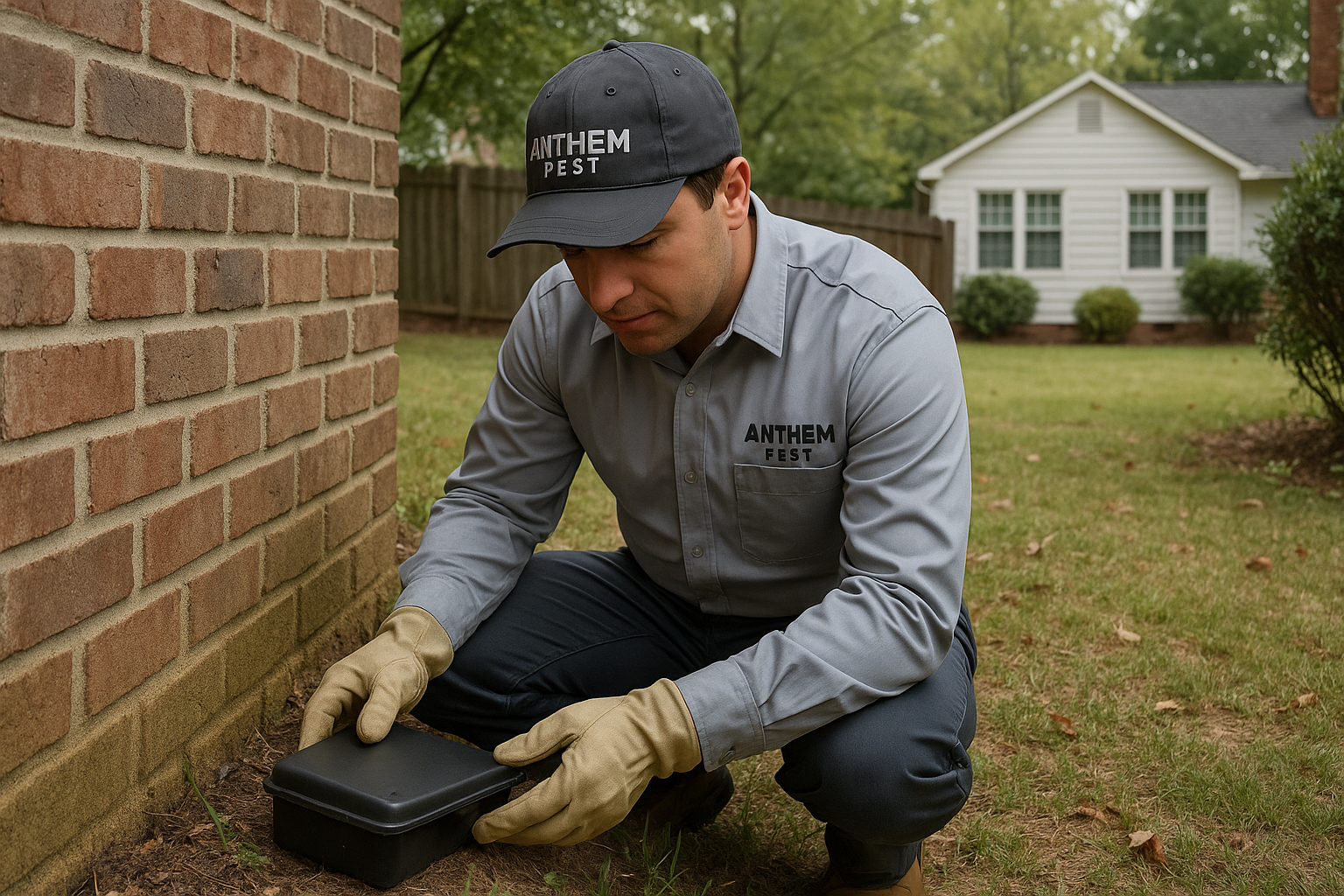
If you’re facing any of the indicators above, don’t wait for the problem to worsen. Call Anthem Pest now at 877‑371‑8196 for immediate, professional mouse control in Dunwoody, Georgia.
Choosing the Right Pest‑Control Provider in Dunwoody
When a mouse invasion turns urgent, the last thing you want is to waste time guessing which company will actually solve the problem. A reliable pest‑control partner should be easy to vet, and a short checklist can keep you from falling for flashy promises that don’t deliver.
Quick Evaluation Checklist
- State‑licensed and insured: Verify that the company holds a current Georgia pest‑control license and carries liability insurance. This protects you if a technician is injured on your property or if a treatment goes awry.
- Transparent pricing models: Look for upfront quotes that break down inspection, treatment, and any follow‑up fees. Avoid firms that hide “additional charges” until after the job is done.
- Low‑toxicity, child‑ and pet‑safe products: Modern pest control relies on targeted, EPA‑approved formulations that eliminate rodents without endangering family members or pets.
- Strong online reputation: Check Google reviews and the Better Business Bureau rating. Consistently high scores (4 ★ and above) indicate reliable service and responsive customer support.
Why Anthem Pest Stands Out
Among Dunwoody’s options, Anthem Pest distinguishes itself with a simple, three‑step guarantee that removes guesswork from the process.
- Inspection: A certified technician conducts a thorough walkthrough, identifying entry points, nesting sites, and any structural factors that could invite future invasions.
- Treatment: Using low‑toxicity baits and traps, Anthem targets the current mouse population while minimizing exposure to people and pets.
- Follow‑up: Within 7‑10 days, a second visit confirms that the problem is resolved and any remaining entryways are sealed, giving you peace of mind.
This guarantee, combined with the checklist above, makes Anthem Pest a trustworthy choice for emergency mouse control in Dunwoody. Their transparent pricing, full licensing, and commitment to safe products align perfectly with the criteria every homeowner should demand.
Treatment Options, Pricing, and Efficacy
When a mouse invasion turns urgent, the right treatment can mean the difference between a quick fix and a lingering problem. Below we break down the three most common approaches you’ll encounter in Dunwoody, Georgia, along with realistic cost ranges and the success rates reported by the National Pest Management Association (NPMA) in its 2024 efficacy study.
Bait Stations with Anticoagulant Pellets
Professional bait stations are pre‑filled containers that house anticoagulant pellets—typically bromadiolone or brodifacoum. These poisons interfere with the mouse’s blood clotting, leading to death after a single dose. For a typical single‑family home, Anthem Pest Control charges between $150 and $250 for placement, monitoring, and safe disposal. The NPMA reports an average 85 % success rate for this method when stations are correctly positioned and maintained over a two‑week period.
Snap‑Trap Bundles
Snap traps remain a favorite for DIYers and budget‑conscious homeowners. A full‑home bundle—usually 10‑12 traps with bait—costs between $30 and $60. While the upfront expense is low, the NPMA cites a modest 60 % efficacy because traps rely on proper placement, regular checking, and immediate disposal of captured mice. Missed traps or trap avoidance can quickly diminish results.
Integrated Pest Management (IPM) Program
IPM takes a holistic view, combining inspection, exclusion, monitoring, and targeted treatments. Anthem’s starter package runs $200‑$350 for the initial assessment, bait placement, and sealing of entry points. Ongoing quarterly visits cost an additional $100‑$150 each, covering fresh bait, trap checks, and preventive recommendations. Because IPM addresses the root cause—entry points and attractants—its overall success rate climbs to roughly 85‑90 % according to the same NPMA data.
Choosing the right plan hinges on three factors: how quickly you need results, your budget, and whether you prefer a one‑time fix or a long‑term strategy.
Cost‑Benefit Summary
| Method | Typical Cost (per home) | Success Rate (NPMA 2024) |
|---|---|---|
| Bait stations with anticoagulant pellets | $150 – $250 | ≈ 85 % |
| Snap‑trap bundles | $30 – $60 | ≈ 60 % |
| Integrated Pest Management (IPM) program | $200 – $350 initial $100 – $150 quarterly |
≈ 85‑90 % |
For homeowners who need rapid relief and have a clear access point, bait stations often deliver the best balance of cost and efficacy. If you’re looking to keep expenses low and are comfortable checking traps daily, snap‑trap bundles can work, but expect a lower overall kill rate.
The NPMA’s 2024 efficacy study, which evaluated hundreds of residential cases across the U.S., serves as the benchmark for these percentages. You can review the full report here.
At Anthem Pest Control, we tailor each solution to your home’s layout and your comfort level. Our transparent pricing lets you see exactly where your money goes—whether you opt for a single bait‑station service or a comprehensive IPM partnership. Call us at 877‑371‑8196 or visit anthempest.com to schedule a free inspection and get a personalized quote.
Long‑Term Prevention Strategies for Dunwoody Homes
Seasonal preparation – get ahead of the mice before they move in
As the leaves start to turn, mice begin scouting for warm places to nest. The most effective defense starts in late summer: walk the exterior of your home and seal every gap larger than a quarter‑inch. Pay special attention to where utility lines, pipes, and vents meet the foundation, and use steel‑wool combined with caulk for a mouse‑proof seal. While you’re up there, trim any tree branches that brush the roof or eaves; overhanging limbs give rodents a highway straight to your attic. Finally, keep firewood stacked at least six inches off the ground and away from the house—ground‑level piles create a perfect hide‑out and a bridge for critters to reach the siding.
Neighborhood hotspots – focus your effort where mice love to congregate
Dunwoody isn’t isolated; mice travel from nearby green spaces and commercial zones. Three local areas tend to generate the most pressure on residential properties:
- Brookhaven Park – dense foliage and abundant leaf litter provide cover for foraging mice. If your yard borders the park, increase perimeter inspections and consider installing low‑profile metal flashing along the fence line.
- Peachtree Corners – the network of side streets and pet‑friendly yards creates a corridor for rodents. Regularly clean under decks and remove any garden debris that could serve as a temporary shelter.
- Dunwoody Shopping Center – dumpsters and loading dock doors are prime entry points for mice that later wander into nearby homes. Keep your own trash cans tightly sealed, and if you share a wall with a commercial building, ask the manager to maintain a clean, well‑maintained dumpster area.
Annual professional inspection – the safety net you can’t skip
Even the most diligent DIY homeowner can miss a hidden entry point. That’s why Anthem Pest recommends a comprehensive, once‑a‑year inspection for every Dunwoody residence. Our technicians will:
- Identify and seal hard‑to‑reach gaps in the foundation, roof, and crawl space.
- Set up monitoring stations in high‑risk zones to catch early activity.
- Provide a customized prevention plan that matches your property’s layout and the seasonal threats you face.
As a special thank‑you to Dunwoody neighbors, we’re offering a 15 % discount on the first annual inspection when you mention this article. Call us at 877‑371‑8196 or visit anthempest.com to schedule your visit.
Local Resources and Regulations
In DeKalb County, the health code explicitly obligates every property owner to keep their premises free of rodents. The ordinance, codified under Chapter 13‑30 of the DeKalb County Code, states that a “rodent‑free” environment is essential for public health and may be inspected by county officials at any time. Failure to comply can result in a notice of violation, fines, and even temporary closure of rental units until the issue is resolved.
For a detailed, up‑to‑date guide, homeowners should consult the DeKalb County Health Department’s pest‑control guidelines. The official document outlines inspection procedures, acceptable control methods, and record‑keeping requirements. You can access it here: DeKalb County Health Department Pest‑Control Guidelines.
Beyond the county code, several local resources can help you stay ahead of a mouse invasion:
- DeKalb County Extension Office – Offers free workshops on integrated pest management, seasonal monitoring tips, and printable checklists for homeowners.
- Neighborhood Pest‑Watch Groups – Community‑run networks that share sightings, coordinate bulk treatments, and provide peer‑to‑peer advice. Many groups post updates on local social media pages or Nextdoor.
- Anthem Pest Control – Our team is licensed in DeKalb County and familiar with all regulatory requirements. We can perform a compliant inspection, provide a written remediation plan, and handle any necessary follow‑up documentation.
By understanding your legal responsibilities and tapping into these trusted resources, you’ll be better equipped to act quickly, stay compliant, and protect your home from future mouse problems. Remember to keep records of any treatments and inspections, as they may be requested during a health‑code audit or when you sell your home.
Take Action Now – Free Emergency Assessment from Anthem Pest
When mice invade your Dunwoody home, every hour counts. A small infestation can quickly become a health hazard, gnawing on wiring, contaminating food, and spreading disease. If you’ve already sealed entry points, set traps, and removed obvious droppings, but still hear scurrying at night or spot fresh gnaw marks, it’s time to call in the pros. The warning signs that demand professional help include:
- Continued activity after DIY traps are set
- Visible nests or large numbers of droppings
- Chewed insulation, wiring, or structural wood
- Signs of disease‑carrying parasites such as fleas or ticks
Professional rodent control not only eliminates the current infestation but also addresses hidden entry points and prevents future invasions. Our technicians conduct an inspection, identify the species, and apply treatments that are safe for children and pets.
If you’re facing a mouse outbreak, Anthem Pest’s certified technicians are ready to protect your home with safe, effective solutions. Our 24‑hour emergency line ensures you’re never left waiting. We offer a free emergency assessment, transparent pricing, and a treatment plan tailored to your specific situation.
We stand behind our work with a satisfaction guarantee, so you can trust that the problem will stay solved.
Call us now at 877‑371‑8196 for your complimentary emergency evaluation.
Ready to act? Visit Anthem Pest Control and let us restore peace to your home.