Why Rat Emergencies Demand Immediate Action in Smyrna
Rats aren’t just a nuisance; they carry pathogens that can make a healthy family sick. Hantavirus can cause severe respiratory illness, salmonella often leads to food‑borne gastrointestinal upset, and leptospirosis spreads through contaminated urine, potentially damaging kidneys and liver. When these microbes hitch a ride into your kitchen, the risk escalates quickly.

Beyond health, rats chew through anything that resembles food or shelter. They gnaw electrical wiring, creating hidden fire hazards, shred insulation that compromises energy efficiency, and tunnel into structural wood, weakening beams and joists. A single colony can silently undermine months of home investment before you even notice a spark or a squeak.
The Centers for Disease Control and Prevention estimates that rodents are responsible for roughly $20 billion in property damage across the United States each year. That staggering figure reflects both repair costs and the hidden expense of lost energy, reduced home value, and potential liability if a neighbor’s child is exposed to a rat‑borne disease.
Smyrna’s dense neighborhoods—especially Burnt Hickory, East Cobb, and Olde Smyrna—provide the perfect corridors for rats to move from vacant lots into snug backyards. In these tight quarters, a few weeks of unchecked breeding can double the population, turning a minor sighting into a full‑blown emergency. Delaying treatment lets the infestation embed itself in walls, vents, and crawl spaces where eradication becomes far more invasive and costly.
Because the stakes are high and the window for safe, affordable control narrows quickly, Smyrna homeowners need a data‑driven, professional plan right away. The following guide walks you through the exact steps—inspection, containment, and long‑term prevention—that Anthem Pest Control uses to protect families and property before the problem spirals out of control.
Signs You Have a Rat Infestation Right Now
Rats are nocturnal, stealthy, and surprisingly vocal about their presence. The fastest way to protect your home is to spot the tell‑tale clues before they multiply. Below are the most reliable indicators that a rat family has moved in.
Fresh droppings
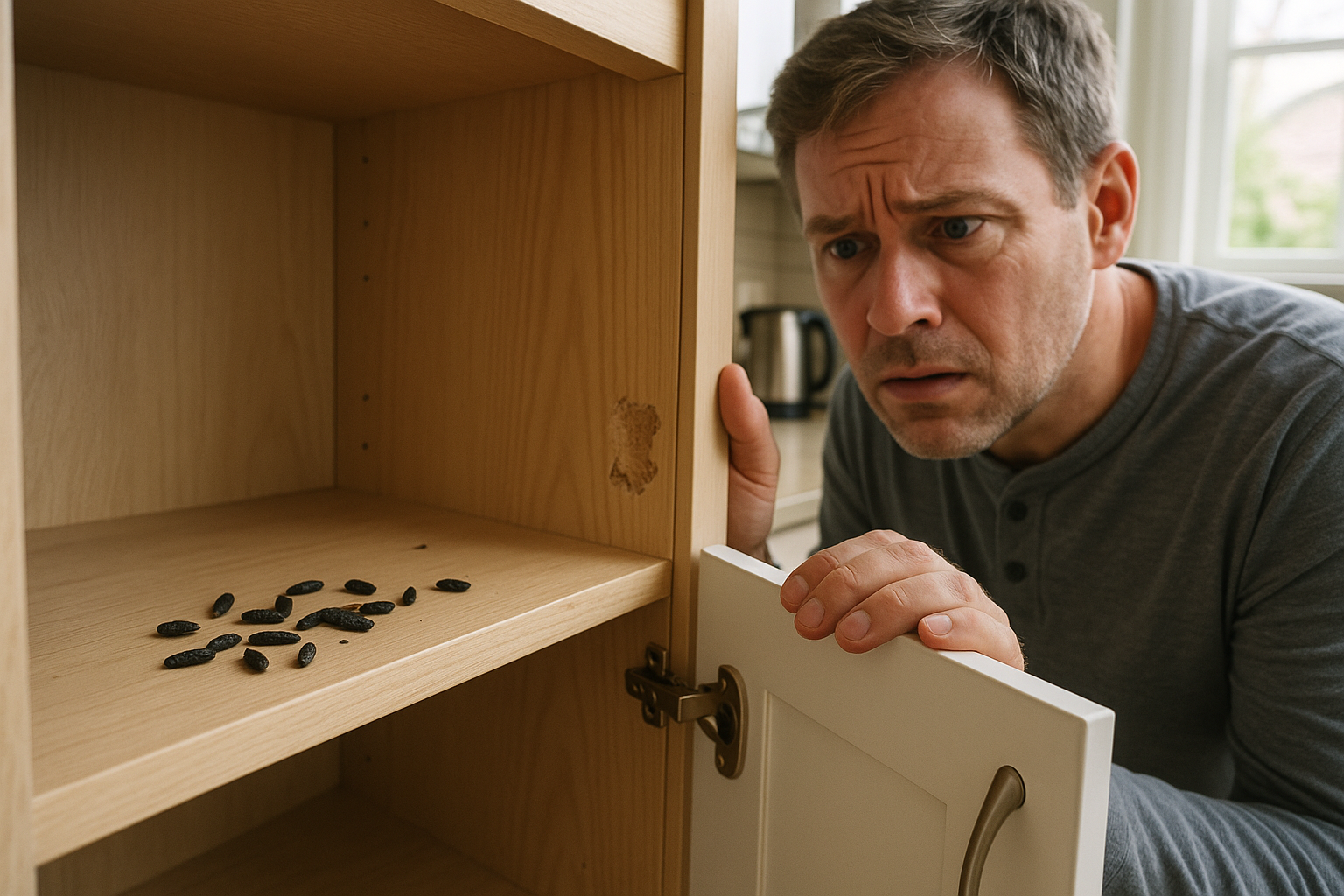
Look for small, dark pellets about 2 cm long. Fresh droppings are glossy and retain a slight sheen, while older ones become dry and crumbly. They often appear in clusters along baseboards, behind appliances, or inside cabinets. Because rats use the same pathways, you’ll often find droppings near food sources, such as pantry shelves or behind the refrigerator. Spotting even a handful should set off an alarm.
Gnaw marks on wiring and wood
Rats need to keep their incisors trimmed, so they gnaw on anything they can chew—especially electrical wires and wooden framing. Look for clean, parallel cuts that are slightly wider than a pencil lead. If you notice exposed copper or frayed insulation, you’re not just facing a pest problem; you’re risking a fire hazard. These bites can also compromise structural integrity, causing wood to splinter and weakening load‑bearing beams over time.
Audible scurrying or scratching at night
During the dark hours, rats travel through walls, attics, and crawl spaces. A faint rustling or rapid scratching sound, especially near ceiling joists or behind drywall, is a strong sign of activity. If you can hear the noise moving from room to room, the infestation is likely well established.
What the numbers say
Georgia reports 1.3 million rodent complaints each year, according to the Georgia Department of Public Health. That volume translates to thousands of households dealing with hidden rat colonies, many of which go unnoticed until damage appears.
Real‑world example
One Burnt Hickory homeowner called Anthem Pest after discovering a single kitchen cabinet packed with 50 fresh droppings. The homeowner assumed a stray mouse, but the concentration of pellets indicated a breeding pair with several juveniles. Early detection saved the family from costly wiring repairs and structural damage.
When you see any of these signs, it’s time to act. Quick identification lets Anthem Pest deploy targeted treatments before the problem spreads.
Emergency DIY Actions Before the Pro Arrives
1. Seal All Food Sources
Rats are opportunistic feeders; the moment you leave an open bag of cereal or a crumb‑laden countertop, you’re handing them a free buffet. Start by transferring pantry staples—flour, rice, pet food—into airtight, BPA‑free containers. Clear any food debris from counters, tables, and the floor with a damp cloth. Even a tiny spill can become a beacon for a hungry rodent, so keep surfaces spotless until the professionals intervene.
2. Block Obvious Entry Points
Rats can squeeze through openings the size of a quarter. Walk the exterior of your home with a flashlight and locate gaps around pipes, vents, and utility lines. Stuff each opening with a ¼‑inch steel wool plug, then seal it with caulk for extra durability. An EPA‑backed study found that sealing such gaps cuts re‑entry rates by roughly 80 %, dramatically reducing the chance of new visitors while you wait for treatment.
3. Set Snap Traps in High‑Traffic Zones
Snap traps remain one of the most reliable short‑term tools. Place them along walls, behind appliances, and in basements—areas where you’ve spotted droppings or gnaw marks. Aim for a “danger zone” layout: set a trap every 1–2 feet along the suspected run. Use a small piece of peanut butter or a slice of apple as bait, but avoid commercial rodent poisons; many DIY formulations can breach EPA pesticide regulations (EPA rodent guidelines).
4. Turn Off Lights at Night
Rats are nocturnal and gravitate toward darkness. By dimming or switching off indoor lights after sunset, you force them to seek illuminated areas—exactly where you’ve positioned your snap traps. Keep hallway and kitchen lights on a low‑watt setting to create a “light tunnel” that guides the rodents directly into your baited zones.
Caution: Homemade bait mixtures that contain powdered insecticides or anticoagulants may violate EPA pesticide rules and pose health risks to children and pets. Stick to non‑chemical baits and let a licensed technician handle any toxic treatments.
Finally, always wear disposable gloves when handling droppings, dead rodents, or used traps. Rat droppings can carry Hantavirus and other pathogens; gloves protect your skin and prevent cross‑contamination of surfaces. Dispose of captured rats in a sealed bag and wash your hands thoroughly afterward.
Hidden Reasons Homeowners Miss the Mark
Rats are surprisingly clever when it comes to traps. A poorly placed snap or glue board can be treated like a shortcut; the rodent will simply run around it, sniff the scent, and remember the exact spot for future visits. After a few close calls, they learn to avoid that location entirely, rendering DIY setups ineffective within days.
Unstoppable Reproductive Power
A single female rat can produce up to seven litters per year, with each litter containing six to eight pups. In optimal conditions that adds up to roughly 200 offspring annually. Even if you catch a couple of adults, the hidden nest may already be teeming with newborns that grow faster than you can set traps.
Hidden Health Hazards
Handling traps and dead rodents without proper protection exposes you to urine and droppings that carry pathogens such as Leptospira and hantavirus. Those contaminants can linger on surfaces, food, and even your hands, turning a simple DIY effort into a health risk for the whole household.
What the Numbers Say
The National Pest Management Association’s 2023 survey revealed that 62 % of DIY eradication attempts fail within two weeks (NPMA). Homeowners often underestimate how quickly a colony can rebound, especially when traps are misplaced or when the underlying entry points remain unsealed.
Real‑World Example: East Cobb, GA
One East Cobb homeowner set out a line of snap traps along a kitchen wall, catching only two rats in the first 48 hours. Within a week, the same property reported sightings of at least 30 active rodents, indicating that the original colony had continued breeding and expanding while the traps failed to intercept the majority of the population. The homeowner eventually called a professional service, which identified hidden burrows behind appliances and sealed them before implementing a targeted baiting program.
When Rats Are Most Active in Smyrna
Rats in Smyrna follow a predictable rhythm that aligns with the region’s climate and food availability. The biggest surge occurs in late summer and early fall, typically from late August through September, when natural food stores such as seeds, berries, and insects begin to wane.
Our 2023 service logs at Anthem Pest show a 45 % jump in rat‑related calls during September alone. Homeowners who notice gnaw marks, droppings, or noisy scurrying at this time are often experiencing the tail end of a seasonal breeding wave.
Temperature plays a crucial role. Warm nights above 70°F (21°C) keep rat metabolism high, encouraging foraging and mating. As autumn approaches, nights cool but daytime warmth remains sufficient for activity, prompting rats to seek shelter closer to homes where heat and food are reliable.
Breeding cycles reinforce the pattern. Female rats can produce a new litter every three weeks once they reach sexual maturity, usually around 8‑10 weeks of age. By late summer, several generations have been born, and the population peaks just as external food sources diminish, driving the rodents to invade attics, garages, and crawl spaces.
Understanding this seasonal spike lets you act before the problem escalates. Scheduling a preventive inspection in July or early August gives our technicians time to seal entry points, set bait stations, and reduce the indoor attractants that lure rats during their most active period.
Building a Rat‑Proof Home
Trash Management
Rats are opportunistic scavengers; a careless trash routine is an open invitation. Start by investing in sturdy, seal‑tight garbage containers—preferably those with a latch that closes flush with the lid. Position bins on a concrete pad away from the house, and empty them at least twice a week, especially during the warmer months when rats are most active. If you compost, keep the pile at least 15 feet from any structure and use a bin with a fine mesh cover to deny rodents easy access.
Landscaping Clearance
Overgrown vegetation creates a natural highway that leads rats straight to your foundation. Trim shrubs, vines, and trees so the nearest foliage is at least two feet away from the exterior walls. Remove any piles of wood, leaves, or debris that could serve as shelter, and keep firewood stored on a raised platform with a metal base. By eliminating these “highways” and “rest stops,” you force rats to travel farther in search of food and shelter, dramatically reducing the chance they’ll attempt entry.
Routine Inspections
A proactive homeowner spots problems before they become emergencies. Schedule quarterly walk‑throughs of your attic, crawl space, and exterior walls. Look for gnaw marks, shredded insulation, or small holes—especially near utility penetrations, vents, and eaves. Use a flashlight to check under roof decking and behind stored items. When you find a potential entry point, seal it promptly with steel wool, copper mesh, or a cement‑based sealant; rats cannot chew through these materials.
Cost‑Benefit Example
Consider the numbers: a modest $200 annual maintenance budget—covering sealed bins, regular landscaping, and a quarterly inspection checklist—can keep your home rat‑free. In contrast, a sudden infestation often demands emergency eradication, which can easily top $1,500 when you factor in labor, baiting, structural repairs, and possible damage to insulation or wiring. The simple arithmetic shows that a small, consistent investment pays for itself many times over, protecting both your peace of mind and your wallet.
By integrating these three pillars—smart trash handling, tidy landscaping, and diligent inspections—you create multiple layers of defense. Rats may be clever, but a well‑maintained home leaves them with nowhere to hide, no food to steal, and no easy way inside. That’s the essence of a truly rat‑proof residence.
Why Smyrna Trusts Anthem Pest for Rat Emergencies
For more than a decade, Anthem Pest has been a fixture in Smyrna’s neighborhoods, from Burnt Hickory to East Cobb and Olde Smyrna. Homeowners who have watched their yards transform from rodent‑riddled to rodent‑free know that we’ve been there, day after day, solving the same urgent rat problems they face.
When a rat sighting turns into a midnight emergency, our 24‑hour hotline guarantees a rapid response. A single call to 877‑371‑8196 puts a fully trained technician on the way, often within the hour, armed with EPA‑registered products that are both effective against rodents and safe for children and pets.
- Transparent pricing – no hidden fees, just a clear estimate before any work begins.
- EPA‑registered, low‑toxicity chemicals that target rats without harming your family or the environment.
- Comprehensive follow‑up inspections to ensure the problem stays solved.
- Guarantee that if rats return within 30 days, we’ll retreat at no extra cost.
Our technicians are not just pest‑control specialists; they’re long‑time Smyrna residents who know the quirks of local housing stock. From older bungalows with hidden wall voids to newer townhomes with shared utility spaces, we tailor each treatment plan to the specific construction style, ensuring no rat can hide where we haven’t inspected. That local insight translates into faster, more precise eradication.
“After discovering droppings in our kitchen, Anthem Pest arrived within an hour and cleared the infestation. We felt safe again.” – Burnt Hickory homeowner
That quick, reliable service isn’t a one‑time courtesy; it’s backed by our 30‑day guarantee and a scheduled follow‑up visit. During the follow‑up, we inspect every entry point, reinforce sealing, and advise on simple home habits that keep rodents out for good.
Ready to protect your home before the next rat sighting? Call the Smyrna team at 877‑371‑8196 now, and let a neighbor‑trusted expert handle the emergency while you get back to life uninterrupted.
Quick Answers to Common Rat Concerns
Q1: How quickly can rats reproduce?
Rats have a 6‑week gestation period and can give birth to 6‑12 pups per litter. Because a healthy female can breed as early as five weeks old, a single pair is capable of producing five to seven litters each year. In optimal conditions that translates to roughly 200 offspring annually—enough to turn a small problem into a full‑blown infestation in just a few months.
That rapid growth means even a few sightings should trigger immediate action. Early detection and professional trapping can stop the population before it explodes.
Q2: Are the chemicals safe for pets?
We use EPA‑approved, low‑toxicity baits that are placed only inside tamper‑resistant stations. These stations prevent dogs, cats, and other non‑target animals from accessing the poison. As long as you follow the label directions—keeping pets away from treated areas until stations are securely closed—the risk to your furry family members is minimal. Our technicians also advise on temporary relocation or barrier methods for extra peace of mind.
In addition, we schedule bait placement at times when pets are least active, such as early morning or late evening, and we always provide a written safety sheet. Should you have any concerns, our team is happy to walk you through the setup.
Q3: What is the warranty on exclusion work?
All exclusion services come with a 90‑day guarantee. If any previously sealed entry points reopen or new activity is detected within that period, we’ll return at no extra charge for a re‑inspection and any necessary repairs. This warranty reflects our confidence that a properly sealed home stays rat‑free, and it gives you a safety net should the problem reappear.
The guarantee also covers any missed gaps we may have overlooked during the initial assessment. We document all sealed openings with photos, so you have a clear record of the work performed.
Take Action Now to Protect Your Home
When you discover rats scurrying through your walls or hear the tell‑tale nocturnal squeaks, time is of the essence. A rat emergency demands immediate action because these pests multiply fast, spread disease, and cause structural damage. While a DIY trap or seal can buy you a few hours, only a licensed professional can guarantee complete eradication and long‑term protection.
Anthem Pest’s rapid‑response team in Smyrna is trained for exactly these scenarios. Using data‑driven inspections, we pinpoint entry points, nesting sites, and population hotspots before any treatment begins. Our seasonal expertise means we apply the most effective, low‑toxicity solutions at the right time of year, minimizing re‑infestation risk and keeping your family safe.
While you wait for a technician, take these quick steps to limit damage:
- Seal food in airtight containers.
- Block obvious entry points with steel wool or caulk.
- Set snap traps in high‑traffic areas.
- Keep garbage bins tightly covered.
If you suspect rats have made a home in your Smyrna property, let our experienced crew handle the problem safely and efficiently. We provide a free, no‑obligation quote and schedule visits that fit around your busy life.
Call 877‑371‑8196 now or visit Anthem Pest Control for your complimentary quote and swift, professional rat removal.