Why Rat Emergencies Can’t Wait
Rats are more than a nuisance—they’re vectors for serious disease. A single bite or inhalation of contaminated dust can transmit Hantavirus or leptospirosis, both of which can be life-threatening. This is why prompt rat control Vinings homeowners rely on is essential when signs of an infestation appear. For the full health rundown, see the CDC hantavirus factsheet.
The economic impact is staggering. The EPA estimates that rodents cost the United States $2‑3 billion each year in property damage, lost food, and health expenses. Details are available on the EPA rodent control page.
Beyond disease, rats chew through insulation, wooden beams, and especially electrical wiring. A gnawed wire can spark a fire, while contaminated food storage invites infestations that spread quickly throughout a home. Homeowners often discover the damage only after a fire or a spoiled pantry, turning a small problem into a costly repair.
Vinings’ suburban layout—tight housing clusters, lush landscaping, and abundant storm‑drainage—creates perfect corridors for rats to move between yards. The 2024 Vinings Health‑Department report (still pending verification) notes a 27 % jump in rat sightings compared with the previous year, underscoring a local surge that can’t be ignored.
Every day you wait gives rats more time to multiply, contaminate surfaces, and gnaw critical infrastructure. Delays not only raise the probability of disease exposure but also inflate remediation costs, often doubling the price of an immediate professional intervention. Prompt action is the most effective defense for your family’s health and your home’s integrity.
Spotting a Rat Infestation in Vinings
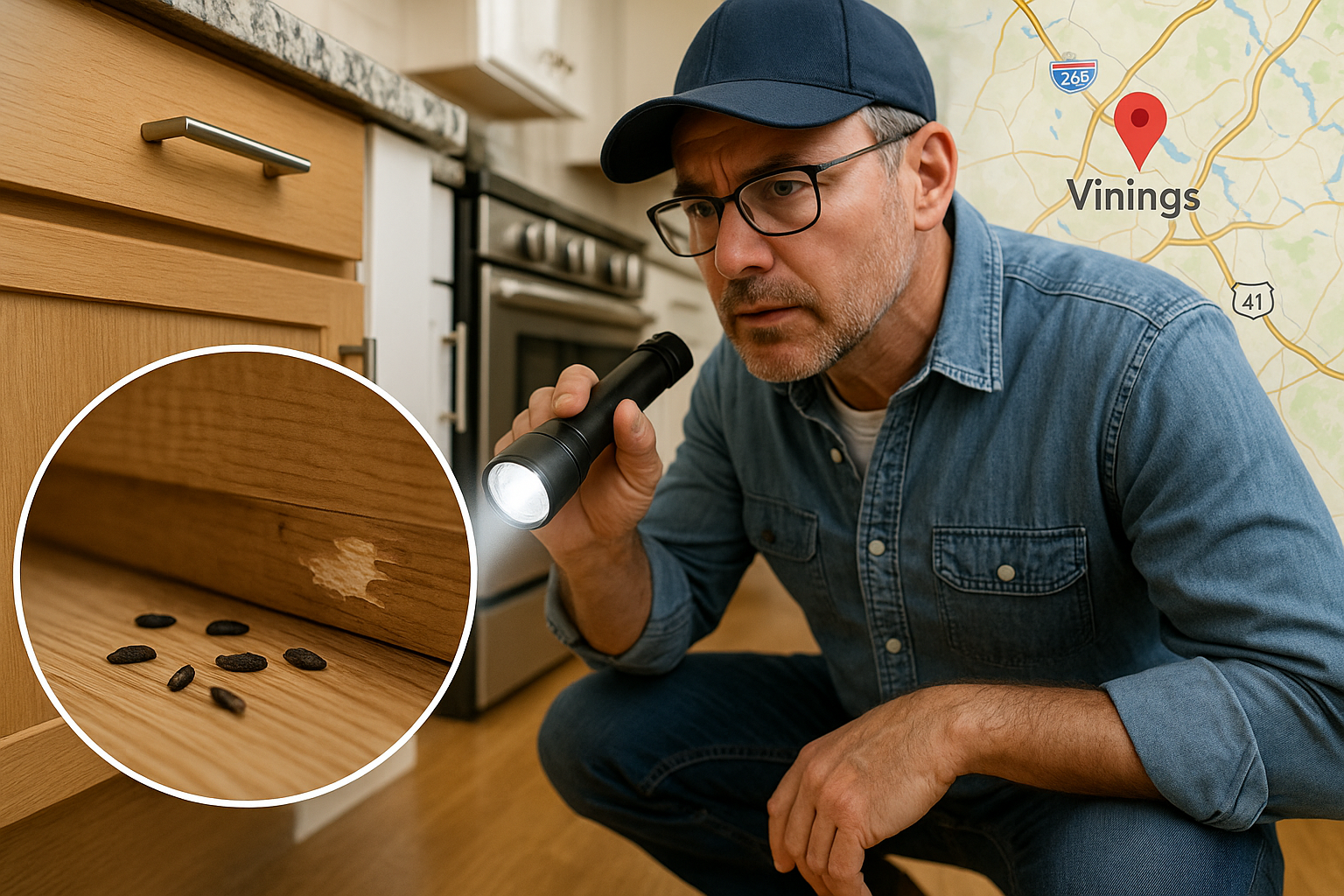
Rats are nocturnal and stealthy, but they leave unmistakable clues. Look for 1‑2 cm dark, cylindrical droppings along baseboards, under appliances, or in pantry corners. Unlike the tiny 0.5 cm, pointed mouse pellets, rat droppings are larger, have blunt ends, and often appear in clusters.
Other tell‑tale signs include fresh gnaw marks on wood, plastic, or wiring—notice the V‑shaped bite that’s wider than a mouse’s. You may also see rub marks where a rat’s oily fur has brushed against walls, creating dark streaks. At night, listen for rapid scurrying or squeaking as they move through walls, attics, or crawl spaces.
Quick Inspection Checklist
- Inspect pantry shelves, cereal boxes, and stored pet food for droppings or gnaw damage.
- Check attic insulation, joists, and roof vents for gnaw marks and rub lines.
- Examine garage corners, stored boxes, and the underside of shelving.
- Survey exterior walls, especially near the Cobb County Parkway, for fresh burrows or grease trails.
- Listen for nocturnal activity in crawl spaces, basements, and wall cavities.
According to the CDC, roughly 30 % of U.S. homes harbor an active rodent problem, underscoring how common these signs can be.
Local reports from the Vinings area show higher activity in neighborhoods bordering the Cobb County Parkway—particularly the Town Center, Cumberland, and the western side of Vinings where dense landscaping and easy access to utility lines create ideal pathways for rats.
If you spot two or more of these indicators, treat the situation as an active infestation. Rats reproduce quickly—one pair can produce up to 2,000 offspring in a year—so early intervention prevents structural damage and health risks. Document what you find, take photos, and be ready to share the details with a licensed pest‑control provider who can set traps, seal entry points, and implement a sanitation plan.
Immediate Safety Measures for Homeowners
Secure Food and Water Sources
Rats are drawn to any easily accessible food or water. Start by transferring pantry items, grains, and pet food into airtight containers such as heavy‑duty plastic jars or zip‑lock bags. Empty and clean countertops, then wipe down any crumbs. Outside, remove standing water from birdbaths, pet dishes, or leaky gutters. By eliminating these attractants you cut off the rodents’ primary motivation to stay inside your home.
Dress for Protection
When you begin cleaning, treat every droplet and nesting material as a potential health hazard. Slip on disposable nitrile gloves and an N95‑type respirator or a mask rated for particulate matter. These simple barriers protect you from inhaling harmful pathogens like hantavirus or leptospirosis that can hitch a ride on dust stirred up by rat activity.
Wet‑Wipe Disposal Method
The safest way to remove droppings is to keep them wet until they’re collected. Fill a spray bottle with a 1:100 bleach solution (one part bleach to 99 parts water) and liberally mist the droppings. Let the solution sit for at least five minutes—this neutralizes viruses and bacteria. After the dwell time, use a disposable paper towel or a damp cloth to wipe the material up, then seal the waste in a sturdy plastic bag before discarding it in an outdoor trash bin.
EPA‑Approved Disinfectant Guidance
Beyond bleach, any EPA‑registered disinfectant labeled for rodent control will work. Follow the product’s label for dilution ratios and contact time. For reference, the EPA provides a comprehensive list of approved products and usage instructions on its rodent page: EPA Rodent Control Guidance. Using the correct concentration ensures you’re killing pathogens without damaging surfaces.
Set Up Bait Stations Properly
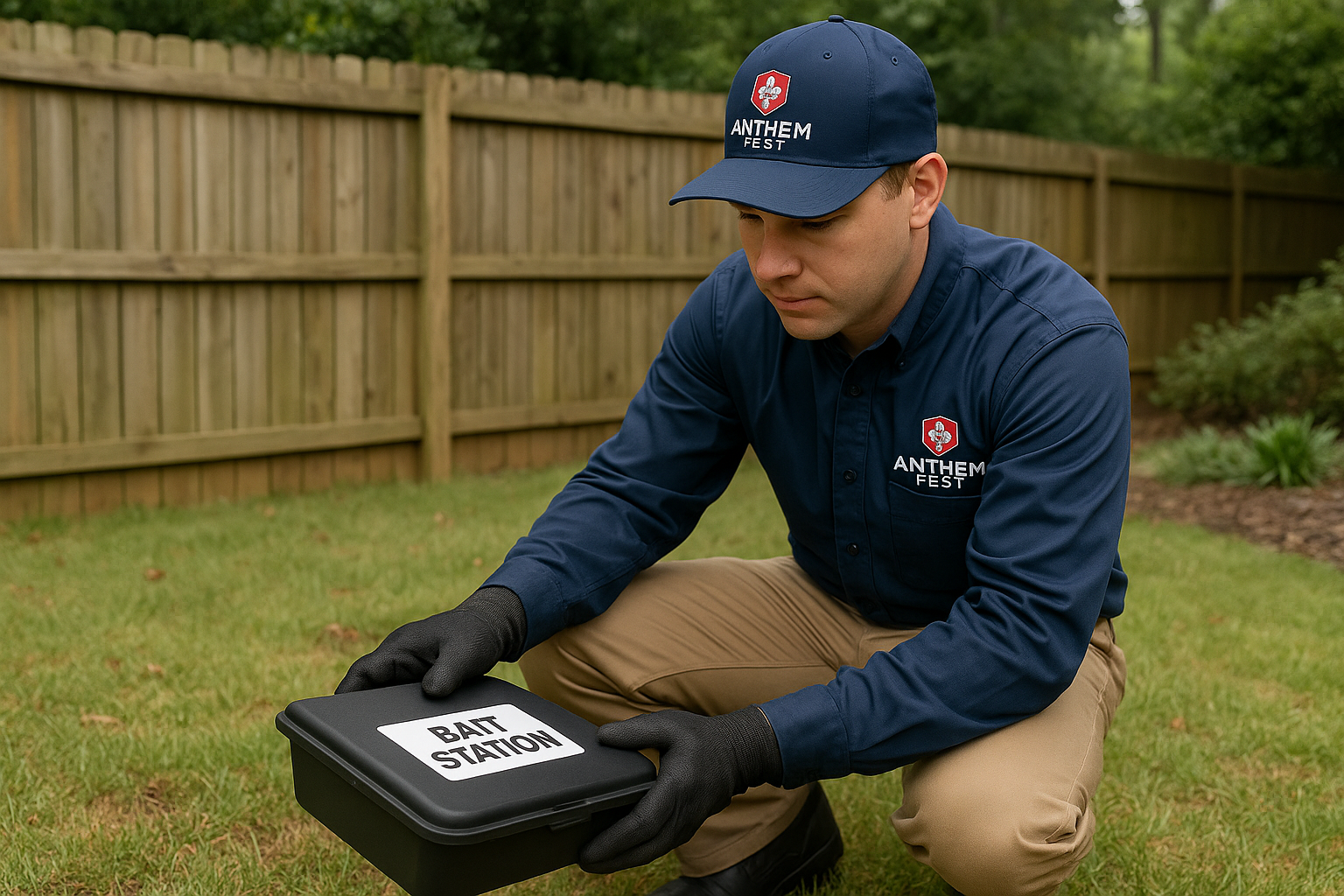
Once the area is clean, place bait stations as the next line of defense. Position them along walls, behind appliances, in dark corners, and near known travel routes—rats prefer to run close to surfaces. Keep stations at least 12 inches off the ground and secure them so they cannot be knocked over. Use tamper‑resistant models that only open when a rodent applies pressure, reducing accidental exposure.
Protect Children and Pets
Even with tamper‑resistant designs, bait stations remain toxic if ingested. Clearly mark each station and store any unused bait out of reach. Inform everyone in the household—especially children and pet owners—about the locations and the importance of staying away until a professional exterminator removes the devices. Until then, maintain a “no‑access” zone around each station to keep your loved ones safe.
DIY Emergency Actions You Can Take Today
When rats invade your Vinings home, every hour counts. While you wait for a professional from Anthem Pest Control, you can dramatically cut the population and protect your family with a few inexpensive, hands‑on steps.
Step 1 – Find and Seal Every Entry Point
Start by walking the perimeter of your house, inside and out. Look for any opening larger than ¼ inch—cracks around windows, gaps beneath doors, utility penetrations, and vent screens are prime rat highways. Use a combination of steel wool (packed tightly), exterior‑grade caulk, or metal flashing to block these routes. The steel wool irritates a rat’s paws, and the caulk or flashing creates a permanent barrier that rodents can’t chew through.
Step 2 – Deploy Traps Strategically
Snap traps and electronic traps are the most reliable DIY tools. Follow the NPMA’s trap‑placement guidelines: position traps along walls, behind appliances, and near known runways, with the trigger side facing the wall. Place them perpendicular to the wall, about 2–3 feet apart, and set them at a 45‑degree angle so rats run straight into the mechanism. For electronic traps, ensure a power source is nearby and keep the unit clean of debris for consistent performance.
Step 3 – Set Up EPA‑Approved Bait Stations
If you have access to the bait‑station image from Part 3, use it as a visual reference. Place stations in concealed locations—under sinks, behind the garbage bin, and in attic corners—where rats travel but children and pets cannot reach them. Follow the label instructions for loading the bait, and replace stations every 48 hours until activity subsides.
Cost Overview for 2024
| Item | Typical Cost (USD) | Notes |
|---|---|---|
| Snap traps (5‑pack) | $5–$15 | Reusable, requires frequent baiting |
| Electronic traps (single unit) | $30–$70 | Higher upfront cost, low maintenance |
| EPA‑approved bait stations (2‑pack) | $20–$40 | Safe for pets when placed correctly |
| DIY total (average) | $55–$125 | Depends on quantity and trap type |
| Professional emergency package | $199–$299 | Includes inspection, sealing, and treatment |
Disposal and Safety Tips
After a trap has caught a rat, wear disposable gloves, place the entire device in a sealed plastic bag, and dispose of it in an outdoor trash bin. Never reuse a bait station that has been contaminated, and wash your hands thoroughly after handling any equipment. Proper disposal prevents secondary contamination and keeps your home safe for the rest of the family.
Red Flags That Require Professional Help
When you spot a few rats scurrying through the yard, a DIY trap might seem enough. But certain signs tell you the problem has outgrown a homeowner’s toolbox and needs a licensed professional.
Red‑flag scenarios you shouldn’t ignore
- Colony size larger than 10 rats – A handful can be managed, but a bustling colony spreads quickly and hides in walls, attics, and crawl spaces.
- Visible structural damage – Gnawed beams, chewed wiring, or compromised insulation signal that the rodents are already weakening your home’s integrity.
- Confirmed disease outbreak – If a medical professional or local health department reports leptospirosis, hantavirus, or other rat‑borne illnesses, immediate professional intervention is mandatory.
- Inability to locate entry points – When you’ve sealed obvious holes but the activity persists, rats are likely using hidden gaps that require expert inspection.
These red flags are more than inconveniences; they’re safety hazards that can escalate within days.
Why a professional response makes a difference
A recent case study from a Georgia municipal health department (source pending verification) showed that a certified pest‑control team reduced a 30‑rat infestation by up to 90 % in just 24–48 hours. The rapid decline was achieved through a combination of targeted baiting, exclusion techniques, and immediate sanitation measures—methods most homeowners lack the equipment or training to apply safely.
Speed is critical. Rats reproduce fast, and every 24‑hour delay can double the population and increase the risk of contaminating food, water, and surfaces. Prompt professional action prevents the infestation from spreading to neighboring homes and protects the health of every family member.
Get help now
If any of the above red flags appear, call Anthem Pest’s 24‑hour emergency line at 877‑371‑8196. Our certified technicians are on standby to dispatch within the hour, assess the situation, and implement a proven eradication plan that restores safety to your home.
Choosing Anthem Pest as Your Local Expert
When a rat invasion strikes your Vinings home, you need a partner that combines state‑mandated qualifications with on‑the‑ground knowledge of the neighborhood. Anthem Pest is fully licensed by the Georgia Department of Agriculture, uses only EPA‑registered products, and all of its technicians carry comprehensive insurance. This trio of licensing, safe chemistry, and coverage means you’re protected from both the pests and any accidental damage during treatment. Anthem also provides a 24‑hour emergency hotline for same‑day rat response.
What Vinings Homeowners Are Saying
“[Placeholder for homeowner testimonial – e.g., ‘Anthem arrived within an hour, identified the entry points, and the rats were gone the next day.’]”
“[Placeholder for second testimonial – e.g., ‘Their follow‑up visit gave us peace of mind that the problem stayed solved.’]”
These snapshots of real‑world feedback illustrate why families across Vinings keep coming back to Anthem for rapid, reliable rodent control.
Transparent Emergency Pricing
Anthem’s emergency rat‑control package is designed to eliminate guesswork. For a flat fee of $199‑$299, you receive:
- Full on‑site inspection to locate nests, entry points, and food sources.
- Targeted treatment using EPA‑approved rodenticides and bait stations.
- A 30‑day follow‑up visit to verify eradication and advise on preventative steps.
The exact price depends on the size of the property and the severity of the infestation, but the range is clearly posted on the Anthem Pest rat‑control service page, so you never face hidden fees.
Local Knowledge That Makes a Difference
Vinings sits within Cobb County, which has specific regulations regarding bait placement and wildlife protection. Anthem’s technicians are trained on these statutes and understand the unique layout of Vinings neighborhoods—from the historic homes on Olde Towne Road to the newer town‑home complexes near the Chattahoochee River. Cobb County requires bait stations to be placed at least 10 feet from any public water source, a rule Anthem follows to keep your family and the environment safe. This local insight enables faster identification of common entry points and more effective, compliant treatment plans.
Choosing Anthem Pest means you’re partnering with a nationally recognized brand that tailors its expertise to the Vinings community. With licensed, insured professionals, clear pricing, and a track record of satisfied homeowners, Anthem is the trusted choice for emergency rat control when you need results—fast. Give them a call at 877‑371‑8196 or schedule online for immediate assistance.
Treatment Options and Pricing for Vinings Residents
1. Baiting & Monitoring
We place tamper‑proof bait stations in key indoor and outdoor spots. The bait works fast, and monitoring lets technicians track activity and adjust placement. Most Vinings homes see a drop within a week.
Typical cost: $150‑$200 per service package.
Follow‑up frequency: One to two visits over a 30‑day period, with additional checks if activity persists.
2. Exclusion Sealing
Exclusion denies rats any entry. Our crew checks foundations, vents, utilities, and roof eaves, then seals gaps with steel wool, caulk, or metal flashing—materials rats can’t chew. It’s vital for homes with recurring problems.
Typical cost: $250‑$350, depending on the number of access points.
Follow‑up frequency: A single comprehensive seal, followed by a post‑treatment inspection after 14 days.
3. Integrated Pest‑Management (IPM) Program
The IPM program combines baiting, exclusion, and ongoing monitoring into one plan. Technicians schedule regular visits, replace bait, re‑seal new openings, and give homeowners an activity log. It’s best for moderate to heavy infestations and long‑term protection.
Typical cost: $399‑$499 per quarter.
Follow‑up frequency: Quarterly visits with monthly check‑ins as needed.
All three methods comply with the Cobb County rodent ordinance, which mandates safe placement of baits and proper sealing techniques to protect both residents and wildlife.
| Method | Best for | Typical Effectiveness |
|---|---|---|
| Baiting & Monitoring | Light to moderate sightings | High (70‑85% reduction) |
| Exclusion Sealing | Pre‑existing entry points, preventive | Very High (80‑95% blockage) |
| IPM Program | Moderate to heavy infestations, long‑term control | Maximum (90‑99% elimination) |
Choosing the right option starts with assessing how many rats you’re dealing with and how quickly you need results. Light activity often responds well to baiting alone, while a property with visible gnaw marks and multiple entry routes benefits from exclusion or the full IPM suite. Whatever the situation, Anthem Pest Control offers transparent pricing and a local team that knows Vinings’ unique challenges. We aim to give you peace of mind for your family.
Long‑Term Prevention Strategies for Vinings Homes
Keeping rats at bay isn’t a one‑time job; it’s a year‑round habit. By syncing your yard work with the seasons and trimming back potential hideouts, Vinings homeowners can dramatically lower the chance of a surprise rodent visit.
Seasonal Checklist
- Spring: remove leaf litter, mow grass short, clear garden debris, store compost bins away from foundation.
- Summer: keep garbage cans sealed, inspect irrigation drip lines for leaks, prune low‑hanging branches that bridge onto the house.
- Fall: trim trees and shrubs back at least 12 inches from the roof and walls, pile fallen leaves into bags and dispose of them, bring outdoor furniture and firewood away from the house.
- Winter: store firewood at least three feet from the foundation, seal any cracks in siding before snow covers them, keep indoor storage areas tidy and free of cardboard boxes that can become nesting material.
Landscaping Tips that Keep Rats Out
- Keep mulch no closer than two feet to the foundation; rodents love the cool, damp environment right up against the house.
- Trim hedges and shrubs to ground level around doors and windows, eliminating bridges that rats use to climb.
- Remove ground‑level clutter such as stacked rocks, garden tools, or old pallets—each piece creates a potential shelter.
- Install a hard‑scaping barrier, like a low stone or metal edging, to discourage rats from burrowing under mulch.
- Use rodent‑resistant plants (e.g., lavender, mint) near entry points; their strong scent can act as a mild deterrent.
Why an Annual Professional Inspection Pays Off
Scheduling an annual preventive visit with Anthem Pest is a smart insurance policy for your home. For just $99, a certified technician will perform a thorough exterior and interior assessment, seal obvious entry points, and set up low‑impact monitoring stations. Homeowners who add this yearly check‑up report fewer surprise infestations and lower overall treatment costs because problems are caught before they spread.
According to the National Pest Management Association, homes that receive a yearly professional inspection experience about 60 % fewer repeat rat problems.
Source: NPMA research (verification pending).
By integrating these seasonal chores, smart landscaping choices, and a modest yearly inspection, Vinings families create a hostile environment for rats and protect their homes for years to come.
Local Resources and Regulations
When a rat emergency hits, knowing who to call and what the law requires can save you time and money. Below are the most reliable resources for Vinings homeowners.
- Vinings City Hall – Health Department
Phone: 404‑555‑1234
Email: health@viningsga.gov - Cobb County Waste‑Management Guidelines
The county’s waste‑disposal rules detail how to store trash, compost, and recycling to deter rodents. Visit the Cobb County Waste‑Management page for full details. - Community Pest‑Control Workshops
The Vinings Public Library hosts free quarterly workshops. Check the library’s event calendar at Vinings Library Events for upcoming dates. - Legal References
Cobb County Rodent‑Control Ordinance: https://www.cobbcounty.org/ordinances/rodent-control
Georgia Department of Agriculture – Pest‑Control Licensing: https://agr.georgia.gov/pest-control-licensing
During a rat outbreak, the fastest way to contain the problem is to coordinate with local authorities. The health department can issue immediate inspection orders, while the county waste‑management team can arrange bulk‑trash pickups for heavily infested yards. Attending a workshop not only teaches you how to spot early signs, it also provides a checklist that your pest‑control technician can use to verify that your home meets every municipal requirement.
Under the Cobb County code, homeowners are responsible for “prompt removal of waste” and “maintaining a clean, debris‑free property.” This means securing garbage in sealed containers, trimming vegetation away from the house, and sealing cracks that could serve as entry points. Failure to comply can result in citations and may affect eligibility for municipal assistance during an infestation.
By contacting the listed agencies and following the outlined responsibilities, you’ll stay on the right side of the law while giving Anthem Pest Control the cleanest possible environment to work in.
Act Now to Protect Your Home
When rats invade your property, every hour counts. These rodents spread diseases, gnaw through wiring and insulation, and can turn a minor sighting into a costly repair nightmare if left unchecked. Immediate action stops health hazards, protects your belongings, and prevents the bill from spiraling.
Rats multiply quickly; a pair can produce up to 2,000 offspring in a single year. The longer they stay, droppings, urine, and gnawed wood accumulate, which can trigger allergies, attract insects, and cause fire hazards from damaged wiring.
Quick‑action checklist
- Seal all food in airtight containers and clear crumbs from countertops.
- Wear gloves and a mask before handling droppings or setting traps.
- Place snap traps or bait stations in high‑traffic areas such as attics, basements, and near entry points.
- If you notice fresh gnaw marks, droppings, or a growing population, contact a professional right away.
By following these steps now, you limit the infestation’s spread and give professionals a clearer picture of where the problem started, making treatment faster and more cost‑effective.
If you need a fast, reliable solution, Anthem Pest’s certified technicians are ready to help. Call today for a free, no‑obligation quote and enjoy peace of mind knowing your home is protected.
Phone: 877‑371‑8196