Why Stink Bugs Are an Emergency in Dunwoody

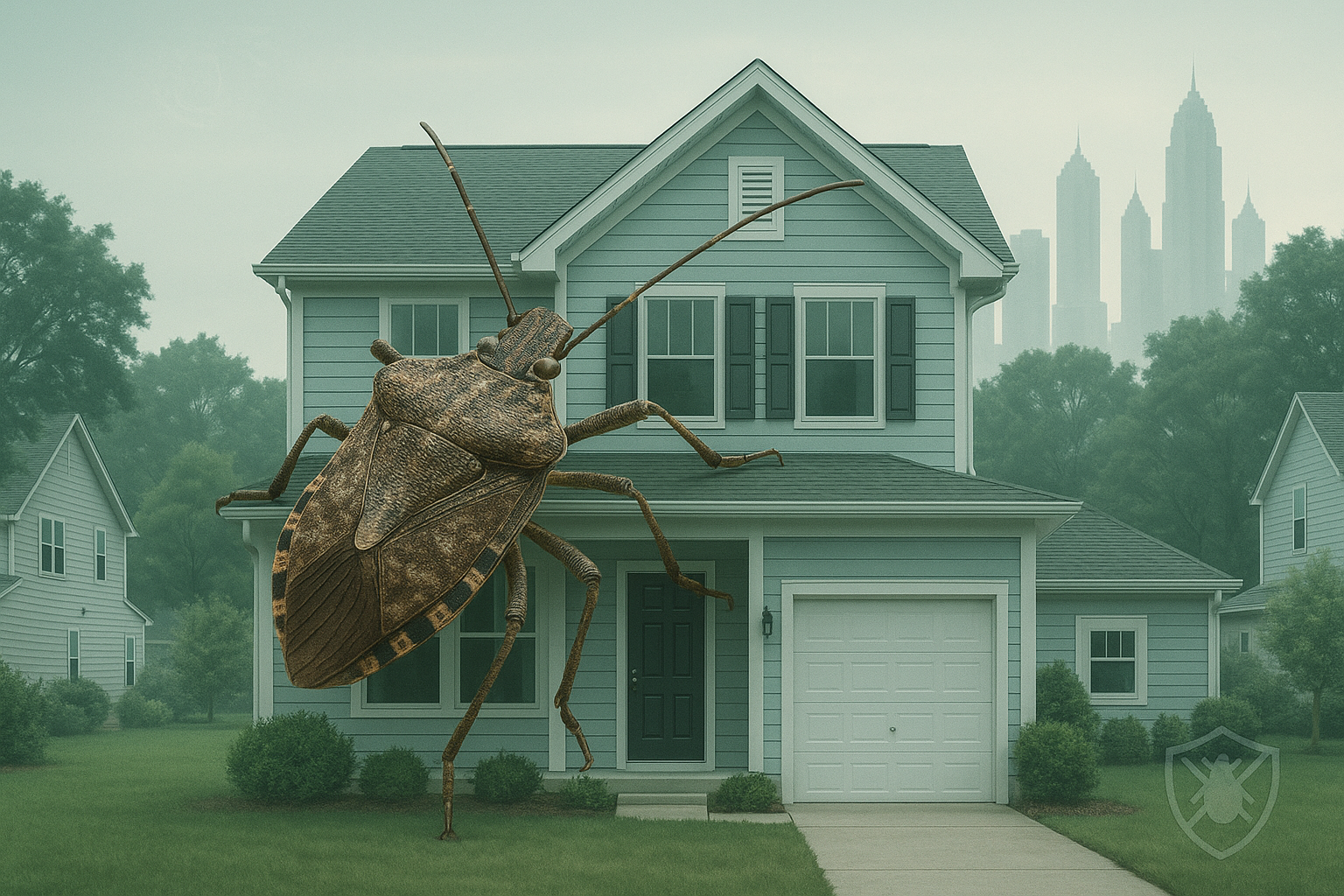
The culprit behind the recent buzz in DeKalb County is the brown marmorated stink bug (Halyomorpha halys). These insects are about ½‑inch long, shield‑shaped, and sport a mottled brown‑gray exterior with a distinctive white‑banded antenna. Native to East Asia, they hitch rides on cargo and have been spreading across the United States for the past two decades, eventually making their way into the Atlanta metro area.
2024‑2025 Surge: Numbers That Matter
According to the Georgia Department of Agriculture’s 2024‑2025 pest‑service report, homeowner calls about stink bugs in DeKalb County jumped a staggering 45 % compared with the previous year. That translates to thousands of extra service tickets for neighborhoods that once saw only occasional sightings. The spike isn’t random—it aligns with a hotter, wetter summer that accelerates the bug’s life cycle, allowing multiple generations to emerge before the first frost.
Why the Rapid Summer Invasion Becomes an Emergency
When stink bugs burst onto a property in late spring, they do more than just look unsightly. Their feeding pierces fruit, vegetables, and even ornamental plants, injecting enzymes that cause discoloration, premature ripening, and total crop loss. In a typical Dunwoody garden, a single bug can ruin a tomato plant; an infestation of a few hundred can decimate an entire harvest.
Beyond agricultural damage, the bugs emit a potent odor when threatened or crushed—a defensive spray that can linger on fabrics, furniture, and even inside homes. While the scent isn’t toxic, it can trigger headaches, nausea, and allergic reactions in sensitive individuals, turning a simple nuisance into a health concern for families and pets.
Finally, the sheer numbers create a psychological burden. Homeowners report sleepless nights watching swarms congregate on windows, doors, and light fixtures. The constant presence erodes the sense of security that a well‑maintained home should provide.
The Clock Is Ticking: Immediate Action Is Crucial
Because stink bugs reproduce quickly—each female can lay up to 400 eggs—the window for effective control narrows dramatically after the first wave appears. Delaying treatment allows the population to explode, making eradication exponentially more difficult and costly. For Dunwoody residents, the summer heat means that by the time you notice a few bugs, the next generation is already hatching.
Taking action now—whether through professional exclusion, targeted insecticide applications, or simple home‑maintenance steps—stops the bug before it reaches that tipping point. Prompt intervention protects your garden, your indoor air quality, and your peace of mind.
Ready to Spot the Intruder?
Understanding the urgency sets the stage, but the next step is knowing exactly what you’re dealing with. In the following section, we’ll walk you through the tell‑tale signs that differentiate the brown marmorated stink bug from harmless garden visitors, so you can confirm the threat and act with confidence.
The Urgency of Immediate Action
When a stink bug is spotted in a Dunwoody home, the clock starts ticking. These insects aren’t just an occasional nuisance; their biology and the economic ripple they create demand swift, decisive treatment.
Explosive Reproductive Capacity
A single female brown stink bug can deposit up to 400 eggs over a few weeks. Those eggs hatch into nymphs that mature quickly, and each new adult female repeats the cycle. In practical terms, that means a handful of bugs can become a full‑blown infestation within a single season if left unchecked. The growth follows an exponential curve—think of it as a tiny snowball rolling downhill, gathering size and speed with every turn.
Economic Impact on Dunwoody Households
According to USDA APHIS projections for 2025, the average Dunwoody homeowner faces $150‑$300 in annual damage from stink bug activity. The costs stem from:
- Rotted fruit and vegetable crops in home gardens.
- Contamination of stored foods that must be discarded.
- Repair or replacement of upholstery and fabrics stained by their defensive odor.
When the population multiplies unchecked, those figures can double or triple, turning a manageable problem into a costly battle.
Health Concerns You Shouldn’t Ignore
Stink bugs release a potent, sulfur‑like odor when crushed. For many residents, that scent isn’t just unpleasant—it can provoke allergic reactions ranging from skin irritation to respiratory distress. The CDC notes that exposure to the bug’s defensive chemicals may exacerbate asthma and trigger other sensitivities, especially in children and seniors.
The Critical Time Window Before Overwintering
Stink bugs seek warm shelters as temperatures dip. By late autumn, they begin infiltrating cracks, attics, and wall voids to overwinter. Once they’re inside, they’re protected from the elements and can survive the winter months, emerging in spring ready to reproduce again. This makes early fall the most vulnerable period—delaying treatment even a few weeks can allow dozens of bugs to secure hidden harborage sites, setting the stage for a massive spring resurgence.
In short, the moment you spot a stink bug, act fast. Rapid intervention curtails exponential breeding, protects your wallet from escalating damage, and safeguards the health of everyone in the home. At Anthem Pest Control, we understand the urgency and stand ready with safe, effective solutions that stop the problem before it snowballs.
Anthem Pest’s Rapid Response Process in Dunwoody
24‑Hour Emergency Guarantee
When a stink‑bug swarm knocks on your door, you won’t have to wait days for help. Anthem Pest backs every emergency call with a 24‑hour response guarantee. Call us any time, and a licensed technician will be on the way within the next 24 hours—or we’ll treat you free of charge. This promise eliminates the guessing game of “when will someone show up?” and gives you immediate peace of mind.
Same‑Day Inspection Promise
Even faster than the guarantee, we aim to schedule a same‑day inspection for any urgent stink‑bug report. Our dispatch team looks at your location, the severity of the infestation, and the time of day to slot you into the next available window. If you call before noon, you’ll often see a technician at your doorstep before sunset.
Step‑by‑Step Technician Process
- Visual Inspection: The technician walks the perimeter, checks entry points, and notes any signs of breeding—egg clusters, shed skins, or active feeding sites.
- Accurate Identification: Using a handheld magnifier and reference guide, we confirm the pest is indeed the Southern stink bug (Pentatomidae) and not a harmless beetle.
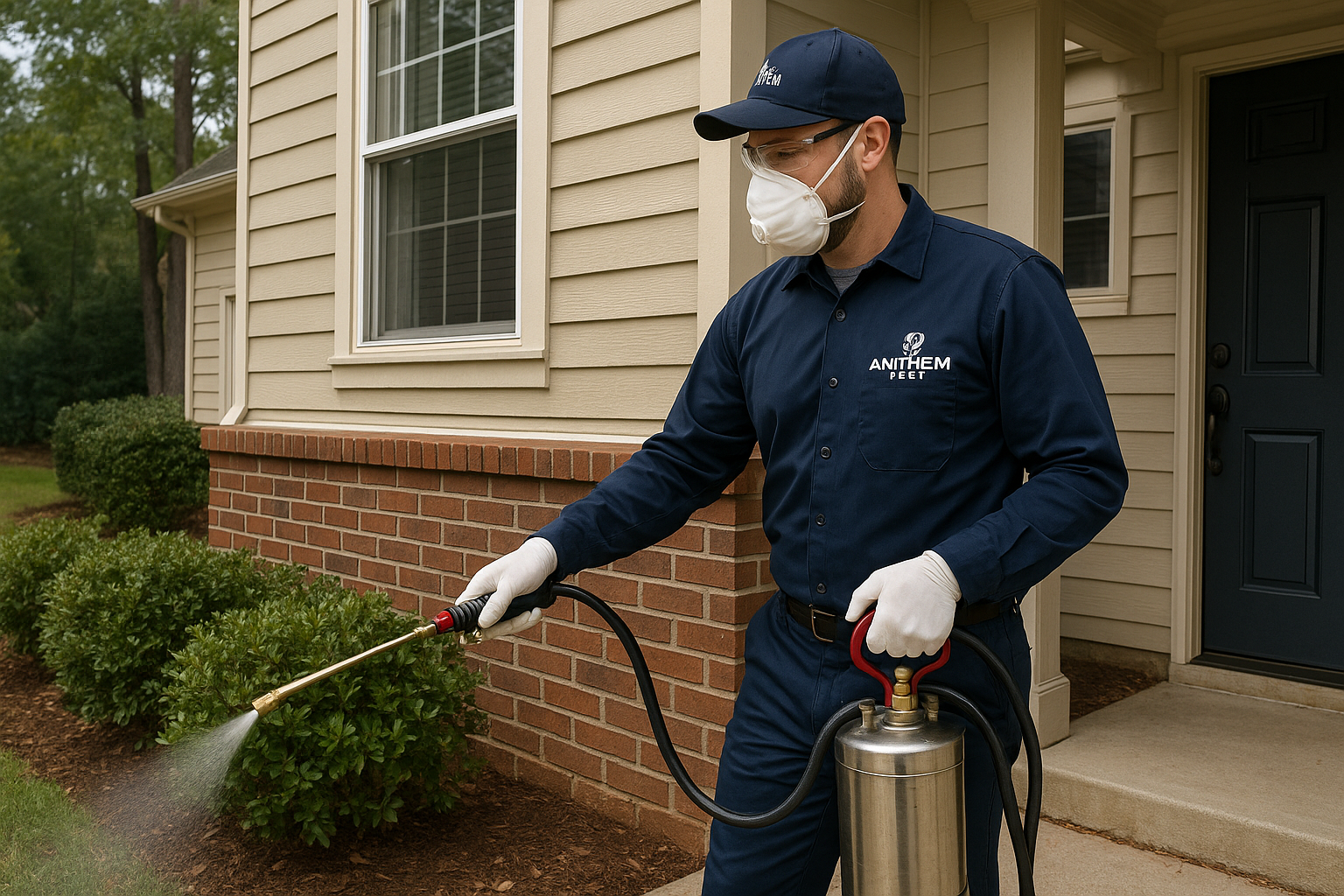
- Targeted Perimeter Spray: A low‑odor, EPA‑approved formulation is applied to cracks, vents, and the underside of eaves where bugs hide. We treat only the zones that matter, protecting your family and pets.
- Post‑Treatment Monitoring: After the spray dries, we place discreet sticky traps around the home. Within 24‑48 hours we return to assess trap captures and, if needed, apply a follow‑up spot treatment.
Local Architecture Knowledge
Dunwoody’s homes aren’t all cookie‑cutter ranches. Many neighborhoods feature brick veneer façades, slate roofs, and deep overhangs that create hidden pockets for stink bugs to congregate. Our technicians have spent years mapping these architectural quirks, so they know exactly where to look and where to spray. That local expertise means fewer missed spots and a faster, more thorough eradication.
“Placeholder testimonial from a Dunwoody resident – “Anthem Pest arrived within hours, identified the problem, and had the bugs gone before the weekend. I felt heard and protected.””
Why Speed Prevents Exponential Growth
Stink bugs reproduce rapidly; a single female can lay up to 400 eggs over a season. If left unchecked for even a day, the population can double, turning a manageable nuisance into a full‑blown infestation. Our rapid‑response model cuts the bug life cycle short, stopping egg‑laying before it starts. By treating the perimeter immediately, we create a barrier that stops new bugs from entering, while the post‑treatment monitoring catches any stragglers before they establish a colony.
Long‑Term Prevention Strategies for Dunwoody Homes
Stink bugs love to slip through the tiniest cracks and hide in overgrown foliage. The good news is that a few proactive steps can turn your home into a bug‑free zone for years to come. Below is a homeowner‑friendly checklist that tackles sealing, landscaping, and timing—so you stay one step ahead of the next invasion.
Exterior Sealing: Close the Door on Unwanted Guests
Every opening larger than a quarter‑inch is a potential stink‑bug highway. Start by walking the perimeter of your house with a flashlight and a caulk gun. Seal all gaps around window frames, utility penetrations, and siding joints. Install door sweeps on all exterior doors; they act like a rubber barrier that flexes with each step. Finally, screen vents (attic, dryer, and crawl‑space vents) with fine‑mesh hardware cloth—stink bugs can’t squeeze through the tiny pores.
Landscape Management: Make Your Yard Uninviting
Stink bugs often ride on tree branches or cling to fruit that falls near the foundation. Keep trees and shrubs trimmed at least three feet away from the house to eliminate bridge pathways. Promptly remove fallen fruit, nuts, and overripe berries that act as food magnets. For an extra layer of protection, place sticky traps along the base of trees and near doorways; they catch stragglers before they find a crack to slip through.
Seasonal Timing: Attack Before They Arrive
The most effective window for prevention is early spring—around April—when stink bugs start scouting for shelter. Apply a perimeter treatment or a DIY silicone‑based sealant at this time to block entry points before the insects are active. Schedule a follow‑up inspection in late summer (August) to catch any late‑season wanderers and reinforce any gaps that may have opened during the hot months.
Neighborhood‑Specific Checklist
Different Dunwoody subdivisions have unique challenges. Use the tailored list below to focus your efforts where they matter most.
- Perimeter Center: High‑rise condos often share wall cavities; prioritize interior door sweeps and vent screens.
- Dunwoody Village: Older homes with brick exteriors need extra attention to mortar cracks; caulk any gaps wider than ¼ in.
- Brookhaven: Tree‑lined streets mean more canopy bridges; trim branches at least 3 ft from the roofline and install sticky traps near the curb.
Quick‑Reference Tasks
| Frequency | Task | Why It Matters |
|---|---|---|
| Daily | Inspect entry doors for gaps; wipe down windowsills. | Prevents new entry points from going unnoticed. |
| Monthly | Check and reseal any cracked caulk; clean and replace sticky traps. | Maintains a solid barrier and catches stray bugs. |
| April (Early Spring) | Apply perimeter sealant, trim trees, and remove fallen fruit. | Stops bugs before they seek shelter inside. |
| August (Late Summer) | Conduct a follow‑up inspection, reinforce door sweeps, and replace vent screens if needed. | Closes any gaps that may have opened during the heat. |
Stick to this checklist year after year, and you’ll dramatically reduce the chances of a stink‑bug surprise. When you need a professional seal or a seasonal treatment, Anthem Pest Control is just a call away at 877‑371‑8196 or via our website.
Frequently Asked Questions About Stink Bugs
Will the chemicals harm my pets?
Most professional stink‑bug treatments approved by the EPA are formulated with low‑toxicity active ingredients such as bifenthrin or silicone‑based repellents. When applied according to the label, these products pose minimal risk to cats, dogs, and other household pets. The key safety steps are:
- Keep pets indoors or in a separate, well‑ventilated room until the spray dries (usually 30‑45 minutes).
- Follow the recommended waiting period before allowing free movement—typically 2‑4 hours for liquid sprays and up to 24 hours for foggers.
- Wipe any visible residue from pet bedding or feeding areas.
EPA’s “Reduced Risk” classification means the chemicals break down quickly and have a low potential for chronic toxicity, making them a safe choice when the label directions are respected.
How long until bugs stop returning?
A professionally applied residual treatment creates a protective barrier that remains effective for about 4 to 6 weeks. During this window, stink bugs that wander onto treated surfaces are either killed on contact or repelled, dramatically reducing re‑infestations. Factors that can shorten this period include heavy rainfall, excessive lawn irrigation, or a sudden surge in the local stink‑bug population. If you notice activity after the six‑week mark, a follow‑up visit can refresh the barrier and keep the bugs at bay.
Can I DIY safely?
Homeowners can tackle light stink‑bug problems with over‑the‑counter sprays, but safety and effectiveness depend on strict adherence to the product label:
- Choose EPA‑registered products labeled for indoor/outdoor use.
- Wear protective gloves and a mask to avoid skin or respiratory irritation.
- Apply only the recommended amount—over‑application does not increase kill rates and can increase health risks.
- Ventilate the area well during and after application.
For moderate to severe infestations, DIY methods often fall short because they lack the residual chemistry and thorough coverage a professional service provides. In such cases, calling Anthem Pest Control ensures a calibrated application, proper disposal of any excess product, and a guarantee of results—peace of mind for you and safety for your family.
Protect Your Home – Call Anthem Pest Today
Stink bugs don’t wait for a convenient time to invade. In Dunwoody, a sudden surge can overwhelm even the most diligent homeowner, turning a quiet evening into a frantic scramble for relief. If you’ve spotted the characteristic shield‑shaped insects, the odor they release, or signs of damage, act now—delaying even a few hours can let the infestation spread to walls, attics, and even your garden.
What You Should Do Right This Minute
- Seal any obvious entry points—cracks around windows, doors, and utility openings.
- Turn off lights near exterior doors to avoid attracting more bugs.
- Gather a small sample of the insects (if safe) for identification.
- Avoid spraying chemicals yourself; improper use can worsen the problem.
- Contact a professional pest‑control team that offers emergency response.
Anthem Pest Control stands ready with a 24‑hour guarantee that backs every emergency service we perform. Our technicians live and work in the Dunwoody area, so they know the local hotspots, seasonal patterns, and the most effective treatment routes for this region’s stink bug populations.
Our $199 emergency package is transparent, affordable, and includes a full inspection, immediate treatment, and a follow‑up visit to ensure the bugs stay gone. There are no hidden fees—just a clear, upfront price that lets you focus on getting your home back to normal.
Scheduling is simple. You can request a free, no‑obligation quote online or call us directly for an immediate treatment appointment**. Our dispatch team works around the clock, so whether it’s early morning or late night, you’ll have a qualified technician on the way within the hour.
Pick up the phone and dial 877‑371‑8196 now, or click the link below to book online. A friendly representative will confirm your location, walk you through the next steps, and set a service time that fits your schedule.
Visit Anthem Pest Control to secure your home, protect your family, and put an end to the stink bug emergency today.