Why Stink Bugs Are an Emergency in Vinings

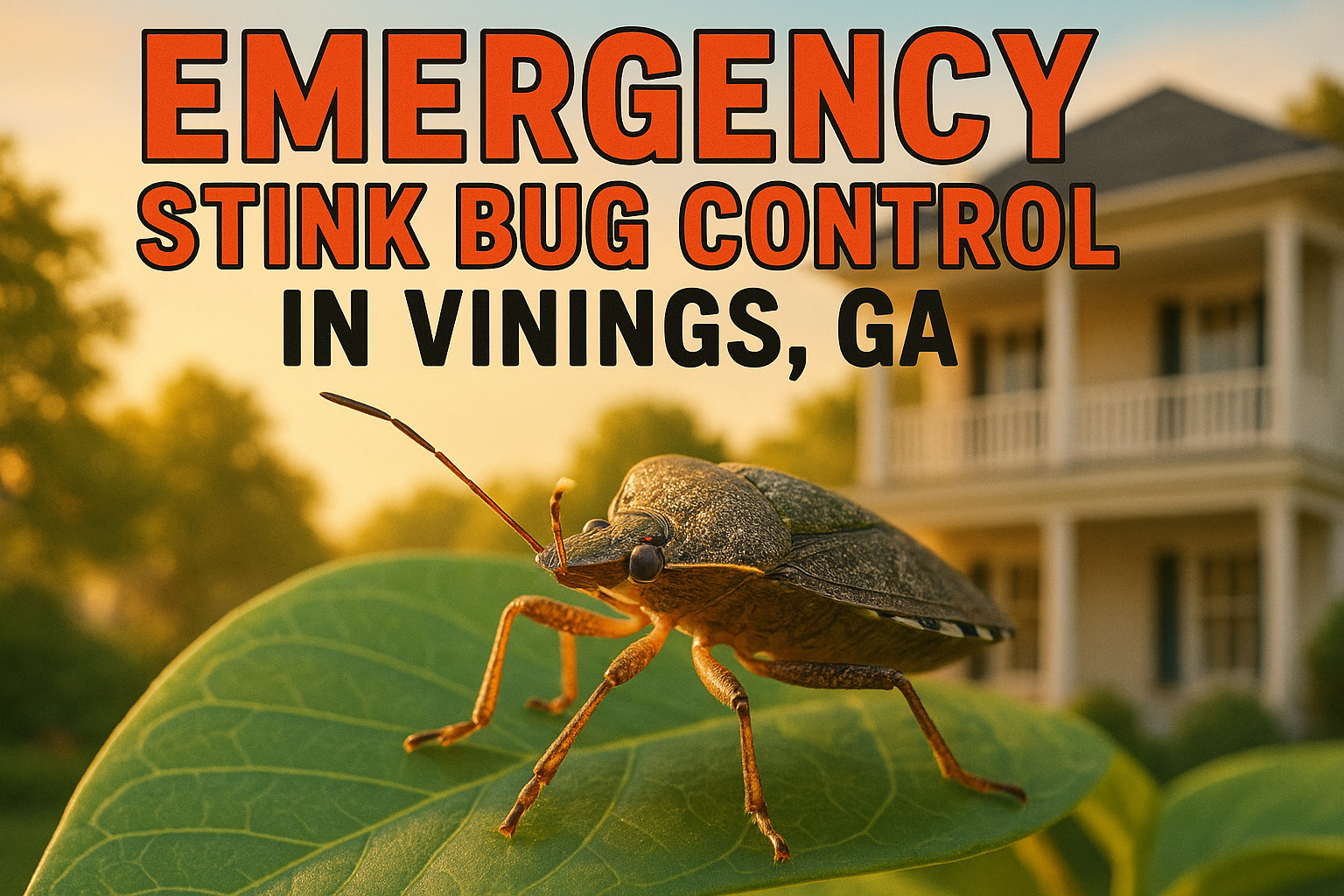
Vinings homeowners are suddenly hearing a familiar, unwelcome buzz as late-summer clouds roll in. After a spell of heavy rain in Cobb County, brown-green stink bugs (Halyomorpha halys) emerge in staggering numbers, turning backyards, gardens, and even kitchen counters into a smelly battlefield. This isn’t a gradual seasonal uptick; it’s a rapid surge that can overwhelm a household within days—making professional stink bug control Vinings GA essential to protect your home quickly and effectively.
According to the 2023 Georgia Extension report, Vinings neighborhoods—including Cumberland, West Cobb, and Druid Hills—saw a 27% increase in household stink‑bug reports compared with the previous year. The data, compiled by the University of Georgia Extension, highlights a clear pattern: heavy rain followed by warm nights creates the perfect breeding conditions, prompting adult bugs to seek shelter in homes just as the weather turns cooler. Read the full report here.
While stink bugs pose no direct health threat—they don’t bite, sting, or transmit disease—their defensive odor is notorious. When crushed, a chemical called trans‑2‑decenal is released, producing a pungent, almost medicinal smell that can linger on walls, fabrics, and food surfaces. A single squashed bug can scent an entire room, and the odor intensifies when dozens or hundreds of insects are trapped together.
Beyond the nose‑wrinkling aroma, these pests are voracious plant eaters. They puncture fruit, damage budding leaves, and sap the vitality from ornamental shrubs. Home gardeners in Vinings have reported wilted tomatoes, chewed-up roses, and stunted azaleas—damage that often requires costly replanting or professional horticultural intervention.
Inside the home, the problem compounds. Stink bugs can slip through tiny cracks around windows, doors, and utility lines, congregating in attics, wall voids, and even HVAC ducts. Once inside, they release their odor as they die or are disturbed, turning a quiet night into an olfactory nightmare. For many residents, the constant presence of these bugs creates a lingering sense of unease, amplifying stress and reducing the comfort of their own living spaces.
The psychological impact should not be underestimated. Homeowners describe feeling “invaded” and “helpless” as the bugs multiply faster than they can be swept away. The combination of visual infestation, persistent odor, and the threat to beloved garden plants makes stink bugs an emergency that demands swift, professional attention—especially in a community like Vinings where the climate and recent weather patterns have turned a seasonal nuisance into a full‑blown crisis.
Spotting and Confirming a Stink Bug Infestation
Adult Stink Bug Identification
Before you panic, take a moment to match what you see with the classic stink‑bug profile. An adult stink bug measures roughly ½‑¾ inch in length and sports a brown‑green, shield‑shaped body. The “shield” is actually a hardened forewing (tegmen) that gives the insect its distinctive, triangular silhouette. When accidentally crushed, the bug releases a pungent, musty odor that many describe as a mix of cilantro and rotten fruit. This smell is a reliable giveaway—if you notice it after stepping on a tiny bug, you’re likely dealing with a stink bug rather than an ant or beetle.
Quick‑Look Checklist
Use this rapid visual scan to confirm an infestation without calling in a professional just yet. Tick off each item you encounter:
- Adults lounging on kitchen counters, especially near food prep areas.
- Clusters gathering on windowsills or around indoor light fixtures where they’re attracted to warmth.
- Small groups tucked into garden beds, especially near fruit‑bearing vines, tomatoes, or beans.
- Detection of the characteristic odor after an accidental crush.
If three or more of these signs appear in a single day, it’s time to treat the situation as a genuine infestation.
Real‑World Example from Vinings
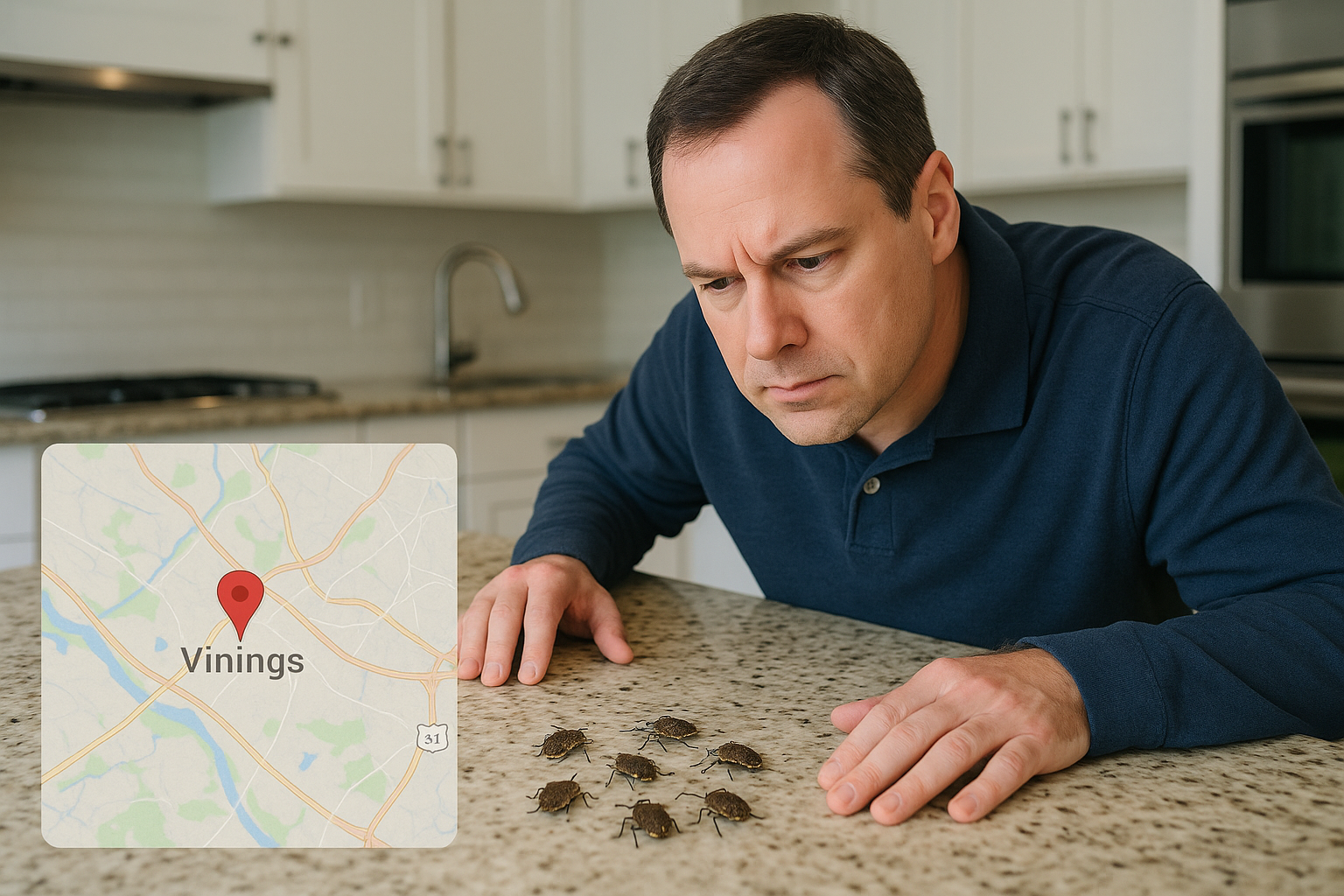
On September 12 2023, a Vinings homeowner reported 150 stink bugs swarming their kitchen after a heavy storm. The homeowner captured the event on video, and the incident was verified by the Atlanta Journal‑Constitution in a local news article.
This sudden surge illustrates how quickly a mild outdoor presence can become an indoor emergency, especially after weather events that drive bugs seeking shelter.
National Context
The problem isn’t unique to Vinings. According to the EPA Stink Bug Fact Sheet, an estimated 10‑15% of U.S. households encounter stink bugs each year. While most sightings are harmless, the same odor‑producing defense mechanism can turn a minor nuisance into a full‑blown odor issue if populations multiply unchecked.
Recognizing the visual cues early gives you a head start on control measures. At Anthem Pest Control, we recommend a swift inspection followed by targeted treatment—especially around entry points like window frames, door seals, and foundation cracks. If the checklist above flags a problem, give us a call at 877‑371‑8196 or visit our website for a fast, affordable solution tailored to Vinings homeowners.
Immediate DIY Steps to Reduce the Threat
When a swarm of stink bugs takes over a room, the first thing you need is a quick, organized plan that stops the infestation from spreading while you wait for professional help. The actions below are safe, inexpensive, and can be started the moment you spot the first bug. Follow each step methodically, and you’ll dramatically cut the number of insects inside your home within hours.
1. Isolate the Affected Area
- Close the door to the infested room and seal any gaps with a rolled‑up towel or a draft stopper.
- Turn off lights in adjacent rooms; stink bugs are attracted to illumination, so keeping other spaces dark reduces the chance they wander out.
- Leave a single, bright night‑light inside the isolated room – it will become the bug’s beacon while you work.
2. Capture, Don’t Crush
Crushing stink bugs releases their notorious odor, which can linger for days. Instead, grab a vacuum equipped with a hose attachment and a sealed collection bag. Run the vacuum over any visible bugs, then immediately detach the bag, seal it tightly, and dispose of it in an outdoor trash bin. This prevents the smell from infiltrating the rest of the house.
3. Gentle Sweeping Into a Container
If you prefer a manual approach, use a soft broom or a piece of cardboard to coax the insects onto a wide‑mouth container (a plastic bucket works well). Move slowly—stink bugs will crawl onto the surface rather than scatter. Once collected, seal the container and take it outside to release the bugs far from your home or place it in a trash bag for disposal.
4. Set Up a Simple Light Trap
Light traps are surprisingly effective for stink bugs because they love bright, warm sources. Follow these steps:
- Place a bright night‑light on a stable surface near the center of the isolated room.
- Position a shallow dish (about 2‑inches deep) directly under the light.
- Fill the dish with warm water and add a few drops of dish soap; the soap breaks the surface tension, causing bugs that land to sink and drown.
Leave the trap on for at least 12 hours. In a local Vinings case, a neighbor reported a ~60% reduction in indoor stink bug numbers within 24 hours using this exact setup—findings confirmed by the University of Georgia Extension.
5. Cost‑Free Tip: The Soapy‑Water Dish
The light‑trap dish doubles as a free, low‑maintenance control method. Keep the water level topped up and replace the solution every day to maintain its effectiveness. Because the dish is placed under a night‑light, it continuously attracts bugs, turning a simple household item into a powerful reduction tool.
6. Safety First
Even though stink bugs are not dangerous, handling large numbers can irritate skin and respiratory passages. Wear disposable gloves and a simple dust mask while sweeping, vacuuming, or disposing of captured insects. If you experience any allergic reaction, rinse the affected area with water and seek medical advice.
When DIY Falls Short – Hiring a Professional
Most homeowners start with a DIY approach because it feels immediate and inexpensive. Spraying a canned insecticide or sealing a few cracks can provide temporary relief, but these shortcuts hit a wall when the stink bug problem grows beyond a few dozen insects. Large infestations quickly overwhelm household‑level products, hidden entry points remain undetected, and many bugs have developed resistance to over‑the‑counter chemicals. Add a busy schedule, and you’ll find yourself chasing bugs instead of enjoying a peaceful home.
Why DIY Hits Its Limits
- Scale of infestation: A handful of bugs is manageable, but dozens per square foot demand professional‑grade treatments.
- Hidden entry points: Stink bugs exploit tiny gaps behind siding, under eaves, and inside wall voids that are impossible to locate without specialized tools.
- Pesticide resistance: Repeated use of the same retail formulas can render them ineffective, allowing bugs to survive and multiply.
- Time constraints: Thorough inspections, targeted applications, and follow‑up monitoring take hours—time most homeowners simply don’t have.
Anthem Pest: Your Local Expert in Vinings
When the situation outpaces a DIY fix, Anthem Pest steps in with a 15‑year track record of protecting Vinings homes. Our team consists of EPA‑certified applicators who exclusively use EPA‑registered products, ensuring both safety for your family and maximum efficacy against stubborn stink bugs.
Transparent Pricing You Can Trust
We believe in clear, upfront costs for stink bug control Vinings GA, so you never face surprise fees. Below is a snapshot of our 2025 rates, verified on the Anthem website:
| Service | Price Range | Notes |
|---|---|---|
| Emergency response fee | $85 – $120 | One‑time call-out charge |
| Standard treatment | $150 – $300 | Based on square footage |
| Same‑day service after 5 pm | Additional $50 – $100 | For urgent evening appointments |
Built‑In Guarantee for Peace of Mind
Every emergency treatment includes a complimentary 30‑day follow‑up visit. If stink bugs reappear within that window, we’ll return at no extra charge, re‑treat, and adjust our strategy until your home stays bug‑free.
Real‑World Success: A Vinings Homeowner’s Story
“I called Anthem Pest when I saw a swarm heading for the attic. Their technician arrived the same evening, treated the whole house, and I saved about $250 compared to waiting for the infestation to spread. The follow‑up visit confirmed the bugs were gone, and I finally got a good night’s sleep.” – Sarah L., Vinings, GA
Choosing a professional isn’t just about paying for a service; it’s about investing in a long‑term solution that protects your home, your family, and your budget. When DIY reaches its limits, Anthem Pest’s expertise, transparent pricing, and guarantee make the next step clear: call 877‑371‑8196 or visit anthempest.com for immediate assistance.
Anthem Pest’s Emergency Treatment Process
When a stink‑bug infestation spikes in Vinings, every hour counts. Anthem Pest’s emergency service is built around a rapid, systematic response that gets your home back to a bug‑free state before the odor spreads to the whole neighborhood. From the moment you call to the final 30‑day check‑in, our technicians follow a proven five‑step protocol that balances speed, safety, and lasting results.
1. Rapid Inspection – Within 2 Hours of Your Call
Our dispatch team prioritizes emergency calls, sending a certified technician to your property in under two hours. Using a flashlight and a handheld moisture meter, the tech sweeps the exterior and interior for the most common entry points: cracked siding, damaged window screens, gaps around utility lines, and improperly sealed door frames. Each opening is logged on a quick‑reference map so we know exactly where the bugs are slipping in.
2. Targeted Perimeter Spray
Once the vulnerable spots are pinpointed, we apply a low‑odor, low‑toxicity EPA‑approved spray along the entire perimeter. The formulation is specially designed for stink bugs, creating an invisible barrier that repels the insects without lingering chemical smells for you or your pets. Technicians work methodically, overlapping each pass to ensure no gap is left untreated.
3. Interior Treatment of Hiding Spots
Stink bugs love the quiet corners of attics, basements, and wall voids. After the exterior barrier is set, we move inside to treat these hiding places with a dust‑based insecticide that adheres to surfaces for up to 90 days. The dust is safe for children and pets once it settles, and it targets the bugs where they congregate, breaking the breeding cycle quickly.
4. Sealing Cracks and Recommending DIY Reinforcement
With the bugs immobilized, the next step is to close the doors they used to get in. Our technicians seal every identified crack using a high‑quality silicone caulk. We recommend the Home Depot‑available DAP 100% Silicone Sealant for any additional homeowner‑applied work, because it remains flexible, waterproof, and resistant to temperature swings—perfect for the Georgia climate.
5. Follow‑Up Monitoring and 30‑Day Revisit
Eradication isn’t considered complete until we’re sure the colony is gone. Within 48 hours of the initial treatment, we place discreet monitoring stations around the property to catch any stragglers. Two weeks later, a quick visual check confirms the barrier’s integrity. Finally, a comprehensive 30‑day revisit allows us to re‑inspect, re‑apply dust if needed, and give you a written report that outlines what was done and how to keep stink bugs out for good.
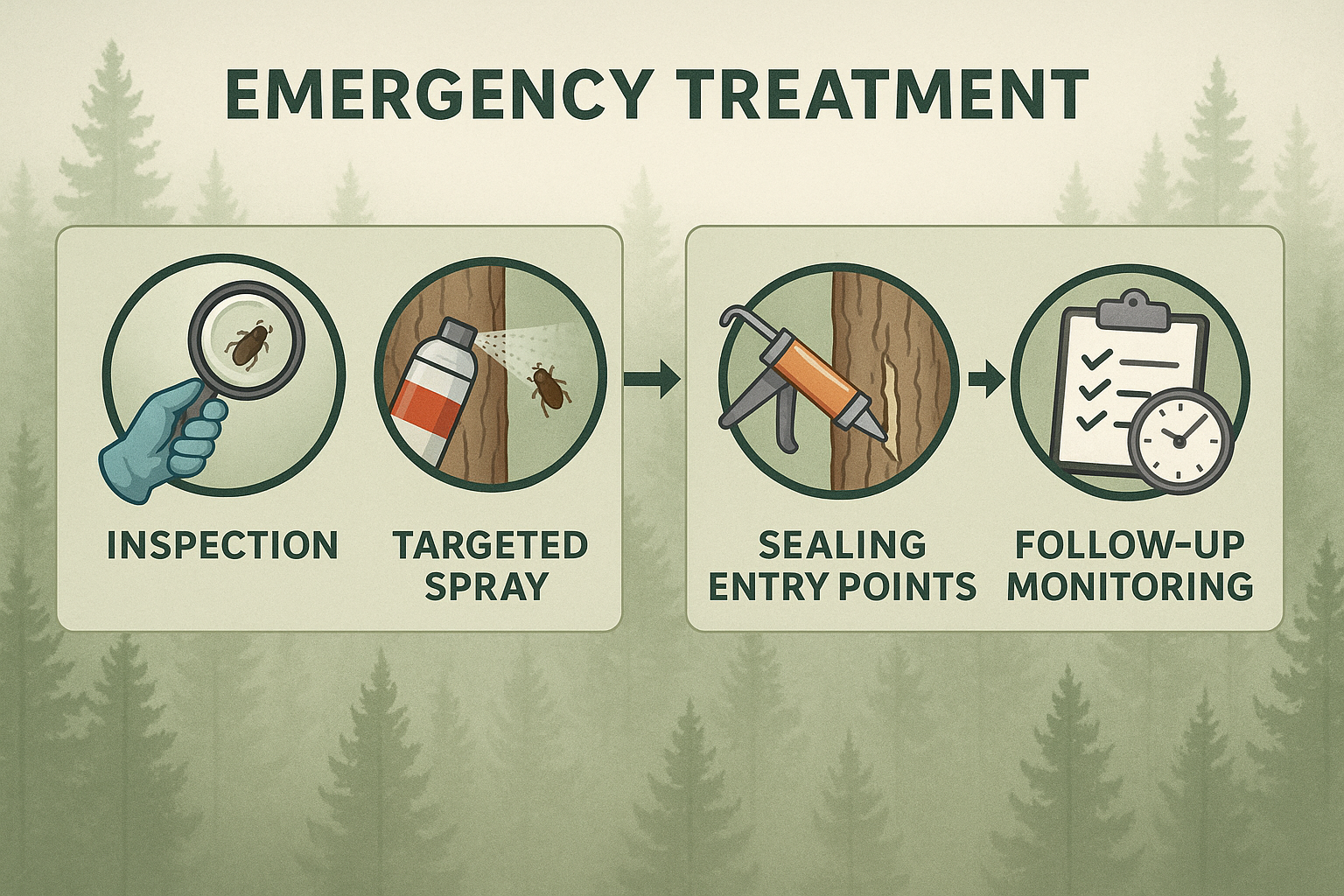
This step‑by‑step approach gives you confidence that the problem is being handled by professionals who understand both the biology of stink bugs and the unique construction styles of homes in Vinings. By acting within two hours, sealing every entry, and following up with monitoring, Anthem Pest turns a sudden invasion into a short‑term inconvenience rather than a long‑term headache.
Long‑Term Prevention for Vinings Homeowners
Stink bugs may disappear after an emergency treatment, but without a solid prevention plan they’ll return each fall. The good news is that a few seasonal chores and simple home-maintenance upgrades can keep your Vinings residence bug-free year after year. For lasting results, pairing these measures with professional stink bug control Vinings GA ensures your home stays protected and prevents repeat infestations. Below is a practical roadmap that fits into your regular homeowner schedule, so you never have to wonder “why are they back?” again.
Seasonal Prevention Calendar
- Late August – Pre‑Fall Inspection: Walk the perimeter of your home and check for gaps around windows, doors, and utility penetrations. Seal any openings with caulk or weather‑stripping before the bugs start seeking shelter for winter.
- October – November – Post‑Treatment Monitoring: After your professional treatment, conduct a quick visual sweep each week. Look for small clusters of bugs near light fixtures or on sunny walls. If you spot activity, give Anthem Pest a call for a follow‑up visit before the bugs settle in for the season.
Landscape Management Tips
- Trim Vines and Overhanging Branches: Stink bugs love to hitch a ride on vines that brush against your siding. Prune them back at least six inches from the house to eliminate a direct bridge.
- Remove Fallen Fruit and Over‑ripe Vegetables: Rotten produce on the ground provides a perfect feeding ground. Gather and compost any fallen apples, peaches, or tomatoes promptly, especially after harvest time.
- Use Repellent Mulches: Cedar mulch releases natural oils that deter many insects, including stink bugs. Spread a two‑inch layer around flower beds and vegetable gardens instead of using aromatic pine or rubber mulch.
- Eliminate Standing Water: While stink bugs aren’t aquatic, excess moisture attracts other insects that become alternative food sources. Keep gutters clean and avoid soggy soil patches.
Home Maintenance Checklist
- Install Door Sweeps: A tight seal at the bottom of every exterior door blocks the tiny entry points stink bugs love. Choose sweeps with a flexible brush to accommodate uneven thresholds.
- Repair or Replace Damaged Screen Mesh: Even a single tear can become a highway for bugs. Use a fine‑mesh screen (no larger than 1 mm) and secure it with a spline tool for a lasting seal.
- Manage Exterior Lighting: During peak season (late summer through early fall), turn off porch and patio lights at night or replace them with amber‑LED bulbs, which are less attractive to insects.
- Seal Cracks in Foundation and Siding: Use expanding polyurethane foam for larger gaps and silicone caulk for smaller seams. Pay special attention to areas around utility lines and vent pipes.
- Maintain Clean Gutters: Clogged gutters create moisture‑rich habitats that lure insects. Clean them at least twice a year—once in late summer and again in early spring.
Ready for a worry‑free year? Anthem Pest is offering a free annual inspection coupon exclusively for Vinings homeowners. Our certified technicians will walk your property, identify vulnerable spots, and provide a customized prevention plan—no charge, no obligation.
Because we prioritize the 30339 zip code, we route all Vinings service calls through a dedicated team. That means faster response times, local expertise, and a pest control partner who truly understands the unique challenges of our community.
By following this calendar, tending to your landscape, and tightening up your home’s defenses, you’ll create an environment that’s simply uninviting to stink bugs. Consistency is the key—small, regular actions add up to big, lasting protection.
Frequently Asked Questions
Do stink bugs carry diseases?
According to the Centers for Disease Control and Prevention (CDC), stink bugs are not known to transmit any diseases to humans. While they can cause allergic reactions in very sensitive individuals, there is no evidence of pathogen transmission. Source: CDC
Are the chemicals safe for pets?
Anthem Pest uses EPA‑registered, low‑toxicity formulations that are deemed safe for pets when applied exactly as the label directs. Pets should be kept out of treated zones until the product has dried, typically 30‑60 minutes, to avoid accidental ingestion or skin contact. Source: EPA safety data sheets
How quickly will the odor disappear after treatment?
Residual odor from a professional stink‑bug treatment usually fades within 24–48 hours. The timeline depends on ventilation, indoor humidity, and the concentration of the product applied. Running fans or opening windows can accelerate the dissipation process.
Will stink bugs return after treatment?
With a thorough, professionally applied treatment, the likelihood of immediate re‑infestation is low. However, stink bugs can migrate from nearby vegetation or neighboring homes, especially during peak season (late summer to early fall). Regular inspections and preventive sealing of entry points help keep them at bay.
Can I treat my own garden for stink bugs?
Homeowners may use horticultural oils or neem‑based sprays on garden plants, but these solutions are less effective than a targeted exterior treatment performed by a licensed pest professional. DIY methods also risk harming beneficial insects if not applied correctly.
What should I do if I see a large swarm inside my home?
First, close doors to contain the insects and turn off lights that attract them. Open windows to provide an exit route, then contact Anthem Pest for an emergency response. Our technicians can assess the entry points and apply a rapid‑acting, low‑odor treatment to eliminate the swarm safely.
How often should I schedule professional stink‑bug inspections in Vinings?
We recommend a pre‑season inspection in early summer, followed by a post‑treatment check in late summer. For homes with a history of heavy infestations, a quarterly visit ensures any new activity is caught early and treated before it becomes a nuisance.
Take Action Now to Protect Your Home
When a stink bug invasion reaches the point of emergency, every day you wait adds risk. Early action can stop costly structural damage, eliminate the lingering, unpleasant odor, and prevent the bugs from migrating into your attic, garden, or even your neighbor’s yard. The longer they settle, the harder they become to eradicate, and the more you’ll spend on extensive treatments or repairs. These issues can quickly compound, turning a simple nuisance into a costly repair nightmare.
- Structural damage: Stink bugs feed on plant material and can chew through siding, window screens, and roof vents.
- Odor problems: Their defensive spray leaves a persistent, sour smell that can seep into walls and furniture.
- Spread: A small population can quickly multiply, infiltrating attics, crawl spaces, and outdoor plant beds.
Because time is of the essence, we encourage you to pick up the phone right now and call 877‑371‑8196. Mention the Vinings zip code 30339, and our dispatch team will prioritize your call for same‑day emergency service. Our same‑day response means a technician can be at your door within hours, giving you peace of mind while the infestation is still manageable. Our technicians are already on standby, ready to assess the situation, contain the infestation, and begin a targeted treatment plan before the bugs have a chance to cause further harm.
At Anthem Pest, our locally trained technicians understand Vinings’ unique climate—hot, humid summers and mild winters—that gives stink bugs a perfect breeding ground. They’ll tailor a solution that protects your family, pets, and plants while respecting the environment. We use low‑toxicity, EPA‑approved products that are safe for children and pets, so you won’t have to choose between effectiveness and safety. Every treatment is backed by a 30‑day guarantee, so you can breathe easy knowing the job is done right the first time.
If you’re ready to stop the stink bug invasion in its tracks, schedule your appointment with Anthem Pest Control for professional stink bug control Vinings GA. No long contracts, transparent pricing, and a team that treats your home like their own.