Why Terminals Matter in Decatur, GA
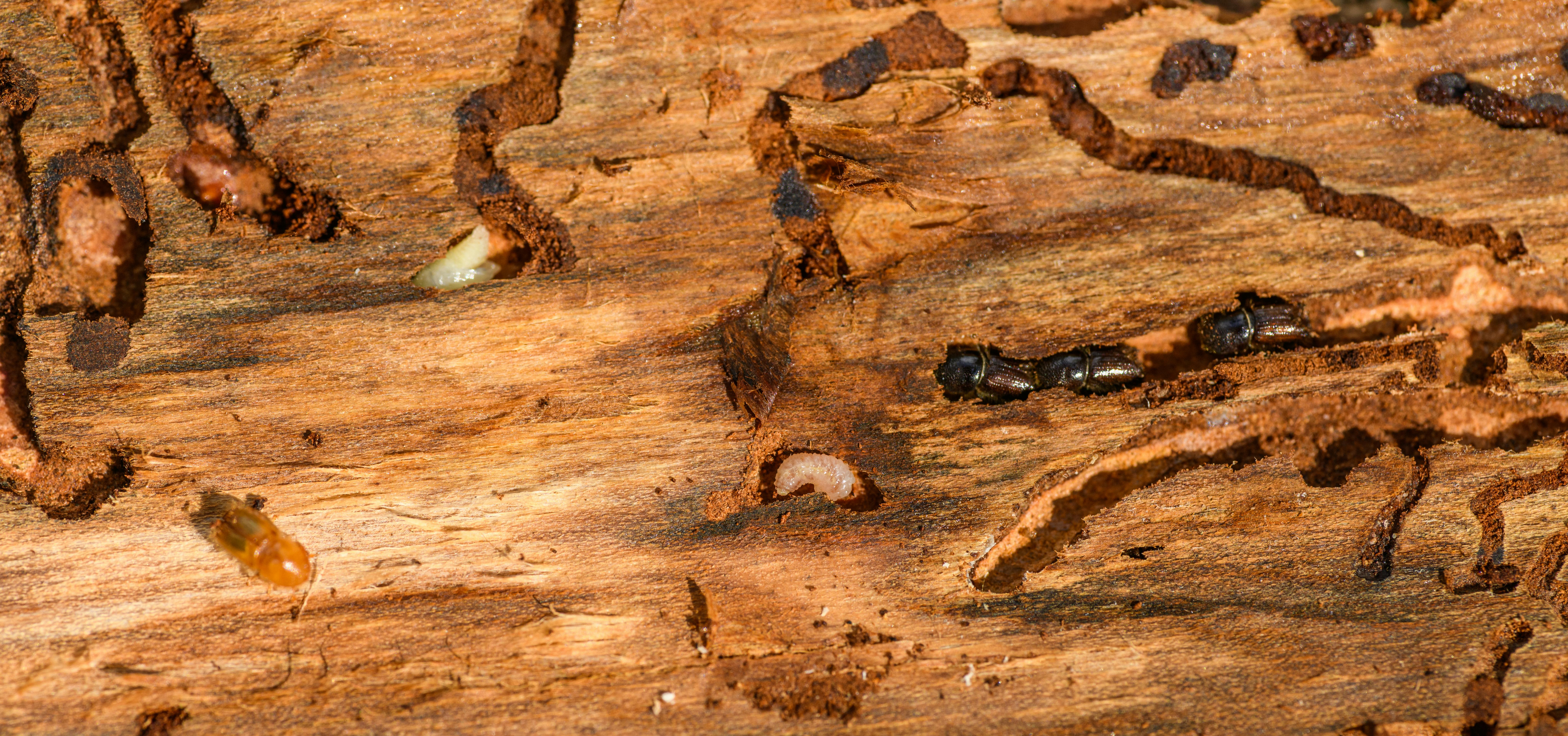
In Decatur, the most common culprits are subterranean termites (Reticulitermes flavipes) and, to a lesser extent, drywood termites. Subterranean termites live in moist soil and build hidden tunnels that can stretch up to 300 feet, giving them direct access to a home’s foundation, crawl spaces, and wooden framing. Their diet? Cellulose—essentially the wood and paper that make up the structure of any house.
Nationwide, the EPA estimates that termites cause more than $5 billion in property damage each year. In Georgia, the Department of Agriculture reports an average loss of $1,200 per household affected, with urban areas like Decatur seeing higher figures due to older homes and dense neighborhoods.
Decatur’s Climate: A Termite Playground
Decatur’s warm, humid summers and mild winters create the perfect environment for termite colonies to thrive. Moisture levels above 12 % in the soil keep subterranean termites active year‑round, while the region’s abundant foliage provides a constant food source. Even a short period of heavy rain can raise ground water, prompting colonies to expand their foraging tunnels into nearby homes.
Long‑Term Risks and Financial Impact
Untreated infestations are rarely visible until the damage is extensive. A single colony can consume up to 2 pounds of wood per day, silently weakening support beams, joists, and load‑bearing walls. Over time, this can lead to sagging floors, cracked walls, and, in severe cases, structural collapse—issues that can cost thousands of dollars to repair.
Beyond the immediate repair costs, homeowners face indirect expenses such as reduced property value, higher insurance premiums, and the loss of peace of mind. A study by the Georgia Department of Agriculture found that homes with documented termite damage sell for up to 10 % less than comparable, pest‑free properties.
Why Early Detection Is Critical
The key to avoiding these costly outcomes is catching the problem early. Spotting mud tubes, discarded wings, or subtle wood hollowing can give you a head start before the colony establishes a permanent foothold. In the next section, we’ll walk you through the most reliable signs of a hidden infestation and the steps you can take right now to protect your Decatur home.
Spotting Termite Damage and Warning Signs
Mud Tubes: The Termite Highway
Termites rarely travel in the open. Instead, they build mud tubes—thin, pencil‑shaped passages made of soil, wood particles, and saliva. You’ll typically find these tubes clinging to foundations, crawl spaces, and the lower portions of exterior walls. If you see a network of smooth, wet‑looking tubes leading from the ground up to your home’s structure, it’s a strong indicator that a colony is actively feeding nearby.
Frass: The Tell‑Tale Droppings
Frass looks like tiny, wood‑colored pellets or sawdust. It’s usually dry, crumbly, and may be pushed out of tiny holes in wood or along the edges of mud tubes. Accumulations of frass near windowsills, baseboards, or in attic corners suggest that termites have been tunneling through the wood and are ejecting waste as they go.
Wood Damage Patterns: Hollowed and Blistered
Termite damage isn’t surface‑level. When you tap on an infested beam, it often sounds hollow, and a close inspection may reveal blistered or cracked wood. If you cut a small section of a suspect board, look for smooth, tunnel‑like galleries that run parallel to the grain—these are the “highways” termites leave behind as they consume cellulose.
Swarmers: The Alarm Bell
Swarmers are winged reproductive termites that emerge in spring or after a heavy rain. They’re drawn to light, so you might find them buzzing around windows or gathered on interior walls. Spotting swarmers inside your home means a mature colony is nearby. Capture any you find, seal the entry point, and call a professional immediately—swarmers are a clear sign that emergency treatment is needed.
Quick Self‑Inspection Checklist
- Walk the exterior foundation: look for mud tubes on concrete, brick, or soil.
- Inspect crawl spaces and basements for damp, tubular mud lines.
- Check interior woodwork (baseboards, window frames, door frames) for frass piles or hollow sounds.
- Examine attic beams and flooring for blistered, cracked, or hollow wood.
- Look for winged insects near lights during spring and after rain.
- Document any findings with photos and note the exact location for a pest professional.
For a deeper dive into termite biology and warning signs, the National Pest Management Association (NPMA) provides a comprehensive fact sheet that aligns with the signs listed above. Read the NPMA termite facts to verify what you’ve discovered during your inspection.
Effective Treatment Options for Homeowners
Liquid Termiticides (Soil Barriers)
Liquid termiticides are the workhorse of termite defense. A professional applies the chemical in a continuous trench around your home’s foundation, typically 6‑12 inches deep, creating an invisible shield that repels or kills termites as they attempt to cross. The most common active ingredients—such as fipronil or imidacloprid—remain effective for several years, giving you long‑term peace of mind. Pros include rapid action, broad coverage, and proven efficacy against both subterranean and dry‑wood species. Cons involve higher upfront cost, the need for precise installation, and occasional re‑treatment if soil conditions shift.
Foam Barrier Systems
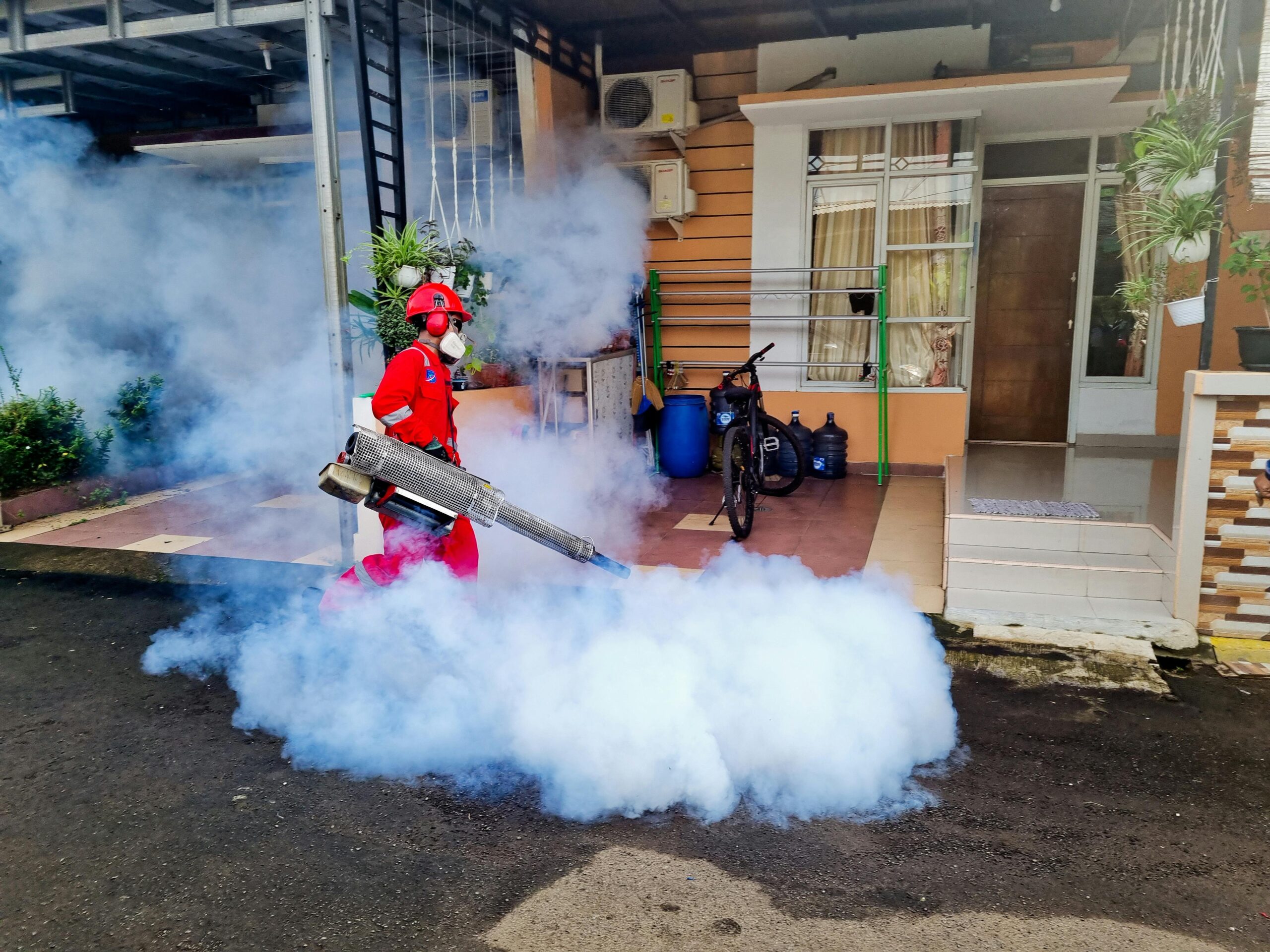
Foam barriers work like a spray‑on insulation for your walls. Technicians inject expanding foam into tight wall cavities, where it fills gaps that termites love to exploit. Because the foam expands to fill every nook, it creates a seamless chemical barrier without the mess of digging trenches. This method shines in older homes with complex framing or in retrofit projects where digging isn’t feasible. The accompanying image below shows a technician preparing a foam application.

Baiting Systems
Bait stations act like a “termite buffet” placed strategically around your property. Each station contains a cellulose core laced with a slow‑acting insecticide that termites share with the colony. Over weeks, foraging workers transport the toxin back to the nest, gradually collapsing the colony from the inside out. Baiting requires regular monitoring—usually every 30‑45 days—to replace consumed bait and assess activity. When maintained correctly, baiting offers a low‑visibility, long‑term solution that can eradicate hidden colonies without saturating the soil.
Fumigation/Structural Tenting
Fumigation is the heavyweight option reserved for severe infestations or when termites have invaded the structural core of the home. The process involves sealing the entire house inside a gas‑tight tent and releasing a potent fumigant, typically sulfuryl fluoride, that penetrates wood, furniture, and hidden galleries. Because the gas circulates throughout every void, it eliminates even the most entrenched colonies in a single treatment. Safety is paramount: occupants must vacate the home for 24‑48 hours, and a certified professional must oversee ventilation before re‑entry. While costly, fumigation provides a clean slate when other methods fall short.
Integrated Pest Management (IPM) Approach
IPM is the smart, holistic strategy that blends multiple tactics for maximum protection. A typical IPM plan starts with a thorough inspection, followed by the most appropriate primary treatment—often a liquid termiticide or foam barrier—paired with bait stations for ongoing monitoring. Regular follow‑up visits allow technicians to adjust the plan, replace bait, and address new entry points before they become problems. Preventive measures, such as fixing moisture leaks, reducing wood‑to‑soil contact, and maintaining proper landscaping, round out the program, keeping termites at bay year after year.
Why Professional Installation Beats DIY
Termite control isn’t a weekend DIY project. The chemicals used demand precise dosing, proper placement, and strict safety protocols that only licensed technicians possess. Improper application can leave gaps for termites to slip through, waste product, or even pose health risks to your family and pets. Moreover, many local regulations require certified applicators for certain termiticides and fumigants. By trusting Anthem Pest Control, you gain access to industry‑grade products, years of field experience, and a warranty that protects your investment.
Costs, Seasonal Trends, and Choosing the Right Service
What You’ll Pay for Emergency Termite Control
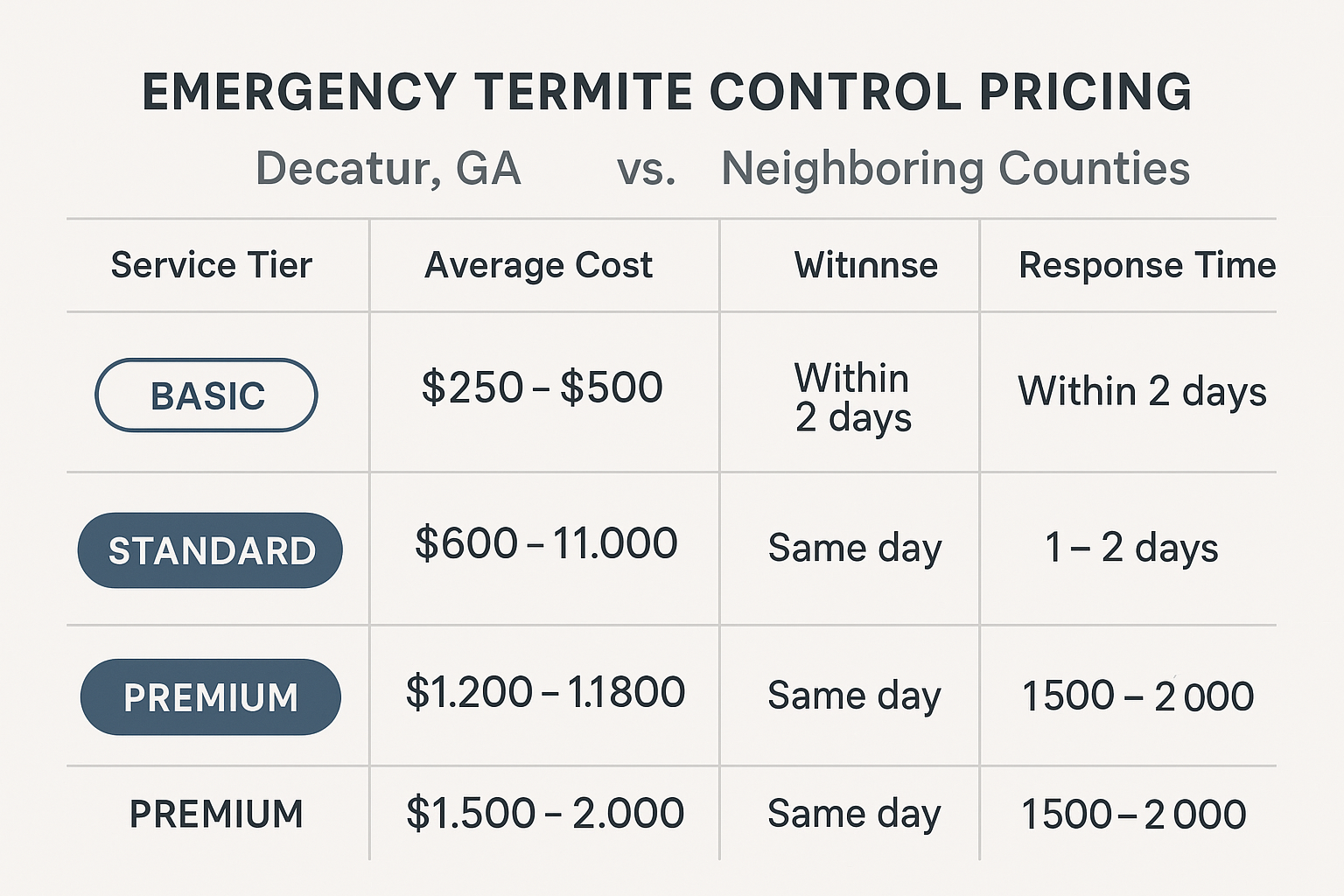
When a colony is discovered in the middle of the night, the price tag can feel as urgent as the infestation itself. In Decatur, most reputable companies break their fees into three tiers:
- Basic Emergency Response ($1,200‑$1,800): Includes a rapid site visit, moisture meter reading, and a single‑application liquid barrier.
- Standard Intervention ($1,800‑$2,800): Adds bait‑station placement, wood‑sample lab analysis, and a 6‑month warranty.
- Comprehensive Protection ($2,800‑$4,500): Covers full‑home inspection, multiple bait lines, structural repairs, and a 2‑year service guarantee.
These ranges reflect the intensity of the emergency, the size of the property, and the level of follow‑up support you request.
Decatur vs. Neighboring Counties
| County | Typical Range (USD) | Key Cost Drivers |
|---|---|---|
| Decatur (DeKalb) | $1,200‑$4,500 | High‑density housing, local licensing fees, fast‑response demand |
| Atlanta (Fulton) | $1,300‑$4,200 | Urban core, larger commercial contracts |
| Clarkston (DeKalb) | $1,150‑$4,000 | More single‑family homes, slightly lower labor rates |
| Stone Mountain (DeKalb) | $1,100‑$3,900 | Older wood structures, seasonal discount programs |
Local expertise matters because Decatur’s historic homes often hide hidden galleries behind plaster and brick. A company that knows those quirks can target treatment more efficiently, sometimes saving you a few hundred dollars in repeat visits.
Seasonal Activity in Georgia
| Month | Average Temp (°F) | Average Humidity (%) | Activity Level |
|---|---|---|---|
| January | 45 | 60 | Low |
| February | 48 | 58 | Low |
| March | 56 | 65 | Moderate |
| April | 65 | 70 | High |
| May | 73 | 72 | Peak |
| June | 80 | 75 | Peak |
| July | 84 | 78 | Peak |
| August | 83 | 77 | Peak |
| September | 77 | 73 | High |
| October | 68 | 68 | Moderate |
| November | 58 | 63 | Low |
| December | 50 | 60 | Low |
Termites thrive when temperatures stay above 70 °F and humidity climbs above 70 %. That’s why May through September is the “danger window.” Treating during the off‑season (October‑April) often nets discounts of 10‑20 % because crews have lighter schedules.
Timing, Success, and Cost
Addressing an infestation early in the peak season prevents colony expansion, which can shave thousands off a later, more extensive repair. Conversely, waiting until the heat wanes may lower the price but risks structural damage that outweighs any discount. A smart homeowner balances urgency with budget by scheduling a pre‑emptive inspection before the first summer rains.
How to Choose the Right Service
- Verify licensing and insurance. Georgia requires a Certified Pest Control Operator (CPO) license for all termite work.
- Ask for a written, itemized quote. Transparent pricing should list inspection, chemicals, bait stations, and any follow‑up visits.
- Look for warranties. The best providers back their barrier treatments with at least a 1‑year guarantee.
- Check reviews and references. Real homeowner feedback on platforms like Google and the Better Business Bureau reveals reliability.
- Confirm local experience. Companies that have served Decatur for years understand historic home construction and local soil conditions.
For additional guidance on Georgia’s pest regulations, visit the Georgia Department of Agriculture pest resources. Armed with clear pricing, seasonal insight, and a checklist for vetting providers, you can act quickly and confidently when termites strike.
Protect Your Home with Anthem Pest Control Today
In Decatur’s warm, humid climate, termites can locate a food source, establish a colony, and start causing structural damage in just a few weeks. That’s why spotting the first signs—mud tubes, hollow‑sounding wood, or tiny winged alates—and acting fast is essential. A professional inspection catches hidden activity before it spreads, saving you from thousands of dollars in repairs and the stress of a compromised home.
Our emergency guide highlighted three proven treatment pathways: liquid termiticides that create an invisible barrier, bait‑station systems that lure foragers away from your foundation, and localized foam applications for direct wood treatment. Each option can be customized to the species, infestation level, and construction type of your house, delivering long‑lasting protection while minimizing chemical exposure to family and pets.
That’s where Anthem Pest Control steps in. Our technicians live and work in the Decatur area, so we know which termite species are most active each season and which treatment methods perform best in our local soils. We use EPA‑approved products that meet strict safety standards, and we lay out a transparent, itemized quote before any work begins—no hidden fees, no surprise charges.
Ready to protect your home before termites turn a small problem into a costly nightmare? Schedule a free, no‑obligation inspection today. Our friendly team will walk you through the findings, explain the most effective treatment plan for your property, and give you a clear price list so you can make an informed decision without pressure.
Call us now at 877‑371‑8196 or visit Anthem Pest Control to book your inspection. We’re on standby 24/7 for emergency calls, and our fast‑response crews can be on your property within hours. Let us give you the confidence that your home is defended against termites—today and for years to come.
Our commitment to quality means we follow up after treatment to ensure the barrier remains intact and your peace of mind endures.