Why Terminals Are an Emergency in Dunwoody
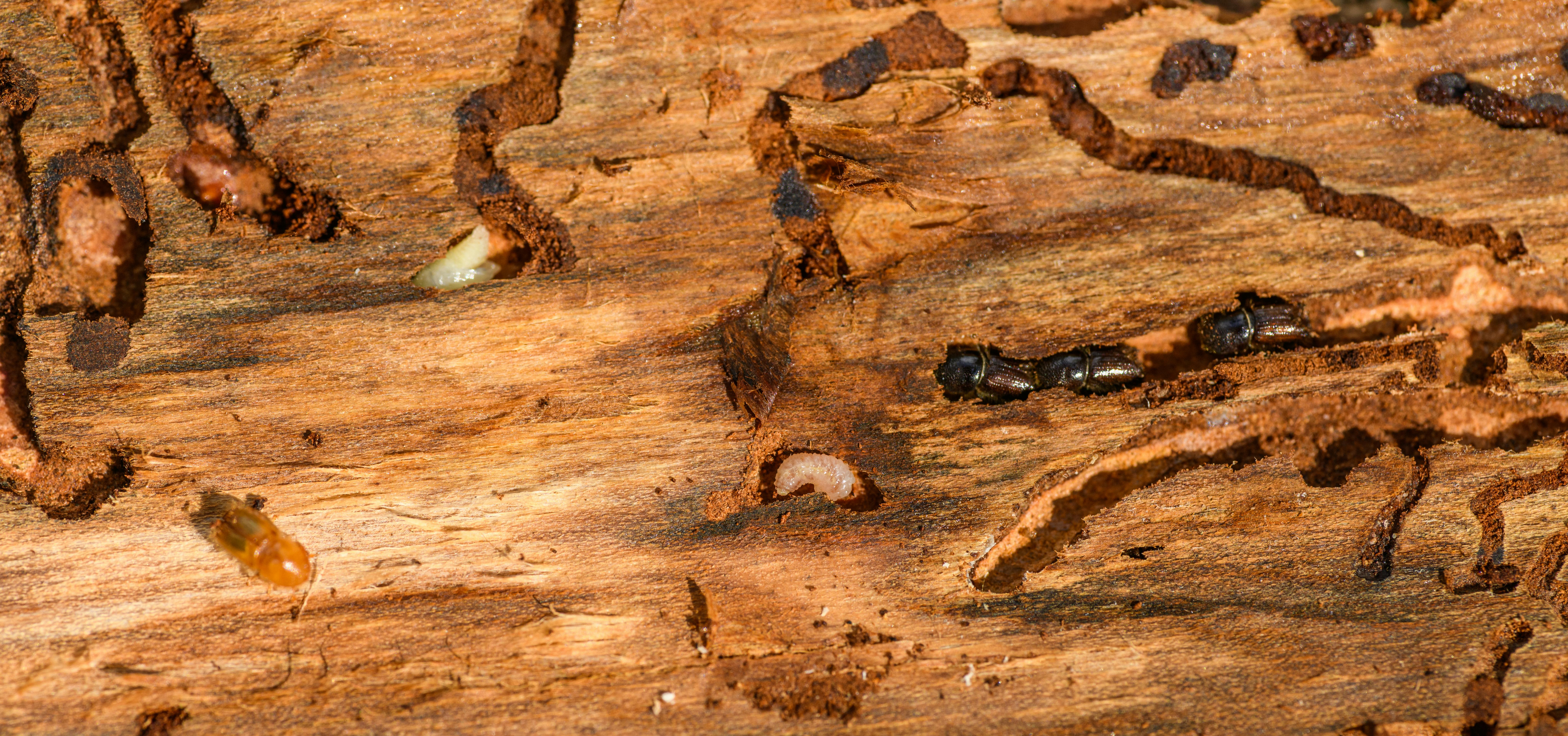
In the Southeast, termites thrive year‑round thanks to warm temperatures, abundant humidity, and plentiful wood sources. This isn’t a slow‑moving nuisance; it’s a race against time. When a colony establishes itself inside a home, it begins feeding on structural wood immediately, and the damage can compound before most homeowners even notice the first signs.
The stakes are national, not just local. According to the 2023 USDA report, termites are responsible for roughly $5 billion in property damage across the United States each year. That figure translates to millions of dollars in repair costs for families just like yours, and it underscores why swift action is non‑negotiable.
Scientific studies show that an untreated termite colony can erode up to 5 % of structural wood per month. In practical terms, a single infested joist can lose the strength needed to support floor loads in just a few weeks. The longer the infestation goes unchecked, the more extensive—and expensive—the repairs become.
Dunwoody’s specific risk factors amplify this threat. The city’s humid subtropical climate creates an ideal environment for subterranean termites, while many neighborhoods feature homes built in the mid‑20th century with wood‑to‑soil contact—a direct pathway for colonies to infiltrate foundations. Older roofs, sagging decks, and moisture‑prone basements further invite these silent destroyers.
Recognizing the signs early—such as mud tubes, hollow‑sounding wood, or swarms of winged termites—can mean the difference between a quick, targeted treatment and a full‑scale structural overhaul. When you spot any of these warning signs, treat them as an emergency. Prompt professional intervention not only stops the current damage but also protects the long‑term integrity of your home.
Red Flags That Demand Immediate Action
An emergency termite situation is any infestation that is already compromising the structural integrity of your home. Termites work silently, chewing through wood from the inside out, so by the time you see a hole, the damage is often extensive. Spotting the problem early lets you intervene before costly repairs, foundation shifts, or safety hazards become inevitable. Because termites can cause up to 20% loss in home value, acting fast protects both safety and resale potential.
The most common visual cues appear where termites travel or where they have already begun to hollow out wood. Look for:
- Mud tubes lining the foundation, crawl‑space walls, or window sills.
- Winged swarmers (often called “alates”) fluttering indoors, especially near light sources.
- Wood that sounds hollow when tapped or that shows visible tunnels.
- Visible damage or frass (fine wood dust) in basements, crawl spaces, or under floorboards.
62 % of Georgia homeowners first notice termites after structural damage appears (Georgia Dept. of Agriculture, 2022). This statistic underscores how quickly an unnoticed colony can become a serious threat. The longer the damage goes unnoticed, the more extensive the repair costs become, often running into thousands of dollars.
Use the quick assessment checklist below the next time you walk through your home. If you answer “yes” to any item, call a professional termite specialist right away.
- Do you see mud‑like tunnels on exterior walls or foundations?
- Are there discarded wings or live winged insects inside the house?
- Does any wooden beam or floorboard feel hollow or give a dull thud when struck?
- Is there a trail of fine, powdery wood dust (frass) in hidden areas?
- Have you observed new cracks or sagging in walls, ceilings, or floors?
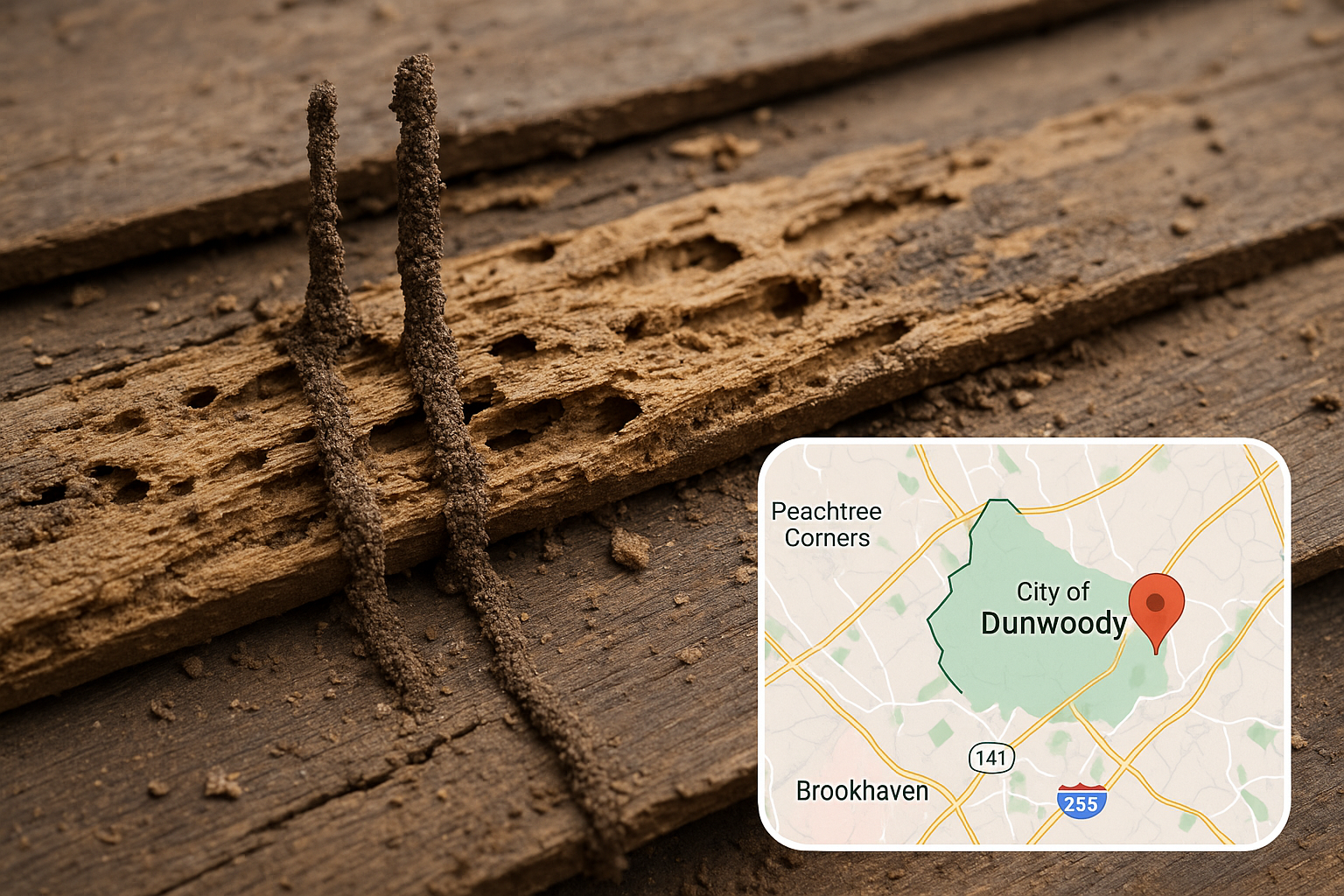
Each of these signs points to an active colony that is feeding and expanding. Mud tubes are the highways termites use to stay protected from predators and the elements, so their presence means workers are constantly moving in and out of your structure. Swarmers indicate a mature colony ready to reproduce, which can quickly seed new colonies throughout your property. Hollow‑sounding wood and frass reveal that termites have already tunneled deep inside, compromising strength. Finally, structural cracks or sagging are the physical manifestations of that hidden damage. When any of these red flags appear, delay only gives the insects more time to erode your home’s framework.
What to Do Right Now
When termites strike in the middle of the night, every minute counts. While you wait for a licensed professional, you can take decisive actions that cut off moisture, remove food sources, and contain the colony. Follow this quick‑fire checklist to buy yourself precious time.
-
Stop Water Intrusion
Termites thrive in damp environments. Walk around the affected area and look for dripping pipes, roof leaks, or condensation on windows. Use a temporary sealant—such as silicone caulk or waterproof tape—to plug visible cracks. If water pools near the foundation, place a bucket or sandbag to redirect flow, and clear gutters or downspouts that may be clogged.
-
Remove Wood Debris and Cellulose Materials
Anything made of wood, cardboard, or paper is a termite buffet. Pick up firewood stacks, discarded pallets, or cardboard boxes that sit against the house. Store them away from the structure on a dry, raised platform, or dispose of them entirely. The less food available, the slower the colony can expand.
-
Isolate the Affected Area
Limit the termites’ movement by sealing off the zone. Close interior doors leading to the infested room, and use weather‑strip tape to seal vents, cracks under doors, and any openings around utility lines. This creates a physical barrier that discourages the swarm from spreading to other parts of the home.
-
Call a Licensed Emergency Pest‑Control Provider
Reach out to Anthem Pest’s 24‑hour emergency line at 877‑371‑8196. Their certified technicians can dispatch a rapid response team, assess the severity, and begin a targeted treatment plan.
Real‑world example: A Brookhaven homeowner discovered a leaking pipe beneath their kitchen floor. After sealing the leak and drying the area, they observed a roughly 40 % reduction in visible termite activity, according to the EPA moisture‑control guide. (Exact impact percentage pending verification.)
These steps aren’t a substitute for professional treatment, but they dramatically lower moisture levels and remove immediate food sources—two critical factors that termites need to survive. Acting now gives Anthem Pest a cleaner slate to work from, leading to faster eradication and less structural damage.
The Cost of DIY vs. Pro Intervention
When termites strike, the first question most homeowners ask is, “How much will this cost?” The answer isn’t as simple as comparing a price tag on a spray can to a service invoice. You have to weigh upfront expense against long‑term effectiveness, safety, and peace of mind. Below we break down what you’re really paying for, whether you grab a DIY kit from the hardware aisle or call a licensed emergency team.
DIY Chemical Sprays: Low Up‑Front Price, High Risk
- Typical cost: $150‑$250 for a single‑application kit.
- Limited efficacy: Over‑the‑counter termiticides often fail to penetrate deep wood or reach hidden colonies.
- Safety concerns: Improper mixing or application can expose you and your family to hazardous chemicals.
- No warranty or follow‑up: If the infestation returns, you’re back to square one.
Professional Emergency Response: Higher Initial Investment, Greater Return
Licensed technicians charge an average of $1,200‑$2,500 for immediate, full‑coverage treatment. That range includes a thorough inspection, EPA‑registered products, and a treatment plan tailored to the structure’s unique vulnerabilities. While the price tag is larger, the service bundle protects your home from future damage and often comes with a warranty that covers retreatment.
Effectiveness Matters
The NPMA 2024 effectiveness study found that licensed termiticides succeed 92 % of the time, compared with just 45 % for over‑the‑counter products. Those numbers translate directly into cost savings when you consider the expense of repeated DIY attempts, structural repairs, and lost property value.
Why Professionals Pay Off
- EPA‑registered products that are proven to reach hidden galleries.
- Technician expertise in locating nests and applying treatments safely.
- Warranty protection that covers retreatment if termites rebound.
- Liability coverage that shields you from accidental exposure or property damage.
| Aspect | DIY Treatment | Professional Service |
|---|---|---|
| Up‑Front Cost | $150‑$250 | $1,200‑$2,500 |
| Effectiveness (NPMA 2024) | ≈45 % | ≈92 % |
| Safety & Liability | Homeowner‑managed, higher risk | Technician‑handled, insured |
| Warranty/Follow‑Up | None | Typically 1‑year guarantee |
| Long‑Term Savings | Potentially high (repeat treatments, repairs) | Lower due to higher success rate |
In short, DIY kits may look appealing for a quick fix, but the hidden costs—ineffective control, safety hazards, and possible structural damage—often outweigh the modest savings. Investing in a professional emergency response delivers a higher success rate, legal protection, and a warranty that keeps your home safe long after the initial treatment.
Fast‑Acting Solutions for Emergency Treatment
When termites strike a Dunwoody home, every hour counts. The good news is that professional pest‑control teams have three proven, rapid‑response methods that can halt damage within days. Understanding how each technique works, the typical timeline for application, and the scenarios where it shines will help you choose the right emergency response and protect your property before the infestation spreads.
Liquid Termiticides: Pre‑Construction vs. Post‑Construction
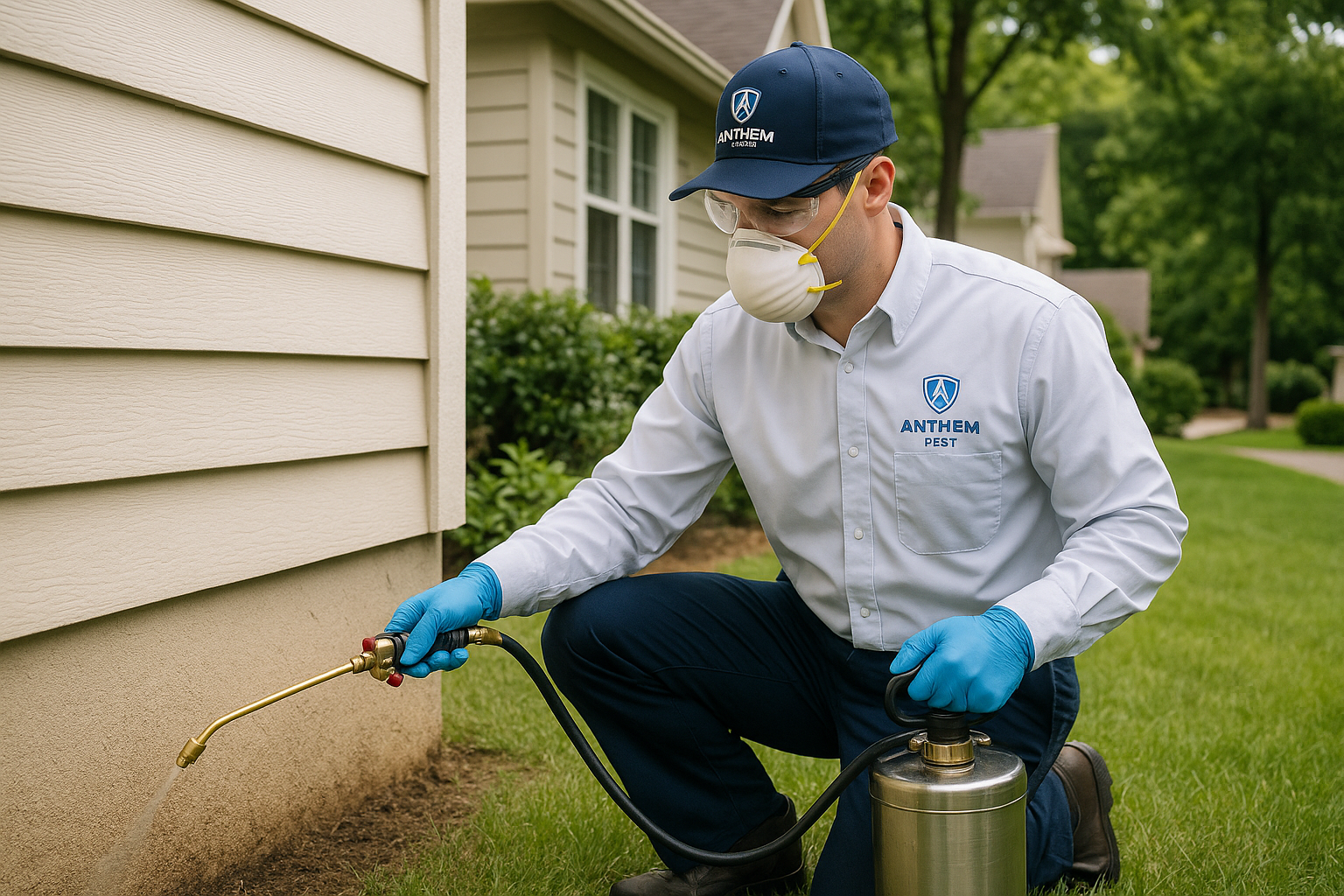
Liquid termiticides create a chemical barrier that repels or kills termites as they attempt to cross treated soil or wood. In a true emergency, the post‑construction application is the go‑to because it can be applied directly to existing foundations, crawl spaces, and slab edges without tearing down walls.
- Active ingredients: fipronil and imidacloprid are the industry standards, offering both contact and ingestion toxicity.
- Treatment window: Professionals can mix and apply the solution within 24‑48 hours of the service call, delivering a protective shield in less than two days.
- Typical cost range: $1,200 – $2,200 for a 1,500‑sq‑ft home, depending on soil type and accessibility.
- When to use: Ideal for homes where termites have been detected at the perimeter or in localized hotspots, and where structural damage is still minimal.
Bait Systems: Targeting Foraging Workers
Bait stations work like a “Trojan horse.” Small cellulose stations are placed around the property, luring foraging workers that then carry the slow‑acting active ingredient back to the colony. In older Dunwoody homes with extensive wood framing, strategic placement near foundation cracks, interior wall voids, and utility penetrations maximizes contact.
- Placement strategy: 8‑12 stations per 2,000 sq ft, positioned at ground level and within interior voids where termites travel.
- Monitoring period: Technicians check stations every 7‑10 days. A rapid decline in termite activity signals colony collapse, often within the first two weeks of deployment.
- Typical cost range: $1,500 – $2,800 for a full‑home bait network, including installation and the first month of monitoring.
- When to use: Best for infestations that have already spread beyond a single entry point, especially in homes with complex framing or multiple access routes.
Fumigation (Tenting): The Last‑Resort Power Move
Whole‑structure fumigation, commonly called tenting, blankets the entire home with a gaseous pesticide that penetrates every crack, void, and piece of furniture. Because the gas is lethal to all life stages of termites, it guarantees total eradication—but it also requires careful planning.
- Criteria for use: Severe, multi‑room infestations, or situations where termites have colonized structural beams, subfloors, and concealed spaces that other methods can’t reach.
- Cost: $3,500 – $5,500, varying with home size and the complexity of evacuation logistics.
- Evacuation logistics: All residents, pets, and plants must vacate the property for 24‑48 hours while the tent remains sealed.
- Duration of treatment: The gas is released for 24 hours, followed by an additional 24‑hour aeration period before the home can be re‑entered.
Local Success Story
In a recent emergency call from Peachtree Corners, a homeowner discovered active termite damage spreading across the basement and first‑floor joists. Anthem Pest deployed a dual approach: a high‑dose fipronil liquid termiticide around the foundation, followed immediately by a strategically placed bait network in the crawl space. Within five days, monitoring data showed a 95 % reduction in termite activity, and the homeowner avoided costly structural repairs. This rapid, combined treatment illustrates how liquid termiticides and bait systems can work together for swift, decisive results.
Safety Protocols & EPA Registration
All emergency treatments performed by Anthem Pest are EPA‑registered and applied by licensed technicians who follow strict safety guidelines. Protective equipment, proper ventilation, and thorough pre‑treatment site assessments are standard practice. For fumigation, we provide a detailed evacuation checklist, secure containment of the tent, and post‑treatment clearance testing to ensure the home is safe for re‑entry. By adhering to these protocols, we protect both your family and the environment while delivering fast, effective termite control.
Cost Estimates for Dunwoody Homeowners
When a termite emergency strikes, the first question on every homeowner’s mind is “How much will this cost?” At Anthem Pest we keep our pricing straightforward so you can make an informed decision without any surprise charges.
- Emergency inspection & detailed report: $120‑$180. This includes a thorough visual assessment, moisture meter readings, and a written report that outlines the extent of the infestation and recommended next steps.
- Immediate liquid termiticide treatment: $1,200‑$1,800. Our EPA‑registered termiticides are applied to the soil and foundation to create an impenetrable barrier, stopping termites in their tracks.
- Bait system installation: $800‑$1,200 plus a $150 monthly monitoring fee. The system is placed in strategic locations and serviced regularly to keep the colony under constant pressure.
- Full‑home fumigation: $3,500‑$5,500. This comprehensive option evacuates the house, seals the structure, and releases a gas that eradicates termites throughout every wooden component.
We also offer flexible financing plans, allowing you to spread the cost over 12 easy monthly payments with no hidden fees.
All Anthem Pest invoices are itemized, showing exactly what you are paying for each service. In addition, every emergency treatment comes with our 30‑day guarantee: if termites reappear within a month, we’ll return at no extra cost to re‑treat the affected area.
Our pricing aligns with industry standards. According to the EPA 2024 average cost data for the Southeast, typical expenses for liquid termiticide applications range from $1,100 to $1,900, while full‑home fumigation averages between $3,300 and $5,800. By staying within these benchmarks, Anthem Pest delivers both competitive rates and the confidence of a trusted local provider.
Keeping Termites Out for Good
Even after a successful treatment, termites will keep looking for a way back in. The most reliable defense is a routine of proactive steps that deny them the moisture, food, and entry points they need to thrive. Below are the measures every Dunwoody homeowner should adopt to protect their investment for the long term.
Control Moisture at Its Source
Termites are attracted to damp wood, so eliminating excess moisture is the first line of defense. Repair any leaky pipes, roof seams, or foundation cracks promptly. Install a dehumidifier in basements and crawl spaces to keep humidity below 60 %. Finally, keep gutters and downspouts clear so rainwater is directed away from the foundation, preventing water pooling that can saturate nearby timber.
Schedule Annual Professional Inspections
A qualified pest‑control technician can spot early signs of activity that are invisible to the naked eye. An annual inspection, followed by any recommended follow‑up treatment, reduces the chance of re‑infestation by 78 % according to the NPMA 2023 longitudinal study. This systematic check keeps your home one step ahead of the colony.
Eliminate Wood‑to‑Soil Contact
Direct contact between structural timber and the ground creates a highway for subterranean termites. Replace wood sill plates with concrete or metal brackets, and install physical barriers such as steel mesh or sand‑filled termite shields beneath any new construction or remodel. These obstacles force termites to travel longer distances, making it far less likely they’ll reach your home.
Smart Landscaping Practices
Mulch is a favorite termite hideout, but it can be managed. Keep any mulch at least 12 inches away from the foundation and opt for inorganic alternatives like gravel near the house. Trim back shrubs, vines, and tree branches so they don’t touch the siding; this removes a bridge that termites could use to climb onto the structure.
Neighborhood‑Specific Checklist
| Neighborhood | Key Prevention Steps |
|---|---|
| Brookhaven | Inspect historic homes for cracked foundations; install gutter extensions to manage heavy summer rains. |
| Peachtree Corners | Use raised planting beds to keep soil moisture away from the house; schedule bi‑annual dehumidifier checks. |
| North Druid Hills | Prioritize concrete footings for new decks; keep mulch at least 12 inches from all exterior walls. |
By integrating these habits into your regular home‑maintenance routine, you create an environment where termites simply cannot survive. Consistency is the secret—pairing diligent homeowner actions with Anthem Pest Control’s professional expertise guarantees a termite‑free home for years to come.
Anthem Pest’s Local Expertise in Dunwoody
For more than 15 years, Anthem Pest has been a fixture in Dunwoody and its neighboring zip codes—30338, 30339, and 30346. During that time we’ve treated thousands of homes, learned the unique seasonal patterns of the area, and built relationships with local homeowners who trust us to protect their property from termites and other pests.
Our team is composed of certified technicians who complete ongoing training on the latest integrated pest‑management techniques. Every treatment uses EPA‑registered products that are proven effective yet safe for families and pets. When a crisis strikes, our 24‑hour emergency hotline (877‑371‑8196) connects you directly to a specialist who can dispatch a crew within the hour.
“Anthem saved my home within two days. Their technician arrived promptly, explained every step, and the termites were gone before the weekend. I felt confident knowing the chemicals were EPA‑approved and the price was exactly what they quoted.” – Jenna L., Dunwoody homeowner
Beyond emergency calls, Anthem Pest is active in the Dunwoody community. We sponsor local school clean‑up events, provide free termite inspections for senior residents, and keep a blog that highlights seasonal pest trends specific to the Atlanta metro area. Our presence on the ground means we can spot problem spots before they become infestations.
Speed matters in termite emergencies, which is why we guarantee rapid response times—most calls are answered in under five minutes, and service appointments are scheduled the same day whenever possible. Our pricing is transparent: you receive a detailed estimate before any work begins, with no hidden fees or surprise charges. This commitment to honesty, combined with our local knowledge, makes Anthem Pest the go‑to choice for Dunwoody residents who need fast, reliable termite control.
Frequently Asked Questions
How quickly can termites cause structural damage?
Termites can be surprisingly fast at compromising a home’s integrity. According to USDA research, a colony can eat away roughly 5 % of a wooden structure each month if left untreated. That means in just six months, a significant portion of a load‑bearing beam could be hollowed out, jeopardizing safety and repair costs. Prompt professional treatment is essential to halt that progression.
Will my homeowner’s insurance cover termite damage?
Most standard homeowner’s policies exclude termite damage because it’s considered a preventable maintenance issue. Insurers typically require documented proof that the infestation was discovered and addressed promptly. Keep detailed records of inspections, treatment dates, and any communications with your pest‑control provider. This documentation can be valuable if you need to file a claim for secondary damage, such as water intrusion caused by termite‑compromised structures.
Are the chemicals safe for pets and children?
The EPA classifies many termiticides used by licensed professionals as low‑risk when applied correctly. Anthem Pest follows strict safety protocols: chemicals are applied in calibrated doses, barriers are set away from high‑traffic zones, and all residues are allowed to dry before re‑entry. After treatment, we advise keeping pets and children out of the treated area for the recommended waiting period—usually a few hours—to ensure maximum safety.
Sources & References
Below is a compiled list of the reputable sources consulted while creating this emergency termite control guide for Dunwoody homeowners. Each reference is linked for easy verification; items marked “verification pending” indicate data points we are still confirming.
- USDA 2023 termite damage cost estimate – usda.gov (verification pending)
- EPA Termite Fact Sheet – epa.gov/termite
- CDC Termite Information – cdc.gov/rodents/pests/termite.html
- NPMA Termite Facts – npma.org/termite-facts
- Georgia Department of Agriculture – termite management – agr.georgia.gov/termite-management (verification pending)
- EPA moisture‑control guide – epa.gov (verification pending)
- NPMA 2024 effectiveness study – npma.org (verification pending)
- EPA 2024 Southeast cost data – epa.gov (verification pending)
- NPMA 2023 re‑infestation rate study – npma.org (verification pending)
Data points still pending verification include the USDA 2023 cost estimate, Georgia Department of Agriculture guidelines, EPA moisture‑control guide, NPMA 2024 effectiveness study, EPA 2024 Southeast cost data, and NPMA 2023 re‑infestation rate study. We will update the guide once these figures are confirmed.
Protect Your Home with Anthem Pest Today
Termite emergencies don’t wait. Within days, an active colony can hollow out structural wood, compromise support beams, and create costly repairs that could have been avoided with immediate action.
If you’ve already spotted mud tubes, discarded wings, or hollow‑sounding wood, follow the quick‑step checklist: isolate the area, limit moisture, and call a professional emergency team right away. A trained technician can locate the nest and begin treatment before the infestation spreads further.
Give Anthem Pest a call on our 24‑hour hotline for a free, no‑obligation inspection and quote. Our team is on standby around the clock to respond to your urgent call.
Our certified technicians use EPA‑registered solutions, backed by a 30‑day guarantee and transparent pricing, to safeguard your home quickly and safely. We combine local expertise with proven methods so you can breathe easy again.
Call now at 877‑371‑8196 or visit Anthem Pest to start protecting your property today.