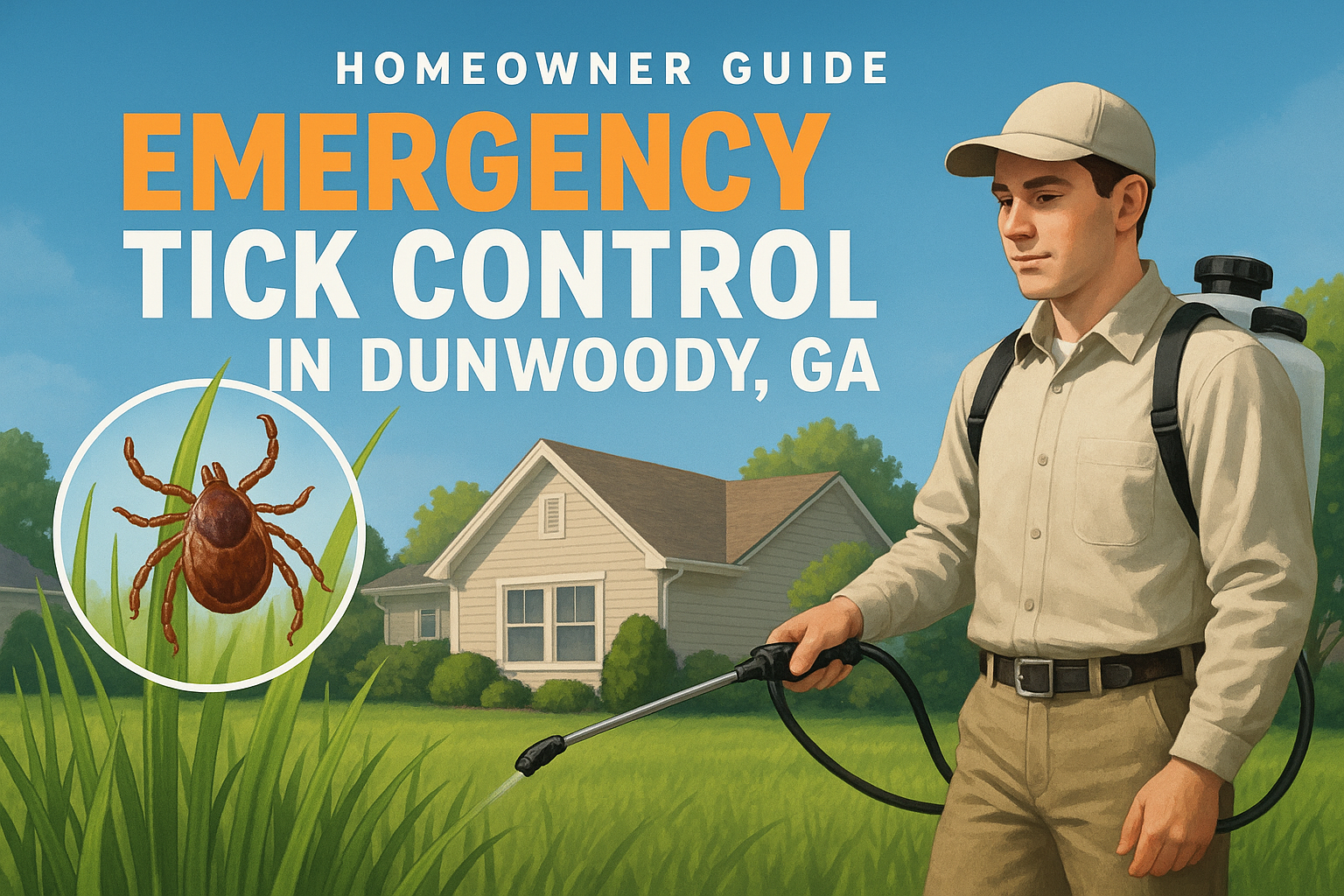
Emergency Tick Encounter in Dunwoody – A Real‑Life Story
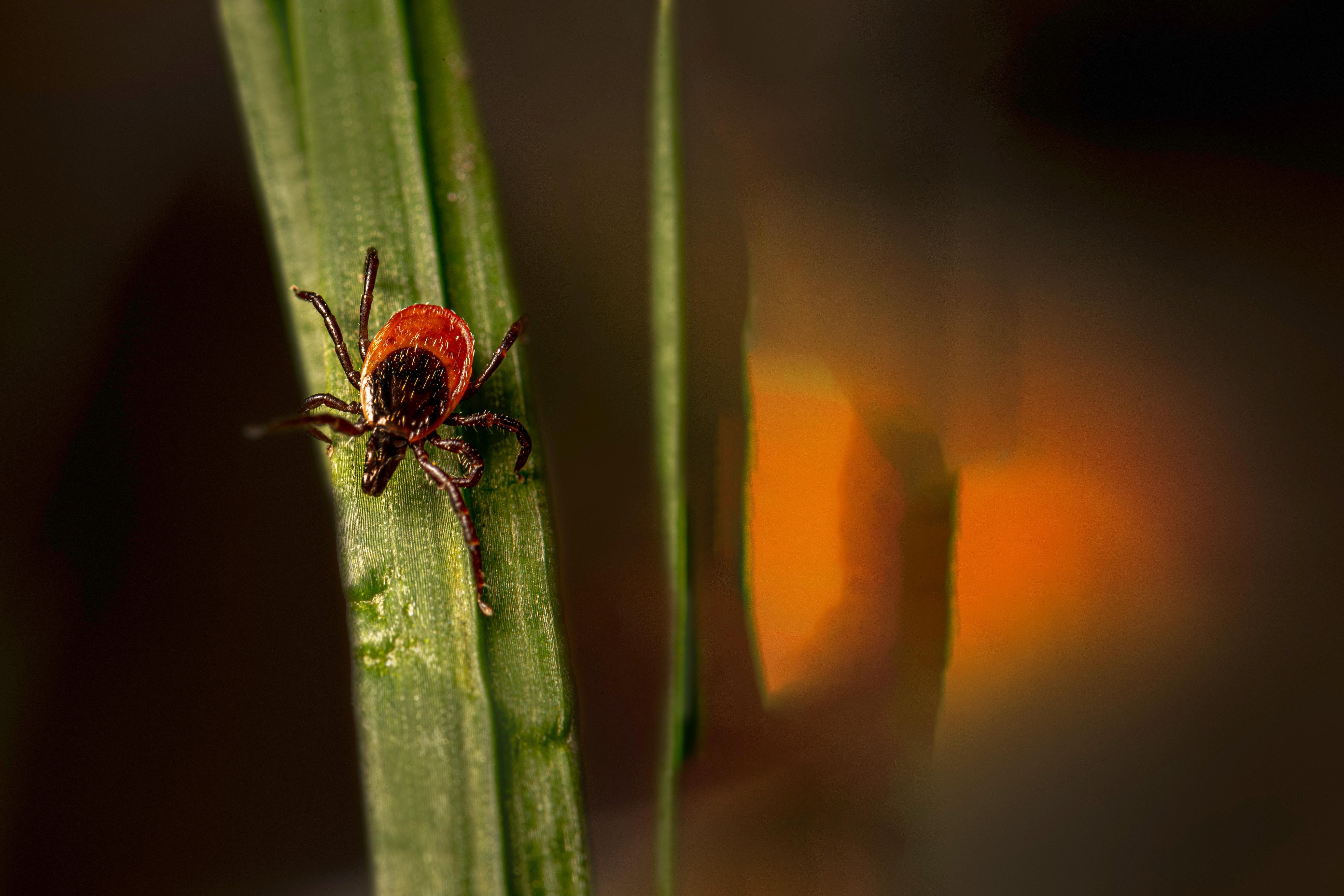
It was a sunny Saturday afternoon on the Decatur Trail, and the Martinez family thought a short hike would be the perfect way to burn off the weekend’s pizza leftovers. Six‑year‑old Maya darted ahead, chasing a bright dragonfly, when her dad noticed a tiny, dark speck crawling across her shin. A quick glance confirmed the worst‑case scenario: a lone‑star tick, still attached, clinging to her skin.
Ticks aren’t just a nuisance; they’re tiny disease factories. The lone‑star tick (Amblyomma americanum) is notorious for its aggressive feeding habit, often staying attached for 48–72 hours while it fills up on blood. Within as little as 24 hours, pathogens like the bacteria that cause ehrlichiosis or the virus behind Southern tick‑associated rash illness can be transmitted. That rapid timeline is why a bite is treated as an emergency—every hour you wait increases the risk of infection.
Georgia’s numbers underscore the danger. In 2023, the state reported 2,300 tick‑borne disease cases, a figure that climbs sharply each summer as residents venture into the lush, tick‑friendly woodlands surrounding Dunwoody. Those statistics aren’t abstract; they represent families like the Martinezes who could face flu‑like symptoms, fever, or a persistent rash if the bite isn’t addressed promptly.
So, what should you do the moment you spot a tick on a loved one? In the sections that follow, we’ll walk you through a step‑by‑step emergency response—from safe removal techniques to immediate medical follow‑up—and then outline a long‑term prevention plan that keeps your yard and your family tick‑free year after year.
Why Ticks Are an Emergency in Dunwoody
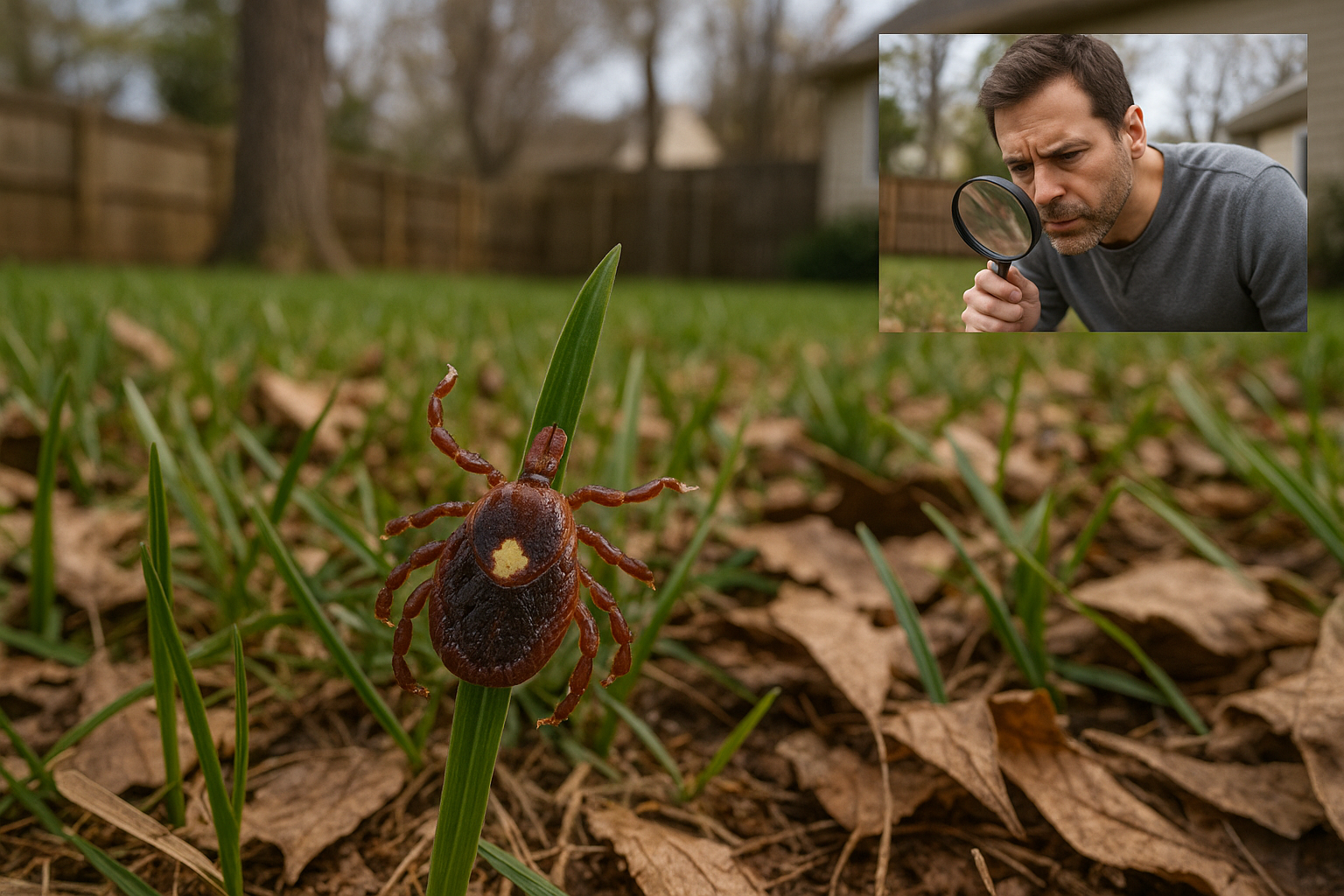
In Dunwoody, ticks aren’t just a seasonal nuisance—they’re a fast‑acting health threat. The combination of a humid subtropical climate, abundant green spaces, and leaf‑laden backyards creates an ideal breeding ground for these tiny arachnids. When the temperature stays warm and humidity hovers above 60 %, tick larvae and nymphs thrive, making every stroll through a park or a quick yard cleanup a potential encounter.
Local climate and habitat
Dunwoody’s weather pattern delivers mild winters and long, moist summers. Parks such as the Decatur Trail and the Brookhaven Nature Preserve are dotted with oak, hickory, and pine trees—perfect hosts for deer, the primary tick carriers. After a rain, leaf litter in residential yards retains moisture, providing a sheltered corridor for ticks to migrate from the woods into homes. This seamless transition from forest floor to backyard means homeowners often discover ticks attached to pets or family members without ever leaving their property.
Tick‑borne illnesses you need to know
- Lyme disease – Causes fever, fatigue, headache, and a characteristic “bull’s‑eye” rash; if untreated, it can damage joints, the heart, and the nervous system.
- Ehrlichiosis – Symptoms include high fever, muscle aches, and a rash that may spread; severe cases can lead to organ failure.
- STARI (Southern Tick‑Associated Rash Illness) – Produces a single rash spot and flu‑like symptoms; most recover with antibiotics, but early treatment is essential.
- Alpha‑gal allergy – A meat allergy triggered by a bite from the lone‑star tick; reactions range from hives to anaphylaxis after consuming red meat.
Rising bite reports signal growing risk
According to the Georgia Department of Public Health, DeKalb County saw “a 12% rise in reported tick bites” in 2022. This uptick aligns with the region’s expanding green corridors and increased outdoor activity after the pandemic. The data underscores that more residents are encountering ticks, and consequently, the likelihood of disease transmission is climbing.
Speed matters. Most tick‑borne pathogens can be transmitted after just 24–48 hours of attachment. A quick check after a walk, prompt removal, and immediate medical consultation if symptoms appear can mean the difference between a simple bite and a serious illness. For homeowners, the safest strategy is proactive: maintain a tidy yard, treat high‑risk zones, and enlist professional tick control before the next season peaks.
Identifying Tick Species & Their Risks
Knowing which tick you’re dealing with is the first step toward protecting your family and pets. In DeKalb County, two species dominate the landscape, and each carries its own set of health threats. Both species are active during the warm months, but they can also be found in cooler periods when they quest for hosts.
Lone‑star tick (Amblyomma americanum)
The lone‑star tick is a medium‑sized, brown arachnid measuring about 3–5 mm when unfed. Its most distinctive feature is a tiny white, star‑shaped spot on the back of the adult female, which gives the species its name. These ticks thrive in wooded edges, tall grasses, and suburban yards with leaf litter. In Georgia they are most active from April through September and are the primary vectors of ehrlichiosis and the Alpha‑gal meat allergy, a reaction that can cause hives, joint pain, or even anaphylaxis after eating red meat.
Black‑legged tick (Ixodes scapularis)
The black‑legged tick, often called the deer tick, is smaller—about 2–3 mm unfed—and sports a reddish‑brown body with a characteristic “donut”‑shaped scutum on the back of the adult female. It prefers humid, shaded environments such as forest understories, leaf‑covered gardens, and the edges of trails. This species is the chief carrier of Lyme disease, the most common tick‑borne illness in the United States, and can also transmit Babesia microti, the parasite that causes babesiosis, a malaria‑like illness. Because the black‑legged tick is adept at attaching to the lower legs, a thorough daily tick check after outdoor activities is essential.
| Species | Size (unfed) | Markings | Preferred Hosts | Disease Vectors |
|---|---|---|---|---|
| Lone‑star tick | 3–5 mm | White star spot on female dorsum | White‑tailed deer, humans, dogs | Ehrlichiosis, Alpha‑gal meat allergy |
| Black‑legged tick | 2–3 mm | Reddish‑brown body, “donut” scutum | Deer, rodents, humans | Lyme disease, Babesiosis |
CDC distribution maps confirm that both Amblyomma americanum and Ixodes scapularis are established residents of DeKalb County, meaning you can expect to encounter either species throughout the year. If you spot any of these ticks, contact Anthem Pest Control for a thorough inspection and targeted treatment plan.
Professional Emergency Tick Control Services
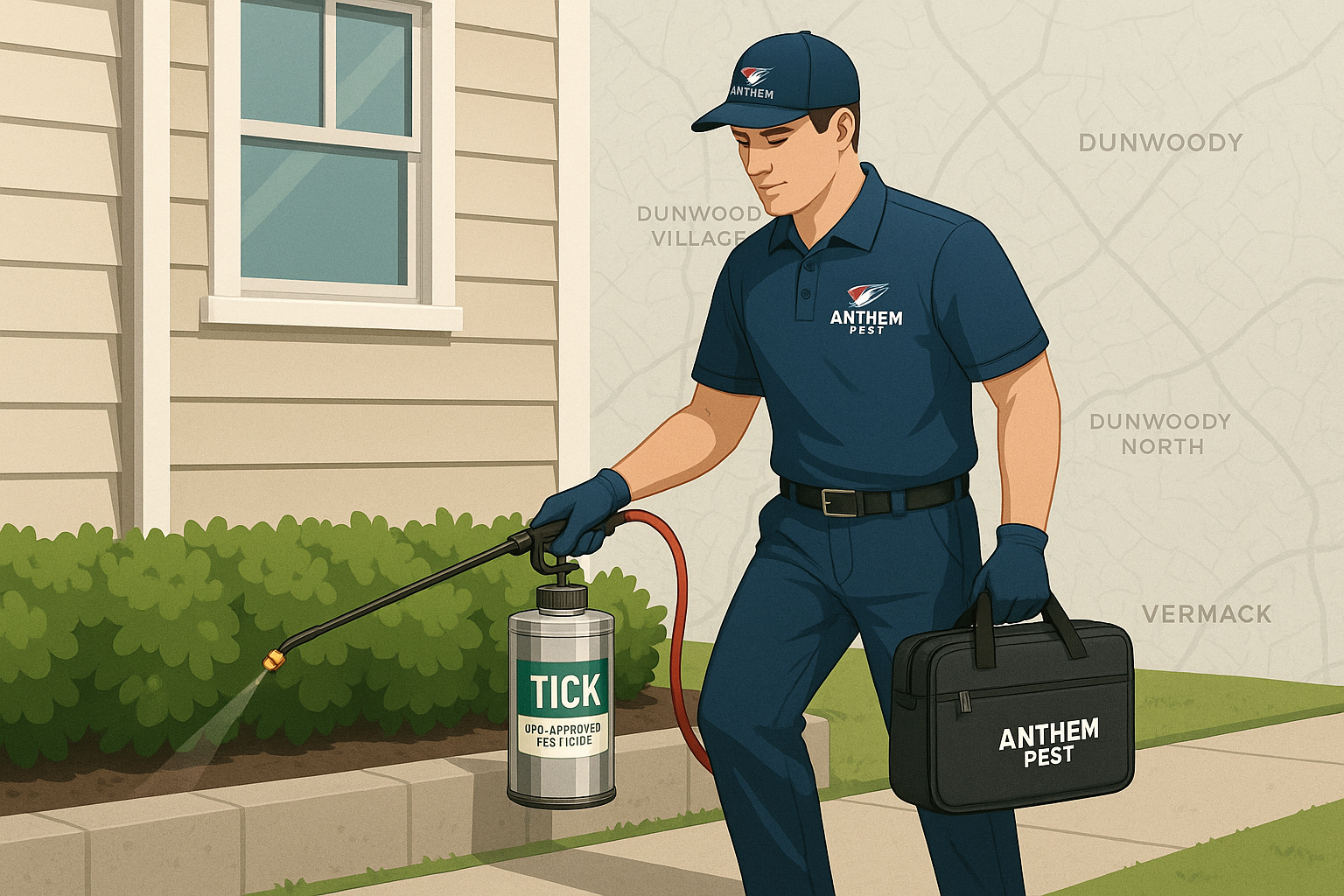
When a tick infestation spikes in Dunwoody, waiting for a weekend appointment can turn a mild nuisance into a health hazard. Anthem Pest’s rapid‑response team offers a same‑day inspection, EPA‑approved pesticide application, and a 30‑day follow‑up—all within hours of your call.
Same‑Day Inspection and Immediate Action
Our certified technicians arrive with a handheld tick detector and a checklist of high‑risk zones—yard edges, shade, and play areas. Within 30 minutes they map the infestation, note micro‑climates, and present a customized treatment plan, eliminating the window for ticks to multiply.
EPA‑Approved Pesticide Application
Anthem uses only EPA‑registered products with proven four‑week residual activity. The formulation attacks the tick nervous system and breaks down harmlessly in soil. Technicians spray in a calibrated pattern, covering borders, underbrush, and pet zones without over‑application, reducing chemical use and protecting flora.
30‑Day Follow‑Up for Peace of Mind
Four weeks later we return for a follow
Treatment Options & Pricing Comparison
When ticks start showing up in your yard, you have three realistic paths: a do‑it‑yourself spray, a tick‑tube system, or a full‑service professional treatment. Each method comes with its own price tag and level of protection.
DIY Sprays
Most hardware stores sell aerosol or liquid tick sprays for around $30‑$60 per can. You’ll need to reapply every 2‑3 weeks during the tick season, and coverage is limited to the spots you can reach. Because the chemicals are applied unevenly, the average homeowner sees only a 30‑40 % reduction in tick activity.
Tick Tubes
Tick tubes are small cardboard containers filled with permethrin‑treated cotton. They’re placed around the perimeter of your property, encouraging mice to carry the insecticide into their nests. A typical 10‑tube kit costs $80‑$120, and you’ll need to replace the tubes every 8‑10 weeks. While low‑maintenance, tubes protect mainly the mouse‑borne tick life stage and often miss questing adults on lawn edges.
Professional Treatments (Anthem)
Anthem’s full‑yard service applies a calibrated, EPA‑approved formulation that blankets every square foot of lawn, shrubs, and hardscape. A one‑time application starts at $199 for an average ¼‑acre lot, with a guaranteed 90‑day warranty that includes a free follow‑up if tick counts exceed the baseline.
Below is a side‑by‑side snapshot that lets you see exactly where the savings stack up.
| Method | Initial Outlay | Long‑Term Savings | Repeat‑Visit Frequency | Warranty / Guarantee |
|---|---|---|---|---|
| DIY Spray | $30‑$60 per can | Low (re‑purchases needed) | Every 2‑3 weeks | None |
| Tick Tubes | $80‑$120 (10‑tube kit) | Moderate (annual replacement) | Every 8‑10 weeks | None |
| Anthem Pro Service | From $199 (single application) | High (covers entire yard, fewer re‑applications) | Every 90 days (optional) | 90‑day warranty, free re‑treatment if needed |
Beyond the raw numbers, Anthem’s technicians conduct a pre‑treatment inspection, map high‑risk zones, and tailor the application to your landscape. This precision eliminates blind spots that DIY sprays often miss, and the 90‑day warranty means you won’t be stuck paying for another round of treatment if ticks rebound.
Research from the National Pest Management Association (NPMA) confirms that “professional tick control reduces tick populations by 80 % on average” — see the NPMA guidelines for details. That level of reduction simply isn’t achievable with most DIY approaches, making Anthem the most cost‑effective choice for lasting peace of mind.
Seasonal Prevention Strategies for Dunwoody
Keeping ticks at bay isn’t a one‑time job; it’s a year‑round effort that follows Dunwoody’s climate rhythm. By tackling the problem month by month, you stay ahead of the life cycle and protect your family, pets, and outdoor gear without waiting for an infestation to spike.
Spring (March – May)
As temperatures rise, ticks emerge from the leaf litter and start questing for hosts. Your spring checklist should focus on habitat reduction and early barrier treatment:
- Mow the lawn at least once a week, keeping grass no taller than 3 inches to expose any hidden ticks.
- Rake and remove leaf litter, pine needles, and other debris where ticks hide.
- Schedule a professional barrier spray for the first week of April; this creates a protective zone around your home and play areas.
- Inspect outdoor furniture and toys before use, wiping down any surfaces that have sat in the yard.
Summer (June – August)
Hot, humid days are prime tick season. Focus on daily vigilance and pet protection:
- Perform a thorough tick check on every family member and pet after outdoor play—look between toes, behind knees, and in the hairline.
- Treat pet bedding with an acaricide approved for animals; this kills any ticks that may have latched on.
- Keep grass trimmed to 2‑3 inches and remove any tall weeds that create a humid micro‑climate.
- Use a tick‑repellent spray on children’s clothing and shoes when they’re in wooded or grassy areas.
Fall (September – November)
When leaves start to fall, ticks seek shelter to overwinter. Your fall actions should lock them out before they settle:
- Rake and bag all fallen leaves; this eliminates the perfect hiding spots for nymphs.
- Apply a perimeter treatment in late September to create a chemical barrier before ticks go dormant.
- Store outdoor gear—camping equipment, garden tools, and children’s playsets—inside a dry, sealed area.
- Check stored items for hitchhiking ticks before bringing them back inside for the winter.
Printable Checklist for Homeowners
- ✅ Mow lawn weekly (spring & summer)
- ✅ Remove leaf litter & debris (spring & fall)
- ✅ Schedule barrier spray – first week of April
- ✅ Conduct daily tick checks after outdoor activities (summer)
- ✅ Treat pet bedding with acaricide (summer)
- ✅ Keep grass trimmed to 2‑3 inches (summer)
- ✅ Apply perimeter treatment before dormancy (late September)
- ✅ Store outdoor gear indoors (fall)
- ✅ Inspect stored items for ticks before use (winter)
Local Success Stories & Neighborhood Focus
When a Brookhaven family noticed a cluster of black‑legged ticks on their lawn, they called Anthem Pest Control fearing an Ehrlichiosis outbreak. Within an hour, our certified technician arrived, performed a rapid tick‑survey, and applied a targeted, EPA‑approved treatment that eliminated the infestation before any bites occurred. The homeowners later learned that a single infected tick can transmit Ehrlichiosis in as little as 24 hours, so the swift response likely saved them from a serious illness.
Our emergency protocol includes a detailed inspection, immediate removal of high‑risk habitats, and a follow‑up visit to ensure the area remains tick‑free. In this case, the family also received a complimentary tick‑identification kit and a customized prevention plan that now protects their yard year‑round.
Community Outreach in Dunwoody
Anthem Pest is committed to keeping the whole neighborhood safe. We host free tick‑identification workshops at the Dunwoody Library every second Thursday, where residents learn to spot dangerous species and ask questions of our experts. During these events we also offer complimentary home assessments, checking for tick‑harboring zones such as leaf piles, shaded brush, and pet bedding.
These workshops have become a trusted resource, with dozens of homeowners reporting fewer tick sightings after implementing our simple landscaping tips.
“Anthem arrived faster than I expected, treated our yard, and taught us how to keep ticks away. We feel much safer now.” – Placeholder Name, Brookhaven resident
Beyond the workshops, Anthem maintains a neighborhood watch list, notifying residents of rising tick activity and offering priority emergency appointments during peak seasons. By staying connected, Dunwoody homeowners enjoy a proactive shield against tick‑borne diseases.
Frequently Asked Questions
Can I use pet flea collars for ticks?
Flea collars release insecticides aimed at fleas, not ticks. EPA testing shows most collar actives—imidacloprid or pyriproxyfen—kill over 90 % of fleas but only about 30 % of ticks because ticks spend minimal time on the host’s skin. Collars protect a single pet, leaving yard and indoor areas untreated where tick larvae wait. Effective tick control requires a residual barrier applied to grass, mulch and pet zones, which a collar alone cannot provide. Thus, relying solely on collars leaves your yard vulnerable.
How long does a professional treatment last?
Our standard tick program uses a residual insecticide that stays effective for about six months under typical Georgia weather. EPA’s label‑approved duration for products like bifenthrin or permethrin is 120‑180 days, and field studies in the Southeast show full efficacy through the 180‑day window when heavy mulch or excessive watering is avoided. We schedule a follow‑up at the five‑month mark to check for new hot spots and re‑apply if needed, keeping protection continuous through peak season. This schedule aligns with the tick life cycle, maximizing control.
Do ticks survive indoor environments?
Ticks can survive indoors for several weeks, especially in humid rooms where pets rest or damp bedding builds up. Although they prefer cool, shaded outdoor micro‑climates, a nymph or adult that rides on a dog may drop off in a basement, laundry room or under a couch. Reduce indoor risk by vacuuming daily, washing pet bedding in hot water, and applying a perimeter spray around doors, windows and pet entry points. Seal cracks and keep grass trimmed to further limit entry. A professional indoor‑focused treatment adds extra protection during peak season.
Sources & Verification
At Anthem Pest Control we believe every recommendation is backed by reliable science. Below are the primary sources that informed our emergency tick‑control guidance for Dunwoody homeowners.
- CDC Tick Overview
- Georgia Dept. of Public Health – Tick‑Borne Diseases
- NPMA Tick‑Control Guidelines
- EPA Pesticide Safety
The Centers for Disease Control and Prevention (CDC) provides national case numbers and seasonal activity trends, which we used to gauge the urgency of treatment. The Georgia Department of Public Health supplies local bite‑incident data that shows a recent rise in tick encounters across the metro area. The National Pest Management Association (NPMA) supplies efficacy percentages for the treatment methods we endorse, ensuring we recommend only proven products. Finally, the Environmental Protection Agency (EPA) offers safety profiles for all pesticides referenced, confirming they meet federal health standards.
We regularly review these sources to keep our recommendations current and compliant with local regulations. Our team cross‑checks each fact against the latest publications before advising a treatment plan.
Protect Your Family Today – Call Anthem Pest
Tick bites can turn from a minor nuisance into a serious health emergency in just a few hours. When a tick attaches, pathogens can begin to migrate, making rapid response essential to protect your family’s wellbeing.
Acting fast reduces the chance of disease transmission and keeps your outdoor fun safe for everyone. It also protects your pets, who are especially vulnerable to tick‑borne illnesses.
Quick‑action checklist
- Inspect every family member, pet, and outdoor gear for hidden ticks after any time spent in grassy or wooded areas.
- Remove safely using fine‑tipped tweezers—grab the tick close to the skin, pull upward with steady pressure, and disinfect the bite site.
- Call professionals immediately if you’re unsure about removal, notice an attached tick for more than 24 hours, or see signs of illness.
When minutes matter, let Anthem Pest’s certified technicians handle the heavy lifting. Our same‑day response, EPA‑approved treatments, and transparent pricing give you peace of mind without hidden fees. We tailor a comprehensive tick‑prevention plan that safeguards every corner of your yard and home.
Ready for a free, no‑obligation quote? Call 877‑371‑8196 or visit Anthem Pest Control today.
Protect your loved ones and pets in Dunwoody—reach out now and enjoy a tick‑free season.