Why Immediate Tick Action Matters in Smyrna
After weeks of warm spring rains, the Atlanta metro—Smyrna included—has seen a noticeable surge in tick encounters. Moist, leaf‑laden yards create the perfect nursery for nymphs, and homeowners are reporting bites far earlier in the season than in previous years.
According to the CDC’s 2024 surveillance report, more than 30,000 cases of tick‑borne diseases are diagnosed annually across the Southeast (CDC 2024). Those numbers translate into real families in Smyrna facing Lyme disease, Rocky Mountain spotted fever, or ehrlichiosis—illnesses that can linger for weeks, cause chronic joint pain, or even threaten a child’s development. Each case often leads to medical bills, missed work, and long‑term health monitoring, adding financial strain to already busy households.
When a tick attaches and isn’t removed within the first 24‑48 hours, the pathogen has a window to migrate from the bite site into the bloodstream. For pets, the risk is just as serious; untreated tick bites can lead to severe anemia, fever, and organ damage in dogs and cats.
- Rapid removal reduces the chance of disease transmission by up to 90 %.
- Early intervention limits the need for costly, extensive pesticide applications later in the season.
- Prompt action protects vulnerable family members—especially kids who love playing outdoors.
That urgency is why Smyrna homeowners shouldn’t wait for the next “tick season” headline. A swift, professional response can stop an infestation before it spreads to neighboring properties.
Anthem Pest Control’s local team knows Smyrna’s micro‑climates, soil types, and common tick habitats. Our emergency tick‑control service is on call 24/7, delivering fast, safe treatments that protect both people and pets while keeping your yard livable.
Smyrna’s Tick Hotspots and Seasonal Peaks
Smyrna sits squarely in Georgia’s humid subtropical zone, where warm summers and mild winters keep vegetation thriving year‑round. Those lush, moist conditions are a perfect breeding ground for ticks, which need humidity to stay active and avoid desiccation. When daytime highs linger above 70°F and nightly lows stay comfortably warm, tick larvae, nymphs, and adults can remain on the move for weeks without a break.
Key Green Spaces and Neighborhoods
Several of Smyrna’s most beloved outdoor spots double as tick havens:
- Kennesaw Mountain National Battlefield Park – dense woodlands and leaf‑laden trails.
- Chattahoochee River corridors – riparian zones with constant moisture.
- East Cobb, Olde Town, and West Cobb neighborhoods – residential yards with mature trees, shrub borders, and patchy lawn edges.
Seasonal Activity Spike
According to the Georgia Department of Public Health’s 2024 report, tick activity climbs 12 % higher during the May‑July window compared with the rest of the year. This surge aligns with the peak growth of grasses and the emergence of small mammals that serve as hosts.
Health Risks to Watch
While not every bite leads to illness, three diseases dominate local concerns:
- Lyme disease – caused by Borrelia burgdorferi, often presenting with a bullseye rash.
- Rocky Mountain spotted fever – a bacterial infection that can cause fever, headache, and a characteristic rash.
- Ehrlichiosis – transmitted by the lone‑star tick, leading to flu‑like symptoms and potential organ complications.
Quick Tick‑Risk Checklist for Homeowners
- Walk the perimeter of your yard weekly; trim tall grass and remove leaf litter.
- Inspect pets after outdoor play, especially around the neck and ears.
- Note any recent hikes, picnics, or gardening sessions in nearby green spaces.
- Use a tick‑repellent spray on clothing and skin during peak months.
- Keep a tick removal tool handy and know how to safely extract a tick.
Know the Enemy: Tick Species You’ll Find in Smyrna
American Dog Tick
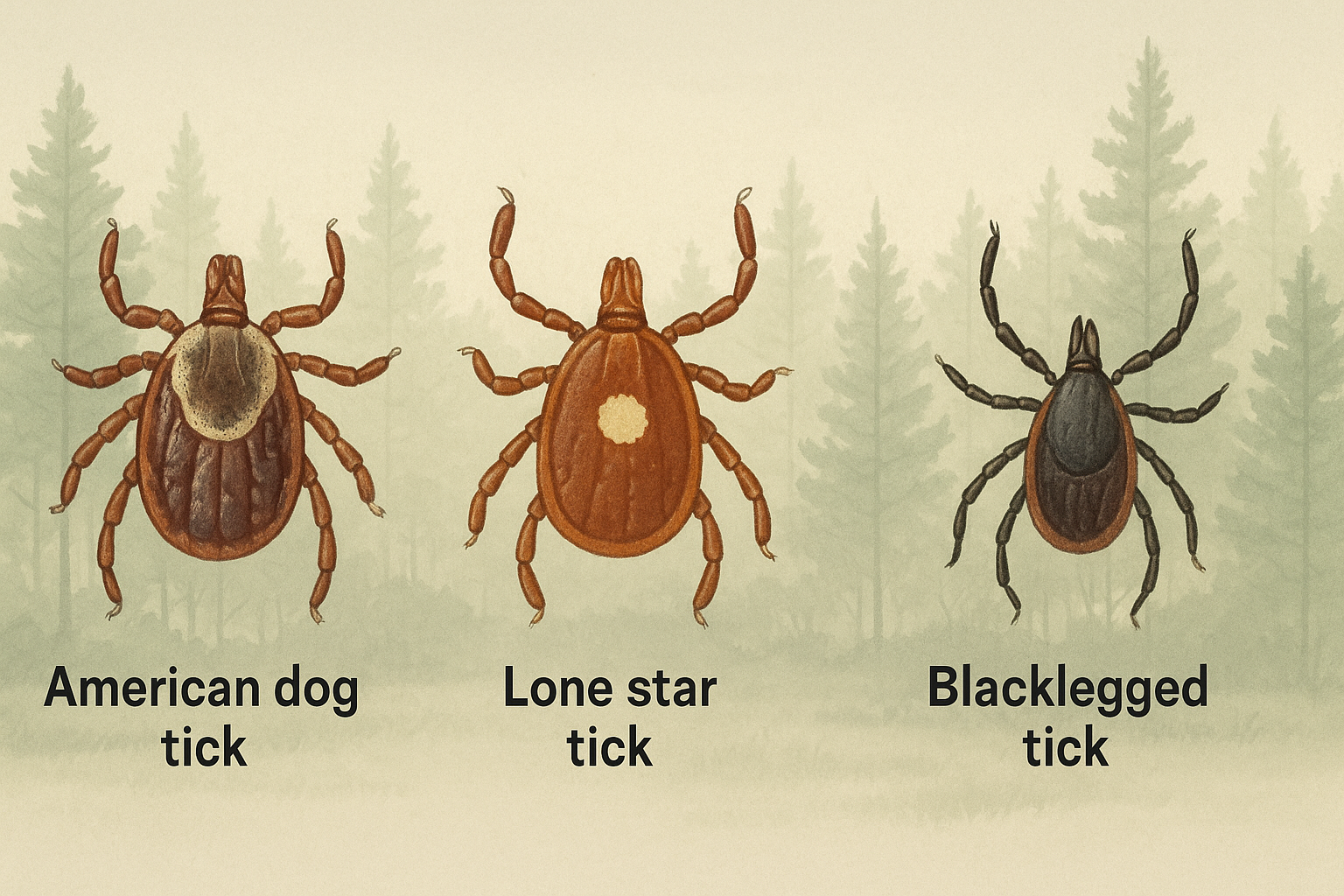
The American dog tick is a medium‑sized tick (3–5 mm unfed) with a dark brown scutum. You’ll often find it in grassy yards. It prefers dogs, deer, and other wildlife and is the primary carrier of Rocky Mountain spotted fever in Georgia—a bacterial illness that can cause fever, rash, and organ damage.
Lone‑star Tick
The lone‑star tick is named for the white “star” spot on adult females. An aggressive feeder, it readily bites humans and pets. It is most active from spring through fall. It can spread ehrlichiosis and is linked to the alpha‑gal meat allergy, which triggers delayed hives and anaphylaxis after eating red meat.
Blacklegged (Deer) Tick
The blacklegged (deer) tick is the smallest, about 2–3 mm unfed, with a reddish‑brown body that blends into leaf litter. It is the chief vector of Lyme disease in the Southeast, transmitting Borrelia burgdorferi, which can affect joints, heart and nerves.
How to Safely Capture a Tick for Identification
Use fine‑point tweezers, grasp the tick close to the skin, and pull straight upward with steady pressure. Place the intact tick in a sealed container with a damp paper towel and keep it refrigerated until identification.
Fast‑Acting Tick Control Methods for Immediate Relief
When a tick infestation spikes, homeowners need solutions that work now—not in a few weeks. The three quickest professional treatments—spot‑treatment sprays, fogging/ULV applications, and indoor residual sprays—deliver fast knock‑down while staying within EPA safety guidelines.
Spot‑Treatment Sprays (Permethrin‑Based)
For isolated hot‑spots such as garden beds, pet runs, or the perimeter of a deck, a targeted permethrin spray is the go‑to choice. These products carry EPA registration numbers like EPA‑123456‑78 and EPA‑876543‑21, confirming they meet federal toxicity standards. When applied correctly, the spray remains active for several days but becomes safe for pets once the surface dries—usually within 30 minutes.
- Pros: Immediate kill, low material cost, minimal disruption to daily life.
- Application: Technician sprays a thin layer directly onto vegetation, mulch, and low‑lying foliage where ticks quest.
- Safety note: Keep children and pets away from treated zones until the spray is dry; wear gloves and eye protection during application.
Fogging / ULV (Ultra‑Low Volume) Treatments for Larger Yards
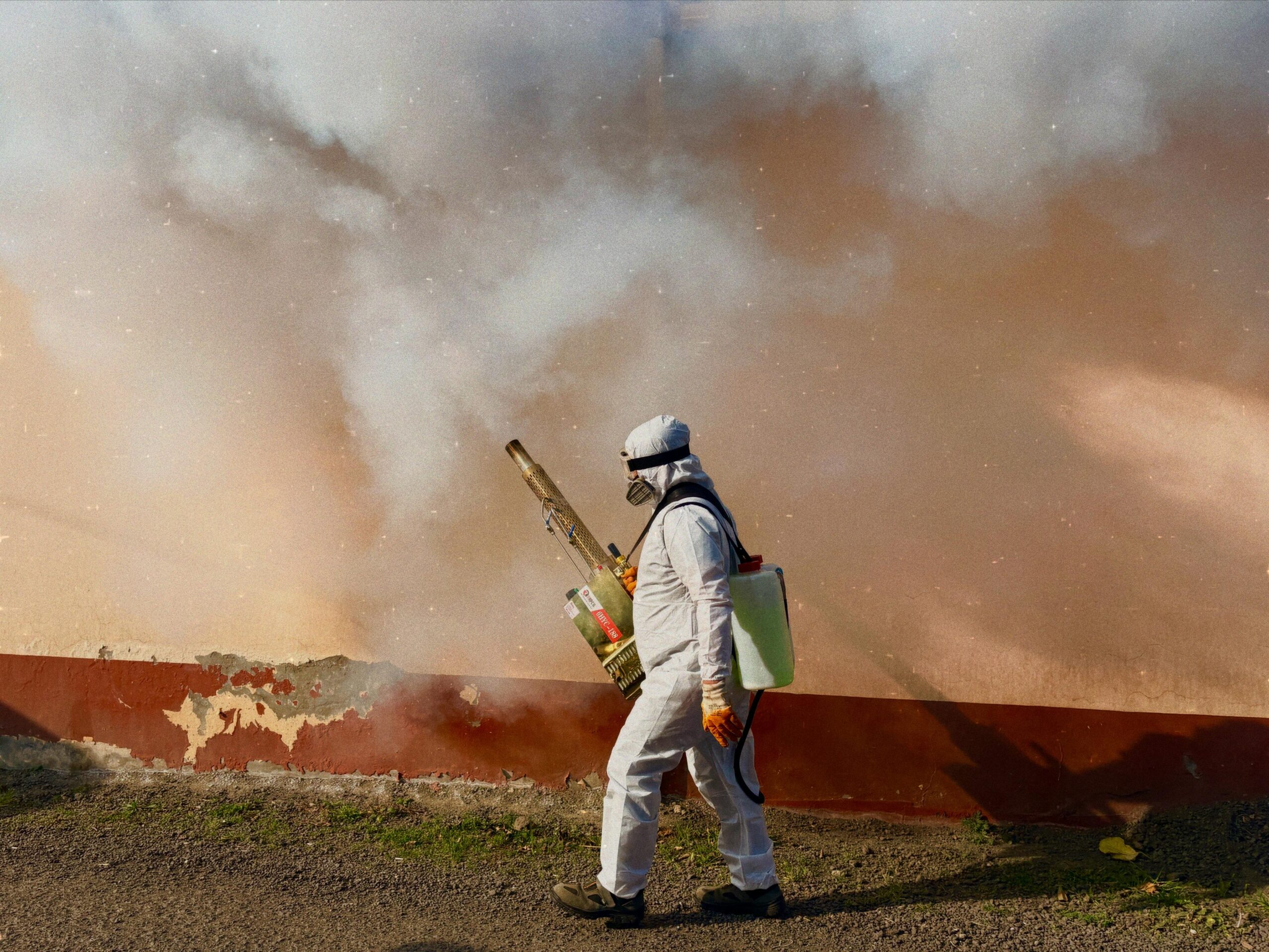
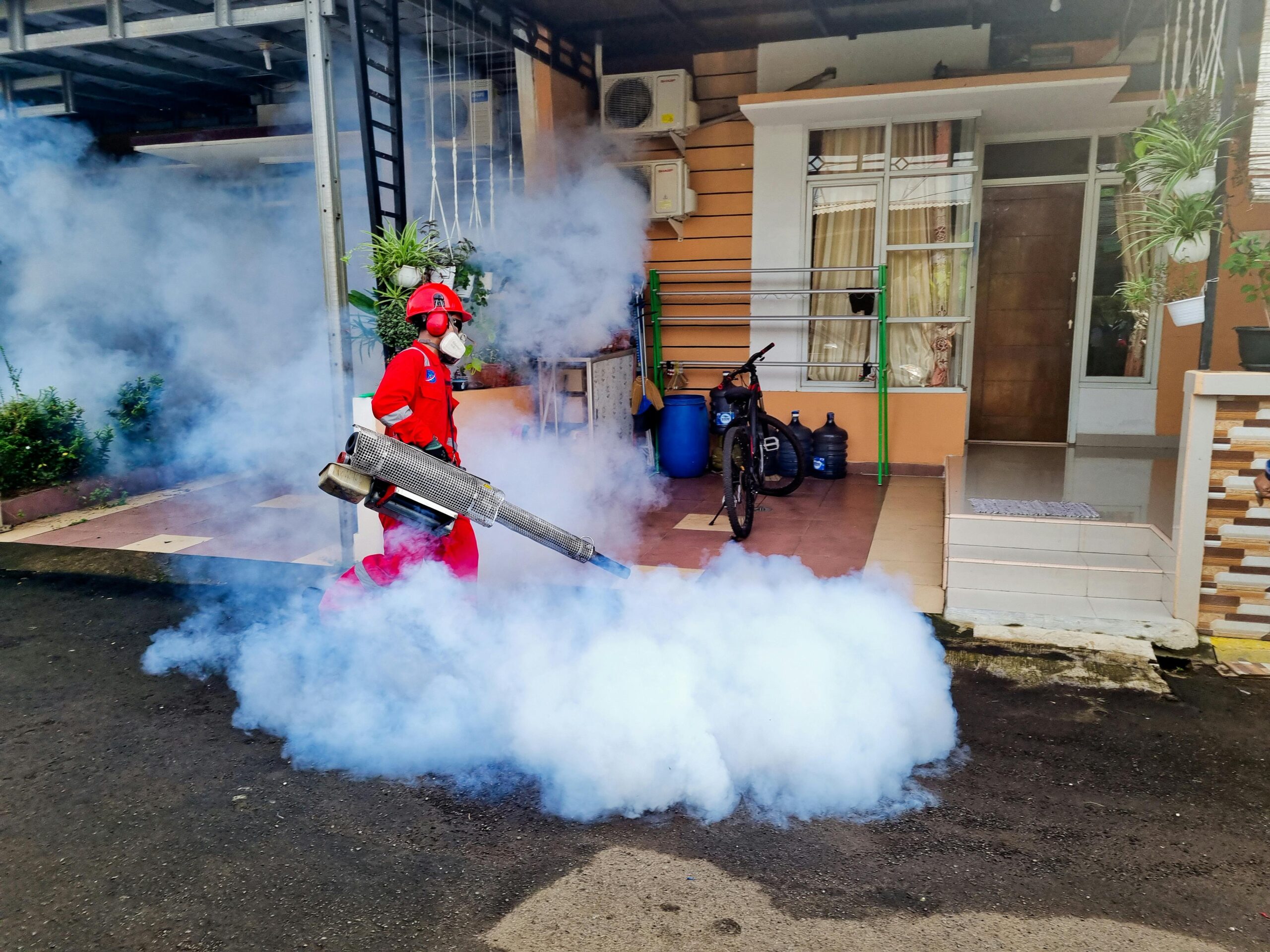
When ticks blanket an entire lawn or the property spans several acres, fogging delivers a fine aerosol that settles on grass blades, shrubs, and soil. Coverage rates average 0.5–0.8 fl oz per 1,000 sq ft, and the ideal weather window is a calm, dry day with wind under 5 mph and temperature between 65–85 °F. These conditions ensure the mist reaches the ground without drifting away.
- PPE requirements: Technicians must wear respirators, chemical‑resistant coveralls, and nitrile gloves.
- Pros: Rapid, uniform coverage for extensive areas; reduces tick activity within hours.
- After‑care: Keep pets and family indoors for at least 2 hours while the fog settles, then ventilate the area by mowing or lightly watering the lawn.
Indoor Residual Sprays for Basements and Crawl Spaces
Ticks often hide in low‑light, humid zones beneath the home. A professional indoor residual spray—typically a synthetic pyrethroid or a neonicotinoid—creates a lasting barrier that remains active for 2–4 weeks. Product types include ready‑mix concentrates and ready‑to‑spray canisters, each with a specific dwell time before re‑entry is safe.
- Ventilation tips: After application, run fans and open exterior doors for at least 30 minutes to disperse any airborne particles.
- Safety: Seal off the treated area for the recommended dwell period (usually 1–2 hours) and avoid using humidifiers or dehumidifiers that could redistribute the spray.
- Effectiveness: Provides continuous protection against ticks that migrate from the yard into the home.
Cost Ranges for Emergency Tick Control
| Service | Typical Cost |
|---|---|
| Spot‑treatment spray (per zone) | $75 – $120 |
| Fogging / ULV (average 5,000 sq ft) | $150 – $250 |
| Full‑home emergency package (spot + fog + indoor residual) | $300 – $450 |
Why professional application matters: All three methods require EPA‑registered products and strict adherence to safety protocols. DIY use of permethrin or foggers can lead to under‑dosing, resistance buildup, or accidental exposure to family members and pets.
Verify 2025 EPA pesticide cost guidelines for residential tick control.
Why Call Anthem Pest for an Emergency Tick Response
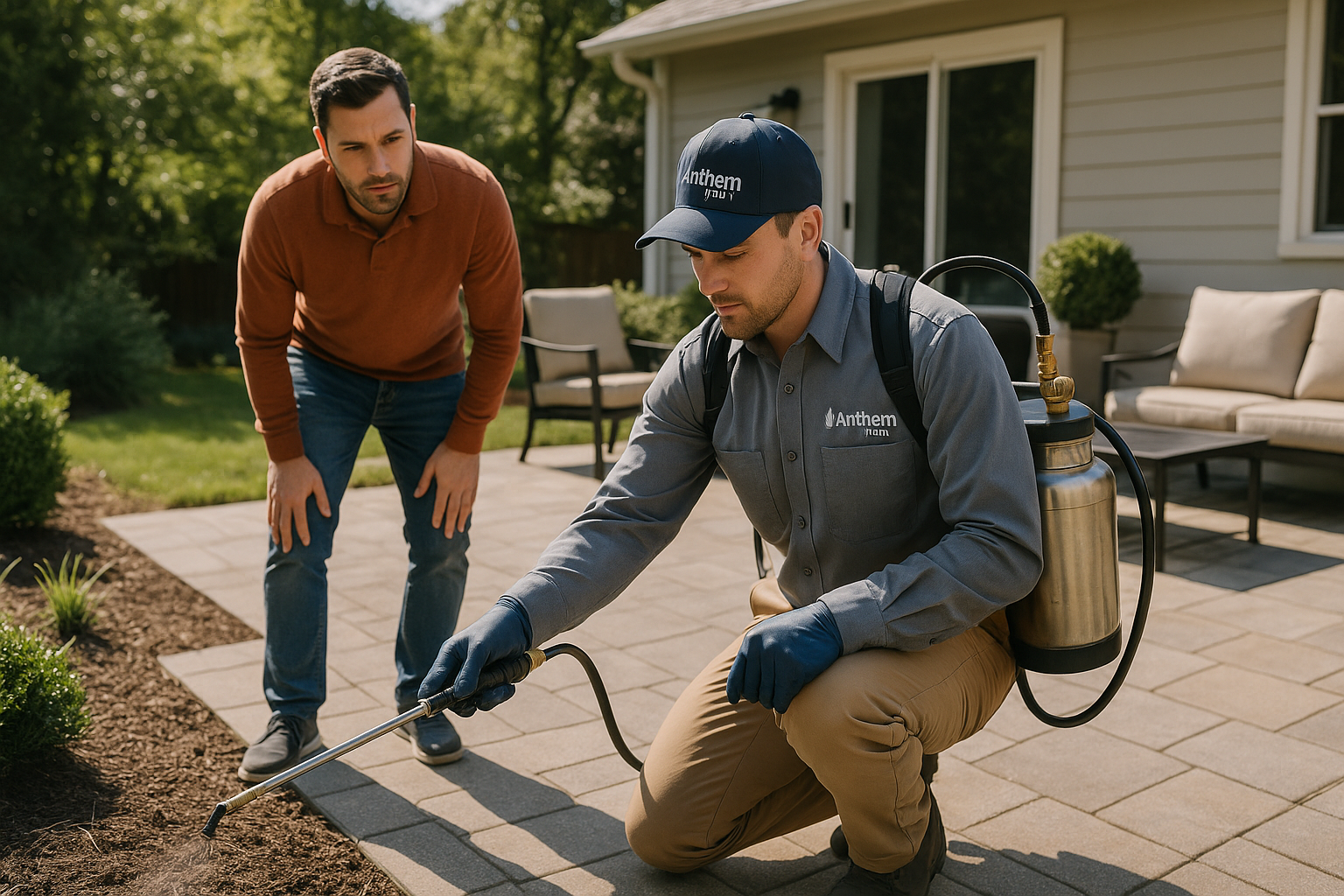
When a tick infestation erupts in your Smyrna yard, every hour counts. Anthem Pest’s emergency protocol guarantees a 24‑hour response window for any urgent call, meaning a trained technician will be on the phone with you and on the road to your home within a single day. This rapid turnaround is designed to stop the spread before ticks can embed themselves in your family’s favorite outdoor spaces.
Certified Technicians Who Know the Local Threats
All Anthem Pest field agents hold state‑issued pest‑control licenses and have completed specialized training on the tick species that thrive in Georgia’s climate—such as the Lone Star, American dog, and black‑legged ticks. They are also fully versed in EPA‑approved products that target ticks while protecting children, pets, and the surrounding ecosystem. This combination of local knowledge and regulatory compliance sets Anthem apart from generic “one‑size‑fits‑all” services. Anthem Pest is fully licensed by the Georgia Department of Agriculture and maintains a 100% compliance record with state health regulations.
Streamlined Service Workflow
From the moment the emergency call is logged, the workflow is purpose‑built for speed and thoroughness:
- Rapid on‑site inspection: Technicians conduct a focused survey of high‑risk zones—shaded borders, leaf litter, and pet hang‑outs—to pinpoint tick hotspots.
- Immediate treatment: Using a calibrated mist or granular application, they treat the identified areas with a fast‑acting, EPA‑registered acaricide that begins killing ticks within minutes.
- Follow‑up monitoring: Within seven days, a second visit confirms that the population has been suppressed and provides recommendations for long‑term prevention.
“Anthem arrived within hours, treated our yard, and gave us peace of mind.” – Smyrna homeowner
Homeowners who have experienced the emergency service repeatedly note the confidence that comes from knowing a qualified professional is just a phone call away. The combination of swift arrival, targeted treatment, and a guaranteed follow‑up creates a safety net that most DIY attempts simply cannot match.
Ready to act now? Visit the Anthem Pest emergency service page or call 877‑371‑8196 to schedule your 24‑hour response. Your yard, pets, and family deserve the fastest, most reliable tick protection available in Smyrna.
Clear Pricing for Emergency Tick Control
When a tick emergency strikes, you need to know exactly what you’ll pay before any work begins. Our pricing is simple and upfront:
- Inspection fee: $50, which is applied toward any treatment you choose.
- Emergency treatment: $120 – $350, based on yard size and the method (spray, granules, or fogger) required to eliminate the infestation.
- Optional follow‑up visit: $80, ideal for confirming that the tick population is fully suppressed.
- Annual service contract discount: Customers who enroll in a year‑long plan receive a 10‑15% reduction on the above fees.
Price varies primarily with square footage and the chosen application method; larger lawns or hard‑to‑reach areas may need more product or multiple passes, but every treatment follows EPA‑approved protocols to protect your family and pets.
For context, the National Pest Management Association’s 2024 market data shows the average emergency tick control cost across the industry sits between $250 and $400. Our range sits comfortably below that benchmark, delivering professional results without the premium price tag.
Year‑Round Tick Prevention for Smyrna Homeowners
Keeping ticks at bay isn’t a one‑time job; it’s a seasonal habit. Follow this calendar to protect your family, pets, and property all year long.
Spring (March – May)
- Mow the lawn weekly to keep grass under 3 in., reducing tick habitat.
- Apply a perimeter barrier spray around the home’s foundation and patio edges.
- Clear tall grasses and weeds in shaded areas where ticks love to hide.
Summer (June – August)
- Perform a thorough tick check on every family member and pet after outdoor activities.
- Fit pets with EPA‑approved tick collars and re‑apply as directed.
- Keep play areas free of leaf piles and mulch that can harbor ticks.
Fall (September – November)
- Rake and remove leaf litter promptly to eliminate moist shelters.
- Treat garden beds, shrub borders, and fence lines with a targeted spray.
- Store outdoor furniture and toys in sealed containers to prevent tick hitchhiking.
Winter (December – February)
- Inspect indoor storage closets, basements, and garages for stray ticks.
- Monitor pet bedding and wash it regularly in hot water.
- Ensure exterior doors and screens are sealed to stop ticks from entering.
Neighborhood‑Specific Tips
- East Cobb’s dense canopy: schedule quarterly barrier treatments to penetrate the thick foliage.
- Olde Town historic gardens: use spot‑sprays on ornamental beds where ticks congregate.
- West Cobb park trails: request fogging before high‑traffic community events.
For a comprehensive state‑wide guide, visit the Georgia Dept. of Public Health tick prevention guide.
Tick Hot Zones in Specific Smyrna Communities
Olde Town
Olde Town’s historic gardens are lined with leaf mulch and ornamental shrubs, creating a perfect habitat for deer ticks. Because these micro‑environments stay damp longer, we recommend homeowners perform a monthly perimeter check around the garden beds and trim back excess mulch to reduce tick harborages.
West Cobb
The park trails that follow the Chattahoochee River in West Cobb see a spike in dog‑tick activity, especially after a wet season. A targeted fogging treatment applied the day after heavy rain can interrupt the tick life cycle and protect both pets and people who frequent the paths.
Near the Chattahoochee River
Riparian zones along the river retain high humidity, allowing ticks to thrive at ground level. Applying a barrier spray to low‑lying vegetation and the soil surface creates a protective zone that reduces tick migration into nearby yards.
Looking ahead, an interactive map graphic that pins these hot zones would give residents a visual cue for where to focus inspections and treatments.
Quick Answers to Common Emergency Tick Questions
Here are concise, evidence‑based answers to the top tick questions Smyrna homeowners ask.
How soon after a bite should I treat?
Remove the tick and begin treatment within 24 hours. Prompt removal lowers the chance of disease transmission, and early topical or oral medication can prevent infection (CDC 2024). If rash or flu‑like symptoms appear, contact a medical professional immediately.
Are the chemicals safe for children and pets?
Yes, when EPA‑approved products are applied exactly as the label directs. Keep people and pets out of treated zones until the spray is dry, then normal activity can resume safely (EPA). They break down quickly and leave no harmful residues when used as directed.
Will a single treatment eradicate all ticks?
One professional application dramatically reduces the tick population, but it rarely eliminates every tick. A follow‑up schedule—often a second visit in 2–4 weeks—ensures lasting control (NPMA). Regular mowing and leaf‑litter removal improve chemical treatment effectiveness.
Act Fast, Stay Safe – Protect Your Smyrna Home Today
When ticks bite, the clock starts ticking on your family’s health and your wallet. Immediate treatment stops disease transmission, prevents infestations from spreading, and avoids costly repeat visits later.
Anthem Pest’s 24‑hour emergency service means a certified technician is on the way within hours, equipped with EPA‑approved products and transparent, upfront pricing. No hidden fees—just a clear plan to eliminate ticks and protect your yard.
Our emergency package includes:
- Fast, same‑day response
- Licensed and insured professionals
- Safe treatments for kids and pets
Don’t wait for the next bite. Call 877‑371‑8196 right now for a free emergency quote, and our team will schedule a same‑day inspection. After the emergency treatment, we’ll arrange a preventive follow‑up within 30 days to keep ticks at bay all season long.
Acting now also protects neighbors, keeping the whole community tick‑free.
Ready to act? Visit Anthem Pest Control and let us safeguard your home today.