Why Fleas Are a Growing Concern
Flea biology and life cycle
Fleas (Ctenocephalides spp.) are tiny, wingless insects that thrive on the blood of mammals and birds, which is why homeowners often seek help from a professional flea exterminator Suwanee residents trust. Their life cycle consists of four stages: egg, larva, pupa, and adult. A single female can lay up to 50 eggs per day, depositing them in carpet fibers, pet bedding, or cracks in the floor. Eggs hatch within 2–5 days, releasing larvae that feed on organic debris and adult flea feces. After 5–11 days, the larvae spin cocoons and enter the pupal stage, where they can remain dormant for weeks or months until vibrations or carbon-dioxide cues signal a host nearby. Once the adult emerges, it jumps onto a pet or human, begins feeding, and the cycle repeats.
Health impacts on humans and pets
Flea bites are more than a nuisance. On skin they appear as small, red, itchy papules that can turn into painful welts. Sensitive individuals may develop allergic dermatitis, leading to intense scratching and secondary skin infections. Fleas also act as vectors for several pathogens: they can transmit the bacterium Yersinia pestis (the plague), murine typhus, and tapeworms (Dipylidium caninum) when pets ingest an infected flea. While severe disease is rare in the United States, the risk escalates in homes with outdoor access or in areas where wildlife hosts are common.
Economic and comfort costs
Beyond health, flea infestations erode the comfort of a home. Constant scratching disrupts sleep, reduces productivity, and creates a pervasive sense of unease. Fleas and their larvae feed on carpet fibers and upholstery, leaving behind tiny, yellowish stains and a lingering odor. Over time, repeated treatments, replacement of damaged textiles, and professional extermination fees can add up to several hundred dollars. For a family that values a clean, calm environment, those hidden costs become a compelling reason to act quickly.
Seasonal spikes and regional prevalence
| Month | National Activity % |
|---|---|
| January | 8 |
| March | 12 |
| May | 22 |
| July | 30 |
| September | 25 |
| November | 15 |
The data show a clear summer peak, when warm, humid conditions accelerate egg development and adult activity. In the Southeast, including Suwanee, GA, the season often begins in early spring and can linger into late fall because indoor heating creates a stable micro‑climate that fleas love.
Anthem Pest Control’s expertise
Anthem Pest Control combines science‑based protocols with locally‑tested products to break the flea life cycle at every stage. Technicians perform a thorough inspection, identify hidden breeding sites, and apply targeted insect growth regulators that prevent eggs from hatching. All treatments are EPA‑registered, pet‑safe, and backed by transparent pricing, so homeowners know exactly what to expect. With a proven track record across the U.S., Anthem is ready to restore comfort and protect health before the next seasonal surge.
Spotting Flea Activity in Your Home
Fleas multiply faster than most homeowners realize. Detecting them at the first hint can spare you weeks of relentless scratching, costly treatments, and potential health issues for both you and your pets. Below is a practical checklist that helps you spot the smallest signs before they turn into a full‑blown infestation.
Visual clues you can’t ignore
Even when you don’t see a moving flea, the environment often gives it away. Keep an eye out for these tell‑tale signs:
- Flea dirt: Tiny black specks that look like pepper flakes are actually digested blood. They appear on pet bedding, carpet edges, and under furniture.
- Adult fleas: Small, dark, and jumpy insects about 1‑3 mm long. They may be seen hopping off a pet’s fur or crawling on floorboards.
- Flea eggs: Translucent, oval‑shaped specks that often cling to the seams of cushions, the underside of pet beds, or the fibers of a rug.
What your pets are telling you
Pets are the first line of defense—if they’re uncomfortable, they’ll let you know. Watch for these behavioral cues:
- Excessive scratching or biting at the skin, especially around the neck, tail base, and belly.
- Restlessness or sudden “hopping” movements when you try to pet them.
- Red, irritated patches that appear after a short period of outdoor play.
Environmental conditions that invite fleas
Fleas thrive in areas that stay warm, moist, and hidden. The following household features create perfect hide‑outs:
- Accumulated pet hair on carpets and upholstery—provides a ready food source.
- Damp spots near laundry rooms, basements, or leaky pipes—maintain the humidity fleas love.
- Cluttered spaces such as stacks of magazines, boxes, or unused furniture—offer discreet breeding grounds.
Quick “white towel test” to confirm
When you suspect flea dirt but aren’t certain, try this simple, no‑cost method:
- Lay a clean white towel on the floor where your pet spends most of its time.
- Gently pat the area for a few seconds, then lift the towel.
- If you see specks that turn reddish when moistened with a drop of water, you’ve likely found flea dirt.
This test works because the “dirt” is actually dried blood; water rehydrates it, revealing its true color.
Why early detection matters
Finding fleas at the first sign saves you from a cascade of problems. The sooner you act, the fewer life stages you need to eradicate, which translates to a shorter treatment window, lower chemical use, and reduced expense. Early intervention also protects your family’s health, as fleas can transmit tapeworms and cause allergic reactions.
By staying observant and using the steps above, you’ll catch flea activity before it spreads, keeping your home comfortable and your pets happy.
Conducting a Thorough Indoor Flea Inspection
Finding fleas inside your home can feel like searching for a needle in a haystack, but a systematic inspection turns the job into a manageable checklist—especially when guided by a professional flea exterminator Suwanee homeowners trust. Follow this step-by-step guide, using the tools and techniques highlighted below, to uncover hidden life stages of fleas before they multiply.
1. Gather Your Inspection Toolkit
Before you step into any room, assemble the following items and keep them within arm’s reach:
- Flashlight – A bright, focused beam reveals flea activity in dark corners and under furniture.
- White towel – The contrasting color makes flea dirt (tiny black specks) and adult fleas instantly visible.
- Magnifying glass – Ideal for spotting flea eggs or larvae that are only a few millimeters long.
- Disposable glove – Protects your hands from direct contact with flea debris and any cleaning chemicals you might use later.
2. Target High‑Risk Zones First
Fleas gravitate toward warm, sheltered spots where they can feed on your pets. Prioritize these areas during your walk‑through:
- Pet sleeping areas – Check beds, crates, and any fabric where your dog or cat rests.
- Under furniture – Lift couches, chairs, and tables; fleas love the darkness beneath.
- Baseboards and cracks – Use the flashlight to peer into narrow gaps along walls and flooring.
- Window sills and door frames – These are often overlooked but can harbor flea larvae.
3. Apply the “Towel Roll” Method
This simple technique captures both flea dirt and live insects without a chemical spray:
- Lay a clean white towel flat on the floor of the inspected area.
- Walk slowly across the surface, applying gentle pressure with your shoes. The movement dislodges flea debris onto the towel.
- After a few minutes, roll the towel tightly. Hold the roll against a light source; flea dirt will appear as dark specks, while adult fleas may be seen moving.
- If you spot live fleas, place the rolled towel in a sealed plastic bag for later identification by a professional.
4. Examine Upholstery and Carpet Seams
Fleas hide deep within fabric fibers. To inspect:
- Use the flashlight to illuminate the underside of cushions and the back of sofas.
- Gently lift carpet seams and rug edges. Look for clusters of flea dirt, which often appear as tiny, pepper‑like particles.
- Employ the magnifying glass to scan for eggs (white, oval) and larvae (cream‑colored, worm‑like).
5. Document Your Findings
Accurate records speed up the consultation with a pest‑control professional. Capture clear, close‑up photos of any of the following:
- Flea dirt on the white towel.
- Live fleas or larvae discovered in seams.
- Problematic zones such as cracked baseboards or pet bedding.
Save the images in a dedicated folder and note the room, date, and specific location. When you call Anthem Pest Control, these visuals give the technician a head start, allowing for a more precise treatment plan.
6. Safety Tip: Stay Visible and Protected
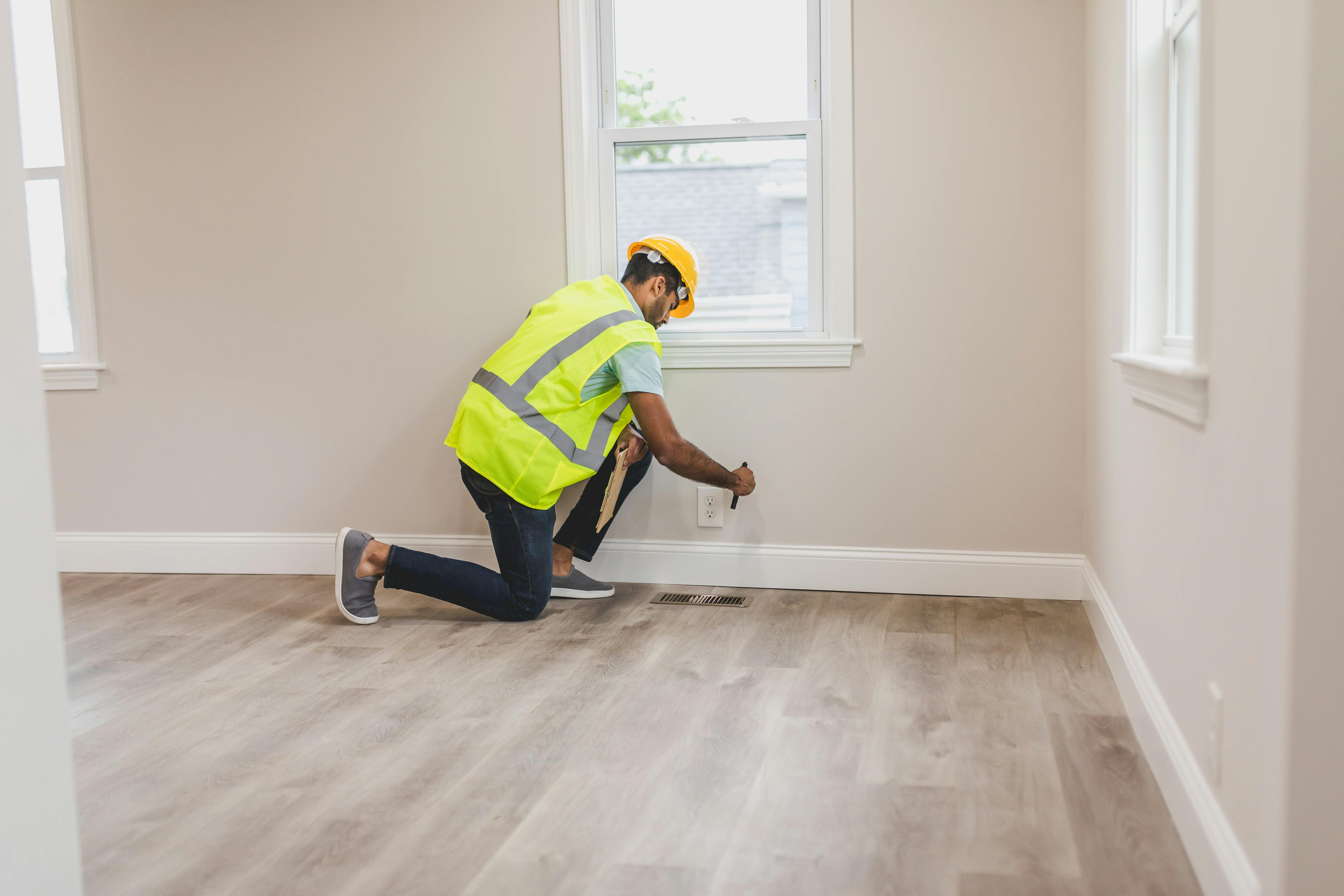
Wear a high‑visibility vest—just like the inspector in the photo above. The bright vest not only makes you easy to spot for family members or service technicians, but it also signals that you’re conducting a professional‑grade inspection. Pair the vest with your disposable glove to keep skin contact to a minimum.
By following this structured approach, you’ll uncover hidden flea activity before it spreads, giving Anthem Pest Control the exact information needed for a swift, effective eradication. Remember, a thorough indoor inspection is the first line of defense against a flea infestation.
Effective Treatment Strategies for Fleas
Fleas thrive in both the cozy corners of your home and the shaded edges of your yard, which is why a professional flea exterminator Suwanee homeowners trust often recommends a comprehensive approach. To eliminate them quickly—and keep them from returning—you need a plan that tackles every stage of their life cycle. Below, we break down the most reliable indoor and outdoor methods, explain how they work together, and show why a professional touch often makes the difference.
Indoor Chemical Options
When you need fast knock‑down power, EPA‑approved sprays, foggers, and powders are the go‑to tools. These products are formulated to kill adult fleas on contact and to disrupt the development of eggs and larvae hidden in carpets, upholstery, and pet bedding.
- Sprays: Fine‑mist aerosol or trigger‑spray cans allow you to target cracks, baseboards, and pet sleeping areas. Look for active ingredients like permethrin or bifenthrin, which have a proven track record against fleas.
- Foggers (Bombs): Ideal for whole‑room treatment when you can vacate the space for a few hours. Choose a fogger that lists “flea adulticide” on the label and follow the manufacturer’s ventilation guidelines before re‑entering.
- Powders: Talc‑based powders can be sprinkled under rugs and in pet carriers. They cling to the fur and continue to act for weeks, providing residual protection.
Regardless of the product, always ensure proper ventilation—open windows and run fans—to disperse any lingering chemicals. Keep pets and children out of treated zones until the label‑specified safe re‑entry time has elapsed.
Biological Controls
For homeowners who prefer an organic route, beneficial nematodes and predatory insects offer a low‑toxicity alternative.
- Nematodes (Steinernema spp.): Microscopic worms that hunt flea larvae in soil and mulch. When applied with a garden sprayer, they seek out and release bacteria that kill the larvae within 48 hours.
- Beneficial Insects: Species such as predatory beetles can be introduced to damp, shady garden patches. While they don’t eliminate adult fleas, they reduce larval populations, cutting future infestations.
These biological agents work best when combined with cultural practices—regular lawn mowing, debris removal, and proper irrigation—to keep the environment inhospitable to fleas.
Outdoor Perimeter Treatment
Before fleas even step inside, you can create a defensive barrier around your home. One of the most effective techniques is a smoke‑machine or fumigation approach that targets adult fleas on the lawn, under decks, and along foundation walls.

The smoke contains insecticidal particles that settle into cracks and crevices where adult fleas hide. After treatment, the insects are unable to re‑enter the house, dramatically lowering the indoor infestation pressure.
Integrated Pest Management (IPM)
IPM is the smart, long‑term strategy that blends chemical, mechanical, and cultural tactics. Here’s a simple four‑step IPM cycle for fleas:
- Inspection: Identify hotspots—pet bedding, carpet edges, shaded yard zones.
- Mechanical Control: Vacuum daily, wash bedding in hot water, and use flea traps to monitor activity.
- Chemical/Biological Application: Apply indoor sprays or powders, then follow with nematodes or perimeter fumigation outdoors.
- Prevention: Maintain yard hygiene, treat pets with veterinarian‑approved preventatives, and schedule regular follow‑ups.
This layered approach ensures that if one method misses a few fleas, another picks them up, delivering lasting relief.
Professional vs. DIY
While DIY kits can be tempting, hiring a professional flea exterminator Suwanee homeowners trust offers several advantages:
- Consistent Coverage: Professionals map out every room and exterior zone, ensuring no hidden pocket is overlooked.
- Warranty & Follow‑Up: Most reputable companies, including Anthem Pest Control, provide a guarantee and schedule a post‑treatment inspection.
- Safety Assurance: Technicians are certified to handle high‑potency products safely around children and pets.
- Time Savings: A single service visit replaces hours of DIY prep, application, and cleanup.
That said, if budget constraints dictate a DIY start, stick to the EPA‑approved products listed above and be meticulous about application techniques.
Post‑Treatment Verification
Even the best plan needs a check‑in. After 7–10 days, revisit the problem areas:
- Run a flea trap for 24 hours to gauge adult activity.
- Inspect pet bedding and carpet seams for live fleas or larvae.
- Re‑vacuum and wash any suspect fabrics.
If you still detect activity, a second round of treatment—often focusing on the missed zone—will usually seal the deal. Document your findings and share them with your pest professional; they can adjust the next visit accordingly.
| Method | Target Stage | Typical Application | Pros | Cons |
|---|---|---|---|---|
| EPA‑approved Sprays | Adult & Egg | Spot‑spray carpets, baseboards | Fast knock‑down, widely available | Requires ventilation, pet safety precautions |
| Foggers (Bombs) | Adult | Whole‑room release | Rapid coverage of large areas | Temporary evacuation, residue concerns |
| Powders | Larvae & Egg | Sprinkle under rugs, pet carriers | Long‑lasting residual effect | Can be messy, may need re‑application |
| Nematodes | Larvae in soil | Water‑based spray on lawn, mulch | Organic, safe for pets | Requires moisture, limited to outdoor use |
| Perimeter Fumigation | Adult | Smoke machine around foundation | Prevents entry, treats hidden outdoor sites | Professional equipment needed |
Understanding Flea Treatment Pricing
When you call a pest‑control pro, the first thing you’ll hear is a price. Across the United States, residential flea‑control services typically fall between $150 and $250 per visit, depending on the size of the home, the severity of the infestation, and the treatment method used. These numbers give you a baseline, but the real value comes from what’s included in each package and how the costs add up over time.
One‑time treatment
A single, comprehensive visit from a professional flea exterminator Suwanee homeowners trust is designed to knock out an active flea problem fast. For most homeowners, the average cost is $199. This price generally covers:
- Full‑home inspection to locate breeding sites.
- Application of a professional‑grade insecticide to carpets, baseboards, pet bedding, and outdoor perimeters.
- One follow‑up check (usually within 7‑10 days) to confirm that the fleas are gone.
- A guarantee that the treatment will hold for at least 30 days, or a re‑treatment at no extra charge.
Pros: Immediate relief, no long‑term commitment, ideal for a light‑to‑moderate infestation.
Cons: If fleas return after the guarantee period, you’ll need another appointment, which can increase total spend.
Quarterly maintenance plan
For homeowners dealing with recurring issues—or who simply want peace of mind—Anthem offers a quarterly plan at $149 per visit. Over a year, that’s $596 for four treatments, which often works out cheaper than paying for multiple one‑time services after an infestation resurfaces.
Benefits of the quarterly schedule include:
- Regular inspections that catch early signs before they become full‑blown outbreaks.
- Consistent application of residual products that keep the environment hostile to fleas year‑round.
- Priority scheduling and a dedicated technician who knows your home’s history.
- A comprehensive annual guarantee—if fleas reappear between visits, the next service is free.
What’s actually covered?
| Service | One‑time ($199) | Quarterly ($149/visit) |
|---|---|---|
| Initial inspection | ✔ | ✔ |
| Full‑home insecticide application | ✔ | ✔ |
| Follow‑up visit | ✔ (once) | ✔ (every quarter) |
| 30‑day guarantee | ✔ | ✔ (per visit) |
| Annual total cost | ≈ $199 (plus any re‑treatments) | $596 |
Transparent pricing with Anthem Pest Control
Anthem believes you should never wonder where a dollar went. Every quote lists each component—inspection, product cost, labor, and guarantee—so you know exactly what you’re paying for. There are no surprise fees for “additional” services; if a hidden issue is discovered, the technician will discuss options before any extra work begins.
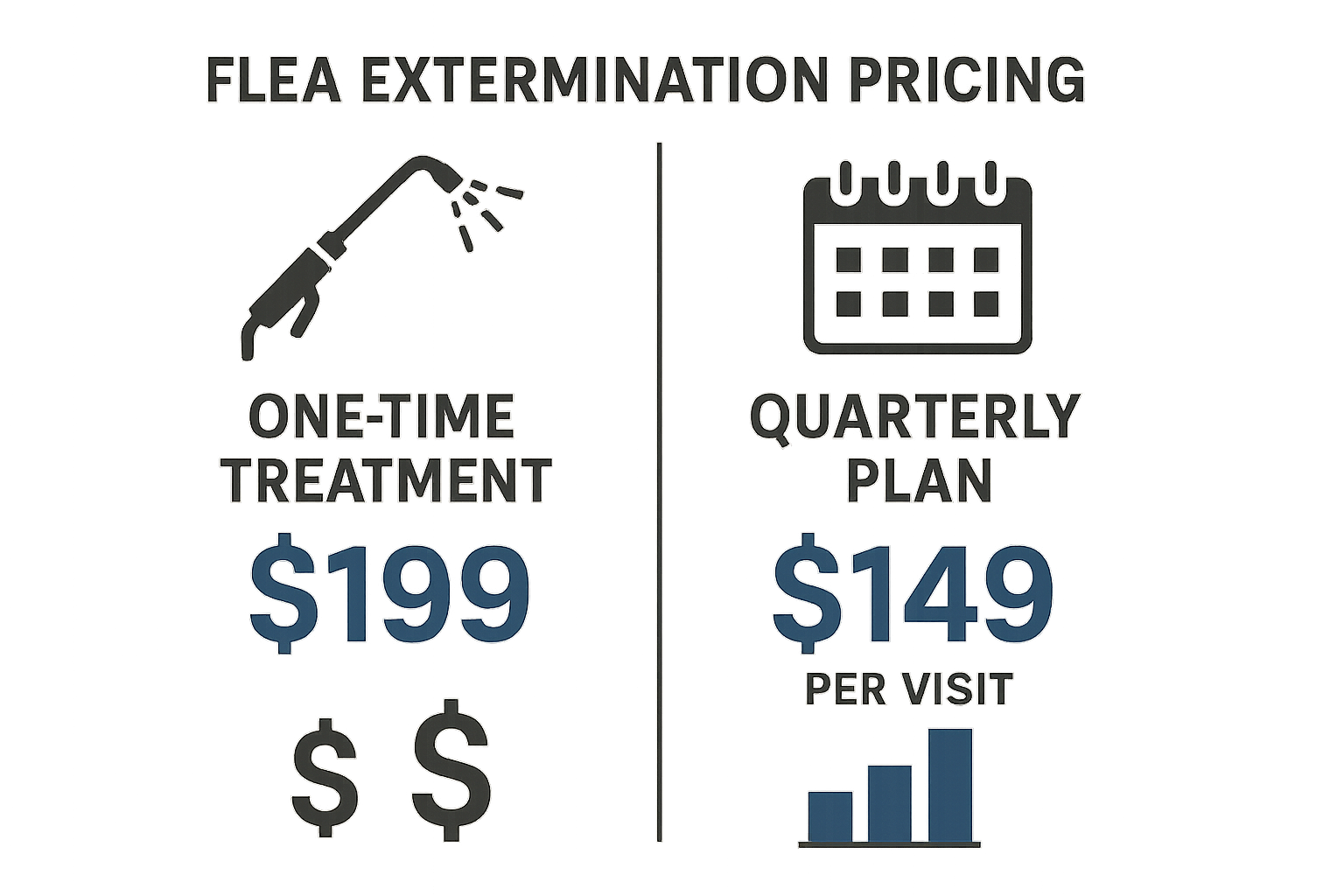
Choosing the right plan depends on the severity of your current infestation and your budget comfort zone. If you’re dealing with a sudden surge of fleas, the one‑time $199 option gets you quick relief. If you’ve seen fleas return season after season, the $149 quarterly plan spreads the cost while providing ongoing protection. Either way, Anthem’s transparent pricing ensures you know exactly what you’re investing in—so you can enjoy a flea‑free home without hidden surprises.
Timing Flea Control with Seasonal Activity
Choosing the right plan depends on the severity of your current infestation and your budget comfort zone—something a reliable flea exterminator Suwanee homeowners trust can help assess. If you’re dealing with a sudden surge of fleas, the one-time $199 option gets you quick relief. If you’ve seen fleas return season after season, the $149 quarterly plan spreads the cost while providing ongoing protection. Either way, Anthem’s transparent pricing ensures you know exactly what you’re investing in—so you can enjoy a flea-free home without hidden surprises.
| Month | Activity Level |
|---|---|
| January | Low |
| February | Low |
| March | Low |
| April | Rising |
| May | Rising |
| June | Peak |
| July | Peak |
| August | Peak |
| September | Declining |
| October | Declining |
| November | Declining |
| December | Dormant |
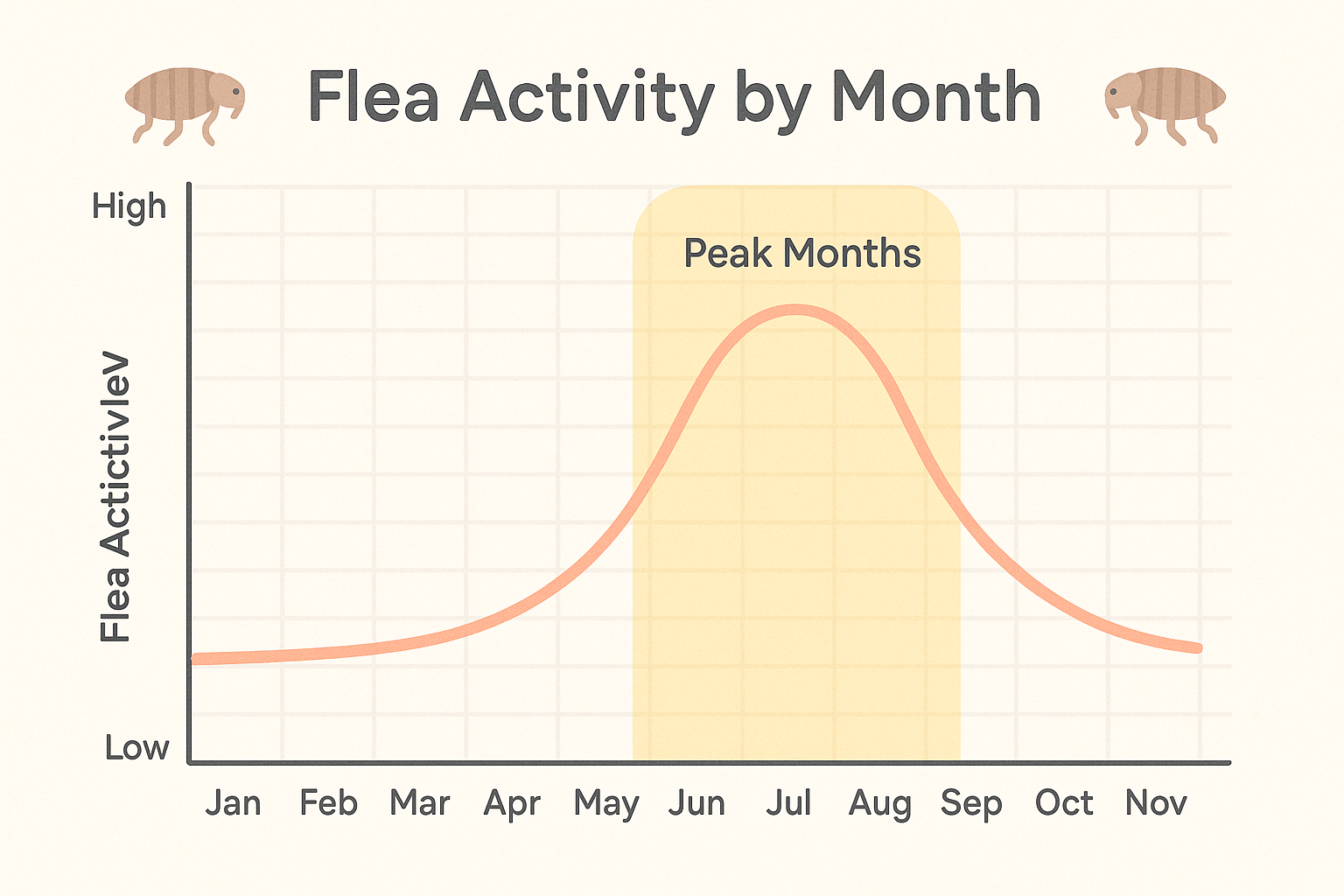
The chart makes one period crystal clear: early summer (June through August) is the flea’s peak season. That’s the window when adult fleas are reproducing fastest, and infestations can explode within weeks. By treating your yard and indoor spaces in late spring—ideally in April or early May—you knock out emerging larvae before they reach adulthood.
Professional visits should line up with this pre‑emptive window. A thorough spring treatment creates a protective barrier just as the first wave of adult fleas appears. A follow‑up in midsummer reinforces that barrier, catching any stray eggs or larvae that survived the initial spray. Scheduling both visits with Anthem Pest Control ensures you’re using products at their most effective life‑stage target.
Regional nuances you can’t ignore
While Suwanee’s climate follows the pattern above, neighboring counties with slightly warmer microclimates may see activity start a month earlier or linger into late fall. If you live near a low‑lying, moisture‑rich area, consider adding a supplemental treatment in September to address a slower decline. Conversely, homes on higher, breezier elevations might experience a shorter peak, allowing you to skip the midsummer follow‑up.
Tailoring your schedule to local conditions is simple: monitor indoor humidity, watch for increased pet scratching, and keep an eye on the outdoor temperature trends. When daytime highs consistently sit above 70°F (21°C) for a week, that’s the cue to schedule your next professional visit.
By syncing your flea control plan with the seasonal rhythm outlined here, you’ll stay one step ahead of the pests, protect your pets, and keep your home comfortable year‑round. Remember, the best defense is timing—act early, act often, and let Anthem Pest Control handle the heavy lifting.
Take Action with Anthem Pest Control
When it comes to eliminating fleas, the most reliable strategy combines early detection, a thorough inspection, an integrated treatment plan, and timing the work to match seasonal flea activity. Catching the problem before it spreads, mapping every infested area, and applying a blend of adulticide, larvicide, and environmental controls are the pillars of lasting eradication. Pair those steps with a treatment schedule that aligns with the peak flea season, and you dramatically reduce the chance of a re‑infestation.
Why Choose Anthem Pest Control?
- Licensed technicians: Our crew members hold state‑issued pest‑control licenses and undergo continuous training to stay ahead of the latest flea‑management techniques.
- EPA‑approved products: We use only solutions that meet strict Environmental Protection Agency standards, ensuring safety for your family, pets, and the surrounding ecosystem.
- Transparent pricing: No hidden fees—our estimates break down every service component so you know exactly what you’re paying for.
- Nationwide coverage: Whether you live in Suwanee, GA, or any other U.S. city, Anthem Pest Control can dispatch a qualified team to your door.
Free, No‑Obligation Quote & Same‑Day Inspection
We understand that a flea problem can feel urgent, which is why we offer a complimentary, no‑obligation quote. Simply give us a call, and we’ll schedule a same‑day inspection at a time that fits your busy life. Our technicians will walk you through the findings, explain the recommended treatment steps, and answer any questions you have before any work begins.
Ready to Protect Your Home?
If you suspect fleas in your home or simply want to fortify your space against future invasions, give Anthem Pest control a call today and speak with a trusted flea exterminator Suwanee homeowners rely on. Our friendly team is standing by to set up your free quote and arrange a prompt, professional inspection.
Contact us now:
Phone: 877‑371‑8196
Website: Anthem Pest Control