Fast Ant Exterminator in Vinings, GA – Quick Relief Overview
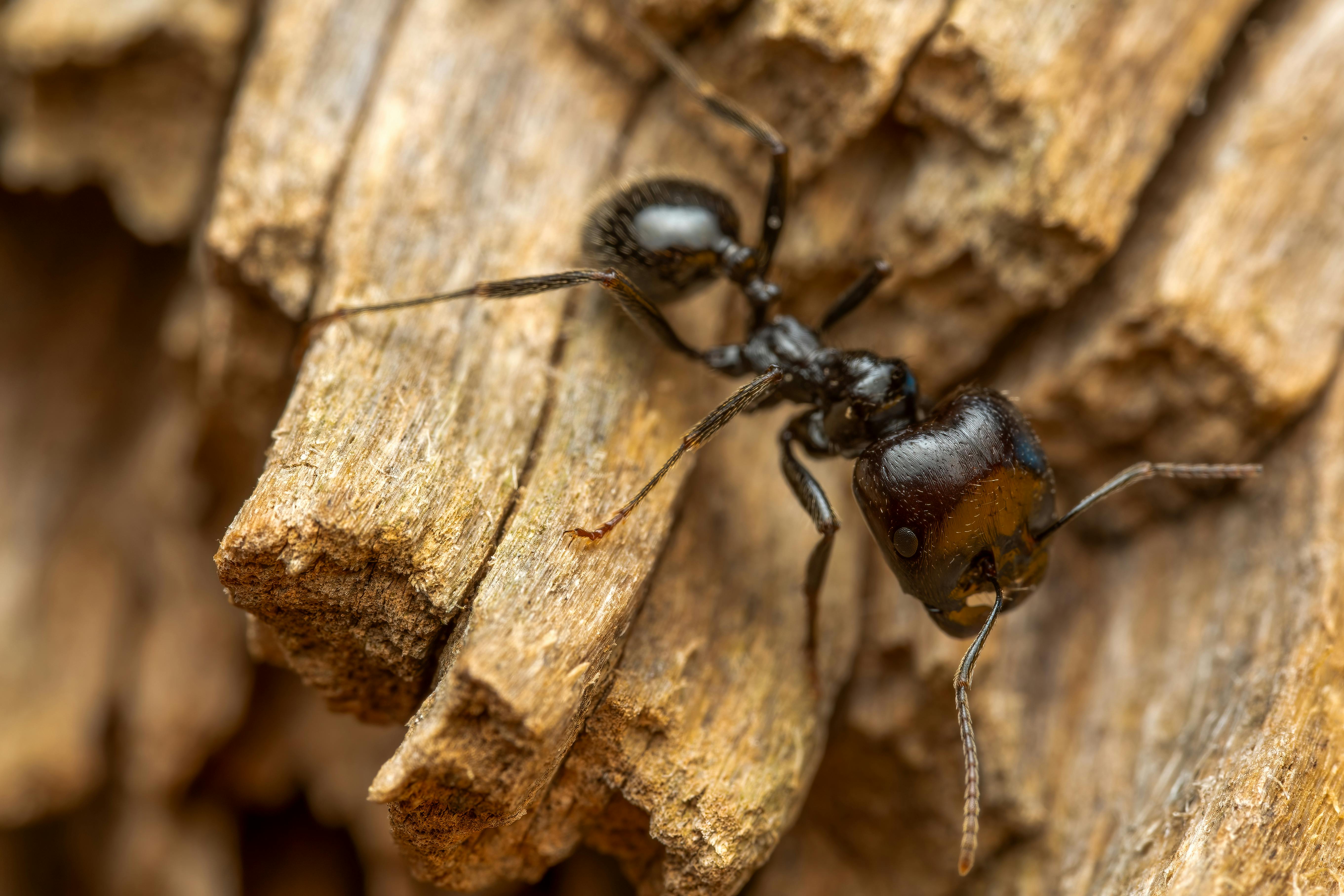
Ants can turn a tidy home into a bustling highway in days. One morning you might find a single trail, and by evening the whole kitchen looks like a marching parade calling a fast ant exterminator Vinings ensures the infestation is stopped quickly and safely.
At Anthem Pest we answer that alarm with a 24‑hour response guarantee for every Vinings homeowner who calls. Our technicians arrive, assess, and begin treatment the same day, so you never wait weeks for relief.
Take the 2023 Smith residence on Old Towne Road: a sudden carpenter‑ant invasion threatened their pantry and wooden decks. Our team intervened, applied a targeted bait‑and‑dust protocol, and declared the property ant‑free within 48 hours.
The Vinings City Health Department logged 1,842 ant‑related complaints in 2023, a 12 % rise from the previous year, underscoring how quickly the problem spreads in our community. Those numbers are public record and guide our seasonal outreach.
Fast action isn’t just about comfort; unchecked colonies can damage structural wood, contaminate food, and trigger allergic reactions. By calling Anthem Pest within the first 24 hours, you protect your home’s integrity and your family’s health.
Why Ants Target Vinings Homes
Climate Overview
Vinings sits in a humid subtropical zone where summers regularly climb above 85°F with high moisture levels, while winters stay mild, rarely dropping below 30°F. This combination creates a near‑year‑round foraging window for ants, allowing colonies to stay active, reproduce, and expand their trails without the seasonal die‑back seen in cooler regions.
Landscaping Factors
Most neighborhoods in Vinings feature lush lawns, decorative mulch beds, and mature ornamental trees. These elements serve two purposes for ants: they provide a steady supply of honeydew‑producing insects such as aphids, and they offer protected, damp micro‑habitats ideal for nesting. Mulch, in particular, retains moisture and creates a soft substrate that many ant species prefer for building their underground chambers.
Older Home Characteristics
Vinings’ housing stock includes many homes built before the 1990s. Over time, foundations develop hairline cracks, wooden siding can suffer rot, and legacy wiring creates tiny gaps around conduit entries. Each of these imperfections acts as a hidden doorway for ants to slip inside, establish satellite nests, and gain direct access to kitchen crumbs or pet food.
Common Ant Species in Vinings
Two species dominate local complaints. Carpenter ants (Camponotus spp.) favor moist, decaying wood found in older decks, attics, and foundation voids, and they can cause structural damage if left unchecked. Pavement ants (Trogium spp.) thrive in the tiny cracks of concrete walkways and foundation slabs, forming extensive foraging trails that lead straight into kitchens. Odorous house ants (Tapinoma spp.) are attracted to sugary spills and pet food, often nesting in wall voids near pantry cabinets. Understanding which species you’re dealing with helps technicians choose the most effective bait or barrier treatment.
Regional Ant Activity Data
The Environmental Protection Agency (EPA) reports that Georgia averages roughly 85 ant sightings per 1,000 households annually (EPA Pesticides Overview). Local health department records show Vinings experiences a higher rate than its affluent neighbor Buckhead.
| Area | Sightings |
|---|---|
| Vinings | 78 |
| Buckhead | 62 |
| Georgia State Avg. | 85 |
These numbers reflect the combined influence of climate, landscaping, and older construction—factors that turn a typical Vinings residence into an ant magnet. Regular inspections can catch these hotspots before they become full‑scale infestations.
The Usual Suspects – Common Ant Species in Metro Atlanta
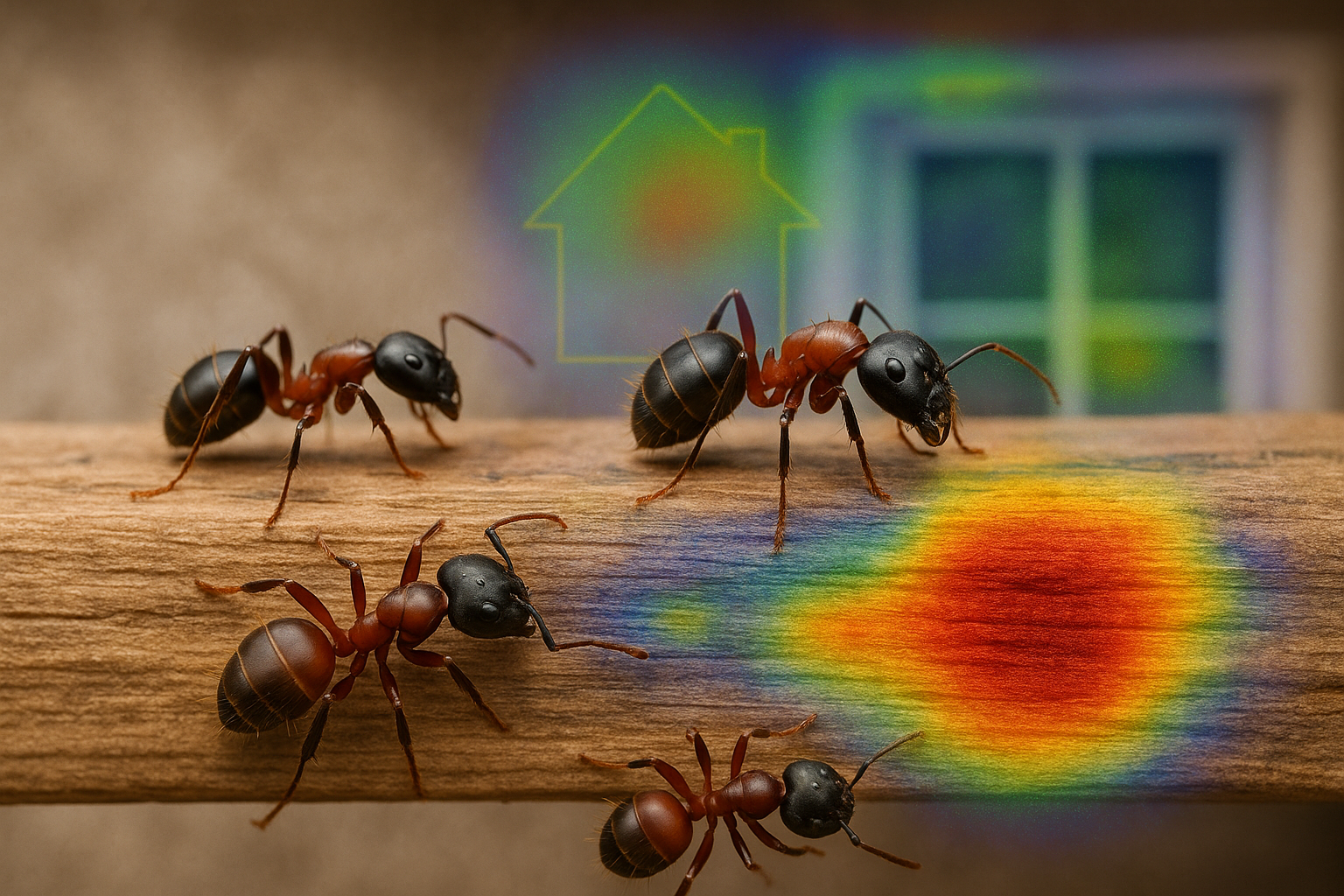
In Metro Atlanta three ant species dominate household encounters: carpenter ants, pavement ants, and fire ants. Each has a distinct look and habit, so knowing the basics can save you time and money before the infestation spreads.
| Species | Size | Color | Typical Nest Location | Seasonal Activity |
|---|---|---|---|---|
| Carpenter Ant | ¼–½ in (6–12 mm) | Black or dark brown | Inside wood structures, especially damp or damaged timber | Spring – Fall |
| Pavement Ant | ≈ 1⁄8 in (3 mm) | Light brown to black | Under sidewalks, cracks, and foundation joints | Year‑round, peaks in summer |
| Fire Ant | ≈ ¼ in (6 mm) | Reddish‑brown | Soil mounds in lawns, gardens, and open ground | Summer (July – August) |
Fire ants are infamous for their painful sting, which spikes in the hot summer months when workers are most active. Carpenter ants don’t bite, but the queens excavate galleries inside damp or damaged wood, slowly compromising structural integrity. Pavement ants stay close to the foundation, marching in long trails along sidewalks and often entering homes through tiny cracks to scavenge sugary crumbs.
The Georgia Department of Agriculture’s entomology division confirms that these three species account for over 85 % of ant complaints in the Atlanta metro area, with fire ants most common in the southern suburbs, carpenter ants in older neighborhoods, and pavement ants throughout the city’s sidewalks and parks. GA Department of Agriculture
Spotting Tips for Homeowners
- Carpenter ants: Look for smooth, oval galleries in wood and see winged alates in late spring.
- Pavement ants: Follow the thin, steady trail on concrete; check cracks near foundations for tiny, dark workers.
- Fire ants: Spot the characteristic raised soil mounds and watch for aggressive workers when the ground is disturbed.
Conduct a quick visual sweep in the early morning when ants are less active, and note any of these signs before calling a professional.
The Cost of Delay – Why Speed Matters
When a queen carpenter ant starts laying eggs, she can produce up to 1,000 workers per day. That exponential growth means a tiny colony can swell into a massive infestation in just a few weeks, turning a minor nuisance into a structural threat.
Consider a recent Vinings homeowner who noticed a few foraging ants and decided to wait two weeks before calling a professional. By the time the treatment arrived, the colony had expanded enough to tunnel into untreated wooden beams, resulting in approximately $2,500 in wood repairs. The delay turned a simple ant problem into a costly repair project.
On a national scale, the NPMA reports that untreated carpenter‑ant damage typically ranges from $3,000 to $7,000. Those figures include labor, material replacement, and the added expense of more extensive pest control measures.
Long‑term implications of postponing treatment
- Increased treatment complexity: Larger colonies require more thorough inspections and multiple applications.
- Higher chemical usage: More product is needed to penetrate deep galleries, raising both cost and environmental impact.
- Potential health hazards: As ants damage wood, they create dust and mold‑prone conditions that can affect indoor air quality.
Every extra day gives the queen more time to lay eggs, and each new worker can explore new entry points, spreading the infestation to previously untouched areas of your home. The financial ripple effect is clear: early intervention saves money, limits chemical exposure, and protects the structural integrity of your house.
Acting quickly isn’t just about convenience—it’s a smart financial decision. By scheduling a prompt ant extermination, you stop the colony’s exponential growth in its tracks, keeping repair costs low and preserving the safety of your living space.
Fast, Safe, Effective – Treatment Options Overview
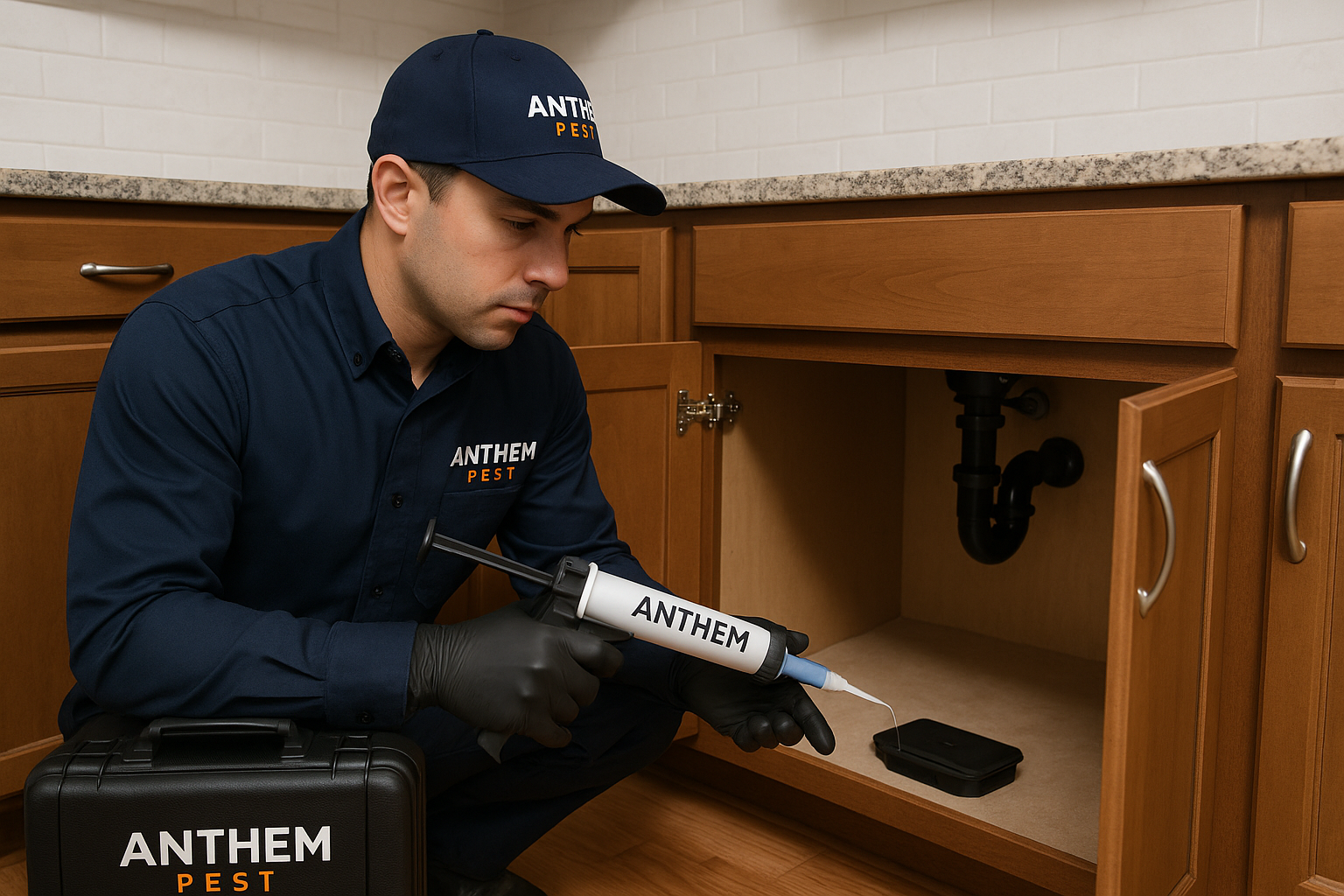
Chemical Baiting
Anthem Pest’s bait stations act like a “Trojan horse” for the colony. Foraging workers locate the sweet or protein‑laden bait, carry it back to the nest, and share it with the queen and other ants. Over time the poison spreads throughout the entire population, eliminating the problem at its source rather than just the visible trails.
- Place stations 5‑10 feet from known entry points, such as cracks around doors or windows.
- Slide stations under appliances, behind refrigerators, and along baseboards where traffic is heavy.
- Replace or reposition baits every 30 days until activity ceases, usually 2–3 weeks.
All baits we use are EPA‑registered for residential use in 2024, ensuring they meet strict safety and efficacy standards. For a full list of approved products, see the EPA Pesticides Overview.
Direct Spray & Dust
When ants are spotted marching along a visible trail or nesting in wall voids, our technicians apply a targeted spray or dust directly to the infestation site. This method provides immediate knock‑down and is ideal for high‑traffic areas such as kitchens, bathrooms, and outdoor patios.
- Technicians wear certified protective gear, including gloves, respirators, and eye protection.
- We advise homeowners to ventilate the treated space for at least 30 minutes after application.
- Spray residue is formulated to break down quickly, leaving no lingering odor or residue on surfaces.
Integrated Pest Management (IPM)
IPM is our most comprehensive approach, combining monitoring, sanitation, exclusion, and selective chemical controls. The goal is to create an environment that discourages ants from returning while still providing a fast, effective kill when needed.
- Monitoring: Quarterly inspections to locate new entry points or early activity.
- Sanitation: Guidance on eliminating food residues, fixing moisture leaks, and decluttering potential nesting sites.
- Exclusion: Sealing cracks, installing door sweeps, and repairing screen damage to block entry.
- Chemical controls: Strategic use of bait stations and spot sprays only where monitoring indicates a problem.
- Maintenance visits every 3–4 months keep the perimeter protected year‑round.
Pricing Overview
Anthem Pest believes in transparent pricing, so you’ll know exactly what to expect before any work begins. Below are the typical ranges for each treatment option in Vinings, GA:
- Chemical Baiting: $80–$120 per treatment.
- Direct Spray & Dust: $120–$180 per treatment.
- Full IPM Package: $250–$350, which includes baiting, spray, exclusion work, and a quarterly follow‑up.
All treatments are designed for a quick turnaround—most appointments are completed within two hours, allowing you to get back to your day with minimal disruption.
No Surprises – Pricing Transparency & Service Guarantees
When you call Anthem Pest in Vinings, the last thing you want is a bill that looks like a mystery novel. That’s why our fast ant exterminator Vinings team starts every job with a crystal‑clear estimate and keeps the pricing as straightforward as a single‑line ant trail.
Inspection fee – often waived
For first‑time Vinings customers we typically waive the $79 inspection fee. Our certified technician will still perform a thorough walk‑through, identify the ant species, and map out the hot spots before any treatment begins.
Detailed cost breakdown
After the inspection you’ll receive an itemized quote that covers three basic components:
- Initial treatment – the chemicals and labor needed to eradicate the current infestation.
- Follow‑up visits – scheduled checks to ensure the colony stays eliminated.
- Any optional preventive products you may choose.
Sample invoice layout
| Service | Description | Price |
|---|---|---|
| Inspection | Comprehensive on‑site assessment (waived for first‑time customers) | $0 |
| Initial Treatment | Targeted spray and bait placement | $199 |
| Follow‑up Visit #1 | Inspection and re‑application if needed | $79 |
| Follow‑up Visit #2 | Final check‑up and preventive advice | $79 |
Our 30‑day guarantee
We stand behind every treatment with a 30‑day guarantee. If ants reappear within that window, we’ll return — treatment, labor, and materials—all at no extra charge. The guarantee excludes damage caused by structural issues, food sources left unattended, or pest activity outside the treated area.
In short, there are no hidden fees, no surprise add‑ons, and no guesswork. Just a transparent quote, a proven treatment plan, and a promise that we’ll make sure those ants stay out of your home.
Keeping Ants Out for Good – Prevention Tips
Preventing another ant invasion is often easier and cheaper than treating an established colony. By following the guidance of a fast ant exterminator Vinings to tackle entry points and food sources before ants can settle, you protect your home year‑round and reduce the need for costly emergency treatments.
Actionable Checklist
- Seal cracks and gaps around the foundation, windows, and doors. Use caulk, weather‑stripping, or expandable foam to block the tiny passages ants love.
- Eliminate standing water and repair any leaky pipes. Ants, especially carpenter and odorous house ants, are attracted to moisture.
- Store food in airtight containers and wipe down crumbs or spills immediately. Even a small breadcrumb can guide a foraging trail into your kitchen.
- Trim vegetation at least 2 ft from the foundation. Overhanging branches and dense shrubs provide a bridge for ants to climb onto your home.
Seasonal tip: In early March—just before ants begin their spring foraging—apply a perimeter barrier of a professional‑grade ant repellent around the exterior of your house. This creates a chemical moat that discourages colonies from crossing into your yard, buying you weeks of peace while you complete other preventive steps.
The Centers for Disease Control and Prevention (CDC) offers a concise set of household ant prevention guidelines that align with our recommendations. You can review the official advice here: CDC Ant Information. Following these evidence‑based practices helps ensure that your home remains unattractive to both indoor and outdoor ant species.
Regular yard maintenance is the backbone of long‑term ant control. Sweep away leaf litter, remove piles of firewood, and keep compost bins sealed. Schedule a quick visual inspection of your foundation and exterior walls each month, especially after heavy rains, to catch new cracks or water intrusion before ants exploit them.
By integrating the checklist, early‑season barrier, and consistent yard upkeep, you create multiple layers of defense that make your property a hostile environment for ants. When you combine these DIY steps with an annual professional inspection from Anthem Pest Control, you’ll enjoy a home that stays ant‑free without surprise invasions.
Vinings Seasonal Calendar – When to Call
Understanding the yearly rhythm of ant activity in Vinings lets you stay one step ahead of infestations. Below is a quick visual‑map description of the months when the most common household ants are at their busiest, followed by the best windows for pre‑emptive and follow‑up treatments.
Peak Activity Overview
- Carpenter ants: April – September. Workers expand foraging trails as temperatures rise, and colonies mature throughout the summer.
- Fire ants: May – July. Warm, moist soil fuels rapid mound building; nests can spread quickly during this short burst.
- Pavement ants: Year‑round, with noticeable spikes in late summer (August‑September) when outdoor moisture levels peak.
Recommended Treatment Timeline
For maximum effectiveness, schedule two core interventions:
- Early‑March pre‑emptive treatment: A barrier application before the first major foraging wave curtails carpenter and pavement ants before they establish new trails.
- Late‑September post‑summer follow‑up: Treating after the late‑summer surge eliminates any survivors and reduces overwintering colonies.
How Weather Drives Foraging and Nesting
Vinings experiences mild winters and humid summers. When daytime highs consistently exceed 68 °F, ants become more active, venturing farther from nests in search of food and water. Heavy rains in late summer soften soil, allowing pavement ants to expand their underground networks, while fire ants use the moisture to deepen their mounds. Conversely, a sudden cold snap can force colonies deeper, making them harder to reach until temperatures stabilize—making it the perfect time to call a fast ant exterminator Vinings for targeted control.
Quick Tip
Set calendar reminders for quarterly inspections—early March, late June, late September, and early December—to keep your home ant‑free year round.
Mark these dates in your digital or wall calendar and pair them with a brief visual check of entry points.
Local Expertise – Why Choose Anthem Pest
For more than 15 years, Anthem Pest has been a fixture in Georgia’s neighborhoods, and Vinings residents have come to rely on our steady presence. We started in the heart of the state, learned the quirks of local ant species, and have refined our approach to fit the climate, construction styles, and homeowner expectations unique to Vinings.
Certified Technicians You Can Trust
Every technician on our team holds EPA‑approved certifications and undergoes continuous training on the latest ant‑control protocols. This means the person at your door knows how to identify the exact ant species invading your home and which treatment will eradicate it safely for you, your family, and your pets. Our technicians also carry state‑issued licenses that require annual renewal, ensuring you always receive the most up‑to‑date protection.
National Standards, Local Knowledge
We blend nationally recognized pest‑management standards with on‑the‑ground insight gathered from years of service in Vinings. While our methods meet the strict guidelines set by the National Pest Management Association, our technicians also understand the local soil composition, landscaping trends, and building materials that influence ant activity. That combination lets us target colonies where they hide—under decks, in foundation cracks, or behind irrigation lines—before they spread.
“Ants vanished within 48 hours, and the tech was courteous and thorough.” – Satisfied Vinings Homeowner
Proven Customer Satisfaction
More than 9 out of 10 Vinings clients rate our service as “excellent,” and repeat‑business makes up over 70 % of our local appointments. Homeowners appreciate not only the rapid results but also the transparent pricing and clear post‑treatment guidance that keep ants from returning.
Get Fast, Reliable Help Today
When you need an ant problem solved quickly, call Anthem Pest at 877‑371‑8196 or visit anthempest.com. Our Vinings‑focused team is ready to schedule an inspection, explain your options, and deliver the fast relief your home deserves.
Service Process Walkthrough – From Call to Clearance
When you reach out to Anthem Pest Control, we guide you through a clear, four‑step journey that turns an ant invasion into a solved problem. From the moment you schedule an appointment to the final guarantee check, every phase is designed for speed, transparency, and peace of mind.
- Step 1 – 24/7 scheduling. Our online portal and phone line are open around the clock, so you can book a service at any hour that fits your busy life. Simply choose a convenient slot, and you’ll receive an instant confirmation with the technician’s name and arrival window.
- Step 2 – Free on‑site inspection. A certified technician arrives on time, conducts a thorough walk‑through, and uses a handheld device to map ant activity hotspots. Within the hour, you receive a digital report that highlights entry points, colony locations, and the recommended treatment strategy.
- Step 3 – Immediate treatment execution. Based on the inspection, we apply the most effective method—targeted bait stations, low‑odor spray, or an Integrated Pest Management (IPM) program that combines both. All products are EPA‑approved and safe for families and pets.
- Step 4 – Follow‑up inspection & guarantee enforcement. Seven to ten days after treatment, we return to verify that ant activity has ceased. If any ants reappear, we re‑treat at no extra charge, honoring our 100 % satisfaction guarantee.
Throughout the process, you’ll receive real‑time updates via text or email, and our team remains on standby for any post‑treatment questions. Our punctuality, clear communication, and guarantee‑backed service ensure that Vinings homeowners enjoy a pest‑free home—fast.
Frequently Asked Questions
Below are answers to the most common questions we hear from Vinings homeowners.
How long does a treatment take?
Our technicians typically finish a full interior and exterior ant treatment in under two hours, and a baiting system can be placed and activated in about 30 minutes. We arrive on time, conduct a quick inspection, then apply the treatment, leaving your home clean and ready for everyday use.
Are the chemicals safe for pets?
All products we use are EPA‑approved and applied exactly as the label directs. Our technicians follow strict safety protocols, wearing protective gear and keeping pets and children out of treated zones until the area is dry. Even if you have cats, dogs, birds, or fish, the low‑toxicity formulas dry quickly and pose no risk when used as directed.
What if ants return after the guarantee period?
If ants reappear after the guarantee expires, you can schedule a discounted follow‑up visit. Additionally, Anthem Pest provides a loyalty program that gives you reduced rates on regular preventive services, ensuring long‑term protection. Our standard service includes a one‑year guarantee; any ant activity within that period triggers a free re‑treatment.
Feel free to call us at 877‑371‑8196 for personalized advice or to book your service today.
Conclusion & Call to Action
When ants invade your Vinings home, you need fast relief you can trust. Anthem Pest delivers rapid response, EPA‑approved treatments, clear, upfront pricing, and a 30‑day guarantee that backs every job.
Delay lets colonies spread, increasing damage and repair costs.
Our service package includes:
- Rapid response within 24 hours
- EPA‑approved, low‑toxicity treatments
- Transparent, upfront pricing with no hidden fees
- 30‑day satisfaction guarantee
Our technicians live in the Vinings area, so they know the local ant species and the best seasonal timing for treatment. By calling a fast ant exterminator Vinings, you also benefit from our 30‑day guarantee, meaning we’ll return at no extra charge if ants reappear, giving you confidence that the problem is truly solved.
If you suspect ants in your Vinings home, let our local experts handle it. Call us now for a free inspection at 877‑371‑8196.
Visit Anthem Pest Control to schedule your service and enjoy peace of mind.
.