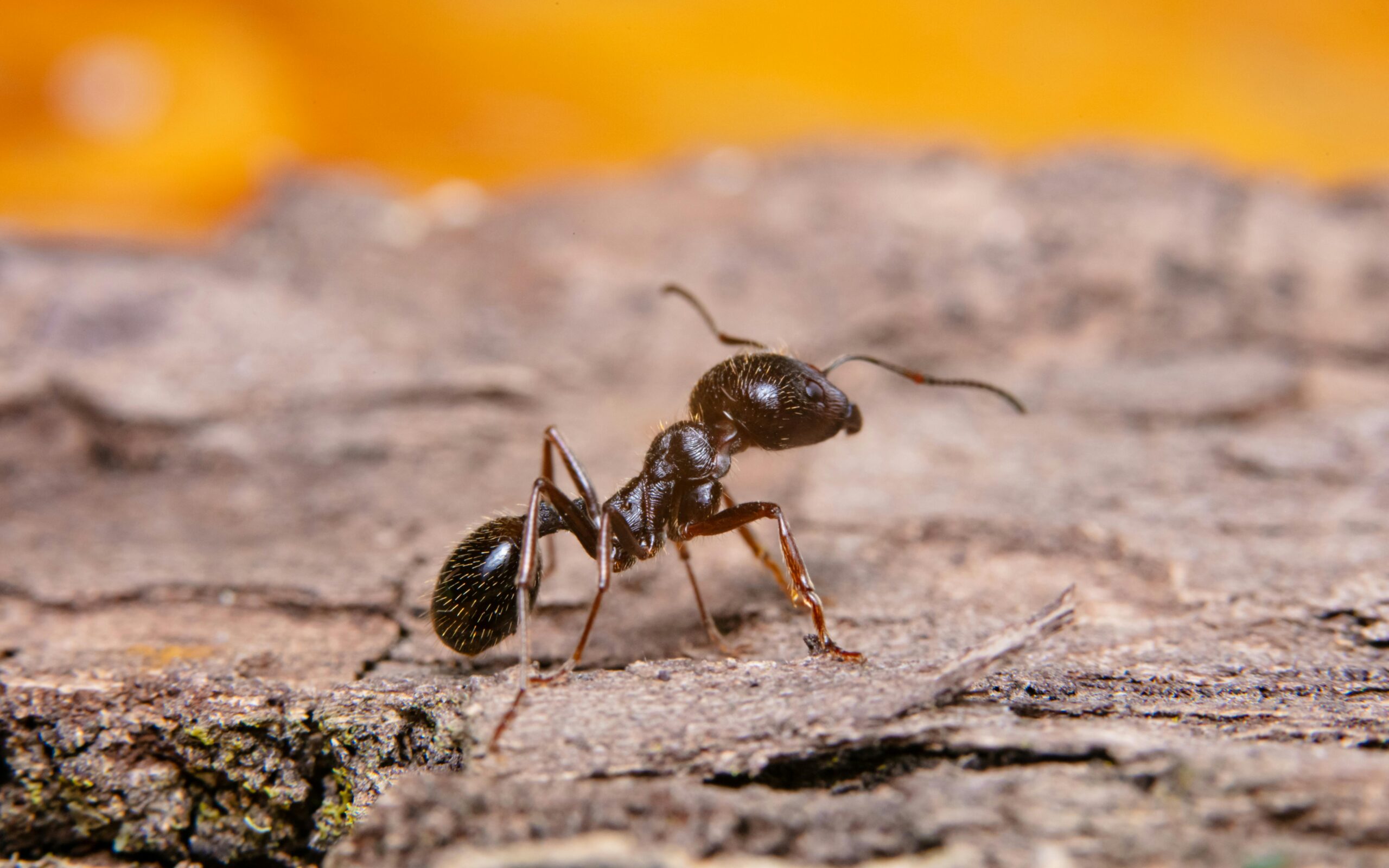
Why Ants Are a Growing Concern for Suwanee Homeowners
Climate and Landscaping That Invite Ants
If you’ve ever watched a line of tiny workers march across your kitchen counter, you already know how quickly ants can turn a minor nuisance into a full-blown problem—often prompting homeowners to call an experienced ant exterminator Suwanee residents trust. In Suwanee, GA, the combination of warm summers, mild winters, and lush suburban landscaping creates an ideal highway for several ant species to invade homes. Suwanee’s humid subtropical climate means temperatures regularly hover between 70°F and 90°F during the growing season, while nighttime lows rarely dip below 50°F. Those warm, moist conditions encourage the growth of grasses, flowering shrubs, and ornamental trees—exactly the kind of vegetation ants use for shelter and food sources. Mulch beds, leaf litter, and even the occasional garden compost pile become perfect foraging corridors, allowing colonies to expand outward from the yard straight into foundation cracks and utility openings.
Economic and Health Impacts
Beyond the visual annoyance, ants pose real economic and health risks. Carpenter ants, for instance, excavate wood to build their nests, silently compromising structural integrity and potentially leading to costly repairs if left unchecked. Meanwhile, odorous house ants and pharaoh ants are notorious for contaminating pantry items, spreading bacteria from garbage or pet waste onto food surfaces. For families with young children or allergy‑prone members, these hidden pathogens can trigger stomach upsets or exacerbate respiratory sensitivities. In short, an unchecked ant invasion can drain your wallet and jeopardize the well‑being of everyone under your roof.
Local Statistics Highlight the Trend
The EPA’s 2022 Home Pest Survey reveals that ant complaints rank among the top three insect issues reported by Georgia residents, with 28 % of households citing recurring ant activity as a primary concern. In the Metro Atlanta area—including Suwanee—reports of carpenter ant sightings have risen 12 % over the past five years, a trend linked to increased suburban development and the prevalence of mature hardwood landscaping. These numbers aren’t just abstract data; they reflect a growing pattern that directly affects property values and insurance premiums for local homeowners.
What This Guide Will Cover
In the sections that follow, we’ll walk you through every step of taking control. First, we’ll help you identify the most common ant species lurking in Suwanee homes and the subtle signs that indicate a hidden colony. Next, you’ll learn the seasonal peaks when ants are most active, so you can time treatments for maximum impact. We’ll then break down effective treatment options—from targeted baits to perimeter sprays—and explain how pricing is calculated, so there are no surprise fees. Finally, we’ll share criteria for selecting a qualified provider, ensuring you partner with a team that knows Suwanee’s unique ant challenges inside and out.
Recognizing Common Ant Species in Suwanee, GA
When an ant trail appears in your kitchen or along the foundation, the first step to effective control is knowing which species you’re dealing with. In Suwanee, three culprits dominate most infestations: pavement ants, carpenter ants, and fire ants. Each has a distinct look, preferred habitat, and foraging pattern, so a quick visual check can save you time and money.
Pavement Ants (Tetramorium caespitum)
Appearance: Small, about 2‑3 mm long, with a dark brown to black head and lighter brown abdomen. Their antennae are bent at a noticeable “elbow.”
Habitat: True to their name, they favor cracks in sidewalks, driveways, and under pavers. In Suwanee’s humid climate they also nest under mulch, in flower beds, or beneath the edges of outdoor lighting fixtures.
Foraging & Nesting: Pavement ants establish well‑defined trails that often run along the perimeter of a home’s foundation, especially where moisture accumulates. Nests are shallow, usually no deeper than 6 inches, and can contain multiple satellite colonies.
Carpenter Ants (Camponotus spp.)
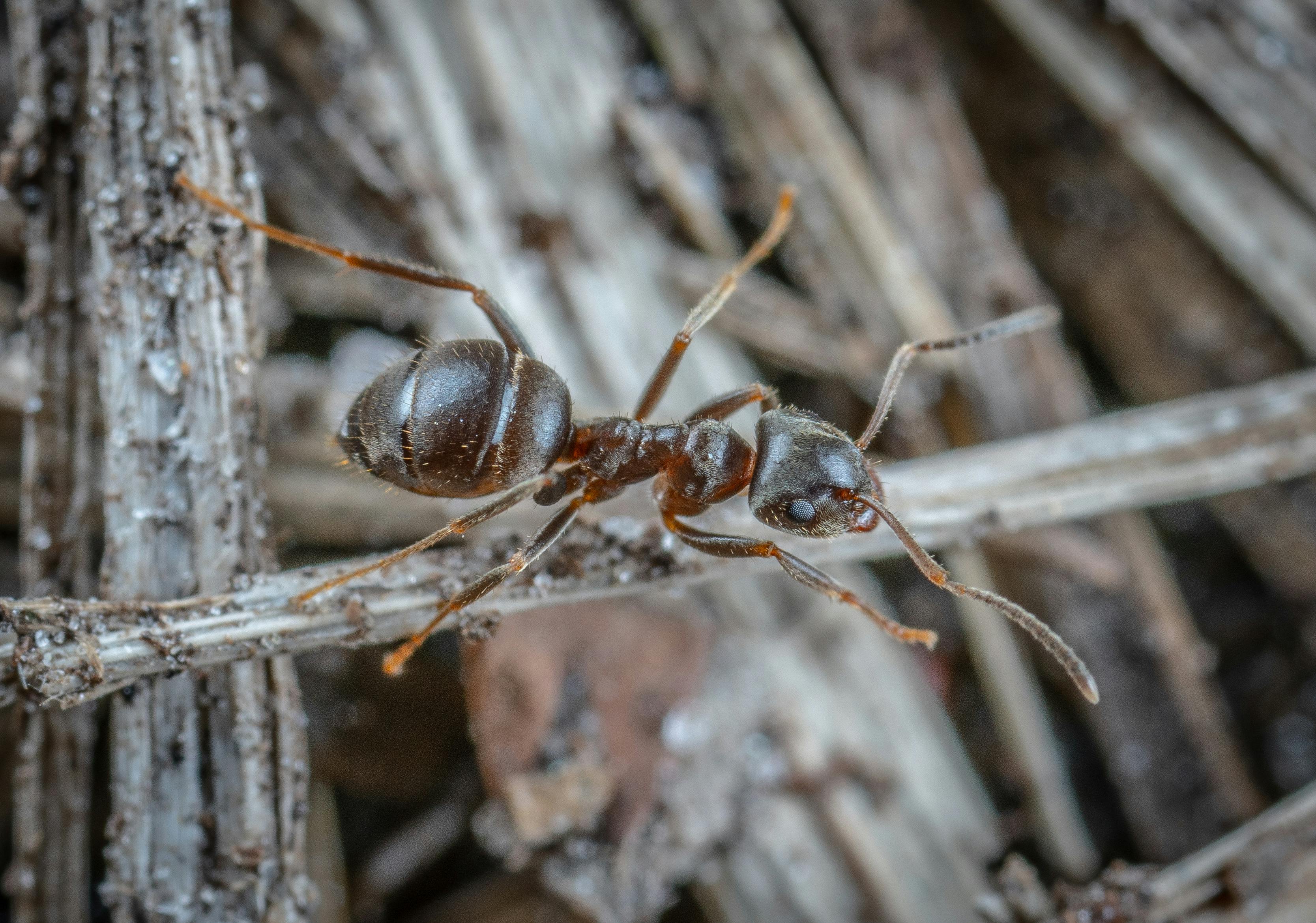
Appearance: Larger than pavement ants, ranging from 6‑12 mm. Workers are typically black or dark brown with a glossy sheen, while queens can appear reddish‑brown. Their bodies are robust, and the thorax is noticeably larger than the head.
Habitat: They are wood‑loving opportunists, preferring damp or decayed timber in walls, decks, and crawl spaces. In Suwanee, they often colonize older homes where moisture has seeped into structural wood.
Foraging & Nesting: Carpenter ants create extensive foraging networks that may stretch 30 feet or more from the nest. You’ll often see them marching in a single file at night, especially near outdoor lights that attract their prey.
Fire Ants (Solenopsis invicta)
Appearance: Reddish‑brown workers about 3‑5 mm long, with a slightly flattened body and a distinct, painful sting. Their legs are pale, and the abdomen often has a darker “gaster.”
Habitat: Fire ants thrive in warm, sunny spots—think open lawns, garden beds, and the edges of sidewalks. In Suwanee they build conspicuous mounds in well‑drained soil, often near irrigation lines or mulch.
Foraging & Nesting: Their foraging trails are aggressive and can extend up to 20 feet from the mound, especially after rain. When disturbed, workers swarm quickly, delivering their characteristic sting.
Quick Visual Checklist for Homeowners
- Size: Pavement (2‑3 mm) → Fire (3‑5 mm) → Carpenter (6‑12 mm).
- Color: Pavement – dark brown/black; Carpenter – black or dark brown with glossy sheen; Fire – reddish‑brown with pale legs.
- Location: Pavement – cracks, mulch, under lights; Carpenter – damp wood, walls, decks; Fire – open soil mounds in lawns or garden beds.
- Trail Behavior: Pavement – steady perimeter lines; Carpenter – nocturnal single‑file near lights; Fire – aggressive, wide‑spreading trails after disturbance.
- Sting: Only fire ants deliver a painful sting; carpenter and pavement ants do not.
By matching these visual cues to the ants you see around your home, you can pinpoint the species and choose the most effective treatment. If you’re unsure or the infestation is spreading, a professional inspection from Anthem Pest Control will confirm the identification and recommend a safe, targeted solution.
Early Warning Signs of an Ant Infestation
Ants are masters of stealth. They can establish a colony behind your walls or under your floorboards before you even notice a single visitor. The good news is that they leave a trail of clues you can spot with a quick walk around your home. Recognizing these early signals lets you act before the problem spreads to structural damage or a full‑blown kitchen invasion.
1. Tiny Ant Trails on Baseboards, Windowsills, and Counters
Most ant species travel in organized lines, leaving a faint, oily residue that looks like a faint gray or brown streak. These trails are most common along baseboards, around window frames, and on kitchen countertops where food crumbs accumulate. Follow the line for a few feet; if it leads to a hidden crack or a gap under a sink, you’ve likely found the entry point.
2. Small Dark Droppings (Ant Frass)
Ant “droppings” are tiny, pepper‑like specks that appear on surfaces near a nest. Carpenter ants, for example, leave dark, irregular pellets that resemble coffee grounds. Spotting these specks on wooden furniture, in cabinets, or near wall voids is a clear sign that a colony is feeding nearby.
3. Damage to Wooden Structures
Carpenter ants don’t eat wood; they excavate it to create galleries for their brood. Over time, you may notice smooth, polished tunnels in structural beams, floor joists, or window frames. The damage often starts as a small, barely visible hole, then expands as the colony grows. If you see splintered wood or a faint hollow sound when tapping a beam, call a professional before the integrity of your home is compromised.
4. Sudden Appearance of Winged Alates
During mating season (typically late spring to early summer), winged reproductive ants—known as alates—take to the air in swarms. Finding a few of these delicate, moth‑like insects on windowsills, light fixtures, or near outdoor doors is a red flag that a mature colony is preparing to spread. Even a handful of alates indicates that the nest is well established inside or close to your home.
5. Distinguishing Ant Activity from Other Pests
- Termites: Produce mud tubes and hollowed wood, but leave no visible trails or droppings.
- Spiders: Create webs, not linear trails, and their droppings are silk‑like, not peppery.
- Rodents: Leave gnaw marks, droppings larger than a grain of rice, and distinct nesting material.
If you’re unsure, compare the size, shape, and behavior of the insects. Ants move in organized lines, whereas other pests tend to move erratically or remain hidden.
6. Steps to Confirm an Infestation
- Inspect corners, under appliances, and behind cabinets for trails or droppings.
- Tap wooden structures; a hollow sound may indicate carpenter ant galleries.
- Check outdoor entry points—cracks in foundation, gaps around utility lines, and unscreened vents.
- Set up a simple bait station: a small piece of sugar water or honey near a suspected trail. Return after 24 hours to see if ants have collected.
- Document findings (photos, locations) before contacting a pest professional. This speeds up the diagnosis and treatment plan.
By staying alert to these early warning signs, you can intervene before ants cause costly damage or become a nuisance throughout your home. If any of these indicators appear, a quick call to Anthem Pest Control can secure a fast, effective solution tailored to Suwanee’s climate and your specific situation.
How Ant Activity Changes with the Seasons in Suwanee
Spring: The Awakening
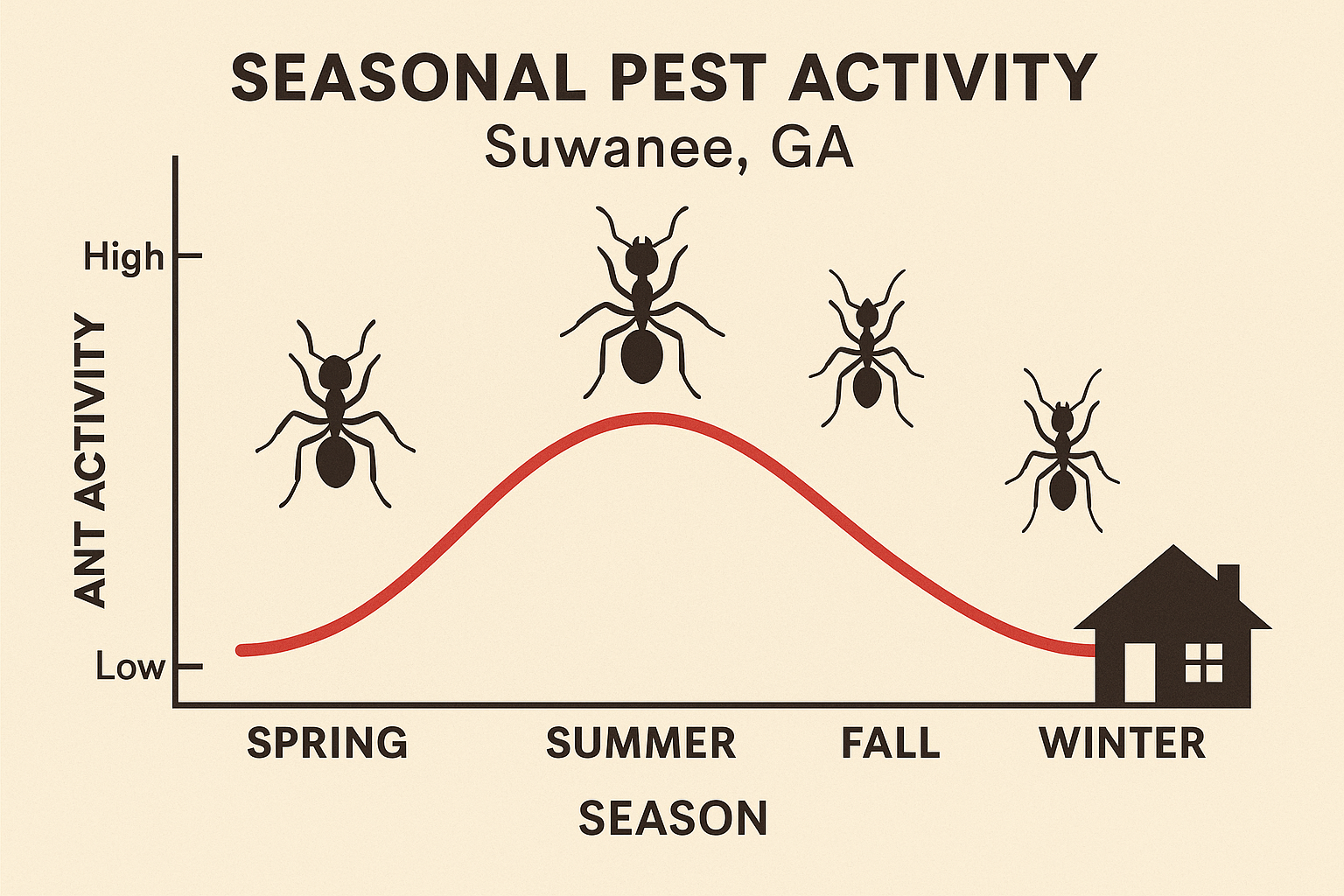
As temperatures climb above 60°F, ant colonies in Suwanee send out winged alates—those delicate, short-lived “swarmers” you might see buzzing near windows. This is the first sign that the colony is preparing to reproduce, and a common reason homeowners contact an ant exterminator Suwanee residents trust for early intervention. Foragers also increase their outdoor activity, scouting for sugary spills, garden debris, and fresh plant growth. Homeowners should schedule a spring inspection before the alates begin to settle, because early treatment can stop a new generation from establishing inside the house.
Summer: Peak Performance
Summer brings the highest ant activity of the year. Colonies expand rapidly, and workers venture farther to meet the surge in food demand. Interior invasions become common—ants follow crumbs from barbecues, pet food left out, or even the sweet scent of fruit flies. This is the optimal window for a comprehensive treatment, as the chemicals will reach the greatest number of foragers and, ultimately, the queen.
Fall: The Pull‑Back
When nights grow cooler, ant foraging slows, but many colonies start looking for warm refuge. You may notice small trails leading toward cracks, window frames, or HVAC vents as ants seek shelter from the dropping temperatures. Although overall activity drops, a focused inspection can catch colonies that are about to overwinter inside your walls, preventing a spring resurgence.
Winter: Dormancy with Exceptions
Most ant species in Suwanee enter a dormant state during the cold months, retreating deep into the soil where the ground stays above freezing. Carpenter ants, however, are a notable exception. Because they thrive in moist, heated structures, they can remain active throughout winter, especially in homes with poor ventilation or water intrusion. A winter check‑up is wise for homeowners who have already dealt with carpenter ants, ensuring the problem doesn’t linger unnoticed.
Seasonal Activity Chart
| Season | Activity Level | Typical Behaviors |
|---|---|---|
| Spring | Medium‑High | Alate swarming, increased foraging, colony expansion begins |
| Summer | High | Peak foraging, interior invasions, rapid colony growth |
| Fall | Medium | Reduced foraging, ants seeking indoor shelter, preparation for dormancy |
| Winter | Low (except carpenter ants) | Most species dormant; carpenter ants may stay active in heated homes |
Understanding these seasonal patterns lets you time inspections and treatments when they’ll be most effective. If you notice any of the signs described above, give Anthem Pest Control a call at 877‑371‑8196 or visit our website to schedule a professional assessment. Acting at the right moment can keep your home ant‑free year‑round.
Effective Treatment Options and What to Expect
Non‑chemical Approaches
Before reaching for chemicals, start with the basics that deny ants the resources they need to thrive—steps a professional ant exterminator Suwanee homeowners trust will often recommend first. A clean kitchen—no crumbs, no sugary spills, and regularly emptied trash cans—removes the food attractants that draw foraging workers inside.
Seal cracks, gaps, and any openings around windows, doors, and utility penetrations. Even a thin sliver of wood or a tiny gap around a pipe can serve as an ant highway into your home.
Moisture control is equally important. Leaky faucets, damp basements, and poorly ventilated crawl spaces create humid environments that many ant species favor. Fixing leaks and using dehumidifiers can make those spaces inhospitable.
Chemical Treatments
When non‑chemical steps aren’t enough, targeted chemical solutions fill the gaps. Below is a quick look at the most common options and their trade‑offs:
- Baits: Ants carry the poisoned gel or granules back to the colony, allowing the queen and workers to die off. Baits are low‑risk for humans and pets when placed correctly, but they require patience—colonies may take days to weeks to collapse.
- Perimeter Sprays: A professional‑grade insecticide applied around the exterior foundation creates a protective barrier. It offers immediate knock‑down of incoming ants, yet it needs re‑application after heavy rain or seasonal changes.
- Dust Applications: Dusts such as diatomaceous earth or silica‑based powders are blown into wall voids, cracks, and under decks where ants hide. They work mechanically, posing minimal toxicity, but can lose effectiveness if disturbed by cleaning or renovation.
Choosing the right product depends on the ant species, infestation size, and your comfort level with chemicals.
Professional vs. DIY
Licensed technicians bring more than a spray can. They have access to EPA‑registered products, specialized equipment, and the training to locate hidden nests—especially for wood‑dwelling pests like carpenter ants. A DIY approach may treat surface foragers, but without reaching the queen’s chamber, the problem often resurfaces.
Professional crews also conduct a thorough inspection, identifying entry points you might overlook. This diagnostic step lets them tailor a treatment plan that targets the colony’s heart rather than just its foot soldiers.
Typical Treatment Timeline
Most homeowners can expect a structured schedule:
- Initial Application: A technician inspects, implements non‑chemical measures, and applies the chosen chemical (bait stations, perimeter spray, or dust).
- First Follow‑Up (7‑10 days): Technicians assess bait uptake, re‑apply if necessary, and address any new entry points discovered after the first treatment.
- Second Follow‑Up (30 days): A final check ensures the colony has collapsed and that no new activity is emerging. Most ant problems are resolved within this window, though stubborn carpenter ant nests may require additional visits.
During each visit, technicians document progress, adjust strategies, and provide homeowners with a clear action plan for the next season.
Safety Considerations
Ant control must coexist with a safe home environment. Here’s what to keep in mind:
- Pets: Keep dogs and cats away from treated zones until products dry. Bait stations should be placed out of reach or in areas pets cannot access.
- Children: Store all chemicals in locked cabinets. Opt for low‑toxicity baits and avoid spraying directly on countertops or play areas.
- Food Areas: Remove or cover food, dishes, and utensils before treatment. After a perimeter spray, wipe down surfaces with a damp cloth before preparing meals.
Anthem Pest Control follows strict industry guidelines to minimize exposure, and our technicians wear protective gear to protect both themselves and your family.

Ant Extermination Pricing: Suwanee vs. Neighboring Cities
When you call a pest‑control professional, the first question on most homeowners’ minds is “How much will it cost?” At Anthem Pest Control we break the bill down into transparent components so you can see exactly where your money goes. Understanding these line items helps you compare Suwanee rates with those in nearby towns and avoid surprise charges later.
Common Pricing Components
- Inspection fee: A one-time charge (often $50–$75) that covers a thorough walkthrough, species identification, and a detailed treatment plan provided by a professional ant exterminator Suwanee homeowners trust.
- Treatment per square foot: Most companies price the actual ant‑kill service by the area, typically $0.25‑$0.45 per square foot for interior applications.
- Bait stations: Pre‑placed bait units cost $10‑$20 each; the total depends on property size and ant species.
- Follow‑up visits: Many plans include one or two guaranteed revisits, billed at $40‑$60 per visit if not bundled.
Why Suwanee Prices May Differ From Neighboring Cities
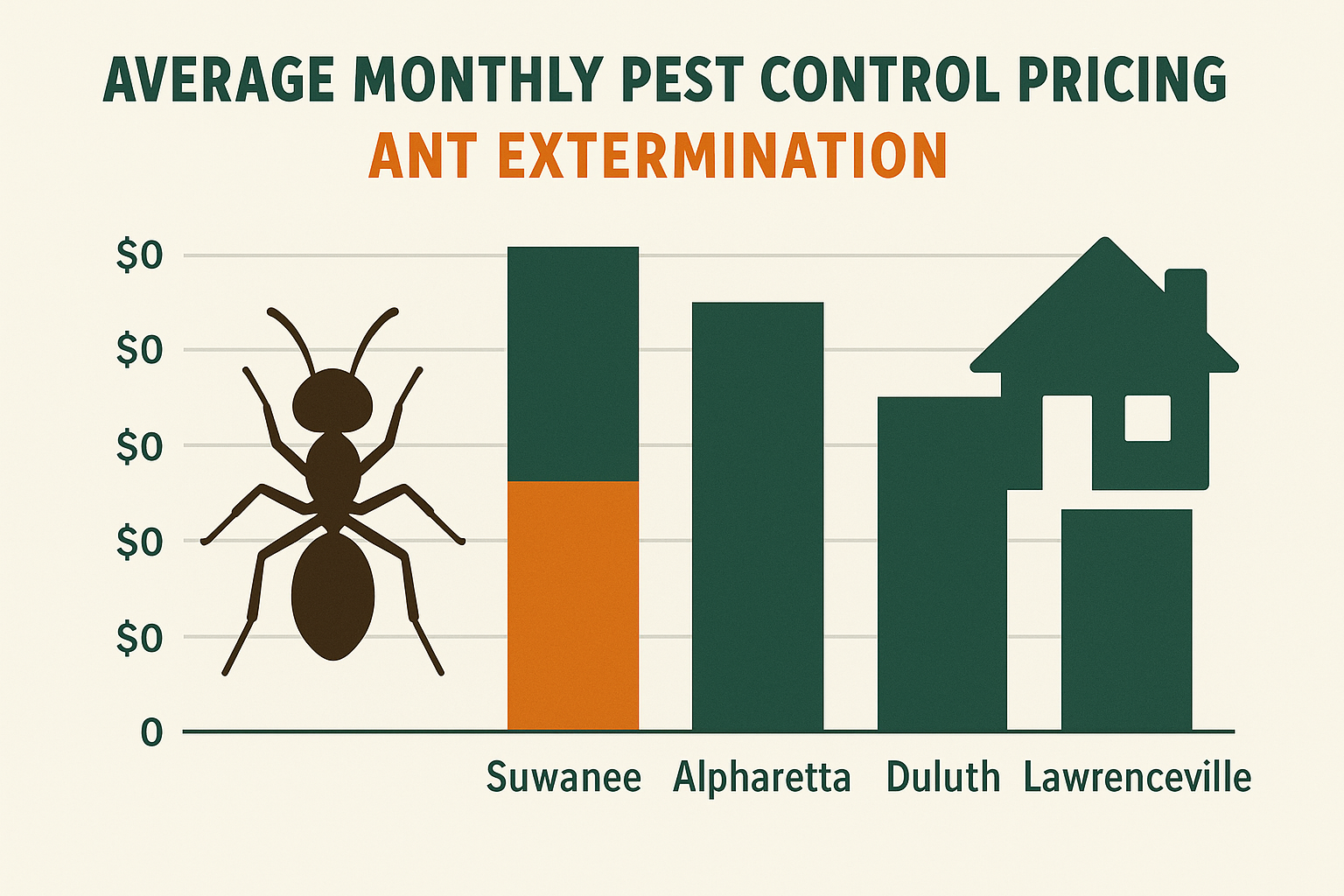
Even a few miles can shift the average cost. In the chart above, Suwanee’s monthly average sits around $120, while nearby Duluth hovers near $140 and Lawrenceville drops to $110. The variations stem from three primary factors:
- Severity of infestation: Larger colonies or multiple entry points demand more labor and product, raising the per‑square‑foot rate.
- Ant species: Carpenter ants, for example, often require deeper wood treatments, whereas odorous house ants are handled with surface sprays and baits.
- Property size and layout: A sprawling ranch home with a detached garage will need more bait stations and travel time than a compact townhouse.
Tips for Evaluating Quotes and Avoiding Hidden Fees
- Ask for a written breakdown that lists each component separately—inspection, treatment, bait, and follow‑ups.
- Confirm whether the quote includes a warranty or guarantee; some companies charge extra for “service guarantees.”
- Beware of “minimum service fees” that appear only after the technician arrives.
- Request clarification on travel surcharges—these are common in suburban areas but should be disclosed upfront.
- Compare multiple estimates side‑by‑side, focusing on total cost rather than the lowest per‑square‑foot number.
By keeping these pricing elements in mind, Suwanee homeowners can make an informed decision, ensure they receive fair value, and enjoy fast, effective ant relief without unexpected add‑ons.
Choosing a Professional Ant Control Partner in Suwanee
Key Qualifications to Look For
When you start hunting for an ant-control service, the first thing to verify is the company’s credentials—especially when choosing an ant exterminator Suwanee homeowners can trust. A reputable provider will have a valid state pest-control license, which proves they meet the regulatory standards for safety and efficacy. Look for insurance coverage as well—this protects your home and belongings if something goes wrong during treatment.
Equally important is the use of EPA‑approved products. These chemicals have been rigorously tested for human and pet safety while still delivering the knock‑out power ants need. Finally, prioritize firms with local experience. Technicians who know Suwanee’s climate, common ant species, and neighborhood construction patterns can tailor a plan that works faster and lasts longer.
Transparent Pricing and Written Service Agreements
Hidden fees are a red flag. A trustworthy pest‑control partner will present a clear, itemized quote before any work begins. This should include the cost of the initial inspection, the treatment itself, and any recommended follow‑up visits. Look for a written service agreement that outlines what’s covered, the frequency of applications, and the expected timeline for results. When the price structure is transparent, you can compare providers confidently and avoid surprise charges later.
Customer Service Factors
Fast response times matter—ants can multiply quickly, and a delayed visit can turn a minor nuisance into a full‑blown infestation. Ask how soon the company can schedule an initial assessment and whether they offer emergency slots for urgent situations.
Guarantee policies are another differentiator. A solid guarantee means the provider will return at no extra cost if ants reappear within a specified period. Additionally, look for firms that provide follow‑up support, such as post‑treatment inspections, advice on preventative measures, and a dedicated hotline for questions.
How Anthem Pest Control Meets and Exceeds These Criteria
Anthem Pest Control checks every box on the checklist. All of our technicians hold full state licenses and carry comprehensive insurance, giving you peace of mind from day one. We exclusively use EPA‑approved, low‑toxicity products that safeguard families and pets while eradicating ant colonies.
Our pricing is upfront and transparent. The initial quote includes a detailed breakdown of inspection fees, treatment costs, and any recommended maintenance plans. You’ll receive a written agreement that spells out the scope of work, the number of visits, and the exact outcomes you can expect.
Customer service is at the heart of our operation. We typically schedule inspections within 24 hours of your call, and our emergency response team can address urgent ant problems the same day. Our treatments come with a 100 % satisfaction guarantee—if ants return within the warranty period, we’ll re‑treat at no additional charge.
Because we’re based in Suwanee, we understand the local ant species—whether you’re dealing with carpenter ants nesting in wooden structures or tiny odorous house ants marching along kitchen counters. This local expertise allows us to design targeted treatment plans that work faster and stay effective longer.
Choosing Anthem Pest Control means you’re partnering with a licensed, insured, and locally knowledgeable team that values clear pricing, solid guarantees, and responsive support—everything you need for quick, lasting ant relief.
Protect Your Home Today with Anthem Pest Control
Ants may seem harmless at first, but an early infestation can quickly turn into a structural nuisance, especially during Suwanee’s warm months when colonies expand rapidly. Spotting the tell‑tale trails, tiny nests, or sudden indoor activity gives you a critical window to act before the problem spreads. Pairing that early identification with the right seasonal timing—typically late spring and early fall—means you’re hitting the pests when they’re most vulnerable. Professional treatment then seals the deal, using targeted products and proven techniques that homeowners simply can’t replicate safely on their own.
Here’s a quick checklist you can run through right now:
- Inspect kitchen counters, pantry shelves, and window sills for tiny ant trails or small piles of soil.
- Note the time of year—spring and early fall are prime breeding seasons for most household ants.
- Schedule a professional inspection within two weeks to lock in the most effective treatment window.
That’s why Anthem Pest Control offers a complimentary inspection for every Suwanee homeowner who wants peace of mind. Our certified technicians will walk through your property, locate any hidden ant activity, and explain exactly what’s happening. The inspection is free, no‑obligation, and designed to give you a clear picture of the steps needed to protect your foundation, kitchen, and yard.
If you’re ready for a pest-free home, give us a call for a complimentary quote from a trusted ant exterminator Suwanee homeowners rely on. Our friendly team is standing by at 877-371-8196, or you can request your free inspection online at anthempest.com. Taking action today means fewer chemicals later, lower costs overall, and a home that stays comfortable all year long.