Why Carpet Beetles Are a Hidden Threat in Dunwoody
Carpet beetles are small, oval-shaped insects that thrive on natural fibers such as wool, silk, cotton, and even pet hair. They’re drawn to the cozy environments of carpets, upholstery, and stored fabrics because these materials provide both food and shelter for their larvae. In a typical Dunwoody home, the abundance of carpeting and older, well-worn furnishings creates an ideal breeding ground, which is why many homeowners eventually need a carpet beetle exterminator Dunwoody residents trust to eliminate infestations before they spread.
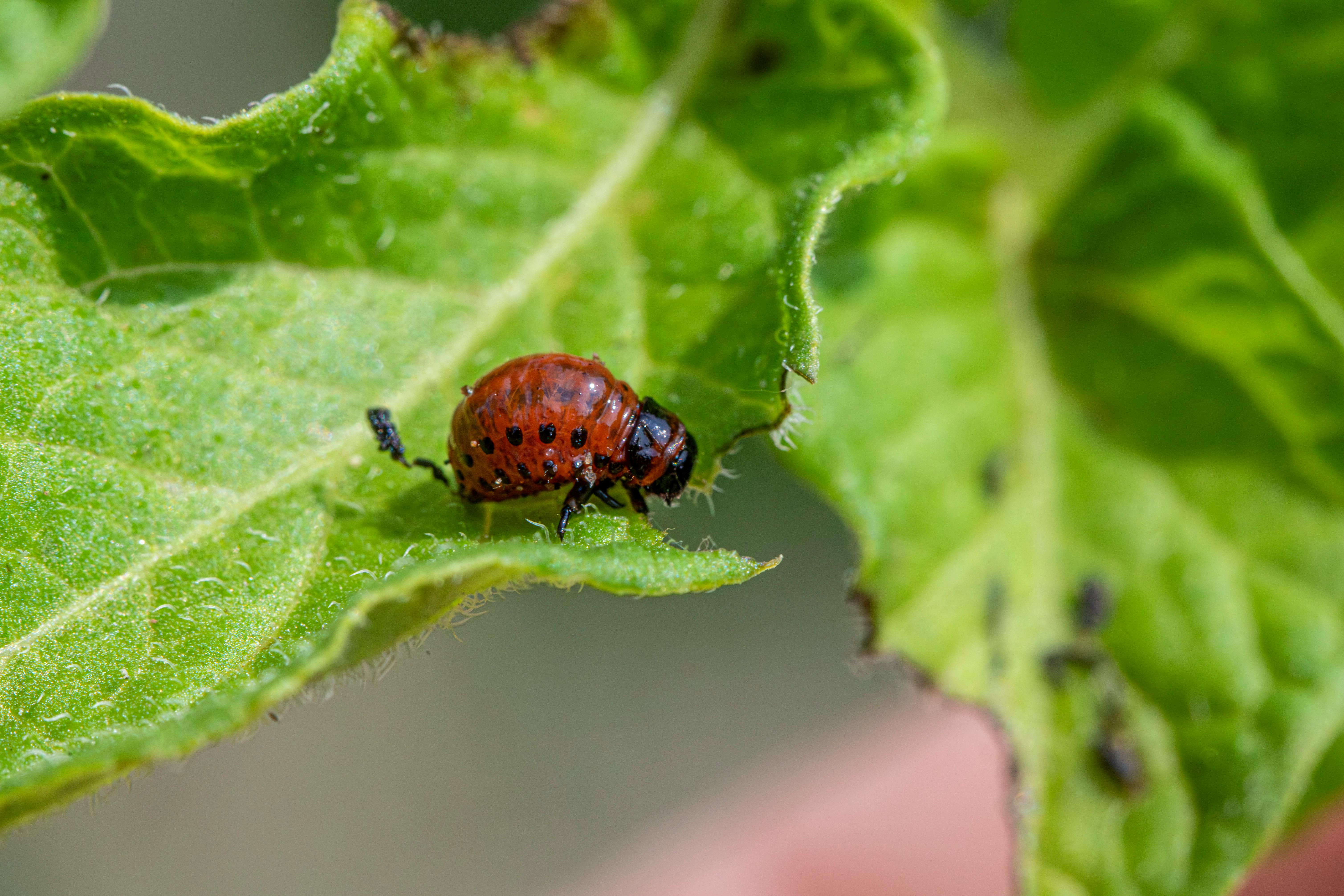
Spotting a carpet‑beetle problem early can save you from costly repairs. Look for these tell‑tale signs:
- Irregular holes in clothing, blankets, or upholstery—often round and ragged.
- Shed skins (exuviae) that appear as tiny, translucent shells near baseboards or under furniture.
- Fine webbing or silky threads, especially in the seams of carpets or along the edges of stored garments.
What many homeowners don’t realize is how quickly the damage escalates. A few weeks of unchecked activity can turn a single hole into a network of tears, permanently weakening fabrics and devaluing your interior décor. The larvae feed continuously, and because they hide in hard‑to‑reach crevices, the infestation can spread before you even notice the first sign.
The Environmental Protection Agency reports that roughly 30 % of U.S. homes experience carpet‑beetle activity each year (EPA source). In Dunwoody, that risk is amplified by two local factors: many neighborhoods feature older homes built before modern synthetic carpet standards, and the city’s high carpet density provides abundant food sources for beetle larvae.
When you combine these elements—age, carpet coverage, and the national prevalence of beetles—the threat becomes clear: a hidden infestation can silently degrade your belongings and your home’s appearance. Prompt identification and professional treatment are essential to halt the damage before it becomes irreversible.
Carpet Beetle Biology: From Egg to Adult
Egg Stage
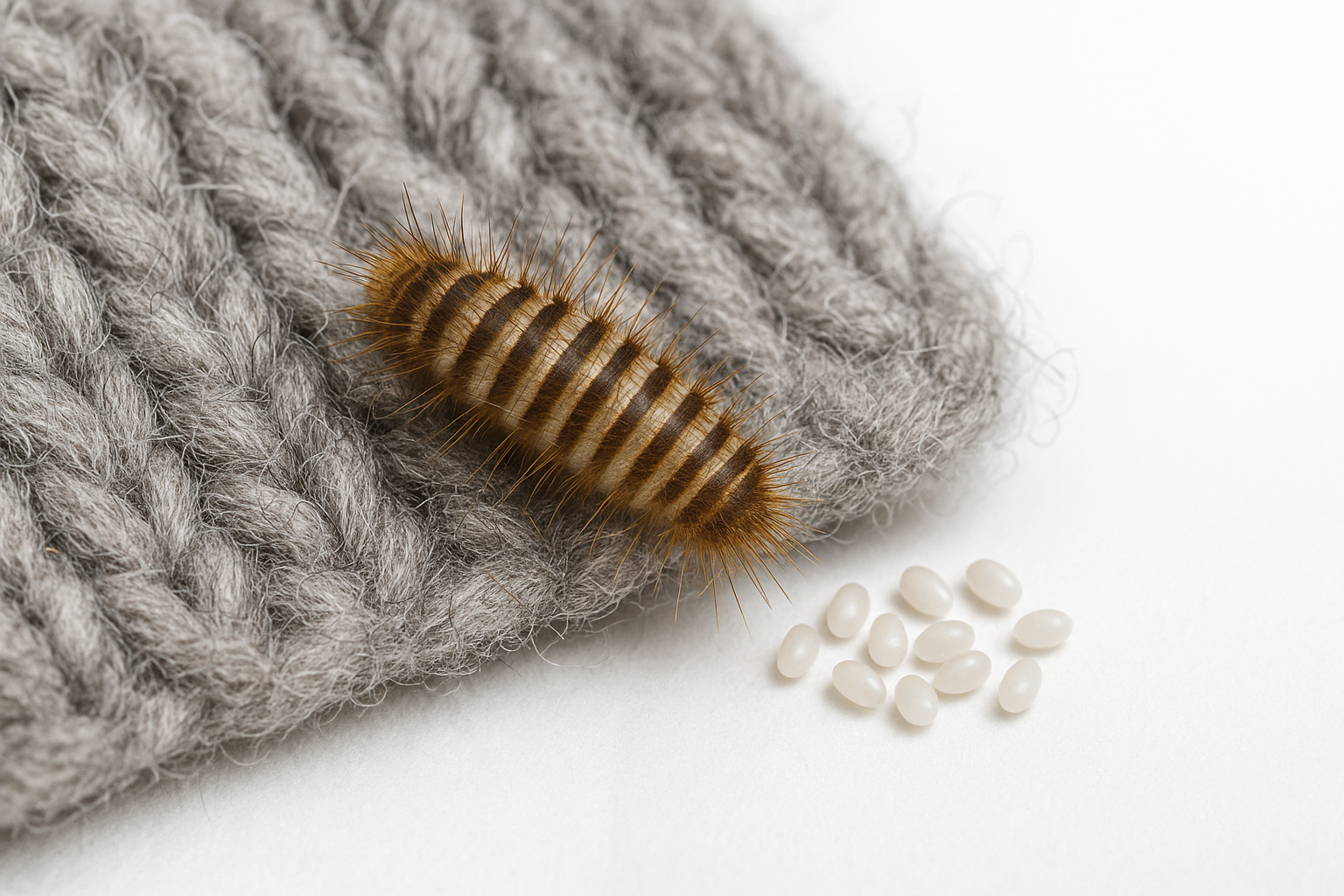
Female carpet beetles lay tiny, oval eggs—about 0.5 mm long—directly on natural fibers such as wool, silk, fur, or even on stored food products. The eggs are usually deposited in clusters of 10‑30 and are barely visible to the naked eye. Under normal indoor conditions, incubation lasts between two and six weeks, depending on temperature and humidity. Warm, humid environments accelerate development, while cooler, drier spots can extend the period.
Larval Stage
The most destructive phase is the larva, often called the “carpet beetle grub.” These larvae are covered in dense, brown‑striped hairs that give them a fuzzy appearance. Their mandibles are powerful enough to chew through protein‑rich materials such as wool, silk, feathers, fur, and even stored animal‑based foods. As they feed, they create irregular holes and a characteristic “tunneling” pattern that looks like a network of tiny tunnels woven through the fabric. This graphic‑style damage is a tell‑tale sign of an active infestation.
For a deeper dive into feeding habits, see the NPMA guide on carpet beetles.
Pupal Stage
When a larva is ready to transform, it seeks a secluded spot—often the back of a closet shelf or the crevice of a wall cavity—to spin a silken cocoon. The pupal stage can last from ten days to several weeks, influenced by temperature, moisture, and seasonal changes. Cooler conditions tend to prolong pupation, while a sudden rise in temperature can trigger an earlier emergence of the adult.
Adult Stage
Adult carpet beetles are small (2‑5 mm), rounded, and vary in color depending on species. They live only a few weeks, primarily to locate mates and lay eggs. Adults are attracted to bright lights, which is why you may see them fluttering around windows or lamps at night. While they do not cause structural damage, their presence signals that the hidden larval population is feeding and ready to expand.
Because the adult lives only a few weeks, the bulk of the damage occurs during the hidden larval phase. A single female can lay up to 100 eggs over her lifetime, meaning an infestation can multiply rapidly if untreated. Recognizing each stage helps homeowners spot early signs and act before the population explodes.
Common Georgia Species
- Varied carpet beetle (Anthrenus verbasci) – recognizable by its mottled black, white, and orange pattern; prefers wool and silk.
- Black carpet beetle (Attagenus unicolor) – uniformly dark brown to black; especially fond of stored grains and animal‑based foods.
Dunwoody’s Climate and Seasonal Peaks
In Dunwoody, the combination of warm, humid summers and relatively mild winters creates a near‑ideal environment for fast carpet beetles to complete their life cycle in record time. Temperatures regularly hover above 80°F (27°C) from late May through September, while humidity levels often exceed 60 %. Those conditions accelerate egg hatching, larval growth, and adult emergence, compressing what can be a year‑long cycle in cooler regions into just a few months. These conditions also reduce the dormancy period of larvae, meaning infestations can become noticeable within weeks rather than months.
What the data show
Fulton County pest‑monitoring reports for 2023‑2024 reveal a sharp spike in carpet beetle sightings beginning in early May and peaking in August. The county’s weekly logs recorded an average of 42 % more reports during those months compared with the rest of the year. That surge aligns perfectly with the climate window described above, confirming that the beetles are most active when heat and moisture are abundant.
Neighborhood hotspots
Not every corner of Dunwoody experiences the same level of risk. Homes in the Peachtree Corners and Brookhaven areas tend to have larger carpeted floor spaces and older upholstery, providing abundant food sources for larvae. Residents there report higher infestation numbers, especially in houses built before 2000 that still feature dense area rugs and wall‑to‑wall carpeting.
Why timing matters
A recent CDC/USDA study found that homeowners who initiate professional treatment within two weeks of their first beetle sighting cut potential damage costs by up to 70 % — a staggering savings that comes from stopping the larvae before they can burrow into fabrics and wood. The study, published on the CDC’s household pest page, emphasizes early intervention as the most cost‑effective strategy.
Practical takeaways
- Mark your calendar: May – September is the critical window for inspection.
- Prioritize early detection in carpet‑heavy neighborhoods like Peachtree Corners and Brookhaven.
- Schedule a professional assessment as soon as you notice beetles, shed skins, or irregular carpet damage.
- Consider a preventative treatment plan before the summer heat arrives to stay ahead of the infestation cycle.
By understanding how Dunwoody’s weather accelerates carpet beetle development, homeowners can act decisively and avoid the costly, time‑consuming repairs that follow a full‑blown infestation.
What to Expect During a Professional Carpet Beetle Inspection
Scheduling Your Free Initial Assessment
Getting started is simple. You can either fill out the quick online form on our website or give us a call at 877‑371‑8196. Our friendly staff will confirm the date and time that works best for you, and you’ll receive a confirmation email with the technician’s name.
Technician Arrival: Who’s at Your Door?
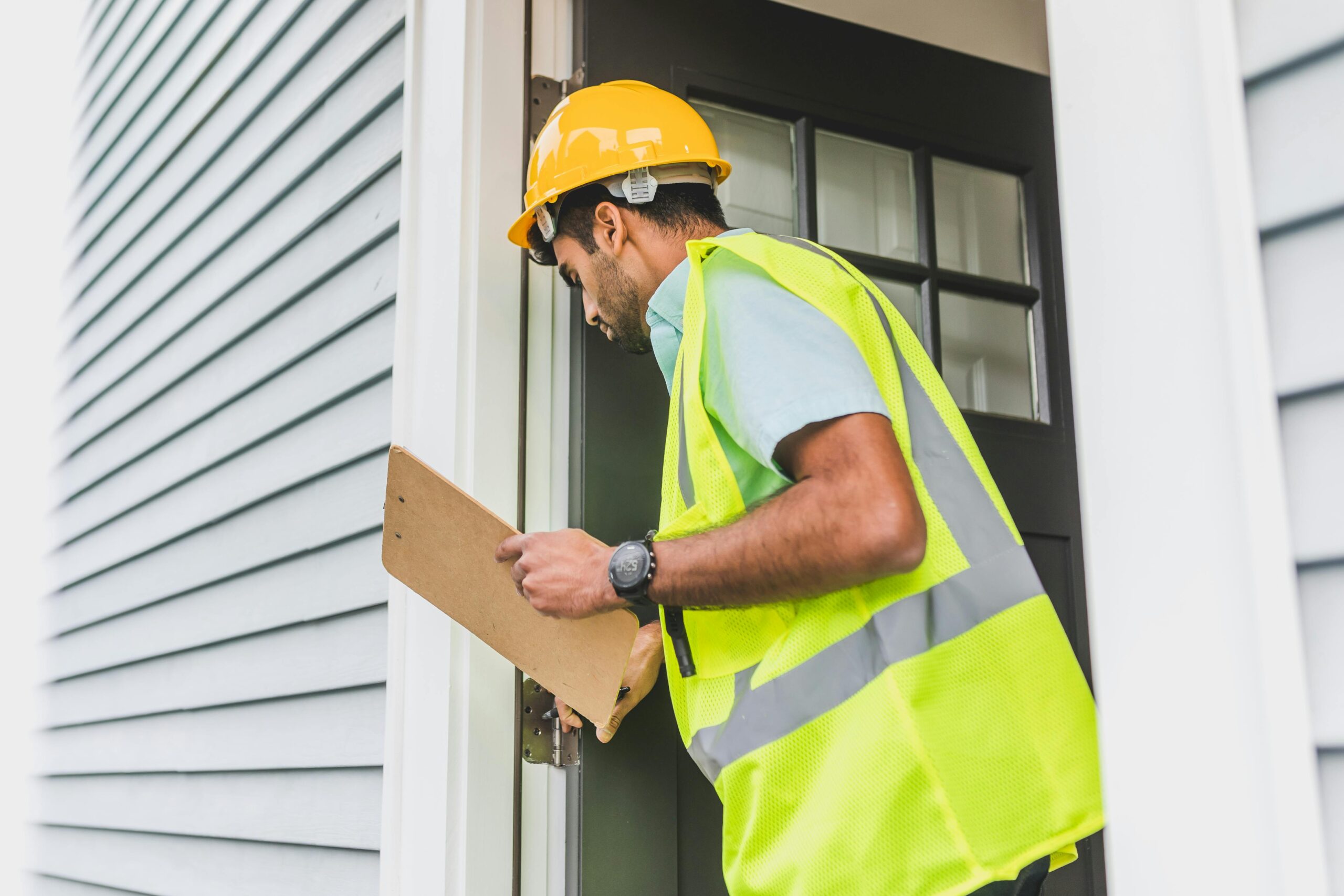
When the technician arrives, you’ll see a clean, company‑branded uniform, a visible ID badge, and the safety gear required for a thorough inspection. This transparency lets you know you’re dealing with a trained professional who respects your home.
Visual Walk‑Through of High‑Risk Areas
The inspection begins with a systematic visual sweep of the spots carpet beetles love most: baseboards, closets, under sofas, and any storage areas with natural fibers. The technician moves methodically, checking seams, cracks, and hidden corners where adult beetles lay eggs.
Specialized Tools: UV Flashlights & Moisture Meters
To catch what the naked eye can miss, we use high‑intensity UV flashlights. Under ultraviolet light, beetle larvae and their shed skins glow, making them easy to spot. A moisture meter is also run across walls and floors; excess moisture creates a perfect breeding ground, so locating it helps us understand why beetles are thriving.
Sample Collection for Lab Confirmation
If the technician finds ambiguous evidence—like a few shed skins or a small cluster of larvae—they’ll collect a tiny sample. These are sealed in a labeled container and sent to our certified lab for species confirmation. This step ensures we target the right pest with the right treatment.
Real‑World Example
During a recent visit to a 1,500‑sq ft bungalow in Dunwoody, our technician noticed a faint sheen behind the living‑room baseboard. Using the UV flashlight, several tiny larvae were revealed, confirming an active infestation that had gone unnoticed for months. The homeowner was relieved to finally have a clear diagnosis.
Written Report & Treatment Recommendation
Within 24 hours, you’ll receive a detailed written report. It outlines the inspection findings, includes photos of any evidence, and recommends a tailored treatment plan—whether it’s a targeted spot‑treatment, a whole‑home application, or a preventive schedule.
Ready to see the full service details? Visit our carpet‑beetle control page for pricing, safety information, and next steps.
Fast, Effective Treatment Methods for Carpet Beetles
Targeted Chemical Sprays
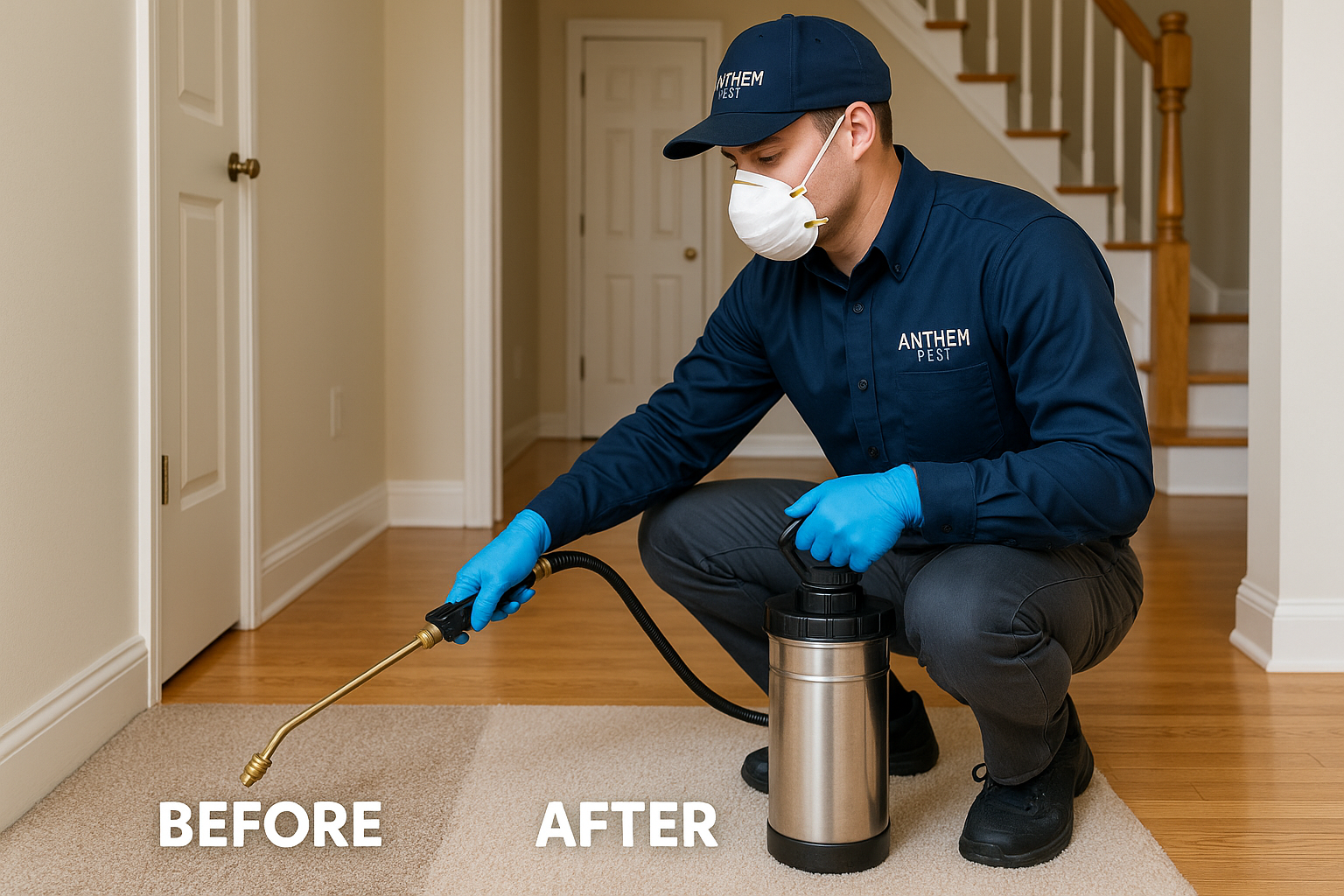
EPA‑registered active ingredients such as permethrin and bifenthrin are the workhorses of professional carpet‑beetle control. These pyrethroids disrupt the insect’s nervous system, delivering rapid knock‑down within minutes of contact. Technicians apply the spray directly to high‑risk zones—baseboards, under furniture, carpet seams, and storage containers—using a low‑pressure hand‑held atomizer that ensures even coverage without oversaturating the fibers.
Safety is a top priority. Before spraying, Anthem’s crew moves pets and children to a well‑ventilated area, covers food surfaces, and recommends a 2‑hour “no‑re‑entry” window. Once the product dries, the residue remains active for several weeks, providing a protective barrier against re‑infestation. Homeowners typically notice a dramatic drop in beetle activity within 24‑48 hours.
Heat Treatment
Heat offers a chemical‑free alternative that kills every life stage of carpet beetles. By raising the carpet and underlying padding to **120 °F (49 °C)** for at least **two continuous hours**, you guarantee mortality of eggs, larvae, pupae, and adults. Professionals use portable industrial heaters and calibrated thermometers to monitor hotspots and avoid overheating delicate fibers.
Preparation is straightforward: remove loose items, vacuum thoroughly, and seal doors to contain the heat. Because the method relies on temperature rather than toxins, it’s ideal for homes with infants, pets, or occupants who have chemical sensitivities. Results are immediate—once the temperature threshold is reached, the beetles cannot survive, and you’ll see a cessation of new damage within a day.
Integrated Pest Management (IPM)
IPM blends sanitation, structural repairs, and ongoing monitoring to keep carpet beetles from returning. The first step is a deep clean: vacuum carpets, steam‑clean rugs, and launder all removable fabrics at 130 °F. Next, technicians seal cracks, gaps around baseboards, and entry points around windows and doors, cutting off the beetles’ access to new food sources.
Finally, a schedule of quarterly inspections and baited monitoring stations helps catch any resurgence before it becomes visible damage. While IPM doesn’t provide the instant kill of chemicals or heat, it offers long‑term peace of mind and reduces the need for repeated treatments, making it a cost‑effective choice for homeowners who prefer a holistic approach.
Case Study: Permethrin Spray in a 2,000‑sq ft Dunwoody Home
In a recent service call, Anthem applied a permethrin‑based spray to a 2,000‑square‑foot residence plagued by a heavy carpet‑beetle infestation. Technicians treated all carpet seams, under‑furniture voids, and storage closets. Within **48 hours**, the homeowner reported a **95 % reduction** in adult beetle sightings and no new larval damage. A follow‑up inspection one week later confirmed that the remaining population was negligible, and a single preventive spray kept the home beetle‑free for the next six months.
Why Verify EPA‑Approved Ingredients?
Choosing products listed in the EPA pesticide database guarantees that the active ingredient has undergone rigorous efficacy and safety testing. Both permethrin and bifenthrin meet EPA standards for indoor use against carpet beetles, ensuring that you receive a treatment that is legally compliant and scientifically validated.
How Much Does Fast Carpet Beetle Extermination Cost?
Inspection fee
Most technicians charge a $75‑$100 inspection to locate nests, assess damage, and recommend a treatment plan. Anthem often waives this fee once you approve and schedule the extermination, so the cost is effectively folded into the treatment price. The inspection also includes a detailed report with recommendations for long‑term prevention.
Standard chemical treatment
A conventional spray or dust application runs between $150 and $250. The exact amount depends on the square footage of the affected area and the severity of the infestation, with larger homes and heavier beetle populations requiring more product and labor. We target cracks, baseboards, and hidden carpet edges where larvae tend to hide.
Heat treatment
Heat‑based eradication, which raises interior temperatures to lethal levels for all life stages, typically costs $300‑$450. Prices rise with the size of the home and the amount of time the equipment must run to reach and maintain the target temperature. The process is safe for pets and furniture when performed by certified technicians.
Key cost drivers
- Home size: Bigger square footage means more product or longer heating cycles.
- Infestation level: Light sightings cost less than a full‑blown colony.
- Chosen method: Chemical vs. heat has distinct price brackets.
- Accessibility: Hard‑to‑reach closets, attics, or crawl spaces add labor time.
Anthem’s pricing promise
Anthem Pest Control backs every job with a flat‑rate guarantee, so the quote you receive is the amount you’ll pay—no hidden fees. For families needing flexibility, we offer low‑interest financing options that spread the cost over manageable monthly payments.
Local market comparison
For reference, a nearby competitor such as XYZ Pest lists carpet beetle services between $200 and $350, depending on the same variables. Anthem’s transparent range and flat‑rate policy often place us at the more predictable end of the market.
Keeping Carpet Beetles Out for Good
Carpet beetles are relentless, but a disciplined maintenance routine can shut them out for good. The key is to combine thorough cleaning with smart storage and moisture control, so you remove both the insects and the conditions they love.
1. Vacuum with a HEPA filter
Vacuuming isn’t just a quick tidy‑up; it’s your first line of defense. Use a vacuum equipped with a HEPA filter and run it slowly over edges, baseboards, and the undersides of sofas, beds, and cabinets. These hidden seams often hide larvae and shed skins. Aim for at least once a week in high‑traffic rooms and twice a month in rarely used areas.
2. Wash removable fabrics in hot water
Curtains, blankets, pet bedding, and any washable textiles should be laundered in water hotter than 130 °F every three months. The heat kills eggs and larvae that may be clinging to fibers. If an item can’t tolerate hot water, place it in a sealed bag and freeze it for 72 hours before washing.
3. Store seasonal items properly
When the weather changes, move clothing, linens, and décor into airtight plastic containers. Avoid cardboard boxes—they retain moisture and can be chewed through. Label each container and keep it off the floor to discourage beetles from crawling underneath.
4. Eliminate moisture sources
Leaking pipes, roof drips, or condensation under windows create the humidity carpet beetles thrive on. Fix leaks promptly and run a dehumidifier in damp areas such as basements and laundry rooms. Aim for indoor humidity below 50 %.
5. Natural repellents
Cedar blocks and sachets can deter adult beetles when placed in closets, drawers, and storage bins. Mothballs are effective too, but only use them in tightly sealed spaces because of their strong fumes.
Seasonal checklist
- Spring: Perform a deep‑clean—vacuum, wash fabrics, and inspect stored items before they re‑enter the home.
- Summer: Check for moisture buildup in basements, attics, and under appliances; run dehumidifiers as needed.
- Fall: Conduct a thorough inspection before cooler months arrive, resealing any cracks and refreshing cedar repellents.
According to the NPMA 2023 survey, homes that implement quarterly cleaning see 40 % fewer carpet‑beetle infestations. By integrating these habits into your routine, you’ll make your home an uninviting environment for beetles year after year.
Real Results from Dunwoody Residents
When a pest problem feels impossible to solve, a genuine story from a neighbor can make all the difference. Dunwoody homeowners who chose Anthem Pest Control consistently report rapid relief, transparent pricing, and a level of professionalism that turns a stressful situation into a quick win.
“Anthem cleared my carpet beetles in 24 hours – no more holes in my curtains!” – Brookhaven homeowner
One family living in a 1,800‑sq ft house faced a severe carpet beetle outbreak that threatened their upholstery, bedding, and even the wooden trim. After a thorough inspection, Anthem scheduled two targeted visits. Within the first 48 hours, the beetles were eradicated, and the home avoided an estimated $1,200 in replacement costs for damaged fabrics and furniture. The homeowners praised the technician’s punctuality, clear communication, and the fact that the entire job was completed on the same day the treatment was applied.
Google reviewers echo the same sentiment. Below are a few recent snippets that illustrate the consistent five‑star experience across the Dunwoody service area:
- ⭐️⭐️⭐️⭐️⭐️ – “Fast response, friendly crew, and the beetles vanished. Highly recommend!” (27 reviews total)
- ⭐️⭐️⭐️⭐️⭐️ – “Transparent pricing and a technician who actually explained what was happening. No more beetles after the first visit.”
- ⭐️⭐️⭐️⭐️⭐️ – “Professional, on‑time, and the house feels safe again. Thank you, Anthem!”
The common thread in every testimonial is the speed of response and the professionalism of Anthem’s team. Homeowners in Dunwoody can expect a same‑day inspection, a clear action plan, and a treatment that delivers results within 24 hours—exactly the peace of mind they need when carpet beetles threaten their home.
FAQ – Carpet Beetles in Dunwoody
Below are answers to the most common questions we hear from Dunwoody homeowners about carpet beetles.
Are carpet beetles harmful to humans?
Carpet beetles do not bite, sting, or spread disease, so they’re not a direct health threat. However, their shed skins, fecal pellets, and dead larvae can become airborne allergens that provoke skin irritation or respiratory reactions in sensitive individuals.
If you notice itchy welts or sneezing after cleaning, it’s wise to vacuum thoroughly and wash affected fabrics in hot water.
How long does treatment last?
When a professional treatment is applied correctly and followed by a solid prevention plan, most homeowners enjoy protection for six to twelve months. Seasonal cleaning, proper storage of fabrics, and regular inspections help extend that window.
We also recommend sealing cracks and storing seasonal clothing in sealed containers to keep new infestations at bay.
Can I treat myself?
Do‑it‑yourself methods can reduce adult beetles, but they often miss hidden larvae deep in carpets, upholstery, or wall voids. A licensed technician uses targeted insecticides and heat or vacuum techniques that reach those concealed hotspots, delivering faster, safer, and more complete eradication.
Our technicians also provide a detailed follow‑up report, so you know exactly what was treated and how to keep the beetles out.
Regular annual inspections keep your home one step ahead of any resurgence.
Fast Relief and Next Steps for Dunwoody Homeowners
Carpet beetles spread quickly, and every day they remain unchecked they can chew through clothing, upholstery, and even structural fibers, costing you time and money. Acting now stops the infestation before it reaches a level that requires extensive replacement or professional restoration.
Anthem Pest Control’s approach combines rapid response with data‑driven inspection. Our technicians use the latest monitoring tools to pinpoint beetle activity, then apply a targeted treatment that eliminates the insects while protecting your family and pets. You’ll receive a clear, upfront quote—no hidden fees—and benefit from our deep knowledge of Dunwoody’s climate and building styles.
Key advantages of choosing Anthem in Dunwoody:
- Same‑day inspection and rapid treatment to halt beetle activity.
- Transparent, flat‑rate pricing so you know exactly what you’ll pay.
- Local technicians who understand the specific challenges of Georgia homes.
Don’t wait for the damage to become visible. Schedule your free, no‑obligation inspection today by calling 877‑371‑8196 or visiting our website. Our friendly team will set up a convenient appointment and walk you through every step of the eradication plan.
Ready for peace of mind? Contact Anthem Pest Control for a complimentary inspection and a customized eradication plan—your home deserves the best protection.