Rapid Response to Centipede Sightings in Brookhaven
When a centipede makes its way into your home, waiting isn’t an option. Though most species in Georgia are non‑venomous, a bite can still cause painful swelling, especially for children or those with sensitive skin. More importantly, centipedes hunt other insects, leaving behind droppings and dead prey that can contaminate food surfaces. The psychological impact—constant anxiety about another surprise crawl‑out—can erode peace of mind.
That lingering fear can keep you up at night, wondering if the next crawl brings a bite.
In the sections that follow we’ll walk you through everything you need to know:
- Centipede biology and why they thrive in Brookhaven homes
- Health risks associated with bites and contamination
- How our certified technicians conduct a thorough inspection
- Effective treatment options and what to expect during application
- Transparent pricing – we’ll reveal exact costs before work begins
- Preventive steps to keep centipedes out for good
- Seasonal trends that influence centipede activity
- Choosing the right local expert for fast, reliable service
- Frequently asked questions from worried homeowners
We’ll also reveal exactly how much each step costs, so you never face hidden fees.
By the end of this guide you’ll understand why rapid response saves you money, health, and hassle, and you’ll have a roadmap to a centipede‑free home.
Centipede Biology and Seasonal Activity in Brookhaven
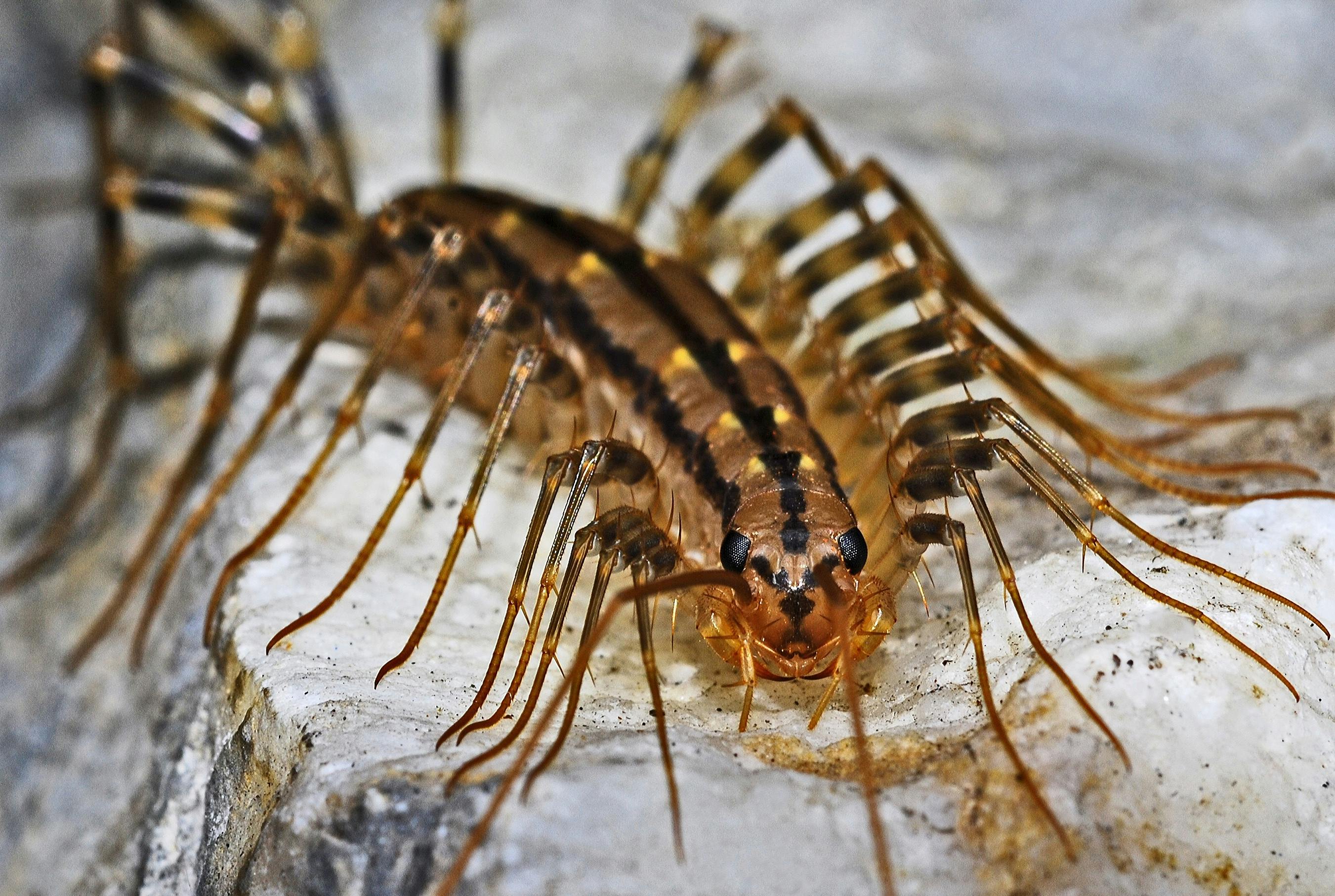
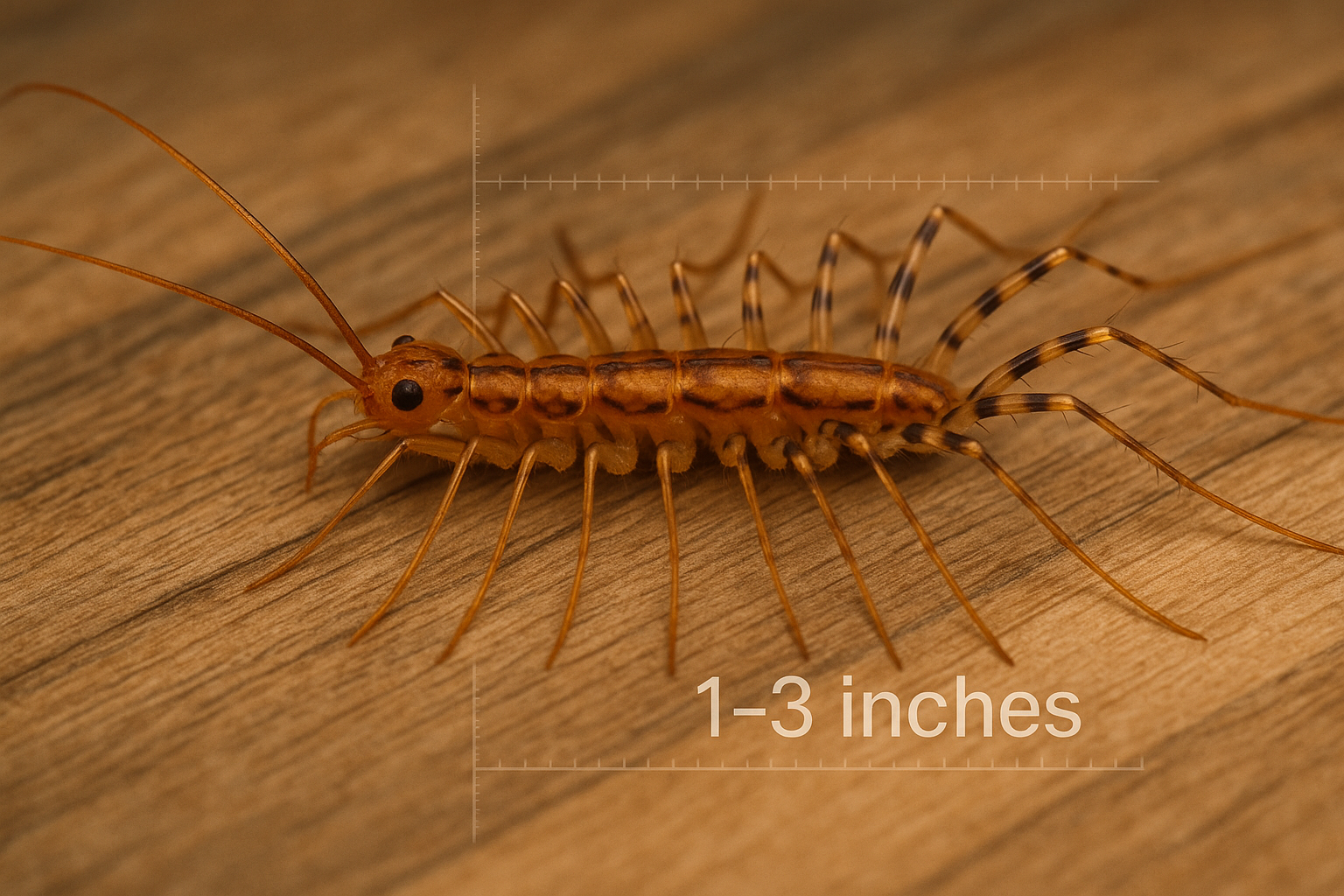
When you spot a swift, silver‑legged centipede darting across your kitchen floor, you’re most likely looking at the house centipede (Scutigera coleoptrata). This species is the most common indoor centipede in the Southeast, including Brookhaven, GA. Adults range from 1 to 3 inches in length, with a sleek, flattened body and up to 15 long, jointed legs per segment that give them their characteristic rapid, “run‑like” movement.
Habitat preferences reflect the centipede’s need for moisture and shelter. In Brookhaven homes, you’ll find them:
- In damp basements and crawl spaces where humidity stays high.
- Hidden among leaf‑litter, mulch, or compost piles close to the house foundation.
- Inside closets, bathrooms, and kitchen cabinets that retain moisture after spills or leaks.
These micro‑environments act like a highway for centipedes, allowing them to hunt their favorite prey—small insects, spiders, and even other centipedes—while staying out of sight.
Seasonal activity pattern in Brookhaven aligns closely with the region’s humid climate. The 2024 NPMA (National Pest Management Association) report lists centipedes among the top 10 indoor pests in the Southeast, noting a clear surge in activity from late spring through early fall. During May and June, rising ground moisture and warm nighttime temperatures create ideal conditions for breeding and foraging. Activity tapers off in winter as indoor humidity drops, but centipedes can persist in heated homes that maintain a moist environment.
Understanding this cycle helps homeowners time preventive measures. For example, sealing cracks around foundations in early spring and using a dehumidifier in basements during summer can dramatically reduce the likelihood of an indoor infestation.
For a deeper dive into the data, consult the 2024 NPMA report on centipedes. The study confirms that humidity‑driven peaks in the Southeast coincide with the period when homeowners most often report sightings, reinforcing the importance of early‑season inspections and moisture control.
By recognizing the biology of Scutigera coleoptrata and its seasonal habits, Brookhaven residents can act proactively—reducing indoor sightings, protecting family health, and keeping their homes comfortable year‑round.
Health Risks and the Need for Prompt Action
Bite Symptoms and Medical Concerns
Centipede bites are usually painless at first, but they can quickly turn into a red, swollen welt that itches for a few days. Most homeowners experience only mild irritation, yet a small percentage may develop a more pronounced allergic reaction—characterized by intense swelling, hives, or even difficulty breathing. The CDC’s guidance on indoor arthropod bites advises monitoring any bite that worsens after 24 hours and seeking medical attention if symptoms spread or become severe. Prompt treatment not only eases discomfort but also prevents secondary infections that can arise from scratching.
Food Safety Concerns
Centipedes are opportunistic hunters; they crawl across countertops, pantry shelves, and even open food containers. While they are not known carriers of foodborne pathogens, their presence can contaminate surfaces with saliva, feces, or shed exoskeleton fragments. This indirect contamination raises the risk of cross‑contact with prepared meals, especially in homes with children or immunocompromised family members. A quick extermination eliminates the chance of unwanted “extra ingredients” ending up in your grocery staples.
Psychological Impact on Homeowners
Seeing a fast‑moving centipede scuttle across a bedroom floor can trigger a surge of anxiety. Many homeowners report sleepless nights, heightened stress, and a lingering sense of insecurity after an infestation is discovered. The fear of being bitten or the mere sight of these multi‑legged invaders can erode the comfort of one’s own home, turning a safe haven into a source of tension.
Why Immediate Action Matters
Delaying treatment allows centipedes to multiply, increasing bite incidents, food‑contact opportunities, and the mental strain on residents. A swift response from a professional service—like Anthem Pest Control—halts the infestation before it escalates, safeguarding health, preserving food integrity, and restoring peace of mind. Acting promptly is the most effective way to protect both your family’s well‑being and the sanctity of your home.
Inspecting Your Home and Identifying Centipedes
Before you call a professional, a quick DIY inspection can reveal whether the scurrying guests are centipedes or harmless housemates. Follow this systematic walk‑through to catch them early.
Inspection checklist
- Under kitchen and bathroom sinks – moisture attracts centipedes.
- Basement corners and floor joists – dark, undisturbed areas are prime real estate.
- Pet bedding and litter boxes – soft material retains humidity.
- Crawl‑space or garage floor after a rainstorm – water seeps in, creating a perfect hunting ground.
- Door thresholds and window sills – entry points where they may linger.
- Behind appliances such as refrigerators or washing machines – hidden gaps hold moisture.
Tools you’ll need
A basic kit is all that’s required. Grab a bright flashlight, a handheld magnifying glass (2×–5× works well), and a pair of disposable gloves. While you’re scanning, look for a slender, flattened body, 15‑leg pairs (30 legs total), and a lightning‑quick, side‑to‑side gait. Size ranges from a half‑inch to two inches, and the head often bears long antennae.
Centipedes thrive in damp environments because their skin needs moisture to stay supple. If you notice a persistent musty smell or water stains near the areas listed, it’s a strong indicator that the habitat is inviting centipedes. Reducing humidity with a dehumidifier or fixing leaks can dramatically lower their numbers before any chemical treatment is needed.
Centipede vs. house‑cricket vs. millipede
| Feature | Centipede | House‑cricket | Millipede |
|---|---|---|---|
| Body shape | Flattened, elongated | Rounded, slightly flattened | Rigid, cylindrical |
| Leg count | 15 pairs (30 legs) | 2 pairs (4 legs) + 3‑pair wings (not used) | Many pairs (up to 50), but legs are short |
| Movement | Rapid, side‑to‑side | Slow, hopping | Slow, rolling |
| Preferred habitat | Moist, dark crevices | Warm, dry interiors | Damp leaf litter, soil |
Real‑world example from Brookhaven
Last spring, a Brookhaven homeowner reported a two‑inch centipede darting across the crawl‑space floor after a heavy rain. The homeowner followed the checklist, discovered additional specimens near the water‑logged foundation wall, and called Anthem Pest Control. Our team confirmed the identification, treated the moisture source, and applied a targeted barrier that eliminated the infestation within a week.
Treatment Options for Centipede Infestations
Chemical Spot‑Treatment
EPA‑registered sprays such as bifenthrin and permethrin are the most common chemicals homeowners use for quick knock‑down. These products are formulated to create a residual barrier on baseboards, door frames, and other entry points, killing centipedes on contact and preventing a few days’ worth of re‑infestation. A typical application by a licensed technician costs between $45 and $75, depending on square footage and the number of treatment zones.
The 2023 EPA efficacy study confirmed that both bifenthrin and permethrin achieve >90 % mortality within 24 hours when applied at label‑recommended rates. For DIY users, the study also warns that improper mixing or over‑application can reduce effectiveness and increase health risks. Always read the label, wear protective gloves, and keep children and pets out of the treated area for at least two hours.
Bait Stations & Dusts
When centipedes hide deep in wall voids or crawl spaces, surface sprays often miss the target. Bait stations loaded with slow‑acting insecticides or silica‑based dusts can be placed in these concealed spaces. The EPA study on bait efficacy showed a 78 % reduction in centipede activity after four weeks of strategic placement.
- Placement: Insert stations or dust packets into cracks, behind baseboards, and in utility chases where moisture accumulates.
- Frequency: Replace baits every 30‑45 days during peak summer months; dusts typically last 6‑12 months.
- Cost: A starter kit of three bait stations runs $30‑$45, while a bulk bag of silica dust is about $25‑$40.
Both options are available in pet‑friendly formulations that use reduced‑risk active ingredients, but they still require careful handling to avoid accidental ingestion.
Professional Full‑Home Treatment (IPM)
Anthem Pest Control’s professional IPM workflow begins with a thorough pre‑inspection. Technicians identify hot spots, assess moisture levels, and map potential entry routes. The next step is a targeted spray using EPA‑registered, low‑odor products that create a long‑lasting barrier on all interior and exterior perimeters.
Follow‑up visits are scheduled 7‑14 days after the initial treatment to assess residual activity and apply supplemental dusts or baits where needed. This comprehensive approach not only eliminates the current infestation but also reduces the likelihood of future outbreaks by addressing underlying conditions such as excess humidity or structural gaps.
Pricing for a full‑home IPM package in Brookhaven typically ranges from $150 to $300, inclusive of inspection, treatment, and a one‑year warranty that covers re‑treatment if centipedes return.
DIY vs. Professional: Quick Comparison
| Factor | DIY (Spot‑treat, Bait, Dust) | Professional (Full‑Home IPM) |
|---|---|---|
| Cost (initial) | $30‑$75 per treatment | $150‑$300 per service |
| Safety | Requires personal protective equipment; higher risk of misuse | Licensed technicians use EPA‑registered, low‑risk products; pets and children protected |
| Warranty | None; repeat purchases needed for re‑infestation | One‑year guarantee with free re‑treatment |
| Long‑term control | Variable; depends on correct placement and homeowner vigilance | Integrated approach addresses moisture, entry points, and habitat |
Why EPA‑Registered and Pet‑Friendly Products Matter
Both the EPA and responsible pest‑control companies like Anthem Pest insist on using products that have passed rigorous toxicity testing. EPA‑registered formulas guarantee that the active ingredient works at the labeled concentration while minimizing harmful residues. For households with dogs, cats, or small children, look for “pet‑friendly” labels that limit acute toxicity and feature reduced‑odor carriers.
Choosing an EPA‑registered solution—whether you apply it yourself or let a professional handle it—protects your family’s health and ensures you stay within state and local pesticide regulations. When in doubt, a quick call to 877‑371‑8196 connects you with Anthem’s certified technicians who can recommend the safest, most effective regimen for your Brookhaven home.
Transparent Pricing and What Homeowners Receive
When you call Anthem Pest, the first thing you’ll see on the estimate is a clear, line‑item breakdown. No hidden fees, no surprise add‑ons – just the cost of the service you need to keep centipedes out of your home.
Anthem Pest’s Centipede Service Packages
- Initial inspection – $99: A certified technician conducts a room‑by‑room assessment, identifies entry points, and maps out the infestation.
- One‑time treatment – $149‑$199: Targeted application of low‑toxicity pesticides, focused on cracks, baseboards, and moist areas where centipedes hide.
- Quarterly preventive plan – $199‑$249 per quarter: Four scheduled visits that combine treatment, monitoring, and re‑inspection to keep the pests at bay year‑round.
What’s Included with Every Service
- Thorough visual inspection and moisture assessment.
- Targeted pesticide application using EPA‑approved products.
- Detailed post‑treatment report with photos and recommendations.
- 30‑day guarantee – if centipedes return, we retreat at no extra charge.
How Our Prices Compare to Regional Averages
Transparent, upfront pricing means you know exactly what you’re paying for before the technician steps onto your property. Combine that clarity with a comprehensive service package and a 30‑day guarantee, and you get real value without the guesswork.
Many pest‑control companies quote a low “base” price and then tack on extra charges for things like follow‑up visits, equipment fees, or “premium” chemicals. Those add‑ons can push the final bill well above $400 for a single centipede problem. Anthem Pest eliminates that guessing game by bundling every necessary step into the quoted price. The inspection, treatment, reporting and guarantee are all accounted for up front, so you can budget confidently and avoid unexpected expenses. That peace of mind is priceless for any Brookhaven homeowner.
Prevention Strategies to Keep Centipedes Out
Control Moisture at Its Source
Centipedes thrive in damp environments, so eliminating excess moisture is your first line of defense. Inspect your home for leaky pipes, roof drips, or condensation around windows and repair them promptly. Running a dehumidifier in basements and crawl spaces can drop relative humidity below the 50 % threshold that many centipede species avoid. Improve ventilation in bathrooms, kitchens, and laundry rooms by using exhaust fans or opening windows when weather permits. For a comprehensive guide, see the EPA moisture‑management guide.
Seal Every Possible Entry
Even the smallest crack can become a highway for centipedes. Apply a high‑quality silicone caulk to seal gaps around baseboards, window frames, and utility penetrations. Install door sweeps on all exterior doors to block the gap between the threshold and the floor. Vents, especially in attics and crawl spaces, should be fitted with fine mesh screens that can’t be torn by insects. Regularly check these seals after severe weather, as temperature shifts can cause materials to contract and reopen.
Landscape Maintenance Matters
The yard is an extension of your home’s pest‑proofing plan. Keep mulch, wood chips, and leaf litter at least 12 inches away from the foundation; these organic layers retain moisture and provide shelter for centipedes. Trim shrubs, vines, and tree branches so they do not touch the house, creating a clear buffer zone that discourages crawling insects from climbing onto the exterior walls. When watering your garden, aim the hose away from the house and consider drip irrigation to reduce surface runoff.
Brookhaven Seasonal Checklist
- Spring: Inspect for roof leaks after the first rainstorm; run a dehumidifier in the basement for two weeks.
- Summer: Check door sweeps and vent screens weekly; prune any vegetation that has grown within a foot of the siding.
- Fall: Rake leaves away from the foundation; re‑caulk any cracks that may have expanded during summer heat.
- Winter: Ensure interior humidity stays below 45 % and keep exterior doors tightly sealed.
Quick Tip – 3‑Step Daily Check
1. Look for standing water in sinks, tubs, or pet dishes.
2. Run a quick visual sweep of baseboards for new cracks or gaps.
3. Verify that door sweeps are still in contact with the floor.
Seasonal Trends and Timing for Treatment in Brookhaven
According to the Brookhaven City Health Department’s annual pest‑monitoring report, centipede sightings follow a distinct seasonal pattern. The department logged a total of 1,842 reports last year, with three clear spikes:
- May: 452 reports – the first major surge as temperatures climb above 70 °F.
- July: 389 reports – humidity peaks during midsummer, encouraging nocturnal activity.
- September: 317 reports – a late‑summer resurgence before cooler, drier weather sets in.
These three months account for roughly 57 % of all centipede encounters in Brookhaven. The remaining months see a relatively steady baseline of 30–70 reports, reflecting the pest’s preference for warm, moist environments.
Optimal treatment window: Schedule a professional centipede extermination in early May, ideally before the first spike begins. Treating at this time creates a protective barrier that curtails the May surge and reduces the likelihood of the July and September spikes taking hold.
Weather plays a pivotal role in centipede activity. Rainfall and high humidity soften soil and increase moisture levels in basements, crawl spaces, and yard mulch—perfect hiding spots for these arthropods. When a series of rain events is forecast for late May or early June, you may notice a secondary uptick in sightings. Conversely, extended dry periods suppress movement, giving treatments a longer window of effectiveness.
By aligning your extermination schedule with Brookhaven’s documented peaks and monitoring local weather trends, you can stay ahead of the centipede cycle and protect your home from unwanted, fast‑moving guests.
Choosing Anthem Pest – Local Expertise and Trust
Anthem Pest’s technicians aren’t just generic pest‑control workers; they’re trained specifically for the Brookhaven area. They study the neighborhood’s historic bungalows, modern townhomes, and sprawling estates to pinpoint the most common entry points for centipedes and other invaders. By mapping the typical cracks around foundation vents, window wells, and landscaping features unique to Brookhaven, they can place treatments exactly where pests hide, reducing repeat visits and saving homeowners time and money.
“We’ve lived in the Brookhaven Country Club community for over a decade, and Anthem Pest finally gave us peace of mind,” says longtime resident Linda M. “Their inspection uncovered a hidden centipede trail behind our patio wall that other companies missed.”
Another homeowner from Brookhaven Forest, Mark T., adds, “The crew arrived on schedule, explained every step, and the centipedes disappeared within days. I felt confident knowing the products were safe for my two dogs.”
Safety is woven into every Anthem Pest service. All chemicals used are EPA‑registered and formulated to be pet‑friendly, so families with cats, dogs, or small children never have to choose between effectiveness and health. Technicians hold state‑approved certifications and undergo annual refresher courses on the latest low‑toxicity methods. This rigorous training ensures that each application targets centipedes without contaminating indoor air or garden soil, giving Brookhaven homeowners a truly worry‑free solution.
For fast, locally tuned centipede relief, call Anthem Pest at 877‑371‑8196 or visit anthempest.com. Our Brookhaven team is ready to protect your home today.
Final Takeaways and How to Get Fast Relief
When centipedes invade your Brookhaven home, a swift response isn’t just convenient—it prevents painful bites, potential contamination of food surfaces, and the anxiety that comes with a creeping infestation. Every day the insects linger increases the chance of allergic reactions and the mental toll of sharing space with unwanted guests.
Choosing a professional service like Anthem Pest gives you more than a quick knock‑down. Our Integrated Pest Management (IPM) plan combines targeted chemicals, thorough inspections, and ongoing monitoring, all backed by a clear warranty and transparent pricing so you know exactly what you’re paying for. Our technicians also provide a detailed post‑treatment report, so you can see exactly where the action was taken and what to watch for next.
Immediate steps you can take today
- Seal cracks around windows, doors, and foundation.
- Fix leaks and use dehumidifiers in damp areas.
- Store food in sealed containers and clean crumbs quickly.
- Remove clutter like firewood or cardboard piles.
Ready for fast, reliable relief? Call us now for a free, no‑obligation quote. We stand behind our work with a 30‑day guarantee, so you can feel confident that the problem will stay solved.
Phone: 877‑371‑8196
Website: Anthem Pest Control