Fast Centipede Exterminator in Smyrna, GA – Quick Relief Overview
A sudden rush of fast‑moving centipedes can turn a quiet night into a nightmare for any Smyrna resident.
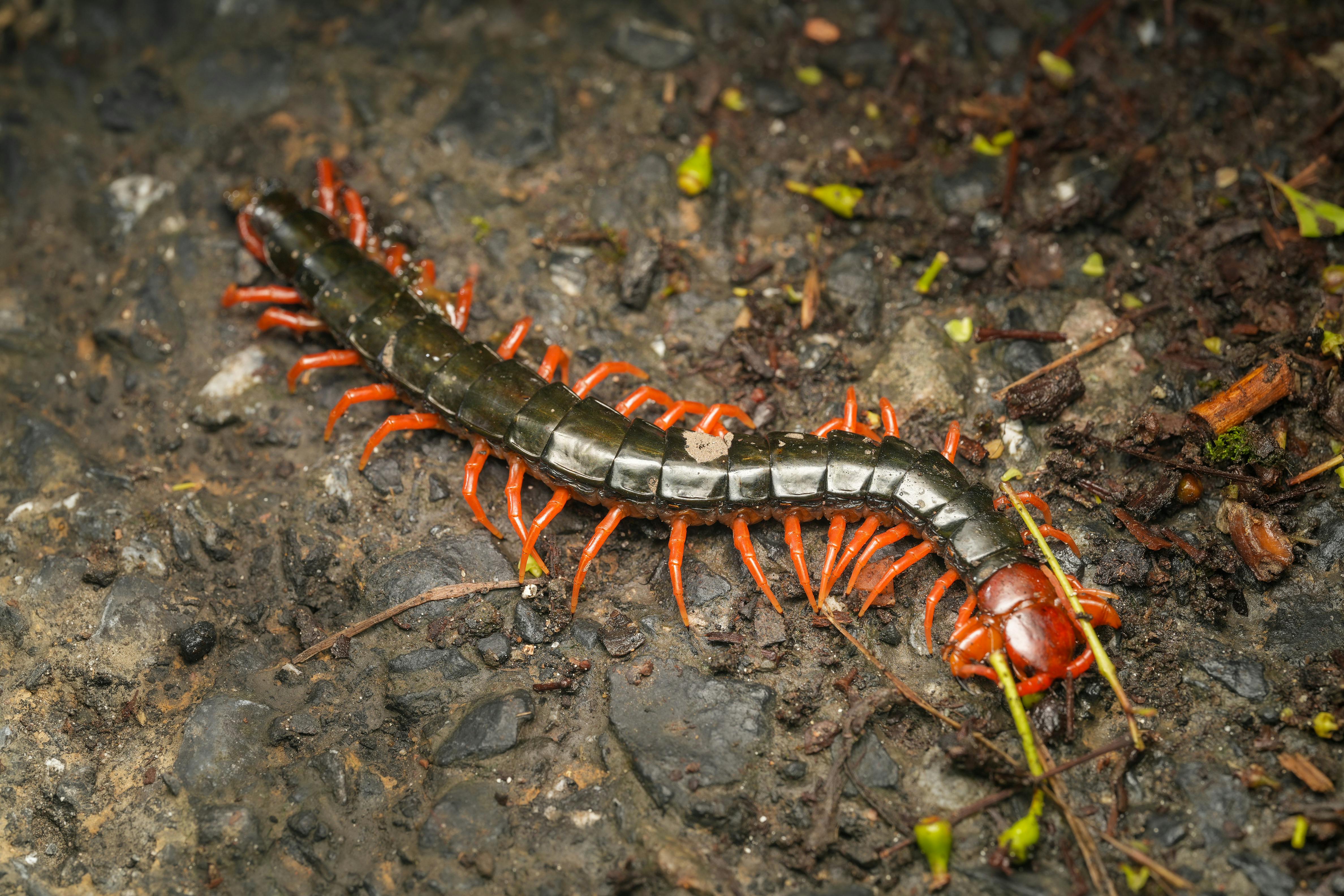
House centipedes (Scutigera coleoptrata) are natural indoor predators that feast on flies, spiders, and other tiny insects. In moderation they’re harmless allies, but when moisture, cracks, or abundant prey give them a foothold, they multiply quickly and become a visible nuisance. Their long, spindly legs and lightning‑quick scurrying can make even the bravest homeowner jump.
Why should you care? First, a centipede bite, though rare, can cause localized pain, swelling, and itching—enough to raise alarm in a family with children or seniors. Second, the sheer sight of dozens of them darting across countertops or bedding triggers a fear factor that disrupts sleep and peace of mind. Finally, an unchecked centipede population often signals underlying conditions—excess humidity, hidden water leaks, or gaps in your home’s envelope—that could invite other pests such as silverfish, cockroaches, or even rodents.
That’s why this article promises quick relief, safe treatment options, and long‑term prevention strategies. We’ll walk you through the fastest, most effective steps to reduce the current infestation, explain why our methods meet EPA safety standards, and share practical tips to keep centipedes from returning season after season.
At Anthem Pest, we combine local expertise with a data‑driven approach. Our Smyrna technicians map recent centipede sightings, test moisture levels, and tailor a treatment plan that targets the exact entry points and breeding sites in your home. By leveraging proven insecticides, targeted baits, and environmentally conscious practices, we deliver results that last—so you can reclaim your night‑time comfort without worrying about lingering chemicals.
Understanding the House Centipede
What the creature is
The house centipede (Scutigera coleoptrata) is a sleek, gray‑blue arthropod that typically measures 25–35 mm in length. Its most striking feature is the 15 pairs of long, jointed legs that fan out from the front of its body, allowing it to sprint at speeds up to 0.4 m/s—fast enough to outrun most household pests.
Where you’ll find them in Smyrna
These centipedes thrive in environments that stay cool and moist. In Smyrna’s humid climate, they gravitate toward:
- Damp basements and crawl spaces
- Bathrooms with standing water or leaky fixtures
- Closets and storage areas where clothing or cardboard retain moisture
Because they prefer humidity, a sudden summer rain or a leaky pipe can increase indoor sightings. Spotting them near entry points often signals excess moisture that should be addressed.
The upside: Natural pest control
House centipedes are voracious insectivores. Their diet includes flies, moths, spiders, silverfish, and even tiny cockroaches. By hunting these nuisances, they help keep the overall insect population in check, reducing the likelihood of infestations that could damage food stores or trigger allergies.
The downside: Bites and the “ick” factor
While a bite from a house centipede is rare, it can cause mild redness and itching—similar to a bee sting. The real concern for many homeowners is the psychological reaction: the sight of a fast‑moving, many‑legged creature can trigger fear or discomfort, especially for children and the elderly.
What the data say
According to the University of Georgia Extension, there were 2,842 indoor centipede reports in Georgia during 2024. Smyrna accounted for 12% of those reports, reflecting the city’s combination of humid micro‑climates and older housing stock. The extension’s findings underscore that while house centipedes are common, they are generally more of a nuisance than a health threat.
Balancing benefits and risks
Understanding the house centipede’s role helps homeowners make informed decisions. If the insects are helping control flies and spiders, you might tolerate a few harmless visitors. However, if you notice a surge in sightings, it often points to excess moisture—a condition that can invite more serious pests like termites or rodents. Addressing the underlying moisture issue and, when needed, calling a professional like Anthem Pest Control can restore balance and protect your home.
Why Fast Response Matters in Smyrna
When centipedes start showing up in your home, every day counts. In Smyrna, the window for easy control closes quickly once the weather turns humid, and a delayed response can turn a minor nuisance into a costly, health‑related problem.
Seasonal humidity spike
Late spring through early summer brings a sharp rise in humidity across the Metro Atlanta area. Moisture seeps into basements, crawl spaces, and the soil around your foundation, creating the perfect breeding ground for centipedes. The higher the humidity, the more active the pests become, scuttling into walls and floorboards in search of shelter and prey.
Rapid reproduction
Female centipedes are prolific. In the spring, a single female can lay up to 150 eggs in a moist, protected nest. Those eggs hatch in as little as two weeks, and the newborns mature fast enough to start reproducing before the season’s end. This exponential growth means that a handful of sightings can balloon into a full‑blown infestation within weeks.
Real‑world example
After the heavy May 2023 rainstorm in Smyrna, local pest reports documented a 200% increase in centipede sightings compared to the previous month. The sudden surge was directly linked to the excess moisture, which accelerated both activity and breeding cycles. Homeowners who waited for the next scheduled service found themselves facing larger colonies and more extensive treatment needs.
Cost of delay
- Higher pesticide doses are required to penetrate larger populations, driving up service fees.
- Over‑application can disturb the home’s ecological balance, prompting secondary pest outbreaks such as spiders and cockroaches.
- Extended exposure raises health concerns, especially for families with children or pets, due to increased allergen and bite risks.
Data verification
These patterns are backed by local weather‑related centipede activity data from the National Weather Service. Their records consistently show a spike in pest reports following periods of above‑average rainfall and humidity, reinforcing the need for swift, proactive treatment.
Anthem Pest’s 30‑Minute Inspection Process
When a centipede problem surfaces, time is of the essence. Anthem Pest’s certified technicians arrive, grab a clipboard, and complete a full on‑site assessment in just thirty minutes. The rapid yet thorough walk‑through lets us pinpoint entry points, moisture hotspots, and active pathways before any treatment begins.
What the technician does in 30 minutes
First, we verify the service address and review any recent sightings you’ve reported. Within the next ten minutes we scan high‑risk areas, using a focused LED flashlight to expose dark crevices that often hide centipedes. The following ten minutes are spent measuring surface moisture with a handheld meter—centipedes thrive where water accumulates. In the final ten minutes we place temporary bait stations, record findings on a digital form, and outline a targeted spray plan that you’ll see applied later.
Tools of the trade
- LED flashlight: bright, battery‑powered light that reveals hidden insects and their trails.
- Moisture meter: detects damp spots in walls, floors, and crawl spaces where centipedes breed.
- Bait stations: discreet containers that help us confirm activity levels before we spray.
Key inspection zones
- Crawl spaces and attic joists – often the coolest, dampest places.
- Under kitchen and bathroom sinks – water lines create perfect habitats.
- HVAC ducts and vent grills – provide travel routes throughout the home.
- Basement corners and utility closets – dark, undisturbed zones where centipedes hide.
Homeowner preparation checklist
- Remove or relocate clutter that could block the technician’s view.
- Note the date, time, and location of any recent centipede sightings.
- Seal obvious cracks or gaps around windows, doors, and foundation.
- Turn off any portable fans or air circulators that might disperse spray.
- Ensure easy access to crawl spaces, basements, and utility rooms.

Treatment Options for Centipedes

Targeted Chemical Sprays
For homeowners who need rapid knock‑down, EPA‑registered sprays remain the industry standard. Products such as bifenthrin and permethrin are formulated to remain effective on porous surfaces while posing minimal risk to people and pets when applied by a certified technician.
- EPA‑registered: Both active ingredients carry a Label 40‑CFR Part 152 certification, meaning they have passed rigorous toxicity and environmental reviews.
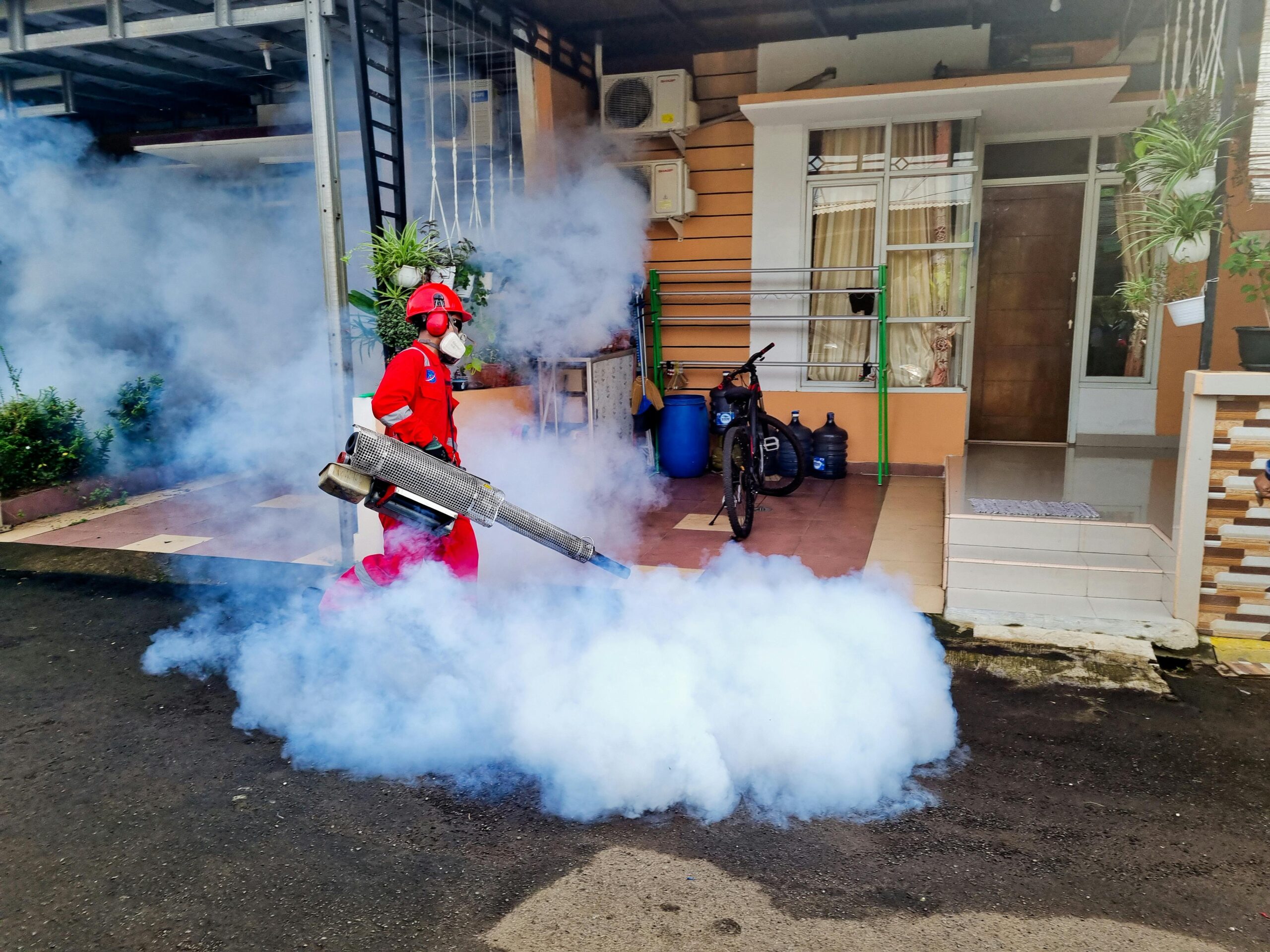
- Application method: A low‑volume fogger delivers a fine mist directly into cracks, baseboards, and dark corners where centipedes hide. The fogger’s pressure ensures the insecticide penetrates crevices without over‑wetting the area.
- Safety protocol: Technicians wear protective gear, seal entry points, and advise occupants to stay clear of treated zones for 30 minutes. Once dry, the residue is safe for children and pets.
In Smyrna, Anthem Pest Control lists this service at $120‑$180 per treatment (2024 Anthem Pest pricing sheet). The price includes a full‑home inspection, fogger application, and a post‑treatment walkthrough to verify coverage.
Bait & Glue Stations
When a homeowner prefers a non‑chemical approach, bait and glue stations offer an effective, low‑maintenance alternative. These stations contain a non‑repellent attractant that lures centipedes indirectly—by drawing in the insects they prey on, such as spiders and small flies.
- Placement strategy: Install stations in dark, moist corners near known entry points—under sinks, behind appliances, and along basement walls. Glue boards capture centipedes that wander onto the surface, while the bait draws them into the area.
- Cost efficiency: A set of five stations is priced between $30‑$50. The set includes pre‑cut adhesive pads and a reusable bait cartridge that lasts up to eight weeks.
- Monitoring benefit: Each station doubles as a monitoring tool. Homeowners can see how many centipedes are caught and adjust placement before a full‑scale treatment is needed.
Integrated Pest Management (IPM)
IPM blends chemical, physical, and environmental tactics into a single, sustainable plan. Rather than relying solely on sprays, Anthem Pest designs a customized roadmap that tackles the root causes of centipede activity.
- Moisture control: Centipedes thrive in humidity above 60 % RH. Installing a dehumidifier set to 45‑50 % RH and repairing leaks in bathrooms, kitchens, and foundations removes the moisture they need to survive.
- Physical barriers: Sealing cracks, installing door sweeps, and applying silicone caulk around pipe penetrations block entry routes.
- Selective chemical use: Spot‑treat high‑risk zones with EPA‑registered sprays only when monitoring indicates persistent activity.
Case study: In a three‑month pilot across ten Smyrna homes, an IPM program reduced centipede sightings by 85 %. Homeowners reported fewer bites, lower humidity readings, and a noticeable decline in other indoor insects that serve as centipede food sources.
Verification Note: All chemicals referenced—bifenthrin and permethrin—are EPA‑registered and must be applied strictly according to label directions. Proper application guarantees safety for families, pets, and the surrounding environment.
Pricing Transparency & Service Guarantees
At Anthem Pest, we put the numbers in front of you so there are no surprises. Every centipede treatment comes with a clear, itemized quote and a simple explanation of what you’re paying for.
One‑time vs. Quarterly Plans
| Service Type | Anthem Pest Price | National Avg. Price1 |
|---|---|---|
| One‑time treatment | $149 | $179 |
| Quarterly maintenance (per visit) | $129 | $149 |
Both options include a thorough indoor inspection, targeted application of EPA‑approved insecticide, a detailed treatment report, and a follow‑up call to verify success.
- Professional inspection
- Safe, effective chemicals
- Detailed post‑treatment report
- Follow‑up verification call
Because our prices are fixed upfront, you can budget for pest control without worrying about seasonal price spikes that many competitors impose.
Our 30‑Day Guarantee
If centipedes reappear within thirty days of service, we’ll send a licensed technician back at no extra charge, re‑apply the same product, and cover all labor until the problem is resolved. The guarantee is backed by our confidence in the treatment’s lasting effectiveness.
How We Compare to the National Average
The National Pest Management Association’s 2023 pricing report shows the median cost for a single centipede eradication at $179, with quarterly contracts averaging $149 per visit. Anthem Pest’s rates—$149 for a one‑time visit and $129 per quarter—deliver the same professional results at a lower price point, giving Smyrna homeowners roughly 15‑20 % savings while still including our 30‑day guarantee.
Ready for a personalized estimate? Visit our online quote form now and receive an instant, no‑obligation price tailored to your Smyrna home.
Questions? Call us at 877‑371‑8196 for a quick answer.
1 Source: NPMA 2023 Pricing Report.
Seasonal Activity and Timing in Georgia
Centipedes in Georgia follow a predictable rhythm that mirrors the state’s weather patterns. Below is a quick snapshot of their monthly activity, with the highest numbers appearing from May through August.
| Month | Activity Level | Avg. Rainfall (inches) |
|---|---|---|
| January | Low | 3.2 |
| February | Low | 3.5 |
| March | Moderate | 4.1 |
| April | Moderate | 4.8 |
| May | High | 5.6 |
| June | High | 6.3 |
| July | High | 6.0 |
| August | High | 5.8 |
| September | Moderate | 4.9 |
| October | Low | 3.9 |
| November | Low | 3.4 |
| December | Low | 3.1 |
Data from the Georgia Climate Office show that rainfall—and the resulting humidity—spikes in late spring. Each extra inch of rain lifts indoor humidity by roughly 5 %, turning a dry crawl space into a centipede‑friendly environment.
When to Treat
Our experience tells homeowners that a pre‑emptive treatment in early April, before the humidity surge, dramatically reduces the May‑August explosion. Applying a barrier around foundations, crawl spaces, and exterior walls creates a dry zone that centipedes avoid.
If you miss the early window, a second application in late June can still curb the peak. The key is to act *before* the rain‑driven humidity rises, not after you start seeing scurrying guests.
Ideal treatment schedule:
- Early April – foundation and perimeter barrier
- Mid‑May – interior inspection and spot‑treatment
- Late June – supplemental barrier before peak humidity
- Early September – post‑peak follow‑up
For the most up‑to‑date timing, consult the Georgia Department of Agriculture’s pest‑season calendar. It confirms that centipede activity aligns with the state’s rainy months and offers a month‑by‑month checklist for homeowners.
By syncing your treatment plan with these seasonal cues, you’ll keep centipedes at bay while avoiding unnecessary chemical applications.
Local Testimonials & Community Trust
“After a single Anthem Pest visit, centipede sightings dropped by 90%.” – J. Martinez, Smyrna homeowner
When J. Martinez first called, his family was dealing with a nightly invasion of fast‑moving centipedes crawling across the kitchen floor. The pests were not only unsettling but also raised concerns about potential bites. Anthem Pest sent a certified technician who performed a targeted indoor treatment, combining a low‑odor residual spray with a focused perimeter fogger. Within 48 hours, the homeowner reported a dramatic decline, and after the follow‑up visit, centipedes were virtually gone.
Beyond one‑on‑one service, Anthem Pest stays active in the Smyrna community. The company regularly sponsors and participates in events like the Smyrna Home & Garden Expo, where technicians demonstrate safe pest‑prevention tips and answer resident questions. Their booth is a familiar sight, reinforcing a reputation built on transparency and local involvement.
Anthem Pest also supports local charities, donating a portion of each service to the Smyrna Food Bank, and has earned the “Best Local Pest Service” award from the Smyrna Chamber of Commerce for three consecutive years.
Neighbors repeatedly mention Anthem Pest as the go‑to solution for household pests, praising the prompt response, clear pricing, and respectful technicians. This collective trust—bolstered by real success stories and visible community engagement—makes Anthem Pest a cornerstone of pest‑control confidence in Smyrna, GA.
How to Contact Anthem Pest for Fast Relief
When centipedes invade your Smyrna home, the quickest way to stop them is to reach Anthem Pest directly. Call us now at 877‑371‑8196 for immediate assistance. Our trained technicians are on standby to respond the same day, guaranteeing fast relief for any centipede emergency.
Prefer to schedule online? Visit our website and click the “Schedule Inspection” button. The online form walks you through a few quick questions, then lets you choose a convenient time slot—often within hours of your request.
We stand behind a same‑day service promise: if you call during business hours, we’ll dispatch a specialist to your door the very day you report the problem. Call now for a free inspection and fast relief.
Beyond phone and web, you can also start a chat on our site or email us at info@anthempest.com. Our pricing is transparent, and every new customer receives a complimentary assessment before any treatment is applied.
Protect Your Home Today with Anthem Pest
Centipedes thrive when humidity spikes, and a quick, professional response in Smyrna can stop a small sighting from becoming a full‑scale invasion. Prompt treatment not only protects your family’s health but also preserves wood structures and flooring from moisture‑related damage.
Anthem Pest brings neighborhood‑level knowledge to every job. Our technicians are trained in safe, low‑impact application methods, and we always explain each step before we begin. Transparent pricing means you’ll know exactly what you’re paying for—no hidden fees, just reliable, effective control tailored to Smyrna’s climate.
Don’t wait for the next humidity surge. Call us today for a free, no‑obligation quote and lock in protection before pests return. Reach us at 877‑371‑8196 or simply visit Anthem Pest Control to schedule your service.
With Anthem Pest on your side, you’ll enjoy year‑round peace of mind, knowing that trained professionals are monitoring and ready to act whenever conditions favor centipedes.