Why Cockroaches Matter for Homeowners
When you hear the faint scuttle of a roach in the kitchen, it’s more than a nuisance—it’s a warning sign that your home’s health and value could be at risk, and a clear signal to contact a cockroach exterminator Druid Hills homeowners trust. Understanding why cockroaches matter begins with knowing the species you’re most likely to encounter and the conditions that let them flourish.
Common Household Species and Their Hangouts
- German cockroach – the smallest but most prolific; loves warm, humid spots near food prep areas, especially under sinks and behind appliances.
- American cockroach – larger, brownish, often found in basements, crawl spaces, and damp bathrooms.
- Oriental cockroach – prefers cooler, damp environments such as drains, sewers, and outdoor mulch beds.
Each species adapts to the nooks of modern homes, turning pantry shelves, bathroom tiles, and even cracks in foundation walls into ideal shelters.
Scale of the Problem
According to the National Pest Management Association (NPMA), cockroaches rank among the top three household pests in the United States, with an estimated 40 % of homes experiencing some level of infestation each year. The economic impact runs into billions of dollars when you factor in treatment costs, property damage, and lost productivity.
Why Modern Homes Are Roach‑Friendly
Our homes are built for comfort—ample food storage, running water, and insulated spaces—yet those same features provide roaches with everything they need to survive. Leaky faucets create moisture reservoirs, uncovered food leaves crumbs, and clutter offers hiding places. Even a tiny crack around a pipe can become a highway for roaches moving between walls and floors.
Health Implications You Can’t Ignore
Beyond the unsettling sight, cockroaches pose serious health risks. The Centers for Disease Control and Prevention (CDC) warns that roach droppings, saliva, and shed skins contain allergens that can trigger asthma attacks, especially in children and sensitive adults. Moreover, roaches carry bacteria such as Salmonella and E. coli, contaminating surfaces and food, leading to gastrointestinal illnesses.
Regulation, Safety, and the Role of the EPA
Effective control must balance eradication with safety. The Environmental Protection Agency (EPA) sets strict guidelines on pesticide usage, ensuring products used by professionals meet health and environmental standards. Homeowners should look for EPA‑registered treatments and rely on licensed technicians—like those at Anthem Pest Control—to apply them correctly, minimizing exposure while maximizing results.
By recognizing the prevalence, health threats, and economic burden of cockroach infestations, homeowners can appreciate why early detection and professional intervention are essential. The next sections will explore how targeted treatments and preventive strategies keep these resilient pests out of your living space for good.
Spotting a Cockroach Infestation
What a Cockroach Looks Like
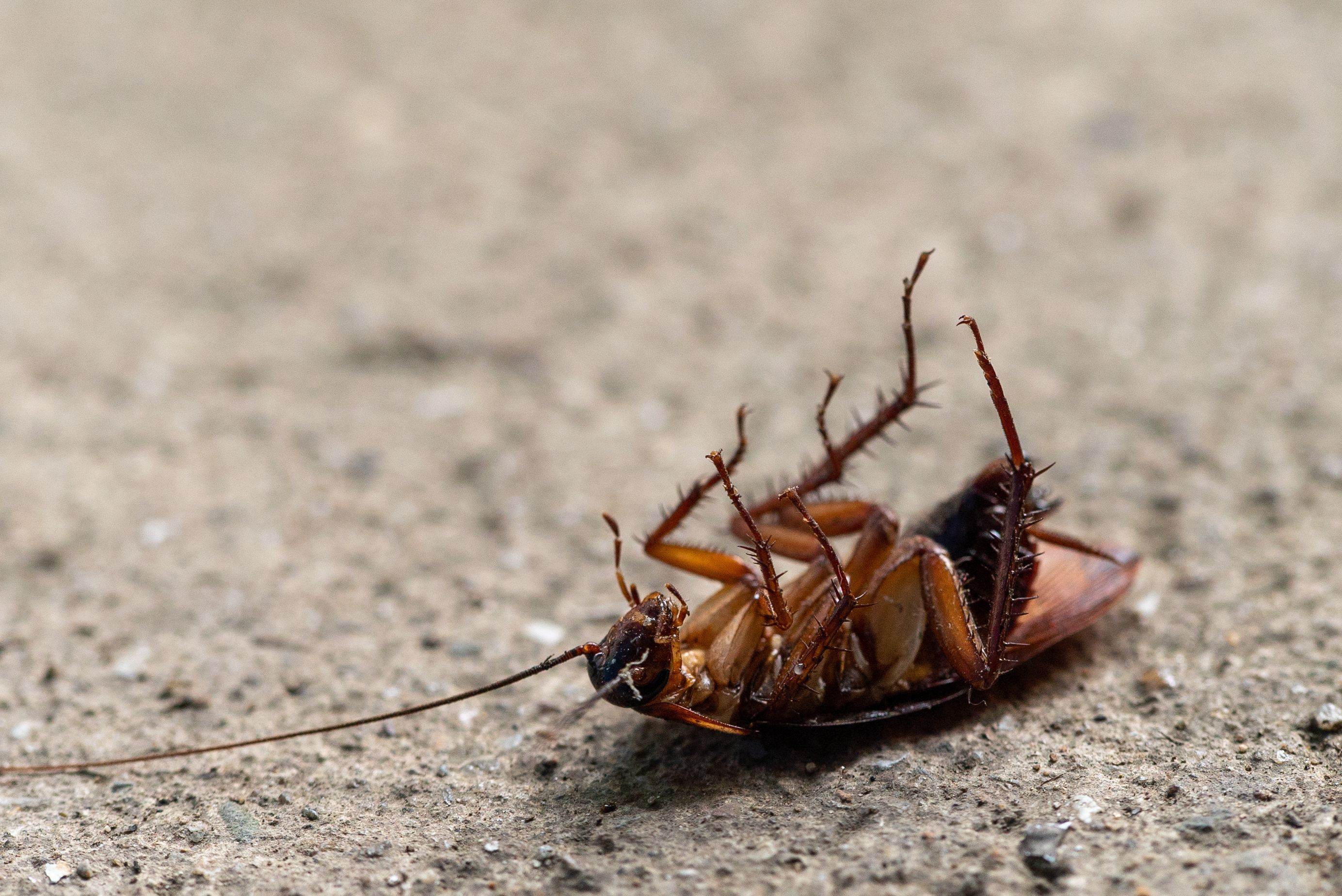
The insect you’ll see in the macro photo is a typical German cockroach, the most common species in Druid Hills homes. It measures roughly ½ inch (12–14 mm) long, with a flat, oval body that ranges from light reddish‑brown to a darker mahogany hue. Notice the delicate, translucent wings that lie flat over the back and the long, spiny antennae that twitch when the roach senses movement. These visual cues—size, color, and wing shape—help you differentiate a cockroach from harmless household insects.
Where They Hide
- Cracks and crevices along kitchen walls, especially near the sink and stove.
- Behind or beneath appliances such as refrigerators, dishwashers, and microwaves.
- Bathroom drains, tile grout, and the undersides of cabinets.
- Dark, damp areas like basements, crawl spaces, and utility closets.
Physical Signs of an Active Colony
- Droppings: Small, dark specks that look like pepper grains, often found near food sources.
- Egg cases (oothecae): Brownish, oval capsules containing 30‑40 eggs, usually tucked in hidden corners.
- Shed skins: Transparent exoskeletons left behind as the roach molts.
- Musty odor: A faint, oily smell that intensifies as the infestation grows.
Behavioral Clues
- Strictly nocturnal—most activity occurs after lights go out.
- Rapid, erratic scurrying when a light is switched on, often disappearing into the nearest crack.
- Frequent sightings near food preparation areas during the night.
Health Risks You Can’t Ignore
Cockroach droppings and shed skins contain potent allergens that can trigger asthma attacks, especially in children and the elderly. Their bodies and feces also carry bacteria such as Salmonella and E. coli, which can contaminate countertops, utensils, and stored food. Prolonged exposure may lead to skin irritation, respiratory issues, and an increased risk of food‑borne illness.
Quick Self‑Assessment Checklist
- Do you notice dark specks or tiny egg cases in cabinets, pantry shelves, or behind appliances?
- Have you seen a small, reddish‑brown insect scurrying at night or when you turn on a light?
- Is there a faint, oily odor in kitchens, bathrooms, or basements?
- Do you experience unexplained asthma symptoms, sneezing, or skin irritation?
- Check for shed skins in hidden corners; finding more than one suggests a growing population.
If you answered “yes” to any of these items, it’s time to act. Early detection lets Anthem Pest Control intervene quickly, preventing a small problem from turning into a full‑blown infestation.
Seasonal Patterns of Cockroach Activity in Atlanta
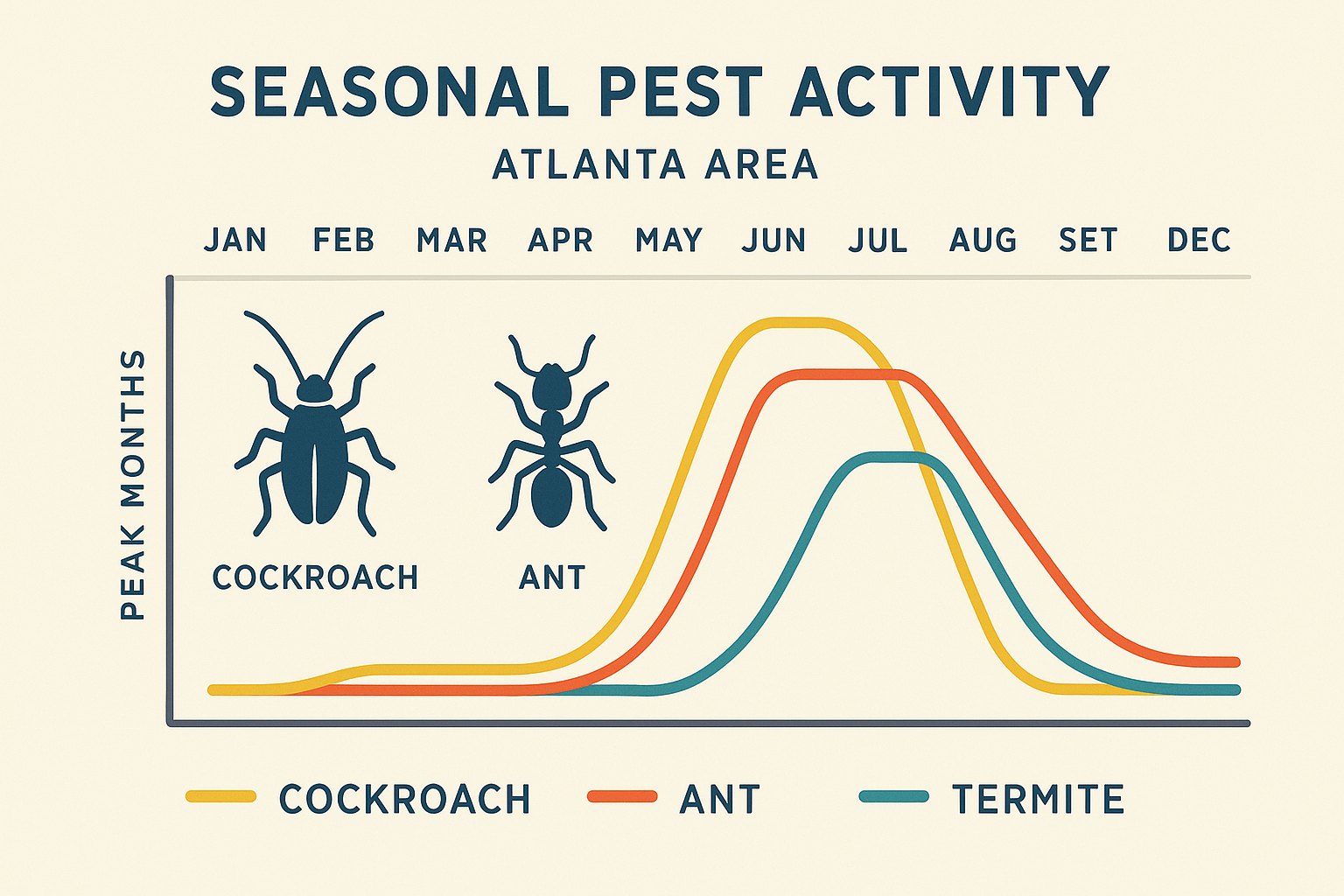
Atlanta’s climate is a blend of warm temperatures and high humidity for most of the year. Those conditions create an ideal breeding ground for cockroaches, which thrive when moisture is plentiful and food sources are abundant—often increasing the need for a cockroach exterminator Druid Hills homeowners can depend on. Understanding how the city’s weather cycles influence pest behavior is the first step toward staying one step ahead of an infestation.
| Month | Activity Level |
|---|---|
| January | Low |
| February | Low |
| March | Moderate |
| April | Moderate |
| May | High |
| June | High |
| July | High |
| August | High |
| September | High |
| October | Moderate |
| November | Low |
| December | Low |
The chart makes it clear: cockroach activity peaks from May through September, aligning with the hottest, most humid months. During this window, temperatures regularly exceed 85 °F, and nighttime humidity often stays above 70 %. Those conditions speed up the insects’ reproductive cycle, allowing a single female to produce dozens of egg cases (oothecae) each month. In addition, outdoor food waste, garden debris, and standing water become more accessible, prompting roaches to venture further into homes in search of nourishment. Because each generation can mature in as little as two months, a single warm season can produce several overlapping generations, amplifying the infestation risk.
Seasonal Prevention Checklist
- Spring: Inspect and seal cracks around doors, windows, and utility penetrations. Eliminate any sources of standing water by fixing leaky pipes and clearing gutters.
- Summer: Conduct a deep clean of kitchen appliances, cabinets, and pantry shelves. Deploy bait stations in high‑traffic areas and use a dehumidifier to keep indoor humidity below 60 %.
- Fall: Review stored food containers for damage and discard expired items. Schedule a professional inspection before cooler weather sets in, as roaches will seek shelter inside.
- Winter: Keep barrier treatments active around the home’s perimeter and monitor indoor humidity with a hygrometer. Reduce indoor clutter that could serve as hiding places.
Atlanta’s public health department issues seasonal alerts whenever pest pressure spikes. Homeowners can stay informed by checking the city’s latest notice on Atlanta.gov. Acting on those alerts—especially before the summer surge—greatly improves the odds of a successful, low‑cost intervention.
When the timing feels right but you need a professional hand, Anthem Pest Control offers targeted treatments that align with the city’s seasonal patterns. Our technicians know exactly when to apply residual sprays, set up bait stations, and perform thorough inspections, ensuring you get fast relief without over‑treating your home.
Treatment Options and Cost Comparison
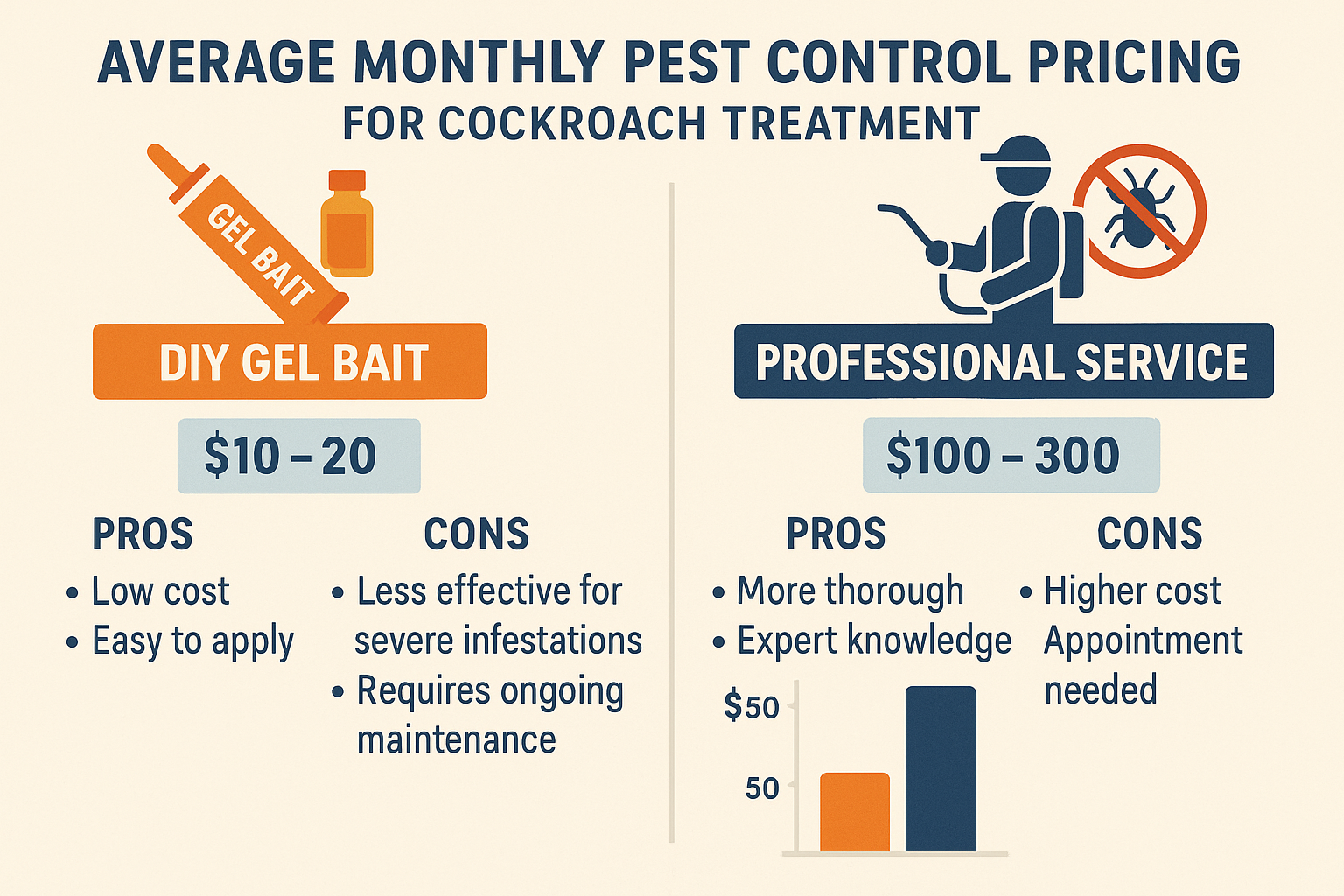
When cockroaches invade your Druid Hills home, the first question is how to evict them quickly and safely—often by deciding whether to call a cockroach exterminator Druid Hills homeowners trust or try a DIY solution. You can grab a gel bait kit from the hardware aisle or call a licensed professional like Anthem Pest Control. Both routes can work, but they differ dramatically in coverage, effort, and long-term cost. Below is a side-by-side look so you can decide which approach fits your budget and peace of mind.
DIY Gel Bait Systems: How They Work
Gel baits are a popular over‑the‑counter solution. They contain a slow‑acting insecticide—usually hydramethylnon, fipronil, or indoxacarb—mixed into a sweet, food‑grade gel. Cockroaches are attracted, feed, and carry the poison back to hidden nests, eventually wiping out the colony. For best results, apply a thin line of gel in cracks, under appliances, and behind cabinets where roaches travel. Replace the bait every 30 days or when it dries out.
Pros of DIY
- Lower upfront cost: A single tube ranges from $10‑$20.
- Immediate availability: Pick it up at a local store and start treatment today.
- Control over placement: You decide exactly where the bait goes.
Cons of DIY
- Limited coverage: One tube treats only a few square feet; larger homes need multiple units.
- Requires vigilance: You must monitor bait integrity and replace it regularly.
- Potential misuse: Over‑application or placing bait where children or pets can access it increases risk.
Professional Treatment Workflow
Anthem’s certified technicians begin with a thorough inspection to identify species, hot spots, and hidden harborage. Based on that data they craft a customized plan that may include:
- Targeted liquid sprays for immediate knock‑down.
- Strategically placed gel baits and dusts in voids.
- Seal‑up recommendations to block entry points.
- One to two follow‑up visits to confirm eradication.
Benefits of Professional Service
Professional treatment offers comprehensive coverage that DIY kits simply can’t match. Licensed technicians know how to locate concealed nests, apply EPA‑registered products safely, and adjust tactics if multiple cockroach species are present. The result is a faster, more reliable elimination with minimal exposure to your family and pets.
Pricing Comparison
Below is a snapshot of typical costs based on the infographic data. While DIY appears cheaper per month, professional treatments often prove more cost‑effective over a full year because fewer applications are needed.
| Method | Cost per Application | Typical Frequency | Annual Estimate |
|---|---|---|---|
| DIY Gel Bait | $20 – $60 | Monthly | $240 – $720 |
| Professional Service | $150 – $300 | Every 3‑4 months | $450 – $900 |
Safety Considerations
All Anthem treatments use EPA‑registered products applied by licensed technicians, which dramatically reduces accidental exposure for children, seniors, and pets. In contrast, DIY kits place the burden of correct dosage and placement on the homeowner—mistakes can lead to ineffective control or health hazards. Professional crews also follow strict disposal protocols, keeping your home environment safe.
When to Choose Professional Over DIY
If you notice any of the following, it’s time to call in the experts:
- Heavy infestation visible in multiple rooms.
- Presence of more than one cockroach species.
- Family members with asthma, allergies, or compromised immune systems.
- Previous DIY attempts that haven’t reduced activity.
In severe cases, a professional approach not only eliminates the current outbreak but also installs preventive measures that keep roaches from returning.
Take Action with Trusted Professionals
Early detection of cockroach activity and proactive, seasonal prevention are the cornerstones of a pest‑free home. Spotting the first signs—such as droppings, a faint musty odor, or occasional sightings—lets you intervene before a small problem explodes into a full‑scale invasion. The same principle applies each spring and summer when warm temperatures give roaches the energy they need to multiply rapidly.
While DIY sprays and traps can provide temporary relief, they rarely eradicate an entrenched infestation. Over‑the‑counter products often fail to reach hidden harborages, and improper application can even push roaches deeper into walls, making future control even harder. When the problem spreads, the cost of repeated DIY attempts quickly outweighs the price of a professional solution.

That’s where Anthem Pest Control steps in. As a nationwide leader with deep local expertise in Atlanta and the surrounding Druid Hills area, Anthem combines cutting‑edge technology with a personal touch. Their technicians are certified, fully trained, and understand the unique habits of the cockroach species that thrive in Georgia’s climate.
Anthem’s commitment to safety means every treatment uses EPA‑approved products that protect your family, pets, and the environment. Transparent pricing eliminates surprise fees, and a satisfaction guarantee ensures you won’t pay for a job that doesn’t deliver results.
How to Get Started
- Call: Dial 877‑371‑8196 to speak directly with a pest‑control specialist.
- Online Form: Visit anthempest.com and fill out the quick quote request.
- Live Chat: Click the chat icon on the website for instant assistance and scheduling.
Whether you’re dealing with a few stray roaches or a full‑scale invasion, our certified technicians are ready to restore comfort to your home. Let us handle the hard work while you enjoy peace of mind.
Take the next step today: Call 877-371-8196 or visit anthempest.com for a free, no-obligation quote from a trusted cockroach exterminator Druid Hills homeowners rely on. Fast, effective, and backed by a guarantee—Anthem Pest Control is your partner for a cockroach-free home.