Why Earwigs Matter in Peachtree City Homes
Earwigs 101: What They Look Like and How They Live
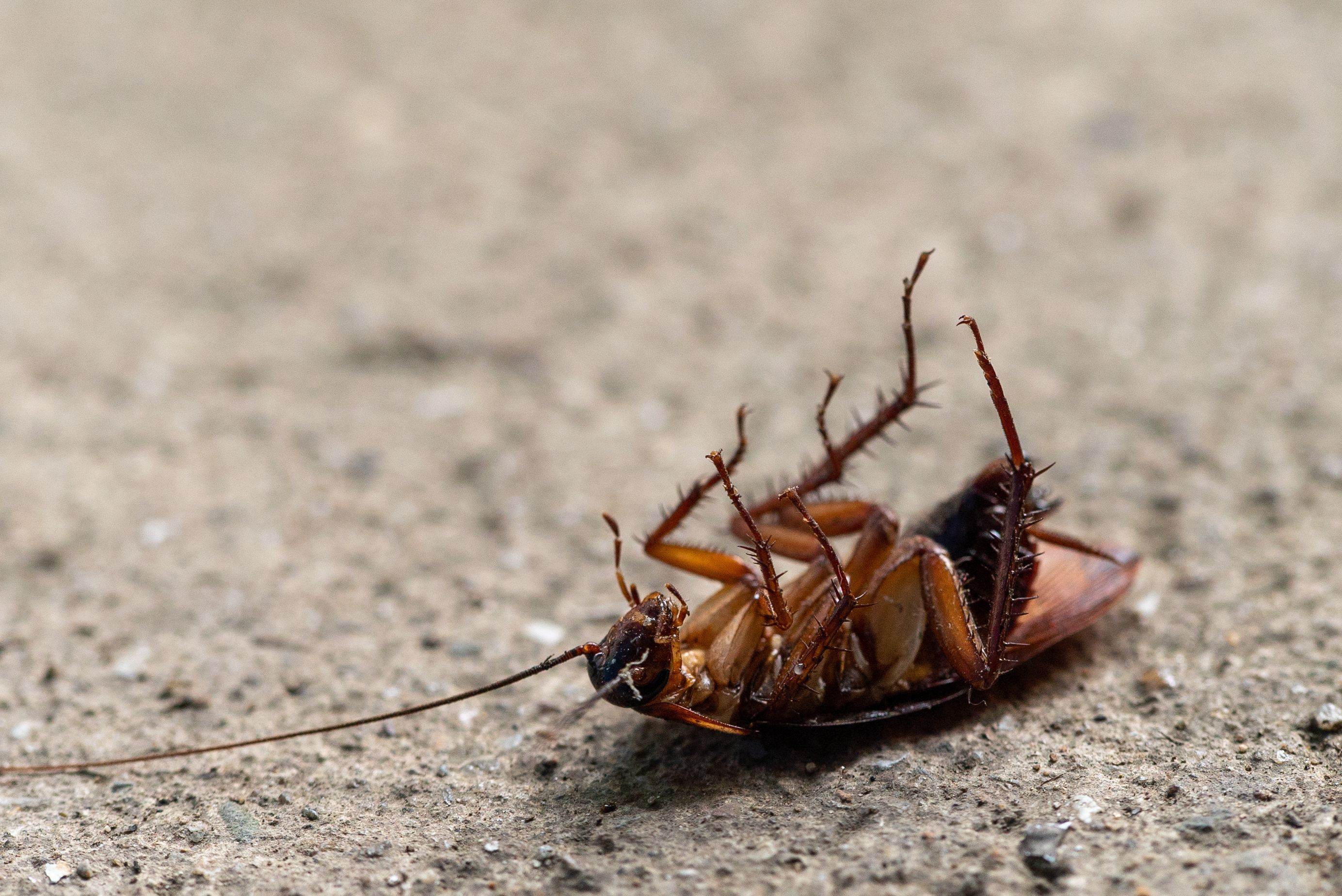
Earwigs are easily recognized by their elongated, flattened bodies and the pair of curved pincers (cerci) at the end of their abdomen. Most species are brown to black, ranging from one to two inches in length. They are nocturnal scavengers, feeding on decaying plant material, fungi, and occasionally soft‑bodied insects. Because they hide in damp cracks, under mulch, or inside garden beds during the day, many homeowners never notice them until they become a nuisance.
Peachtree City’s Climate: A Perfect Earwig Playground
The humid subtropical climate of Peachtree City, GA, provides exactly what earwigs crave: mild winters, warm summers, and plentiful moisture. Average summer temperatures hover around 85 °F, while winter lows rarely dip below 30 °F, allowing earwigs to remain active year‑round. The city’s extensive network of irrigation canals, lush lawns, and abundant mulch beds create consistently damp micro‑habitats where earwig populations can thrive and multiply quickly.
Common Misconceptions – Harmless or Harmful?
Many homeowners dismiss earwigs as “harmless” because they rarely bite humans. This myth can be dangerous. While earwigs seldom pose a direct health threat, they can cause real damage to your home and garden. Their pincers can chew through tender seedlings, ornamental plants, and even the tender bark of young trees, leading to stunted growth or death. Inside the house, they may infiltrate crawl spaces and basements, feeding on organic debris and leaving unsightly droppings. In severe infestations, earwigs can contaminate stored food items, especially in pantries that are not tightly sealed.
What’s Coming Up: Your Roadmap to Earwig Control
Now that you understand why earwigs matter, the rest of this guide will walk you through every step needed to protect your property:
- Identification: Detailed visual cues and where to look for them inside and outside your home.
- Seasonal Activity: How Peachtree City’s weather patterns influence earwig behavior throughout the year.
- Damage Assessment: Signs that earwigs are harming your landscape or structure.
- Treatment Options: Safe, effective methods ranging from DIY traps to professional extermination.
- Pricing Overview: Transparent cost breakdowns for common treatment plans.
- Prevention Strategies: Long‑term practices that keep earwigs from returning.
Local Expertise You Can Trust
Anthem Pest Control has spent years studying earwig behavior specific to Peachtree City. Our technicians use region‑specific data to tailor treatments that fit the local environment, ensuring faster relief and lasting results. For a deeper dive into the science behind earwig control in our area, you can review the research compiled by Anthem Pest Control — Earwig Control in Peachtree City, GA. When you choose a partner who knows the local climate, soil conditions, and typical infestation hotspots, you’re investing in a solution that works, not just a generic spray.
Spotting Earwigs and Early Warning Signs
Physical characteristics you can’t miss
Earwigs are easily recognizable once you know what to look for. An adult typically measures between ½ – ¾ inch in length, with a slender, elongated body that tapers toward the rear. Their most distinctive feature is the pair of forceps‑like pincers, called cerci, that jut out from the last abdominal segment. Color ranges from dark brown to almost black, giving them a glossy, beetle‑like appearance. Even if you only catch a glimpse, noting these traits can confirm you’re dealing with earwigs rather than a harmless housefly or beetle.
Where they love to hide
Earwigs prefer moist, sheltered environments where they can stay hidden during the day. Around the home, you’ll often find them in mulch beds, wood piles, and garden compost. Inside the structure, they slip into cracks in foundations, under siding, and behind exterior trim. Damp indoor spaces such as bathrooms, basements, and even laundry rooms become attractive retreats, especially if there’s a leaky pipe or poor ventilation. Knowing these hotspots lets you focus your inspection where earwigs are most likely to congregate.
Behavioral clues that give them away
Earwigs are nocturnal by nature, so you’re more likely to encounter them after dark. They are drawn to artificial lights, often gathering near porch lights, garage door openers, or indoor lamps. Their love of moisture means you’ll see them near leaky drains, over‑watered potted plants, or any area with high humidity. If you notice a sudden increase in tiny, fast‑moving insects around your lights at night, earwigs could be the culprits.
Early warning signs of an infestation
- Small pinprick holes in the edges of soft plant leaves—these are the tell‑tale feeding marks of a hungry earwig.
- Irregular feeding scars on seedlings, lettuce, or other garden vegetables, often appearing as ragged, chewed edges rather than neat holes.
- Shed skins or dead earwigs near entry points such as door thresholds, window sills, or foundation cracks. Earwigs molt several times, leaving behind translucent exoskeletons that are easy to spot if you’re looking.
How to conduct a simple night‑time inspection
Grab a flashlight with a focused beam and head outside after sunset. Start at the perimeter of your home and scan the following areas:
- Walk along the foundation, shining the light into any cracks or gaps. Look for the quick, darting movement of earwigs across the beam.
- Inspect mulch, garden beds, and any wood piles. Gently lift a few inches of material; earwigs often hide just below the surface.
- Check interior damp zones—under sinks, behind the toilet, and in basement corners. A quick sweep with the flashlight can reveal clusters of earwigs congregating in the shadows.
Take note of where you see the most activity. If you spot several individuals in a single spot, you’ve likely found a hotspot that will need attention.
When to move from DIY monitoring to professional evaluation
While occasional earwigs are generally harmless, a few red flags signal it’s time to call in a pest‑control specialist:
- Repeated sightings across multiple rooms or outdoor zones, indicating a growing population.
- Significant damage to garden plants, especially if seedlings are failing despite proper care.
- Presence of earwigs in interior living spaces—kitchens, bedrooms, or bathrooms—where they’re not just occasional visitors.
If any of these conditions apply, a professional inspection can pinpoint entry points, assess the extent of the infestation, and recommend a targeted treatment plan. Early intervention not only protects your plants but also prevents earwigs from seeking shelter inside your home during the cooler months.
Seasonal Earwig Activity and Associated Damage
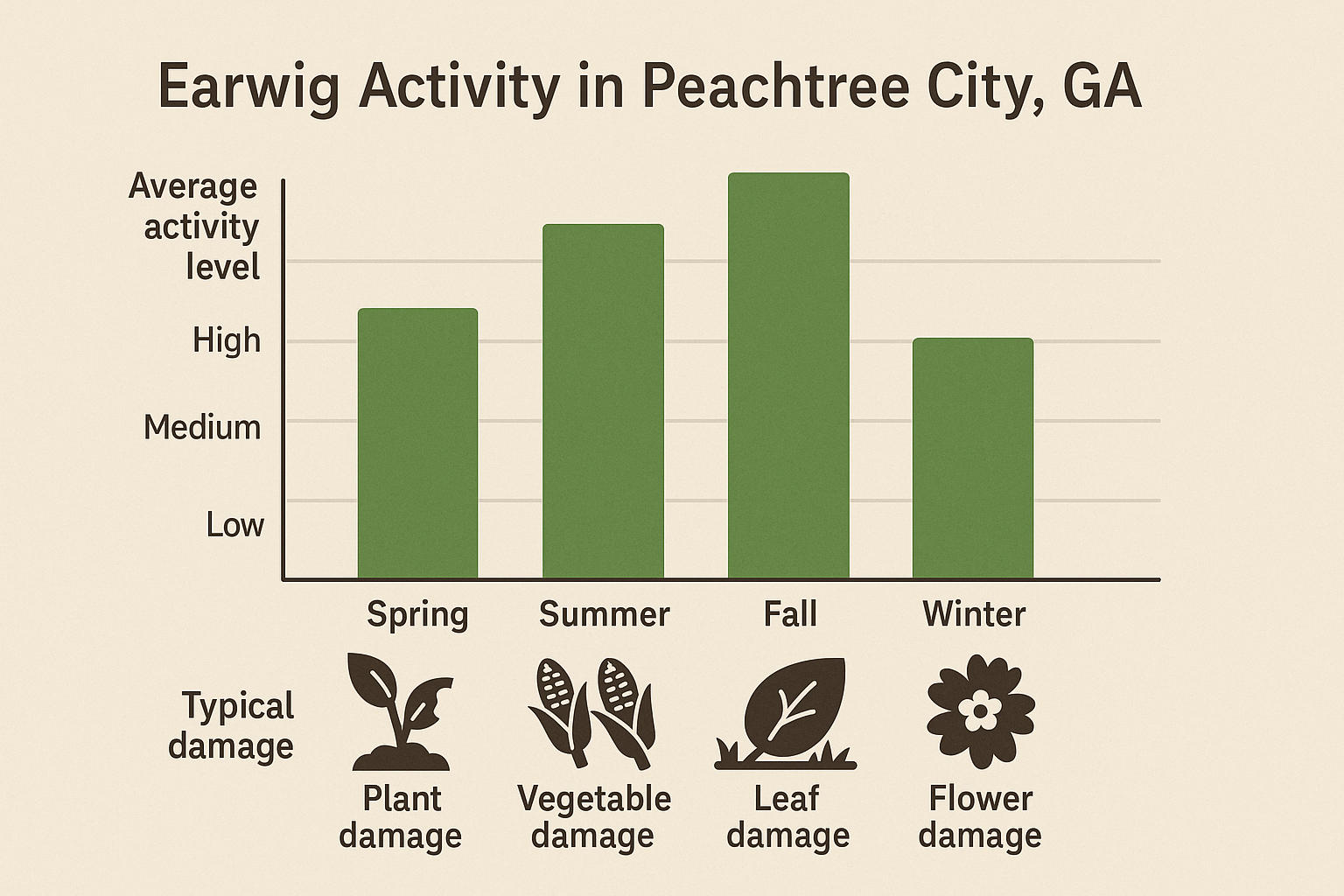
In Peachtree City, earwigs follow a predictable four‑season rhythm that mirrors our local climate. A burst of breeding in early spring pushes populations upward, culminating in a summer peak when food is abundant. As temperatures dip in autumn, the insects begin to seek shelter, and by winter most are dormant, hidden in cracks, mulch, or indoor crevices. Understanding this cycle helps homeowners anticipate when damage is most likely and plan timely interventions.
Spring: Rapid Breeding and Early Garden Harm
As soon as soil temperatures climb above 55°F, female earwigs lay dozens of eggs in protected sites such as leaf litter, garden mulch, and under stones. The resulting hatchlings emerge in late March to early April, hungry for tender new growth. Homeowners often notice leaf skeletonization—thin, lace‑like veins stripped from lettuce, spinach, and ornamental foliage. This early damage can stunt plant development, reducing yields and forcing extra care later in the season.
Summer: Feeding Frenzy on Shrubs and Fruit‑Bearing Plants
Summer brings the highest feeding rates. With abundant sunshine and moisture, earwigs devour foliage, buds, and even ripening fruit on tomatoes, peppers, and squash. Ornamental shrubs such as azaleas, hydrangeas, and boxwoods show chewed edges and ragged leaf tips. Because earwigs are nocturnal, the damage often goes unnoticed until the sun reveals ragged silhouettes the next morning, prompting frantic pruning or pesticide applications.
Fall: Migration Indoors and Structural Concerns
When daytime highs start to fall, earwigs seek refuge in protected micro‑habitats. They migrate toward the warm, dry interiors of homes, slipping under deck boards, siding seams, and wood piles. While they rarely chew through solid structural timber, they can exacerbate existing cracks, feed on decaying wood, and leave behind a fine, silvery excrement that stains decks and siding. Homeowners may also spot earwigs in outdoor lighting fixtures, a tell‑tale sign they’re moving closer to indoor entry points.
Winter: Dormancy with Occasional Indoor Sightings
During the coldest months, earwig activity drops dramatically. Most adults retreat into deep crevices, leaf litter, or insulated wall cavities, entering a state of reduced metabolism. Nevertheless, a few hardy individuals may emerge on milder winter days, especially if indoor heating creates a warm corridor. These occasional sightings are usually harmless, but they remind homeowners that a thorough winter seal‑up can prevent a spring surge.
Tips for Seasonal Monitoring
Proactive monitoring lets you catch earwig activity before damage escalates. Follow these simple steps tailored to each season:
- Spring: Place yellow sticky traps along garden rows and near mulch edges. Check them weekly and replace as needed to gauge population spikes.
- Summer: Inspect the undersides of ornamental shrubs and the base of fruiting plants for chewed leaves or silvery frass. Remove excess mulch and keep soil surface dry to deter feeding.
- Fall: Conduct a visual sweep of deck boards, siding seams, and exterior wood piles. Seal cracks with caulk or weather‑resistant filler, and move firewood away from the house foundation.
- Winter: Perform a quick interior check of attics, basements, and crawl spaces for earwig droppings or live insects near heating vents. Reduce indoor humidity and keep exterior lights off when not needed to limit attraction.
Effective Treatment Options for Earwig Control

Earwigs are nocturnal, moisture‑loving insects that love to hide in cracks, mulch, and damp wood. When they infiltrate a home, a quick, well‑planned treatment plan can keep them from turning your porch or kitchen into a nightly buffet. Below, we break down the most common professional and DIY options, weigh their pros and cons, and explain how timing and a licensed technician’s expertise can make all the difference.
Professional Perimeter Spray
Our technicians apply a residual insecticide in a continuous band around the foundation, crawl spaces, and any exterior wall voids where earwigs are likely to enter. The formulation typically contains pyrethroids or neonicotinoids, which knock down active insects and leave a lingering barrier that remains effective for 4 to 6 weeks. Because the spray reaches cracks, siding seams, and under decks, earwigs encounter a lethal surface before they can slip inside.
Targeted Earwig Treatment
When a nest or high‑traffic zone is identified—often in garden beds, under stone pavers, or behind siding—technicians use spot‑treatments such as granular baits or concentrated sprays. Granular products release a slow‑acting toxin that worker earwigs carry back to the colony, while spray concentrates quickly reduce the visible population in the treated area. This approach is especially useful for severe infestations that have already established a foothold.
DIY Options
- Diatomaceous Earth (DE) Application – Sprinkle food‑grade DE around doorways, window sills, and any known entry points. The microscopic silica particles abrade the earwig’s exoskeleton, causing dehydration. Reapply after heavy rain or when the layer looks disturbed.
- Homemade Traps – Roll a piece of newspaper or place a damp cardboard box in a dark corner. Earwigs seek the moisture, hide inside, and can be collected in the morning for disposal. Replace the trap every few days during peak activity.
- Over‑the‑Counter Sprays – Commercial aerosol sprays containing pyrethrins or permethrin can be sprayed directly onto visible earwigs and around baseboards. Follow label directions, wear gloves, and keep pets and children out of the treated zone for at least 30 minutes.
Pros and Cons of Each Method
| Method | Coverage | Safety | Cost | Longevity |
|---|---|---|---|---|
| Professional Perimeter Spray | Full‑home exterior barrier | High – applied by licensed tech with PPE | $$$ (moderate‑high) | 4–6 weeks residual |
| Targeted Spot Treatment | Specific nests or high‑traffic zones | High – limited to treated spots | $$ (moderate) | 2–4 weeks, depending on product |
| Diatomaceous Earth (DIY) | Entry points and dry surfaces | Very high – non‑chemical | $ (low) | Effective only while dry |
| Homemade Traps (DIY) | Localized capture | Very high – no chemicals | $ (minimal) | One‑time use; repeat as needed |
| OTC Sprays (DIY) | Visible insects and immediate areas | Medium – requires careful handling | $$ (low‑moderate) | Hours to a few days |
Timing Is Critical
Earwig activity peaks in early spring when soil moisture rises and temperatures climb above 55 °F (13 °C). Applying a professional perimeter spray or a DIY barrier **before** this surge—ideally in late February or early March—creates a preventative shield that stops the insects before they can colonize your home. If you wait until you see earwigs inside, you’ll need multiple follow‑up treatments to break the established population.
The Role of a Licensed Technician
A certified pest‑control professional evaluates soil type, moisture levels, and the micro‑climate around your foundation. Sandy soils may require a formulation that adheres longer, while clay‑rich areas benefit from a higher‑penetration spray. Technicians also identify hidden entry points—such as cracked siding or unsealed crawl‑space vents—that DIYers often overlook. Their expertise ensures the right product is selected, mixed, and applied at the optimal concentration for lasting results.
Safety Considerations for Families and Pets
Even low‑toxicity products can pose risks if misused. Always keep children and pets out of treated zones until the label‑specified re‑entry interval expires. When using DE, wear a dust mask to avoid inhaling fine silica particles. For OTC sprays, store the container out of reach and never mix chemicals together. Professional treatments are performed with EPA‑registered products and strict safety protocols, giving homeowners peace of mind that the solution is both effective and safe for the whole household.
Comparing Costs and Value of Earwig Control Services
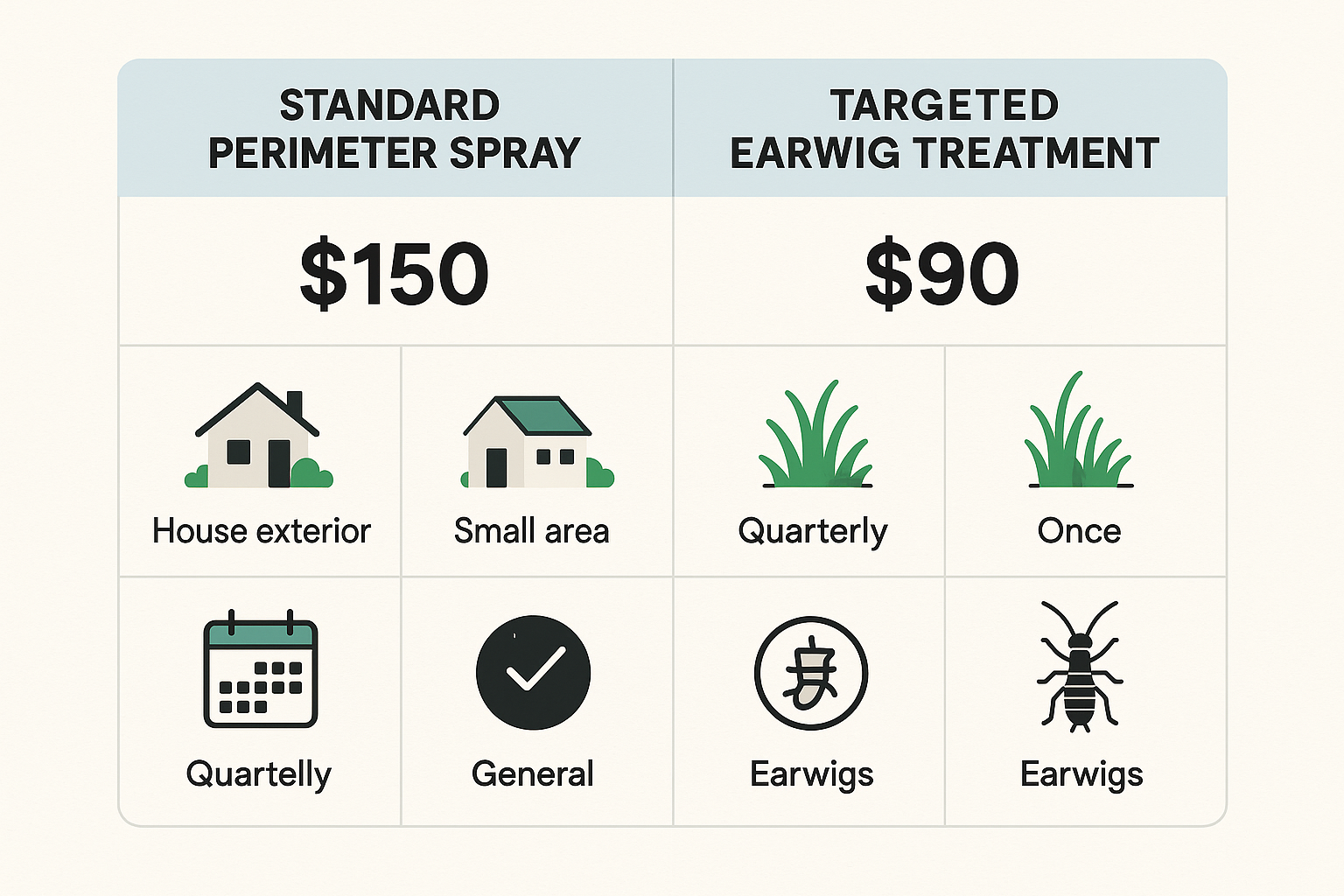
When you’re faced with a swarm of earwigs crawling across your foundation, the first question is usually “how much will it cost?” In Peachtree City, pest‑control companies typically offer two pricing models: a standard perimeter spray that treats the entire home’s exterior, and a targeted earwig treatment that focuses on the hot spots where the insects are most active. Understanding the differences in price, coverage, and effectiveness helps you choose the option that fits both your budget and your urgency.
| Service Type | Cost (per treatment) | Coverage Area | Treatment Frequency | Effectiveness |
|---|---|---|---|---|
| Standard Perimeter Spray | $0.30 / sq ft (≈ $600 for 2,000 sq ft) | Up to 2,000 sq ft | Annual (once per year) | ✅✅✅ (≈ 80‑90 % reduction) |
| Targeted Earwig Treatment | $120 / treatment | Localized 150‑250 sq ft (garden beds, porch) | As‑needed (usually 1‑2 times per season) | ✅✅ (≈ 60‑70 % reduction) |
Interpreting the Numbers
A full‑perimeter service shines in situations where earwigs are a pervasive problem—new construction with unfinished landscaping, homes surrounded by dense mulch, or properties that host multiple outdoor structures. The upfront cost may appear higher, but the cost per square foot drops dramatically once you spread it over a large area, and the annual schedule ensures you stay ahead of any resurgence.
Conversely, if you’ve only noticed earwigs in a single garden bed or around a deck, the targeted treatment saves you money by limiting both the chemical usage and the labor time. You pay a flat fee per visit, and you can repeat the service only when you actually see activity, keeping expenses strictly tied to need.
Beyond Price: Value‑Adding Factors
- Guaranteed results: Many local providers, including Anthem Pest Control, back their work with a satisfaction guarantee—if earwig activity isn’t reduced as promised, a follow‑up visit is free.
- Follow‑up visits: A complimentary inspection after the first treatment helps confirm that the population is under control and allows technicians to adjust the plan if necessary.
- EPA‑registered products: Using chemicals approved by the Environmental Protection Agency means you get the most effective formulation with minimal risk to children, pets, and the surrounding ecosystem.
How Anthem Pest Control Aligns with the Chart
Anthem Pest Control’s pricing mirrors the figures in the comparison table. A standard perimeter spray for an average 2,000‑square‑foot home is quoted at $0.28 / sq ft, which translates to roughly $560—slightly below the market average and reflective of Anthem’s commitment to transparent, affordable rates. For homeowners who only need a localized fix, Anthem offers a $115 targeted treatment, covering up to 250 sq ft, and includes a free post‑treatment walkthrough.
Getting the Most Accurate Quote
Before you sign on, ask for a detailed written estimate that breaks down each line item: product cost, labor, and any additional fees (such as travel or equipment rental). Inquire whether the provider offers service contracts that lock in the annual perimeter price and include periodic inspections at no extra charge. A clear, itemized quote not only prevents surprise costs but also lets you compare apples‑to‑apples when you shop around.
Protect Your Home with Professional Earwig Control
Recap of Earwig Identification, Seasonal Risks, and Timely Treatment
Earwigs are the slender, nocturnal insects you may spot scuttling across your porch lights or hiding under garden mulch. Their pincers and rapid breeding cycle make them a nuisance, especially during the warm months when they seek shelter in homes, decks, and flower beds. Left unchecked, a small population can quickly become a visible infestation, damaging tender plants and contaminating food surfaces. Prompt treatment stops the cycle before earwigs establish a permanent foothold, protecting both your garden’s health and your indoor comfort.
Why Choose Anthem Pest Control in Peachtree City
Anthem’s locally trained technicians know Peachtree City’s unique climate patterns and the specific earwig hotspots in the area. Every technician is certified to handle EPA‑approved products, ensuring that each application meets the highest safety standards for families, pets, and the environment. Our customized treatment plans start with a thorough inspection, then target entry points, breeding sites, and outdoor attractants—delivering a solution that’s tailored to your property rather than a one‑size‑fits‑all spray.
Safe, Effective, and Affordable Solutions with Transparent Pricing
We combine proven chemical controls with eco‑friendly options, giving you the flexibility to choose the method that aligns with your comfort level. Our treatments are designed to eliminate earwigs quickly while minimizing any residual impact on your yard. Because we believe in clear communication, every quote includes a detailed breakdown of labor, products, and follow‑up visits, so you never face surprise fees. The result is a cost‑effective plan that protects your home without breaking the bank.
Schedule a Free, No‑Obligation Quote Today
Ready to keep earwigs out of your garden and home? Call Anthem Pest Control now at 877‑371‑8196 for a complimentary assessment. Our local experts will visit your property, identify any risk factors, and recommend the most efficient treatment strategy—all at no cost and with no obligation to proceed.
Take the first step toward a pest‑free season. Visit Anthem Pest Control online or pick up the phone. We’re here to safeguard your home, preserve your peace of mind, and ensure that earwigs stay where they belong—outside.