Fast Flea Relief for Vinings Homeowners

Imagine the sudden, maddening itch of a flea bite appearing on your arm or your child’s ankle, followed by the uneasy thought: “How many more are hiding in the carpet?” Those tiny, blood-sucking pests turn a peaceful home into a source of constant discomfort and anxiety, especially when you spot the tiny black specks jumping from pet to pet, leading many homeowners to call a professional flea exterminator Vinings for help.
Fleas (Wikipedia) complete their life cycle in as little as two weeks under ideal conditions. An adult female can lay up to 50 eggs per day, which drop into carpets, bedding, and cracks, hatching within 2‑5 days. Larvae feed on organic debris, while pupae remain dormant until vibrations signal a host’s presence. This rapid development means a single infestation can explode into thousands of insects within a month.
Speed is not a luxury—it’s a necessity. Fleas reproduce exponentially, so delaying treatment gives them a head start that quickly overwhelms any DIY effort. Beyond relentless itching, flea bites can trigger allergic reactions in sensitive individuals and transmit diseases such as murine typhus or, in rare cases, plague. Pets suffer from anemia, skin infections, and severe irritation, which can lead to costly veterinary visits if left unchecked.
That’s where Anthem Pest Control steps in. As a locally‑owned service in Vinings, GA, Anthem knows the neighborhood’s unique climate patterns that favor flea growth. Their 24‑hour response guarantee ensures a trained technician is at your door within a day, armed with EPA‑approved products and a proven protocol that targets every life stage of the flea. Transparent pricing, safe application methods, and a commitment to rapid relief make Anthem the trusted partner for Vinings homeowners.
In the sections that follow, we’ll dive into Vinings‑specific climate factors, compare the most effective treatment options, and share practical prevention tips to keep your home flea‑free year after year.
Why Fleas Thrive in Vinings Neighborhoods
Climate Conditions that Accelerate Flea Development
Vinings sits in a humid subtropical zone where summers regularly hover around 70 °F and winters rarely dip below 55 °F. This narrow temperature band, combined with average humidity levels of 70 % in the warm months, creates an ideal incubator for flea eggs and larvae. Fleas develop fastest when the environment stays warm and moist; a temperature range of 65‑85 °F can shrink their life cycle from weeks to just a few days, allowing populations to explode before homeowners even notice the first bite.
Regional Disease Trends
The CDC’s 2024 report on flea‑borne diseases shows that the Southeast records the highest incidence of flea‑transmitted infections, with a 27 % increase in reported cases over the past three years. In Georgia, the prevalence of murine typhus and flea‑borne rickettsial illnesses has risen in lockstep with expanding flea populations, underscoring how climate and host availability directly influence public‑health risks.
Neighborhood Reports Highlight a Growing Problem
Recent editions of the Vinings Homeowners Association newsletter (May 2024) and a local news article from The Vinings Gazette both flagged a surge in flea sightings across several cul‑de‑sacs. Residents reported frequent bites on pets and children, especially after outdoor gatherings on community lawns. The HOA’s pest‑monitoring committee logged a 42 % jump in complaints compared to the same period last year, prompting many homeowners to seek professional treatment before infestations become unmanageable.
Understanding the Flea Life Cycle
Visualizing each stage helps homeowners grasp why prompt action matters. The diagram below outlines the four key phases—egg, larva, pupa, and adult—and the typical time each spends in the environment under Vinings’ climate conditions.
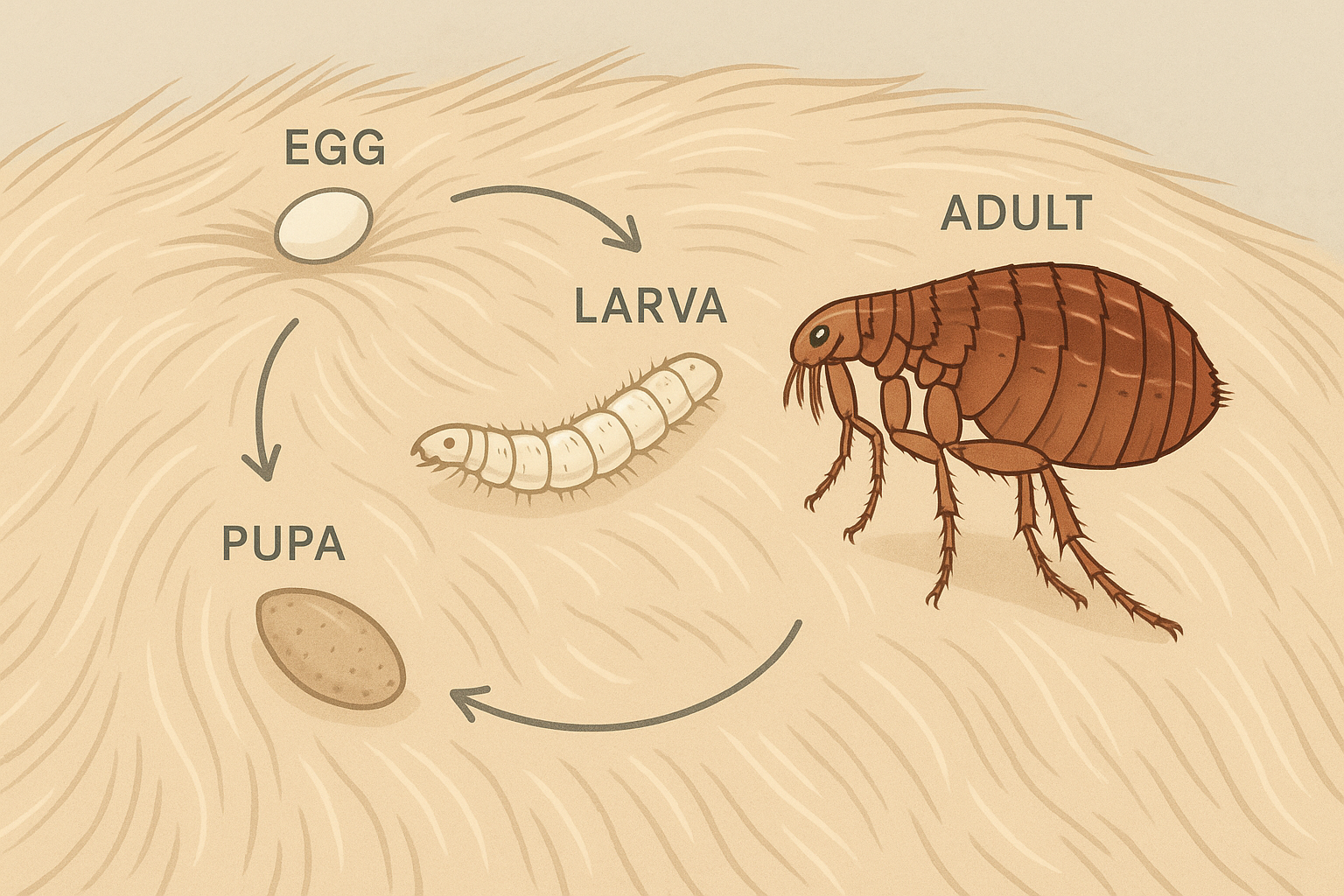
- Egg: Laid on the host, but quickly falls off into the surrounding carpet or yard; hatches in 2‑5 days.
- Larva: Feeds on organic debris; develops fastest when humidity stays above 65 %.
- Pupa: Forms a protective cocoon; can remain dormant for weeks if conditions are unfavorable.
- Adult: Seeks a blood meal within 24‑48 hours; a single female can lay up to 50 eggs per day, perpetuating the cycle.
Because each stage can survive for several days to weeks, a single missed treatment can allow the colony to rebound. Understanding how Vinings’ warm, humid environment shortens these intervals highlights the urgency of professional flea control—especially during the peak summer months when the climate is most favorable for rapid reproduction.
Spotting the Signs Before an Outbreak
Fleas can hide in plain sight until they’ve multiplied enough to become a full‑blown problem. By learning the early clues, you can act before your pets and family feel the bite. Below is a quick reference you can keep on the fridge or in your phone notes.
Catching fleas early saves time, money, and prevents endless scratching. A single female can lay up to 50 eggs a day, so a tiny population can explode in weeks. Early spot‑treatments are far less invasive than whole‑home fumigation.
Three early indicators
- Flea dirt – tiny black specks that look like pepper on bedding, pet blankets, or carpet. When you dampen the speck, it turns reddish, confirming it’s digested blood.
- Increased pet scratching – a sudden rise in how often your dog or cat shakes, bites, or scratches itself often signals a hidden feeding site.
- Live fleas – spotting minute, jumping insects in upholstery, on floor rugs, or near pet resting spots is the most obvious warning sign.
Walk through each room with a bright flashlight and a white sheet of paper. The light makes flea dirt pop, and the paper catches any insects that jump when disturbed. A quick minute per area turns the habit into second nature.
Simple home‑inspection checklist
| Room / Area | What to Examine | Inspection Frequency |
|---|---|---|
| Bedrooms & sleeping areas | Bedding, mattress seams, pet blankets | Weekly |
| Living room & carpeted zones | Carpet fibers, sofa cushions, under furniture | Weekly |
| Pet zones (bed, crate, favorite spots) | Pet hair, floor mats, feeding bowls | Twice a week |
| Entryways & hallways | Doormats, shoe racks, baseboards | Monthly |
If you ignore these clues, fleas burrow deeper into carpet fibers and cracks, making removal far more labor‑intensive. Homeowners often notice a sudden surge of bites only then, and professional treatment becomes unavoidable.
What Works Fast: Treatment Methods
When fleas burst onto your Vinings home, the clock starts ticking. Homeowners need a solution that not only kills the adult insects within minutes but also prevents a new generation from emerging. Anthem Pest Control’s rapid‑acting arsenal combines EPA‑registered chemicals, advanced application equipment, and a disciplined Integrated Pest Management (IPM) plan—all backed by transparent pricing and a 24‑hour response guarantee.
Chemical Sprays (Adulticide)
Our frontline weapon is an EPA‑registered adulticide spray, typically a pyrethroid or a newer chemistry such as imidacloprid. Trained technicians apply the product directly to carpets, pet bedding, baseboards, and cracks where adult fleas hide. Under laboratory conditions the spray delivers a knock‑down in under 2 hours, and field reports confirm most homeowners see a dramatic drop in flea activity by the next morning.
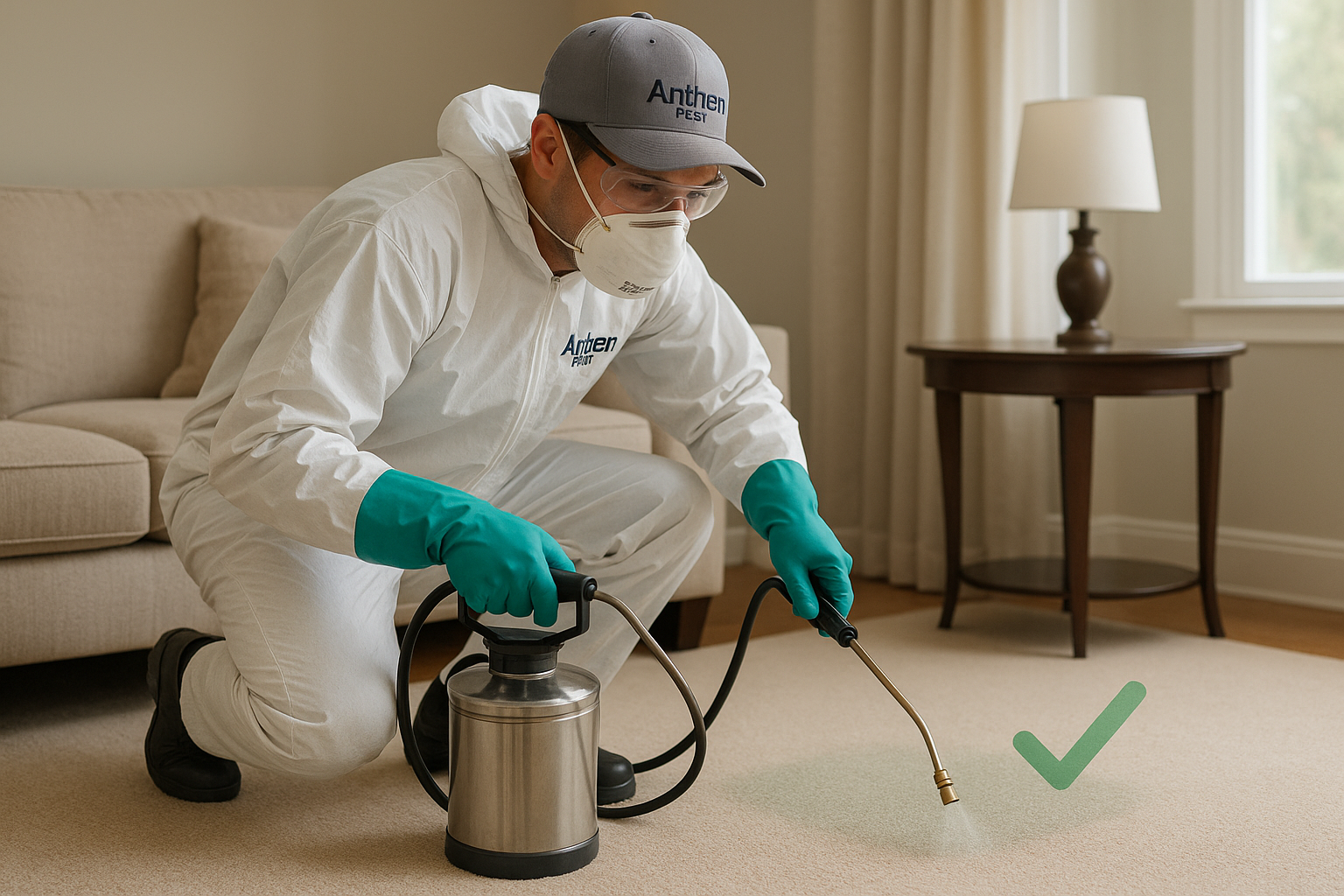
Safety precautions are built into every visit. Technicians wear gloves and respirators, and the formulation is approved for indoor residential use. We advise clients to keep pets and children out of treated zones for at least 30 minutes, then ventilate the space by opening windows for a short period. We also provide a printed safety sheet that outlines post‑treatment ventilation times and emergency contact information. All applications follow the EPA Flea Guidance, ensuring the label rates are never exceeded.
Foggers & ULV Misting
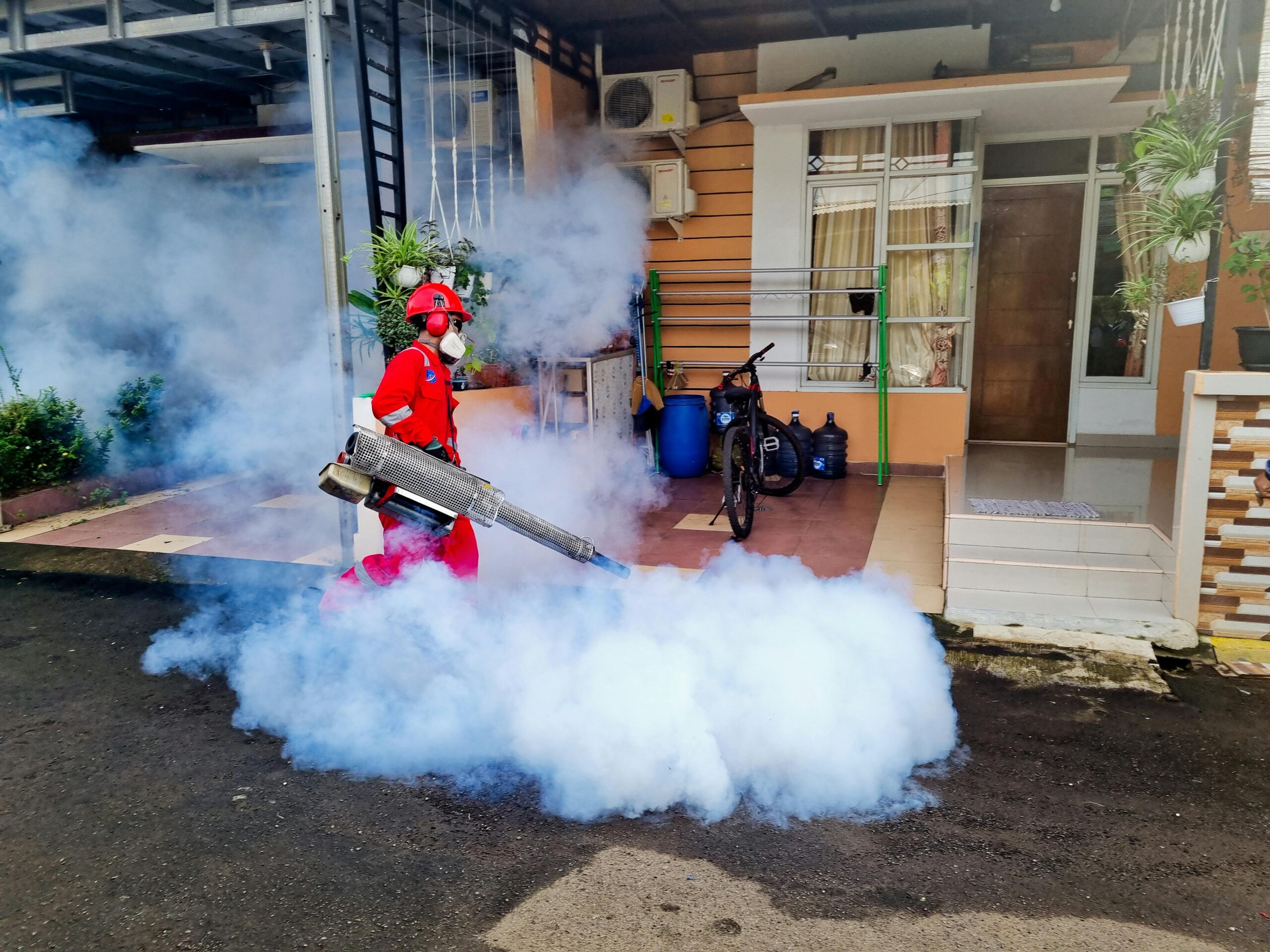
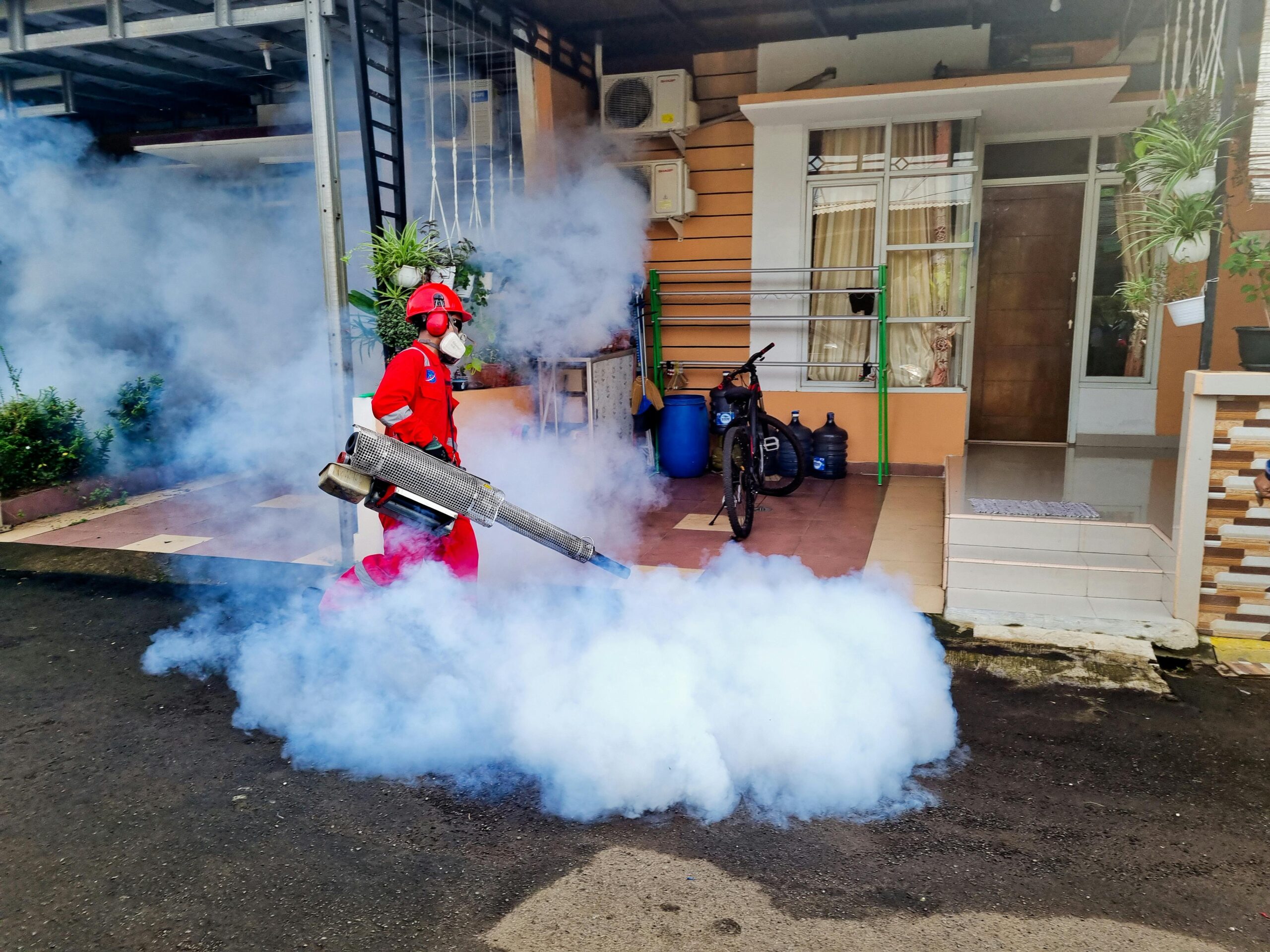
For larger homes or multi‑room infestations, foggers and Ultra‑Low Volume (ULV) misting devices spread a fine aerosol that penetrates upholstery, under‑furniture spaces, and hard‑to‑reach corners. A single ULV pass can treat 1,500 sq ft in under five minutes, delivering the same adulticide chemistry as the spray but with broader coverage.
Pros: rapid whole‑house coverage, minimal labor time, effective for severe infestations. Cons: the aerosol can settle on surfaces, requiring a short re‑entry period; foggers are less precise than handheld sprays and may need a follow‑up spot‑treatment for pet areas. Because the mist can settle on delicate electronics, we recommend covering sensitive devices before treatment. Anthem technicians assess the layout before choosing fogging, ensuring the method matches the infestation level and homeowner comfort.
Integrated Pest Management (IPM)
Speed alone isn’t enough if the environment continues to nurture flea eggs and larvae. Anthem’s IPM program couples chemical treatment with sanitation steps that starve the pest cycle. We recommend:
- Vacuuming carpets and upholstery daily for the first week.
- Washing pet bedding in hot water (≥ 130 °F) to destroy eggs.
- Applying a low‑toxicity insect growth regulator (IGR) to cracks and crevices, which blocks larvae from maturing.
- Sealing entry points and reducing indoor humidity to create an inhospitable habitat.
When chemical and environmental actions work together, homeowners often see complete eradication within 7‑10 days, far faster than chemical‑only approaches.
Pricing Transparency
Anthem believes homeowners should know exactly what they’re paying for before the first spray hits the floor. As a trusted flea exterminator Vinings, our standard residential package for a single-family home includes:
| Service | Cost (USD) | What’s Included |
|---|---|---|
| Initial adulticide treatment | $149‑$199 | EPA‑registered spray + optional ULV misting, 2‑hour kill guarantee |
| Follow‑up visit (1‑week later) | $79 | Re‑inspection, spot‑treatment, IGR application |
All prices are posted on Anthem’s official pricing page, and there are no hidden fees. If a homeowner opts for the fogger add‑on, the cost is disclosed up front, typically an additional $30‑$50 depending on square footage.
Service Guarantees & Professional Certification
Beyond the chemicals, Anthem backs every treatment with a 24‑hour response guarantee: if fleas reappear within a day of service, we return at no extra charge. Our technicians hold state‑licensed pesticide applicator certifications and complete annual EPA compliance training, ensuring every spray meets federal safety standards.
By merging fast‑acting chemistry, strategic fogging, and a disciplined IPM routine, Anthem delivers the quickest relief for Vinings homeowners while keeping families and pets safe. Call us today at 877‑371‑8196 or visit anthempest.com to schedule your rapid flea extermination.
Long‑Term Prevention for a Flea‑Free Home
1. Regular Pet Grooming and Flea Combing
Pets are the most common flea carriers, so keeping them clean is your first line of defense. Schedule a grooming session at least once a month, even for indoor‑only animals. During each bath, use a veterinarian‑approved flea shampoo and follow up with a fine‑toothed flea comb. The comb removes adult fleas, eggs, and larvae before they can jump back onto your furniture or carpet. Make grooming a routine—think of it as a weekly “check‑up” that you and your pet can do together.
2. Weekly Vacuuming of High‑Traffic Areas
Flea eggs and pupae hide in carpet fibers, upholstery, and cracks along baseboards. Vacuuming once a week in rooms where pets spend the most time (living room, bedroom, hallways) physically removes these stages and disrupts the life cycle. After each session, empty the vacuum bag or canister into a sealed plastic bag and discard it in an outdoor trash bin. This prevents any surviving fleas from re‑infesting your home.
3. Yard Maintenance to Eliminate Outdoor Breeding Sites
Fleas love warm, moist environments outdoors. Keep your yard hostile to them by:
- Mowing the grass to a height of 2‑3 inches, which reduces shade and humidity.
- Raking leaf litter and debris weekly, especially in the spring and fall.
- Creating a physical barrier—install low fencing or use garden edging—to limit access for wildlife such as raccoons, opossums, and stray cats, which can re‑introduce fleas.
A tidy yard not only looks good but also cuts the number of adult fleas that can hop onto your pets.
4. Annual Professional Inspection with Anthem Pest Control
Even the most diligent homeowner can miss hidden infestations. Scheduling a once‑per‑year inspection with Anthem gives you a professional “sweep” of both indoor and outdoor spaces. Our technicians use EPA‑registered products that are safe for families and pets, applying them precisely where flea populations tend to linger. The inspection also includes a detailed report and a customized action plan for the coming year.
5. EPA Guidance on Safe Pesticide Use
The U.S. Environmental Protection Agency recommends using only EPA‑registered flea control products, following label directions, and keeping chemicals out of reach of children and pets. For more details, visit the EPA Flea Control page.
6. Printable 12‑Month Flea‑Prevention Calendar
To keep prevention on track, we’ve designed a simple calendar template you can print and hang on your fridge. The layout includes twelve rows—one for each month—and two columns: “Month” and “Action.” In the “Action” column, we list the key task for that period, such as “Groom pets + flea comb” in January, “Vacuum all carpets” in February, or “Trim grass & inspect yard” in May. Check off each task as you complete it; the visual cue helps you stay consistent throughout the year.
| Month | Action |
|---|---|
| January | Groom pets, flea comb; vacuum high‑traffic rooms |
| February | Vacuum carpets; inspect indoor cracks |
| March | Begin yard clean‑up; trim grass |
| April | Deep clean pet bedding; schedule professional inspection |
| May | Yard maintenance – remove leaf litter, limit wildlife |
| June | Groom pets; check for new flea activity after outdoor play |
| July | Vacuum weekly; inspect patio furniture |
| August | Maintain short grass; treat any wildlife hotspots |
| September | Deep clean carpets; repeat flea combing |
| October | Prepare yard for cooler weather; remove debris |
| November | Final pet grooming before winter; vacuum thoroughly |
| December | Review calendar, plan next year’s schedule |
Seasonal Flea Peaks and Scheduling in Vinings
In Vinings, flea activity doesn’t wander randomly through the year, especially for any experienced flea exterminator Vinings professionals who track seasonal patterns closely. NOAA’s long-term temperature records show that the months with the highest average highs and humidity fall squarely between April and September. Those six months line up perfectly with the flea’s most productive life-cycle phase.
Below is a snapshot of the NOAA‑derived average high and low temperatures for Vinings. Notice how the spring‑to‑early‑fall window consistently stays above 65 °F, creating the warm, moist environment fleas love. These figures help pinpoint when preventive action is most effective.
| Month | Avg High (°F) | Avg Low (°F) |
|---|---|---|
| January | 50 | 32 |
| February | 55 | 35 |
| March | 63 | 42 |
| April | 71 | 50 |
| May | 78 | 58 |
| June | 84 | 66 |
| July | 87 | 70 |
| August | 86 | 70 |
| September | 80 | 65 |
| October | 71 | 55 |
| November | 60 | 44 |
| December | 52 | 36 |
Fleas need heat and moisture to move from egg to adult in under three weeks. Temperatures above 70 °F speed up egg hatch, while relative humidity above 60 % prevents larvae from desiccating. In the April‑September window, both conditions are met daily, allowing multiple overlapping generations and a rapid population explosion.
Vinings receives an average of 50 inches of rain during the peak months, which keeps yard soil moist and provides ideal breeding grounds for flea larvae in shaded areas and pet bedding.
The smartest move is to treat before the heat arrives. Scheduling a professional pre‑emptive service in early March gives the residual insecticide time to establish a barrier before flea eggs start hatching en masse. By the time April’s temps climb, your home already has a protective shield, dramatically reducing the need for emergency sprays.
“If you wait until you see fleas, you’re already behind the curve. A March treatment puts you one step ahead of the seasonal surge,” says Jake Miller, senior technician at Anthem Pest Control.
Anthem testimonial page
By aligning your treatment calendar with Vinings’ climate data, you stay one step ahead of fleas and avoid costly infestations. Give Anthem a call today to lock in your March appointment and protect your family.
FAQ – Fast Flea Extermination in Vinings
Below are the most common questions homeowners ask about fast flea extermination in Vinings, and our clear answers to help you decide quickly.
How long does treatment take?
A typical full‑home application lasts about two hours. Our technicians treat all indoor spaces, pet areas, and outdoor perimeters in one visit. If the initial inspection shows a heavy infestation, we schedule a brief follow‑up within 7‑10 days to confirm that the life cycle has been interrupted.
Is it safe for children and pets?
Yes. We use only EPA‑registered products that have been evaluated for indoor use around families. Technicians wear protective gear and follow strict label directions. After spraying, we advise a re‑entry time of 2–4 hours for people and pets, allowing the chemicals to settle and dry.
How many visits are needed?
Most homes require a single comprehensive visit. In cases of moderate to severe infestations, a second visit is often scheduled to treat any newly hatched fleas that escaped the first round. Our technicians assess the situation during the initial service and set a clear plan so you know exactly what to expect.
What if fleas return?
We stand behind our work with a 30‑day warranty. If live fleas are found within that period, we’ll return at no extra charge to re‑treat the affected areas. Our Integrated Pest Management (IPM) approach also includes recommendations for home hygiene and pet care to reduce the chance of a rebound.
Does insurance cover it?
Standard homeowner’s insurance policies generally do not cover routine pest control, including flea extermination. Some insurers offer optional add‑on riders for pest‑related claims, but these are uncommon. We recommend checking your policy or speaking with your agent if you’re interested in supplemental coverage.
For more information on flea‑borne diseases, visit the CDC disease information page.
If you still have concerns, our certified technicians are happy to discuss your specific situation and provide a free on‑site estimate today.
Protect Your Home with Anthem Pest Control Today
When fleas start biting, every moment counts. The faster you act, the less chance they have to spread through carpets, bedding, and even your pets. Our guide walked you through spotting the signs, delivering rapid treatment, and setting up lasting prevention so you can stop the itch before it becomes a full‑blown infestation.
Anthem Pest Control backs that urgency with a 24‑hour response guarantee—our technicians are on your doorstep the same day you call. We pride ourselves on transparent pricing, so you know exactly what you’ll pay before any work begins, and our Vinings, GA team brings neighborhood‑specific knowledge of local flea hotspots and seasonal patterns. We also use pet‑safe products that protect your family while eliminating every life stage of the flea.
Ready for relief? Request a free, no‑obligation quote online or schedule your treatment with just a few clicks. If you prefer to speak directly, call us now at 877‑371‑8196. Our friendly staff will walk you through the process, answer any questions, and set up a treatment plan that fits your schedule.
Let’s make your home flea-free together. Visit Anthem Pest Control and take the first step toward a comfortable, pest-free household with help from a trusted flea exterminator Vinings.