What Are Fruit Flies and Why They Matter
Fruit flies belong to the family Drosophilidae, a group of tiny, tan-to-brown insects that most homeowners first notice hovering over a bowl of ripe bananas or a half-filled wine glass. In the United States, the most common species you’ll encounter indoors are Drosophila melanogaster and Drosophila suzukii—two pests frequently identified by a professional fruit fly exterminator Suwanee homeowners trust during early kitchen inspections. Both are small—usually less than ¼ inch long—but their presence can quickly become a noticeable nuisance for homeowners across Suwanee.
Typical habitats you’ll find them in
- Overripe fruit and vegetables: The sugary juices provide an ideal breeding ground.
- Fermenting liquids: Beer, wine, cider, and even sugary cleaning solutions attract adult flies.
- Kitchen drains and garbage disposals: Organic residue left in pipes offers a hidden nursery.
- Trash cans and compost bins: Moisture and food scraps create a perfect micro‑environment for eggs and larvae.
Why they become a real headache
Fruit flies reproduce at a staggering rate—one female can lay up to 500 eggs in just a few days. Those eggs hatch within 24 hours, and the entire life cycle from egg to adult can be completed in under a week when conditions are warm and moist. This rapid breeding means a single pair can turn a quiet kitchen into a buzzing hotspot in less than a fortnight.
Beyond sheer numbers, fruit flies are attracted to the same foods you store for family meals, so they’re constantly hovering around countertops, cutting boards, and open pantry shelves. Their tiny size and erratic flight patterns make them visually irritating, especially when they swarm around a light fixture or a glass of lemonade on a summer evening.
What their presence tells you
While fruit flies themselves are not disease vectors, their activity is often a red flag for underlying sanitation issues. A sudden increase usually points to excess moisture, decaying organic matter, or clogged drains—conditions that also invite other pests such as ants, cockroaches, and rodents. Addressing fruit flies, therefore, is not just about eliminating a minor annoyance; it’s an early step in a broader pest‑management strategy that protects the health and comfort of your home.
According to the U.S. Environmental Protection Agency, fruit flies rank among the top three indoor flying insects reported in residential complaints, affecting millions of households each year. Their prevalence underscores why homeowners should act quickly—preventing a small fly problem now can save you from larger, costlier infestations later.
Spotting Fruit Flies: Identification and Warning Signs
Fruit flies are tiny, but they make a big impression when they invade your kitchen. The average adult measures just 1‑4 mm—about the size of a grain of sand. Their bodies are a muted tan‑brown, highlighted by striking red eyes that seem to glint in the light. One of the easiest ways to confirm you’re looking at a fruit fly is the distinctive pattern on their wings: a clear, veined structure with a subtle dark spot near the tip.
How They Differ From Other Small Flies
It’s common to mistake fruit flies for other household nuisances. Here’s a quick cheat sheet:
- Gnats: Usually darker, with longer legs and a more erratic flight pattern.
- Fungus gnats: Prefer moist soil and are often found near houseplants, not fruit.
- House flies: Much larger (6‑9 mm), gray‑black, and lack the red eyes that set fruit flies apart.
Where Fruit Flies Like to Hang Out
Once you know what they look like, spotting where they congregate is the next step. Fruit flies are drawn to:
- Kitchen counters where peeled or over‑ripe fruit sits.
- Fruit bowls, especially those left uncovered.
- Trash cans that contain food scraps or sugary residues.
- Drain openings—particularly kitchen sinks—where organic matter builds up.
Behavioral Clues That Reveal an Infestation
Fruit flies are not just passive visitors; they have a predictable routine:
- They hover in slow, looping circles around ripened fruit, as if “sniffing” for a meal.
- Swarming near fermenting liquids—think wine, beer, or even a forgotten bottle of soda.
- Females lay eggs on the surface of soft fruit; each tiny egg is barely visible to the naked eye.
Early Warning Signs to Keep on Your Radar
Catch an infestation before it explodes by watching for these subtle indicators:
- Minute specks of larvae (often called “maggots”) on the skin of fruit. They look like tiny, white threads.
- An uptick in fly activity during the evening, when the kitchen lights are on and the flies are drawn to the glow.
- A faint, sour odor emanating from drains—this is the result of decaying organic matter that fruit flies love.
Confirming What You’re Seeing
When in doubt, compare the insects you’ve found with a close‑up photograph. The image below highlights the red eyes, tan‑brown body, and wing pattern that are hallmarks of fruit flies. If the insects in your home match these details, you’re likely dealing with a fruit‑fly problem.
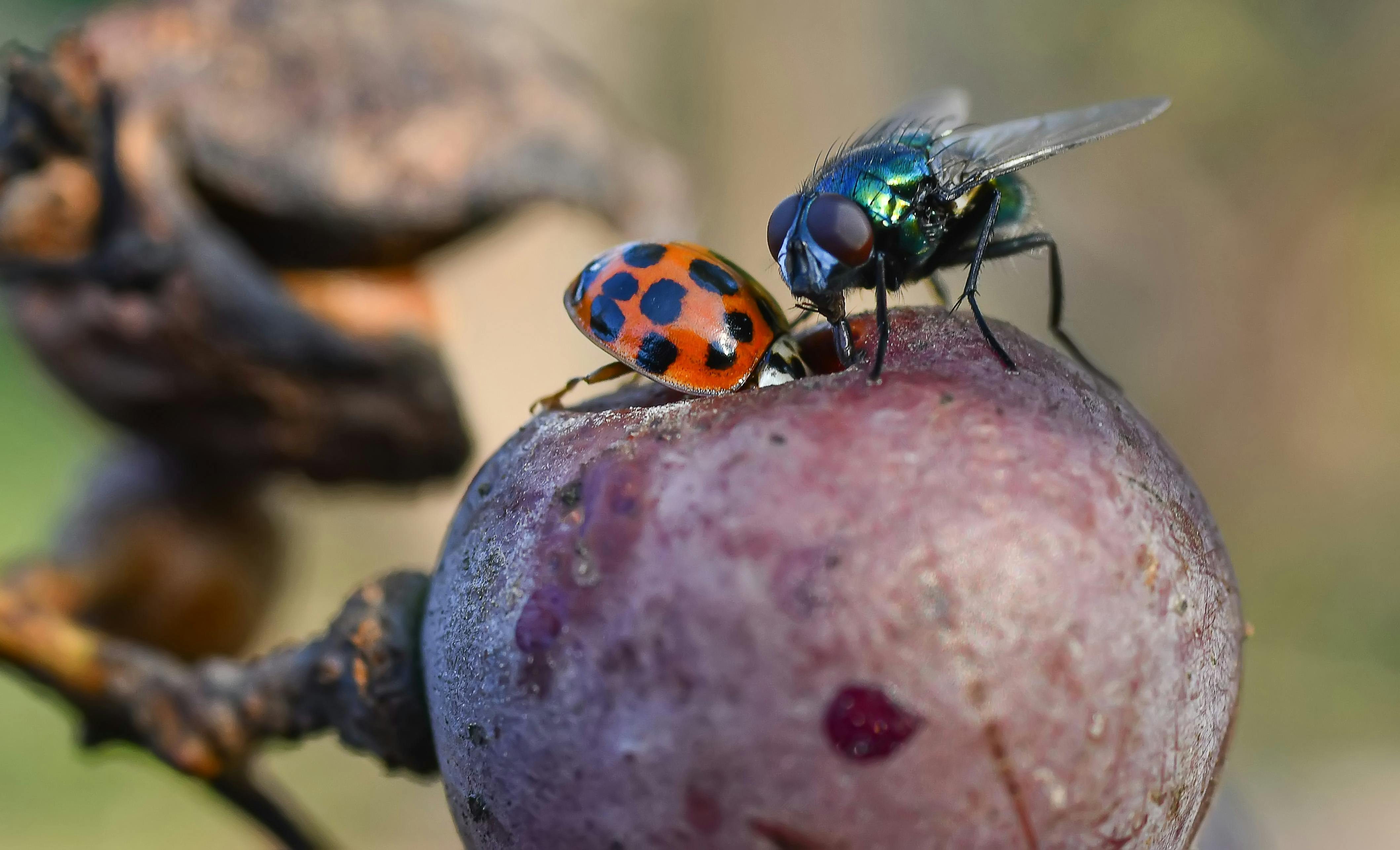
Identifying fruit flies early gives you a head start on control measures. Once you’ve confirmed their presence, you can move confidently to the next step—effective, fast‑acting extermination that keeps your Suwanee home fruit‑fly free.
How Fruit Flies Affect Your Home and Health
Seeing a few fruit flies buzzing around the kitchen may seem harmless, but their presence can quickly turn into a cascade of problems for both your home’s cleanliness and your family’s well‑being. Unlike larger pests, fruit flies are tiny, fast‑reproducing insects that thrive on the very foods you keep on your countertops. Understanding the risks they pose helps you decide when it’s time to call a professional like Anthem Pest Control.
Food contamination risk
Fruit flies lay their eggs on the surface of ripening fruit, vegetables, and even sugary residues left in drains or trash cans. Within 24 hours, the larvae—commonly called maggots—begin feeding on the decaying matter. As they move, they pick up bacteria, yeast, and mold spores, then deposit them back onto the food you intend to eat. This cycle can turn a perfectly fine apple or a jar of jam into a breeding ground for microbes.
Potential for bacterial growth
Because fruit flies travel from garbage bins to countertops, they act like microscopic couriers for harmful pathogens. Studies have linked fruit‑fly activity to the spread of Salmonella and Escherichia coli, especially in homes where fruit is left out or drains are not regularly cleaned. Even a small bacterial load can cause food‑borne illness, leading to symptoms such as nausea, vomiting, and diarrhea—particularly risky for children, seniors, and anyone with a weakened immune system.
Psychological impact
Beyond the physical health concerns, a fruit‑fly infestation can erode a homeowner’s sense of cleanliness. The constant buzzing and the sight of tiny insects hovering over meals create an unsettling atmosphere. Many people report increased stress, anxiety, and a feeling that their home is “out of control,” which can affect overall well‑being and even sleep quality.
Indicator of deeper sanitation problems
Fruit flies rarely appear out of nowhere. Their presence often signals hidden issues such as:
- Accumulated organic debris in sink drains or garbage disposals.
- Standing water in plant saucers, pet water bowls, or leaky pipes.
- Undetected mold growth behind cabinets or under countertops.
Ignoring the flies means you may be overlooking the root cause—conditions that can also attract other pests like cockroaches or rodents.
EPA guidance on health concerns
The U.S. Environmental Protection Agency (EPA) classifies fruit flies as a public health nuisance. While they are not direct disease vectors, the agency warns that the microbes they transport can contaminate food and surfaces, increasing the risk of food‑borne illness. The EPA also recommends integrated pest management (IPM) practices: eliminating breeding sites, maintaining proper sanitation, and, when necessary, using targeted, low‑toxicity treatments approved for residential use.
Addressing a fruit‑fly problem early—by cleaning drains, storing produce properly, and sealing trash—can prevent the cascade of health and psychological issues described above. When DIY steps aren’t enough, a professional exterminator from Anthem Pest Control can identify hidden sources, apply EPA‑approved controls, and restore peace of mind to your home.
Prevention Strategies for Kitchen and Home
Seal and Store Food Properly
Fruit flies are attracted to the sweet scent of ripe or rotting produce. The simplest barrier is airtight storage. Transfer fresh fruit into glass or BPA‑free plastic containers with tight‑fitting lids, and keep them in the refrigerator whenever possible. Overripe bananas, berries, or melons should be placed in sealed bags and moved to the cold side of the fridge within 24 hours. If you prefer to leave fruit out for quick snacks, use a fruit bowl with a fitted cover or a silicone food dome to trap odors.
Keep Surfaces Sparkling Clean
A clean countertop is a fruit‑fly‑free countertop. After each meal, wipe down counters, stovetops, and the dining table with an all‑purpose cleaner or a mixture of equal parts water and white vinegar. Pay special attention to the edges of appliances where crumbs can hide. Empty the kitchen trash can nightly and rinse the bin with hot, soapy water to remove any lingering residue. Don’t forget to clean the inside of the microwave and the crumb tray of your toaster—these tiny pockets are prime breeding grounds.
Maintain Drains and Garbage Disposals
Stagnant water in sinks and disposals creates a moist haven for fruit‑fly larvae. Once a week, pour a kettle of boiling water down each drain to melt away grease and organic buildup. For a natural, foaming alternative, combine ½ cup of baking soda with 1 cup of white vinegar, let it fizz for five minutes, then flush with boiling water. This routine not only discourages fruit flies but also helps prevent unpleasant odors.
Deploy Simple Fruit‑Fly Traps
Even the most diligent homeowner benefits from a few passive traps. A DIY vinegar trap is as easy as filling a small jar with apple cider vinegar, adding a drop of dish soap, and covering the opening with plastic wrap pierced with tiny holes. Fruit flies are lured in by the scent, slip on the soap, and drown. Commercial sticky traps can be placed near fruit bowls, trash cans, or under the sink for quick visual monitoring. Replace traps every few days to maintain effectiveness.
Eliminate Hidden Breeding Sites
Fruit flies love moist, organic matter that’s often overlooked:
- Compost bins: Keep indoor compost containers sealed with a tight‑fit lid and empty them regularly.
- Pet food: Store dry kibble in airtight containers; discard any uneaten food after each feeding.
- Over‑watered houseplants: Let the soil dry out between watering sessions, and avoid leaving saucers of standing water on the windowsill.
- Spilled juice or wine: Clean up any liquid promptly, even if it’s just a few drops on the floor.
By removing these covert sources, you cut the life cycle of fruit flies before it can start.

Implementing these straightforward, DIY steps creates a hostile environment for fruit flies while keeping your kitchen looking and feeling fresh. Consistency is key—spend a few minutes each day on storage, cleaning, and trap maintenance, and you’ll notice the buzzing disappear long before you consider professional intervention. If a sudden surge still occurs despite your best efforts, a quick call to Anthem Pest Control at 877‑371‑8196 can provide targeted treatment to restore peace to your home.
Treatment Options and Professional Extermination
DIY Methods You Can Try at Home
Most homeowners start with simple, do-it-yourself tactics because they’re inexpensive and easy to set up before contacting a professional fruit fly exterminator Suwanee homeowners rely on for persistent infestations. Common traps include apple-cider-vinegar bowls topped with a drop of dish soap, or commercially available sticky traps that capture adult fruit flies as they hover near lights. Insecticidal sprays—either aerosol cans or ready-to-mix concentrates—can be sprayed directly onto breeding sites such as trash cans, drains, and overripe fruit. For those who prefer a greener approach, essential-oil blends (e.g., lemongrass, eucalyptus, or peppermint) mixed with water and a few drops of dish soap can deter flies when applied to countertops and sink drains.
Why DIY Often Falls Short
While these methods may knock down the visible adult population, they rarely address the hidden source of the infestation. Fruit flies lay eggs in the moist organic material that fuels drains, garbage disposals, and fermenting produce. A spray that kills the adults won’t penetrate that substrate, allowing the next generation to emerge within days. Moreover, over‑reliance on aerosol insecticides can pose health risks, especially in homes with children, pets, or respiratory sensitivities. The short‑term relief can also give a false sense of security, leading homeowners to ignore the underlying sanitation issue that keeps the flies coming back.
What Professional Extermination Brings to the Table
Licensed pest‑control technicians start with a thorough inspection to pinpoint breeding hotspots. They use calibrated tools to assess moisture levels, identify organic buildup, and locate any structural cracks that might serve as entry points. Once the source is mapped, they apply targeted, EPA‑registered insecticides that are formulated to penetrate bio‑film and reach eggs and larvae. In addition to chemical treatment, professionals often recommend structural interventions—such as pipe cleaning, vent sealing, or installing drain screens—to eliminate future habitats.
Anthem Pest Control’s Proven Approach
At Anthem Pest Control, the treatment plan is built around safety and completeness. Our technicians employ only EPA‑registered products that have been vetted for indoor use, minimizing exposure to occupants while delivering a lethal dose to fruit flies at every life stage. After the initial application, we conduct a follow‑up visit within 7‑10 days to verify that the breeding sites have been fully eradicated and to apply a secondary treatment if needed. Throughout the process we educate homeowners on simple sanitation steps—like regular drain cleaning and proper food storage—to keep the environment inhospitable to re‑infestation.
When It’s Time to Call a Professional
Consider reaching out to Anthem Pest Control if you notice any of the following red flags:
- Fruit flies appear in multiple rooms, not just the kitchen.
- Infestations persist despite regular DIY traps and cleaning.
- Drain or garbage‑disposal odors intensify, indicating a deep‑seated breeding colony.
- You have young children, seniors, or pets that could be affected by over‑the‑counter sprays.
- The problem recurs after you thought it was solved, suggesting hidden sources you haven’t found.
Heavy or recurring infestations are a clear sign that professional expertise is needed. A qualified technician can locate concealed breeding sites, apply the right level of treatment, and provide a roadmap for long‑term prevention—all while keeping your family’s health a top priority.
For fast, reliable fruit‑fly relief in Suwanee, GA, call Anthem Pest Control at 877‑371‑8196 or visit our website. Our transparent pricing and local knowledge mean you get effective results without surprise costs.
Pricing Options for Fruit Fly Services
At Anthem Pest Control, we believe the best pest-control experience starts with clear, upfront pricing—especially when you’re searching for a reliable fruit fly exterminator Suwanee homeowners can trust. There are no surprise fees, no hidden add-ons, and every quote includes the full scope of work you’ll receive. Whether you’re dealing with a few stray flies or a full-blown infestation, you can pick the plan that matches your needs and budget.
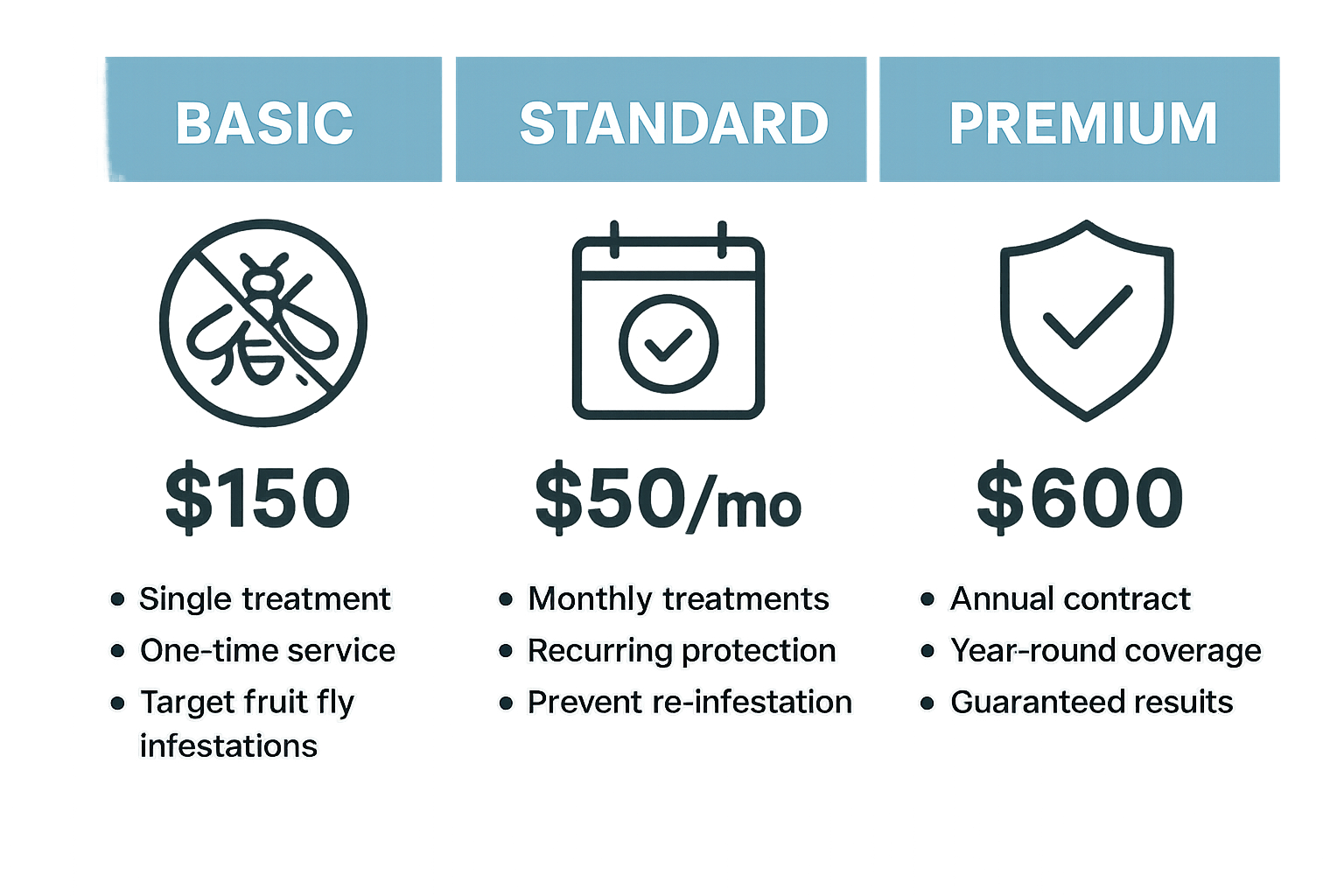
Basic Tier – Single‑Treatment Visit
Ideal for homeowners who have noticed only a handful of fruit flies and want a quick, targeted knock‑down. This tier includes one comprehensive treatment of the affected area, a follow‑up inspection within 48 hours, and a written report of what was done. Price: $99. Benefits include fast relief, no ongoing commitments, and a clear understanding of what was treated.
Standard Tier – Monthly Maintenance
Designed for moderate infestations or homes that want to stay ahead of future outbreaks. You receive a treatment each month, plus trap placement and monitoring to track fly activity. The service also includes a detailed log of trap counts and any adjustments made. Price: $149 per month. Benefits are continuous protection, early detection, and the peace of mind that comes with regular professional oversight.
Premium Tier – Annual Contract with Guarantee
The most comprehensive option for serious or recurring problems. This plan provides a full‑home inspection at the start of the year, quarterly treatments, priority scheduling for emergencies, and a satisfaction guarantee—if fruit flies return between visits, we’ll treat again at no extra charge. Price: $1,599 per year. Benefits include the lowest per‑visit cost, guaranteed results, and the convenience of a set‑and‑forget schedule.
How to Choose the Right Tier
Start by assessing the severity of the infestation. If you’ve only spotted a few flies near a fruit bowl, the Basic tier gives you fast, affordable relief. For ongoing sightings in multiple rooms, the Standard tier’s monthly monitoring helps catch hotspots before they spread. When fruit flies reappear despite previous treatments, the Premium tier’s annual guarantee and priority service ensure you’re never left waiting for help. Also weigh your budget: a one‑time $99 visit may be ideal for a short‑term fix, while a yearly investment of $1,599 spreads the cost over twelve months and removes the need for repeated decisions.
Seasonal Activity and Timing in Suwanee, GA
Fruit flies thrive when the climate gives them a fast‑forward button. In Suwanee, the warm, humid days of late spring and summer compress their life cycle from egg to adult in just a few days, allowing several generations to hatch before the first frost. When temperatures dip below 60°F, development slows dramatically, and the flies enter a dormant state until the next warm spell.
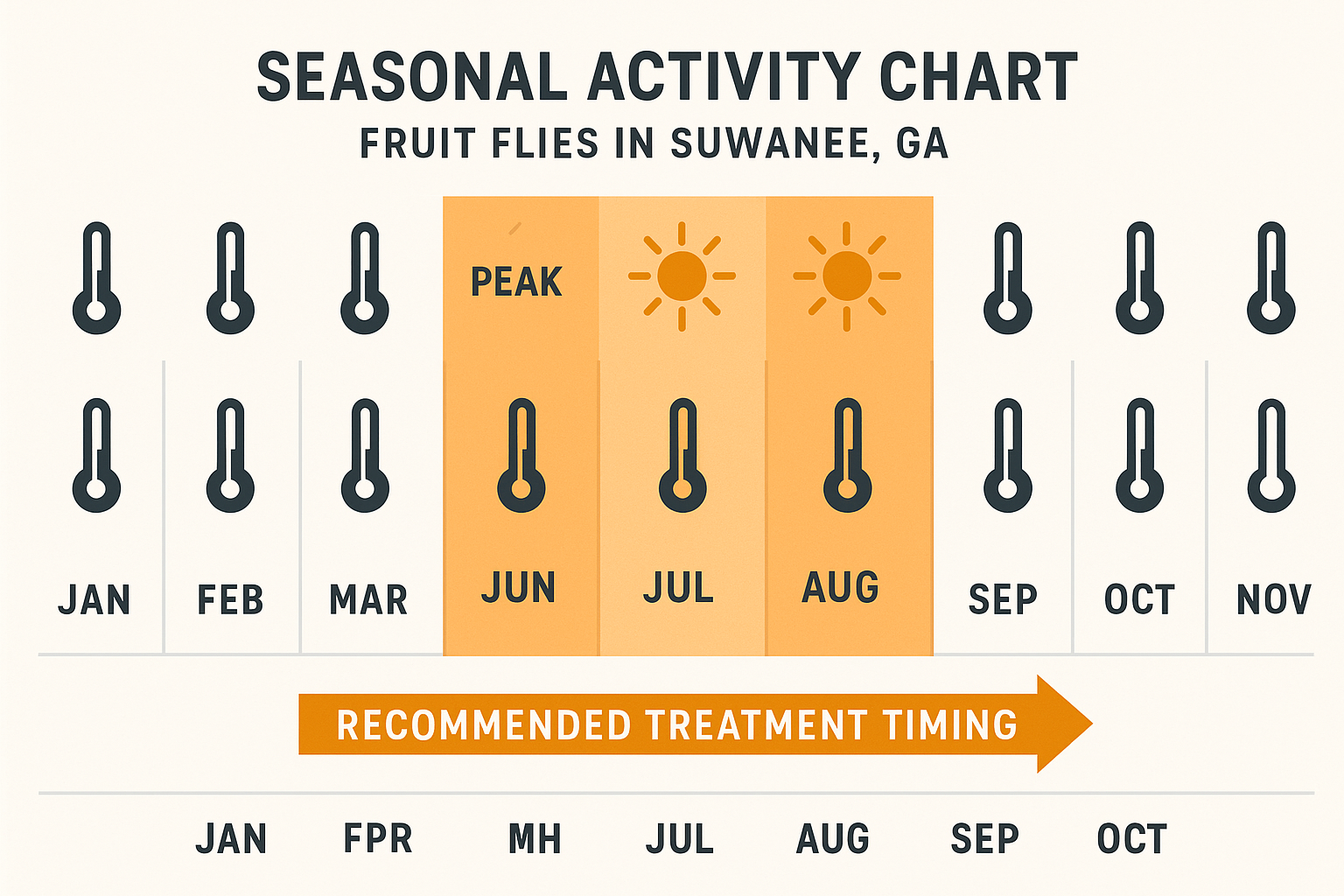
The chart above visualizes the typical activity curve for fruit flies in our area. Use it as a quick reference when planning inspections or treatments.
| Month | Activity Level |
|---|---|
| January | Very Low |
| February | Very Low |
| March | Low |
| April | Low |
| May | Moderate |
| June | High |
| July | High |
| August | High |
| September | Moderate |
| October | Low |
| November | Low |
| December | Very Low |
Based on this pattern, the most effective treatment window spans early May through September. Here’s a three‑step schedule that aligns with the fly’s life cycle:
- Pre‑emptive treatment – early May: Apply a residual barrier around kitchens, trash areas, and any outdoor fruit‑bearing plants. This creates a chemical “wall” before the first major generation emerges.
- Mid‑season boost – mid‑July: Deploy additional bait stations and replace indoor traps that have become saturated. A second barrier helps knock down the second and third generations that appear during the peak heat.
- Final check – late September: Conduct a thorough inspection, replace any worn‑out bait, and treat any lingering hotspots before the cooler months halt breeding.
Weather plays a hidden but powerful role in where and how you place traps. After a rainy week, fruit flies are drawn to moist organic debris outdoors, so move sticky traps closer to gutters and compost bins. High humidity inside the home—common in summer when air conditioners run without proper dehumidification—creates a perfect breeding substrate near sinks and drains. Using a simple hygrometer to keep indoor humidity below 60 % and wiping down damp surfaces daily will dramatically reduce trap catches.
To keep indoor humidity in check, run your air conditioner on a dry‑mode setting, clean the condensate tray weekly, and consider a portable dehumidifier in basements or laundry rooms. Even a 5 % drop in humidity can cut fruit‑fly populations dramatically.
By consulting the seasonal activity chart and syncing your treatment dates with local climate cues, you stay one step ahead of the flies. The result is fewer nuisance sightings, less reliance on emergency sprays, and a healthier, more comfortable home throughout the year.
Protect Your Home with Anthem Pest Control
By now you’ve learned how to spot fruit flies, stop them from entering, and eliminate an existing infestation. Quick identification, diligent sanitation, and targeted treatment are the three pillars of lasting relief. When these steps are combined, you create an environment where fruit flies simply cannot thrive.
Why a Professional, Locally‑Experienced Service Makes All the Difference
Even the most thorough DIY approach can miss hidden breeding sites or fail to address the root cause. Anthem Pest Control brings years of experience serving Suwanee homeowners, so we know the local climate, common entry points, and the most effective tactics for your neighborhood. Our technicians arrive prepared, diagnose the problem fast, and apply solutions that keep fruit flies away for good.
Transparent Pricing, EPA‑Approved Products, and a Satisfaction Guarantee
We believe you deserve clear, upfront costs—no hidden fees, no surprise add‑ons. All of our treatments use EPA‑approved products that are safe for families and pets while delivering powerful results. And if you’re not completely satisfied, our guarantee ensures we’ll re‑treat at no extra charge, giving you peace of mind.
Take the Next Step—Free, No‑Obligation Quote
Ready to protect your kitchen, pantry, and entire home from fruit‑fly invasions? Request a free, no‑obligation quote today. Our friendly team will walk you through the process, answer any questions, and schedule a convenient appointment.
Call us now at 877-371-8196 or visit Anthem Pest Control to claim your free quote from a trusted fruit fly exterminator Suwanee homeowners rely on—and enjoy a fruit-fly-free home.