Introduction to Gnat Issues in Dunwoody Homes

Gnats are far more than a visual annoyance. They can carry bacteria that contaminate food, trigger allergic reactions in sensitive family members, and even spread plant pathogens that affect indoor potted plants. Their constant buzzing creates an uncomfortable atmosphere, making it hard to relax or enjoy meals. In extreme cases, the sheer volume of gnats can overwhelm ventilation systems, reducing indoor air quality and exacerbating respiratory issues.
According to the Centers for Disease Control and Prevention, indoor flying insects affect roughly 15% of U.S. households each year. That statistic isn’t just a number—it reflects the real‑world impact on homes like yours, where a single gnat outbreak can disrupt daily life and raise health concerns.
This guide is designed to cut through the confusion and give you fast, transparent, and affordable solutions. We’ll walk you through data‑driven identification tips, proven prevention methods, and the most effective treatment options—all backed by Anthem Pest’s rapid‑response service. Our goal is to empower you with the knowledge you need to act quickly and confidently.
Throughout the article you’ll discover:
- How to pinpoint the species of gnat invading your space.
- Season‑specific prevention strategies that keep gnats out before they arrive.
- Safe, fast‑acting treatment plans tailored for Dunwoody homes.
- Timing considerations to minimize disruption and maximize results.
- What to expect when you book Anthem Pest’s professional service, including pricing transparency and safety guarantees.
What’s Buzzing? Identifying the Gnat Types in Your Home
Species Overview
In the Atlanta‑metro area, homeowners most often encounter two tiny flyers: fungus gnats and fruit flies. Fungus gnats (family Sciaridae) live in the top inch of moist soil and love the organic matter found in houseplant pots. Fruit flies (family Drosophilidae), on the other hand, are drawn to fermenting fruit, sugary spills, and even damp trash cans. Both species are harmless to people but their presence signals a moisture problem that can invite larger pests.
Life‑Cycle Stages
Fungus gnats follow a rapid four‑stage cycle: an egg is laid on the surface of damp potting mix, hatches into a worm‑like larva that feeds on fungi and decaying roots, then pupates in the soil, and finally emerges as a tiny, dark adult that hovers near windows and houseplants. Under ideal conditions, the entire cycle can complete in as little as ten days, allowing populations to explode quickly.
Fruit flies also progress through egg, larva, pupa, and adult stages, but they prefer the surface of overripe fruit or sugary residues. A female can lay up to 500 eggs in a single fruit, and the larvae develop in just a few days before pupating on the fruit’s skin. Adults emerge ready to mate and seek out new food sources, spreading the infestation throughout kitchens and pantry shelves.
Why Dunwoody’s Climate Feeds Them
Dunwoody’s average summer humidity hovers around 71 %, creating a perfect breeding environment for both soil‑dwelling and fruit‑attracted gnats. Neighborhoods with lush landscaping—such as Perimeter Center and Dunwoody Village—often feature abundant potted plants, mulched beds, and frequent irrigation. Those moisture‑rich zones become ideal nurseries where eggs hatch and larvae thrive.
National Perspective
The Centers for Disease Control and Prevention notes that indoor flying insects affect roughly 15 % of U.S. households. While most of those insects are harmless, their presence can indicate excess humidity or food sources that also support more destructive pests.
Case Study: A Dunwoody Homeowner’s Surprise
Mrs. Hernandez, a resident of the Dunwoody Village area, noticed a constant “buzz” around her fiddle‑leaf figs. A quick inspection revealed a dense network of fungus gnat larvae feeding on the potting mix. After a targeted soil‑drying regimen and a professional treatment from Anthem Pest Control, the gnats disappeared within two weeks, and her plants began to recover.
Visual Aid

Stop the Swarm Before It Starts
Gnats love the same cozy spots that make our homes feel inviting. By recognizing the everyday habits that turn a house into a gnat hotspot, you can cut off the problem before the buzzing begins. Below is a quick‑reference checklist that walks you through the most common triggers and the exact steps to keep gnats at bay.
Top Gnat Triggers
- Over‑watered houseplants – soggy soil creates a perfect breeding medium.
- Uncovered trash – food scraps and organic waste release scents that attract adult gnats.
- Standing water in birdbaths or pet dishes – even a shallow puddle can become a nursery.
- Clogged drains – organic buildup in sink, shower, or tub drains offers a hidden oasis.
Prevention Checklist
- Allow the top inch of soil to dry between waterings; use a moisture meter if you’re unsure.
- Seal kitchen trash cans with tight‑fitting lids and empty them daily.
- Refresh birdbath water every 24 hours; add a fine mesh screen to prevent standing pools.
- Run a slow drip in pet water bowls to keep the surface moving, or change the water twice a day.
- Clean drains weekly with a mixture of baking soda and hot water, followed by a vinegar rinse.
Did you know? According to an EPA indoor pest‑prevention survey, 62 % of homeowners neglect proper plant watering practices, directly fueling gnat infestations (EPA).
Local Tip for Perimeter Center Residents
Many Dunwoody neighborhoods, especially around the Perimeter Center, use rain‑catch barrels for landscaping. Install a fine‑mesh screen over the barrel opening. The mesh blocks adult gnats from laying eggs while still allowing rain to collect, dramatically reducing outdoor breeding sites that eventually migrate indoors.
DIY Gnat Trap – One‑Pot Solution
When a few gnats slip through, a simple homemade trap can provide immediate relief. Gather these items:
- 1 cup apple cider vinegar
- 2–3 drops liquid dish soap
- A shallow plastic container (like a saucer)
Pour the vinegar into the container, add the dish soap, and stir gently. The soap breaks the surface tension, causing gnats that land for a sip to drown. Place the trap near the problem area—under a houseplant, beside a trash can, or close to a sink drain.
Safety note: Keep the trap out of reach of children and pets. Dispose of the solution after 24 hours and replace with a fresh batch if gnats persist.
Rapid Relief: Anthem Pest’s Gnat Extermination Process
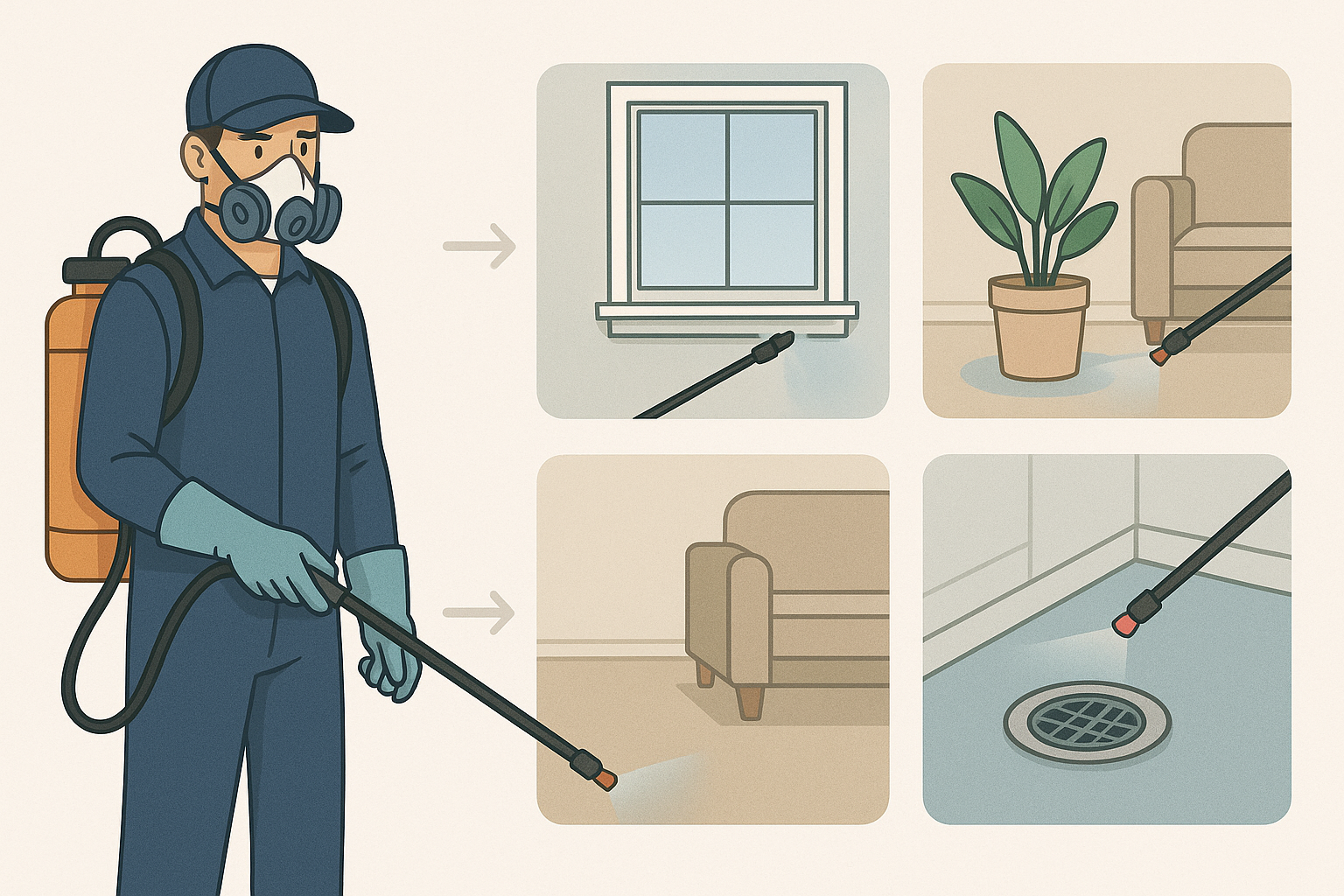
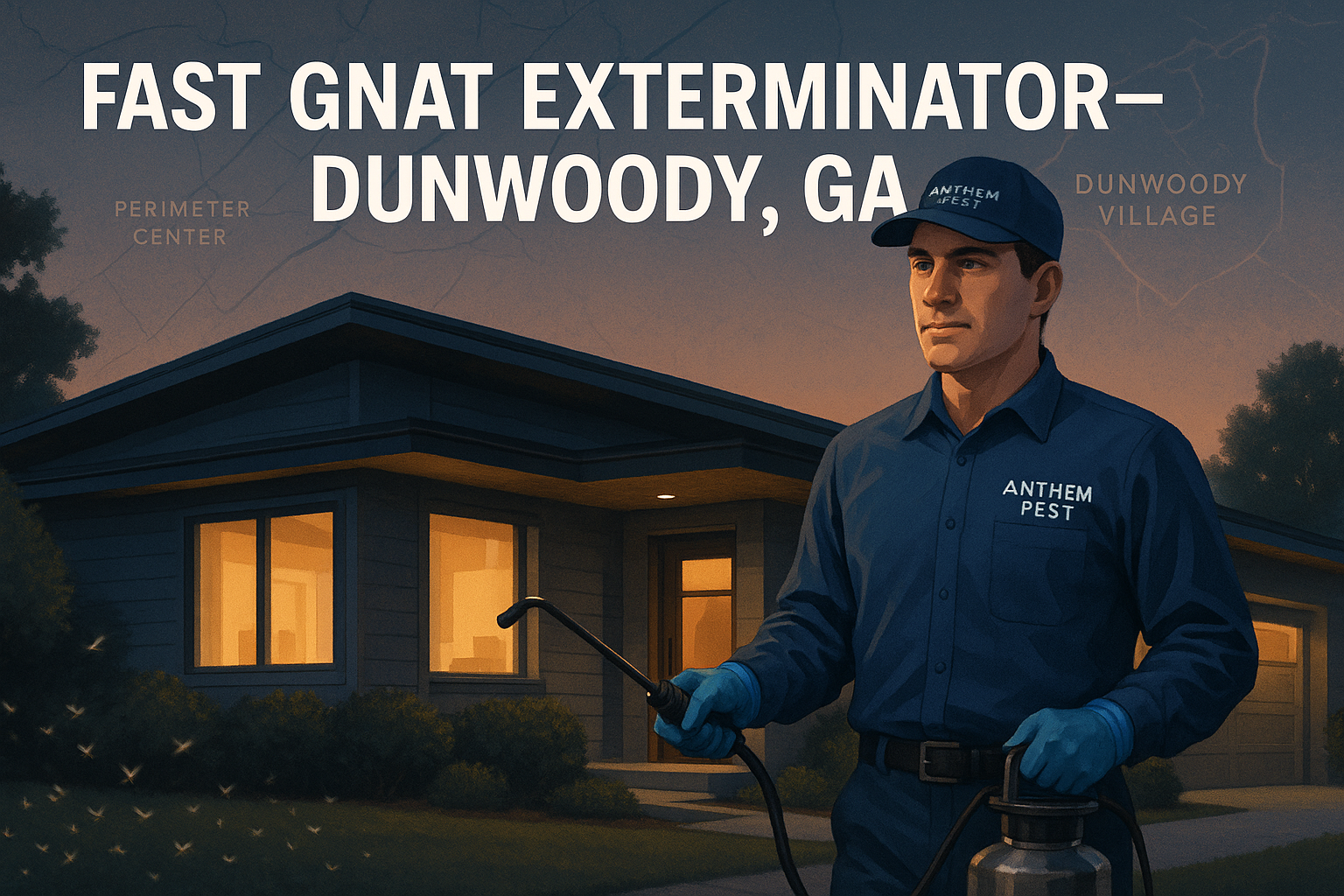
When gnats turn your kitchen into a buzzing nightmare, a quick, thorough response is essential. That’s why many homeowners call a professional gnat exterminator Dunwoody residents trust. Anthem Pest’s four-step protocol combines advanced detection tools with EPA-registered, low-toxicity treatments to eliminate both adult gnats and hidden larvae—often within 24 hours.
1. Inspection
Our certified technician arrives equipped with a UV flashlight and calibrated moisture meters. The UV light reveals the faint glow of gnat larvae in damp soil, while the moisture meter pinpoints overly wet spots in basements, under sinks, and around potted plants. By mapping every breeding hotspot, we avoid the guesswork that fuels DIY attempts.
2. Targeted Indoor Spray
Using a low‑toxicity, EPA‑registered formulation, we treat the identified zones directly. The spray is applied to:
- Soil and compost beds where larvae thrive.
- Drain lines and sink traps that serve as hidden conduits.
- Window sills and door thresholds—common entry points for adult gnats.
The product’s micro‑encapsulated active ingredient releases slowly, ensuring lasting protection without compromising indoor air quality.
3. Outdoor Perimeter Treatment
We extend the defense to the exterior by misting shaded garden beds, mulch layers, and any standing‑water features. This creates a barrier that stops gnats from re‑entering the home while also curbing future breeding cycles in the yard.
4. Follow‑Up
Two weeks after the initial visit, we offer an optional revisit. During this check, the technician verifies that the population is gone and re‑applies a light touch of treatment if any survivors are detected. This step dramatically reduces the chance of a resurgence.
Professional vs. DIY: Why the Expert Edge Matters
Homeowners often turn to store‑bought sprays or vinegar traps, but those solutions miss the hidden larvae that sustain an infestation. Here’s how a professional service outperforms DIY:
- Comprehensive detection: UV light and moisture meters reveal breeding sites invisible to the naked eye.
- Correct dosage: Our EPA‑registered product is calibrated for safety and efficacy; over‑ or under‑application can render DIY sprays useless.
- Reduced re‑infestation risk: By treating both indoor and outdoor zones, we break the life cycle in one coordinated sweep.
- Time savings: What could take days of trial‑and‑error for a homeowner is resolved in a single, focused visit.
Transparent Pricing
Anthem Pest believes in clear, upfront costs. The residential gnat package is priced based on square footage and infestation severity, ensuring you only pay for what you need.
| Square Footage | Severity Level | Price Range (USD) |
|---|---|---|
| Up to 1,500 sq ft | Low | $120 – $150 |
| 1,501 – 2,500 sq ft | Moderate | $160 – $200 |
| 2,501 sq ft and above | High | $210 – $250 |
“Anthem Pest cleared the gnats from my home within 24 hours – I could finally enjoy dinner again.”
All treatments use an EPA‑registered, low‑toxicity formulation, guaranteeing effective eradication while keeping your family and pets safe. With Anthem Pest, rapid relief is backed by science, expertise, and transparent pricing—so you can reclaim your home without the buzzing stress.
Best Seasons for Gnat Management
Seasonal Peaks in Dunwoody
The most aggressive period runs from late spring through early fall—roughly May to September. During these months the average relative humidity in the metro Atlanta area regularly exceeds 70 percent, creating the perfect environment for gnat eggs to hatch and larvae to develop. June and July are especially problematic; the NPMA reports a 45 % increase in gnat‑related service calls compared with the rest of the year.
Early Warning Signs
Early warning signs appear as tiny, dark specks hovering near indoor lights, damp soil in potted plants, or a faint sweet odor around drains. Homeowners often notice increased activity at dusk when gnats are drawn to artificial lighting. Spotting these clues in May gives you a head start on treatment.
Neighborhood Inspection Calendar
| Neighborhood | Inspection Window |
|---|---|
| Perimeter Center | May & June |
| Dunwoody Village | May‑July |
| Brookhaven | June‑July |
| North Druid Hills | May‑June |
| South Peachtree | June‑August |
These windows represent the earliest moments you can catch a budding population before it spreads to indoor spaces. Scheduling an inspection during the suggested months gives our technicians enough lead time to apply preventative treatments, seal entry points, and eliminate standing‑water sources.
Why Early Treatment Saves You Money
Treating in May—right at the start of the humidity climb—prevents the exponential growth that typically occurs in June and July. A single early‑season barrier application can reduce the need for multiple follow‑up visits later in the summer, lowering overall service costs. Moreover, early action protects outdoor entertaining areas, decks, and garden beds where gnats love to congregate, keeping your family comfortable and your property looking its best.
In short, the smartest gnat‑management strategy in Dunwoody is to plan inspections for May, act quickly, and stay ahead of the humidity curve. When you partner with Anthem Pest Control, you benefit from local expertise, safe treatment options, and a schedule that aligns perfectly with the region’s seasonal patterns.
Safe, EPA‑Compliant Solutions for Your Family
EPA‑Registered Active Ingredients
When you call Anthem Pest, the first thing we check is whether the treatment will keep your loved ones safe. Every product we apply is EPA‑registered for indoor use, meaning it has passed rigorous federal testing for human health and environmental impact. Our core formulas rely on pyrethrin‑derived actives—naturally occurring compounds from chrysanthemum flowers—combined with low‑VOC (volatile organic compound) carriers. This blend delivers a rapid knock‑down of gnats while leaving behind only trace residues that dissipate quickly.
Child‑ and Pet‑Safe Protocols
We back that chemistry with strict on‑site safety protocols designed for families with children and pets. Before any spray, technicians ventilate the area by opening windows or using portable fans, then they seal off rooms that aren’t being treated. Occupants are asked to stay out of the treated space for a minimum of 30 minutes—often less when we use our low‑odor, fast‑drying formulas. After the waiting period, we perform a quick airflow check to ensure residue levels are well below EPA’s indoor exposure limits.
Integrated Pest Management (IPM) at Anthem Pest
Our commitment to Integrated Pest Management (IPM) means chemicals are a last resort, not a first‑line solution. Technicians begin with a thorough inspection, setting up monitoring stations to identify where gnats are entering and breeding. By pinpointing hotspots, we can target treatment only where it’s needed, often using a single low‑dose application. At the same time, we advise homeowners on simple sanitation steps—like removing standing water, sealing cracks, and keeping food in sealed containers—to cut off the insects’ food and water sources.
Because every step is documented, you’ll receive a detailed service report that lists the exact product name, EPA registration number, and the amount applied. This transparency lets you verify that nothing beyond the approved low‑VOC pyrethrin blend was used, and it gives you peace of mind when you check back in after the treatment. Should any concerns arise, our team is just a phone call away to reassess and, if needed, adjust the plan without adding unnecessary chemicals.
For more detail, see the EPA’s Indoor Pest Management Guidelines. They confirm why low‑VOC, EPA‑registered products are the safest choice for homes with children and pets.
One Call, Quick Relief
When gnats start buzzing around your kitchen or patio, you need a solution that’s fast, reliable, and hassle‑free. Anthem Pest makes it easy: a single call, a quick online form, or a tap in our mobile app, and you’re on the road to a gnat‑free home.
How to Book Your Gnat Treatment in Three Simple Ways
- Call us directly at 877‑371‑8196. Our dispatch team will verify your address, ask a few quick questions about the infestation, and lock in a technician’s slot that fits your schedule.
- Visit the Anthem Pest website and complete the online booking form. The form guides you through location, preferred service window, and a brief description of the problem. Submit, and you’ll receive an email confirmation within minutes.
- Open the Anthem Pest mobile app, tap “Schedule Service,” and select “Gnat Extermination.” The app auto‑populates your address from your profile, lets you pick a convenient time, and sends a push notification when your appointment is confirmed.
Whichever method you choose, the entire process takes less than two minutes—because we know you want relief, not paperwork.
24‑Hour Response Guarantee
Gnats multiply quickly, and a swarm can ruin a dinner party or a quiet evening on the porch. That’s why Anthem Pest backs every gnat emergency in Dunwoody with a 24‑hour response guarantee. Once your request is logged, a certified technician will be on the way within a day, equipped with low‑toxicity treatments that target adult gnats and their breeding sites.
If weather or traffic threatens the window, we’ll reschedule at no extra charge and keep you informed every step of the way. Our guarantee reflects the local expertise we’ve built serving Dunwoody homeowners for years.
Ready for Instant Relief?
Don’t let gnats take over your home. Click the button below or pick up the phone now to schedule your treatment.
Take Action Today for a Gnat‑Free Home
Gnats may seem harmless, but they carry bacteria, fungi, and allergens that can affect respiratory health and food safety. In a humid Dun‑Woody summer, a few insects can multiply into a swarming nuisance within days, turning a minor annoyance into a full‑scale infestation. Acting quickly stops the breeding cycle, protects your family, and saves you the cost of a larger treatment later.
Anthem Pest Control knows the local climate inside and out. Our technicians understand how Dun‑Woody’s seasonal rains and indoor humidity create perfect breeding grounds for gnats. We offer transparent, upfront pricing and a rapid‑response schedule that gets a certified professional to your door within 24 hours. Our proven treatment methods target both adult gnats and hidden larvae, ensuring the problem disappears at its source.
If you’re ready to enjoy a gnat‑free home, our certified technicians are standing by to assess your situation and provide a free, no‑obligation quote. We’ll tailor a treatment plan that fits your schedule and budget, using safe products that protect pets and children while delivering fast results.
Call us now at 877‑371‑8196 or visit Anthem Pest Control for your complimentary assessment.