Recognizing House Flies and Their Impact
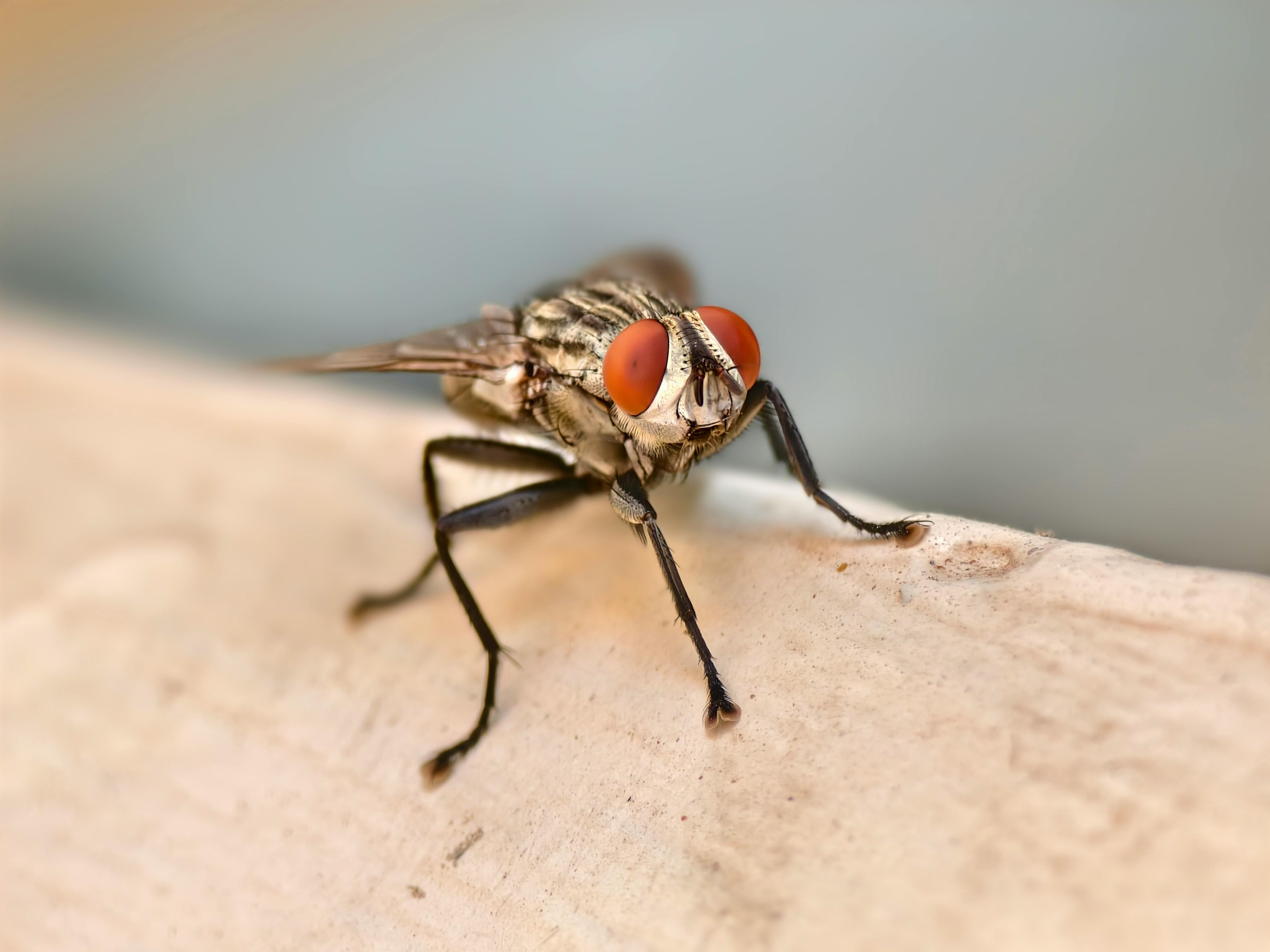
The house fly (Musca domestica) is the insect you most likely see buzzing around your kitchen counter or landing on a plate of leftovers. It measures about 6–7 mm in length, sports a gray‑black body, four distinctive stripes on its thorax, and bright red eyes that give it a constantly alert look. Its wings are clear, and when it lands, you’ll notice the tiny bristles on its legs that help it cling to almost any surface.
While a single fly can be an annoying nuisance, the real threat lies in what it carries. House flies are mechanical vectors for over 100 pathogens, including salmonella, E. coli, and Shigella. As they hop from garbage to food, they deposit bacteria and viruses that can cause food poisoning, gastrointestinal distress, and even eye or wound infections. In addition to health risks, flies contaminate meals, leave unsightly spots on countertops, and can trigger allergic reactions or asthma attacks for sensitive occupants.
Understanding where flies love to congregate helps you cut off their access points. In most homes, they’re most often spotted in:
- Kitchens – especially near sinks, dishwashers, and open food containers.
- Garbage areas – overflowing bins, compost piles, and pet waste stations.
- Pet zones – feeding dishes, litter boxes, and water bowls provide both food and moisture.
These hotspots supply the warmth, moisture, and organic matter flies need to thrive. If you notice a steady presence in any of these spots, it’s a clear sign that a larger infestation could be developing.
Quick Fact Box
| Aspect | Typical Value |
|---|---|
| Average Lifespan | 15–30 days (under optimal conditions) |
| Eggs Laid per Female | Up to 150 eggs per batch; up to 5 batches in a lifetime |
| Development Time | 7–10 days from egg to adult at 25 °C (77 °F) |
| Breeding Sites | Decaying organic matter, garbage, animal waste, compost |
| Flight Range | Typically 1–2 km from breeding site |
By recognizing the house fly’s appearance, understanding its health implications, and knowing the hotspots where it thrives, you can take the first step toward effective control. Anthem Pest Control’s fast‑response services target these exact entry points, ensuring you get relief before the flies turn a minor annoyance into a serious health concern.
Health Risks and Hidden Breeding Sites
Diseases Transmitted by House Flies
House flies are more than a nuisance; they are vectors for several food‑borne illnesses. Salmonella can cause severe gastroenteritis, leading to fever, cramps, and diarrhea. E. coli strains, especially those producing toxins, are linked to bloody stools and kidney complications. Dysentery, caused by Shigella bacteria, results in painful, bloody diarrhea and can be life‑threatening for young children and the elderly. These pathogens hitch a ride on a fly’s legs, mouthparts, and body hairs, turning a simple kitchen visit into a health hazard.
How Flies Transfer Pathogens
Flies thrive on decaying organic matter—think garbage, animal waste, and rotting food. As they feed, they pick up bacteria, viruses, and parasites on their sticky foot pads and spongy mouthparts. When the same fly later lands on a countertop, a sandwich, or a child’s plate, it deposits a microscopic cocktail of disease agents. The transfer is almost instantaneous: a single fly can contaminate a food surface in less than a second, making rigorous hygiene essential.
Common Breeding Hotspots
- Uncovered trash cans – Open lids invite flies to lay eggs in the moist, nutrient‑rich waste.
- Pet waste – Outdoor pet droppings provide a warm, damp environment perfect for larval development.
- Damp organic matter – Fallen leaves, rotting fruit, or soggy yard debris become breeding pads.
- Compost piles – If not turned regularly, the interior stays moist and attracts flies for weeks.
- Indoor drains – Kitchen or bathroom drains that retain standing water and food particles are hidden hatcheries.
Spotting Early Signs of an Infestation
Flies are most active at dawn and dusk, so watch for sudden clusters near windows or light fixtures during these times. An increase in buzzing around food preparation areas, or noticing flies resting on walls, ceilings, or even indoor plants, often signals a nearby breeding site. Look for tiny, white, sausage‑shaped larvae near garbage bags or in the bottom of compost bins—these are maggots, the unmistakable early stage of a fly population.
Weekly Inspection Checklist
- Check all outdoor trash containers; ensure lids are tight and clean the interiors weekly.
- Inspect pet waste areas; scoop daily and keep the surrounding soil dry.
- Survey yard debris—remove rotting fruit, leaf piles, and standing water.
- Turn compost piles at least once a week; keep the surface dry and cover with a breathable lid.
- Run water through kitchen and bathroom drains; scrub the edges to eliminate film buildup.
- Observe window sills and doorways at dusk for fly clusters; note any increase in activity.
- Look for maggots in trash bags, compost, or drains and address the source immediately.
DIY Prevention Strategies for a Fly‑Free Home
Sanitation Basics
Flies are drawn to food odors, so the quickest defense is a clean house. Keep trash bins tightly sealed and empty them weekly. Store compost in a closed container and turn it often. Clean pet feeding spots daily, wiping up spills and washing dishes. Dispose of food scraps right away and never leave uncovered plates or fruit on counters. Also, rinse pet water bowls each night and clean kitchen drains with a cup of boiling water monthly to stop organic buildup.
Physical Barriers
Seal every opening. Repair or install window screens without tears, and add door sweeps to block gaps at the bottom of exterior doors. Consider hanging a lightweight door curtain for high‑traffic entries; it slows flies while the door is open. Inside, use sticky fly strips or a UV‑light trap to catch adults without chemicals. Fly paper strips placed near garbage zones provide a cheap, disposable trap.
Environmental Controls
Moisture creates breeding sites, so fix leaky pipes, dripping faucets, and roof leaks promptly. Wipe countertops, sinks, and floors dry after cleaning. Keep compost bins away from the house and covered to stay aerobic and less attractive to flies. Use a dehumidifier in damp basements and keep mulch at least a foot away from the foundation to discourage flies that breed in moist organic matter.
Seasonal Adjustments
Flies peak above 70°F (21°C). In spring and summer, increase trash pickup, check screens after storms, and add extra traps near doors and windows. Reduce outdoor lighting at night, as bright lights draw flies. Running a patio fan during evenings creates airflow that makes it harder for flies to land, and schedule outdoor clean‑ups early in the day when flies are less active.
DIY Fly Spray Recipe
Mix a quick, safe spray: 1 cup water, ½ cup white vinegar, ¼ cup rubbing alcohol (70%), and 2 tsp liquid dish soap. Shake, then spray door frames, window sills, and trash‑can lids. The vinegar breaks down attractants, the alcohol disinfects, and the soap immobilizes flies. Reapply after cleaning. Test the spray on a hidden surface first; the solution is mild but may affect delicate finishes.
By tightening sanitation, sealing entry points, controlling moisture, and adjusting for warm months, you can slash house‑fly numbers in your Peachtree City home. If flies persist, Anthem Pest Control offers fast, professional solutions tailored to your neighborhood. Our technicians can also perform a thorough inspection to locate hidden breeding sites you might miss.
Professional Treatment Options and Pricing
When DIY Methods Fall Short
Many homeowners start with store‑bought sprays or traps, but flies can quickly outpace those solutions. If you notice any of the following, it’s time to call a professional:
- Swarming numbers that reappear within hours of treatment.
- Persistent hotspots in kitchens, garbage areas, or near entry points.
- Visible health concerns such as increased allergies, food contamination, or a lingering foul odor.
These signs indicate that the infestation has moved beyond a simple nuisance and requires a targeted, residual approach.
Anthem’s Targeted Fly Treatment
Our technicians begin with a thorough inspection to locate breeding sites. The core of the service includes:
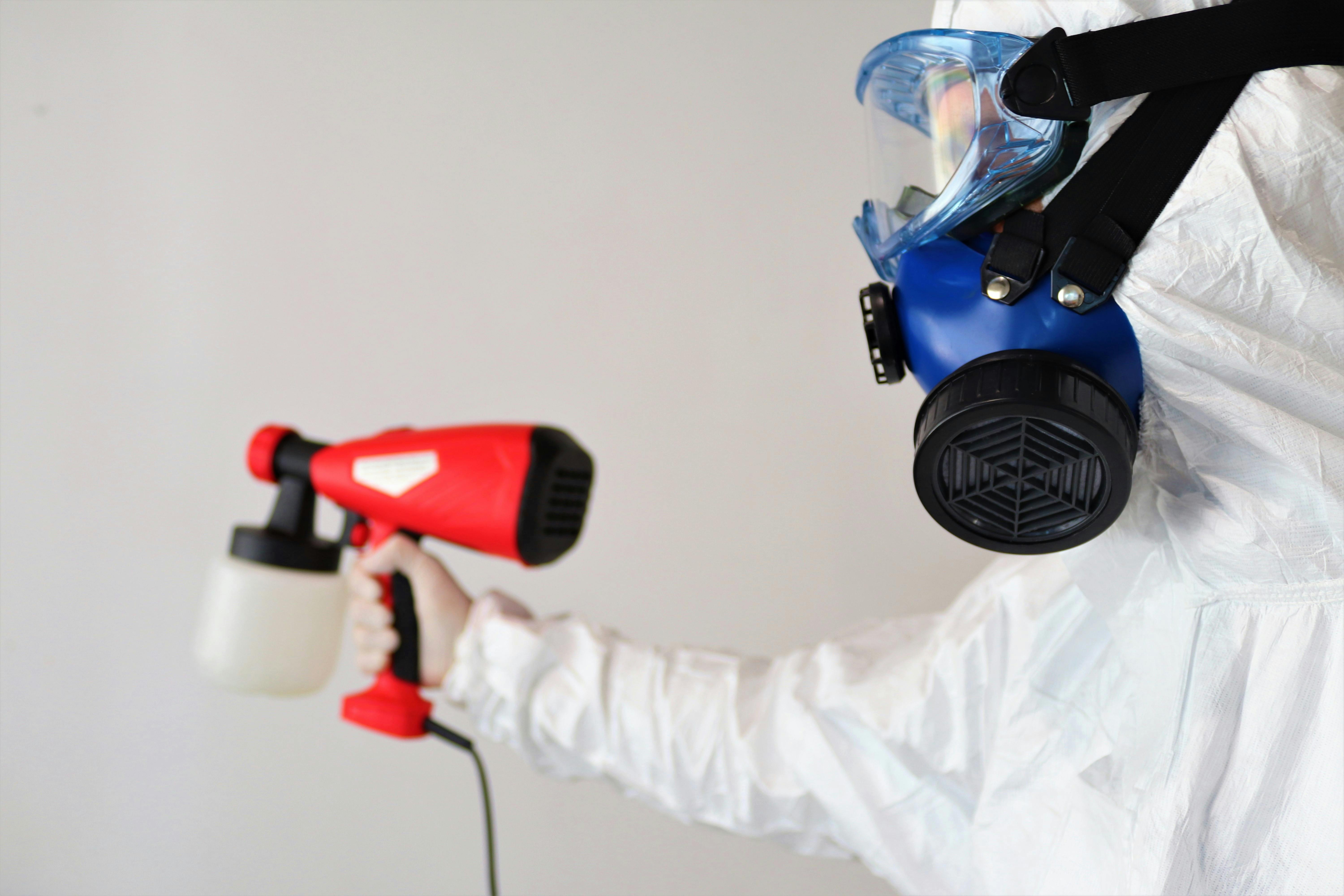
- Indoor spray application: A fine mist of professional‑grade insecticide is applied to walls, ceilings, and hidden crevices where flies rest.
- Residual barriers: We place a lasting protective layer around doors, windows, and trash zones, preventing new flies from entering.
- Follow‑up visits: One to two scheduled returns ensure the residual barrier remains effective and any late‑emerging flies are eliminated.
This three‑step protocol tackles the problem at its source, not just the visible insects.
Why Professional‑Grade Insecticides Matter
Over‑the‑counter products often contain lower concentrations of active ingredients, which means flies can quickly develop resistance. Anthem uses EPA‑registered formulations that:
- Deliver faster knock‑down rates, reducing the chance of flies spreading disease.
- Maintain efficacy for weeks, thanks to built‑in residual properties.
- Are applied by certified technicians who follow strict safety protocols, protecting children, pets, and indoor air quality.
In short, professional chemicals do the job faster, safer, and with lasting results.
Transparent Pricing Tiers
| Plan | What’s Included | Price (USD) |
|---|---|---|
| Emergency Single‑Visit | One‑time indoor spray + residual barrier, same‑day scheduling | $149 |
| Monthly Maintenance | Initial treatment + monthly touch‑ups, priority scheduling, fly‑free guarantee | $129/month |
| Annual Comprehensive | Four quarterly visits, full‑home coverage, discounted rate, 24/7 emergency line | $449/year |
Benefits of Each Tier
Emergency Single‑Visit: Ideal for sudden outbreaks. You get a rapid response, a guaranteed reduction in fly activity, and the peace of mind that comes with a same‑day appointment.
Monthly Maintenance: Perfect for households that see recurring fly activity during warm months. Regular visits keep residual barriers at peak potency, and you enjoy priority scheduling that cuts waiting time.
Annual Comprehensive: The most cost‑effective choice for year‑round protection. Four expertly timed treatments align with seasonal peaks, and the plan includes a dedicated hotline for any urgent re‑infestations.
Regardless of the tier you select, Anthem Pest Control stands behind a fly‑free guarantee. If flies return between visits, we’ll re‑treat at no extra charge, ensuring you receive the relief you deserve without hidden fees.
Seasonal Fly Activity in Peachtree City and Next Steps
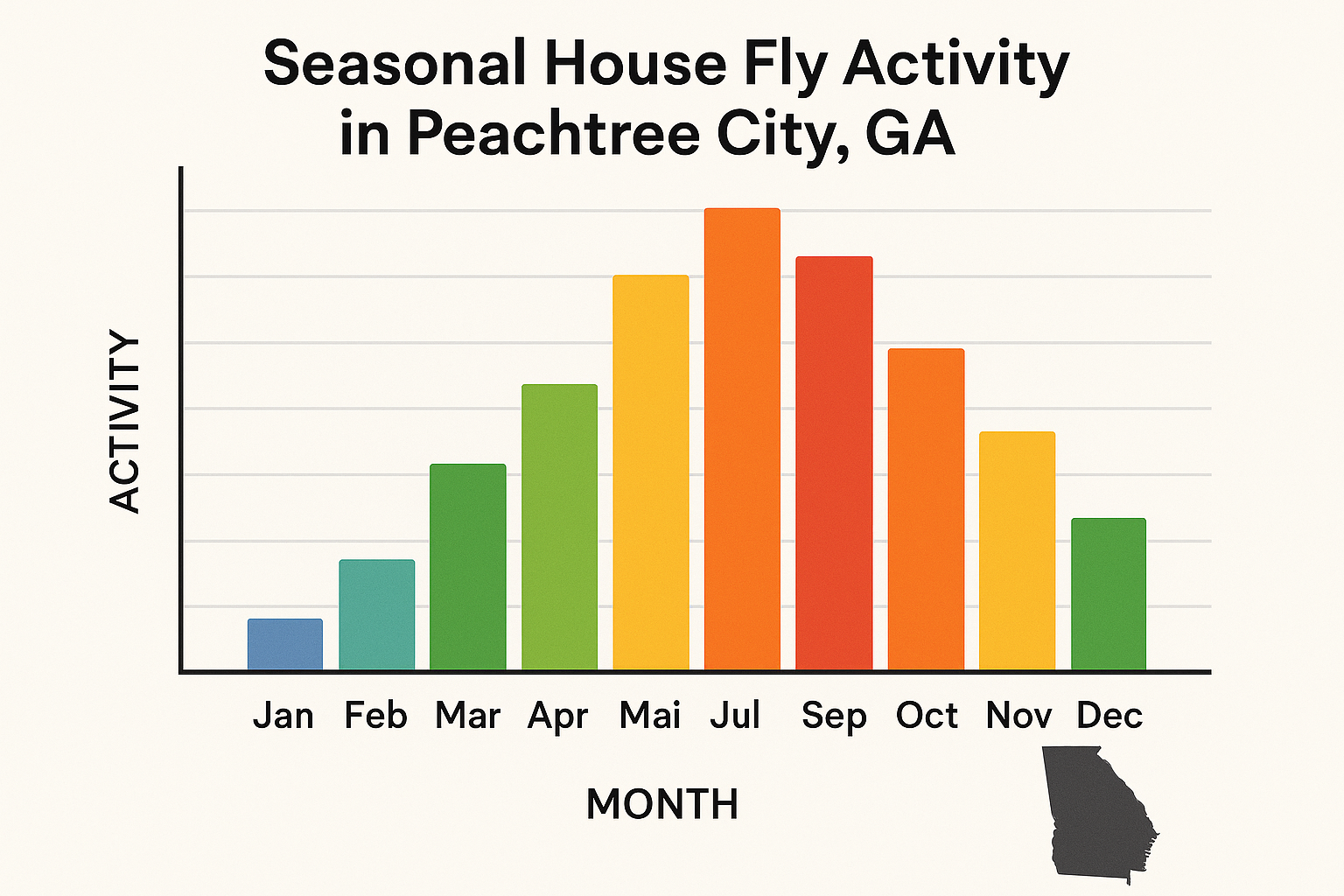
Understanding when house flies are most active helps you stay one step ahead. The seasonal activity chart for Peachtree City shows a clear peak from June through August, when warm temperatures and abundant outdoor waste create a perfect breeding ground. Shoulder periods in May and September still see moderate numbers, while the cooler months of October through February drop to minimal levels.
Even during the dormant winter months, a few hardy flies can linger around indoor lights. Keeping doors sealed and waste tightly covered prevents these stragglers from turning a quiet season into a surprise resurgence.
These trends are more than just statistics—they dictate when you should act. By scheduling a pre‑emptive spray in late April or early May, you cut off the first wave of flies before they can establish a population. A follow‑up treatment in late August helps eradicate any late‑season survivors, ensuring the winter months remain fly‑free.
Quick recap of the most effective prevention steps:
- Eliminate standing water and clean up food residues daily.
- Seal cracks around doors, windows, and utility entries.
- Install and maintain proper trash containment.
- Use professional fly‑control treatments at the start and end of the peak season.
| Month | Activity Level |
|---|---|
| January | Low |
| February | Low |
| March | Low‑to‑moderate |
| April | Moderate |
| May | High (shoulder) |
| June | Peak |
| July | Peak |
| August | Peak |
| September | High (shoulder) |
| October | Low‑to‑moderate |
| November | Low |
| December | Low |
Now that you know the “when,” let Anthem Pest Control handle the “how.” Our technicians conduct a detailed property inspection, mapping entry points, breeding sites, and surrounding vegetation. This granular approach lets us apply just the right amount of product, reducing waste and protecting pets. We offer transparent pricing—our flat‑rate packages start at $99 for a full‑season plan, and we provide a written estimate before any work begins.
Ready for a fly‑free home? Call us today at 877‑371‑8196 for a complimentary quote. Our certified team will assess your property, recommend the optimal spray schedule, and apply safe, lasting solutions that protect you and your family.
Don’t wait for the first swat—book your inspection today and lock in the seasonal discount before the summer rush. Visit Anthem Pest Control to learn more about our services and request your appointment.