Why Millipedes Become a Homeowner’s Concern

What’s a Millipede, Anyway?
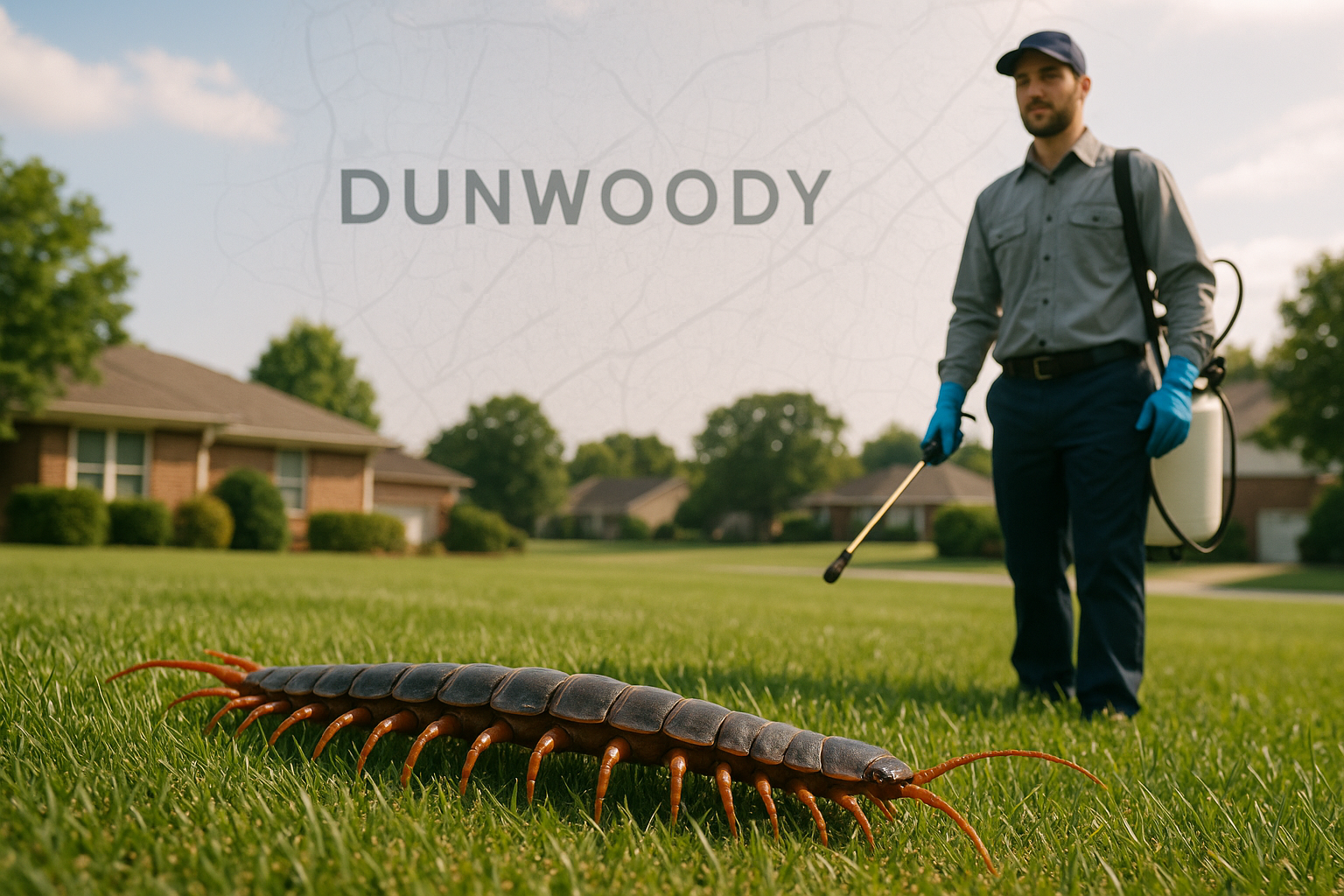
Millipedes are the long-bodied, many-legged critters you often spot under a pile of leaves or in a damp basement—pests a millipede exterminator Suwanee homeowners trust frequently encounters. Unlike insects, they belong to the class Diplopoda and carry two pairs of legs on most body segments. Their primary diet consists of decaying plant material, fungi, and organic debris, making them natural recyclers rather than predators. For humans they’re completely harmless—they don’t bite, sting, or carry diseases.
Common Misconceptions
Many homeowners assume that any crawling arthropod is a threat. In reality, millipedes pose none of the health risks associated with cockroaches or rodents. Their defensive response is to curl into a tight coil and, if provoked, release a harmless liquid that can stain surfaces. This defensive spray is the source of the “creepy‑crawl” reputation, not any disease‑spreading capability.
How They Slip Inside Your Home
Millipedes are attracted to moisture. Leaky pipes, poor ventilation, or a consistently damp crawl space create an inviting environment. Cracked foundations, gaps around doors, and heavy leaf litter piled against the exterior also serve as highways into the house. In the humid climate of Suwanee, GA, seasonal rains amplify these entry points, and it’s not uncommon to find a trail of millipedes moving from the yard into basements or utility rooms.
Problems They Can Cause
- Staining walls and floors: Their defensive secretions can leave yellow‑brown marks that are difficult to clean.
- Clogging drains: When large numbers gather near sinks or floor drains, they can create blockages.
- Attracting other pests: The organic material they leave behind can become a food source for ants, spiders, or even rodents.
- Visual discomfort: A sudden influx of dozens of millipedes can create an unsettling “creepy‑crawl” aesthetic that worries residents, especially families with children.
Why Suwanee Homeowners Should Pay Attention
In the Atlanta‑metro area, including Suwanee and its surrounding neighborhoods, the combination of warm temperatures and frequent rain creates ideal conditions for millipedes to thrive outdoors and seek refuge indoors. Homeowners who overlook early signs—such as a few millipedes near foundation cracks or in the basement—risk escalating infestations that can lead to the problems listed above.
Professional Help Saves Time and Money
While a single millipede is more of a nuisance than a danger, a growing population can cause costly damage to paint, drywall, and plumbing. Anthem Pest Control’s trained technicians know how to locate moisture sources, seal entry points, and apply targeted treatments that keep millipedes—and the secondary pests they attract—out of your home. A proactive approach not only protects your property’s integrity but also preserves the comfort of your living space.
Spotting Millipedes – Identification Tips for Homeowners
Millipedes are often mistaken for other creepy‑crawlies, but a few visual cues can help you tell them apart in a snap. Knowing what to look for not only saves you time during an inspection, but also ensures you call the right professional when you need help.
Key Physical Characteristics
- Elongated, segmented body – Unlike the flattened shape of roaches, millipedes have a smooth, cylindrical form made up of dozens of tiny segments.
- Leg count – Each body segment (except the first few) bears 2 to 7 pairs of short legs. The sheer number of legs gives them a “many‑footed” appearance.
- Coloration – In Georgia you’ll most often see shades ranging from dark brown to jet black. Some species may have a faint reddish tint, but they never sport the glossy sheen of a cockroach.
- Movement – Millipedes move deliberately and slowly, rarely darting like centipedes. Their pace is a good first clue that you’re not dealing with a fast predator.
Size Range & Common Georgia Species
Adult millipedes in the Suwanee area typically measure between 10 mm and 80 mm (about 0.4–3 inches). The most frequently encountered species are the Oxidus gracilis (the “greenhouse millipede”) and the Narceus americanus (the “American millipede”). Both fall within the size range above, but the greenhouse variety often appears slightly lighter in hue.
Habitat Clues to Watch For
Millipedes love moisture and shelter. When you’re scouting your property, focus on these hotspots:
- Mulch beds and compost piles – the organic matter retains humidity.
- Stone walls or brick foundations – cracks provide perfect hideaways.
- Damp basements and crawl spaces – any area with standing water or high humidity attracts them.
- Door thresholds and window sills – they may congregate here while seeking entry points.
How to Distinguish Millipedes from Look‑Alikes
Below is a quick reference you can keep on your phone or print out for the next inspection:
- Centipedes – Faster, flatter, and equipped with one pair of legs per segment. Their bodies are often a brighter orange or yellow.
- Cockroaches – Shiny, oval, and winged (even if the wings are tucked). They have three distinct body parts and move with a characteristic scuttling gait.
- Red clover mites – Tiny (1–2 mm), bright red, and found on plants rather than indoor surfaces. Their size makes them easy to overlook unless you’re looking closely.
Simple DIY Inspection Steps
- Start at exterior door thresholds. Use a flashlight to spot any slow‑moving, dark silhouettes.
- Inspect the edges of your basement walls and corners where moisture tends to pool.
- Check under stone or brick veneer in the garden; gently lift a stone to see if a cluster is hiding.
- Examine mulch and compost piles with a garden trowel—millipedes often retreat deeper when disturbed.
- Note the number of individuals and their size. If you see more than a handful or specimens larger than 50 mm, it’s a sign of a developing infestation.
When to Call a Professional
If your DIY sweep uncovers any of the following, it’s time to ring Anthem Pest Control for a professional confirmation:
- Large numbers (dozens) gathering in a single area.
- Repeated sightings despite removing moisture sources.
- Signs of damage to stored food, fabrics, or wood—some millipedes can release a defensive liquid that stains surfaces.
- Uncertainty about species identification, especially if you suspect centipedes or cockroaches lurking nearby.
Our technicians can verify the pest, pinpoint entry points, and recommend a safe, targeted treatment plan that fits your budget. A quick call to 877‑371‑8196 or a visit to anthempest.com will get you the peace of mind you deserve.
How Millipedes Enter and Thrive Inside Your Home
Millipedes are harmless, but a trail across your floor means your house is offering them a welcome mat. Knowing how they get in and what makes your home comfortable for them lets you block the path before they arrive.
Entry points you might miss
These insects exploit even the smallest gaps:
- Foundation cracks that widen after rain.
- Unsealed utility openings (water, gas, electrical).
- Gaps under siding or around vent pipes.
- Pet doors that don’t shut tightly.
A millimeter‑wide opening is enough for a group of millipedes to slip through. A quick visual inspection after a rainstorm often reveals hairline fissures that are easy to miss. Using a flashlight along the sill and baseboard line can highlight gaps where insects could slip through.
Moisture‑driven migration
Millipedes love damp places. Leaky irrigation, a faulty sump pump, or heavy rain can raise humidity in basements and crawl spaces above 60 %. When the environment stays wet, they move toward drier interior spaces—often under floorboards. Even a small pipe leak behind a wall can raise local humidity enough for millipedes to congregate. Installing a vent or a moisture barrier in crawl spaces helps keep the air dry.
Seasonal surge
Spring rains saturate leaf litter, forcing millipedes to leave the soil. Your basement or kitchen cabinets feel like a dry oasis, so you notice a spike in sightings after the first April showers. Temperatures that swing between cool nights and warm days also encourage them to seek stable indoor conditions. This is why you might see them crawling along window sills during early evening hours.
Landscaping that invites guests
Mulch, wood chips, or piles of leaves placed directly against the foundation retain moisture and create a bridge straight to your doors. Removing that organic layer breaks the pathway. Replacing mulch with a gravel border not only improves drainage but also removes the organic food source millipedes love.
Drainage problems
Clogged gutters spill water onto siding, and poor slope directs runoff to the foundation. Standing water seeps into cracks, providing both a water source and a direct route indoors. Consider a French drain or a dry well to redirect water away from the foundation, especially if your yard slopes toward the house.
Prevention checklist
Taking a proactive approach now saves you from larger infestations later. The following checklist consolidates the most effective steps for homeowners:
- Seal foundation cracks and utility penetrations with silicone caulk.
- Fit door sweeps and ensure pet doors close fully.
- Redirect downspouts at least 6 ft from the house; clean gutters.
- Keep mulch or wood chips at least 2 ft from the foundation.
- Remove leaf piles from the perimeter each month.
- Repair irrigation leaks and adjust sprinklers to avoid overspray.
- Run a dehumidifier in basements or crawl spaces to stay below 55 % humidity.
- Ask Anthem Pest Control for a professional inspection to spot hidden moisture and reinforce weak spots.
Addressing these vulnerabilities creates a dry, sealed environment that leaves millipedes no reason to cross your threshold.
Professional Treatment Options for Millipede Infestations

Perimeter Spray Applications
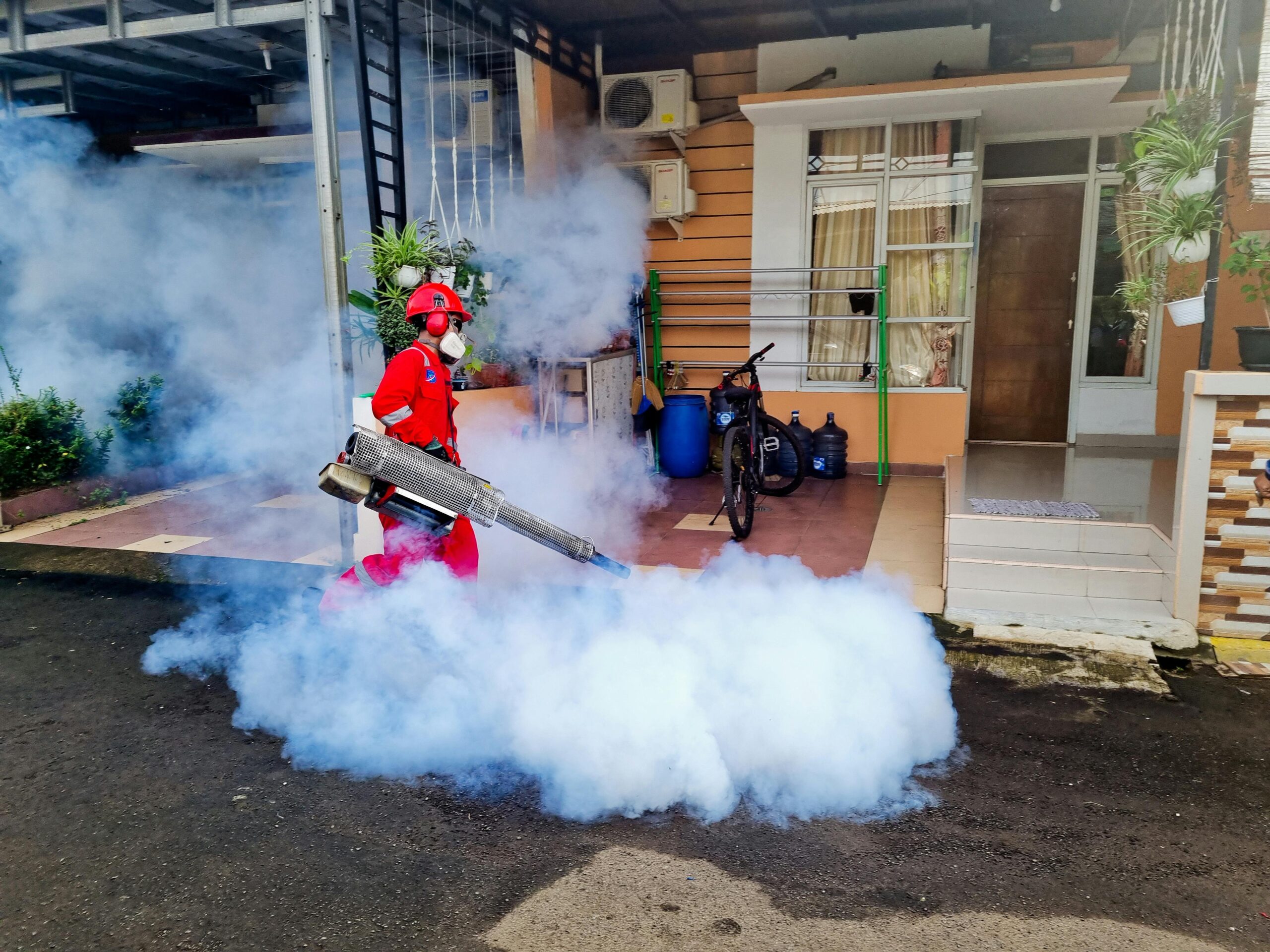
Licensed technicians begin by establishing a chemical barrier around the exterior of the home, a method a millipede exterminator Suwanee homeowners trust commonly uses. Using either a foaming aerosol or a low-pressure liquid spray, they coat foundations, siding, and the lower half of walls. The foam expands into cracks and crevices, sealing hidden entry points that millipedes love to exploit. This barrier remains active for weeks, repelling new arrivals before they can crawl inside.
Interior Crack & Crevice Treatments
Millipedes often slip through tiny gaps around baseboards, window frames, and utility openings. Professionals target these pathways with a precision‑applied, EPA‑registered insecticide. The formulation is thin enough to seep into the smallest fissure yet potent enough to kill any insects that contact it. By treating the interior perimeter, the risk of a sudden indoor surge drops dramatically.
Soil Drenches and Granular Baits
Outdoor zones—garden beds, mulch, and the soil surrounding a home—provide the moisture millipedes crave. A soil drench involves mixing a liquid insecticide with water and saturating the top few inches of soil. Granular baits, on the other hand, are spread evenly across the landscape; they release a slow‑acting toxin that millipedes ingest as they feed on organic matter. Both methods keep the surrounding environment hostile to infestations.
Integrated Pest Management (IPM) Approach
Effective control isn’t just about chemicals; it’s about creating an environment that discourages millipedes from returning. Anthem’s IPM strategy blends the chemical barrier with moisture control measures—such as fixing leaky gutters, improving drainage, and removing excess mulch. Habitat reduction, like clearing leaf litter and sealing foundation cracks, works hand‑in‑hand with treatments to break the life cycle of these pests.
Safety Considerations
All products used by Anthem are low‑toxicity, EPA‑registered formulations. Many are labeled as pet‑friendly, allowing families with dogs or cats to feel secure during and after application. Technicians wear protective gear and follow strict application protocols to minimize exposure to occupants. When a homeowner opts for a “green” option, the same level of efficacy is maintained without compromising safety.
Why Choose Anthem Pest Control?
- Trained technicians: Every crew member completes rigorous certification and stays current on the latest millipede control techniques.
- Guaranteed coverage: Anthem offers a satisfaction guarantee that includes a follow‑up inspection within 30 days to confirm the barrier remains effective.
- Transparent pricing: Homeowners receive a clear, itemized quote—no hidden fees, just reliable protection.
- Local expertise: Serving Suwanee, GA, Anthem understands the region’s climate patterns and how they influence millipede activity.
By combining EPA‑approved chemicals with moisture management and habitat modification, professional treatment delivers a comprehensive, long‑lasting solution that DIY methods simply can’t match. Homeowners who partner with Anthem Pest Control gain peace of mind, knowing their home is shielded by industry‑standard practices and a team that prioritizes safety and results.
Pricing Guide – What to Expect for Millipede Extermination
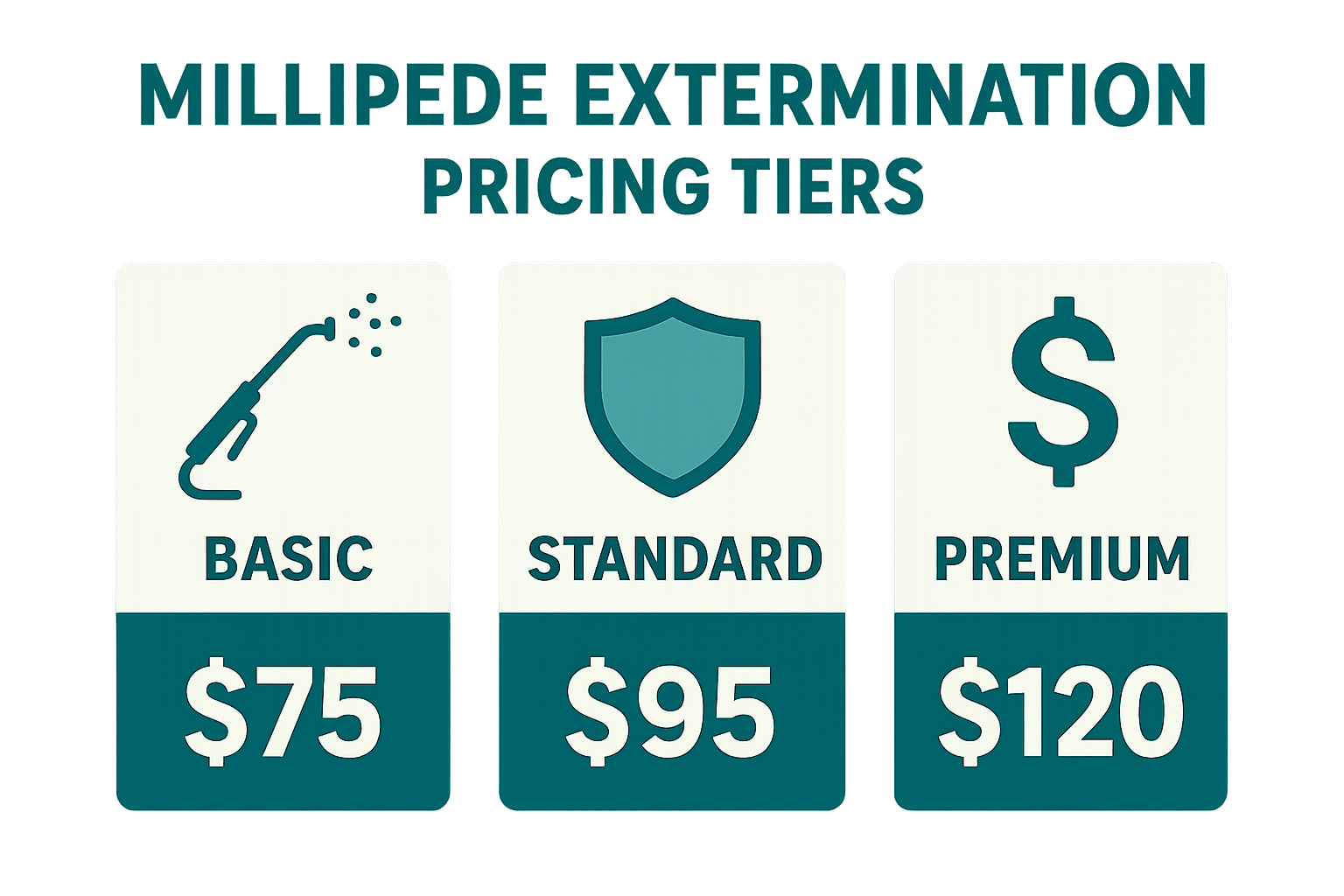
When it comes to millipede control in Suwanee, GA, homeowners often wonder how much a professional treatment from a millipede exterminator Suwanee residents trust will cost. Our pricing guide breaks down the typical range and shows exactly what you receive at each price point, so you can budget with confidence.
Service Tiers
| Tier | Price | Coverage | What’s Included |
|---|---|---|---|
| Basic | $75 | Up to 1,500 sq ft | Single‑application perimeter spray |
| Standard | $95 | Up to 2,500 sq ft | Basic tier plus interior crack & crevice treatment |
| Premium | $120 | Full‑home coverage | Soil drench, follow‑up visit, and a 12‑month guarantee |
The Basic tier is perfect for small homes or apartments where millipedes are limited to the perimeter. The Standard tier adds interior work, targeting cracks, baseboards, and other hiding spots for a more thorough approach. For those who want total peace of mind, the Premium tier delivers a soil drench, a second‑visit inspection, and a year‑long guarantee that the problem stays solved.
What Influences the Price?
Three main factors can shift the final cost. First, property size dictates how much product and labor are required; larger homes often need the Standard or Premium tier. Second, the severity of the infestation matters—heavy clusters may require additional applications beyond the listed tier. Finally, any moisture remediation needed (such as fixing leaks or improving drainage) is billed separately because excess moisture creates a perfect breeding ground for millipedes.
Bundling for Better Value
Many Suwanee homeowners combine millipede control with other pest services, such as ant or roach treatment. Bundling not only reduces overall travel time for our technicians but also unlocks a 10‑15% discount on the combined package. This approach maximizes protection across the entire home while keeping the budget in check.
Anthem Pest Control’s Transparent Pricing
Anthem Pest Control mirrors the infographic’s clear structure—no hidden fees, no surprise add‑ons. The price you see on the tier chart is the price you pay, and every step of the service is explained before we start. Our commitment to transparent pricing means you can compare options side‑by‑side, choose the tier that fits your home’s needs, and move forward knowing exactly what you’re investing in.
Seasonal Activity Trends for Millipedes in Suwanee, GA
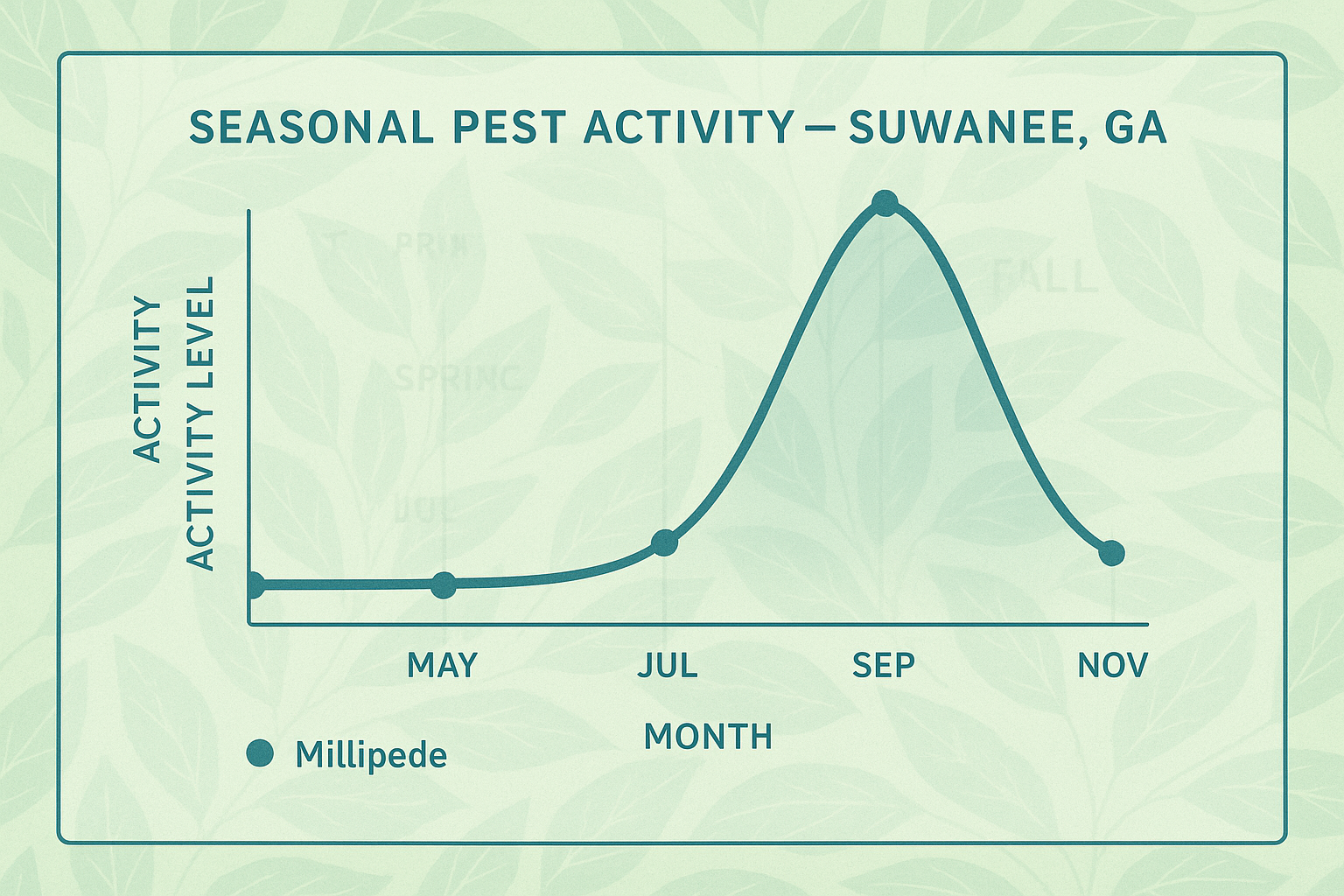
The seasonal activity chart below visualizes the typical millipede life cycle in our area, helping a millipede exterminator Suwanee homeowners trust pinpoint peak activity periods. You’ll see a sharp surge in numbers during early spring as juveniles emerge from the soil, a relatively stable plateau through the hot summer months, and a gradual decline as cooler temperatures return in the fall. The graph is based on years of field observations from Suwanee neighborhoods, giving you a reliable snapshot of when these little crawlers are most active.
Weather Patterns That Drive the Cycle
Millipedes thrive in moist environments, so rainfall is the primary catalyst for their spring explosion. A series of rainstorms raises soil moisture, prompting eggs to hatch and juveniles to surface. Temperatures between 55 °F and 75 °F further accelerate growth, which is why the spring surge aligns with our region’s mild, wet period. Summer brings consistent warmth but often less rain, so populations level off. In the fall, cooler nights and reduced precipitation slow activity, and the insects retreat deeper into the earth to overwinter.
Optimal Treatment Windows
Knowing the chart lets you target the two most effective windows for intervention:
- Early spring (mid‑March to early April) – Apply a pre‑emptive barrier around foundations, crawl spaces, and garden beds before the surge begins. This creates a moisture‑resistant shield that discourages millipedes from crossing into your home.
- Late summer (late August to early September) – Conduct a post‑peak cleanup after the plateau starts to dip. Treating at this stage removes any stragglers that survived the spring barrier and reduces the chance of a fall resurgence.
How Homeowners Can Monitor Activity
Simple visual checks can alert you to an emerging problem. After a heavy rain, walk the perimeter of your house and look for clusters of millipedes on mulch, leaf litter, or near drainage zones. Pay special attention to shaded spots where moisture lingers, such as under decks, around sprinkler heads, and along retaining walls. If you notice a noticeable increase, note the date and location—this information helps a professional technician fine‑tune treatment timing.
Why Timely Professional Treatment Matters
Even a small number of millipedes inside can signal a larger outdoor infestation. Prompt action by Anthem Pest Control not only curtails indoor sightings but also protects landscaping, wooden decks, and stone foundations from the moisture‑induced damage millipedes can cause when they congregate in large groups. Our licensed technicians use EPA‑approved barriers and targeted soil drenches that work in harmony with the seasonal trends, delivering lasting relief while keeping your family and pets safe.
Protect Your Home with Expert Millipede Control
Quick Recap of What You Need to Know
Millipedes are easy to spot once you know the signs: they gather in damp basements, crawl along foundation walls, and appear in large, dark clusters after rain. The first line of defense is sealing cracks, fixing drainage issues, and removing mulch that holds moisture. When those steps aren’t enough, a professional treatment targets the insects with EPA‑approved products applied safely around your home’s perimeter. Our transparent pricing lets you see exactly what you’re paying for, and we schedule work during the peak activity months—typically early spring through late summer—when treatment is most effective.
- Identify millipede activity early to prevent large infestations.
- Seal cracks, gaps, and drainage issues that invite moisture.
- Remove excess mulch and leaf litter that serve as shelter.
- Schedule professional treatment during spring or early summer for maximum impact.
- Enjoy transparent, upfront pricing with no hidden fees.
Why a Licensed, Local Provider Makes All the Difference
Choosing Anthem Pest Control means you’re working with a team that lives and works in Suwanee. Our technicians hold state‑issued licenses and undergo regular training, so they know the exact species of millipedes that invade Georgia homes and the safest chemicals to use. Because we’re local, we understand neighborhood drainage patterns, soil types, and building styles—information that generic chains simply can’t match. That expertise translates into faster results, fewer follow‑up visits, and a guarantee that the problem stays solved.
We stand behind our work with a satisfaction guarantee, so you can trust the results.
Ready to Take the Next Step?
If you’ve noticed millipedes gathering around your foundation or inside your home, our team is ready to help.
We’ll swing by for a no‑obligation, on‑site inspection, pinpoint the entry points, and provide a free, detailed quote before any work begins. There’s no pressure—just clear information so you can decide what’s best for your family and budget.
Give us a call today at 877-371-8196 or click Visit Anthem Pest Control to schedule your inspection with a trusted millipede exterminator Suwanee homeowners rely on. Protect your home now and enjoy a millipede-free yard all year long.