Millipede Surge After Rain – Why It Matters in Vinings
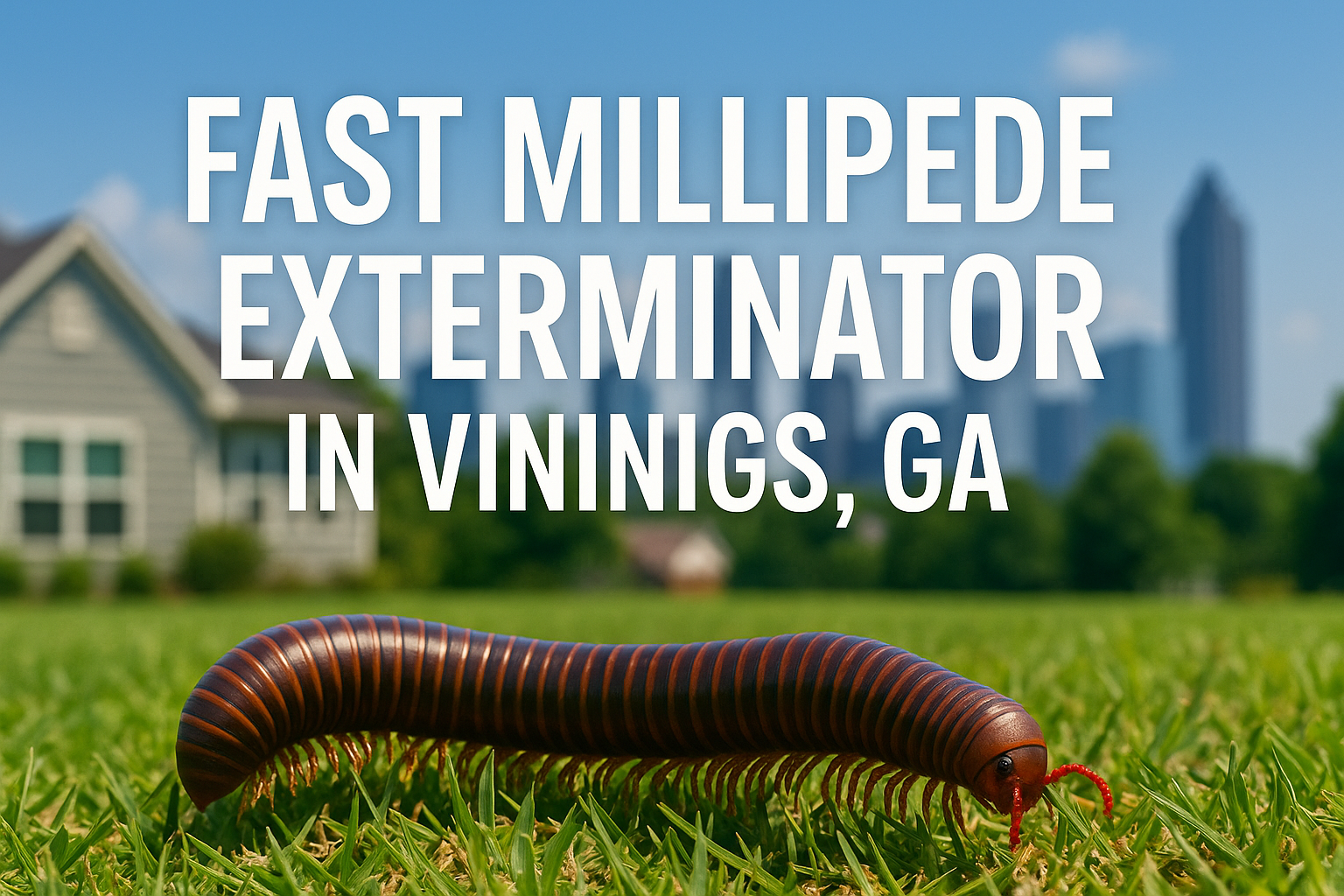
Millipede exterminator Vinings GA services are increasingly needed since the heavy spring rains of 2024 rolled through the Atlanta metro, homeowners in Vinings have reported a noticeable spike in millipede sightings. These tiny, many‑legged creatures emerge in droves when the soil stays wet, turning quiet sidewalks into bustling highways of gray and brown. If you’ve just stepped outside and found a trail of millipedes crossing your porch, you’re not alone—your neighbors are experiencing the same post‑rain invasion.
Millipedes thrive on moisture because it keeps their soft bodies from drying out. Unfortunately, that same love of damp environments can become a nuisance for you. As they congregate around foundations, they can clog outdoor drains and gutters, leading to slow‑draining water that encourages mold growth. On painted siding or stone walkways, their secretions leave dark, unsightly stains that are tough to scrub away. While they don’t bite or transmit disease, the visual impact and potential for water‑damage make them a genuine homeowner concern.
According to the EPA’s 2023 Integrated Pest Management report, moisture‑related pests—including millipedes—rose 12 % across the Southeast after the unusually wet 2022 season. The data underscores a clear pattern: more rain equals more pests, and Vinings is right in the middle of that trend.
When the millipede count climbs, Vinings residents turn to Anthem Pest Control for fast, reliable relief. As the area’s trusted millipede exterminator, Anthem offers a rapid‑response service that targets the insects at their source, using safe, EPA‑approved treatments that protect both your family and the environment. Their local expertise means they understand the specific conditions that drive millipede activity in Vinings and can tailor a plan that prevents future surges.
Stay with us as we dive deeper into why millipedes become a problem after rain, how to identify early warning signs, and what steps Anthem Pest Control takes to keep your home millipede‑free all year long.
Identifying Millipedes – Anatomy, Size, and How to Spot Them
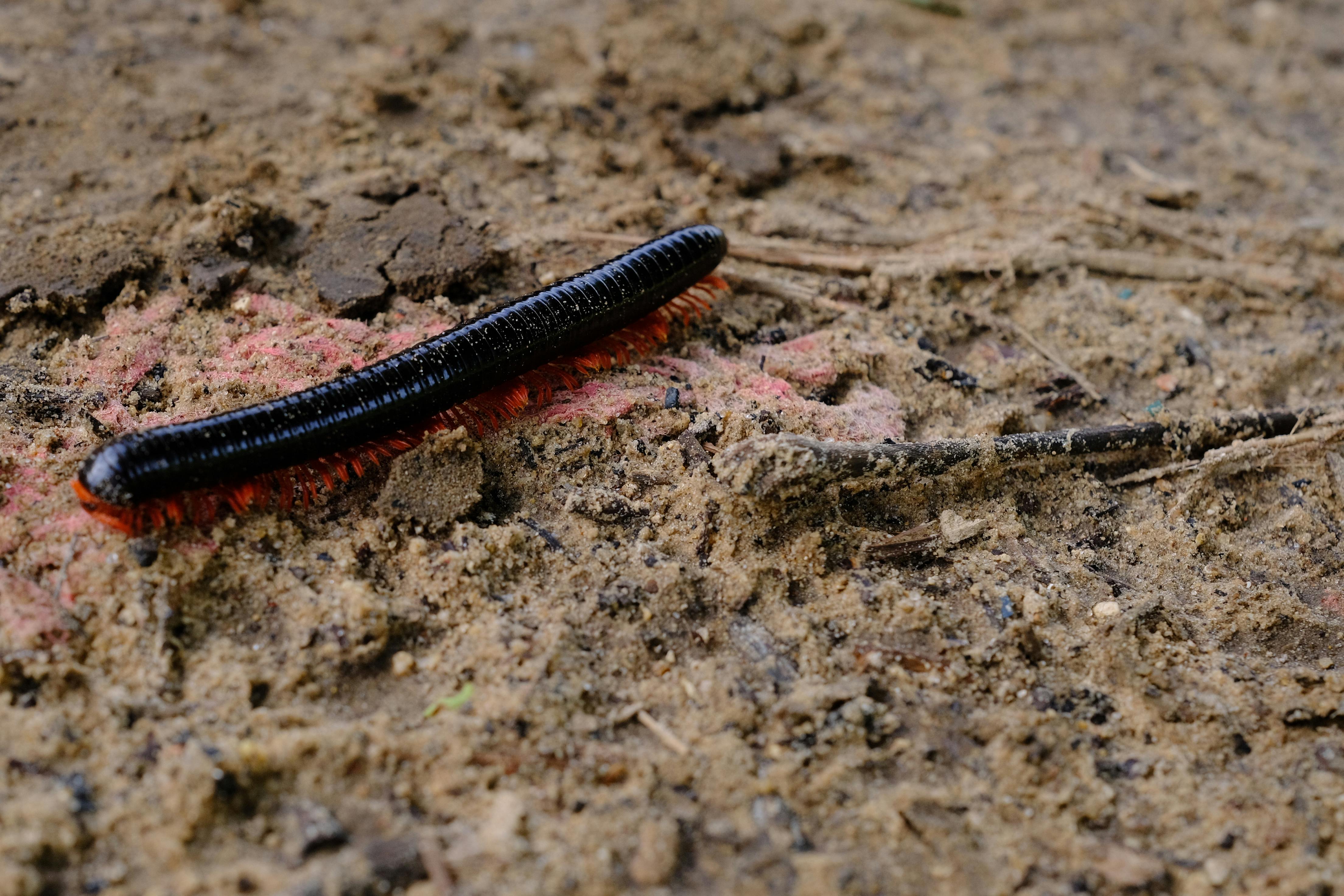
Millipedes are unmistakable once you know what to look for. Their bodies are long and cylindrical, typically ranging from 2 to 4 inches in length. Each creature is built from 15–30 segments, giving it a segmented, armor‑like appearance. Coloration varies by species, but most Vinings residents encounter brown or black individuals, with occasional red‑tinged hues that hint at moisture‑rich environments.
Key Anatomical Features
The most reliable identifier is the two pairs of legs per body segment. This double‑leg arrangement creates the classic “thousand‑leg” illusion, even though most millipedes have far fewer than a thousand legs. They move deliberately and slowly, rarely sprinting, which helps differentiate them from the faster centipedes. Their preference for damp, decaying organic matter means you’ll often find them near mulch, leaf litter, or under stones where humidity stays high.
Millipede vs. Centipede vs. Woodlouse
| Feature | Millipede | Centipede | Woodlouse |
|---|---|---|---|
| Leg count per segment | 2 pairs | 1 pair | None (pseudopods) |
| Typical speed | Very slow | Fast, darting | Very slow |
| Venomous bite | No | Yes (toxic for humans) | No |
| Preferred habitat | Moist, decaying organic matter | Dry, hidden cracks | Damp, under logs |
Typical Vinings Sightings
Homeowners in neighborhoods such as Bridge Mill, Oak Grove, and Vinings Village report the highest frequency of millipede activity, especially after a rainy spell. These areas share mature landscaping, abundant mulch beds, and shaded stone pathways—perfect conditions for millipedes to congregate.
Visual Cue: Cluster Under a Stone
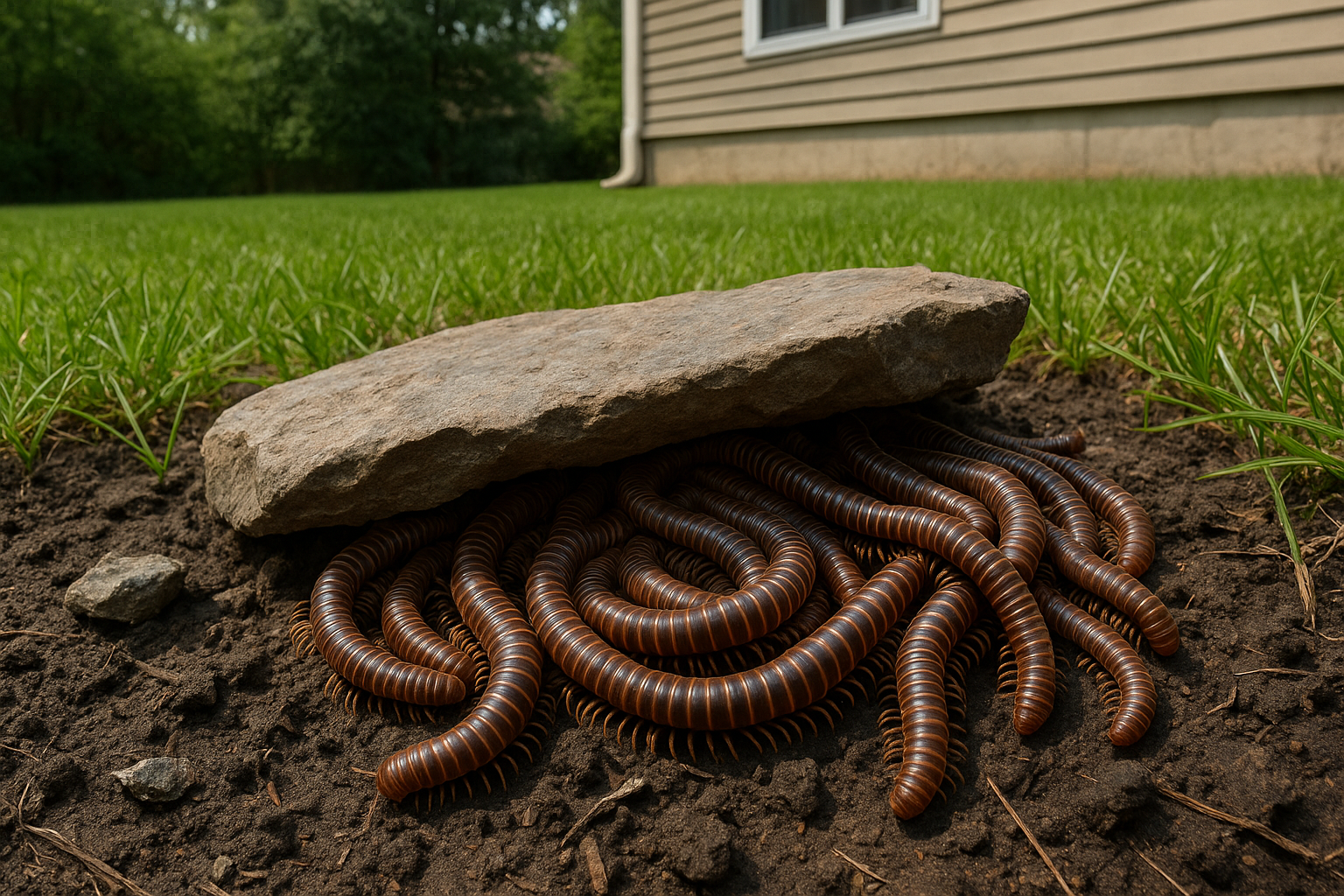
When you see a tight group of tiny, dark cylinders tucked beneath a garden stone or in a pile of mulch, you’re likely looking at millipedes. Their slow, deliberate movement and the rhythmic sway of their many legs are tell‑tale signs.
According to the EPA, millipedes account for roughly 12% of household arthropod complaints in the southeastern United States, underscoring why early identification matters. Recognizing these insects early helps you decide whether a simple moisture‑reduction strategy will suffice or if professional intervention from Anthem Pest Control is the safest route.
Why Millipedes Invade Vinings Homes
Vinings’ climate creates the perfect invitation for millipedes to set up shop inside or right around your home. Summer humidity often climbs above 70 %, and the area receives frequent rainstorms that leave the ground soggy for days. When moisture lingers, millipedes—creatures that breathe through their skin—thrive because they can absorb water directly from their surroundings.
Climate factors that attract millipedes
- Humid summers: Warm, damp air slows down the evaporation of surface moisture, keeping lawns and garden beds moist longer.
- Frequent rainstorms: Heavy downpours saturate soil and create temporary pools in low‑lying spots, giving millipedes a reliable water source.
- Shaded landscaping: Trees and shrubs that cast deep shade preserve cooler, damper micro‑climates where millipedes can hide during the heat of the day.
Landscape contributors you can control
Many Vinings homeowners love mulched flower beds, wood‑chip pathways, and a tidy layer of leaf litter. While aesthetically pleasing, these materials act like a sponge, holding moisture against the foundation. Over‑mulching or allowing piles of debris to sit for weeks creates a sanctuary for millipedes to reproduce and travel.
Structural issues that open the door
Even the best‑kept garden can’t compensate for a house that leaks. Poor drainage, cracked foundations, and standing water in crawl spaces all funnel moisture directly toward the interior. When water pools beneath your slab, millipedes crawl upward through tiny cracks, seeking the cool, damp environment they love.
Local data point: The Vinings Homeowners Association recorded a 15 % rise in millipede complaints during 2024, confirming that the combination of weather patterns and home maintenance habits is driving a noticeable uptick in sightings.
Quick tip: Spotting early signs
Look for small, rust‑colored trails along the base of exterior walls, especially after a rainstorm. Check crawl‑space vents and foundation cracks for clusters of tiny, elongated bodies. If you notice a sudden increase in these trails, it’s a signal that millipedes are establishing a foothold and that preventative action is needed now.
Prevention Strategies Every Homeowner Should Use
Millipedes are attracted to moisture and shelter, so the easiest way to keep them out is to eliminate the conditions that invite them in. The following low‑cost, DIY steps let you create a hostile environment for these unwelcome guests before they ever cross your threshold. Millipede exterminator Vinings GA Consistent maintenance not only deters millipedes but also reduces the likelihood of other moisture‑loving pests.
Landscape Management
Trim any low‑lying shrubs, vines, or groundcovers that touch the foundation. These plants act as bridges for millipedes to reach your home. Keep mulch layers thin—no more than two inches—and consider replacing wood chips with gravel or stone near the house. Gravel drains quickly, dries out faster, and offers no food source for millipedes, making the perimeter less appealing.
Drainage Improvements
Standing water is a magnet for millipedes. Install a French drain or shallow trench drain along the perimeter to channel excess water away from the foundation. If a French drain is beyond your budget, simply re‑grade the soil so it slopes at least 5 % away from the house. Clean gutters and downspouts regularly; clogged gutters spill water onto the exterior walls, creating the perfect humid hideout.
Seal Entry Points
Even the tiniest cracks can become highways for millipedes. Use a high‑quality silicone or acrylic caulk to seal foundation fissures, gaps around windows, and any openings where pipes or wires enter the home. Install door sweeps on exterior doors and ensure they sit snugly on the threshold. Cover utility penetrations with foam or metal plates to block passage.
Interior Humidity Control
Inside the house, moisture builds up in basements, crawl spaces, and bathrooms. Place a dehumidifier in damp areas and keep humidity levels below 50 %. After showers or laundry cycles, run exhaust fans or a portable fan to circulate air and speed drying. These simple actions cut down the moisture that millipedes seek for shelter millipede exterminator Vinings GA.
| Task | DIY Steps | Estimated Cost |
|---|---|---|
| Trim vegetation & thin mulch | Prune shrubs within 2 ft of foundation; spread mulch to ≤2 in, replace wood chips with gravel. | $0‑$50 (tools and gravel) |
| Improve drainage | Install French drain or re‑grade soil 5 % away from house; clean gutters. | $100‑$300 |
| Seal cracks & gaps | Apply silicone or acrylic caulk to foundation cracks; install door sweeps; cover utility penetrations. | $50‑$200 |
| Control indoor humidity | Run a dehumidifier in basements/crawl spaces; use fans after showers; keep exhaust fans on. | $50‑$150 (dehumidifier) |
Anthem Pest’s Treatment Options and Pricing
When millipedes start marching through your Vinings home, the speed of relief hinges on how quickly a professional can diagnose the problem and apply the right solution. Anthem Pest’s process blends a thorough inspection with three targeted treatment pathways, all backed by transparent, up‑front pricing that lets you plan your budget without surprises.
Inspection Workflow – Knowing Exactly What You’re Dealing With
Our certified technicians begin every millipede call with a visual assessment of the interior and exterior of your property. They walk the perimeter, check crawl spaces, and look for the tell‑tale signs of moisture that attract these arthropods. Using a handheld moisture meter, they create a quick moisture map that pinpoints the damp zones where millipedes are most likely to congregate. Finally, they collect a specimen—if needed—to confirm the species, ensuring that the treatment you receive is precisely matched to the pest you’re battling.
Treatment Method 1: Targeted Perimeter Spray
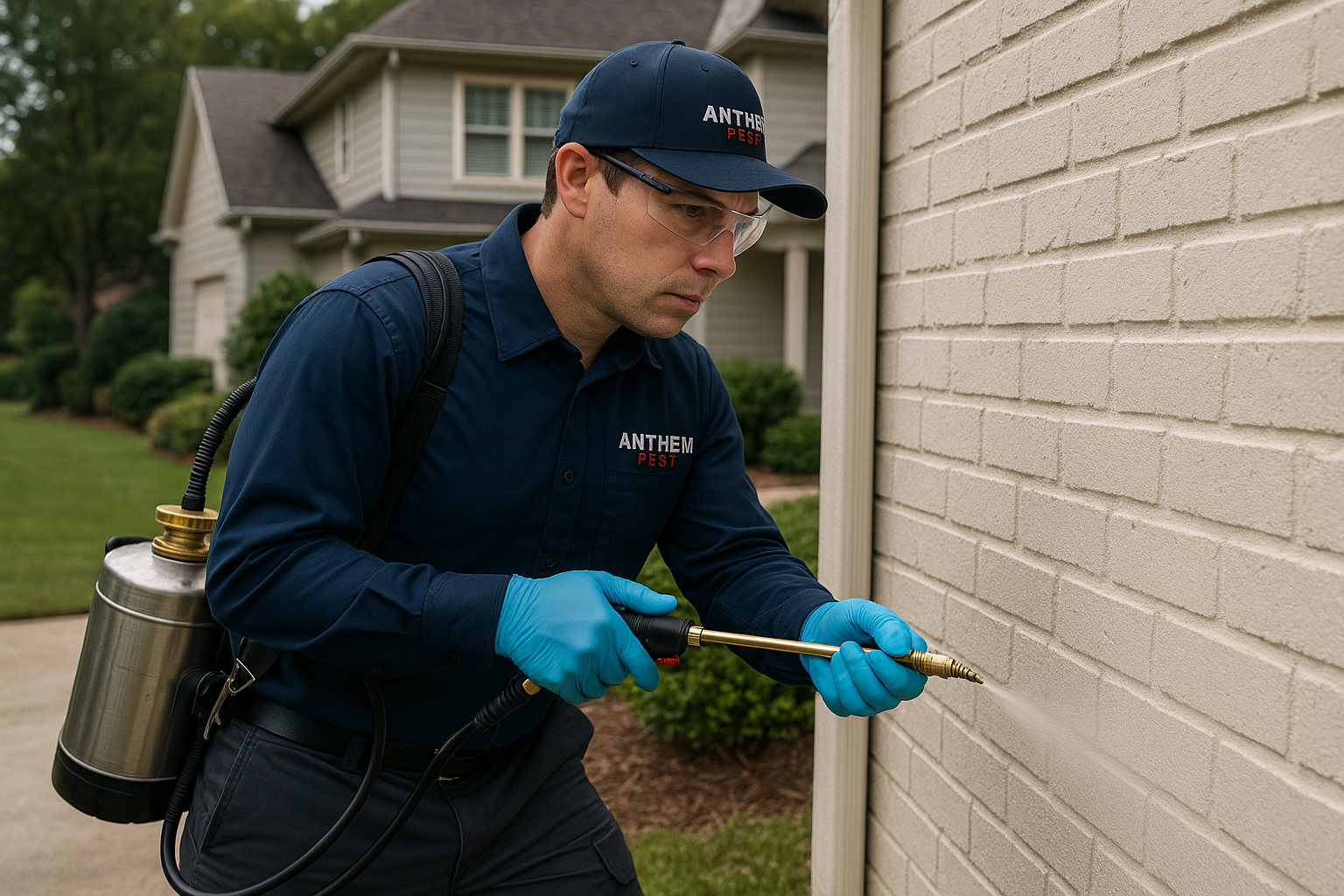
For most single‑visit scenarios, Anthem Pest applies a low‑toxicity pyrethroid, specifically bifenthrin, to the outer walls, foundation, and entry points. The spray forms an invisible barrier that kills any millipedes that cross it while remaining pet‑ and child‑safe. Millipede exterminator Vinings GA Because the formulation is low‑impact, you can resume normal activities within minutes, and the barrier remains effective for up to 30 days.
Treatment Method 2: Soil Drench for Heavy Infestations
If the moisture map reveals deep‑seated moisture or a large larval population in the soil, our technicians upgrade to a soil drench. This method delivers bifenthrin directly into the ground, allowing it to seep several inches deep where millipede larvae reside. The drench provides a deep‑penetration kill zone that can eradicate an entrenched infestation in a single application, reducing the need for repeated visits.
Treatment Method 3: Quarterly Preventive Barrier Program
Millipede exterminator Vinings GA Homeowners who prefer a hands‑off approach can enroll in Anthem’s quarterly preventive barrier. Every 90 days, we reapply a thin, EPA‑approved coating around the home’s perimeter. This program maintains a continuous shield, preventing new millipedes from establishing a foothold even during the rainy months when moisture levels rise.
Pricing Overview
| Service | Price Range | Coverage |
|---|---|---|
| One‑time treatment | $149 – $199 | Up to 1,500 sq ft per visit |
| Quarterly preventive plan | $79 – $99 per visit | Contract‑free, 90‑day barrier |
Key Benefits You’ll Experience
- Rapid response: Service windows under 2 hours from the time you call.
- EPA‑approved products: All chemicals meet federal safety standards.
- Fast relief: Most customers notice a dramatic drop in millipede activity within the first day.
- Long‑lasting protection: The preventive barrier can guard your home for up to 90 days per application.
- Transparent pricing: No hidden fees; you know exactly what you’ll pay before any work begins.
Note: Prices listed above reflect the 2025 rate schedule. Always verify the latest pricing on the official Anthem Pest website or by calling 877‑371‑8196 before scheduling your service.
Real‑World Success Stories from Vinings Customers
When the Johnson family of Bridge Mill noticed swarms of millipedes marching across their porch every night, they knew something had to change. The tiny, many‑legged invaders weren’t just an eyesore—they were unsettling the whole household and keeping everyone up late.
Rapid response that made a difference
Anthem Pest received the call on a Thursday evening and dispatched a certified technician within 24 hours. The specialist arrived early Friday, performed a thorough inspection, and identified two primary entry points: a cracked foundation vent and a gap around the garden hose bib.
Targeted treatment plan
- Perimeter spray: A residual insecticide was applied around the home’s exterior walls, focusing on cracks, vents, and the foundation.
- Soil drench: A deep‑penetrating treatment was injected into the garden beds and lawn to eliminate larvae lurking in the soil.
Both applications used EPA‑approved products that are safe for children and pets when applied as directed.
After the initial applications, the technician scheduled a 30‑day follow‑up. He inspected the treated zones, re‑sealed the foundation vent, and applied a thin barrier around the perimeter to block future entry.
Results you can see (and feel) fast
Within 48 hours the Johnsons reported a 95 % reduction in millipede sightings. By the third day, the porch was clear, the yard was calm, and the family finally got a full night’s sleep.
“We hadn’t slept a night until Anthem showed up; the yard was clear the next day.” – Mark Johnson, Bridge Mill homeowner
Before and after – a visual story
The “before” photo captured dozens of millipedes clustered on the stone steps, while the “after” shot showed a pristine walkway with no trace of the pests. The contrast underscores how quickly a professional treatment can restore a home’s comfort.
Anthem also provided the Johnsons with simple landscaping tips—such as removing excess mulch, trimming back vegetation, and fixing drainage issues—to reduce the moisture that attracts millipedes in the first place.
Why Vinings homeowners trust Anthem
Anthem’s Vinings service area holds a 4.9 / 5 Google Business rating, earned from over 80 satisfied customers. Consistent five‑star feedback reflects the company’s commitment to rapid, reliable, and affordable solutions.
Ready to see the same relief in your
Frequently Asked Questions About Millipede Control
Q1: Are millipedes harmful to humans?
Millipedes are not venomous and they do not bite or sting. In most cases they are merely a visual nuisance. However, when large numbers crawl over skin they can cause mild allergic reactions such as itching or a red rash. The CDC notes that these reactions are typically short‑lived and resolve without medical treatment. If a rash develops, gently wash the area with soap and water and apply an over‑the‑counter antihistamine to relieve itching.
Q2: How long does treatment last?
We use EPA‑approved insecticides that leave a protective residue in the treated area. Under normal conditions that residue remains effective for up to 90 days, providing continuous control of millipedes that wander in from the yard. Weather, heavy rain, or excessive foot traffic can shorten the residual period, so a follow‑up inspection may be recommended. We typically recommend a follow‑up visit after the 90‑day window to confirm that the barrier is still intact.
Q3: Will treatment affect pets?
Our formulas are low‑toxicity and specifically selected for safe indoor and outdoor use. Pets should remain inside for about 30 minutes after application to allow the product to settle and dry. Once the drying time has passed, normal pet activity can resume without concern. The same 30‑minute wait applies to children, ensuring the surface is fully dry before anyone walks on it.
Q4: Can I handle it myself?
A DIY approach is limited to surface cleaning and occasional spot‑spraying, which rarely reaches the soil or hidden cracks where millipedes hide. Professional technicians apply treatment deep into the soil and around foundation cracks, creating a barrier that lasts months. This comprehensive approach greatly reduces the chance of a re‑infestation. Using the wrong product can harm lawn grass or beneficial insects, which is why trained technicians select the correct, label‑approved formula.
For more detailed information, visit the CDC and the National Pest Management Association (NPMA) websites.
Get Fast Relief – Contact Anthem Pest Today
When a rainstorm passes through Vinings, millipedes emerge in droves, laying thousands of eggs that hatch within days. Their numbers can swell overnight, turning a few harmless crawlers into a visible infestation that clogs drains and leaves yellow‑brown stains on siding and walkways. Acting fast stops the breeding cycle, protects your landscaping, and saves you from costly water‑damage repairs.
That’s why Anthem Pest’s Vinings team is on standby 24/7, ready to dispatch a licensed technician within hours of your call. Our crews know the neighborhood’s drainage patterns, common entry points, and the species that thrive after a downpour, so we target treatment exactly where it matters. A rapid, pinpointed approach means you see results sooner and avoid a repeat invasion.
Need a free inspection? Give us a quick ring at 877‑371‑8196 and we’ll schedule a same‑day walk‑through at no charge. Prefer to start online? Click the link below to request a personalized quote, and a specialist will follow up within the hour.
Visit Anthem Pest Control for more details on our millipede‑specific protocols, transparent pricing, and the satisfaction guarantee that protects Vinings homeowners. Your home deserves a swift, effective solution—let us deliver peace of mind today.