Why Mosquitoes Are a Growing Concern in Druid Hills

Climate and landscape that invite mosquitoes
Druid Hills enjoys a temperate climate that turns humid during the summer months, creating the perfect breeding ground for mosquitoes and often prompting homeowners to seek a fast mosquito exterminator Druid Hills GA residents can rely on. The neighborhood’s mature oak canopies, shaded parks, and a network of small ponds and rain barrels hold the standing water that female mosquitoes need to lay eggs. Even a simple backyard birdbath can become a hotspot if it isn’t emptied or treated regularly. This combination of moisture, shade, and water makes Druid Hills a natural mosquito magnet.
Health risks that affect every family member
Beyond the itchy bite, mosquitoes are carriers of serious illnesses that have been documented in Georgia, such as West Nile virus, Zika, and dengue fever. While the likelihood of infection varies, the potential consequences—neurological complications, severe flu‑like symptoms, or pregnancy‑related risks—are enough to make prevention a household priority. Protecting children, seniors, and pets from mosquito bites isn’t just about comfort; it’s a vital public‑health measure.
Common misconceptions that keep the problem alive
Many homeowners assume that mosquitoes will “go away on their own” once the weather cools or that a single DIY spray will solve the issue. In reality, mosquito populations rebound quickly because eggs can remain dormant for months, hatching when conditions improve. Another myth is that chemical treatments are unsafe for families and pets. Modern, EPA‑registered products are formulated to target mosquitoes while minimizing exposure risks when applied by trained professionals.
Professional pest control: a proactive rather than reactive approach
Instead of waiting for an infestation to become noticeable, a professional service like Anthem Pest Control conducts a thorough site assessment, identifies hidden water sources, and implements a layered treatment plan. This includes larvicide applications to stop mosquitoes before they hatch, adulticide fogging for immediate relief, and ongoing monitoring to keep populations low throughout the season. Homeowners who partner with experts gain peace of mind knowing that the problem is being tackled from every angle.
EPA guidance reinforces best practices
The U.S. Environmental Protection Agency (EPA) recommends an integrated mosquito management strategy that combines source reduction, biological controls, and targeted chemical applications. According to EPA guidelines, homeowners should eliminate standing water, use EPA‑registered larvicides in unavoidable water features, and rely on certified applicators for adult mosquito treatments. By aligning with these best practices, Anthem Pest Control ensures that every intervention is both effective and environmentally responsible.
Seasonal Mosquito Activity and the Best Times to Treat
Seasonal Activity Overview
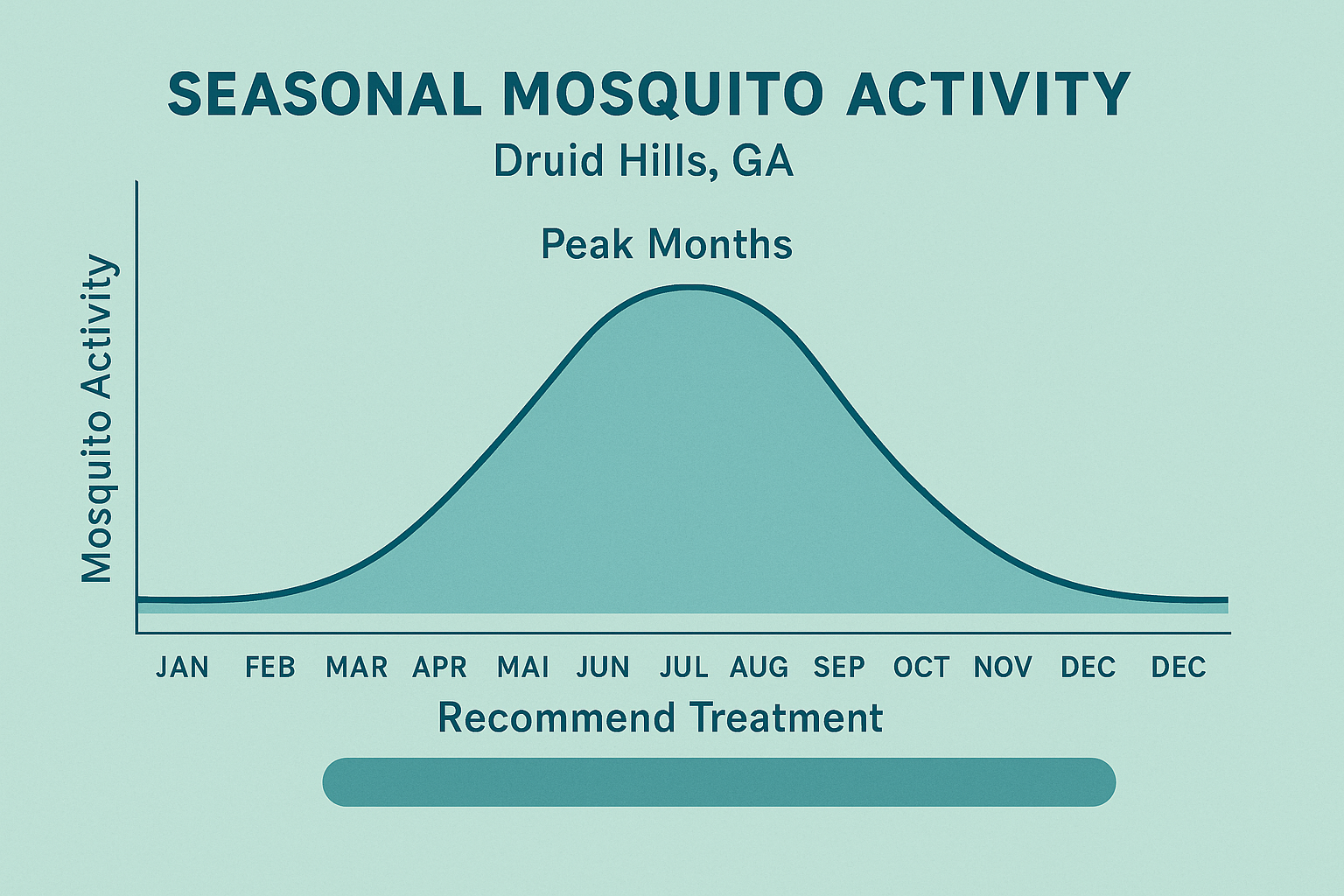
In Druid Hills, mosquito numbers follow a predictable yearly rhythm, which is why scheduling service with a fast mosquito exterminator Druid Hills GA can make a significant difference. The chart above shows a sharp rise in late April, peaking during June and July when average temperatures hover between 80-90°F (27-32°C). Activity tapers off in August, with a secondary mini-spike in early September before the first frost forces a steep decline. The low-activity window stretches from late October through March, offering a natural “off-season” for maintenance.
Why Early‑Season Treatment Matters
Applying a pre‑emptive barrier in late spring—typically mid‑May—interrupts the first generation of eggs laid in standing water. Mosquitoes emerging from overwintered larvae need a blood meal to reproduce; a well‑timed spray eliminates those adults before they can lay thousands of eggs. Homeowners who act early often see a 60‑80% reduction in total season counts, because the population never gets the chance to explode.
Rain, Temperature, and Breeding Cycles
Rainfall is the lifeblood of mosquito breeding sites. A series of light to moderate rains in May creates perfect puddles for eggs to hatch, while a sudden heat wave accelerates larval development from days to a matter of hours. Conversely, a dry spell in July can naturally curb numbers, but relying on weather alone is risky. Understanding how temperature spikes and rain patterns intersect helps schedule follow‑up treatments when they’re most needed.
Homeowner Treatment Calendar
Use this quick checklist to lock in the most cost‑effective windows for your property:
- May (pre‑emptive spray): Establish a protective barrier before the first major breeding cycle.
- July (mid‑season boost): Target any residual hotspots that survived the spring application, especially after heavy rains.
- September (final barrier): Seal off late‑season breeding before cooler temperatures halt development.
- October (optional touch‑up): If a warm spell extends into early fall, a light spray can prevent a surprise resurgence.
Cost‑Effectiveness of Timely Interventions
Proactive treatments are far cheaper than emergency “pest‑out” calls after a full‑blown infestation. A single seasonal plan from Anthem Pest Control typically costs a fraction of the hourly rates charged for urgent after‑hours service. Moreover, early interventions protect outdoor living spaces, reduce the need for repeated indoor fogging, and lower the risk of mosquito‑borne illnesses—all while keeping your budget in check.
Identifying Mosquito Species and Warning Signs
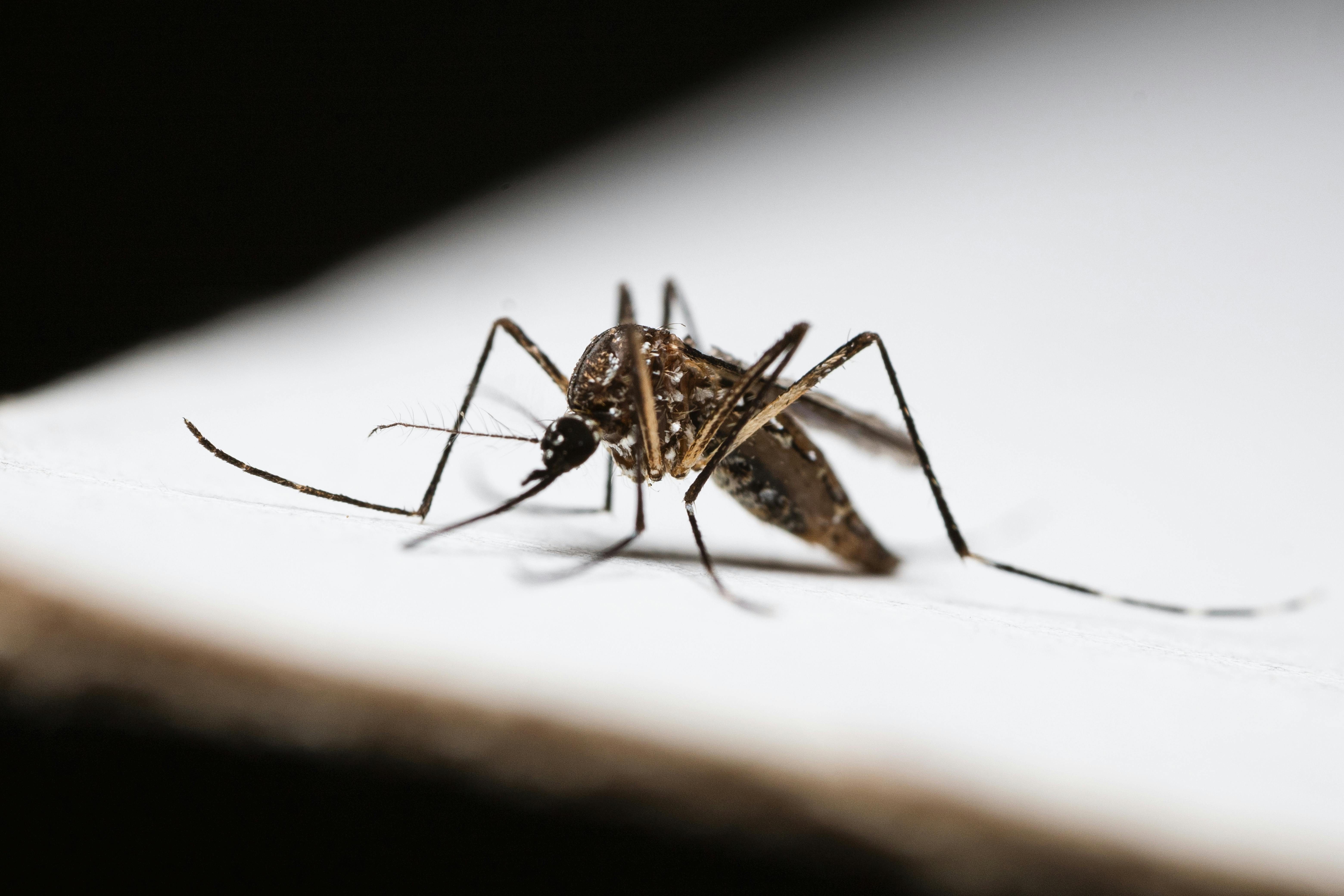
Knowing which mosquito is buzzing around your yard is the first step toward stopping a bite‑heavy summer. In Druid Hills, three species dominate the scene, each with its own habits, breeding spots, and bite patterns. Spotting the differences lets you act before the population explodes.
Aedes – The Aggressive Day‑Biter
What it looks like: Aedes mosquitoes are relatively small (about 3–4 mm) with bold, white‑banded legs and a single dark stripe running down the center of their thorax. Their wings often show a faint, mottled pattern.
Where they love to breed: They favor artificial containers that hold water—think rain barrels, flower pots, birdbaths, and even discarded tires. Even a few centimeters of standing water is enough for Aedes to lay hundreds of eggs.
Culex – The Night‑Time Nuisance
What it looks like: Culex mosquitoes are a shade darker, with a uniformly brownish body and no distinct leg markings. Their wings are more translucent, and the proboscis is noticeably longer.
Where they love to breed: Stagnant, organic‑rich water such as ponds, clogged gutters, or poorly drained basements provide the perfect nursery for Culex larvae.
Anopheles – The Disease Carrier
What it looks like: Anopheles have a characteristic “bulbous” abdomen and long, slender legs. Their wings display a distinctive set of scales that give a slightly ragged edge.
Where they love to breed: Shallow, sun‑lit pools with a muddy bottom—think irrigation ditches, low‑lying garden beds, or the edges of ornamental lakes.
Warning Signs That a Mosquito Problem Is Growing
- Increased biting activity during daylight hours (a hallmark of Aedes).
- Large, swirling clouds of mosquitoes at dusk or just after sunset, indicating a Culex surge.
- Visible clusters of standing water that haven’t been drained for more than 48 hours.
- Unusual buzzing near indoor doors or windows, suggesting mosquitoes are using your home as a temporary shelter.
DIY Checks Before You Call a Pro
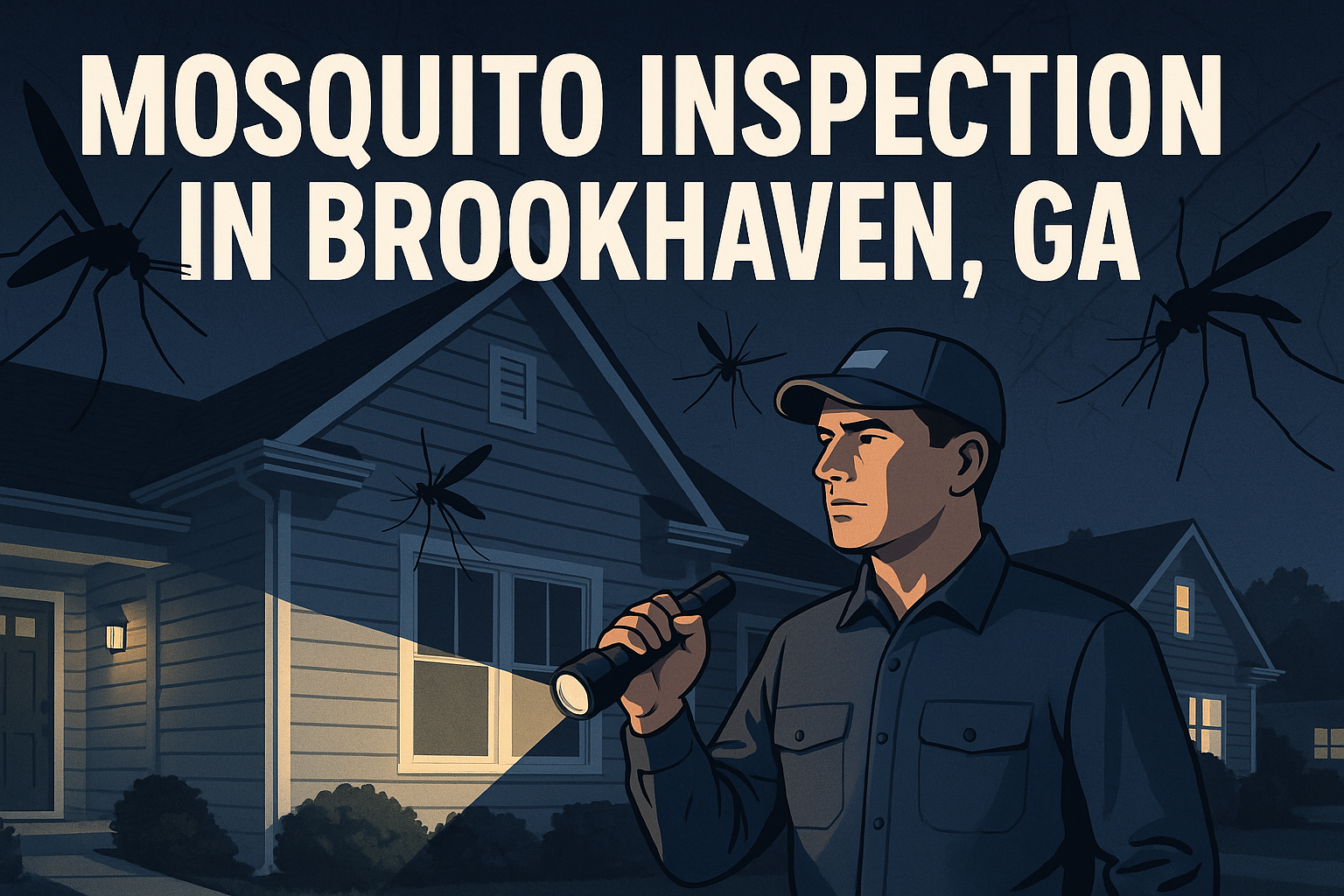
Take a quick walk around your property with a flashlight and a notebook. Follow these three steps:
- Inspect water sources: Empty, scrub, or cover anything that can hold water for longer than two days—birdbaths, plant saucers, and clogged gutters.
- Look for larvae: Small, wiggling “wigglers” are visible near the water’s surface. If you see them, you have a breeding site right under your nose.
- Check for adult activity: Sit quietly at dusk for a few minutes. If you notice a dense cloud of mosquitoes hovering near your patio, note the location and time.
These simple observations give Anthem Pest Control the precise information we need to design a targeted treatment plan. When you’ve identified the species and their hotspots, a professional intervention becomes faster, more effective, and often more affordable.
Treatment Options, Methods, and Pricing in Druid Hills
When mosquitoes swarm your backyard, the solution isn’t one‑size‑fits‑all. In Druid Hills, homeowners can choose from four proven modalities, each tailored to the size of the property, the presence of pets or children, and your budget. Below is a quick snapshot of what’s available.
Overview of mosquito‑control modalities
- Barrier sprays – A professional applicator coats vegetation, fences, and hardscapes with a residual insecticide that kills adult mosquitoes on contact.
- Larvicides – These are placed in standing water (birdbaths, gutters, ponds) to stop mosquito larvae before they become flying adults.
- Misting systems – Automated misting units release a fine spray at scheduled intervals, maintaining a protective cloud around patios and decks.
- Outdoor fogging – A “smoke‑machine” style fogger releases a dense vapor for rapid knock‑down during peak activity periods.
Pros and cons of each method
| Method | Duration of protection | Environmental impact | Pet/child suitability |
|---|---|---|---|
| Barrier spray | 2–4 weeks | Low when EPA‑approved products are used | Safe after drying (≈2 hrs) |
| Larvicide | 6–8 weeks | Minimal; targets water‑borne larvae only | Non‑toxic to mammals |
| Misting system | Continuous (scheduled) | Moderate; depends on chemical choice | Generally safe; avoid direct spray on pets |
| Outdoor fogging | Immediate knock‑down, 1–2 days residual | Higher; vapor can drift | Requires evacuation of children and pets during application |
Anthem Pest Control’s service packages
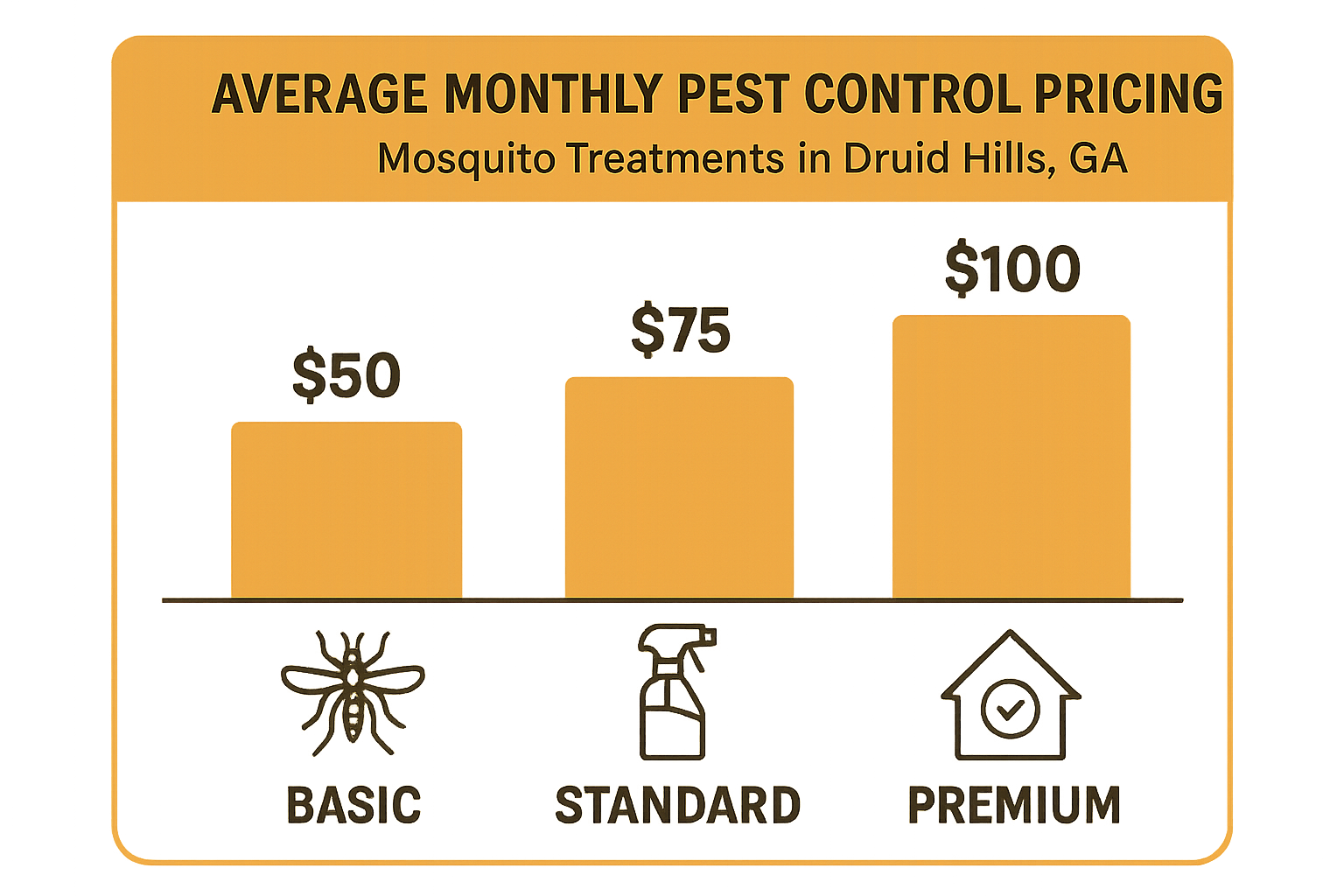
Anthem Pest Control bundles these methods into three transparent tiers, each designed to match a different level of need and budget. The full pricing infographic is linked in the sidebar for a visual breakdown.
| Package | Visits per season | Included treatments | Warranty | Typical price range |
|---|---|---|---|---|
| Basic | 2 | Barrier spray + one larvicide application | 30‑day re‑treat guarantee | $149–$179 |
| Standard | 4 | Barrier spray, larvicides, and one misting system setup | 60‑day re‑treat guarantee | $259–$299 |
| Premium | 6+ | All Standard treatments plus quarterly outdoor fogging | Lifetime protection warranty | $399–$449 |
Choosing a professional plan eliminates the guesswork of DIY chemicals, which often lack residual power and can pose health risks if mis‑applied. Our technicians are certified by the Georgia Department of Agriculture, wear protective gear, and follow strict safety protocols, giving you peace of mind that a backyard BBQ won’t turn into a mosquito‑infested nightmare.
Quick FAQ
- How soon can a treatment be scheduled? Most homeowners in Druid Hills receive their first appointment within 48 hours of calling.
- How often should I treat? For peak season (May‑September), a minimum of two visits is recommended; Premium customers enjoy monthly fogging for uninterrupted protection.
- Are the chemicals safe for my family? Yes. All products are EPA‑registered, low‑toxicity formulations applied by licensed technicians. Pets and children can resume normal activities once the spray dries.
- Do I need to prep my yard? Simply clear large debris and keep water sources covered. Our team handles all application steps.
Protect Your Home Today with Anthem Pest Control
Living in Druid Hills means enjoying mature trees, lush lawns, and outdoor gatherings—but it also means sharing your yard with aggressive mosquito species that thrive from late spring through early fall. Because these pests breed in standing water, hide in shaded foliage, and multiply rapidly, timing is everything. Miss the early‑season window and you’ll face a full‑blown infestation; wait too long and treatment becomes more costly and less effective. That’s why understanding the local species, their life cycles, and the seasonal peaks is the first step toward lasting relief.
Anthem Pest Control brings a deep, neighborhood‑level knowledge of Druid Hills’ mosquito problem. Our technicians are certified, use EPA‑approved products, and tailor each application to the exact conditions of your property—whether it’s a small patio, a large backyard, or a multi‑family complex. We pride ourselves on transparent pricing: you’ll receive a detailed estimate before any work begins, with no hidden fees or surprise charges. Safety is paramount, so we choose treatments that protect your family, pets, and the environment while staying affordable.
When you choose Anthem Pest Control, you get a certified team that tailors a treatment plan to your property’s unique needs, ensuring year‑round protection without hidden fees. Our ongoing monitoring program catches new breeding sites before they become a nuisance, giving you peace of mind throughout the mosquito season.
Ready to reclaim your yard? Call us today at 877‑371‑8196 for a free, no‑obligation quote. One of our specialists will walk you through the process, answer any questions, and schedule a prompt service that fits your calendar.
Take the first step toward a bite-free summer—visit Anthem Pest Control now and see how easy working with a fast mosquito exterminator Druid Hills GA can be.