Why Fast Moth Action Matters in Dunwoody

Imagine the Martin family pulling open their kitchen pantry on a quiet Tuesday evening, only to find a handful of cereal boxes riddled with tiny holes and a faint, powdery residue. The kids gasp, the mom sighs, and the realization hits fast: a moth infestation has already started feasting on their food supply, and it may be time to call a moth exterminator Dunwoody homeowners trust to stop the problem before it spreads.
When homeowners in Dunwoody wait to address the problem, the damage multiplies quickly. Moth larvae don’t just nibble on grains—they can decimate entire bags of flour, crackers, and pet food in just a few weeks. That translates to wasted dollars, trips to the grocery store, and the unsettling thought that the insects could migrate beyond the pantry.
Beyond the obvious food loss, delayed action poses health concerns. Moth droppings and shed skins become airborne, potentially triggering allergic reactions or respiratory irritation for family members, especially children and seniors. In severe cases, the infestation can spread to stored fabrics, carpets, and even insulation, threatening the structural integrity of the home.
Fast intervention stops the cascade before it escalates. A prompt, professional treatment eliminates the adult moths and their larvae, protecting your pantry, your health, and your wallet. The cost of a single targeted service is a fraction of the expense incurred from replacing spoiled food, repairing fabric damage, or hiring a general pest removal crew later on.
That’s where Anthem Pest Control steps in. As Dunwoody’s data‑driven moth specialists, we combine local knowledge with the latest, EPA‑approved treatment protocols. Our technicians use real‑time monitoring to pinpoint the exact source of the infestation, ensuring we target the problem at its root rather than applying a blanket spray that may miss hidden larvae.
Our team’s familiarity with the area’s climate patterns means we know when moth populations are most likely to surge—typically late summer and early fall. By acting swiftly during these peak periods, we prevent a small, manageable issue from becoming a full‑blown pantry crisis that could spread to other rooms.
For added peace of mind, our methods align with the EPA moth‑control overview, which emphasizes integrated pest management, minimal chemical use, and long‑term prevention strategies. This scientific backing reinforces our commitment to safe, effective solutions that protect both your family and the environment.
Choosing Anthem Pest isn’t just about hiring a service; it’s about partnering with a neighbor who understands the unique challenges Dunwoody homeowners face. Our transparent pricing, clear communication, and rapid response times have earned us a reputation as the go‑to moth control experts in the community.
When you spot the first sign of moth activity—tiny webbing, a faint floury dust, or missing food—you don’t have to wait. Call Anthem Pest Control today, and let our local expertise restore the safety and comfort of your home before the moths have a chance to turn a minor inconvenience into a costly disaster.
Common Household Moths in the Atlanta Metro Area
When you hear “moth” in Dunwoody, the first images that pop into most homeowners’ heads are the fluttering insects that visit porch lights. In reality, the real threat lives inside your pantry, closets, and even the carpet fibers beneath your feet. The three species that cause the most headaches in the Atlanta metro area are the Indian Meal Moth, the Webbing Moth, and the Carpet Moth. Understanding how each looks and where they like to hide is the first step toward fast, effective control.
Indian Meal Moth (Plodia interpunctella)
- Appearance: Adults are ½‑inch long with a distinctive reddish‑brown forewing and a pale, coppery hindwing.
- Infestation sites: Grain‑based pantry items—cereals, flour, rice, dried fruit, and pet food.
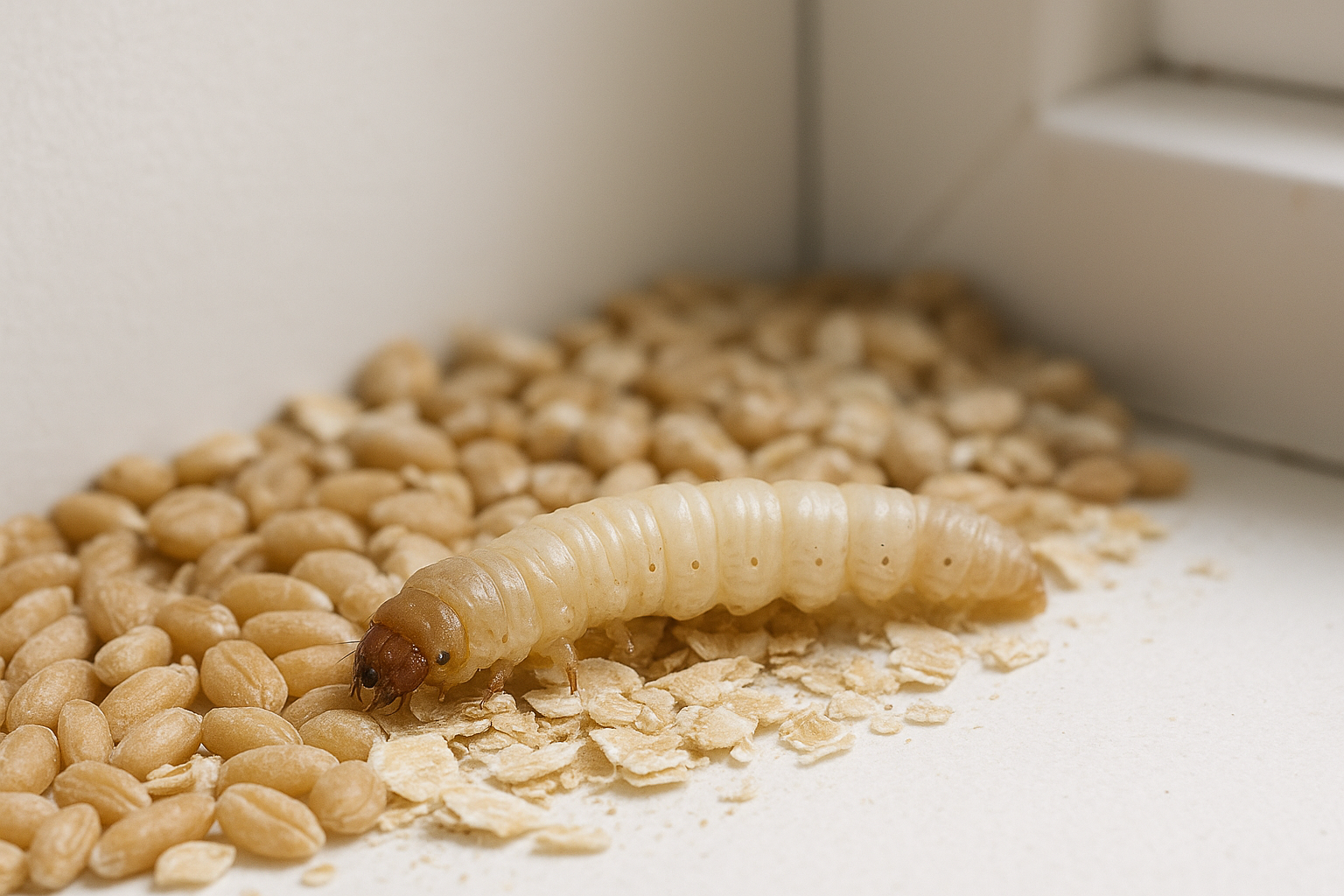
- Life cycle clues: Small, silvery webbing in the corners of packages; larvae are creamy‑white with a brown head.
Webbing Moth (Monopis sp.)
- Appearance: Slightly larger than the pantry moth, with mottled brown and gray wings that blend into upholstery.
- Infestation sites: Natural fibers such as wool, silk, and fur—think blankets, clothing, and upholstered furniture.
- Life cycle clues: Fine, silky webbing left on the surface of fabrics; larvae construct portable cases from fabric fibers.
Carpet Moth (Trichophaga tapetzella)
- Appearance: Small, drab brown moths that are often mistaken for tiny flies.
- Infestation sites: Carpet fibers, rugs, and any stored textiles made from animal‑based materials.
- Life cycle clues: Irregular, brownish patches on carpet where larvae have chewed away fibers; occasional frass (tiny droppings) near the damage.
According to the U.S. Environmental Protection Agency, roughly 15 % of American homes experience pantry moth activity each year — a figure that holds true for the Atlanta suburbs, where humid summers accelerate moth development EPA. The Centers for Disease Control and Prevention also notes that food‑borne pests, including moths, contribute to a measurable increase in food spoilage incidents, underscoring why early detection matters.
Local health‑department reports show a higher concentration of moth complaints in the Brookhaven and Peachtree Corners neighborhoods. These areas share two common factors: older housing stock with extensive carpeted flooring and a higher density of multi‑family dwellings where pantry items are stored in bulk. While the overall prevalence across Dunwoody aligns with the national 15 % average, those two pockets experience roughly double the complaint rate during late summer and early fall.
Quick Visual Checks – What to Look For
- Indian Meal Moth: Open pantry boxes and look for fine, silvery webs in the corners; check for tiny, moving larvae near the grain surface.
- Webbing Moth: Examine the underside of couch cushions and the seams of wool blankets for irregular, silky strands or tiny cases made of fabric.
- Carpet Moth: Run a fingertip over high‑traffic carpet areas; feel for uneven, thread‑bare spots and look for small brown droppings.
Spotting these signs early can shave weeks off a full‑blown infestation. If you notice any of the above, give Anthem Pest Control a call at 877‑371‑8196. Our technicians use targeted, EPA‑approved treatments that protect your family while eradicating the moths at every life stage. A prompt inspection can prevent the larvae from moving from pantry to fabric, saving you both time and money.
Health Risks and Property Damage from Moths
Allergen Exposure from Moth Scales and Shed Hairs
Moth larvae and adults are covered in microscopic scales and tiny hairs that easily become airborne. When these particles settle in a home, they act like dust mites, triggering sneezing, itchy eyes, and wheezing in sensitive individuals. Studies show that prolonged exposure can exacerbate asthma and cause chronic rhinitis, especially in children and the elderly. Even a light infestation can turn a clean living room into a hidden allergen source, making it harder for homeowners to breathe comfortably.
Contaminated Food and Food‑borne Illness
When pantry moths infiltrate stored grains, cereals, nuts, or dried fruit, they not only consume the product but also leave behind frass, webbing, and shed skins. These contaminants create an ideal breeding ground for bacteria such as Salmonella and Staphylococcus aureus. The CDC warns that food contaminated by insects can lead to nausea, vomiting, diarrhea, and in severe cases, hospitalization. A single bag of flour infested with pantry moth larvae can render an entire pantry unsafe, forcing homeowners to discard weeks of food.
Property Damage: What Happens to Your Belongings
Beyond food, moths target fabrics and organic materials. Clothes, upholstery, and carpets become woven with silken tunnels that weaken fibers over time. A single adult can lay up to 200 eggs, and the resulting larvae chew through cotton, wool, and even synthetic blends, leaving holes, discoloration, and a lingering musty odor. In grain storage areas, moths can reduce usable product by 10‑15%, translating to measurable financial loss for families that rely on bulk purchases.
Economic Impact of a Moth Infestation
The National Pest Management Association (NPMA) estimates that the average homeowner loses between $200 and $500 per infestation when accounting for food waste, damaged textiles, and remediation costs. Below is a quick snapshot of typical loss categories based on the 2023 NPMA report.
| Damage Category | Average Cost Range |
|---|---|
| Food waste (grains, cereals, nuts) | $100–$250 |
| Clothing & carpet damage | $50–$150 |
| Grain & bulk storage loss | $30–$100 |
| Professional remediation | $20–$100 |
Real‑World Example: A Dunwoody Homeowner’s $350 Pantry Loss
Last winter, a Dunwoody resident discovered a moth outbreak after noticing webbing on a box of flour. Within two weeks, the infestation had spread to three additional pantry items, contaminating a total of 12 kg of dry goods. After consulting a professional moth exterminator Dunwoody homeowners rely on, the homeowner discarded the spoiled products, incurring a direct loss of $350 in food value alone—well above the national average. The experience underscored how quickly a seemingly minor problem can become a costly household emergency.
Quick Checklist for Assessing Moth Damage
- Inspect all stored food for webbing, frass, or irregular holes.
- Check clothing, curtains, and upholstery for silken tunnels or small, irregular tears.
- Examine carpet edges and under furniture for fine, silvery threads.
- Record the quantity of any food that must be discarded and estimate its market value.
- Note any visible damage to fabrics and estimate repair or replacement costs.
- Contact a licensed pest professional (like Anthem Pest Control) for a thorough inspection and targeted treatment plan.
Rapid Relief – Fast Extermination Methods
When a moth infestation surfaces, every hour counts. Acting quickly stops the life cycle before larvae turn into full‑grown moths that can ruin pantry staples, clothing, or stored fabrics. Below is a concise, step‑by‑step plan you can start right now, followed by why a professional follow‑up from Anthem Pest Control is essential for lasting protection.
Immediate Identification
First, pinpoint the source. Open pantry doors, closets, and storage bins. Look for tell‑tale signs:
- Silky webbing along the tops of grain bags or in seams of clothing.
- Small, cream‑colored larvae moving in a “caterpillar” fashion.
- Adult moths fluttering near light fixtures or resting on walls.
Mark each contaminated area with a piece of masking tape. This visual cue helps you stay organized and prevents accidental cross‑contamination while you work.
Isolation and Disposal
Once you’ve identified the hotspots, isolate them immediately. Transfer any food items that show webbing or larvae into heavy‑duty, zip‑top bags. Squeeze out as much air as possible, seal the bags, and place them in an outdoor trash bin away from the house. For non‑food items—such as wool blankets or stored fabrics—seal them in plastic bags and store them in a freezer for at least 72 hours; the cold kills both eggs and larvae.
Deploy EPA‑Registered Pheromone Traps
While you’re cleaning, set up pheromone traps to capture wandering adults. Choose products listed on the EPA’s registered pesticide list. Position each trap:
- Near the identified infestation zones.
- In dark corners of cabinets where moths tend to hide.
- At least 1 foot off the floor to avoid interference from dust.
Replace the traps every two weeks until you see a steady decline in captures. The traps not only reduce adult populations but also provide a visual gauge of how quickly the problem is shrinking.
Apply EPA‑Approved Aerosol Spray for Spot Treatment
For immediate knock‑down, use an EPA‑approved aerosol spray that lists “stored‑product moths” on its label. Follow these safety steps:
- Ventilate the room by opening windows and doors.
- Wear disposable gloves and a mask to avoid inhalation.
- Shake the can well, then spray a fine mist directly onto webbing, larvae, and the interior surfaces of containers.
- Leave the treated area undisturbed for the contact time specified on the label (usually 10–15 minutes).
Common DIY pitfalls include over‑spraying (which can contaminate food) and using general‑purpose insecticides that lack a moth‑specific label. Stick to products proven for stored‑product pests to ensure efficacy and compliance with safety regulations.
Quick‑Action Checklist
- Identify: Locate infested items and note visual signs.
- Isolate: Seal contaminated food, freeze or discard affected fabrics.
- Trap: Set EPA‑registered pheromone traps in strategic spots.
- Spray: Apply a targeted aerosol for spot treatment, observing label directions.
- Monitor: Check traps weekly and re‑treat if captures persist.
Benefits of Professional Treatment
Even with a rapid DIY response, a professional inspection adds layers of protection that homeowners rarely achieve alone:
- Thorough Inspection: Trained technicians use specialized tools to uncover hidden larvae in wall voids, ceiling joists, and deep‑store pantry shelves.
- Residual Protection: Professional-grade formulations leave a lasting barrier, preventing new moths from establishing a foothold for weeks or months.
- Warranty & Follow‑Up: Anthem Pest Control offers a satisfaction guarantee and scheduled re‑checks, ensuring the infestation stays eliminated.
When you combine swift, informed action with a qualified follow‑up, you secure both immediate relief and long‑term peace of mind. For homeowners in Dunwoody, GA, Anthem Pest Control stands ready to turn a moth problem into a solved case—fast, safe, and affordable.
Anthem Pest Advantage – Choosing a Professional
When a moth invasion turns your pantry into a night-time nightmare, the difference between a quick fix and a lingering problem often comes down to who you call. Choosing a trusted moth exterminator Dunwoody homeowners rely on makes all the difference. Anthem Pest Control stands out not just because they promise “fast, effective, and affordable” service, but because they back that promise with concrete credentials, rapid response times, and transparent pricing that homeowners can trust.
Local licensing and a 24‑hour response guarantee
Every technician who knocks on your door carries a state‑issued pest‑control license specific to Georgia. This isn’t a generic certificate; it proves the applicator has completed rigorous training, passed a state exam, and stays current with ever‑changing regulations. Anthem’s local licensing means they understand the unique pest pressures of Dunwoody – from seasonal moth spikes to the humid micro‑climates that let insects thrive in attics and basements.
Equally important is their 24‑hour response guarantee. Once you call the 877‑371‑8196 line, a dispatch coordinator works to schedule a visit within the same day, often within a few hours. For a homeowner who just discovered a moth swarm, that speed can prevent larvae from spreading to stored foods and clothing, saving both time and money.
Low‑toxicity, EPA‑approved formulations
Many pest‑control companies still rely on broad‑spectrum chemicals that linger on surfaces and raise concerns for kids, pets, and even the environment. Anthem Pest takes a different route. Their technicians apply EPA‑approved, low‑toxicity products that target moths at the adult and larval stages while leaving household members unharmed. These formulations break down quickly after application, meaning you won’t need to seal off rooms for days or worry about residue on pantry shelves.
Because the chemicals are specifically labeled for indoor use, they can be safely applied in kitchens, closets, and even baby‑rooms. This safety focus aligns with Anthem’s broader mission: protect homes without compromising the health of the people and pets that live there.
Transparent pricing you can count on
One of the biggest frustrations homeowners face is a surprise bill after the job is done. Anthem eliminates that guesswork with two clear pricing tiers:
- Single‑treatment package: $150‑$300. This includes a thorough inspection, targeted moth‑specific treatment, and a follow‑up call to confirm results.
- Comprehensive package: $250–$450. In addition to the single-treatment items, this option includes a full-home inspection, strategically placed monitoring traps, and one scheduled re-treatment if needed within 30 days.
Year‑Round Seasonal Prevention Tips
Keeping moths out of your home isn’t a one‑time chore; it’s a year‑long commitment. By syncing your pantry and closet habits with the seasons, you create a hostile environment for pantry and clothing moths before they ever get a chance to settle in. Below is a practical, month‑by‑month calendar you can follow without feeling overwhelmed.
Spring: Reset and Refresh
As the snow melts and you start opening windows, take the opportunity to give your pantry a deep clean. Remove every item, discard anything that’s past its best‑by date, and wipe shelves with a mild soap solution. Vacuum all cracks, crevices, and the undersides of shelves—these tiny gaps often hide eggs and larvae. Finally, rotate stored grains and cereals: move older packages to the front and place newer ones behind them. This rotation ensures you use up older foods before they become a feeding ground for moths.
Summer: Seal and Inspect
During the hot months, pantry doors tend to stay open longer, inviting curious moths. Keep doors closed whenever possible and store all dry goods in airtight containers made of glass, metal, or heavy‑wall plastic. When you bring new groceries home, give them a quick visual inspection; look for tiny webbing or holes in packaging that could signal an existing infestation. A brief 30‑second check can prevent a whole box of contaminated items from entering your home.
Fall: Protect Your Wardrobe
When the temperature drops, you’ll likely start pulling out summer clothes and tucking away sweaters and coats. Store off‑season clothing in sealed, zip‑lock bags or vacuum‑seal bags to eliminate air pockets where moths love to lay eggs. Before sealing, launder each item in hot water (or dry clean) to kill any stray larvae or eggs that may already be present. Adding a layer of folded tissue paper inside the bags can also help absorb moisture, keeping fabrics dry and less attractive to moths.
Winter: Control Indoor Climate
Cold weather drives families to keep windows shut, which can cause indoor humidity to rise—a perfect breeding ground for moths. Check your HVAC filters monthly and replace them as needed; a clean filter improves airflow and reduces dust that can harbor moth eggs. Aim to keep indoor humidity at or below 65 % (according to NOAA 2024 Dunwoody humidity data). A simple hygrometer placed in the pantry or bedroom will alert you when moisture levels creep up, allowing you to run a dehumidifier or adjust ventilation.
Quick Tip: Natural Deterrents
For an extra layer of protection, place cedar or lavender sachets on pantry shelves and inside closets. Both scents disrupt moth pheromone trails, making the area less inviting. Replace sachets every 2–3 months, or when the fragrance fades, to maintain their effectiveness.
To keep this plan front‑and‑center, download our printable PDF checklist. It breaks down each seasonal task into bite‑size actions you can tick off as you go.
📄 Printable Seasonal Prevention Checklist (PDF)
Real Results from Dunwoody Homeowners
Case Study 1: Brookhaven Family Saves $400
When the Martinez family of Brookhaven discovered a growing infestation of pantry moths, their pantry staples were turning into a costly waste. Within 24 hours, Anthem Pest Control dispatched a certified technician for a single, comprehensive treatment that targeted both adult moths and hidden larvae. The technician applied a food‑grade, low‑toxicity spray directly to the pantry shelves, sealed cracks, and provided a simple storage‑guideline checklist. After the visit, the family reported zero moth activity and, more importantly, a $400 reduction in product loss that would have otherwise been thrown away.
“Anthem showed up, fixed the problem in one visit, and saved us money we didn’t even realize we were losing. Highly recommend!” – Maria Martinez, Brookhaven
Case Study 2: Peachtree Corners Condo Association Eradicates Carpet Moths in 48 Hours
The Peachtree Corners condominium association faced a sudden surge of carpet moths that threatened common‑area rugs and resident apartments. Anthem’s team conducted a rapid site assessment, identified the infestation hotspots, and implemented a two‑step treatment plan: an initial fogging of the affected carpeted zones followed by a targeted spot‑treatment of high‑traffic entryways. Within 48 hours, the moth population was completely eliminated, and the association received a clean‑room certification from Anthem, confirming that the treatment met industry‑standard efficacy thresholds.
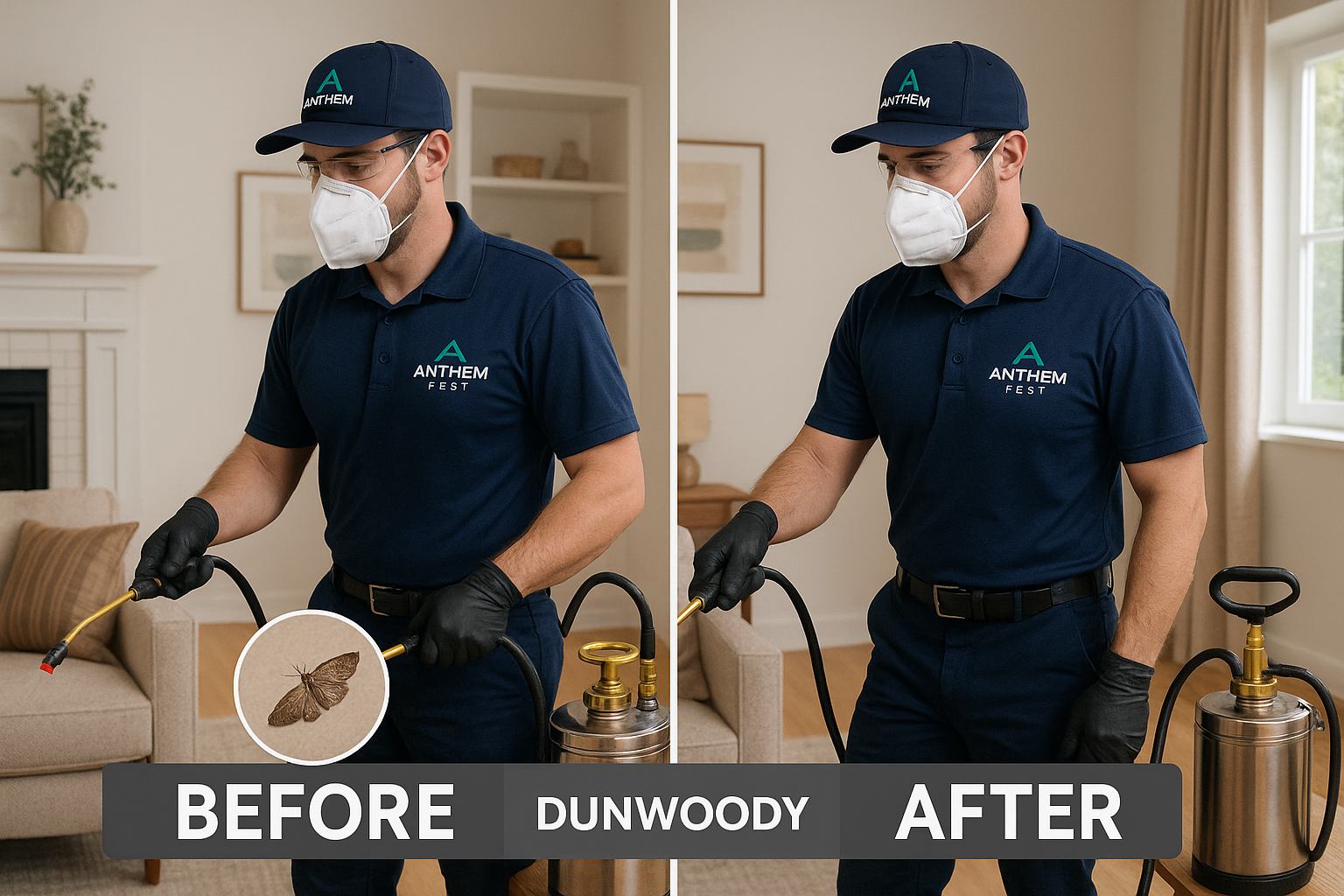
The “before” scenario involved visible moth larvae along carpet seams, a faint webbing odor, and resident complaints about damage to upholstery. The “after” snapshot showed pristine carpets, no signs of larvae, and a noticeable drop in resident service calls. The association praised the swift turnaround, noting that the prompt resolution prevented potential legal claims and preserved the building’s aesthetic appeal.
Key Takeaways
- Speed: Both cases demonstrate that Anthem can neutralize moth problems in as little as one to two days, minimizing disruption to daily life.
- Cost‑effectiveness: A single, well‑executed visit saved the Brookhaven family $400 in product loss and avoided the need for multiple follow‑up treatments.
- Resident satisfaction: Positive testimonials and reduced complaint volumes highlight the peace of mind homeowners experience after a professional, transparent service.
Moth FAQs for Dunwoody Residents
How long does treatment take?
When Anthem Pest’s technician arrives, the on‑site application typically lasts 30–45 minutes. We focus on the infested areas—wardrobes, closets, and any hidden cracks—so you’ll see the work done quickly and efficiently. The chemical action begins immediately, but full eradication often requires 1–2 weeks of monitoring as the product works through the moth life cycle. During this period we advise you to keep treated zones undisturbed and to follow any post‑treatment instructions, such as vacuuming and laundering fabrics. This timeline aligns with the EPA’s guidance on pesticide exposure and efficacy, which recommends a monitoring window to ensure complete control.
Are the chemicals safe for kids and pets?
Yes. All products we use are EPA‑approved and meet the agency’s strict safety standards for residential use. Anthem follows an integrated pest‑management (IPM) approach, which means we apply the lowest effective dose, target only the problem areas, and combine chemical treatment with preventive measures like sealing entry points and reducing food sources. The EPA’s “Pesticide Registration” program requires extensive testing for acute toxicity, chronic effects, and environmental impact before a product can be sold for home use. By adhering to these standards, we minimize any risk to children, pets, and the surrounding ecosystem while still delivering fast, reliable moth control.
Will I need repeat visits?
In most cases, a single, well‑executed treatment resolves the infestation. Our technicians calibrate the dosage and placement to hit the moth population at its most vulnerable stages, often eliminating the problem in one visit. However, homes with high‑risk factors—such as extensive carpeting, multiple storage areas, or a history of recurring moth activity—may benefit from a follow‑up visit within 30 days. This additional check allows us to verify that the life cycle has been fully interrupted and to address any lingering eggs or larvae. The EPA’s “Pesticide Use and Application” recommendations support follow‑up inspections for persistent pests to ensure long‑term effectiveness and to prevent re‑infestation.
Take Action Today – Free Quote from Anthem Pest
When a moth finds its way into your pantry, the damage can spread faster than you think. A single adult can lay hundreds of eggs, and the resulting larvae will chew through stored grains, cereals, and even fabrics, turning a simple nuisance into a costly loss. Beyond the obvious food waste, certain moth species can trigger allergic reactions or exacerbate asthma, especially for children and seniors. The longer an infestation goes unchecked, the more you risk structural damage to cabinets and the greater the expense of a full‑scale remediation. Acting now is the most effective way to protect your family’s health, preserve your groceries, and avoid unnecessary repair bills.
Anthem Pest Control brings a uniquely local advantage to Dunwoody homeowners. Our technicians live and work in the community, so they know the seasonal patterns that drive moth activity in Georgia. We guarantee a 24‑hour response window, meaning you won’t be left waiting days for an inspection. Our pricing is transparent from the first call—no hidden fees, no surprise add‑ons—so you can budget confidently and understand exactly what each step of the treatment entails. Whether it’s a quick spot‑treatment for a single pantry or a comprehensive sweep of the entire home, we tailor the solution to fit your specific situation.
Ready to take the first step? A free, no‑obligation inspection is just a phone call or a few clicks away. Our friendly team will schedule a visit at a time that works for you, assess the extent of the moth activity, and provide a detailed quote that outlines every recommended action. You can reach us directly at 877‑371‑8196, or simply fill out the online request form on our website for a prompt response.
Whether you’ve just spotted a single moth or suspect a hidden infestation, our certified technicians are ready to restore peace of mind to your home.
Don’t let a small problem become a big one. Visit Anthem Pest Control now to connect with a trusted moth exterminator Dunwoody homeowners rely on, claim your free quote, and start protecting your home today.