Why Mouse Problems Matter for Homeowners
When a tiny mouse scurries across your kitchen floor, the momentary surprise is just the tip of a larger issue. Rodents can multiply quickly, turn a single sighting into a full-blown infestation, and the consequences reach far beyond an inconvenient sighting—often signaling the need for a mouse exterminator Decatur homeowners can rely on to protect their family, belongings, and peace of mind.
Common Mouse Species Found in U.S. Homes
The two species that most homeowners encounter are the house mouse (Mus musculus) and the deer mouse (Peromyscus maniculatus). The house mouse thrives in any structure that offers food, water, and shelter, making it the classic “urban” rodent. Deer mice are more adaptable to rural and suburban settings; they can squeeze into attic insulation, crawl spaces, or even garden sheds. Both species share a remarkable ability to fit through openings as small as a quarter‑inch, which means even well‑sealed homes can harbor them if entry points are overlooked.
How Widespread Are Mice?
According to the National Pest Management Association, an estimated 30 million U.S. households report at least one mouse sighting each year. In the Southeast, where warm, humid conditions prevail, the numbers climb even higher, with studies indicating that up to 45 percent of homes experience mouse activity during the summer months. In Decatur, GA, the combination of older housing stock and dense vegetation creates an ideal corridor for rodents to move from nearby fields into residential yards.
Health Risks, Property Damage, and Lost Sleep
Beyond the obvious nuisance, mice pose real health threats. They are carriers of Hantavirus, Salmonella, and various parasites that can contaminate food surfaces through droppings, urine, and shed hair. A single mouse can chew through electrical wiring, insulation, and even drywall, raising the risk of fire or costly repairs. Moreover, the constant rustling and gnawing sounds can erode a homeowner’s sense of security, turning a comfortable home into a source of anxiety.
Economic and Emotional Costs
The financial toll of a mouse infestation often catches homeowners off guard. A single gnawed wire can trigger a short circuit, leading to expensive electrician fees, while damaged insulation forces costly HVAC repairs. The National Association of Home Builders estimates that rodent‑related repairs can add $1,200‑$3,500 to a typical home maintenance budget each year. Beyond dollars, the constant presence of mice erodes mental comfort; families report sleep disturbances and heightened stress after hearing nocturnal scurrying. These hidden costs compound the initial inconvenience, turning a small sighting into a long‑term burden that affects both the wallet and wellbeing.
Guidance from the EPA and the Path Forward
The U.S. Environmental Protection Agency (EPA) treats rodents as a “public health pest” and offers a comprehensive rodent management guide that stresses inspection, exclusion, and, when necessary, targeted treatment. Their recommendations align with Anthem Pest Control’s approach: identify entry points, seal them with durable materials, and employ safe, EPA‑registered products to eliminate the existing population. By following this framework, homeowners can move from reacting to a mouse sighting to proactively preventing an infestation.
Now that the stakes are clear, the next logical step is learning how to spot the early warning signs that a mouse is already inside. Recognizing droppings, gnaw marks, and subtle noises can give you the head start you need before the problem escalates into a costly emergency.
Spotting the Tell‑Tale Signs of a Mouse Infestation
When mice slip into a home, they rarely announce their arrival. Instead, they leave a breadcrumb trail of clues that, if you know where to look, can alert you long before the damage becomes obvious. Below is a practical checklist that lets you spot the warning signs early, so you can call Anthem Pest Control before a tiny visitor turns into a full‑blown infestation.
Common Visual Signs
Visual evidence is the most straightforward way to confirm mouse activity. Keep an eye out for these hallmarks:
- Droppings: Small, dark, rice‑shaped pellets about ¼‑inch long. They often appear in clusters along walls, behind appliances, or near food sources.
- Gnaw marks: Freshly chewed edges on wood, plastic, or wiring. Mice have a constant need to file down their incisors, so you’ll notice clean, shallow cuts that look almost like a saw blade.
- Shredded paper and “runways”: Mice use paper, tissue, or insulation to build nests. Look for long, narrow trails of shredded material leading to hidden corners.
- Grease smears: As they travel along walls, mice leave a faint, oily residue that can appear as a dark streak on baseboards or cabinetry.

Auditory Clues
Even if you don’t see the critters, you might hear them. Mice are most active at night, and their movements produce distinct sounds:
- Scratching in walls or ceilings: A faint, intermittent rustle as they scurry along insulation or chew through drywall.
- Running in attics or crawl spaces: A rapid patter that intensifies when you’re quiet—often mistaken for the house settling.
- Gnawing on stored items: A high‑pitched squeak when they bite through cardboard or plastic containers.
Smell Cues
Mouse urine carries a musky, ammonia‑like odor that becomes noticeable in enclosed spaces. If you detect an inexplicable, slightly sour scent near pantry shelves, under sinks, or in the garage, it’s a strong indicator that rodents have claimed the area.
Behavioral Hints
Mice are opportunistic thieves. Their presence often manifests in subtle changes to your household routine:
- Food pilfering: Packages of cereal, pet food, or grains that seem to disappear faster than usual.
- Gnawed food containers: Plastic bags or foil wrappers with bite marks, especially around the edges.
- “Runways” of shredded material: Thin paths of torn paper or fabric leading from a food source to a hidden nest site.
Quick Tip: Safely Inspect Hidden Areas
Finding mice isn’t about tearing apart your home; it’s about a systematic, low‑risk inspection. Follow these steps to uncover hidden activity without exposing yourself to hazards:
- Turn off power: Before lifting appliances or opening cabinets, switch off the circuit breaker to avoid accidental contact with chewed wiring.
- Move appliances: Slide a refrigerator, stove, or dishwasher away from the wall to expose the back panel. Use a flashlight to scan for droppings or gnaw marks.
- Check under sinks: Pull the cabinet doors open, look behind the pipe elbows, and feel for any soft, shredded nests.
- Inspect crawl spaces: If you have a basement or attic hatch, use a sturdy ladder and a headlamp. Look for droppings along joists and any gnawed insulation.
- Document findings: Take photos of any evidence. This helps Anthem Pest Control pinpoint entry points and tailor a treatment plan.
By mastering this checklist, you’ll catch mouse activity early, protect your home’s structure, and give Anthem Pest Control the information it needs to deliver fast, effective relief. Remember, the sooner you act, the easier it is to keep your family and belongings safe from these stealthy invaders.
Health Risks and Property Damage Caused by Mice
When a mouse finds its way into your Decatur home, the problem goes far beyond the occasional squeak in the walls. These tiny rodents are carriers of serious diseases, trigger allergic reactions, and can silently chew through the very structure that keeps your family safe. Understanding the full scope of the threat makes the case for rapid, professional control clear.
Disease Vectors: What Mice Can Bring Into Your Home
Mice are more than just a nuisance; they are efficient disease vectors. A single mouse can harbor Hantavirus, a respiratory illness that can be fatal if untreated, as well as salmonella, which causes food poisoning, and leptospirosis, a bacterial infection that can affect the kidneys and liver. These pathogens are typically transmitted through droppings, urine, or saliva that contaminate surfaces, food, and water sources. Symptoms may appear within days—fever, muscle aches, coughing, or gastrointestinal distress—making early detection difficult. The U.S. Environmental Protection Agency notes that these diseases are a direct result of rodent activity in homes.
Allergens and Asthma Triggers
Even if you never feel ill from a disease, mouse urine and dander are potent allergens. When these microscopic particles become airborne, they can settle in carpet fibers, upholstery, and ventilation ducts. For homeowners with asthma or respiratory sensitivities, exposure can trigger wheezing, coughing, and severe asthma attacks. Children, whose immune systems are still developing, and pets are especially vulnerable; a single exposure can set off chronic sneezing or skin irritation that persists long after the rodents are gone.
Structural Damage: The Hidden Costs Behind the Gnawing
One of the most insidious ways mice damage a home is through gnawing. Their constantly growing incisors force them to chew on almost anything they encounter. The most dangerous targets include:
- Electrical wiring – A chewed wire can spark, creating a fire hazard that endangers the entire household.
- Insulation – Mice strip insulation to build nests, reducing thermal efficiency and raising heating bills.
- Wood framing and cabinetry – Repeated gnawing weakens structural members, leading to costly repairs and, in extreme cases, compromised building integrity.
- HVAC ducts and plumbing – Mice can infiltrate vents and pipe chases, contaminating air flow and creating blockages that require professional cleaning.
Food Contamination and Pantry Loss
Mouse droppings, urine, and hair can infiltrate stored food, rendering it unsafe to eat. A single mouse can contaminate an entire pantry in a matter of days, forcing homeowners to discard expensive staples—cereals, grains, canned goods, and even pet food. The contamination not only creates a financial loss but also encourages bacterial growth that can spread to other surfaces, turning a simple pantry problem into a full‑scale hygiene issue.
Financial Impact: Repair Costs vs. Preventive Measures
When mouse damage goes unchecked, the repair bill can quickly outpace the cost of a professional prevention program. Below is a quick snapshot of typical expenses in the Decatur area:
| Issue | Average Repair Cost | Preventive Service Cost (Annual) |
|---|---|---|
| Electrical wiring repair | $300 – $1,200 | $150 – $300 |
| Insulation replacement (partial) | $400 – $900 | |
| Wood framing repair | $800 – $2,500 | |
| Pantry food loss | $150 – $500 |
Even at the low end, the cumulative cost of repairs can exceed $2,000, while a comprehensive mouse control plan from a reputable provider typically stays under $300 per year. Homeowners may also face higher insurance premiums after a fire caused by chewed wiring, adding hidden costs that compound the initial repair expenses.
“Rodents can cause significant health and property issues.” – U.S. Environmental Protection Agency
Why Prompt Action Matters
Every day a mouse remains in your home, the risk multiplies. Disease exposure can happen within hours, allergic reactions can intensify with each new droplet of urine, and structural damage compounds as the rodent expands its nest. Homeowners who act quickly—by sealing entry points, removing food sources, and calling a licensed exterminator—protect both their family’s health and their wallet.
At Anthem Pest Control, we combine thorough inspections with targeted treatments that address the source of the infestation, not just the visible signs. Our preventive packages are designed to keep mice out year‑round, giving you peace of mind and a healthier, safer home.
Proven Prevention Strategies to Keep Mice Out
Seal Every Possible Entry Point
Before a mouse can set up camp, it must first slip through a gap. Homeowners can block those pathways with a few inexpensive tools:
- Caulk all cracks around baseboards, windows, and where pipes enter walls. Silicone‑based caulk remains flexible and resists weathering.
- Stuff steel wool into larger holes, especially around vent openings and utility penetrations. The coarse fibers irritate a mouse’s paws, making the space impassable.
- Install door sweeps on exterior doors and garage entries. A simple rubber sweep eliminates the ½‑inch gap that rodents love.
- Repair damaged screens on vents, chimneys, and crawl‑space fans. A patch of mesh is far cheaper than a professional seal‑up later.
Landscape Tweaks That Deny Shelter
Even a well‑sealed house can invite mice if the surrounding yard offers easy cover and food. Simple landscaping habits create a hostile perimeter:
- Trim vegetation so that shrubs and trees are at least 2 feet away from the foundation. Overhanging branches act as highways for rodents.
- Remove debris such as leaf piles, old pallets, or discarded building materials. These items become nesting sites within minutes.
- Store firewood at least 20 feet from the house and elevate it off the ground on a pallet. Keep the stack tidy and rotate stock to prevent long‑term moisture buildup.
- Maintain a clear perimeter by sweeping away fallen fruit, birdseed, or pet food that might attract mice.
Food Storage Best Practices
Inside the home, food is the most compelling lure. A few disciplined habits keep the pantry mouse‑free:
- Airtight containers—use glass or heavy‑wall plastic with snap‑tight lids for cereals, grains, pet food, and dried goods.
- Prompt cleanup of crumbs and spills on countertops, floors, and under appliances. A damp cloth wipes away scent trails that mice follow.
- Refrigerate or freeze bulk items like nuts or seeds that are not used daily.
- Never leave food out overnight, especially after meals or when entertaining guests.
Proper Waste Management
Trash bins can become a buffet if not handled correctly. Follow these low‑cost steps to keep waste unattractive:
- Use sealed containers with tight‑fitting lids for kitchen trash and recycling.
- Empty bins regularly, at least once a week, and more often during summer when food decomposes faster.
- Clean the interior of trash cans with a mild disinfectant to remove residue that draws mice.
- Keep outdoor dumpsters at least 10 feet from the house and on a hard surface to discourage burrowing.
Natural Repellents: What Works and What Doesn’t
Many homeowners reach for peppermint oil, mothballs, or ultrasonic devices hoping for a chemical‑free solution. Here’s the realistic picture:
- Peppermint oil can mask scent trails temporarily, but its effect fades after a few days. Reapply every 2‑3 days for any noticeable benefit, and combine it with physical barriers for lasting protection.
- Mothballs release naphthalene, a toxic vapor that may deter rodents, but the chemical is hazardous to pets and children and is illegal in some jurisdictions.
- Ultrasonic repellents claim to emit high‑frequency sounds that mice cannot tolerate. Studies show mixed results; many rodents quickly acclimate, rendering the devices ineffective.
- Best practice: Use natural repellents as a supplementary measure, not a replacement for sealing entry points and maintaining cleanliness.
Seasonal Inspection Checklist
Preventive work is most effective when it’s routine. Use the table below as a month‑by‑month guide to keep your home mouse‑proof year‑round.
| Month | Key Inspection Tasks |
|---|---|
| January | Check for gaps around heating ducts; ensure door sweeps are intact. |
| February | Inspect garage and crawl‑space vents; replace any cracked caulk. |
| March | Trim shrubs away from the foundation; clear leaf litter before spring growth. |
| April | Store firewood off the house; verify trash cans have tight lids. |
| May | Seal any new cracks from winter settlement; check attic access points. |
| June | Deep‑clean kitchen appliances; rotate pantry stock and re‑seal containers. |
| July | Inspect outdoor lighting for gaps that attract insects (and subsequently rodents). |
| August | Remove debris from the yard after summer storms; reinforce door sweeps. |
| September | Check basement windows and foundation for water‑induced cracks. |
| October | Store seasonal decorations in sealed containers; clear fallen leaves. |
| November | Inspect chimney caps and vent screens before heating season begins. |
| December | Perform a final walkthrough of all entry points; refresh peppermint oil spots if used. |
By integrating these low‑cost, DIY steps into your regular home‑maintenance routine, you dramatically lower the odds of a mouse invasion. If you ever suspect an infestation despite your best efforts, contact Anthem Pest Control at 877‑371‑8196 for a professional inspection and targeted treatment.
Treatment Options and Pricing – What Homeowners Should Expect
DIY Mouse Control: What You Can Do Yourself
Many homeowners start with a do-it-yourself approach because the supplies are cheap and the solution feels immediate. The most common DIY tools are snap traps, glue boards, and bait stations, but these methods often fall short compared to the long-term results a professional mouse exterminator Decatur homeowners trust can provide.
- Snap traps – Quick kill, inexpensive, and reusable. They work best when placed along walls, behind appliances, and near known activity. Cons: Requires careful placement to avoid accidental injury to children or pets.
- Glue boards – Simple to set up and silent. They’re useful in tight spaces where a snap trap won’t fit. Cons: The mouse remains alive, which can be unsettling, and the boards need frequent replacement.
- Bait stations – Contain anticoagulant poison that mice ingest and die away from the trap. They’re effective for moderate infestations. Cons: Must be locked away from kids and pets; improper handling can pose health risks.
DIY methods can keep costs under $30 for a single weekend, but they often miss hidden entry points and fail to address a larger population. Safety is paramount: wear gloves, keep traps out of reach of children, and follow label instructions on any poison‑based product.
Professional Mouse Control: What the Experts Do
When the problem spreads beyond a few sight‑ings, a licensed pest‑control provider brings a systematic, long‑term plan to the table. A typical professional service includes:
- Comprehensive inspection – Technicians examine interior and exterior zones, locate nesting sites, and identify structural gaps.
- Targeted baiting – Commercial‑grade bait stations are placed strategically, often with tamper‑resistant designs for safety.
- Exclusion work – All discovered entry points—cracks, vents, utility openings—are sealed with steel wool, caulk, or metal flashing.
- Follow‑up visits – One to two additional appointments ensure the bait is effective and any new activity is caught early.
This approach not only reduces the current mouse count but also prevents future invasions, delivering peace of mind that a DIY kit simply cannot guarantee.
Fast‑Track Same‑Day Extermination vs. Standard Service
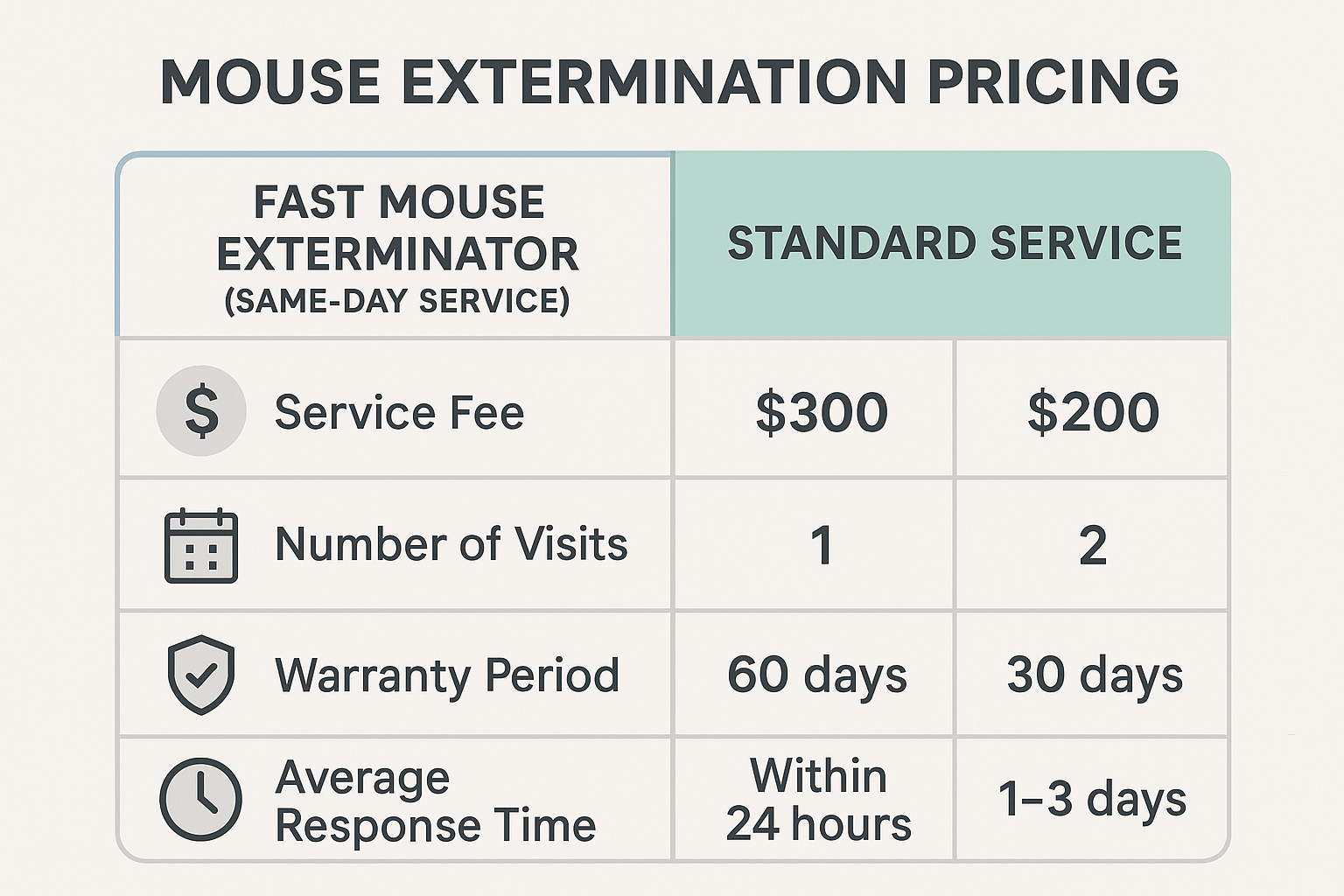
Some companies, including Anthem Pest Control, offer a “fast‑track” option for urgent situations. With same‑day extermination, a technician arrives within hours of the call, sets up bait, and performs immediate exclusion. The goal is rapid relief for households facing health‑related concerns or a sudden surge in activity.
Standard service follows a more measured schedule: an initial inspection, bait placement, and a follow‑up visit after 7–10 days to assess results. While it takes a bit longer, the standard route often yields a more thorough eradication because it allows time for mice to encounter the bait and for technicians to verify that all entry points are sealed.
What Drives the Cost of Mouse Control?
Pricing isn’t a one‑size‑fits‑all figure. Several variables influence the final invoice:
- Infestation severity – A single mouse requires fewer traps and less labor than a colony hidden behind walls.
- Property size – Larger homes or multi‑unit buildings need more bait stations and additional inspection time.
- Geographic location – Urban areas with higher rodent pressure may command higher rates for specialized products and faster response.
- Service level – Same‑day fast‑track, standard, or a comprehensive prevention package each carry distinct price points.
Understanding these factors helps homeowners compare quotes objectively rather than focusing solely on the headline number.
How Anthem Pest Control Packages Its Services
Anthem Pest Control structures its mouse‑control offerings into three clear tiers:
- Basic – One‑time inspection, bait placement, and a single follow‑up. Ideal for low‑level activity.
- Standard – Includes the basic package plus exclusion work and a 30‑day warranty on re‑infestation.
- Premium Fast‑Track – Same‑day response, comprehensive exclusion, and a 60‑day guarantee, perfect for urgent or severe cases.
Each tier is priced transparently, with the infographic above illustrating the differences in fee, number of visits, warranty length, and response time. Homeowners can choose the level that matches their urgency and budget, knowing exactly what they’ll receive without hidden add‑ons.
Seasonal Mouse Activity in Decatur, GA and Timing Your Treatment
Decatur’s humid subtropical climate is a playground for mice. Warm summers, mild winters, and a steady supply of rain create the perfect conditions for rodents to move in, breed, and look for shelter inside homes—often leading homeowners to seek help from a mouse exterminator Decatur residents can trust. Understanding how the weather shapes mouse behavior lets you stay one step ahead, so you can stop an infestation before it becomes a full-blown problem.
How Decatur’s Climate Drives Rodent Patterns
In Decatur, average temperatures climb above 80°F (27°C) from June through September, while winter lows rarely dip below 30°F (‑1°C). The long, warm growing season means food sources such as insects, seeds, and garden produce are available for most of the year. When outdoor conditions become too hot or too cold, mice retreat to the warmth of your attic, walls, or crawl spaces, seeking both shelter and a steady food supply.
Tracking these seasonal swings lets you plan interventions at the moments when they’ll have the greatest impact, ultimately saving you time, money, and the stress of dealing with a full‑scale infestation.

Seasonal Activity Chart
| Month | Activity Level |
|---|---|
| January | Low |
| February | Low |
| March | Medium |
| April | Medium |
| May | Medium |
| June | High |
| July | High |
| August | High |
| September | High |
| October | Medium |
| November | Medium |
| December | Low |
What to Do in Each Season
Winter (Jan‑Feb, Dec) – Activity is at its lowest, but mice are still seeking warmth. This is the ideal time to perform a thorough exterior inspection. Seal cracks around foundations, vents, and utility openings. Replace damaged weather‑stripping on doors and windows, and store firewood at least 18 inches off the ground.
Spring (Mar‑May) – As temperatures rise, mouse populations begin to expand. Focus on intensive sealing of any new gaps that may have opened during winter storms. Install door sweeps, repair screened porches, and trim vegetation away from the house to eliminate easy climbing routes. Early‑season trapping can catch newcomers before they establish permanent nests.
Summer (Jun‑Sep) – This is the high‑activity window. Expect the most sightings and the greatest risk of damage. Check existing traps weekly, replace bait, and consider adding perimeter bait stations if you have a persistent problem. Keep indoor food stored in airtight containers, and maintain a clean kitchen to reduce attractants. Reinforce attic insulation and verify that vent covers remain intact, because any breach can become a direct highway for summer‑seeking mice.
Fall (Oct‑Nov) – Activity tapers but mice start preparing for the cooler months. Conduct a second round of sealing, especially around roof eaves, soffits, and attic vents. Replace any damaged insulation that could provide nesting material. A quick visual inspection of your crawl space can reveal early signs of re‑entry. Adding door sweeps before the furnace fires up gives mice fewer entry points when indoor heat becomes attractive.
Why Heating and Cooling Cycles Matter
When you turn on indoor heating in late fall, you create a warm refuge that draws mice from the yard into your walls. Conversely, running an air‑conditioner in summer can push rodents toward cooler, darker spaces such as basements or crawl spaces. Aligning your pest‑control actions with these HVAC cycles—like sealing gaps before the furnace kicks on—reduces the lure of your home as a seasonal haven. Additionally, keeping interior doors closed and using draft stoppers on exterior doors minimizes the temperature gradients that entice mice to explore interior voids.
Schedule a Professional Inspection Before the Surge
The smartest move is to book a professional inspection with Anthem Pest Control before the high‑activity period begins in June. Our technicians know the local building styles, common entry points, and the most effective bait and trap placements for Decatur homes. During the visit we’ll inspect attics, crawl spaces, and foundation cracks, set up targeted bait stations, and provide a detailed action plan you can follow. A pre‑emptive visit lets us create a customized prevention plan, apply targeted treatments, and give you a clear checklist for homeowner follow‑up.
By syncing your DIY efforts with the natural rhythm of mouse activity—and backing them up with a timely professional inspection—you’ll keep your home mouse‑free year after year.
Secure Your Home Today with Anthem Pest Control

When it comes to mouse invasions, timing is everything. Catching the problem early means you can stop a few curious critters before they turn your attic, walls, or pantry into a full‑blown infestation. Early detection gives you the upper hand, allowing simple preventive steps—like sealing entry points and removing food sources—to keep rodents at bay. But when the signs appear, professional treatment becomes the safest, most reliable way to protect your home and your family.
Anthem Pest Control’s rodent program is built around that exact philosophy. We start with a thorough inspection to pinpoint where mice are entering, nesting, and traveling. From there, we deploy EPA‑approved bait stations, traps, and exclusion techniques that target the pests without compromising the health of your children, pets, or indoor air quality. Our certified technicians know the local habits of Decatur’s mouse populations, so you get a solution that works where it matters most.
Beyond immediate removal, we focus on long‑term prevention. Our exclusion services seal cracks, gaps, and utility openings that rodents love to exploit. We also set up ongoing monitoring devices that alert us—and you—if activity spikes again. Think of it as a security system for your home’s smallest, most unwanted guests. By staying vigilant, you avoid costly repeat visits and the stress of watching droppings reappear in corners you thought were clean.
Transparency is a core promise at Anthem. Every treatment plan comes with clear, upfront pricing—no hidden fees, no surprise add‑ons. You’ll know exactly what you’re paying for, whether it’s a one‑time extermination, a seasonal exclusion package, or a year‑long monitoring contract. All our products meet or exceed EPA standards, so you can rest easy knowing the chemicals we use are both effective against rodents and safe for the people and pets you love.
If you’ve noticed gnaw marks, droppings, or the faint rustle of tiny feet in your walls, you’ve already taken the first step: awareness. The next step is simple—pick up the phone and let a certified technician handle the rest. Our team is ready to schedule a free, no‑obligation quote, answer any questions you have about the process, and walk you through the exact steps we’ll take to secure your home.
Give us a call today at 877‑371‑8196. One of our friendly representatives will set up a convenient time for an on‑site assessment, explain our EPA‑compliant methods, and provide a transparent estimate that fits your budget. Whether you’re dealing with a current mouse problem or just want the peace of mind that comes with proactive protection, Anthem Pest Control has you covered.
Ready to protect your home and reclaim every corner from unwanted visitors? Visit Anthem Pest Control now to connect with a trusted mouse exterminator Decatur homeowners rely on, learn more about our comprehensive rodent services, read customer testimonials, and schedule your free quote. Your home deserves the fast, reliable relief that only a local expert can deliver.