Why Rats Are a Growing Concern in Decatur, GA

Decatur’s humid subtropical climate creates the perfect backdrop for rodent activity, making the need for a rat exterminator Decatur homeowners can rely on increasingly important. Warm summers, mild winters, and frequent rain keep the ground moist, which encourages rats to seek shelter and food near human dwellings. Coupled with the city’s growing urban density—apartment complexes, tightly packed single-family homes, and bustling commercial strips—there are plenty of hidden pathways for rats to move from one structure to another.
Recent reports from the Decatur Police Department and local health officials show a noticeable uptick in rat sightings over the past two years. 311 calls for rodent complaints rose by 18 % in 2023 compared with 2021, and neighbors in historic districts are reporting droppings and gnaw marks more frequently. These trends aren’t just anecdotal; they reflect a genuine surge in the local rat population.
When a rat infestation goes unchecked, the consequences hit both your wallet and your well‑being. Property damage can be extensive—rats chew through electrical wiring, insulation, and even structural wood, creating fire hazards and costly repairs. Health risks are equally alarming; rats are carriers of diseases such as leptospirosis, hantavirus, and salmonella, which can spread through contaminated food, water, or direct contact with droppings.
- Economic impact: The EPA estimates that rodents cause more than $20 billion in property damage nationwide each year.
- Health impact: The CDC records roughly 7,000 cases of leptospirosis annually in the U.S., many linked to rodent exposure.
- Community impact: Persistent rat activity can lower property values and erode neighborhood confidence.
These national figures echo what homeowners in Decatur are experiencing on a local scale. A single unchecked infestation can quickly become a neighborhood problem, prompting increased pest‑control costs for everyone.
Understanding the scope of the issue is the first step toward protection. By recognizing the signs—fresh droppings, gnaw marks, squeaking at night, or a sudden increase in insects—you can act before rats establish a permanent foothold. Now that you know why rats are a growing concern, let’s explore how to spot an infestation early.
Spotting the Signs – How to Identify a Rat Infestation Early

Rats are stealthy, but they leave a trail. Recognizing the first clues can stop a small problem from becoming a costly nightmare.
Physical evidence you can’t ignore
- Droppings: Small, dark, rice‑shaped pellets found along walls, behind appliances, or in pantry corners.
- Gnaw marks: Fresh chew marks on wood, plastic, or wiring—often accompanied by a faint, oily sheen.
- Grease trails: A dark, smudged line where rats have traveled, especially near food sources.
- Nests: Shredded paper, fabric, or insulation tucked into hidden voids such as attics, crawl spaces, or wall cavities.
- Urine stains: Yellowish spots that may discolor paint or leave a lingering odor.
Auditory clues that signal activity
Rats are most active after dark. Listen for faint scratching or scurrying within walls, ceilings, or under floors. High‑pitched squeaks are common when they feel threatened or are communicating with a mate. These sounds are often louder in summer when rats are breeding. If you hear intermittent scratching for more than a week, it’s a strong indicator that a nest is nearby.
Behavioral patterns to watch
These rodents prefer warm, cluttered environments where food and shelter are abundant. Typical hotspots include:
- Kitchen cabinets and pantry shelves
- Basements or crawl spaces with stored boxes
- Garage corners near heat‑producing equipment
Clutter gives rats the perfect hiding places. Keep storage boxes off the floor, seal cardboard, and eliminate food crumbs to make your home less inviting. Because they are nocturnal, you may only notice damage during daylight inspections, making regular visual checks essential.
Health risks backed by the experts
Rats are more than a nuisance; they are vectors for serious diseases. The CDC warns that hantavirus can be transmitted through inhalation of contaminated droppings or urine. Leptospirosis, a bacterial infection affecting the kidneys, spreads through contact with rat urine. Additionally, the EPA lists salmonella as a common rodent‑related foodborne illness. Beyond disease, rat urine can corrode metal and damage paint, leading to repairs. Their gnawing also compromises insulation, raising heating bills.
Why early detection saves you money
Identifying rats before they establish a full‑scale colony prevents:
- Structural damage to insulation, wiring, and wooden framing
- Expensive repairs caused by gnawed electrical cables, which also pose fire hazards
- Increased treatment costs—early interventions often require fewer chemicals and less labor.
Early intervention involves setting snap traps or live‑catch traps in identified pathways, followed by sealing entry points. A professional can also apply rodent‑resistant baits meeting EPA safety standards. Act quickly to avoid costly fumigation later.
Next steps
Once you’ve confirmed the tell‑tale evidence, a targeted treatment plan—whether DIY traps or professional extermination—will be far more effective. Professional pest control specialists can assess the extent of the problem, seal entry points, and apply safe, EPA‑approved solutions to eradicate the rats and keep them from returning.
Treatment Options and Pricing for Fast Rat Extermination in Decatur
Common Treatment Methods
Homeowners in Decatur typically choose from five main rat-control tactics recommended by a professional rat exterminator Decatur residents trust: snap traps, electronic traps, bait stations, rodent-proofing, and fogging. Snap traps are the classic, low-cost option that delivers an instant kill. Electronic traps use a high-voltage shock to eliminate rodents quickly while allowing for easy disposal of the carcass. Bait stations contain anticoagulant or bromethalin poisons that work over several days, ideal for hidden infestations. Rodent-proofing involves sealing entry points, installing door sweeps, and reinforcing vulnerable openings to stop rats from getting inside. Fogging disperses a fine mist of rodenticide in hard-to-reach spaces, providing rapid coverage for severe outbreaks.
Pros and Cons of Each Method
- Snap Traps – Pros: Immediate result, inexpensive, no chemicals. Cons: Requires frequent checking, can be unsightly, limited to visible pathways.
- Electronic Traps – Pros: Quick kill, humane (no splatter), reusable. Cons: Higher upfront cost, needs power source.
- Bait Stations – Pros: Targets hidden nests, long‑term control. Cons: Requires careful placement away from children/pets, effectiveness depends on rat curiosity.
- Rodent‑Proofing – Pros: Prevents future invasions, protects property value. Cons: Upfront labor cost, must be combined with active treatment for existing rats.
- Fogging – Pros: Fast coverage of large areas, useful in attics or crawl spaces. Cons: Chemical exposure concerns, may need repeat applications.
Why a Professional Technician Makes a Difference
Anthem Pest’s certified technicians start with a thorough inspection to identify entry points, nesting sites, and activity hotspots. They then customize bait placement—choosing the right poison type, concentration, and trap density for your home’s layout. After the initial treatment, technicians return for follow‑up monitoring, adjusting strategies based on capture data and ensuring no survivors remain. This systematic approach shortens eradication time, reduces the risk of accidental poison exposure, and builds a long‑term barrier against re‑infestation.
Pricing Breakdown
Understanding costs helps you weigh DIY versus professional solutions. Below is a typical price range for Decatur homeowners, benchmarked against neighboring cities and the NPMA’s industry standards.
| Service Type | Decatur (USD) | Atlanta | Marietta | Standard NPMA Range |
|---|---|---|---|---|
| Snap‑Trap Installation (per 10 traps) | $120 | $130 | $125 | $100‑$150 |
| Electronic Trap Setup (per unit) | $180 | $190 | $185 | $150‑$200 |
| Bait Station Package (5 stations) | $250 | $260 | $255 | $220‑$300 |
| Full‑Service Rodent‑Proofing | $450 | $480 | $470 | $400‑$550 |
| Fogging (per 1,000 ft²) | $140 | $150 | $145 | $120‑$170 |
Hourly rates for on‑site technician work average $85 – $110 in Decatur. Seasonal discounts of 10‑15 % are often offered during the spring and fall, when rat activity spikes and proactive treatment is most effective.
Visual Pricing Guide
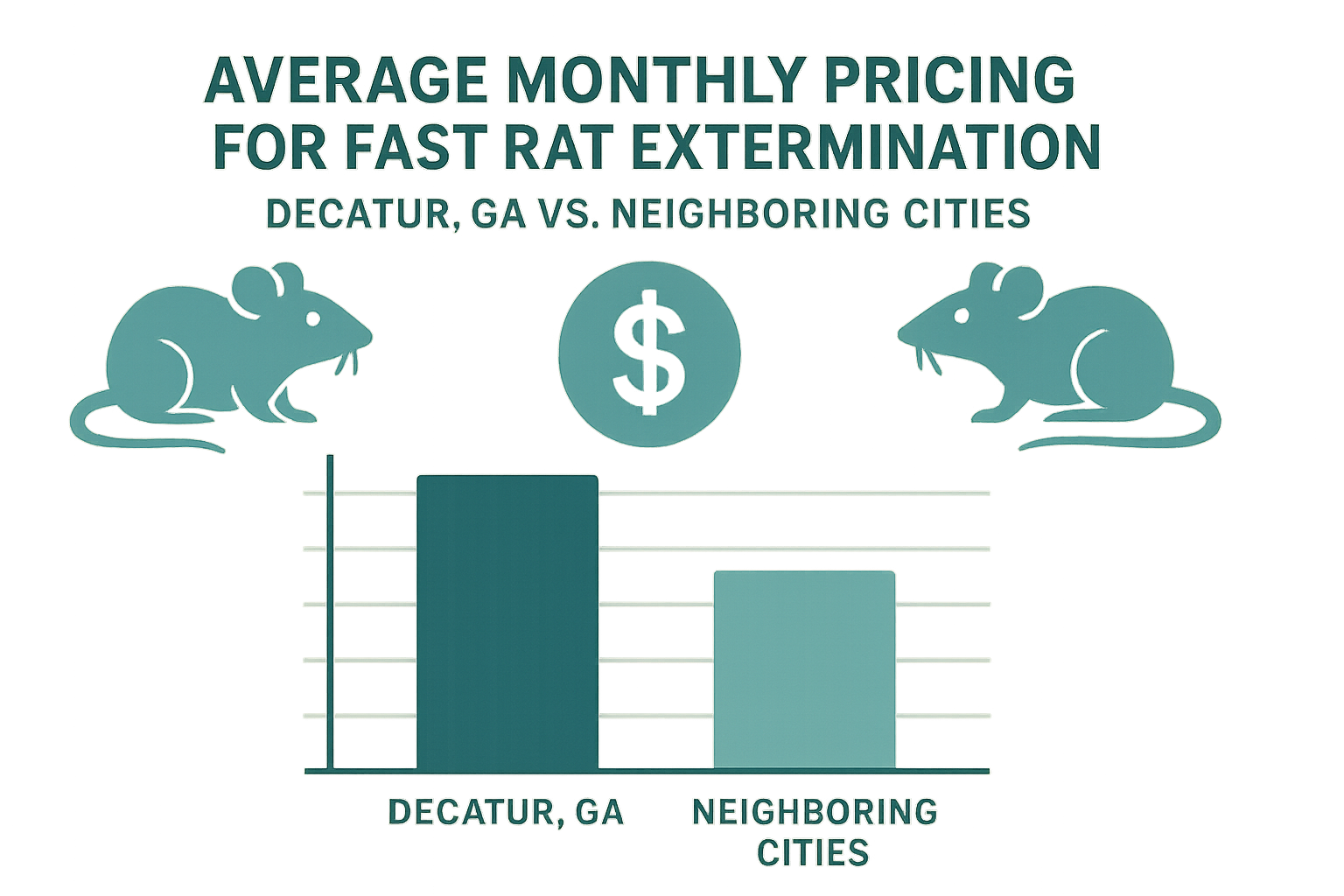
For a deeper dive into national pricing trends, consult the National Pest Management Association’s rodent‑control pricing standards. Whether you opt for a DIY trap kit or a full professional service, matching the method to your home’s layout and urgency will ensure the fastest, safest relief from unwanted rats.
Seasonal Rat Activity in Decarona and Prevention Strategies
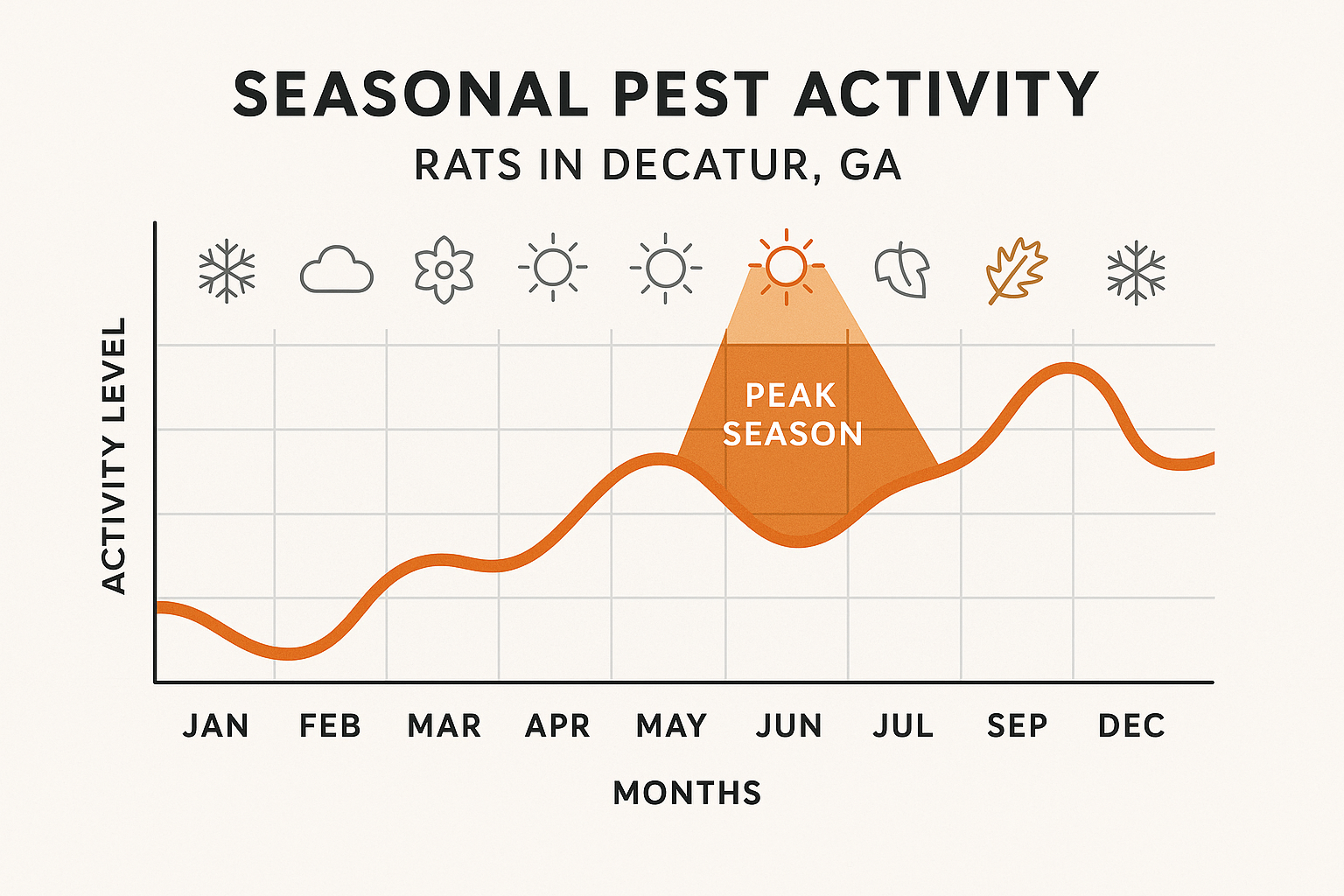
Seasonal Activity Overview
In Decatur, rats follow a predictable rhythm that mirrors the region’s climate and food supply—patterns a professional rat exterminator Decatur homeowners rely on understands well. The chart above shows a clear climb in sightings from July through November, with the highest concentration in September and October. Early spring (March–May) and mid-winter (January–February) see the lowest activity, but the population never disappears completely.
Why Late Summer Through Early Winter Is the Peak
Three key factors drive this surge:
- Temperature: Warm nights between 70‑80°F accelerate metabolism, allowing rats to forage longer and reproduce faster.
- Food Availability: Outdoor grilling, fallen fruit, and increased yard waste during harvest season give rodents an abundant buffet.
- Breeding Cycle: Female rats can produce up to five litters a year, with gestation lasting just 21 days. The summer months are ideal for mating, and the offspring reach maturity by early fall, swelling the local population.
Season‑by‑Season Prevention Checklist
- Spring (Mar–May):
- Inspect and seal foundation cracks before new seedlings emerge.
- Store garden tools and mulch away from building walls.
- Trim low‑lying branches that could serve as rat highways.
- Summer (Jun–Aug):
- Secure compost bins with tight‑fitting lids.
- Remove fallen fruit and debris daily.
- Keep outdoor grills clean and cover pet food after feeding.
- Fall (Sep–Nov):
- Clear leaf piles and store firewood at least 12 inches off the ground.
- Inspect attic vents and chimney caps for gaps.
- Reduce indoor clutter; rats love hidden storage spaces.
- Winter (Dec–Feb):
- Check for new entry points caused by frozen ground shifting.
- Maintain proper waste management—use sealed containers and dispose of trash regularly.
- Limit indoor food sources by storing pantry items in metal or heavy‑glass containers.
Regular Inspections Before the Surge
Schedule a visual walk‑through of your property at the start of each season. Look for gnaw marks, droppings, and fresh burrows. Early detection lets you address tiny openings before rats exploit them, saving you time and money.
Timing Professional Treatments for Maximum Impact
Our technicians recommend a pre‑emptive treatment in late May or early June—just before the breeding boom begins. A follow‑up service in late September helps knock down the second wave of activity. By aligning professional interventions with the chart’s peak periods, you stay one step ahead of the infestation and protect your home year‑round.
Protect Your Home Today with Anthem Pest Control
Rats don’t just chew through insulation—they can spread diseases, contaminate food, and cause costly structural damage. Detecting their activity early means you avoid emergency repairs and protect your family’s health. A prompt, professional response stops the infestation before it multiplies, saving you time, stress, and money. Beyond gnawed wires, rats leave droppings that trigger allergic reactions and can contaminate surfaces with pathogens like leptospirosis and salmonella.
Anthem Pest Control has spent years mastering fast, safe rat extermination for Decatur homeowners. Our technicians know the local building styles, common entry points, and the most effective baiting strategies for the Georgia climate. We combine proven chemical treatments with humane trapping, ensuring the problem disappears without risking your pets or children. Our crews arrive within 24 hours, follow EPA‑approved safety protocols, and use low‑odor products that protect indoor air quality while delivering rapid results.
When you choose Anthem, you get:
- Transparent pricing – no hidden fees, just a clear quote up front.
- Locally trained technicians who understand Decatur’s unique pest pressures.
- Satisfaction guarantee – we’ll re‑treat at no extra cost if rats return within the warranty period.
Plus, our customer service line is open seven days a week, so you can reach a knowledgeable specialist whenever a new sign appears.
Ready to take the next step? Request a free, no‑obligation quote and schedule an inspection that fits your calendar. Our friendly team will walk you through the process, answer any questions, and set up a treatment plan tailored to your home. We work around your schedule, offering evening and weekend appointments to minimize disruption to your daily routine.
Call us today at 877-371-8196 or visit Anthem Pest Control to claim your free quote from a trusted rat exterminator Decatur homeowners rely on. Fast, reliable rat control is just a phone call away—let’s protect your home together.