Understanding Rat Risks in Suwanee, GA
Suwanee’s mild winters, warm summers, and abundant green spaces create an ideal backdrop for rodent activity, which is why many homeowners eventually need a professional rat exterminator Suwanee residents can rely on. The city’s mix of single-family homes, townhouses, and well-kept yards provides plenty of shelter, while the nearby Chattahoochee River supplies a constant water source. These conditions attract both Norway rats (Rattus norvegicus) and roof rats (Rattus rattus), the two species most commonly reported in the area.
Public health risks
Rats are more than a nuisance; they are vectors for serious diseases. Leptospirosis can be spread through contaminated urine, while hantavirus—though rarer—poses a severe respiratory threat when aerosolized droppings are inhaled. In addition to health concerns, rats cause structural damage by gnawing on wiring, insulation, and wood, increasing the risk of fire and costly repairs.
Economic impact on homeowners
Beyond the immediate health hazards, a rat infestation can quickly become a financial drain. Homeowners often face:
- Repair bills averaging $1,200–$2,500 for chewed electrical wiring, drywall, and flooring.
- Loss of stored food and pantry items, which can total $150–$300 per incident.
- Higher utility bills caused by compromised insulation and damaged HVAC components.
These numbers illustrate why early detection matters. The faster you spot the signs, the less time rats have to multiply and cause irreversible damage.
Now that you understand the scope of the problem, let’s move on to recognizing the early warning signs of a rat infestation—so you can act before the situation escalates.
Spotting Rat Activity and Warning Signs
Physical signs you can’t ignore
Rats leave a trail of evidence that’s easy to miss if you’re not looking closely. Their droppings are the most common clue—typically ¼‑inch long, dark, and tapered at one end. You’ll find them in kitchens, pantries, and hidden corners of cabinets or behind appliances. Look for fresh piles that are still moist; older droppings turn dry and crumbly.
Gnaw marks are another giveaway. Rats need to keep their teeth trimmed, so they chew on wood, plastic, and even wiring. Notice shallow, parallel grooves around baseboards, on furniture legs, or along the edges of insulation. Urine stains appear as dark, greasy smears, especially near food sources, and they often have a strong, ammonia‑like odor.
Audible clues that signal a hidden problem
Rats are nocturnal, so the sounds they make are usually heard after dark. A persistent scratching or scurrying noise in walls or ceilings can indicate a nest or foraging activity. Squeaks—high‑pitched and intermittent—are typical of rats communicating with each other. In attic or crawl‑space insulation, you may also hear a faint rustling as they move through the material.
Visual evidence you might actually see
While many homeowners never see a rat, a live sighting is a clear red flag. Look for small, sleek bodies with pinkish ears and a long, hairless tail. In addition to sightings, you might spot rat tracks—four‑toed footprints that appear as dark smudges on dusty surfaces. Burrow entrances are usually 2‑3 inches wide, located near foundations, in garden beds, or along the exterior wall where soil meets the house.
Home inspection checklist
- Attic: Examine insulation for gnaw marks, droppings, and nesting material.
- Crawl spaces: Look for chew damage on joists and signs of urine stains on concrete.
- Basement: Check stored boxes and utility areas for droppings and gnaw holes.
- Kitchen cabinets: Open all doors and pull out shelves; dark pellets and droppings often hide behind food packages.
- Exterior foundation: Inspect the base of the house for burrow holes, shredded material, and grease‑smudged surfaces.
Why early detection matters for your health
Rats are more than a nuisance; they carry pathogens that can cause serious illnesses such as leptospirosis, hantavirus, and salmonellosis. The CDC guidance on rodent‑related health hazards outlines how droppings, urine, and saliva can contaminate food and surfaces, leading to disease transmission. Catching the problem early not only protects your family’s health but also saves you from costly structural damage and extensive extermination treatments.
Seasonal Patterns of Rat Infestations
Why rats are more active in certain months
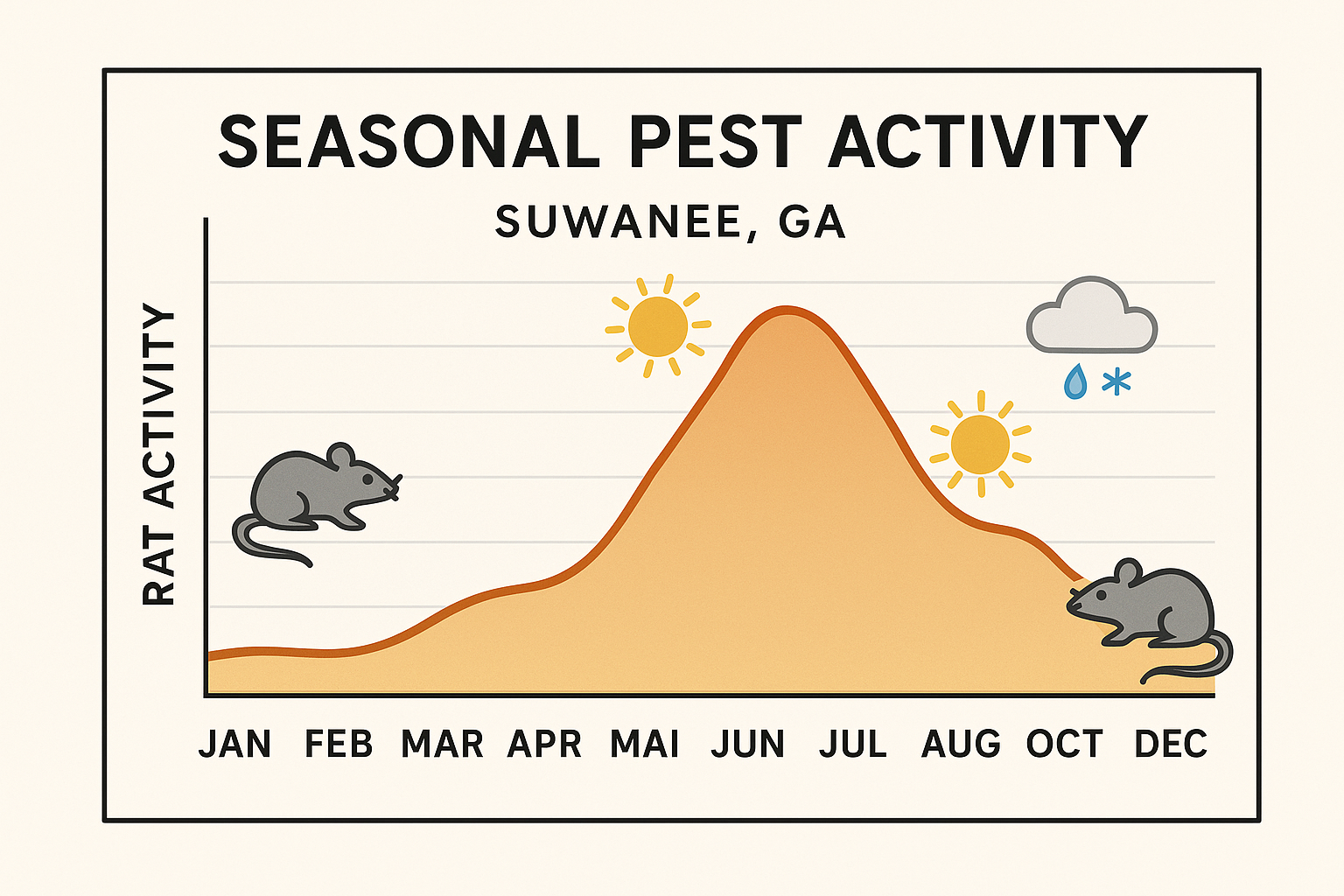
Rats in Suwanee follow a predictable rhythm that mirrors their breeding cycle and the availability of food. As temperatures rise in late spring, females begin to breed, producing litters that swell the population through summer and early fall. The combination of warm weather and abundant outdoor food sources—like fallen fruit, garden scraps, and open trash cans—creates a perfect environment for rapid growth.
Interpreting the seasonal rat activity chart
The line graph above tracks reported sightings and trap counts throughout the year, helping homeowners understand when contacting a rat exterminator Suwanee residents trust becomes most critical. Notice the steady climb from April, peaking in July and again in early September. Those spikes correspond to the height of the breeding season and the period when young rats venture out in search of food. After September, activity tapers off as cooler nights and reduced food drive the survivors back to their nests.
How weather extremes push rats indoors
Hot, dry summers can dehydrate outdoor rats, prompting them to seek cooler, moisture‑rich spaces—often inside your home’s crawl spaces, basements, or attic. Conversely, a wet fall brings heavy rains that flood burrows and force rats to relocate to dry, sheltered interiors. Both scenarios increase the likelihood of indoor sightings and gnawing damage.
Practical tip: time your professional inspection
To stay ahead of the surge, schedule a thorough inspection with Anthem Pest Control before the summer boom—ideally in late April or early May. Our technicians will identify entry points, assess food attractants, and set up preventive measures that keep rats from establishing a foothold before the breeding season reaches its peak.
- Mark your calendar for a pre‑summer inspection.
- Seal cracks, gaps, and utility openings as soon as they’re identified.
- Eliminate outdoor food sources: secure compost, clean up fallen fruit, and use rat‑proof trash containers.
- Consider a perimeter baiting program if you’ve had past infestations.
Treatment Options and What They Cost
How We Structure Our Services
At Anthem Pest Control, we group rat control into three clear service levels so Suwanee homeowners working with a trusted rat exterminator Suwanee residents rely on can pick the right fit for their budget and urgency.
- One‑time extermination – a single visit that eliminates the current infestation.
- Quarterly monitoring – scheduled inspections and trap maintenance to keep rats from returning.
- Emergency call‑outs – rapid response within 24 hours for severe or unexpected outbreaks.
One‑Time Extermination
This option focuses on immediate removal. Our technicians set a combination of snap traps, electronic traps, and bait stations, then conduct a thorough sweep of your property. After the visit, you receive a detailed report and recommendations for sealing entry points.
Quarterly Monitoring
Four visits per year give you peace of mind. Each appointment includes trap checks, bait replenishment, and a quick inspection for new openings. The recurring schedule deters rats before they can establish a colony, which often saves money compared to repeated one‑time treatments.
Emergency Call‑outs
When rats appear overnight, you need a fast solution. Our emergency team arrives within a day, deploys high‑efficiency electronic traps and targeted bait stations, and starts immediate exclusion work to stop further entry.
Key Control Methods
We use a blend of proven techniques, each with its own strengths:
- Snap traps – inexpensive, instant kill; best for low‑traffic wall voids.
- Electronic traps – humane, reusable, and provide a kill count for monitoring.
- Bait stations – concealed containers with anticoagulant poison; ideal for hidden runways.
- Exclusion techniques – sealing cracks, vents, and utility openings; the only permanent defense against re‑infestation.
DIY vs. Professional Services
Homeowners often wonder whether they can handle rat control themselves. Below is a quick side‑by‑side look:
| Factor | DIY | Professional |
|---|---|---|
| Up‑front cost | Low (traps $10‑$30 each) | Medium‑high (service $150‑$350) |
| Effectiveness | Variable, often missed entry points | High – includes exclusion and follow‑up |
| Time investment | Hours to days of monitoring | Minutes per visit, plus technician travel |
| Safety | Risk handling poison, improper placement | EPA‑approved products, trained handling |
Pricing Snapshot
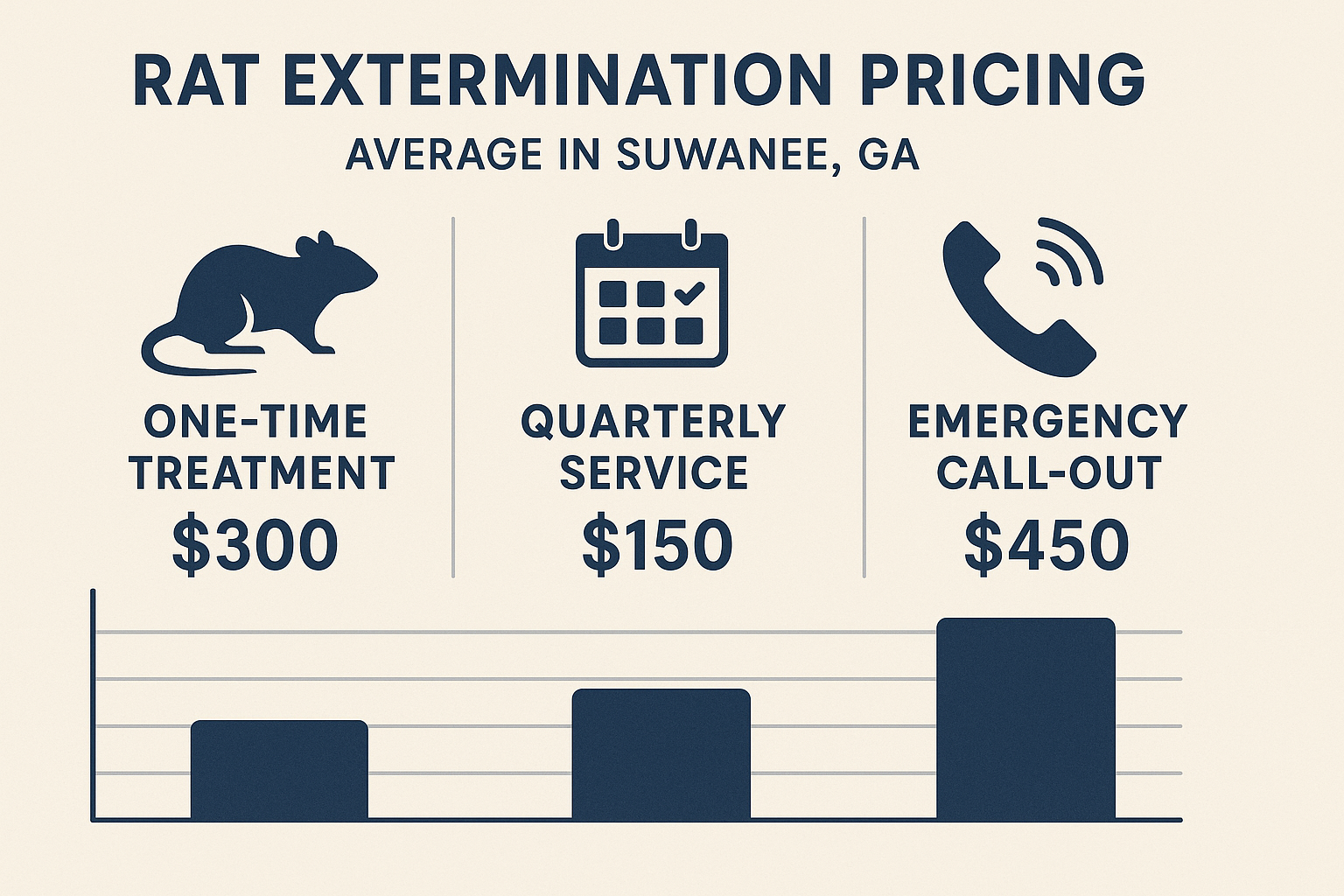
The infographic above breaks down typical price bands for each service level in Suwanee:
- One‑time extermination: $150 – $300 (depends on property size and trap density).
- Quarterly monitoring: $120 – $250 per visit, often bundled at $450 – $900 annually.
- Emergency call‑outs: $200 – $400 for same‑day response, plus any bait or trap costs.
These ranges include labor, materials, and a basic warranty that covers re‑treatment within 30 days if rats return.
Why a Comprehensive Plan Pays Off
Choosing a plan that couples immediate extermination with ongoing monitoring and exclusion delivers the best return on investment. The follow‑up visits let us verify trap counts, replace depleted bait, and tighten any newly discovered gaps. Our 12‑month warranty means you won’t face surprise fees if the rats try to come back.
In short, the upfront cost of working with a professional rat exterminator Suwanee homeowners trust is often lower than the cumulative expense of repeated DIY attempts, lost time, and potential property damage. Let Anthem Pest Control give you a clear, cost-transparent path to a rat-free home.
Preventive Measures for a Rat‑Free Home
After a successful extermination, the best way to keep rats from moving back in is to make your home uninviting. Simple, homeowner‑focused steps can seal off entry points, remove food sources, and create a landscape that discourages rodents. Below are the most effective prevention tactics you can start today.
Exterior Maintenance
Rats love to travel along vegetation and hide in clutter. Keep shrubs, tree branches, and vines trimmed at least a foot away from the house so they can’t use them as bridges. Store firewood on a raised platform or pallet—never let it sit directly on the ground where rats can burrow underneath. Finally, use sturdy, sealed containers for outdoor trash; a tightly fitted lid prevents curious noses from sniffing out food waste.
Structural Sealing
Even the tiniest gap can become a highway for rats. Install steel mesh (½‑inch hardware cloth) over larger openings such as crawl‑space vents and attic access points; rodents can’t chew through metal. Run a quality exterior caulk around window frames, door jambs, and any cracks in the foundation. Repair or replace damaged vent screens, and use expanding foam or metal plates to secure utility openings for electricity, plumbing, and cable lines. These barriers turn your home into a fortress that rats simply cannot breach.
Interior Habits
Inside the house, food is the biggest lure. Store pantry items in airtight containers made of glass or heavy‑wall plastic, and avoid leaving open bags of cereal, pet food, or birdseed. Clean up crumbs and spills immediately—especially in the kitchen and dining areas—because a single stray morsel can attract a whole colony. Keep garbage cans with tight‑fitting lids, and empty them regularly to eliminate lingering odors.
Landscaping Tips Specific to Suwanee
Georgia’s humid climate can create hidden moisture that rats love. Ensure proper drainage around your foundation by grading the soil away from the house and installing French drains where needed. Eliminate standing water in birdbaths, pet water dishes, and low‑lying garden beds. Keep mulch and leaf piles at least six inches away from the house; these organic layers become perfect nesting material when left undisturbed.
Role of a Professional Pest‑Control Technician
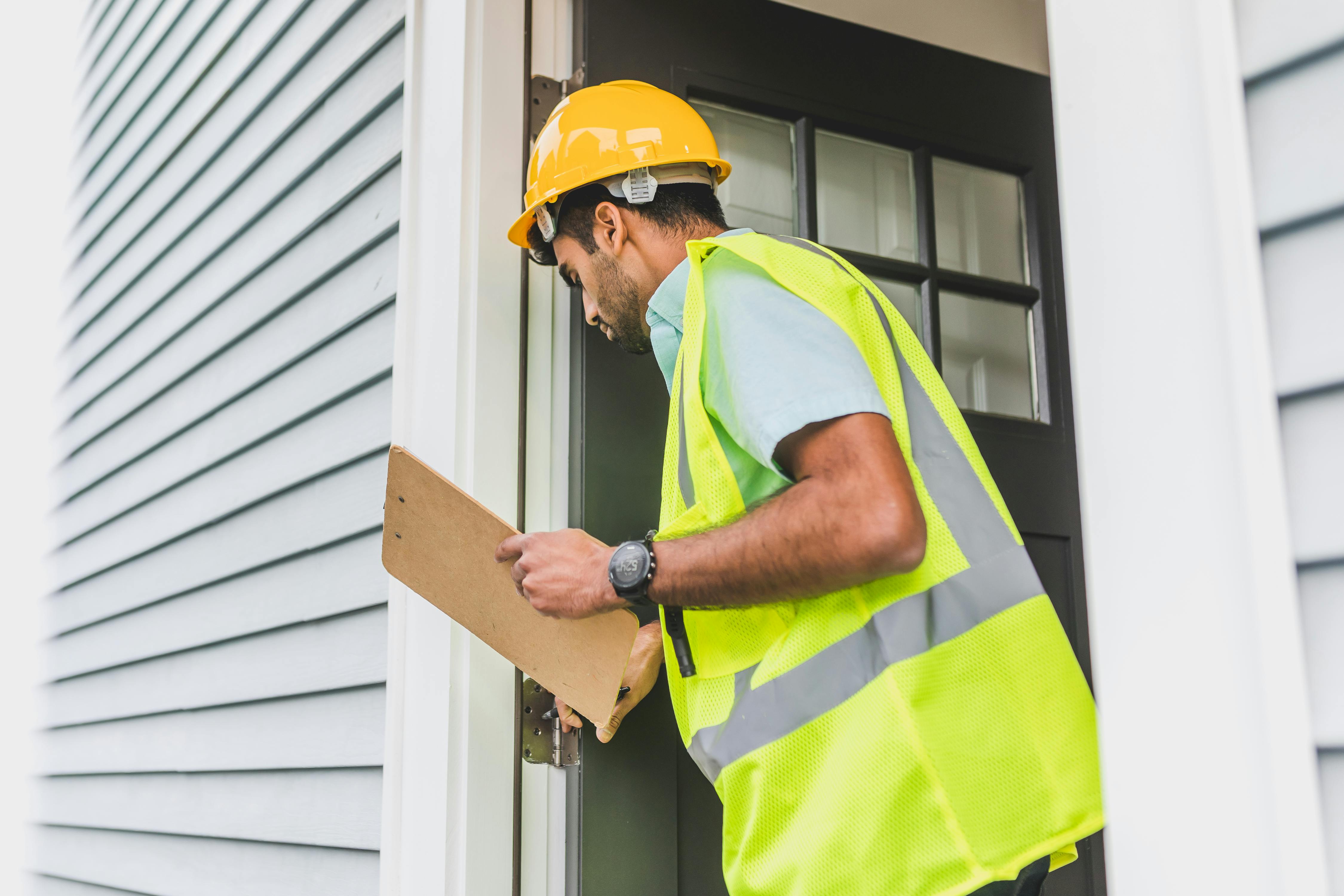
A certified technician from Anthem Pest Control, acting as a trusted rat exterminator Suwanee homeowners rely on, can perform a thorough exclusion audit that uncovers hidden entry points you might miss. During the audit, the technician inspects the exterior envelope, checks vent screens, and evaluates utility penetrations, then provides a detailed action plan tailored to your property. This professional eye ensures every potential pathway is sealed, giving you lasting peace of mind.
Take Action with Anthem Pest Control
Early detection, seasonal timing, and clear pricing are the three pillars that keep a rat problem from turning into a full‑blown emergency. Spotting droppings, gnaw marks, or unusual noises as soon as they appear gives you the advantage of treating the infestation before it spreads. Acting during the cooler months—when rats are looking for warmth—lets technicians set traps and bait stations when activity is highest, maximizing effectiveness. And when you know exactly what you’re paying for, you avoid surprise fees and can budget the solution confidently.
Anthem Pest Control combines all three pillars into one reliable service. Our technicians are trained in the latest, EPA‑approved rodent control methods, and because we operate in Suwanee and the surrounding neighborhoods, we understand the local habits of the species that invade Georgia homes. Every treatment plan is customized to your property’s layout, entry points, and the season, ensuring you get a safe, effective, and affordable solution that won’t jeopardize pets or family members.
Ready to protect your home without the stress of hidden costs? We offer a complimentary, no‑obligation inspection that includes a detailed walk‑through, identification of entry routes, and a transparent quote that outlines exactly what each step will cost. From initial bait placement to follow‑up monitoring, our pricing stays consistent so you can plan ahead. Our team also provides seasonal tips to keep rodents out year after year, so you stay ahead of the next invasion.
Give us a call today at 877-371-8196 or visit our website to schedule your free inspection. Let Anthem Pest Control—your trusted rat exterminator Suwanee homeowners rely on—put its local expertise to work for you, so you can enjoy a rat-free home with confidence.