Understanding Silverfish and Their Impact
Silverfish, scientifically known as Lepisma scomberi, are tiny, wing‑less insects that often go unnoticed until they start leaving tell‑tale damage. Homeowners sometimes mistake them for dead cockroaches because of their silvery, fish‑like glide, but they belong to a completely different family. Their reputation as “harmless nuisances” can be misleading; while they don’t bite or sting, their feeding habits can quickly turn a pristine home into a paper‑stained mess.
What Do Silverfish Look Like?
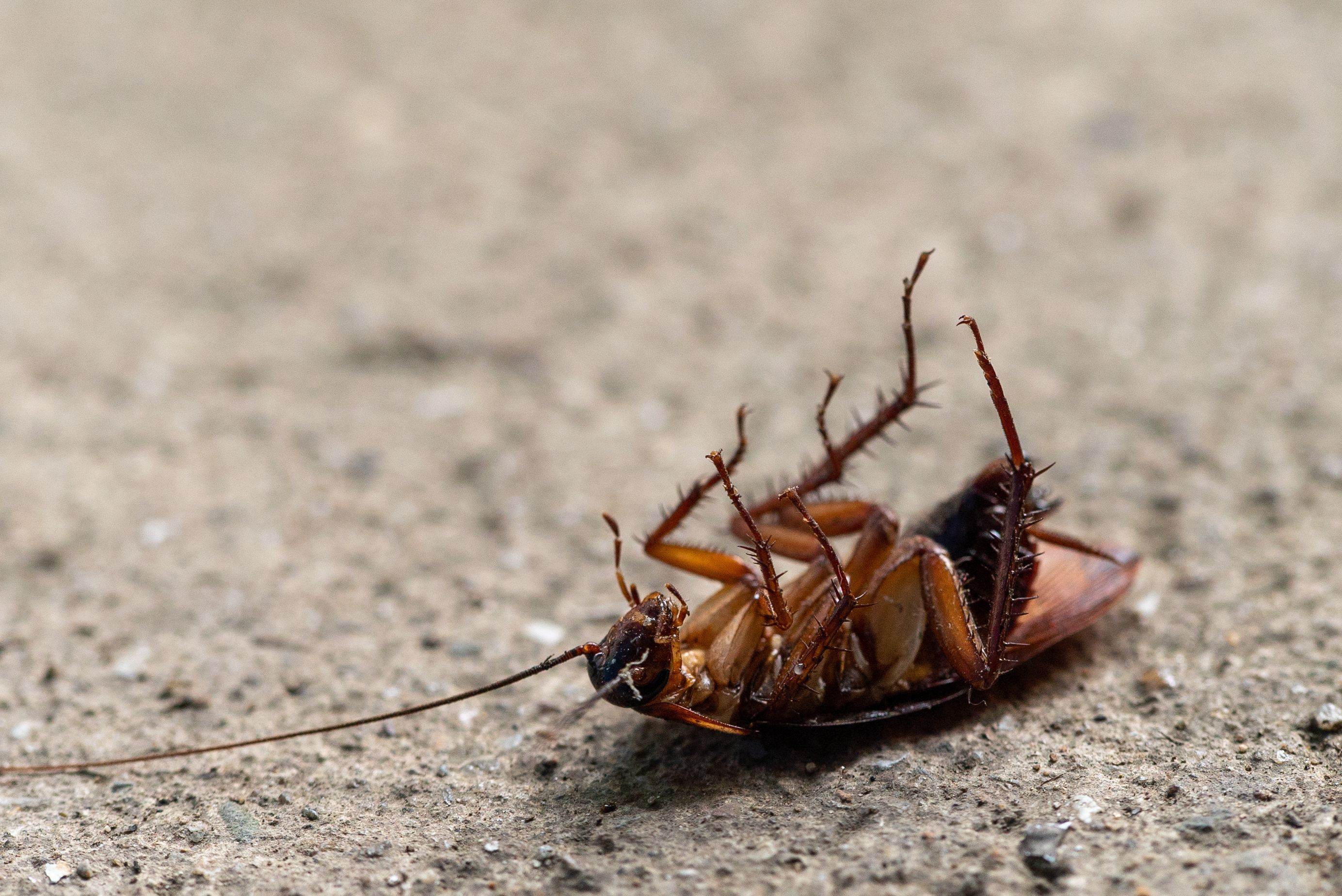
Typical silverfish measure about ½ to ¾ inch long, with a slender, elongated body covered in tiny, overlapping scales that give them a shimmering, metallic sheen. Their three long bristles at the rear and two antennae at the front create a distinctive “fish‑tail” silhouette, which is why the macro photo of a “dead‑cockroach” often serves as a perfect visual analogy. Their translucent, fish‑like appearance can be startling when you spot one darting across a bathroom floor or behind a stack of books.
How Do They Find Their Way Inside?
Silverfish are moisture‑loving explorers. Cracks around windows, gaps under doors, and even tiny openings around plumbing fixtures provide the perfect highway into a home. Once inside, they gravitate toward damp environments—think bathrooms, kitchens, basements, and laundry rooms. Their diet is equally opportunistic: they feed on starches, sugars, and proteins found in paper, glue, book bindings, clothing fibers, and even pantry staples like flour or cereal.
Potential Damage to Your Home
- Paper and books: Silverfish chew tiny holes in pages, leaving ragged edges that can ruin cherished family photos, tax records, or favorite novels.
- Clothing and fabrics: Natural fibers such as cotton, silk, and wool are vulnerable; prolonged exposure can cause thinning or discoloration.
- Starchy pantry items: Flour, rice, and pasta become snack stations for these pests, leading to contamination and waste.
- Wallpaper and wall coverings: The glue and starch in wallpaper can be gnawed, resulting in unsightly peeling.
While the damage is usually cosmetic, the cost of replacing books, documents, or garments adds up quickly, especially for homeowners who value their collections.
Health Considerations
Silverfish are not disease vectors, so they won’t transmit illnesses like cockroaches or rodents. However, their shed skins and fecal matter can become allergens for sensitive individuals, triggering sneezing, itching, or asthma flare‑ups. Moreover, a visible infestation creates an unsightly presence that can affect the comfort and perceived cleanliness of your home.
Local Evidence in Dri‑Dull Hills
Residents of Dri‑Dull Hills, GA, report spotting silverfish in damp basements and older homes with historic plaster. The combination of humid summer evenings and the region’s older construction creates an ideal habitat. If you’ve noticed the tell‑tale silvery trails or tiny holes in paper, it’s a sign that a professional assessment is warranted. For a fast, reliable solution, many locals turn to Anthem’s Silverfish Control, a top‑rated service that specializes in safe, effective extermination and long‑term prevention.
Understanding the biology and behavior of silverfish is the first step toward protecting your home. By recognizing how they enter, what they eat, and the subtle damage they cause, you can act quickly—before a few harmless‑looking insects become a costly nuisance.
How to Spot Silverfish in Your Home
Silverfish are tiny, silver‑gray insects that love the dark, damp corners of a house. Catching them early can save you from larger problems later, so let’s walk through the exact spots to check, the tell‑tale signs they leave behind, and a simple inspection routine you can run yourself.
Common Sight‑Line Locations
- Bathroom corners – especially around the tub, shower, and under the sink where moisture pools.
- Kitchen pantry – look behind cereal boxes, flour containers, and any stored grains.
- Attic and crawl spaces – insulation, wooden beams, and any exposed wiring create perfect hideouts.
- Laundry room – the back of the washing machine, dryer vents, and the area beneath the utility sink are prime real estate for silverfish.
Signs of Activity
- Discarded exoskeletons – tiny, translucent shells that look like shredded paper.
- Fine sand‑like residue – a powdery trail left as they move across surfaces.
- Grease‑stained paper or cardboard – silverfish feed on starches and protein, leaving darkened spots where they’ve chewed.
- The “fish‑like” quick, darting movement – you may notice a flash of silver at night when they scuttle away from a light source.
Step‑by‑Step Inspection Checklist for Each Room
- Bathroom
- Pull back any shower curtains or mats.
- Inspect the caulk lines and tile grout with a flashlight.
- Check under the sink cabinet doors for sand‑like particles.
- Kitchen Pantry
- Remove boxes from the shelves and shake them gently.
- Look for exoskeletons on the floor and on the back of the pantry walls.
- Examine any open bags of flour, rice, or cereal for small chew marks.
- Attic / Crawl Space
- Wear a dust mask and use a sturdy ladder or crawl‑space ladder.
- Run a flashlight along wooden joists and insulation.
- Collect any fine dust or shed skins in a small container for later identification.
- Laundry Room
- Slide the dryer vent cover aside and peer inside.
- Check the back of the washing machine for moisture buildup.
- Inspect the floor around the utility sink for tiny piles of sand.
Using a Flashlight and a White Sheet to Reveal Nocturnal Activity
Silverfish are most active after dark. Grab a bright flashlight and a plain white sheet. Place the sheet on the floor in a suspected area, turn off the lights, and sweep the flashlight across the sheet. Any silverfish that scuttle across will cast a quick, shimmering silhouette that’s easy to spot. The white background also highlights the fine sand trails they leave behind, giving you a visual map of their pathways.
When to Call a Professional
- Evidence of widespread activity – dozens of exoskeletons or sand piles across multiple rooms.
- Visible damage to property – chewed paper, stained fabrics, or compromised insulation.
- Inability to locate the source – you’ve inspected the common sites and still see signs.
- Recurring infestations despite DIY attempts – a persistent problem often means the insects have found hidden harborage you can’t reach.

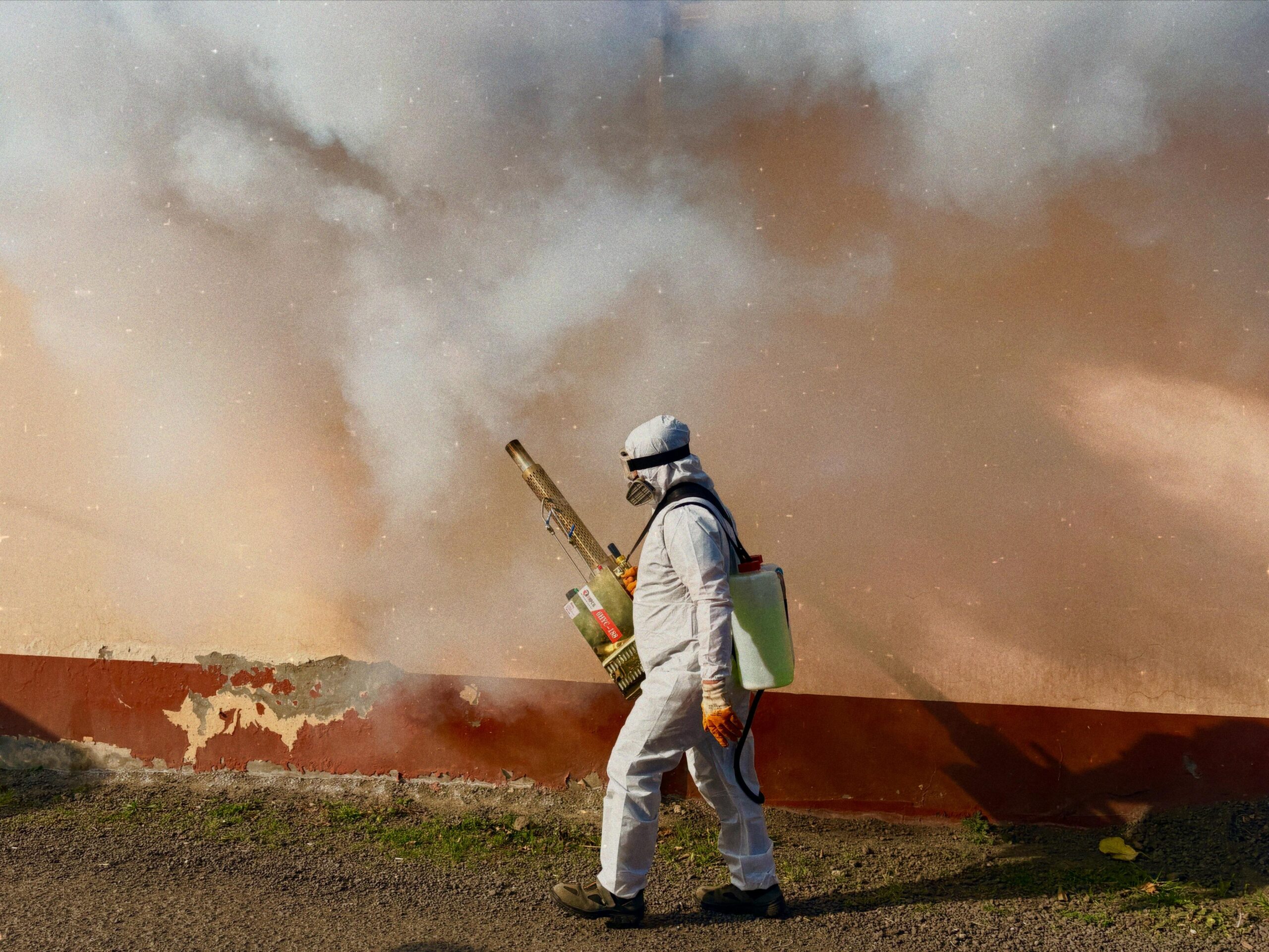
When you reach any of these thresholds, it’s time to let Anthem Pest Control step in. Our technicians arrive in full protective gear, assess the infestation’s scope, and apply a targeted, low‑toxicity spray that eliminates silverfish while keeping your family and pets safe. A professional treatment not only eradicates the current population but also seals entry points, reducing the chance of a future comeback.
Seasonal Patterns and Activity Trends
Silverfish may seem like a year‑round nuisance, but their numbers in Druid Hills, GA, actually follow a predictable rhythm dictated by temperature and humidity. Understanding this rhythm lets you schedule inspections and treatments when they’ll be most effective, saving you both time and money.
Temperature, Humidity, and the Silverfish Life Cycle
Silverfish thrive in environments where the air is warm (above 68 °F) and the relative humidity stays above 60 %. These conditions speed up their metabolism, shorten the time it takes for eggs to hatch, and boost the frequency of breeding cycles. In cooler, drier months, development slows dramatically, and adult activity drops as the insects seek out the few remaining moist hiding spots.
In the Atlanta‑area climate, summer brings long days of heat and humidity that hover around 85 °F with a relative humidity often exceeding 70 %. This creates the perfect breeding ground, allowing a single female to lay dozens of eggs every few weeks. By contrast, winter temperatures dip into the 40s and humidity can fall below 50 %, forcing silverfish into a dormant state deep within wall voids, crawl spaces, and other insulated areas.
Monthly Activity Bar‑Chart Explained
The bar‑chart below visualizes the typical silverfish activity pattern for Druid Hills. It shows a low baseline in the winter months (December–February), a modest rise in early spring (March–April), a sharp peak during the summer (May–August), and a gradual tapering off as autumn arrives (September–November). This pattern mirrors the city’s climatic swing from dry, cool conditions to hot, humid ones.
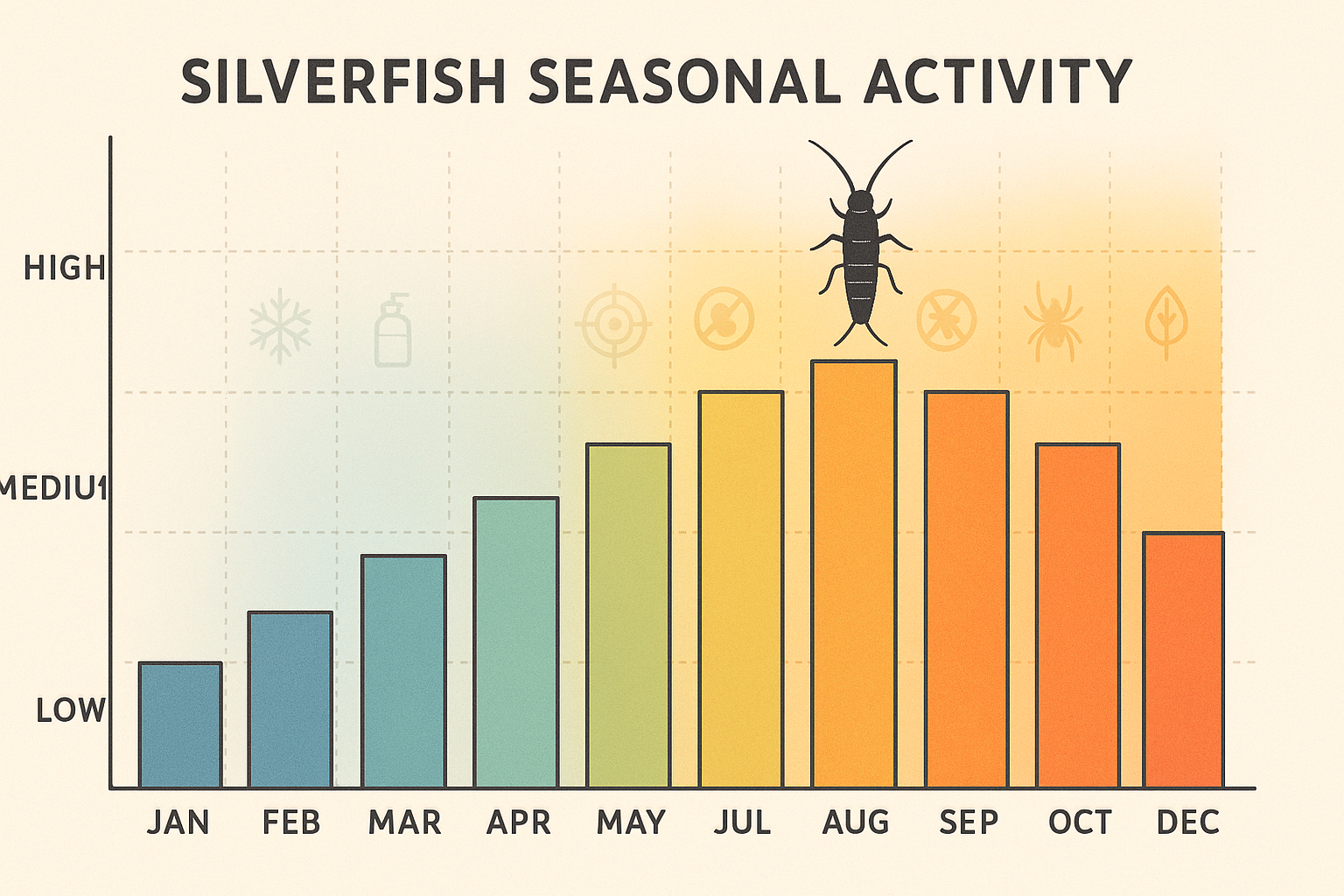
Use the chart as a quick reference when planning your pest‑control calendar. For example, scheduling a professional inspection in late April gives you a head start before the summer surge, while a follow‑up treatment in early September helps curb any lingering activity before the cooler months set in.
Why Summer Humidity Is a Game‑Changer
In Druid Hills, the average summer relative humidity sits at about 68 %. This moisture level does more than just make the air feel sticky—it directly fuels silverfish reproduction. Moisture softens the cellulose in paper, books, and fabric, turning these everyday items into ideal food sources. When humidity spikes, you’ll often notice a sudden increase in silverfish sightings near kitchens, bathrooms, and basements where water sources are most abundant.
Seasonal Maintenance Tips for Homeowners
Keeping silverfish numbers low is largely a matter of controlling the environment they love. Follow these simple, seasonal steps to stay ahead of the infestation curve:
- De‑humidify critical areas. Run a dehumidifier in basements, closets, and laundry rooms, especially from May through August. Aim for a relative humidity below 55 %.
- Repair leaks promptly. A dripping faucet or a slow roof leak can raise local humidity and provide a water source for silverfish. Inspect under sinks, around windows, and in the attic after heavy rains.
- Store vulnerable items airtight. Move books, papers, and fabrics into sealed plastic containers or vacuum‑sealed bags during peak months. This removes both food and shelter.
- Ventilate well. Use exhaust fans in bathrooms and kitchens, and keep interior doors open when weather permits to promote air circulation.
- Schedule professional inspections. A licensed technician can identify hidden moisture problems, apply targeted treatments, and set up a monitoring plan that aligns with the seasonal chart.
By integrating these actions with the timing shown in the activity chart, you create a two‑pronged defense: environmental control that makes your home less inviting, and strategic treatment that hits the pest when it’s most vulnerable.
Quick Link to the Seasonal Activity Chart
For an at‑a‑glance view of the yearly silverfish cycle, refer to the Seasonal Activity Chart above. Bookmark it, and use it as a checklist each month to ensure you’re staying one step ahead of these resilient little insects.
Treatment Options: DIY vs Professional Service
DIY Methods You Might Try First
When you spot a silverfish scurrying across the pantry floor, the instinct is often to grab a bottle from the cabinet and start a “do‑it‑yourself” campaign. The most common home‑grown tactics include:
- Pantry‑type traps: Sticky pads or cardboard boxes baited with flour and sugar to lure the insects.
- Silica‑sand: Sprinkling food‑grade silica around baseboards and under appliances, where the fine particles abrade the insect’s exoskeleton.
- DIY spray mixtures: Solutions made from vinegar, essential oils (like lavender or cedar), or diluted bleach that are sprayed directly onto visible insects.
- Dehumidifying: Using a dehumidifier or vent fan to lower humidity, since silverfish thrive in damp environments.
These approaches can knock back a light infestation and are inexpensive, which makes them appealing for homeowners who want immediate, hands‑on control.
Why DIY Can Fall Short
Even the most diligent DIYer soon discovers a few hard truths. First, silverfish are masters of hiding; they slip into cracks, behind baseboards, and inside wall voids where a trap or spray simply never reaches. Second, many homemade mixtures lack the potency to break the insect’s waxy cuticle, so the insects may survive the initial contact and continue reproducing. Third, safety is a real concern—mixing chemicals without proper ventilation or protective gear can irritate eyes, skin, or lungs. Finally, without a systematic inspection, you may only treat the symptoms, leaving a hidden reservoir that fuels a resurgence weeks later.
What a Professional Service Looks Like
When you call a licensed pest‑control company like Anthem Pest Control, the process starts with a thorough inspection. A certified technician walks through the home, checking kitchens, bathrooms, attics, and crawl spaces for signs of silverfish activity, moisture hotspots, and structural entry points. After pinpointing the exact locations, the technician applies a targeted, insect‑specific gel that adheres to cracks and crevices where silverfish travel. In addition, a low‑odor spray is used on exposed surfaces, ensuring a “kill zone” that the insects cannot avoid. The service doesn’t stop after the first visit; follow‑up appointments verify that the population is truly gone and address any new hotspots that may appear.
Advantages of Calling Anthem Pest Control
Choosing a professional partner brings several concrete benefits that go beyond a one‑time spray:
- Guaranteed warranty: Most treatments come with a written guarantee—if silverfish return within the warranty period, the company will retreat at no extra cost.
- Insurance‑backed safety: Technicians are trained in EPA‑approved products, wear protective equipment, and follow strict safety protocols, protecting both your family and your home.
- Local expertise: Dri‑Dull Hills homes often feature older brick foundations, raised basements, and hardwood flooring—all of which create micro‑habitats for silverfish. Anthem’s technicians know exactly where those hidden pockets are and how to treat them effectively.
- Transparent pricing: You receive a detailed quote up front, so there are no surprise fees later.
- Comprehensive prevention: After eradication, the team can apply barrier treatments and advise on moisture control to keep silverfish from returning.
When to Call in the Pros
DIY can be a useful first line of defense, but there are clear tipping points that signal it’s time to hand the job over to professionals:
- After two failed DIY attempts—you’ve set traps, sprayed, and still see fresh tracks.
- When you notice extensive damage to books, wallpaper, or stored fabrics, indicating a larger, established colony.
- If you detect silverfish in multiple rooms or on multiple floors, suggesting they’ve colonized hidden voids.
- When you have young children, pets, or allergy sufferers in the house, and you’re uneasy about handling chemicals yourself.
At any of these signs, a professional inspection can save you time, money, and the frustration of a never‑ending battle.
The Technician’s Role: Advanced Gel and Multiple‑Treatment Packages
Anthem’s certified technicians use what the industry calls “advanced gel”—a slow‑acting, bait‑based formulation that silverfish ingest as they travel through cracks. Because the gel remains active for weeks, it continues to attract and kill any new insects that wander into the treated zone. In many cases, the technician will recommend a “multiple‑treatment” package, which typically includes:
- Initial inspection and gel placement.
- Follow‑up spray application two weeks later to catch any survivors.
- Final inspection and a preventive barrier to deter future infestations.
This layered approach not only eradicates the current population but also creates a protective shield that keeps silverfish from re‑establishing. It’s the kind of thoroughness you simply can’t achieve with a handful of pantry traps and a bottle of vinegar.
Pricing and Service Comparison for Druid Hills
When it comes to silverfish control, Anthem offers two clear‑cut service tiers that let you match treatment intensity with your home’s needs and budget. Both options are designed around the same core promise—fast, effective relief backed by a guarantee—so you can choose confidently without hidden fees or surprise add‑ons.
Standard Service – $99
The Standard Service is a one‑time, “get‑the‑job‑done” package that works well for homeowners who have spotted a few silverfish and want a quick fix. It includes a professional visit, a thorough inspection, and a basic chemical spray that targets the insects where they hide—kitchens, bathrooms, and baseboards. After the treatment, you receive a 30‑day guarantee: if silverfish reappear within that window, Anthem will return at no extra charge.
Premium Service – $179
For families dealing with higher activity levels, seasonal spikes, or a desire for longer‑term protection, the Premium Service steps up the game. Priced at $179, it includes multiple scheduled visits (usually three over a six‑week period), an advanced gel application that penetrates cracks and crevices, and a six‑month warranty that covers any resurgence. Premium customers also enjoy priority scheduling, meaning you’re first in line when you need a follow‑up during peak months.
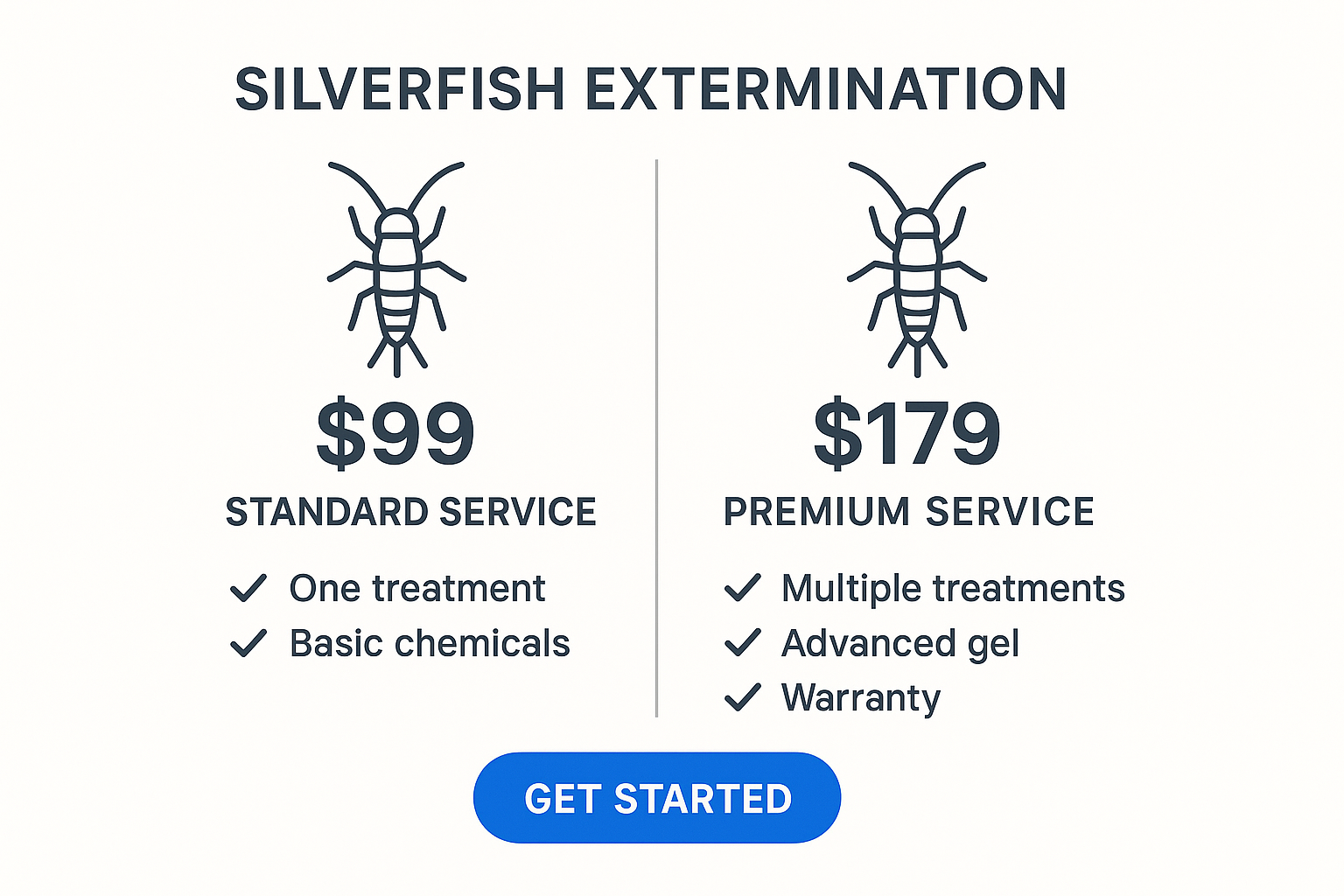
| Feature | Standard Service ($99) | Premium Service ($179) |
|---|---|---|
| Number of Visits | 1 | 3 (spread over 6 weeks) |
| Product Types | Basic chemical spray | Advanced gel + chemical spray |
| Warranty Length | 30‑day guarantee | 6‑month warranty |
| Scheduling Priority | Standard queue | Priority booking |
| Price | $99 | $179 |
How do these prices stack up against the Druid Hills market? Local pest‑control firms typically charge $120‑$150 for a single‑visit silverfish spray, and $200‑$250 for multi‑visit, gel‑based programs. Anthem’s Standard Service lands below the average, delivering a solid, guaranteed solution at $99. The Premium Service, while modestly higher than the regional median, bundles three visits, a more potent formulation, and an extended warranty—all for $179. That’s a savings of roughly $30‑$70 compared with competitors who charge per visit.
Why the Premium Option Pays Off During High‑Activity Periods
Silverfish thrive in the humid months of late spring and early summer, when moisture levels in homes rise. During these peaks, a single spray often only knocks back the current infestation, leaving eggs and hidden colonies untouched. The Premium Service’s multiple visits and gel application create a layered barrier that continues to work long after the first treatment, dramatically lowering the chance of a repeat outbreak. Homeowners who schedule Premium Service before the seasonal surge report up to 80% fewer follow‑up calls.
Debunking the “Cheap = Ineffective” Myth
It’s easy to assume that a lower price means a cut‑corner approach, but Anthem’s pricing philosophy is rooted in transparency, not profit‑padding. The $99 Standard Service uses EPA‑approved chemicals applied by certified technicians—exactly the same products larger firms use, just without the extra visits. Investing a little more for the Premium package isn’t about splurging; it’s about preventing the cumulative cost of repeated treatments, property damage from moisture‑related issues, and the stress of a lingering pest problem. In the long run, the modest premium translates into peace of mind and fewer surprise expenses.
Take Action with Anthem Pest Control
Silverfish thrive in the quiet corners of a home, especially when moisture levels rise in spring and early summer. Spotting the tell‑tale signs—tiny fish‑shaped droppings, damaged paper, or a faint, musty odor—early can mean the difference between a quick fix and a full‑scale infestation. Prompt treatment, timed to the season when silverfish are most active, stops them before they multiply and spread to kitchens, bathrooms, and closets.
Why Choose a Local, Experienced Provider?
- Safe, targeted application: Our technicians use EPA‑approved products that eliminate silverfish while protecting your family, pets, and the environment.
- Guaranteed results: We stand behind every treatment with a satisfaction guarantee—if the silverfish return, we’ll re‑treat at no extra cost.
- Transparent pricing: No hidden fees or surprise add‑ons; you receive a clear, upfront estimate before any work begins.
- Local expertise: Serving Dri‑Dull Hills means we understand the area’s climate, building styles, and the specific pest pressures you face.
Ready to protect your home? Schedule a free, no‑obligation inspection today and let our certified specialists assess the situation, recommend the best plan, and answer any questions you have. Call us now at 877‑371‑8196 and mention “Silverfish Relief” for priority scheduling.
We know you’ve got a lot on your plate, so we keep the process simple and stress‑free. Request a free quote, and you’ll experience the top‑rated service that Dri‑Dull Hills homeowners rely on year after year—prompt arrival, thorough inspection, and a clear path to a silverfish‑free home without any pressure tactics.
Visit Anthem Pest Control to learn more about our comprehensive pest‑management programs and see why we’re the trusted choice for families across the nation.