What Are Silverfish and Why They Matter in Peachtree City
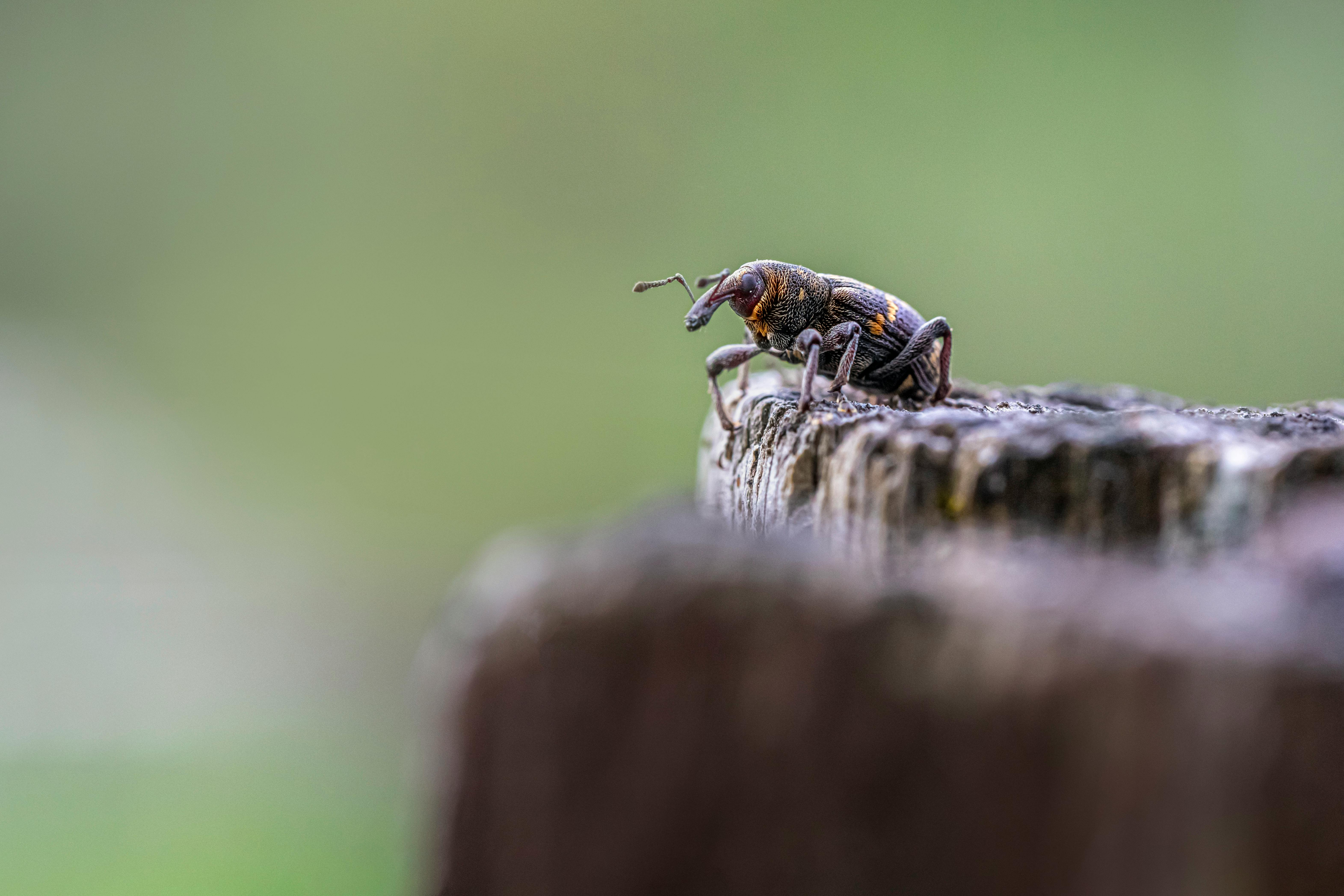
In Georgia, the most common silverfish you’ll encounter is Lepisma saccharina. Though they’re tiny—typically ranging from ½ to ¾ inch (12‑19 mm) in length—their sleek, silvery‑gray scales give them a distinctive, almost metallic sheen. Their name comes from the way they dart across surfaces, moving in a graceful, fish‑like undulation that can be surprisingly fast for such a small insect.
Physically, silverfish are elongated, wingless insects with a tapered tail that resembles a fish’s fin. Their bodies are covered in tiny, overlapping scales that reflect light, creating that signature “silver” look. They have three long bristles (cerci) at the rear, which they use to sense vibrations. Their movements are rapid and erratic, allowing them to slip into cracks and crevices before you even notice they’re there.
Where They Hide Inside Your Home
Silverfish thrive in dark, damp places where moisture is abundant. In a typical Peachtree City residence, you’ll find them nesting in:
- Bathrooms—especially around sinks, tubs, and shower stalls.
- Kitchens—inside pantry shelves, under appliances, and near leaky pipes.
- Basements and crawl spaces—where humidity levels stay high.
- Baseboards, wall voids, and behind picture frames—anywhere that stays cool and moist.
These micro‑habitats provide the humidity silverfish need to survive. The insect’s exoskeleton loses water quickly, so it seeks out environments with relative humidity above 70 %. Peachtree City’s subtropical climate, with its warm summers and frequent afternoon showers, creates exactly the kind of moist conditions that let silverfish multiply unchecked.
Why They’re More Than Just a Nuisance
While silverfish don’t bite or carry disease, they can become a genuine problem for homeowners. Their diet consists of starchy materials, which includes paper, book bindings, wallpaper glue, and even clothing fibers. Over time, a small infestation can cause unsightly holes in treasured books, yellowing of documents, and damage to delicate fabrics. In kitchens, they may nibble on dry cereals, flour, or sugar, contaminating food supplies.
Beyond material damage, some residents experience mild allergic reactions to silverfish shed skins and droppings. Symptoms can include itchy skin, sneezing, or watery eyes—especially in households with asthma or other sensitivities. For these reasons, early detection and prompt treatment are essential to keep silverfish from turning a minor annoyance into a costly repair.
What’s Next in This Guide
Now that you know what silverfish look like, where they hide, and why they matter in Peachtree City, the next sections will walk you through:
- How to spot the tell‑tale signs of a silverfish infestation.
- Effective, homeowner‑friendly prevention steps you can start today.
- The fast, professional extermination methods Anthem Pest Control uses to eradicate silverfish safely and affordably.
Understanding the biology and habits of these elusive insects is the first step toward a silverfish‑free home. Let’s move forward and equip you with the tools you need to protect your property and peace of mind.
Spotting Silverfish: Identification and Warning Signs
Silverfish are small, fish‑shaped insects that most homeowners mistake for harmless houseguests—until they start nibbling at paper, glue, or even your favorite shirt. Knowing exactly what they look like and where they hide gives you the edge to catch an infestation before it spreads.
What a silverfish looks like
Adult silverfish measure roughly ½ to ¾ inch (12–19 mm) in length. Their bodies are covered in overlapping, silvery‑gray scales that give them a “wing‑like” sheen, even though they cannot fly. The most distinctive feature is a set of three long, bristle‑like tail filaments protruding from the rear end. These filaments, combined with the fish‑shaped outline, make the insect instantly recognizable under a lamp.
Where you’re most likely to see them
Silverfish thrive in dark, moist environments. The usual hotspots in a typical home include:
- Baseboards and trim where condensation gathers.
- Under kitchen and bathroom sinks, especially if there’s a slow leak.
- Closets and laundry rooms with folded fabrics or wool garments.
- Stacks of books, magazines, or cardboard boxes that retain humidity.
Signs that silverfish have been active
Even if you haven’t caught a live specimen, their presence leaves clues:
- Shed skins: As they grow, silverfish molt, leaving translucent, paper‑like exoskeletons.
- Fecal specks: Tiny, pepper‑sized droppings that look like ground‑up peppercorns.
- Paper damage: Irregular, ragged holes in books, wallpaper, or stored documents.
- Yellowish stains: Moisture‑related stains near where the insects congregate, often mistaken for water spots.
How to tell silverfish apart from look‑alikes
Two pests are commonly confused with silverfish:
- Carpet beetles: These are rounder, have a hard, domed shell, and lack the three rear filaments. Their colors range from black to mottled brown, not the silvery sheen of silverfish.
- Firebrats: Very similar in shape but prefer hotter environments (above 80 °F). Firebrats are usually a reddish‑brown color and have shorter tail filaments.
If you see the silvery scales, the three long bristles, and the fish‑like silhouette, you’re looking at a silverfish.
Weekly inspection checklist
Spend just five minutes each week running through this quick checklist. It’s enough to spot early activity without turning pest control into a full‑time job.
- Inspect baseboards and trim in every room; look for live insects, shed skins, or droppings.
- Open cabinet doors and pull out pantry items; check the back of boxes and the underside of shelves.
- Examine under sinks and around the dishwasher for moisture and any tiny insects.
- Flip through books, magazines, and stored papers; note any irregular holes or missing pages.
- Feel the air in closets and laundry rooms; a damp, musty smell often signals a silverfish hideout.
Finding any of the visual cues or activity signs on this list means it’s time to act—whether that’s a DIY de‑humidifier fix or a call to Anthem Pest Control for a professional assessment.
Why Silverfish Invade Homes – Common Causes and Conditions
Silverfish thrive where moisture and humidity linger. In Peachtree City, the seasonal rains and occasional high humidity create the perfect micro‑climate for these nocturnal insects. When water seeps into walls, basements, or crawl spaces, it softens surrounding materials and raises the relative humidity to the 70‑80% range—exactly the level silverfish need to stay active and reproduce.
Food is another strong attractor. Silverfish are not picky eaters; they feast on starches, sugars, and protein‑rich residues. Common household sources include flour, cereal, pet food, glue from book bindings, and even the glue that holds wallpaper or carpet tiles. Dead insects and organic debris left in corners or under appliances provide an additional protein boost, turning a quiet pantry into a banquet.
Structural gaps act as highways into your living spaces. Tiny cracks in the foundation, gaps around utility pipes, and unsealed windows or doors allow silverfish to slip indoors from damp outdoor environments. Because these insects can flatten their bodies to fit through openings as small as 1 mm, even the most modest imperfections become entry points if they’re not sealed.
Clutter creates shelter. Stacks of old books, cardboard boxes, and fabric piles hold the dark, humid conditions silverfish love. These items also trap dust and food particles, giving the pests both a hiding place and a constant food supply. The more undisturbed storage you have in basements, attics, or closets, the more likely silverfish will set up camp.
Poor ventilation and leaky plumbing compound the problem. Stagnant air prevents moisture from evaporating, while drips from faucets or pipe joints keep surfaces damp. Over time, these conditions not only attract silverfish but also encourage mold growth, which further raises humidity levels and provides an extra food source for the insects.
| Factor | How It Invites Silverfish | Mitigation Tip |
|---|---|---|
| Moisture & Humidity | Elevated humidity (70‑80%) keeps silverfish active and supports egg development. | Use dehumidifiers, fix roof leaks, and ensure proper drainage around the foundation. |
| Food Sources | Starches, sugars, glue, and dead insects provide nourishment. | Store dry goods in airtight containers and clean up crumbs promptly. |
| Structural Entry Points | Cracks, pipe gaps, and unsealed windows let insects slip inside. | Seal cracks with caulk, install pipe sleeves, and weather‑strip doors and windows. |
| Clutter & Stored Items | Dark, undisturbed piles offer shelter and trap food particles. | Reduce clutter, store items in plastic bins, and periodically vacuum storage areas. |
| Poor Ventilation | Stagnant air prevents moisture from evaporating, sustaining high humidity. | Install exhaust fans in bathrooms/kitchens and keep interior doors open when possible. |
| Leaky Plumbing | Dripping fixtures keep surfaces damp, creating localized humid zones. | Repair leaks promptly and wipe dry any standing water. |
Preventing Silverfish Infestations Year‑Round
Silverfish thrive in the quiet corners of a home where food, moisture, and shelter converge. By turning everyday maintenance into a habit, you deny them the conditions they need to multiply. Below are practical, season‑specific steps that keep your house inhospitable to these nocturnal insects.
General Housekeeping
Regular cleaning is your first line of defense. Vacuum carpets, baseboards, and under furniture at least once a week to remove dust, lint, and tiny food particles that attract silverfish. Declutter closets, attics, and storage bins; the fewer hiding spots, the harder it is for them to establish a base. Store all pantry goods in sealed containers and keep crumbs off countertops to eliminate easy meals.
Reducing Moisture
Silverfish love damp environments, so controlling humidity is crucial. Fix any leaky pipes, faucets, or roof vents promptly—dripping water creates a perfect breeding ground. In basements and crawl spaces, run a dehumidifier to maintain humidity below 50 %. Improve airflow by opening windows when weather permits and using exhaust fans in kitchens and bathrooms.
Sealing Entry Points
Even the tiniest cracks can become highways for silverfish. Inspect walls, floors, and foundations for gaps, then caulk them with a silicone‑based sealant. Install weather‑stripping around exterior doors and add door sweeps to block the gap at the bottom. These simple barriers stop insects from slipping inside and also improve your home’s energy efficiency.
Protective Storage
Items such as books, magazines, and seasonal clothing are favorite silverfish hideouts. Keep these in airtight plastic containers or vacuum‑sealed bags, especially if you store them in basements or attics. For pantry staples like flour, cereal, and rice, opt for containers with lock‑tight lids; this not only protects against pests but also preserves freshness.
Landscaping Tips
The exterior of your home can either invite or deter silverfish. Maintain a clear gap of at least 12 inches between mulch or wood chips and the foundation; excess moisture in mulch can seep toward the house. Trim back shrubs, vines, and trees so they don’t touch the siding, reducing the bridge that insects use to reach indoor cracks.
Seasonal Checklist
| Season | Key Tasks |
|---|---|
| Spring |
|
| Summer |
|
| Fall |
|
| Winter |
|
By integrating these tasks into your routine, you create a hostile environment for silverfish throughout the year. Consistency is key—small, regular actions prevent a full‑blown infestation and save you time, stress, and professional treatment costs.
Treatment Options: DIY Methods vs Professional Services
When silverfish start leaving those tell‑tale fish‑scale trails across your kitchen cabinets, the first question most homeowners ask is, “Can I handle this myself?” Both DIY remedies and professional pest‑control services have their place, but knowing the strengths and drawbacks of each helps you choose the quickest, safest path to a silverfish‑free home.
Popular DIY Treatments
- Boric acid – a fine powder that disrupts the insect’s digestive system when ingested.
- Diatomaceous earth – microscopic fossilized algae that abrade the exoskeleton, causing dehydration.
- Sticky traps – adhesive pads that capture wandering silverfish and give you a visual count of activity.
- Essential‑oil sprays – blends of peppermint, lavender, or citrus oils that act as repellents.
Applying these products correctly maximizes their effect while protecting your family. Sprinkle boric acid or diatomaceous earth in cracks, behind baseboards, and under appliances, then vacuum excess after 48 hours. Place sticky traps along walls, under sinks, and near pantry edges, replacing them weekly. For oil sprays, dilute the essential oil (about 10 drops per cup of water) in a spray bottle and mist corners, but avoid direct contact with food surfaces.
Safety first: wear a dust mask and gloves when handling powders, keep them out of reach of pets and children, and ensure good ventilation when using oil sprays. Even “natural” products can be inhaled, and essential oils may trigger allergies.
Limitations of DIY Approaches
- Incomplete coverage – powders settle quickly and may miss hidden voids where silverfish hide.
- Re‑infestation risk – without addressing moisture sources, new insects can quickly move back in.
- Health concerns – fine powders can be inhaled, and essential oils may trigger allergies.
- Time‑intensive – regular re‑application and trap monitoring can become a weekly chore.
In many cases, DIY methods reduce a mild sighting but rarely eradicate an established colony. If you notice silverfish returning after a few weeks, it’s a sign that the infestation has penetrated deeper than your at‑home measures can reach.
Professional Services: What the Experts Offer
Anthem Pest Control brings a suite of tools that go beyond the kitchen‑counter shelf:
- Targeted insecticide sprays – EPA‑registered formulations applied directly into wall voids, floor joists, and other concealed spaces.
- Bait stations – slow‑acting gels placed in strategic locations, allowing silverfish to carry the poison back to the nest.
- Structural inspections – technicians locate moisture hotspots, cracks, and entry points that DIY products can’t reach.
- Follow‑up visits – a scheduled second treatment ensures any survivors are eliminated and helps prevent rebound.
Because professionals use products that are both potent and approved for indoor use, they can achieve “guaranteed coverage” across the entire home. Most services include a warranty; if silverfish reappear, a free re‑treatment is provided.
Benefits of Hiring a Pro
- Comprehensive, hidden‑area treatment eliminates the need for repeated homeowner effort.
- EPA‑registered chemicals are tested for efficacy and safety when applied by trained technicians.
- Warranty options protect your investment and give peace of mind.
- Expert advice on moisture control, decluttering, and long‑term prevention.
Decision‑Making Flowchart
Use the quick flowchart below to decide whether a DIY attempt or a professional call is right for you:
- Is the silverfish sighting limited to one or two spots?
- Do you have no pets or children in the affected area?
- Are you comfortable wearing protective gear and applying powders regularly?
- If you answered “yes” to all three, start with a DIY treatment and monitor for 10 days. If no reduction, move to step 5.
- Is there evidence of moisture problems (leaky pipes, damp basements) or a large population of silverfish?
- Contact Anthem Pest Control for a professional inspection and treatment.
Remember, the fastest relief often comes from combining both approaches: a short DIY trial to gauge severity, then a professional service if the problem persists. Tackling moisture sources and sealing entry points will keep silverfish—and other pests—from returning.
How Much Does Silverfish Control Cost?
When silverfish start scuttling across your pantry shelves, the first question on most homeowners’ minds is “how much will it cost to get rid of them?” The answer depends on whether you tackle the problem yourself or call a professional like Anthem Pest Control. Below is a clear breakdown of the typical expenses you can expect in each approach.
DIY Silverfish Supplies – What’s the Price Range?
- Traps and sticky boards: $10‑$25 for a pack of 10‑20 units.
- Insecticidal dust (e.g., silica‑based): $15‑$30 per 8‑oz container, enough for several rooms.
- Natural repellents (cinnamon, cedar chips): $5‑$12 per bag or jar.
- Protective gear (gloves, mask): $8‑$15 if you don’t already have them.
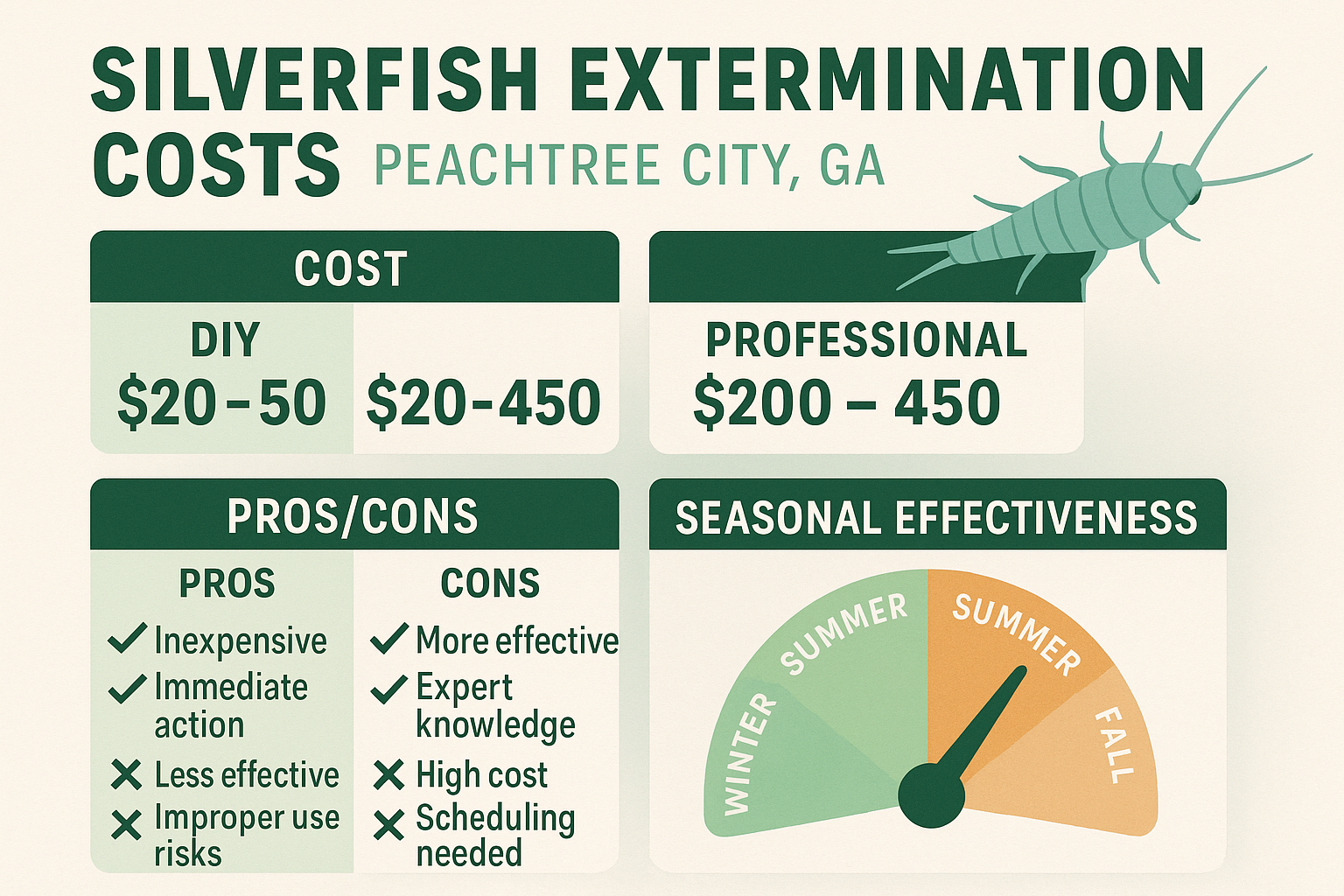
Overall, a homeowner can expect to spend roughly $40‑$80 on the materials needed for a one‑time DIY treatment, assuming you purchase enough product to cover the entire home.
Professional Service Pricing in Peachtree City
- Initial inspection fee: $45‑$75 (often waived if you proceed with treatment).
- Standard treatment: $120‑$180 per visit, covering all interior spaces.
- Package discounts: 2‑visit plans drop to $210‑$300 total; annual maintenance contracts can reduce per‑visit cost by 15‑20%.
Anthem Pest Control typically provides a written quote that outlines the exact services, any necessary follow‑ups, and a guarantee period. This transparency helps you compare the upfront cost against the long‑term peace of mind a professional treatment offers.
Pros & Cons – Cost‑Focused Comparison
| Factor | DIY Approach | Professional Service |
|---|---|---|
| Effectiveness | Variable – depends on product choice and application accuracy. | High – licensed technicians use EPA‑approved treatments and target hidden harborage. |
| Time Investment | Several hours spread over days for set‑up, monitoring, and re‑application. | 1‑2 hours for a complete service, plus minimal follow‑up time. |
| Long‑Term Results | Often short‑lived; may require repeated purchases. | Extended protection with guaranteed follow‑up visits. |
| Up‑Front Cost | Lower ($40‑$80) but hidden costs can add up. | Higher ($120‑$300) but includes labor, expertise, and warranty. |
Seasonal Factors That Influence Pricing
Silverfish thrive in humid months (June‑August) when moisture levels rise. During this peak season, both product demand and technician schedules surge, which can push DIY supply prices up by 10‑15% and increase professional service fees by $20‑$40 for expedited appointments.
Budgeting Tips & What to Expect in a Quote
Start by requesting a detailed written estimate from Anthem Pest Control. Look for line items such as inspection, treatment, follow‑up visits, and any guarantee clauses. If the quote includes a package discount, calculate the per‑visit savings over a year to see if it aligns with your budget.
For homeowners who prefer a hands‑on approach, allocate at least $60 for quality DIY supplies and plan for periodic re‑treatments. If you value a fast, thorough solution with ongoing protection, budgeting $200‑$300 for a professional two‑visit package is a realistic and effective investment.
Seasonal Activity and Timing for SilverPest Control
Silverfish thrive on a simple formula: warmth plus moisture. When the temperature climbs above 70°F (21°C) and humidity hovers around 60% or higher, their metabolism speeds up, eggs hatch faster, and populations can explode. Conversely, cold, dry conditions slow their life cycle, sometimes pushing them into dormant pockets behind baseboards or inside wall cavities.
Seasonal Activity Chart
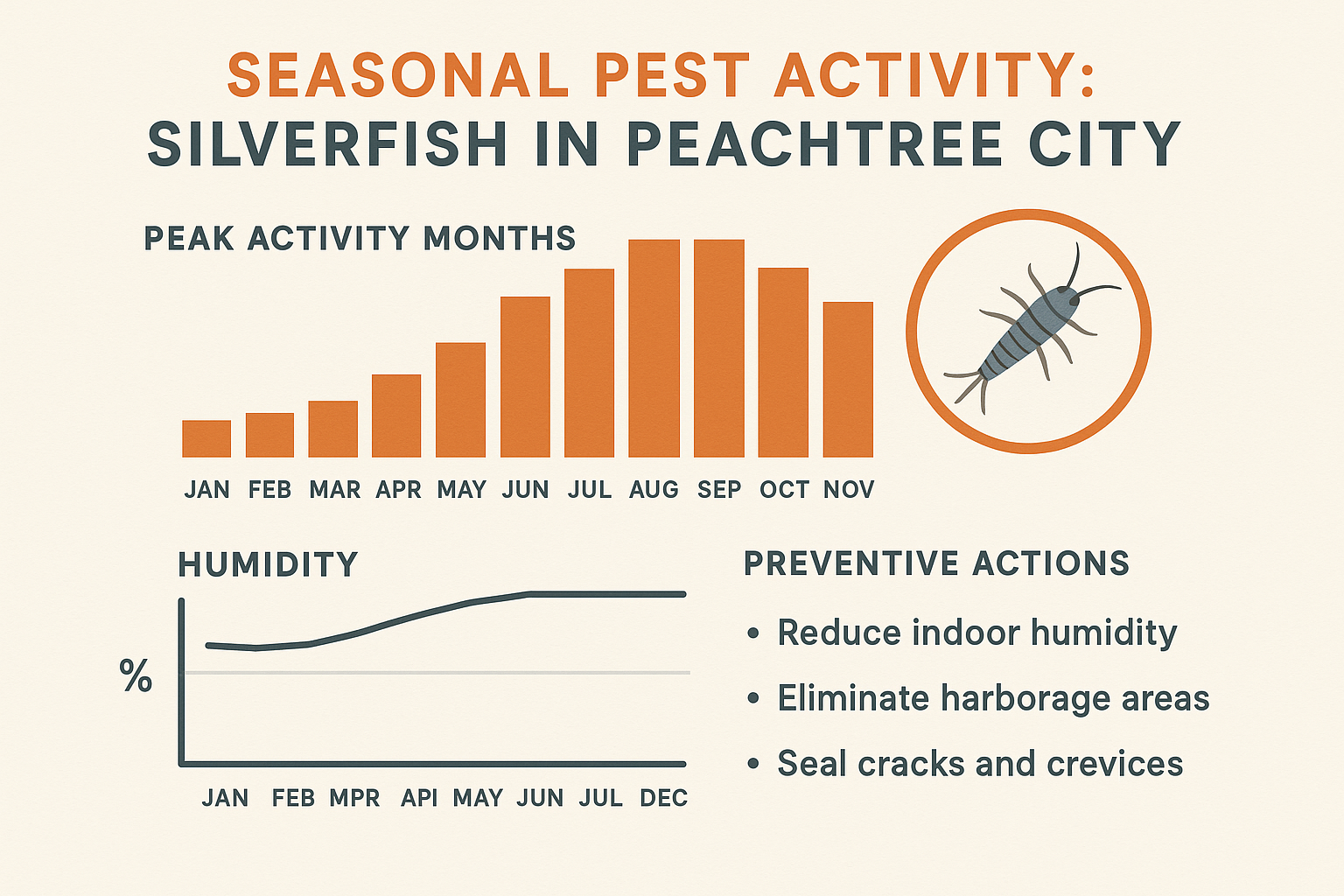
| Month | Activity Level | Key Environmental Factors |
|---|---|---|
| January – February | Low | Cool temperatures, low indoor humidity |
| March – April | Moderate | Rising temps, humidity climbs with spring rains |
| May – June | High | Warm days, humid evenings—optimal breeding period |
| July – August | Peak | Consistently warm and moist indoor environments |
| September – October | Moderate‑High | Late‑summer heat lingers; humidity still elevated |
| November – December | Low | Cooling indoor climate, drier air from heating systems |
Season‑Specific Prevention Tips
- Spring: Inspect and seal cracks around windows, doors, and foundation before the first warm days arrive.
- Summer: Run dehumidifiers in basements, crawl spaces, and closets; fix leaky pipes promptly.
- Fall: Reduce indoor humidity by ventilating attic spaces and using exhaust fans in kitchens and bathrooms.
- Winter: Check that weather‑stripping remains intact; consider a brief “dry‑out” period by lowering thermostat settings for a few days.
When to Call a Professional
Early summer—typically late May through early June—is the sweet spot for a comprehensive silverfish treatment. At this stage, the insects are most active, making them easier to locate and target. A well‑timed application of low‑toxicity baits and residual sprays can interrupt the breeding cycle before the population peaks in July and August, delivering lasting relief throughout the hot months.
Quick Tip: If you spot silverfish during the off‑peak months (winter or early spring), reduce moisture immediately: run a dehumidifier, repair any drips, and vacuum the area to remove eggs and shed skins. If sightings persist, schedule a professional inspection—early intervention prevents a hidden surge later in the year.
Choosing a Professional: What to Expect from a Certified Technician

Credentials You Should Verify
Before any spray canister is opened, you deserve to know who’s handling it. A reputable technician from Anthem Pest Control will present three key credentials:
- State‑licensed: Georgia requires pest‑control operators to hold a valid state license, proving they’ve passed both written and practical exams.
- EPA‑registered: All chemicals used must be registered with the Environmental Protection Agency, ensuring they meet strict safety and efficacy standards.
- Insurance coverage: Liability insurance protects you and your property should an accidental spill or injury occur during treatment.
Ask to see the license number and insurance certificate; a confident technician will have them handy and ready to share.
What Happens During a Typical Service Visit
- Initial walkthrough: The technician arrives on time, introduces themselves, and conducts a brief visual tour of your home—both interior and exterior—to locate signs of silverfish activity.
- Identification: Using a flashlight and a magnifying lens, they confirm the pest species, distinguishing silverfish from similar insects like firebrats.
- Treatment plan discussion: You’ll receive a clear, written plan that outlines where products will be applied, why each spot matters, and how long the process will take.
- Safety briefing: Before any product is sprayed, the technician explains low‑odor, child‑safe formulations, any needed precautions (e.g., keeping pets in a separate room), and the expected drying time.
- Application: Targeted treatment is applied to cracks, baseboards, under sinks, and any exterior entry points. The process is quick—usually under an hour for an average home.
Tools and Products That Keep Your Home Safe
Anthem’s technicians rely on industry‑approved equipment designed for residential use:
- Low‑odor spray pumps: Formulated to evaporate quickly, they minimize lingering smells while still delivering a lethal dose to silverfish.
- Dust applicators: For hidden voids, a fine dust is placed where liquid sprays can’t reach, ensuring long‑term protection without visible residue.
- Child‑safe formulations: All products meet EPA’s reduced‑risk criteria, meaning they’re safe around children and pets when used as directed.
Because the chemicals are targeted, you won’t notice a harsh chemical cloud drifting through your living room—just a discreet, effective shield against future infestations.
Follow‑Up: Inspection, Warranty, and Ongoing Support
After the initial treatment, Anthem doesn’t disappear:
- Post‑treatment inspection: Within 7‑10 days, a technician returns to verify that silverfish activity has ceased and to re‑treat any missed hotspots.
- Warranty coverage: All residential silverfish services come with a 90‑day guarantee. If the pests return within that window, a follow‑up visit is free.
- Customer support: You’ll receive a direct line to the service manager, plus an email guide on simple preventive steps—like reducing moisture and sealing cracks—to keep your home silverfish‑free.
Real‑World Example: Treating a Peachtree City Home Exterior
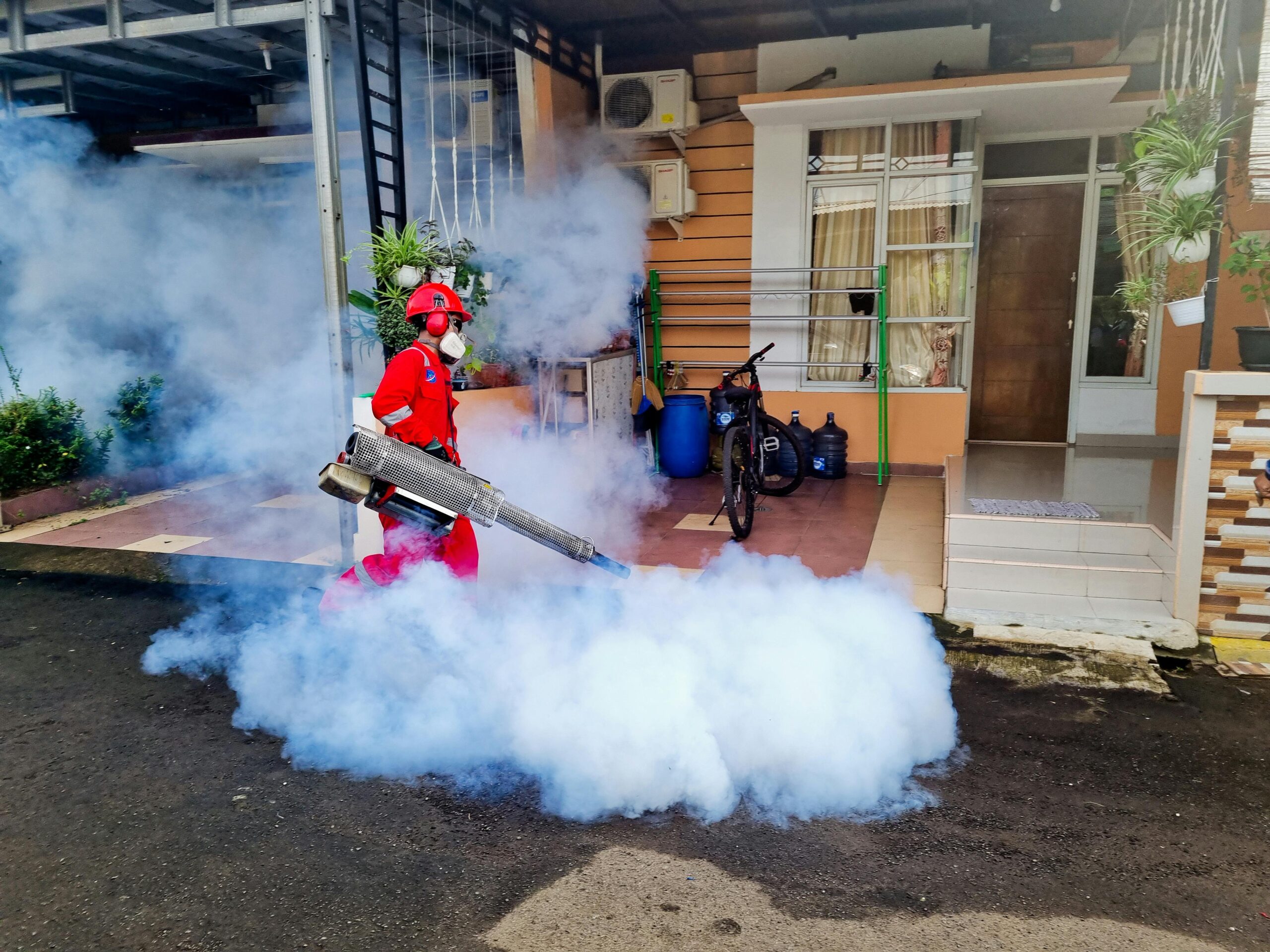
Imagine a typical suburban home on a quiet Peachtree City street. The homeowner notices tiny silverfish darting out from behind the kitchen cabinets and near the garage door. Anthem’s certified technician arrives, greets the family, and pulls out a portable sprayer loaded with a low‑odor, EPA‑registered solution. After confirming the pest, they focus on the exterior foundation, applying a thin mist along the siding, around window sills, and in the crawl‑space vent. The product’s quick‑dry formula means the family can resume normal activities within minutes, and the technician leaves a concise report outlining what was treated, why, and the next steps for monitoring.
This hands‑on example illustrates the blend of expertise, safety, and transparency that Anthem Pest Control brings to every silverfish job in Peachtree City, GA.
Take Action to Protect Your Home Today
By now you’ve learned how to spot a silverfish infestation, the simple steps you can take to keep them out, and the treatment options that work best in Peachtree City, GA. Recognizing the tell‑tale signs—tiny fish‑shaped insects, silvery trails, and damage to paper or fabrics—lets you act before the problem spreads. Preventive measures such as reducing moisture, sealing cracks, and storing food properly create a hostile environment for these nocturnal pests. When prevention isn’t enough, targeted treatments like bait stations, residual sprays, or professional heat treatments can eliminate the hidden colonies quickly and safely.
Key Takeaways
- Identification: Look for silverfish in damp areas like kitchens, bathrooms, and basements. Their presence often coincides with a musty odor and tiny, irregular holes in paper products.
- Prevention: Control humidity with dehumidifiers, fix leaky pipes, and keep storage spaces tidy. Regular vacuuming and sealing entry points cut off their food and shelter sources.
- Treatment: Over‑the‑counter options can work for minor sightings, but a professional inspection ensures the entire infestation is addressed, using EPA‑approved products that are safe for families and pets.
While DIY steps are valuable, timely professional intervention is the cornerstone of lasting peace of mind. Silverfish reproduce quickly, and a small colony can become a full‑blown infestation before you notice the damage. A certified technician from Anthem Pest Control can pinpoint hidden nests, apply the most effective treatment for your home’s layout, and provide a customized prevention plan that keeps the pests away year after year.
If you’re ready for a thorough inspection and a plan tailored to your specific situation, our experts are here to help. Give us a call at 877‑371‑8196 or visit our website to request a free, no‑obligation quote. We’ll walk you through the process, answer any questions, and schedule a service window that fits your busy life.
Don’t let silverfish compromise the comfort of your home. Contact Anthem Pest Control now for your free quote and take the first step toward a pest‑free living space.