
What Are Silverfish and Why They Matter

Silverfish (Lepisma saccharina) are tiny, wingless insects that get their name from the silvery, fish-like way they glide across surfaces. Measuring only about half an inch long, they have a flattened, elongated body covered in overlapping scales that reflect light, giving them that characteristic shimmer. Though they look harmless, silverfish are among the most common indoor pests in U.S. homes, especially in humid climates like Suwanee, GA, where calling a silverfish exterminator Suwanee homeowners trust is often necessary to prevent damage.
Inside a house, silverfish gravitate toward areas that stay damp and cool. Kitchens and bathrooms are prime real estate because of the constant presence of moisture from sinks, dishwashers, and showers. Basements, laundry rooms, and even closets can become silverfish hideouts when water leaks or high humidity create a welcoming micro‑environment. They love to nest behind baseboards, under cabinets, and in the cracks of tile grout—anywhere they can stay hidden while staying close to a water source.
Why should a homeowner worry? Silverfish are not disease vectors, but they are voracious scavengers. Their diet includes starchy materials such as paper, book bindings, wallpaper, and even the glue that holds photographs together. They also chew on natural fibers found in clothing, especially wool, silk, and cotton blends. Over time, a modest infestation can leave unsightly holes in treasured books, yellowed paperwork, and ruined garments. In the kitchen, they may nibble on flour, cereals, and other dry goods, contaminating food with their shed skins and feces.
The U.S. Environmental Protection Agency (EPA) estimates that silverfish infestations affect roughly 1 in 5 households across the nation, highlighting how pervasive these pests can be when moisture control is overlooked. This statistic underscores the importance of early detection and proactive prevention—especially for homeowners who value their belongings and want to avoid costly damage.
Understanding the biology and preferred habitats of silverfish sets the stage for spotting the early warning signs of an infestation. Look for tell‑tale clues such as tiny, fish‑shaped droppings (often described as pepper‑like specks), shed skins, or a faint, musty odor in damp corners. Noticing these indicators promptly allows you to act before silverfish populations grow large enough to cause noticeable damage.
In the next section, we’ll walk through the most reliable visual cues and inspection tips so you can confirm whether silverfish have taken up residence in your home and decide on the right course of action.
Spotting Silverfish Early – Signs and Inspection Tips
Silverfish are tiny, nocturnal insects that love the dark, damp corners of a home. Because they move quickly and hide well, many homeowners don’t notice an infestation until it has already caused noticeable damage. Catching the problem early not only saves you from costly repairs but also prevents the bugs from spreading to other rooms. Below you’ll find the most reliable visual cues and practical inspection steps you can take right now, without waiting for a professional.
Visual signs you can’t ignore
When you finally spot a silverfish, you’ll recognize it by its distinct, silvery‑gray, fish‑shaped body that tapers at both ends. The insects are covered in fine, brownish scales that can flake off, leaving a faint powdery residue on surfaces. In addition to live bugs, you may find shed skins—thin, translucent casings that look like tiny parchment sheets. These skins are a clear indicator that a colony is active nearby.
Damage clues that point to silverfish
Silverfish feed on carbohydrates and protein, which means they’ll gnaw on anything from books and paper to clothing and pantry items. Look for irregular, ragged holes in the pages of novels, notebooks, or old magazines. Starch‑based foods such as flour, cereal, rice, and even pet food may develop small bite marks or appear powdery where the insects have feasted. If you notice these patterns appearing in multiple locations, it’s a strong sign that silverfish are present.
Where to look during your inspection
- Under kitchen and bathroom sinks—especially where pipes may be leaking.
- Behind or beneath appliances like refrigerators, dishwashers, and washing machines.
- In pantry corners, especially near boxes of flour, cereal, or other dry goods.
- Along baseboards, in wall voids, and in the cracks of floorboards.
- Near any area that stays moist, such as a leaky pipe, a damp basement, or a bathroom fan that isn’t venting properly.
Keeping these zones dry is essential. The CDC’s indoor air quality guidance emphasizes that low humidity and proper ventilation dramatically reduce the likelihood of silverfish thriving in a home.
DIY inspection: a simple step‑by‑step routine
- Gather your tools: a bright flashlight, a few sticky traps (available at hardware stores), and a small notebook or phone for notes.
- Turn off the lights and shine the flashlight into each of the locations listed above. Silverfish are attracted to light, so a quick sweep often makes them scurry into view.
- Place a sticky trap in each suspect area—under the sink, behind the refrigerator, and in pantry corners. Leave the traps for 48‑72 hours.
- Check the traps daily. If you catch a live silverfish, record the exact spot, date, and any surrounding conditions (e.g., a dripping faucet).
- Inspect the surrounding area for shed skins or powdery residue, and note any damage to paper, clothing, or food packaging.
- After the inspection period, remove the traps and clean the areas with a mild detergent to eliminate any lingering scent trails.
When it’s time to call a professional
If you discover silverfish in more than one room, repeatedly find shed skins after cleaning, or notice ongoing damage to valuable items (such as heirloom books or delicate clothing), it’s a clear sign that the infestation is beyond a simple DIY fix. A professional pest control service, like Anthem Pest Control, can perform a thorough assessment, identify hidden entry points, and apply targeted treatments that are safe for families and pets. Early intervention from experts also prevents the bugs from establishing a permanent foothold, saving you time, stress, and money in the long run.
Health Risks and Property Damage from Silverfish
Allergic reactions – what you need to know
Although silverfish don’t carry diseases, their tiny scales and body fragments can act like dust‑mite allergens. If you or a family member is sensitive, the constant shedding may trigger sneezing, itchy eyes, or a mild rash. It’s the same irritation you feel from a dusty attic, only amplified because silverfish are active year‑round in hidden corners of your home.
Impact on indoor air quality
Every time a silverfish molts, it leaves behind a fine powder of excrement and shed skin. Over time, these particles accumulate in closets, basements, and under kitchen cabinets, subtly degrading the air you breathe. In poorly ventilated spaces, the buildup can contribute to a stale, musty odor and may aggravate asthma or other respiratory sensitivities.
What they chew on – the hidden cost to your belongings
Silverfish have a voracious appetite for starchy and protein‑rich materials. That includes:
- Paper products such as invoices, receipts, and important documents.
- Wallpaper and book bindings, especially those glued with animal‑based adhesives.
- Natural fabrics like silk, wool, and cotton blends.
- Stored food items that contain flour, cereal, or dried fruit.
Because they feed by scraping, the damage often appears as tiny, irregular holes or shredded edges—easy to miss until a cherished item is compromised.
Cost of repair versus prevention
Replacing a damaged set of legal documents can run $50‑$150 per file, while restoring a wallpapered wall may cost $200‑$500 depending on square footage. A single torn book binding can require professional rebinding services ranging from $30 to $80 per volume. In contrast, a standard silverfish treatment from Anthem Pest Control averages $120‑$180 for a full‑home application, providing a one‑time barrier that eliminates the need for ongoing repairs.
National perspective on pest‑related damage
According to the National Pest Management Association’s silverfish guide, households experience an average of $250 in property damage annually from untreated infestations. Those numbers climb sharply in homes with extensive paper collections, antique furnishings, or high‑traffic storage areas.
By addressing silverfish early, you protect both the health of your family and the financial value of your possessions. A modest preventive treatment today can spare you the surprise of costly repairs tomorrow.
Preventing Silverfish Before They Invade

Silverfish are attracted to moisture, food scraps, and dark hide‑aways. The good news is that most of the conditions they love can be changed with simple, homeowner‑friendly steps. By tightening up the environment now, you stop these nocturnal insects before they even think about setting up camp in your kitchen or bathroom.
1. Reduce Moisture Everywhere
Leaky faucets, condensation on windows, and damp basements are silverfish magnets. Start by fixing any drip‑points you notice—whether it’s a faucet that drips a few drops per minute or a pipe that shows signs of corrosion. In rooms that tend to stay humid, such as bathrooms and kitchens, run a dehumidifier or place moisture‑absorbing packets on shelves. Improving ventilation—by using exhaust fans while showering or cooking—helps air circulate and dries out surfaces where silverfish might otherwise lay eggs.
2. Eliminate Food Sources
Silverfish feast on starches, sugars, and even the glue in book bindings. Store dry pantry items—flour, cereal, rice—in airtight containers made of glass or heavy‑wall plastic. Wipe down countertops and sweep floors after each meal to pick up crumbs before they become a buffet. Don’t forget to clean behind appliances; crumbs and dust can accumulate there unnoticed.
3. Declutter Potential Hiding Spots
Stacks of old magazines, cardboard boxes, and unused fabrics create the perfect dark tunnels for silverfish to travel. Keep these items off the floor and, if you must store them, place them in sealed plastic bins. Regularly purge papers you no longer need and recycle cardboard boxes promptly. A tidy home not only looks better—it removes the secret pathways silverfish rely on.
4. Seal Entry Points
Silverfish can slip through the tiniest cracks around windows, doors, and baseboards. Inspect the perimeter of each room and apply a quality silicone caulk to gaps larger than a grain of rice. Pay special attention to areas where pipes and wires enter the house; expanding foam works well for larger openings.
5. Adopt a Routine Cleaning Schedule
Vacuuming isn’t just for dust; it also sucks up eggs and larvae hidden in floor seams and corners. Schedule a thorough vacuum of all hard‑floor surfaces and carpeted areas at least once a week, and increase the frequency after any renovation work that may have disturbed hidden debris. Follow up with a damp mop to capture any particles the vacuum missed.
6. Call in a Professional Inspection
Even the most diligent homeowner can miss a hidden moisture source or a tiny crack that serves as a silverfish highway. A certified technician from Anthem Pest can perform a detailed inspection, identify problem zones, and recommend targeted treatments before an infestation takes hold. Learn more about our inspection services and see how a quick professional visit can give you peace of mind.
Treatment Options – Basic vs. Premium Silverfish Extermination

Silverfish thrive in damp, hidden corners, and the right treatment can turn a growing nuisance into a quick fix—especially when guided by a silverfish exterminator Suwanee homeowners trust. At Anthem Pest Control, we rely on three proven methods—baits, residual sprays, and structural dusts—to target every life stage of these fast-moving insects. Understanding how each technique works helps you decide whether a simple one-time fix or a comprehensive, year-long plan makes the most sense for your home.
Common Treatment Methods
- Baits: Gel or granule stations placed near baseboards and pantry edges attract silverfish, delivering a slow‑acting poison that spreads through the colony.
- Residual Sprays: A professional‑grade insecticide is applied to cracks, voids, and wall voids. The formula remains active for weeks, killing any silverfish that cross the treated surface.
- Structural Dusts: Fine, non‑visible dusts such as diatomaceous earth are dusted into wall cavities and under flooring. When silverfish brush against the particles, they dehydrate and die.
Basic Package
The Basic package is designed for homeowners who need fast relief without a long-term commitment, a common choice when working with a silverfish exterminator Suwanee residents trust. It includes a thorough inspection, a one-time application of the most effective method for your situation, and coverage of up to 1,500 sq ft. After the treatment, we follow up with a phone call to confirm that the silverfish activity has stopped and answer any lingering questions.
Premium Package
For peace of mind that lasts a full year, the Premium package delivers quarterly treatments across the entire home, regardless of square‑footage. In addition to the same inspection and treatment methods, we seal doors and thresholds to block entry points, and we provide a warranty that covers re‑infestation within the service year. This proactive approach not only eliminates current silverfish but also prevents future invasions.
Pricing Snapshot
| Package | Typical Cost | Coverage |
|---|---|---|
| Basic | $150 – $250 | Up to 1,500 sq ft, one‑time |
| Premium | $350 – $500 | Full‑home, quarterly for 12 months |
Benefits of Each Plan
- Basic: Budget‑friendly, ideal for a single‑episode infestation or renters who need a quick, effective fix.
- Premium: Long‑term protection, reduced risk of recurrence, and added value from door/threshold sealing and a re‑infestation warranty.
Quick Visual Comparison
For a side‑by‑side view of what you get with each option, scroll down to the infographic below. It breaks down the services, frequency, and guarantees so you can match the plan to your lifestyle and budget.
When Is the Best Time to Treat Silverfish? Seasonal Activity Insights
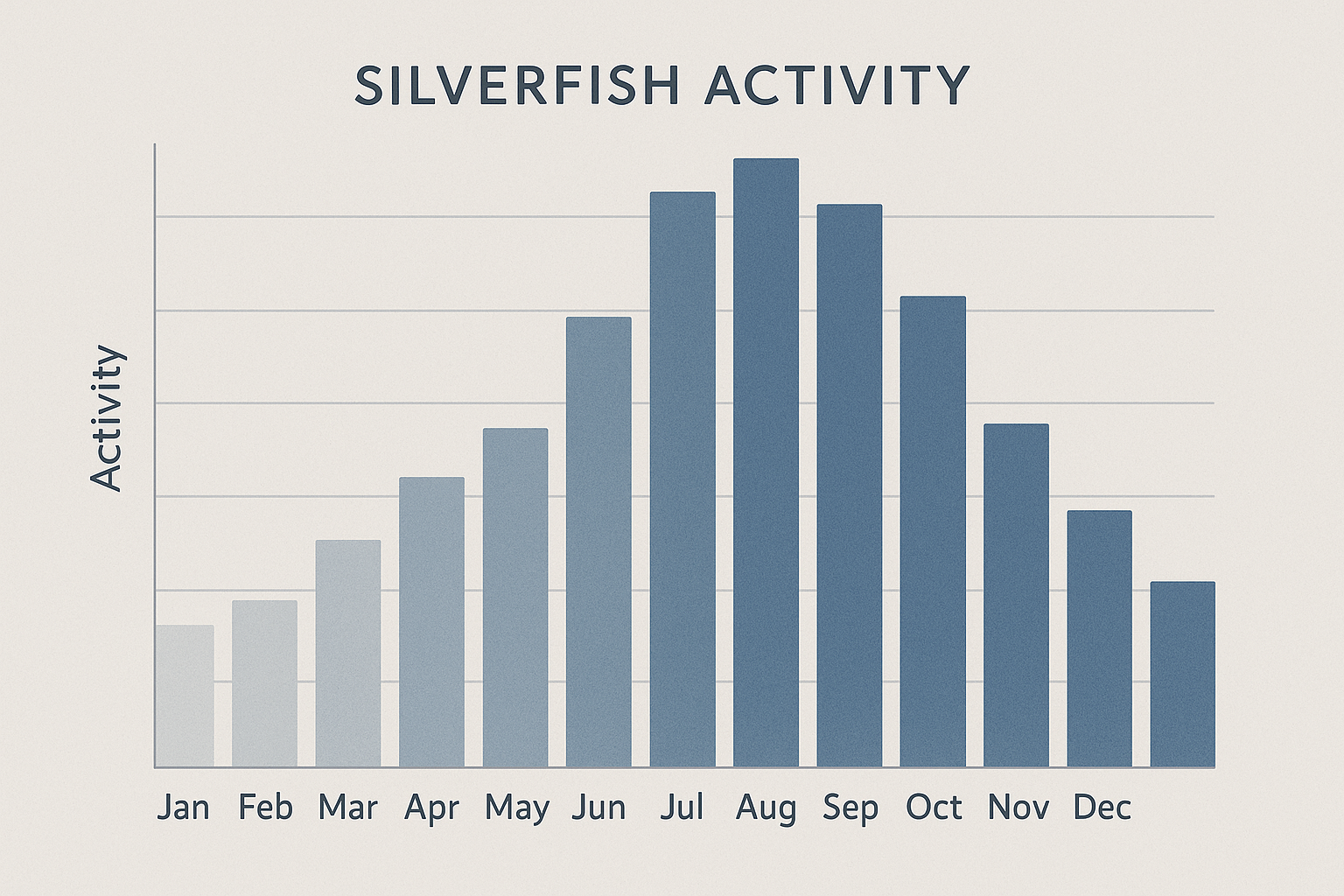
Silverfish are not the type of pest that disappears completely with the change of season, but their activity does follow a predictable rhythm. According to the chart above, you’ll see a sharp rise in numbers during the warm, humid weeks of late summer and early fall. As temperatures dip and indoor humidity drops in winter, the insects retreat into deeper cracks and become far less visible. This seasonal swing is driven by their need for moisture and moderate warmth, both of which are abundant in the summer months.
Why does this matter for treatment? In the high‑activity window, silverfish are moving around more, feeding, and reproducing at a faster rate. When you apply a residual insecticide during this period, a larger proportion of the population comes into direct contact with the product, allowing the chemical to work its way through the colony more efficiently. Treating during a lull—say, in the middle of a dry winter—means you’re targeting a much smaller, often hidden group, which can leave survivors to rebound when conditions improve.
Based on this pattern, our recommendation for homeowners in Suwanee, GA, is simple:
- Initial treatment: Schedule a professional service in late summer (August – September). This timing hits the peak of silverfish activity, maximizing chemical uptake.
- Follow‑up treatment: Plan a second visit in early spring (March – April). By then, any lingering insects that survived the first round will be emerging as indoor humidity rises again.
- Preventive touch‑ups: If you notice a resurgence later in the year, a light, targeted treatment can keep the population in check without a full‑scale service.
Even when you’re not in the middle of a treatment cycle, you can keep silverfish numbers low by controlling the factors they love most. Keep indoor humidity below 50 % by using dehumidifiers in basements and crawl spaces, fix leaky pipes promptly, and ensure proper ventilation in bathrooms and kitchens. A quick visual inspection each month—looking for the tell‑tale silver, fish‑like scales along baseboards or in pantry corners—will alert you to early activity before it becomes a full‑blown infestation.
Think of the seasonal chart as your personal pest-management calendar. By aligning professional services with the silverfish’s natural peaks, you not only improve the odds of a successful eradication but also reduce the number of treatments needed over the year—an approach any experienced silverfish exterminator Suwanee homeowners rely on would recommend. When you’re ready to lock in a date, give Anthem Pest Control a call at 877-371-8196 or book online at anthempest.com. Our locally trained technicians will use the chart to tailor a plan that fits your home’s unique rhythm.
Protect Your Home Today with Anthem Pest Control
Silverfish may seem harmless, but a growing population can damage books, fabrics, and even drywall. As we’ve discussed, the three pillars of effective control are accurate identification, proactive prevention, and prompt, professional treatment. Spotting the tell‑tale fish‑scale skin, sealing cracks, and acting quickly when you see signs are the best defenses against an infestation.
When the problem outpaces DIY measures, Anthem Pest Control steps in with a proven, science‑based approach. Our technicians are trained to locate hidden breeding sites, apply low‑toxicity products that target silverfish without endangering pets or children, and set up long‑term barriers that keep the pests away season after season. We treat each home as a unique environment, tailoring solutions to the layout, moisture levels, and entry points specific to your property.
Choosing Anthem means you get more than just a spray job. We pride ourselves on:
- Transparent pricing: No hidden fees—what you see in the quote is what you pay.
- Nationwide service coverage: From Suwanee to any corner of the United States, our network of certified technicians is ready to respond.
- Customer‑first guarantee: If you’re not satisfied with the results, we’ll return at no extra cost until the silverfish are gone.
- Safe, eco‑friendly products: Formulations meet EPA standards and are gentle on your family and the environment.
Ready to protect your home with a partner you can trust? Request a free, no‑obligation quote today. Our specialists will assess your situation, explain the best treatment plan, and give you a clear price before any work begins.
Call us now at 877-371-8196 or visit Anthem Pest Control to schedule your assessment with a trusted silverfish exterminator Suwanee homeowners rely on. Let’s put an end to silverfish and restore peace of mind to your household.