Why Speed Matters in Spider Control

Imagine coming home after a long day in Vinings, setting your bag down, and spotting a spider lounging on the kitchen counter. Your heart skips a beat, the lights feel harsher, and a wave of unease settles over the room. That split‑second shock is the exact moment many homeowners realize they need a professional spider exterminator Vinings—fast.
Beyond the initial startle, the presence of a spider can erode the comfort of your sanctuary. Fear of a bite, especially from species that can cause painful reactions, turns everyday tasks into cautious maneuvers. The anxiety can spill into your routine: you might avoid the pantry, skip cleaning under the sink, or even postpone guests, all because one eight‑legged intruder has disrupted your peace of mind.
Data from the U.S. Environmental Protection Agency underscores how common this scenario is—12 % of households reported indoor spider encounters in 2023. While the statistic seems modest, it translates to millions of homes across the nation facing the same unsettling surprise, many of which are in neighborhoods like Vinings where outdoor habitats border residential spaces.
The Hidden Cost of Delays
When a spider is spotted, the risk isn’t limited to a momentary fright. Many spider species lay egg sacs that can hatch within weeks, quickly turning a solitary sighting into a burgeoning infestation. Prompt action curtails this reproductive cycle, reducing the likelihood of bites and preventing the spider population from establishing hidden strongholds in walls, basements, and crawl spaces.
Rapid response also limits secondary issues such as allergic reactions or secondary infections from bites, which can be especially problematic for children, seniors, or anyone with compromised immune systems. By addressing the problem immediately, you protect both the physical health of your family and the structural integrity of your home, as some spiders can damage wiring or insulation over time.
Anthem Pest’s local technicians understand the urgency of these situations. Our Vinings team is equipped to diagnose the species, locate entry points, and deploy targeted treatments—all within hours of your call. Because we operate on a fast‑track service model, you’ll receive a clear, affordable quote before any work begins, ensuring there are no surprise costs.
In short, speed isn’t just a convenience; it’s a critical component of effective spider control. With quick, data‑backed interventions from Anthem Pest, you regain the comfort of a spider‑free home without breaking the bank. Let us turn that moment of panic into a swift, lasting solution.
Common Spiders in Vinings
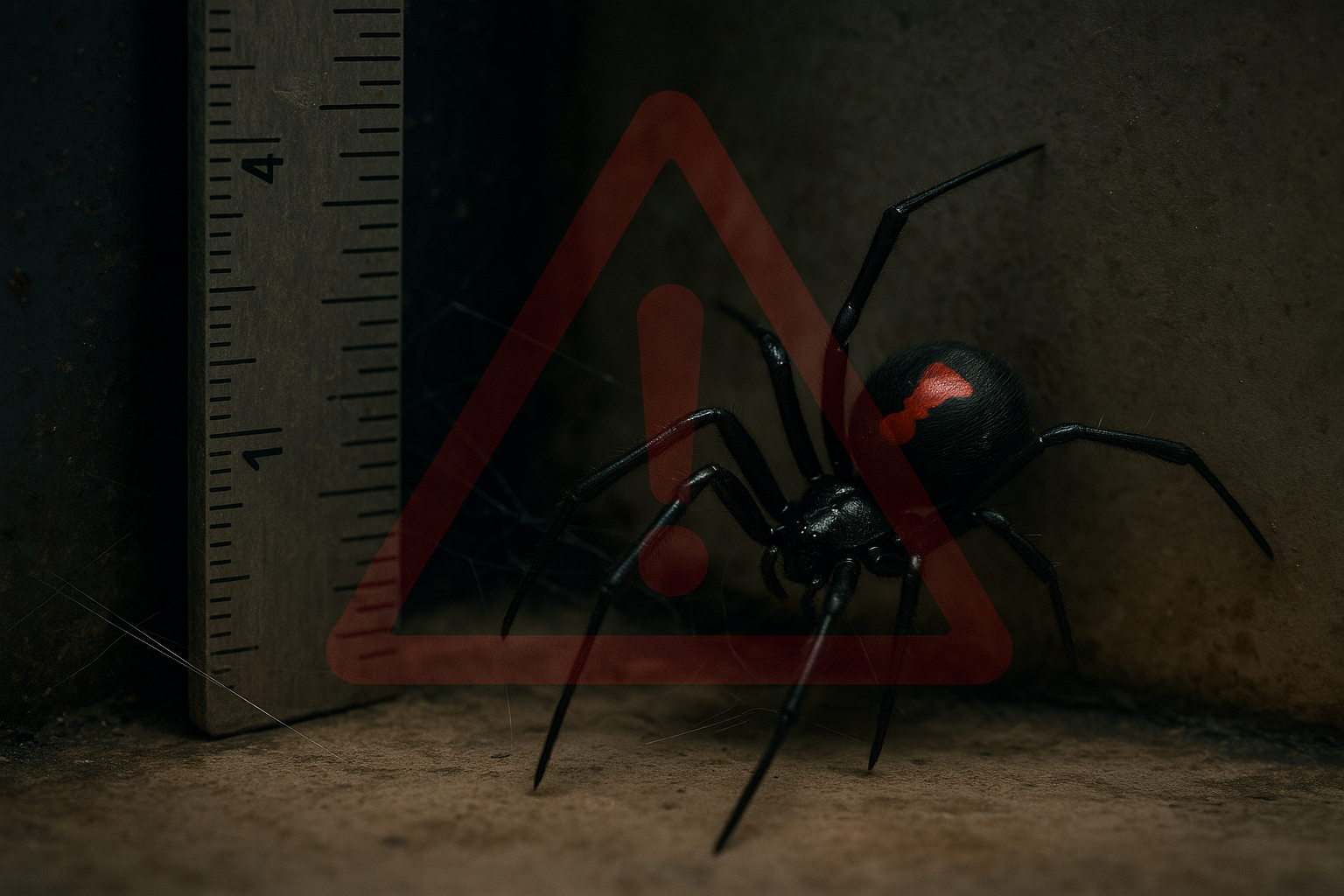
Vinings’ humid climate and leafy neighborhoods create an inviting environment for several spider species. While most of these eight‑legged residents are harmless, three—Black Widow, Brown Recluse, and the common House Spider—often raise eyebrows because of their appearance or potential bite effects. Knowing how to spot each one can save you time, worry, and unnecessary pesticide applications.
Black Widow (Latrodectus mactans)
- Size & coloration: Females grow 1.3–1.5 inches (including legs) and display a glossy, jet‑black body with a distinctive hourglass marking—usually red, orange, or yellow—on the underside of the abdomen. Males are smaller (about half the size) and lighter in color.
- Web type & habitat: They spin irregular, sticky cobwebs in dark, sheltered spots such as woodpiles, garages, and outdoor sheds. Inside homes, you’ll often find them in basements or under furniture where moisture lingers.
- Venom severity & bite statistics: Black widow venom is neurotoxic. Bites cause intense muscle cramps, abdominal pain, and sweating, but they are rarely fatal. According to the CDC, Georgia records roughly 2,000 spider bites each year, and less than 1 % require hospitalization—most of those involve black widows or brown recluses.
Brown Recluse (Loxosceles reclusa)
- Size & coloration: Adults measure 0.25–0.5 inches in body length. Their coloration ranges from light tan to dark brown, marked by a characteristic violin‑shaped dark patch on the dorsal cephalothorax.
- Web type & habitat: Unlike the messy cobwebs of widows, recluses spin loose, irregular sheets in undisturbed corners—attics, closets, or behind furniture. They favor dry, secluded areas and often hide in piles of clothing or stored boxes.
- Venom severity & bite statistics: The brown recluse’s venom is cytotoxic, potentially causing necrotic skin lesions that develop over days. Severe systemic reactions are rare, but the CDC’s Georgia data shows that a small fraction of the <1 % hospitalizations stem from recluse bites.
House Spider (Parasteatoda tepidariorum)
- Size & coloration: These spiders range from 0.2–0.4 inches in body length. Their bodies are typically brown to gray with faint striping, and their legs are long and slender.
- Web type & habitat: House spiders construct classic, funnel‑shaped webs in corners of rooms, basements, and crawl spaces. Their webs are tidy, with a central retreat where the spider waits for prey.
- Venom severity & bite statistics: Their bite is comparable to a mild bee sting—localized redness and itching. It never poses a health threat, and house spider encounters account for an insignificant portion of the CDC’s statewide bite tally.
Accurate identification matters because treatment strategies differ. A harmless house spider rarely warrants chemical intervention, whereas a confirmed black widow or brown recluse may require prompt professional extermination and, in some cases, medical attention. Misidentifying a non‑dangerous species can lead to unnecessary pesticide use, higher costs, and potential exposure to chemicals that homeowners don’t need.
| Species | Size (body length) | Coloration & Markings | Web/Habitat | Venom Risk |
|---|---|---|---|---|
| Black Widow | 1.3–1.5 in (incl. legs) | Shiny black, red/orange hourglass on abdomen | Irregular sticky cobwebs; dark, sheltered spots | Neurotoxic; severe pain, <1 % hospitalizations |
| Brown Recluse | 0.25–0.5 in | Light‑to‑dark brown, violin‑shaped dorsal marking | Loose sheet webs in undisturbed corners; dry areas | Cytotoxic; necrotic lesions, rare systemic effects |
| House Spider | 0.2–0.4 in | Brown/gray with faint striping | Funnel‑shaped webs in interior corners, basements | Mild irritation only, no medical danger |
Seasonal Peaks and Local Hotspots
When it comes to spiders, Vinings follows a predictable rhythm that aligns with the region’s weather patterns. The most active window typically stretches from late July through early October, with August standing out as the absolute high‑water mark. During these months, daytime temperatures hover between 80 °F and 90 °F, while nighttime humidity climbs above 70 %. Warmth accelerates spider metabolism, and moisture provides the perfect environment for egg sacs to develop and hatch. The combination turns backyards, garages, and even indoor corners into bustling highways for wandering arachnids.
“Vinings reported 35% more spider calls in August 2023 than the annual average.” – Anthem Pest service logs
This spike isn’t a statistical fluke; it mirrors the life cycle of common house spiders such as the garden spider (*Araneus cavaticus*) and the brown widow (*Latrodectus geometricus*). Both species lay their egg sacs in late spring, and by midsummer the juveniles are ready to disperse. The surge in temperature and moisture creates an ideal “feeding ground” that draws adult spiders out of hiding to hunt the insects that thrive in the same conditions.
Neighborhoods that See the Most Calls
- Vinings Village – Dense housing, mature landscaping, and numerous shaded patios make this area a magnet for spider activity.
- The Vinings Overlook – Elevated homes often have larger eaves and attics, providing sheltered nooks where spiders can set up permanent colonies.
- Properties near the Chattahoochee River – Proximity to the river means higher ambient humidity and frequent water runoff, both of which encourage spider proliferation.
These hotspots share three environmental triggers: consistent moisture, abundant clutter, and bright outdoor lighting. Moisture keeps webs supple and prevents spider silk from becoming brittle. Clutter—whether it’s stacked firewood, overflowing gutters, or piles of garden debris—offers hidden pathways and safe retreats. And outdoor lights attract insects, which in turn lure spiders that set up their webs nearby.
Why Moisture, Clutter, and Light Matter
Moisture. Spider silk is a protein that absorbs water. In a damp environment, webs remain elastic, allowing spiders to catch more prey without breaking. Rain‑soaked basements, leaky foundations, and even over‑watering of lawns create micro‑habitats where spiders can thrive year‑round.
Clutter. Every box, stack of lumber, or forgotten garden tool is a potential spider hideout. These objects break up air flow, maintain higher humidity, and provide the dark corners spiders love for building retreats and egg sacs.
Outdoor lighting. LED and sodium‑vapor lights draw moths, beetles, and other insects. Spiders quickly learn to position their webs within a few feet of these light sources, turning a simple porch light into a nightly hunting ground.
Infographic Idea: Seasonal Spider Activity Timeline
To help homeowners visualize the risk curve, consider a simple infographic that runs from June to November. The timeline would highlight:
- June – Early buildup: adult spiders start searching for mates.
- July – First wave of egg‑sac production.
- August – Peak call volume (35% above average); highest humidity and temperature.
- September – Juvenile dispersal; still high activity near lights and moisture.
- October – Decline as temperatures drop; spiders retreat to insulated indoor spaces.
Presenting this data visually gives homeowners a clear cue: schedule inspections and preventive treatments before the August surge, especially if they live in the identified high‑incidence neighborhoods. Acting early not only reduces the chance of a surprise encounter but also limits the need for repeated emergency visits later in the season.
Rapid Relief – Anthem Pest Treatment Options
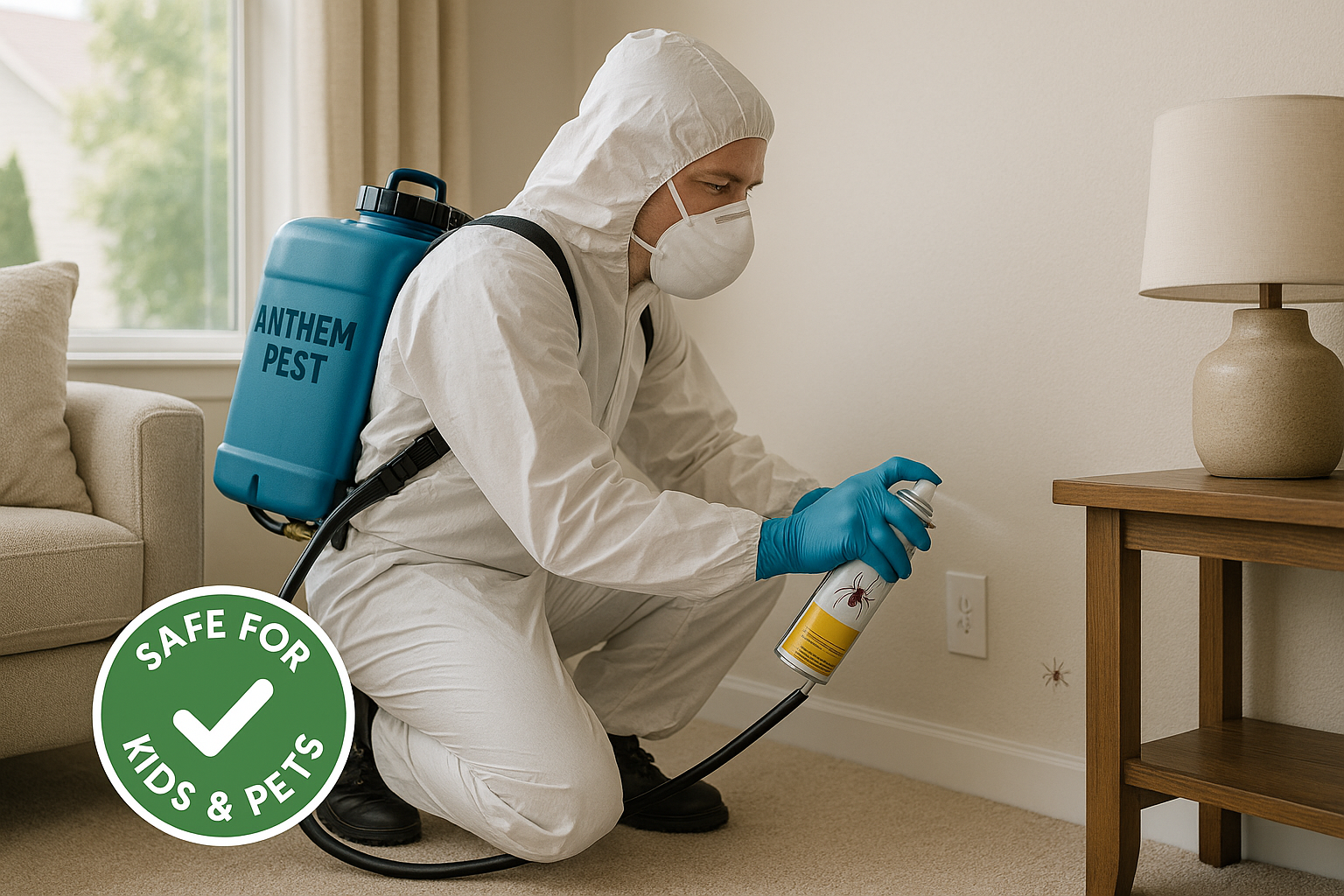
Spot‑treatment spray – instant knock‑down
When a spider sighting turns your living room into a mini‑concert, Anthem’s spot‑treatment spray is the fastest way to silence the show. A certified technician arrives, identifies the hot spot, and applies a targeted, low‑toxicity spray that knocks down spiders within minutes. The formulation is EPA‑approved and pet‑safe, so you can let your furry friends roam while the treatment does its work. Most Vinings customers report a response time of under one hour from the moment they call, meaning you won’t be waiting days for relief.
- Immediate effect: spiders are incapacitated on contact.
- Pet‑safe chemistry: meets EPA low‑toxicity standards.
- Fast response: typical arrival < 1 hour after scheduling.
Interior perimeter barrier – a 12‑week shield
The interior perimeter barrier acts like a protective moat around your home’s most vulnerable entry points. Anthem’s technicians, as trusted spider exterminator Vinings, seal cracks and treat window sills, door frames, and baseboards with a residual spray that remains active for up to twelve weeks. This barrier doesn’t just kill spiders that have already entered; it creates a hostile environment that deters new invaders from crossing the threshold. Homeowners in Vinings appreciate the “set‑and‑forget” nature of this service, especially during the peak spider season when outdoor activity spikes.
- Comprehensive coverage: cracks, windows, door frames, and baseboards.
- Long‑lasting protection: up to 12 weeks of residual activity.
- Low‑impact chemicals: EPA‑approved, safe for children and pets.
Integrated Pest Management (IPM) plan – the holistic approach
For homeowners who want a long‑term solution, Anthem’s IPM plan blends removal, exclusion, education, and follow‑up visits into a single, coordinated program. The process begins with a thorough inspection to locate spider nests and identify structural vulnerabilities. Technicians then remove existing spiders, apply targeted treatments, and seal entry points using durable caulks and screens. Between visits, Anthem provides homeowners with a checklist of simple actions—like trimming vegetation and reducing indoor clutter—to keep spiders at bay. Follow‑up appointments ensure the barrier remains effective and allow for adjustments based on seasonal changes.
- Full inspection: pinpoint nests and entry routes.
- Exclusion tactics: seal cracks, install door sweeps, and treat vents.
- Homeowner education: actionable tips to reduce attractants.
- Scheduled follow‑ups: keep the protection current year‑round.
| Service | Price Range |
|---|---|
| Spot‑treatment spray | $89 – $119 |
| Full interior perimeter barrier | $149 – $199 |
| Integrated Pest Management (IPM) package | $199 – $259 |
All three options are built on Anthem’s commitment to safety and compliance. The company exclusively uses EPA‑approved, low‑toxicity products that meet Georgia’s state licensing requirements, ensuring that each application protects both your family and the environment. Technicians wear branded uniforms, carry detailed safety data sheets, and label every treated area with clear, legible markings. This professionalism not only reassures homeowners but also creates a transparent record of what was applied, where, and when.
Choosing the right service depends on how quickly you need relief and how proactive you want to be. If a spider has just shown up and you need instant action, the spot‑treatment spray is the quickest fix. For medium‑term peace of mind without a full‑scale program, the interior perimeter barrier offers a 12‑week protective wall. And if you’re looking for a comprehensive, season‑long strategy that educates you and keeps your home spider‑free, the IPM plan delivers the most value.
Regardless of the option you select, Vinings homeowners can expect a courteous, fully licensed technician who follows strict safety labeling protocols and leaves your home cleaner than it was found. Anthem Pest’s transparent pricing, rapid response times, and proven, low‑impact chemicals make it the go‑to choice for fast spider extermination in the Vinings area.
DIY Prevention While You Wait
Waiting for a professional spider exterminator Vinings doesn’t mean you have to sit idle. Simple, evidence‑based actions can dramatically cut down spider activity inside your home, giving you peace of mind and making the upcoming treatment more effective. By tackling the most attractive hiding spots and food sources now, you reduce the chance of a surprise encounter while the technician prepares a targeted plan.
Declutter Basements, Attics, and Storage Areas
Spiders love undisturbed corners, piles of boxes, and stacks of seasonal items. Start by removing any unnecessary clutter from basements, attics, and closets. Store items in sealed plastic containers rather than cardboard boxes, and sweep away cobwebs as you go. A tidy space eliminates shelter and forces spiders to seek refuge elsewhere—outside the living areas you frequent.
Seal Exterior Cracks Larger Than ¼ in.
Even a small opening can become a highway for spiders and the insects they prey on. Inspect the foundation, window frames, doorways, and utility penetrations for gaps wider than a quarter of an inch. Apply a high‑quality silicone caulk, which remains flexible and weather‑resistant, to seal these entry points. Focus on seams around siding, roof eaves, and where pipes enter the home; a well‑sealed exterior is the first line of defense.
Reduce Outdoor Lighting That Attracts Insects
Bright porch lights, floodlights, and garden lamps draw flying insects, creating an all‑you‑can‑eat buffet for spiders. Swap incandescent bulbs for amber‑tinted LED fixtures, or install motion‑sensor lights that only turn on when needed. Keep lights at least three feet away from doors and windows, and consider using low‑wattage bulbs on the side of the house facing the yard. Less light equals fewer insects, which means fewer spiders hanging around your home’s perimeter.
Swap Wood Mulch for Cedar Mulch
Traditional wood mulch retains moisture and provides a cool, dark environment that spiders love. Replace it with cedar mulch, which naturally repels many arthropods due to its aromatic oils. Spread the cedar mulch at least six inches deep around flower beds and the foundation, then water it lightly to settle the material. This simple switch not only deters spiders but also adds a pleasant scent to your garden.
Store Firewood Properly
Firewood stacked too close to the house becomes an ideal spider habitat. Keep the pile at least 20 feet away from the foundation and elevate it on a pallet or sturdy platform to allow airflow underneath. Cover the top with a tarp that’s secured but still breathable, preventing moisture buildup while still discouraging spiders from nesting in the wood.
Additional Resources and a Handy Checklist
For a deeper dive into spider‑prevention tactics, consult the NPMA’s spider‑prevention guide. It offers a comprehensive list of seasonal tips and best practices backed by industry research. To make implementation even easier, we’ve created a printable “Quick Spider‑Prevention Checklist” that you can download as a PDF and hang on your fridge. Tick off each action as you complete it, and you’ll see a noticeable drop in spider sightings before our technician arrives.
The Anthem Pest Advantage for Vinings Homeowners
Living in Vinings means enjoying beautiful neighborhoods—and, unfortunately, the occasional unwelcome eight‑legged visitor. What sets Anthem Pest apart is not just our ability to eliminate spiders quickly, but the confidence that comes from a company rooted in the community for over 15 years.
Local, Licensed Professionals You Can Trust
All of our technicians are fully licensed Georgia pest control operators. That certification guarantees they’ve completed rigorous state training, stay current on the latest treatment protocols, and follow strict safety standards. Because we’ve served Vinings families for a decade and a half, we understand the specific spider species that thrive here and the seasonal patterns that dictate when they appear.
Proven Performance Backed by Real Reviews
Our commitment to quality is reflected in a 4.9‑star rating on Google, compiled from more than 200 verified homeowner reviews. Those scores aren’t just numbers; they represent countless stories of rapid response, thorough inspections, and lasting relief. When a neighbor sees a spider in the bathroom and calls us, they’re joining a community that consistently rates us among the top pest control providers in the state.
“After a scary black‑widow sighting, Anthem’s team arrived same day, treated our home, and explained how to keep spiders out. Highly recommend!” – A. Johnson, Vinings
24‑Hour Emergency Line for Urgent Situations
Spider bites can happen at any hour, and infestations don’t wait for business‑day appointments. That’s why our dedicated emergency line—877‑371‑8196—is staffed around the clock. Whether you’re dealing with a sudden bite, a sudden surge of spiders in the attic, or a night‑time panic, a qualified technician will be on the way, often within a few hours.
Transparent Pricing and a Satisfaction Guarantee
We believe every homeowner deserves to know exactly what they’re paying for. Our quotes are clear, itemized, and free of hidden fees. If you’re not completely satisfied with the results, we’ll revisit the treatment at no extra charge until the problem is resolved. This “no‑surprises” policy has helped us earn repeat business and referrals throughout Vinings.
Why Vinings Homeowners Choose Anthem Pest
- Local expertise: 15 years of hands‑on service in Vinings neighborhoods.
- Certified technicians: All operators hold Georgia pest control licenses.
- High customer trust: 4.9‑star Google rating from 200+ reviews.
- Rapid emergency response: 24/7 line at 877‑371‑8196.
- Clear, upfront pricing: No hidden costs, full satisfaction guarantee.
Choosing Anthem Pest means you’re partnering with a team that treats every spider sighting as a personal mission—to protect your family, preserve your home’s comfort, and give you peace of mind. When the next spider appears, you’ll already know who to call, and you’ll have the confidence that a licensed, locally trusted professional will be at your door, ready to act.
Fast Scheduling, Guarantees, and Next Steps
At Anthem Pest, we understand that a spider‑infested home in Vinings can feel like an invasion you can’t wait to end. That’s why our service is built around three core promises: rapid response, safe and affordable treatment, and a peace‑of‑mind guarantee that lets you breathe easy once the job is done.
Quick, Click‑Free Booking
Getting a technician to your door is as simple as a few taps on your computer or phone. Follow this streamlined online flow:
- Select “Spider Control” from the service menu.
- Choose a same‑day window that fits your schedule – we reserve slots every morning for urgent cases.
- Enter your Vinings address and confirm the details.
- Review transparent pricing and hit “Book Now.”
Within minutes you’ll receive an email confirmation and a reminder text before our certified technician arrives. No hidden fees, no back‑and‑forth phone calls – just a straightforward path to a spider‑free home.
Our 30‑Day Follow‑Up Guarantee
We stand behind every treatment with a 30‑day follow‑up guarantee. If you spot any spiders returning within that period, simply give us a call and we’ll schedule a re‑treatment at no extra charge. This guarantee covers both the original treatment area and any adjacent zones where spiders might migrate, ensuring you don’t have to worry about a lingering problem.
Next Steps – A Soft Invitation
Ready to reclaim your space? Scheduling a free, no‑obligation quote takes less than a minute, and it gives you a clear picture of what the job will entail and how much it will cost. Our team will walk you through the process, answer any safety questions, and set up a treatment plan that works around your family’s routine.
Give us a call at 877‑371‑8196 or head straight to our Vinings page to lock in your appointment. Let a professional spider exterminator Vinings handle the spiders so you can enjoy a quiet, spider‑free home—fast, safe, and backed by a guarantee you can trust.