Why Stink Bugs Matter in Dunwoody

Recent USDA‑APHIS surveillance shows that the brown marmorated stink bug is no longer a fringe problem in Georgia. The agency’s 2024 report documents a 45 % increase in reported stink‑bug sightings between 2022 and 2024, a jump that outpaces most other agricultural pests. This surge is most pronounced in the Atlanta metro area, where warmer micro‑climates and expanding suburban development give the bugs a perfect breeding ground.
For homeowners, the rise translates into three distinct headaches:
- Foul odor: When crushed, stink bugs release a pungent, sulfur‑like smell that can linger in kitchens, pantries, and even on countertops for hours.
- Plant damage: Their needle‑like mouthparts pierce ornamental shrubs, roses, and fruit trees, leaving brown, sunken lesions that weaken the plant and invite secondary infections.
- Indoor congregation: As late summer temperatures dip, large numbers of bugs seek shelter inside homes, clustering in wall voids, attics, and light fixtures, where they become a constant visual nuisance.
In Dunwoody, the problem is amplified by the neighborhood layout. The city’s mix of higher‑density townhomes, cul‑de‑sacs, and well‑kept green spaces creates a corridor that both attracts and traps stink bugs. Tree‑lined streets and community parks provide abundant food sources, while the close proximity of homes offers easy entry points—cracks around windows, gaps under siding, and gaps in screened porches.
Because these insects thrive on the very features that make Dunwoody attractive—lush landscaping and comfortable homes—their presence feels especially invasive. A single homeowner’s complaint about a lingering odor often signals an infestation that’s spreading through the block, putting neighbors at risk of the same unpleasant experience.
Understanding the scale of the issue is the first step toward rapid relief. The data‑driven rise in sightings tells us that waiting for the problem to “go away on its own” is no longer a viable strategy. Prompt identification, targeted treatment, and proactive prevention are essential to keep your home stink‑bug free.
In the sections that follow, we’ll walk you through exactly how to spot a brown marmorated stink bug, the most effective treatment methods Anthem Pest Control uses in Dunwoody, and the preventive measures that can stop an invasion before it starts. The goal is simple: give you the knowledge and tools to protect your home, your garden, and your peace of mind.
Spotting the Invader – Identification Guide
Adult Morphology
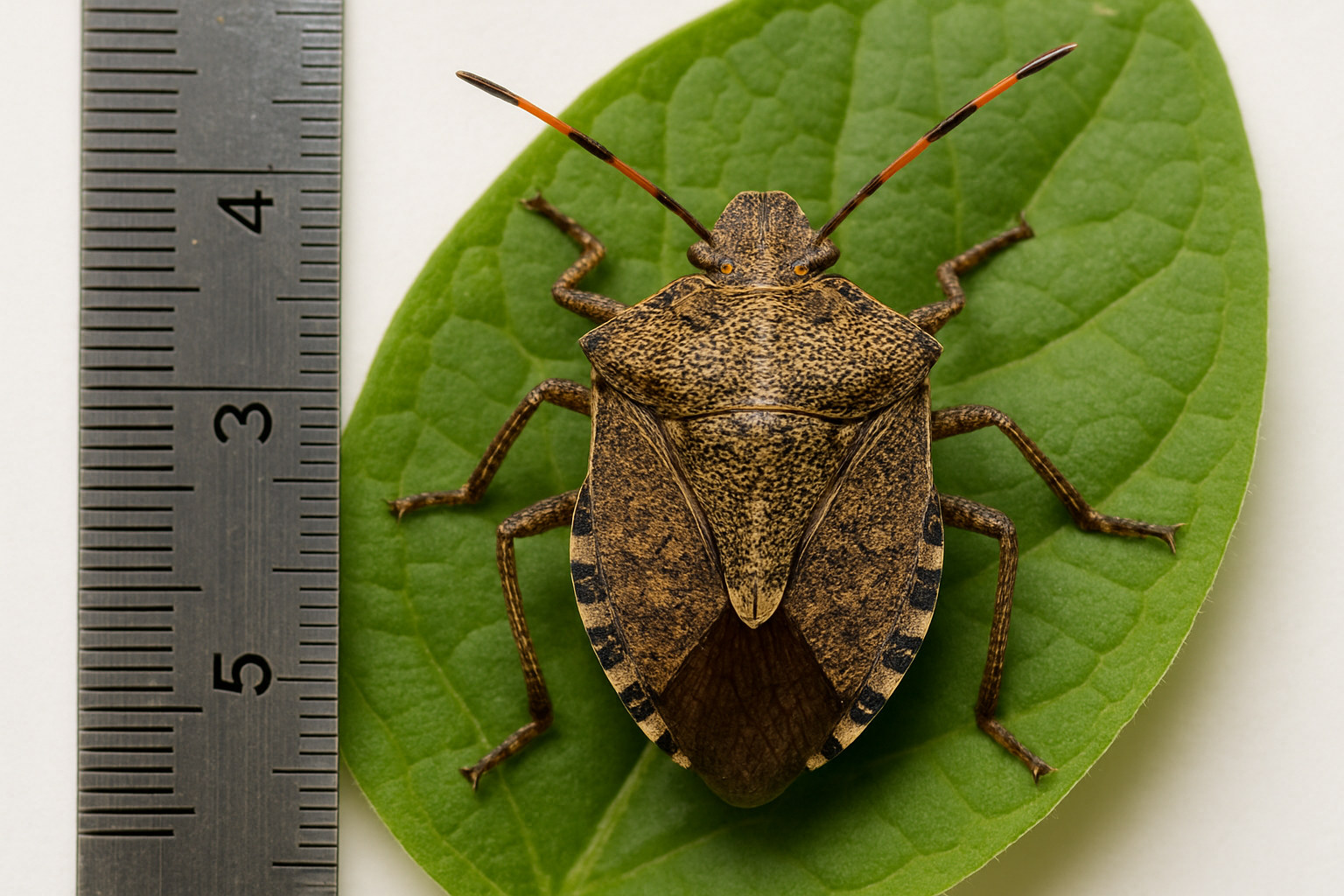
The brown marmorated stink bug (Halyomorpha halys) becomes unmistakable once you know its key traits. An adult measures about a half‑inch long (≈12 mm) and carries a shield‑shaped, roughly triangular body that tapers toward the rear. The dorsal surface is a mottled brown‑gray, while the ventral side is lighter, almost tan. Two vivid orange‑red antennae jut from the head, and a distinctive “V” or inverted‑U marking arches across the middle of the back, breaking the uniform brown tone. These combined features create a tiny armored shield that is hard to miss when it gathers in numbers.
Seasonal Activity Timeline
Stink bugs are most active from late spring through early fall. The University of Georgia Extension’s 2023 “Stink Bug Management” report notes that the first adults emerge in late April, begin reproducing in May, and reach peak abundance in August. Numbers then taper off as temperatures drop, with most adults seeking shelter for overwintering by early November. Warm days above 70 °F (21 °C) accelerate feeding and egg‑laying, while cooler nights slow development. The timeline below summarizes the typical activity windows you’ll notice around a Dunwoody home.
| Month | Activity Level | Typical Behavior |
|---|---|---|
| April | Low – First adults appear | Scouting on tree trunks and garden perimeters |
| May‑June | Moderate – Reproduction begins | Egg masses on fruit trees; nymphs emerging |
| July‑August | High – Peak abundance | Mass migrations into homes seeking shelter |
| September‑October | Declining – Adults seek overwintering sites | Gathering in wall voids, attics, and crawl spaces |
| November‑December | Very low – Overwintering | Hunkered in insulated cracks; dormant until spring |
Real‑World Anecdote
Last July, a Dunwoody homeowner named Lisa was deep‑cleaning her kitchen cabinets in the Brookhaven neighborhood when she noticed dozens of tiny, shield‑shaped insects crawling along the wood grain. The bugs emitted a faint, sour odor when she brushed them aside—a classic stink bug warning scent. A quick glance confirmed the “V” marking on their backs and the bright orange‑red antennae, matching the description above. Within a week, the same insects appeared on her pantry shelves and even on the exterior of her refrigerator, prompting her to call Anthem Pest Control for a professional assessment.
Quick Infestation Checklist
Use this short list to verify whether you’re dealing with a stink‑bug invasion:
- Size & shape: Approximately ½ inch, shield‑shaped body.
- Color palette: Brown‑gray dorsal surface with a contrasting “V” mark.
- Antennae: Bright orange‑red, clearly visible.
- Odor: A faint, pungent smell released when the bug is disturbed.
- Location: Found in sunny exterior walls, window sills, kitchen cabinets, or clustered near light sources indoors.
If three or more of these cues line up, you’re likely looking at a brown marmorated stink bug problem. Early detection lets Anthem Pest Control intervene before the bugs establish a winter shelter, saving you both hassle and potential damage to fruit, vegetables, and ornamental plants.
Why DIY Solutions Often Fall Short
When stink bugs start spilling into your kitchen, it’s tempting to reach for a quick home‑made fix. Many homeowners in Dunwoody turn to recipes they found online—soap‑based sprays, sticky paper traps, or essential‑oil diffusers that promise a “natural” repellent. These methods feel affordable and low‑effort, but the reality is that they rarely deliver the lasting control you need.
Popular DIY Tactics
The most common DIY approaches include:
- Homemade soap sprays: A mixture of liquid dish soap, water, and sometimes a dash of vinegar, applied directly to bug‑infested areas.
- Sticky traps: Adhesive cards or homemade paper strips placed near windows and entry points to catch wandering insects.
- Essential‑oil diffusers: Citronella, peppermint, or eucalyptus oils dispersed into the air with the hope of repelling stink bugs.
While each of these strategies sounds plausible, independent research shows they rarely move the needle on a real infestation.
What the EPA Report Tells Us
The EPA Indoor Pest Control Effectiveness Report 2022 evaluated a range of homeowner‑implemented treatments across the United States. For stink bugs, the study recorded **less than 20 % reduction** in population numbers after two weeks of consistent DIY application. In many cases, bug counts returned to pre‑treatment levels within a month, indicating that the short‑term knock‑down achieved by soap sprays or oils is essentially a temporary inconvenience rather than a solution.
Hidden Risks Behind DIY Efforts
Beyond limited efficacy, DIY methods can create hidden problems:
- Chemical resistance: Repeated use of low‑grade insecticidal soaps can encourage stink bugs to develop tolerance, making future treatments even less effective.
- Indoor air quality concerns: Over‑spraying soap mixtures or essential oils can leave residues that irritate respiratory pathways, especially for children, seniors, or pets. Improper dilution may also cause slippery surfaces and damage to finishes.
- Misapplication: Without professional training, homeowners often miss critical hiding spots—behind baseboards, in wall voids, or under insulation—allowing the colony to survive and repopulate.
“I tried a homemade soap spray and set out sticky traps for weeks, but the bugs kept coming back. After a month of frustration, I called Anthem Pest. Their treatment cleared the problem in just a few days, and I haven’t seen another stink bug since.” – Linda M., Dunwoody homeowner
Why Professional, EPA‑Registered Products Matter
Licensed pest technicians have access to EPA‑registered formulations that are specifically tested for stink bug control. These products are applied with calibrated equipment, ensuring the correct dosage reaches every potential entry point and breeding site. Moreover, professionals follow Integrated Pest Management (IPM) principles: they identify the source, seal gaps, and apply treatments that minimize risk to occupants while maximizing impact on the pest.
Choosing a certified provider like Anthem Pest Control means you avoid the guesswork, the wasted time, and the hidden health hazards of DIY attempts. With a targeted, science‑backed approach, you get reliable, long‑lasting relief—so you can focus on enjoying your home instead of constantly battling a stubborn stink‑bug invasion.
Professional Treatment Options from Anthem Pest
When stink bugs start invading your Dunwoody home, a quick, thorough response makes all the difference. Anthem Pest’s two‑step extermination process is designed to locate every hidden bug, seal off entry routes, and apply a long‑lasting barrier that keeps the pests from returning. Below, we break down exactly what you can expect from a professional service, how interior and exterior work differ, and why the price point is a solid investment for peace of mind.
Step 1 – Comprehensive Inspection
The first visit is never a “spray‑and‑run” job. A certified Anthem Pest technician arrives with a detailed checklist and a flashlight, systematically scanning your property for:
- Visible entry points such as gaps around doors, windows, and utility penetrations.
- Breeding hotspots like sun‑warmed siding, mulch piles, and any cracks in the foundation.
- Infestation concentrations inside walls, cabinets, and under appliances.
During this inspection, the technician records each finding on a portable tablet, creating a map of problem zones that will guide the next step. Homeowners receive a written summary, so you know exactly where the bugs are coming from and how the treatment will address them.
Step 2 – Targeted Residual Spray
Armed with the inspection data, the technician applies an EPA‑registered pyrethroid formulation. This chemical is chosen for its proven efficacy against stink bugs while meeting strict safety standards for families and pets.
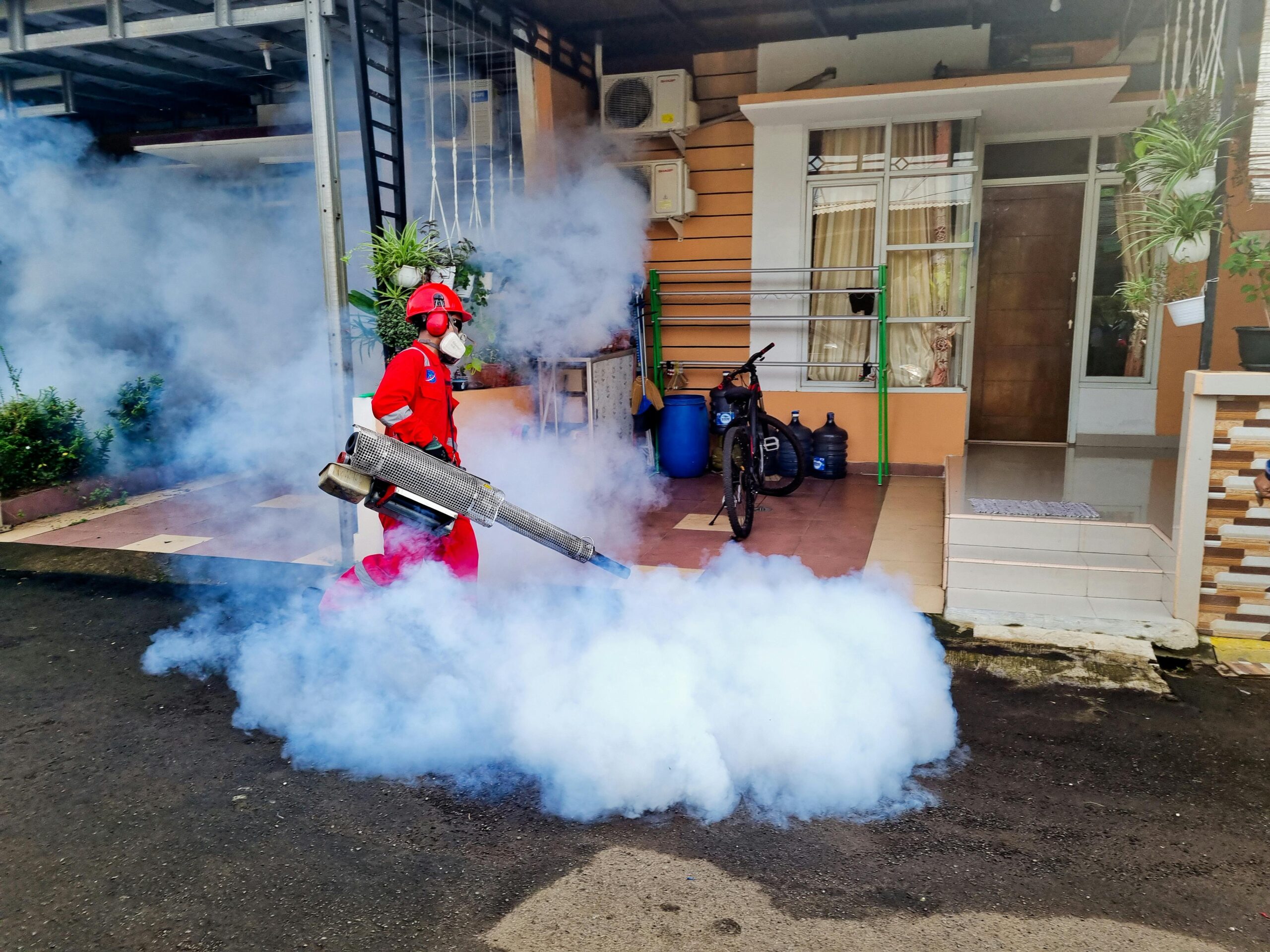
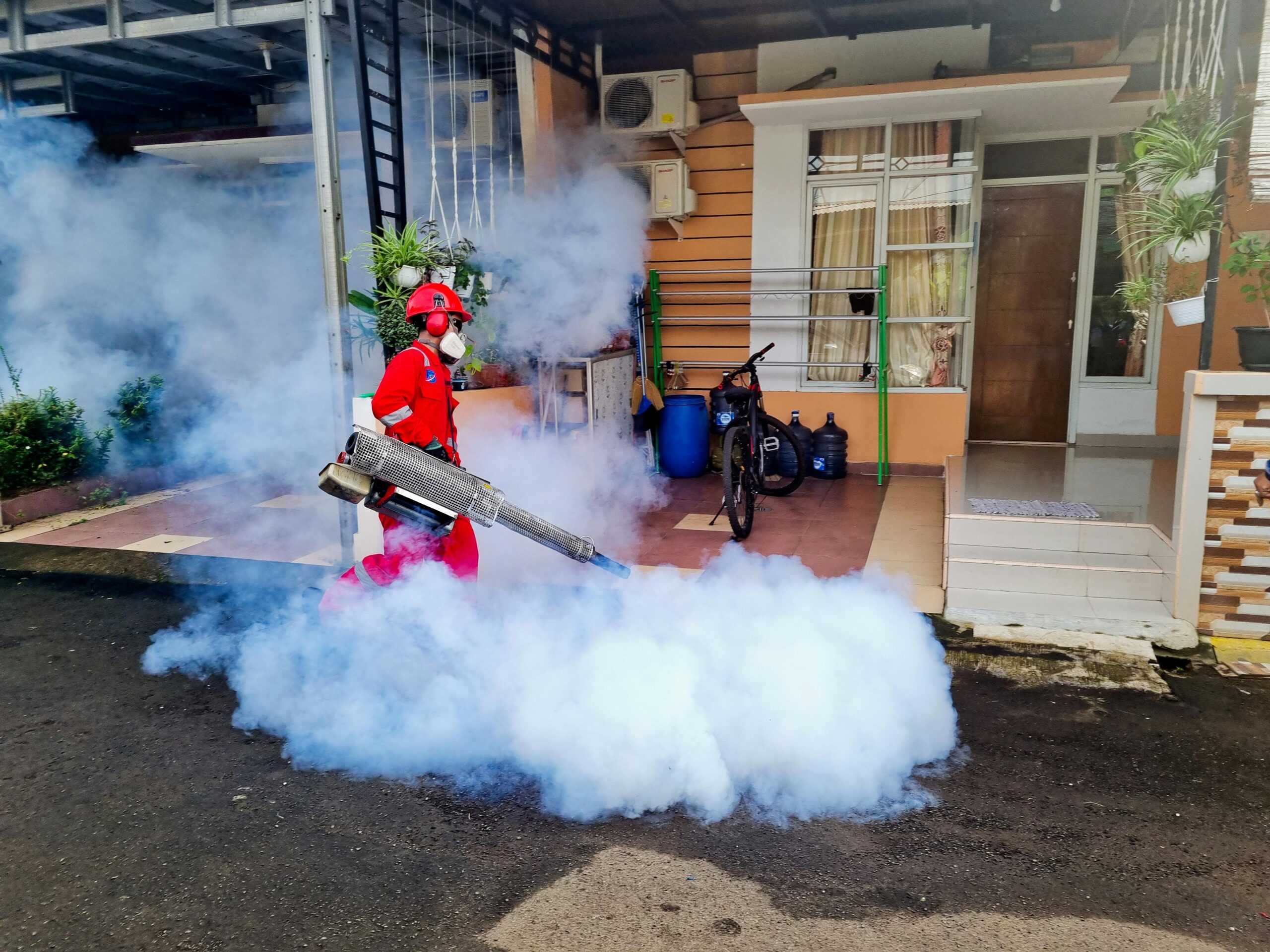
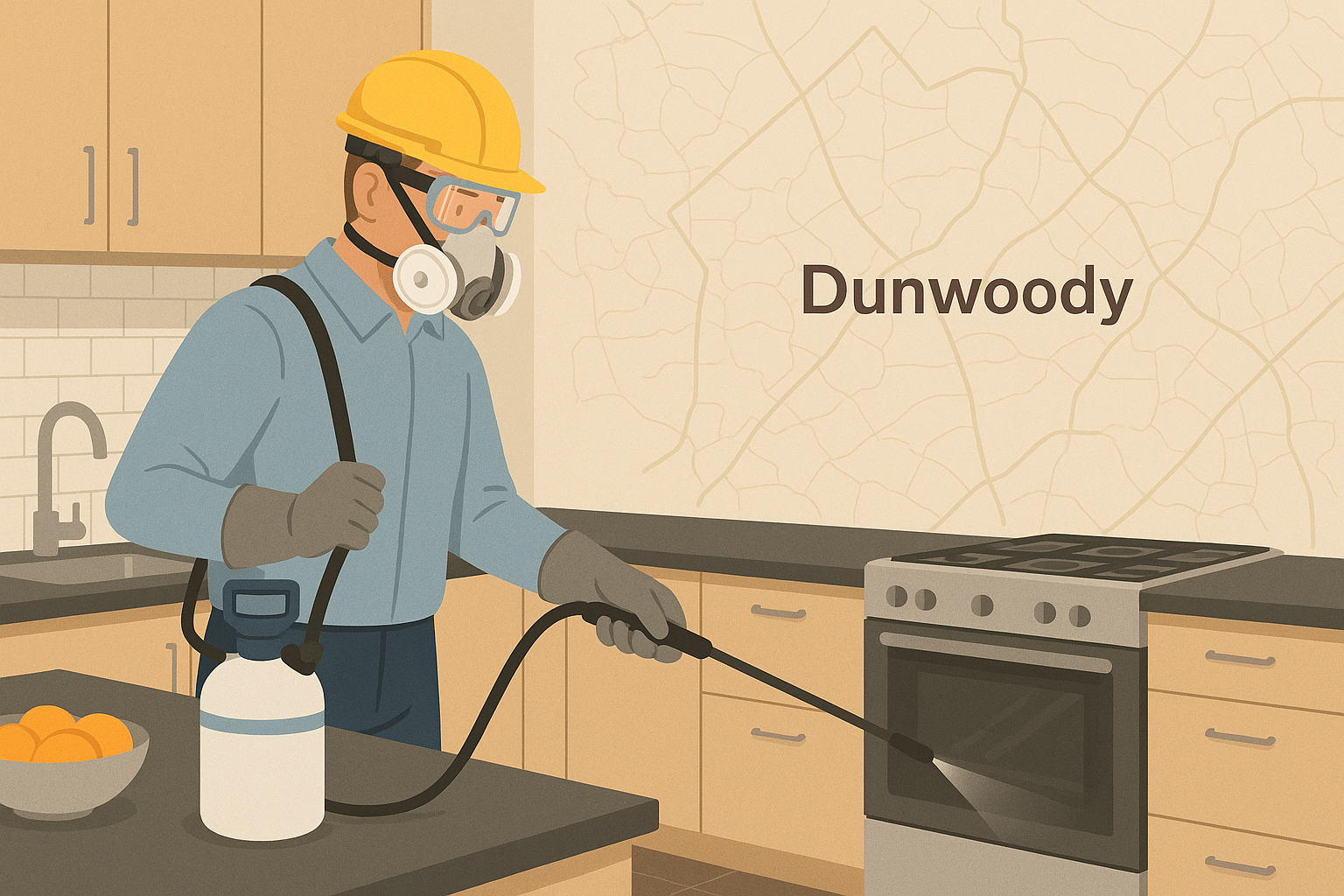
Interior Treatment: The spray is carefully applied to cracks, vents, window frames, and baseboards—areas where bugs hide during the day. Special attention is given to walls, kitchen cabinets, and light fixtures, because stink bugs love the warm, sheltered spaces these fixtures provide. The technician uses low‑pressure applicators to ensure an even coat without over‑saturating surfaces.
Exterior Treatment: Outside the home, the same residual formula is directed at the foundation, perimeter vegetation, and mulch beds. By treating the soil and plant roots, the barrier extends several inches underground, intercepting bugs before they can crawl onto the siding. Exterior spray also covers outdoor lighting fixtures and eaves, which often become nighttime gathering spots for stink bugs seeking shelter.
Pricing for a Typical Dunwoody Single‑Family Home
Anthem Pest’s 2024 pricing sheet lists a range of $120 – $250 for a complete two‑step stink‑bug treatment on an average single‑family residence in Dunwoody. The variation depends on square footage, the number of entry points identified, and any additional landscaping work required around the perimeter. All quotes are transparent—there are no hidden fees, and the price includes both the inspection report and the follow‑up visit if needed.
30‑Day Re‑Treatment Guarantee
Confidence in the work is backed by a 30‑day guarantee. If stink bugs reappear within a month of the initial service, Anthem Pest will return at no extra charge, perform a free follow‑up inspection, and re‑apply the residual spray to any missed zones. This guarantee not only protects your investment but also underscores the company’s commitment to thorough, lasting results.
Why Trained Technicians Make All the Difference
Choosing a professional service over a DIY spray kit brings several critical advantages:
- Proper Dosage: Technicians calibrate the exact amount of pyrethroid needed for each surface, preventing under‑treatment (which leaves bugs alive) or over‑application (which can cause unnecessary exposure).
- Safety Protocols: Certified staff follow EPA safety guidelines, use protective gear, and ensure that the spray is applied in a way that minimizes risk to children, pets, and indoor air quality.
- Documentation: After the job, you receive a detailed service report that can be attached to home insurance files or used during a resale to demonstrate proactive pest management.
- Local Expertise: Anthem Pest technicians are familiar with Dunwoody’s specific climate patterns and common bug pathways, allowing them to anticipate problem areas before they become visible.
In short, the two‑step process—inspection followed by a targeted residual spray—creates a defensive shield that tackles stink bugs where they hide and where they try to enter. The clear pricing, backed by a 30‑day guarantee, ensures you’re not left guessing about the cost or effectiveness of the treatment. By trusting Anthem Pest’s trained professionals, you gain a documented, safe, and lasting solution that protects your home, your family, and your peace of mind.
Preventive Measures Homeowners Can Implement
Stink bugs are opportunistic hitch‑hikers that love to slip through the tiniest gaps in a home’s envelope. The good news? Most of the time you can block their entry before they even think about setting up camp. Below are low‑cost, DIY actions that give you a solid first line of defense without waiting for a professional call.
1. Seal Entry Points
Every crack, gap, or torn screen is a potential invitation. Start with the most common culprits:
- Weather‑stripping on doors and windows: Self‑adhesive foam or rubber strips seal the perimeter and cost between $30‑$80 for a full DIY kit.
- Door sweeps: Attach a sweep to the bottom of exterior doors to block bugs crawling along the foundation.
- Screen vents: Replace damaged vent screens with fine‑mesh alternatives; a pack of 10 screens typically runs under $15.
Take a quick walk around your home with a flashlight in hand—any light you can see through is a gap you should seal.
2. Landscape Adjustments
Stink bugs are drawn to certain “host” plants that act as feeding stations before they venture indoors. The NPMA “Stink Bug Prevention” guide (2023) recommends:
- Removing or relocating Tree of Heaven (Ailanthus altissima) and any fruit‑bearing trees that are within 20 ft of your foundation.
- Pruning low‑hanging branches that touch the house, as they create bridges for bugs to walk directly onto siding or windows.
- Keeping grass trimmed and mulch at least 2 inches away from the house to reduce sheltering sites.
These steps cost little more than a few hours of yard work and a modest purchase of new plants if you need replacements.
3. Manage Outdoor Lighting
Bright, white or UV lights act like a beacon for stink bugs during dusk. To make your exterior less attractive:
- Swap to amber or sodium‑vapor bulbs, which emit wavelengths insects find less appealing.
- Install motion‑sensor fixtures so lights are only on when needed.
- Turn off porch and patio lights an hour after sunset during peak stink‑bug season (late summer).
These adjustments not only deter bugs but also reduce your electricity bill.
4. Seasonal Maintenance Schedule
Consistency is key. A simple calendar keeps you ahead of the stink‑bug surge:
| Month | Task | Why It Matters |
|---|---|---|
| April (pre‑summer) | Full exterior inspection – seal gaps, check weather‑stripping, replace damaged screens. | Stops bugs from entering as they emerge from overwintering sites. |
| May‑July | Monitor outdoor lighting and keep host plants trimmed. | Reduces attraction during the peak breeding period. |
| September (post‑summer) | Second round of sealing, especially after storms; clear fallen leaves. | Prevents bugs that have multiplied from finding new entry points. |
| After Heavy Rains | Quick visual check for water‑logged mulch, standing water, and displaced screens. | Rain can wash bugs into lower levels of the home. |
5. Printable Checklist (Optional)
For homeowners who prefer a tangible reminder, we’ve created a one‑page PDF you can print and hang on your fridge. It lists each action, the recommended frequency, and a space to tick off completed tasks.
Download the printable Stink Bug Prevention Checklist
Implementing these steps doesn’t require a professional contract or a hefty budget. By sealing, landscaping wisely, managing light, and staying on a seasonal schedule, you dramatically lower the chance of a stink‑bug invasion. And if a few stubborn bugs do slip through, Anthem Pest Control is ready with fast, safe treatments—just a phone call away at 877‑371‑8196.
Dunwoody Neighborhood Hotspots and Local Insight
When stink bugs start showing up in a home, it’s rarely a random event. In Dunwoody the 2024 Open Data Portal reveals clear patterns that point to three “hotspot” clusters where complaints surge each summer. Knowing where these clusters sit helps you spot a problem before it spreads to the rest of the block.
Hotspot Cluster #1 – Brookhaven (Older Homes Near Mature Trees)
Brookhaven’s winding streets are dotted with homes built in the 1970s and 1980s, many of which sit under large, mature oaks and pines. Those trees provide shade, but they also shelter stink‑bug colonies that migrate onto nearby structures at dusk. Cracks around window frames, gaps under eaves, and unfinished attic vents are common entry points in this area.
- Unsealed window casings
- Open soffit vents near tree roots
- Loose siding panels where branches press against the wall
Hotspot Cluster #2 – Dunwoody Village (Dense Housing with Older Siding)
The Dunwoody Village subdivision features rows of ranch‑style houses packed closely together. The original vinyl siding, installed before modern building codes tightened, often shrinks or peels with age, leaving thin seams that stink bugs love to slip through. Shared walls and narrow alleys also create a corridor effect, allowing bugs to move from one house to the next with ease.
- Peeling vinyl seams along sidewalls
- Unfilled gaps around exterior utility boxes
- Basement crawl‑space vents that lack weather‑stripping
Hotspot Cluster #3 – Peachtree Industrial Blvd (Commercial‑Residential Mix)
Along Peachtree Industrial Blvd the landscape shifts from retail space to nearby apartment complexes. Utility gaps—such as uncovered conduit, broken storm‑drain covers, and gaps around HVAC units—are abundant here. Those openings serve as highways for stink bugs, especially when the surrounding pavement reflects heat and drives insects toward cooler indoor environments.
- Uncovered electrical conduit on building exteriors
- Damaged storm‑drain grates near loading docks
- Improperly sealed HVAC condensate lines
What the Data Shows
The Dunwoody Open Data Portal’s “Pest‑Complaint” dataset tracks every reported stink‑bug sighting by zip code. Below is a snapshot of the last three years for the three zip codes that contain our hotspots. The numbers illustrate a steady climb, confirming that the patterns we see on the ground are reflected in city‑wide records.
| Zip Code | 2022 Complaints | 2023 Complaints | 2024 Complaints | Trend |
|---|---|---|---|---|
| 30338 (Brookhaven) | 112 | 138 | 165 | ↑ 47 % |
| 30346 (Dunwoody Village) | 89 | 102 | 124 | ↑ 39 % |
| 30328 (Peachtree Industrial) | 73 | 94 | 119 | ↑ 63 % |
All three zip codes have seen a steady rise in complaints over the past two years, with the Peachtree Industrial area jumping the most. When you compare these figures to the city‑wide average—approximately 95 complaints per zip code in 2024—you can see why these three clusters demand extra attention.
Why Older Construction Is a Bug Magnet
Buildings erected before the early 2000s often lack the tight‑seal requirements that today’s codes demand. Common weaknesses include:
- Settling foundations that create gaps around baseboards and crawl‑space vents.
- Out‑of‑date siding that contracts in heat, leaving thin cracks.
- Unsealed utility penetrations for electricity, water, and internet lines.
- Roof‑to‑wall intersections where flashing may have rusted or lifted.
Each of these tiny openings can become a permanent doorway for stink bugs, especially when surrounding vegetation offers a nightly refuge. Regular inspections, weather‑stripping, and targeted sealing are the most cost‑effective ways to shut those doors before an infestation takes hold.
Local Insight: How Anthem Pest Uses This Data
Our technicians cross‑reference the Open Data Portal numbers with on‑the‑ground observations. In Brookhaven we prioritize canopy trimming and attic sealing; in Dunwoody Village we focus on siding repair and shared‑wall treatments; along Peachtree Industrial we inspect commercial utility corridors first. By tailoring our approach to the specific weaknesses of each hotspot, we reduce treatment cycles and keep costs down for homeowners.
Take Action Today
Anthem Pest Control offers a free Neighborhood Risk Assessment. Simply click the link, enter your address, and our team will generate a custom report that highlights the specific vulnerabilities of your home and suggests the fastest path to relief.
Frequently Asked Questions About Stink Bug Control
How quickly will I see results?
Most Anthem Pest customers notice a dramatic reduction in stink bug activity within 24‑48 hours after the professional spray is applied. Our technicians target the insects where they hide—under eaves, around windows, and in wall voids—so the active ingredients start working almost immediately. While a few stragglers may linger for a day or two, you’ll typically feel relief by the next morning.
Are the chemicals safe for pets and children?
Absolutely. We only use EPA‑registered, low‑toxicity products that are specifically formulated for indoor use. Each application follows strict label directions, and our technicians wear protective gear and observe safety protocols. After treatment we recommend a brief ventilation period—usually 30 minutes to an hour—before allowing pets and children back into the treated rooms. This short window ensures the chemicals have settled while keeping your family safe.
What if bugs reappear after the guarantee period?
Our confidence in the treatment doesn’t end when the guarantee expires. If stink bugs return, you can schedule a discounted follow‑up inspection. Anthem Pest often provides a 10 % credit toward any additional services, whether it’s a supplemental spray or a broader pest‑management plan. This approach gives you peace of mind without the surprise of unexpected costs.
Do I need to vacate the home during treatment?
No evacuation is required. The only preparation needed is to clear food, dishes, and pets from the rooms that will be treated for a few hours. This helps the spray reach every crack and crevice without interference and prevents any accidental contact with surfaces you’re using for meals. Once the short “no‑enter” period is over, you can resume normal activities.
Can stink bugs damage my home’s structure?
Stink bugs are not wood‑eating pests; they won’t chew through drywall, framing, or siding. However, large numbers can cause cosmetic issues. Their bodies release a pungent odor when crushed, which can stain fabrics, upholstery, and painted surfaces. In extreme cases, the odor may seep into carpet fibers or wallpaper, requiring a professional cleaning. Prompt treatment eliminates the nuisance before it becomes a visible problem.
Fast Relief and Long‑Term Protection – Call to Action
When stink bugs invade your Dun‑woody home, you need a solution that works now and keeps them away later. That’s exactly what Anthem Pest delivers—an all‑in‑one service that combines rapid response with lasting protection.
What you get with a professional Anthem Pest treatment
- Thorough inspection: Certified technicians locate every entry point and breeding hotspot, so nothing is missed.
- EPA‑registered treatment: We apply a proven, pet‑friendly formula that kills on contact and remains effective for weeks.
- 30‑day guarantee: If stink bugs return within a month, we’ll re‑treat at no extra charge.
- Affordable, transparent pricing: Packages are tailored to the size and layout of typical Dunwoody homes, so you know exactly what you’re paying for.
Our local expertise means we understand the seasonal patterns that drive stink‑bug activity in the Atlanta suburbs. Most customers enjoy same‑day scheduling, and our technicians arrive equipped to finish the job in a single visit. Because we prioritize safety, every product we use complies with EPA standards and is safe for children, pets, and indoor environments.
Ready to reclaim your space?
If you’re ready to reclaim your kitchen, bedroom, or backyard from stink bugs, give us a call today. Our certified technicians will assess your home, customize a treatment plan, and get you back to a bug‑free life without the hassle of DIY trial‑and‑error.
Call now: 877‑371‑8196
Or visit our website for a free, no‑obligation quote: Anthem Pest Control.