Recognizing the Brown‑Marmorated Stink Bug
The brown-marmorated stink bug (Halyomorpha halys) has become a headline pest across the Southeast, and Decatur homeowners are no exception. Often called the “imported” or “Asian” stink bug, it arrived in the United States via cargo shipments and quickly found a home in our gardens, orchards, and—unfortunately—our houses, making the services of a professional stink bug exterminator Decatur residents trust increasingly essential.
Taxonomy and Common Names
This invasive species belongs to the family Pentatomidae, the same family that houses many harmless native stink bugs. While the scientific name Halyomorpha halys sounds intimidating, the common names are simple: brown‑marmorated stink bug, Asian shield bug, or simply “BM‑SB.” Knowing these aliases helps you spot reliable information and avoid confusion when you search for treatment options.
Distinctive Physical Features
At a glance, the brown‑marmorated stink bug is unmistakable. Its shield‑shaped back measures roughly half an inch long—about the width of a standard pencil eraser. The body sports a mottled brown‑black hue, but the real giveaway is the thin white‑yellow band that wraps around each antenna. When the bug is disturbed, it often raises its abdomen, flashing a faint orange‑red underside that can be a useful visual cue.
Size, Posture, and Where You’ll Find It
Adults range from 0.45 to 0.55 inches (11–14 mm). They tend to rest with their heads pointed upward, giving them a “V” posture on leaves, window sills, or the edges of indoor lighting fixtures. This upright stance makes them easy to spot on sunny surfaces, especially in the cooler months when they seek shelter inside homes.
How It Differs From Harmless Native Stink Bugs
Native stink bugs, such as the green stink bug (Acrosternum hilare) or the southern green stink bug (Nezara viridula), are generally brighter green or brown and lack the contrasting white‑yellow antenna bands. Their bodies are also smoother, without the distinctive mottled “marbled” pattern of the BM‑SB. If you’re unsure, compare the antennae: the brown‑marmorated’s band is a quick visual shortcut that prevents false alarms.
First Signs of an Infestation
When the population swells, you’ll notice clusters of bugs gathering in wall voids, under eaves, or perched on windowsills. In the fall, they often congregate around indoor lighting, forming a thin, almost static curtain. Homeowners sometimes discover them in kitchen cabinets, where they hide among stored dry goods. These early signs—especially groups of bugs near entry points—signal that a professional assessment is warranted before the insects spread to other rooms.

For a deeper dive into identification details, the EPA maintains a concise guide that walks you through visual cues and management steps: EPA Stink Bug Management. Armed with this knowledge, you can spot the brown‑marmorated stink bug early, prevent a full‑blown infestation, and call Anthem Pest Control with confidence that you’re dealing with the right pest.
Life Cycle and Seasonal Activity in Georgia
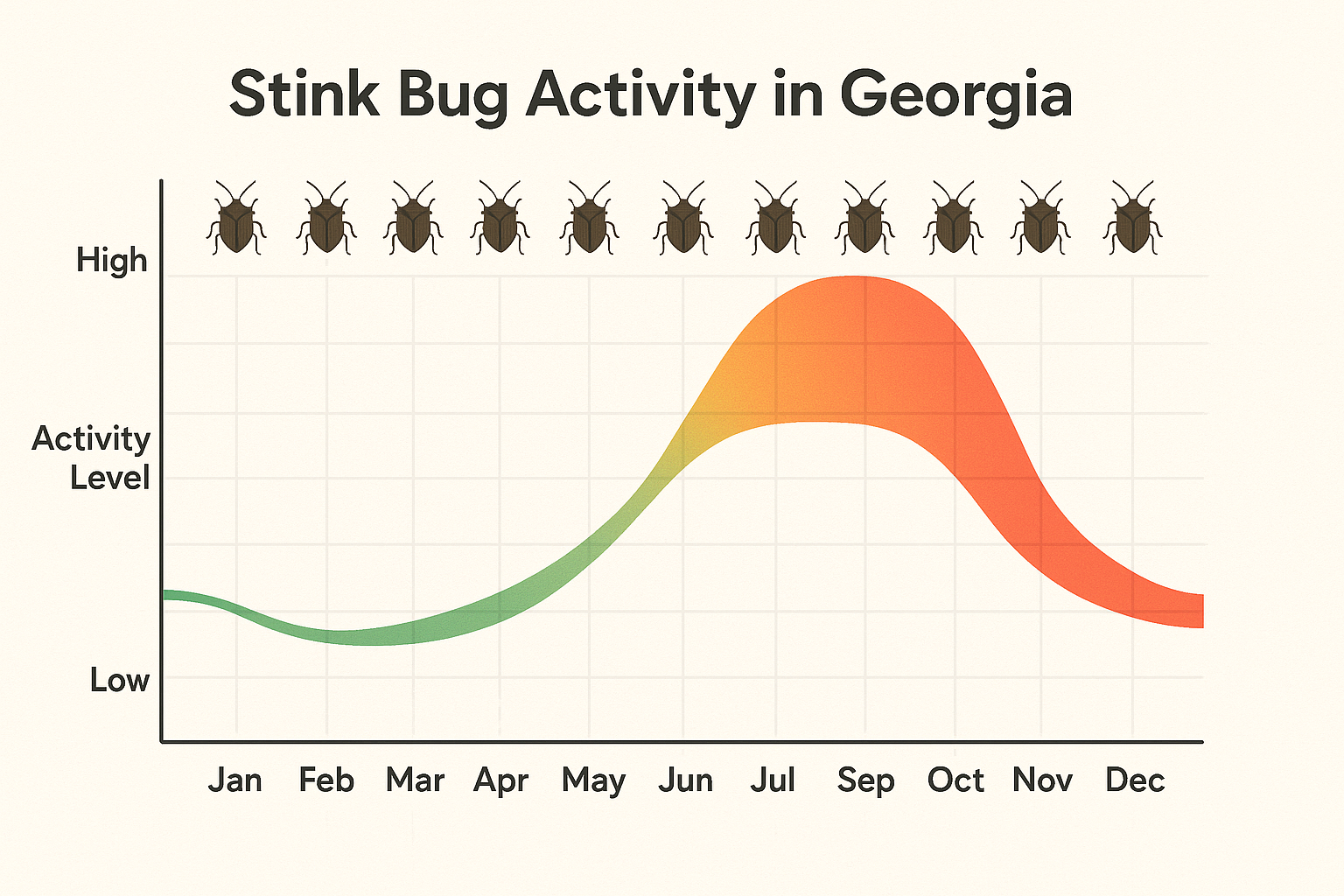
Egg Stage
In Georgia, female stink bugs lay their eggs in clusters of 10-30 on the smooth bark of deciduous trees, often on oak or maple trunks. These eggs overwinter protected by the tree’s insulating bark, remaining dormant through the colder months. As temperatures rise in early spring—typically late March to early April—the eggs hatch, releasing the first nymphs that will begin their rapid growth cycle, which is why early intervention from a stink bug exterminator Decatur homeowners trust can prevent population explosions later in the season.
Nymphal Instars
The newly emerged nymphs pass through five distinct instars, each lasting roughly 5‑7 days when conditions are warm. During these stages, subtle color shifts occur: the first instar is pale green, the second adds a faint yellow tint, the third introduces a light brown hue, the fourth darkens to a richer brown, and the final instar approaches the adult’s mottled gray‑brown pattern. With each molt, the nymph gains size and mobility, preparing for the final transformation.
Adult Emergence and Home Invasion
By late May to early June, the final molt produces fully winged adults. These insects are attracted to the warm, sunny canopy and begin feeding on fruit and seed pods. As summer progresses, the adult population swells, and around late July, many seek shelter from heat and dwindling food sources. This is when they start migrating into homes—tipping over windows, slipping under siding, or entering through tiny cracks—to find a protected overwintering site.
Seasonal Activity Chart for Georgia
| Month | Activity Level | Typical Behavior |
|---|---|---|
| January‑February | Low | Overwintering on tree trunks |
| March‑April | Moderate | Egg hatch, early nymphal stages |
| May‑June | High | Adult emergence, feeding on foliage |
| July‑August | Peak | Maximum adult population, indoor migration begins |
| September | Secondary rise | Late‑season adults seeking overwintering sites |
| October‑December | Declining | Adults shelter inside homes, preparing for winter |
Climate’s Role in Generation Length and Population Density
Georgia’s warm, humid climate shortens the stink bug’s generation time, allowing two full generations to develop before winter. Mild winters reduce mortality rates, so more adults survive to seek indoor shelter. Conversely, an unusually cool spring can delay egg hatch, compressing the growth window and resulting in a smaller summer population. Understanding these climate‑driven fluctuations helps homeowners time their preventive treatments for maximum effectiveness.
When planning any pesticide application—especially for seasonal workers—always follow federal safety guidelines. The CDC provides comprehensive recommendations on handling pesticide exposure, which can be reviewed here.
How Stink Bugs Damage Homes and Gardens
Stink bugs may seem harmless at first glance, but once they establish a foothold, the damage can ripple through both your garden and your living space. Understanding the ways these pests affect your property helps you gauge the true cost of an infestation and act before the problem spreads.
Agricultural Damage
In the field, stink bugs use their piercing‑sucking mouthparts to feed on the juices of fruit, vegetables, and ornamental plants. This feeding creates tiny, sunken lesions that distort fruit shape, stunt growth, and render crops unmarketable. On a Georgia peach orchard, for example, a moderate stink‑bug population can shave 15‑20 % off the harvest, turning perfectly ripe peaches into bruised, unsellable fruit. The same pattern appears in tomato vines, pepper plants, and even ornamental azaleas, where leaf discoloration and wilting reduce curb appeal for landscapers and homeowners alike.
Residential Damage
Inside the home, stink bugs become a visual and olfactory nuisance. When crushed, they release a potent, sulfur‑like odor that can linger for hours, seeping into carpets, curtains, and upholstered furniture. Repeated contact stains walls and fabrics with dark spots that are difficult to clean. Moreover, these insects are adept at slipping through tiny cracks around windows, doors, and foundation seams, creating pathways that compromise the building envelope and invite other pests.
Impact on Indoor Air Quality
Beyond the smell, stink bugs emit defensive chemicals—mainly aldehydes—that can irritate the respiratory system, especially for allergy‑prone residents. In heavily infested homes, the cumulative release of these compounds can lower indoor air quality, leading to sneezing, coughing, and a general sense of stuffiness. While the chemicals are not toxic at low levels, the persistent odor and irritation are enough to make a living space uncomfortable.
Real‑World Examples from Georgia
Last summer, a family in Decatur reported dozens of stink bugs gathering on their kitchen cabinets, leaving oily stains on the wood and a lingering stench that made meal preparation unpleasant. Across the state, a soybean farmer near Warner Robins noted a 12 % drop in yield after a sudden stink‑bug surge, forcing him to invest in additional scouting and pesticide applications. These stories illustrate that the problem is not confined to rural fields; suburban neighborhoods are equally vulnerable.
Cost Implications for Homeowners and Growers
For growers, the financial hit includes lost marketable yield, increased pesticide expenses, and labor costs for extra monitoring. A modest 10 % reduction in a 5‑acre vegetable plot can translate to several hundred dollars in lost revenue. Homeowners face different expenses: professional extermination services typically range from $150 to $300 per treatment, and multiple visits may be required during peak season. Add to that the cost of cleaning or replacing stained fabrics and the potential need for structural repairs, and a seemingly minor bug problem can quickly become a budget‑draining issue.
Prevention Strategies for Homeowners
Seal the Exterior
Stink bugs exploit even the tiniest openings to slip inside. Walk the perimeter with a flashlight and caulk any cracks around windows, utility pipes, and foundation joints. Install door sweeps on all exterior doors and replace torn or missing screen mesh. A tight envelope forces bugs to stay outdoors where your treatments are most effective.
Manage Your Landscape
Many stink‑bug species are attracted to the leaves of maples, oaks, and other host trees. If possible, relocate these trees at least 15 feet from the house or replace them with less attractive species such as pine or ornamental shrubs. Regular pruning removes dense foliage that creates shelter, reducing the likelihood that bugs will congregate near entry points.
Control Outdoor Lighting
Stink bugs are drawn to bright, white lights that illuminate their flight paths. Swap standard bulbs for yellow or sodium‑vapor lights, which emit wavelengths they find less appealing. During peak season—late summer through early fall—turn off nonessential exterior lights after dark. This simple change cuts down on nighttime attraction without sacrificing security.
Seasonal Inspections
Early fall is the optimal window for a thorough house check. Inspect attics, basements, and crawl spaces for hidden clusters, especially around vents, chimneys, and HVAC ducts. Look for the tell‑tale “shield‑shaped” exoskeletons that stink bugs leave behind. Promptly seal any new gaps you discover, and consider a light dusting of insecticidal dust in hard‑to‑reach voids.
DIY Barriers and Removal
- Sticky traps: Place adhesive boards near doors, windows, and light fixtures to capture wandering bugs before they enter.
- Vacuum removal: Use a shop‑vac with a sealed bag to suck up visible insects; immediately empty the bag into a sealed container and dispose of it in the trash to prevent accidental release.
- Barrier sprays: Apply a thin coat of neem‑based or pyrethrin spray around door frames and window sills as a supplemental deterrent.
Partner with Professionals
Even the most diligent homeowner can miss hidden entry points or underestimate a colony’s size. A licensed pest‑control specialist from Anthem Pest Control can perform a comprehensive perimeter audit, apply targeted residual treatments, and set up monitoring stations. Combining DIY vigilance with professional expertise creates a layered defense that keeps stink bugs at bay year after year.
Treatment Options and Professional Extermination
Chemical Control: What’s on the Shelf?
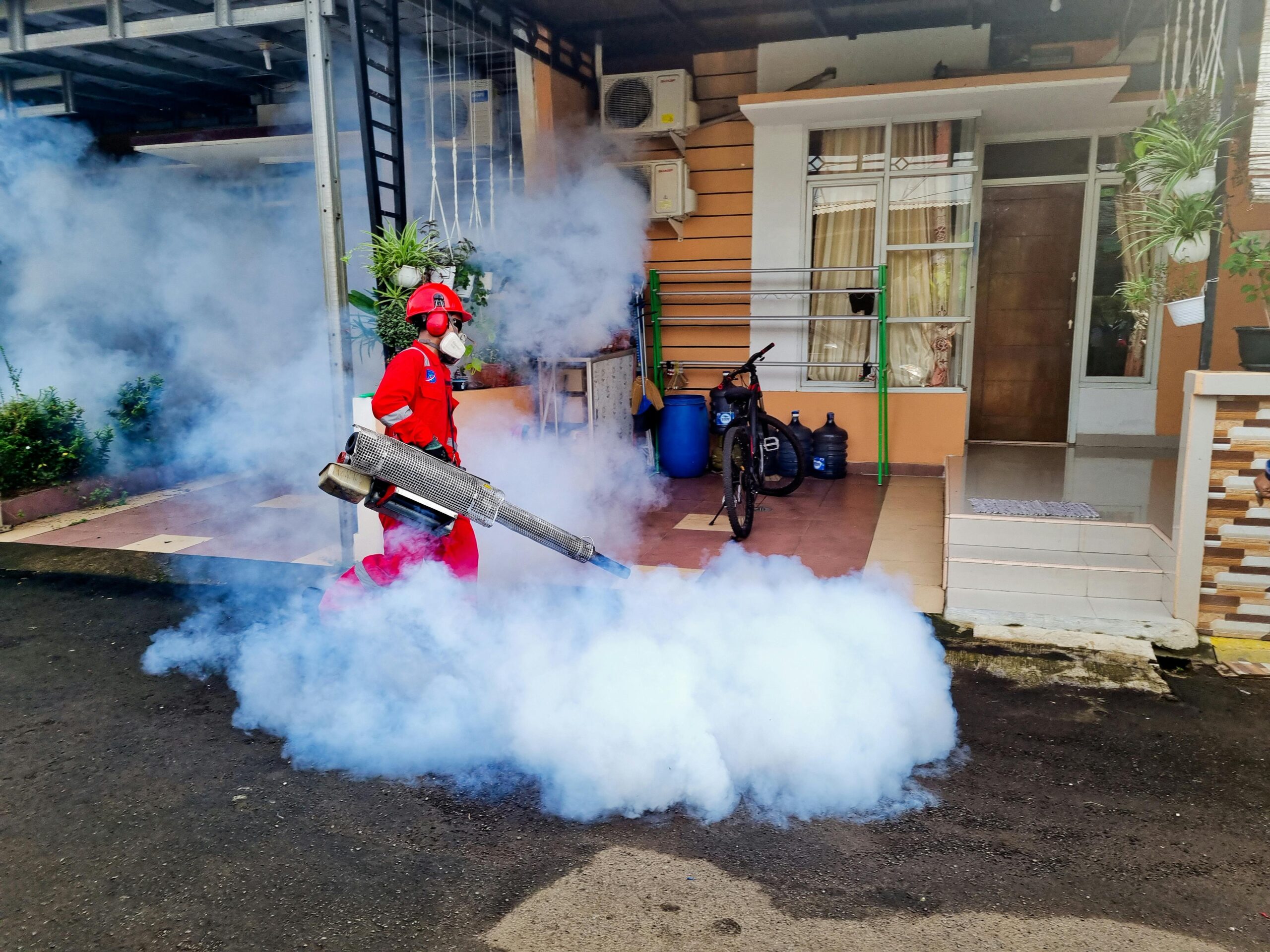
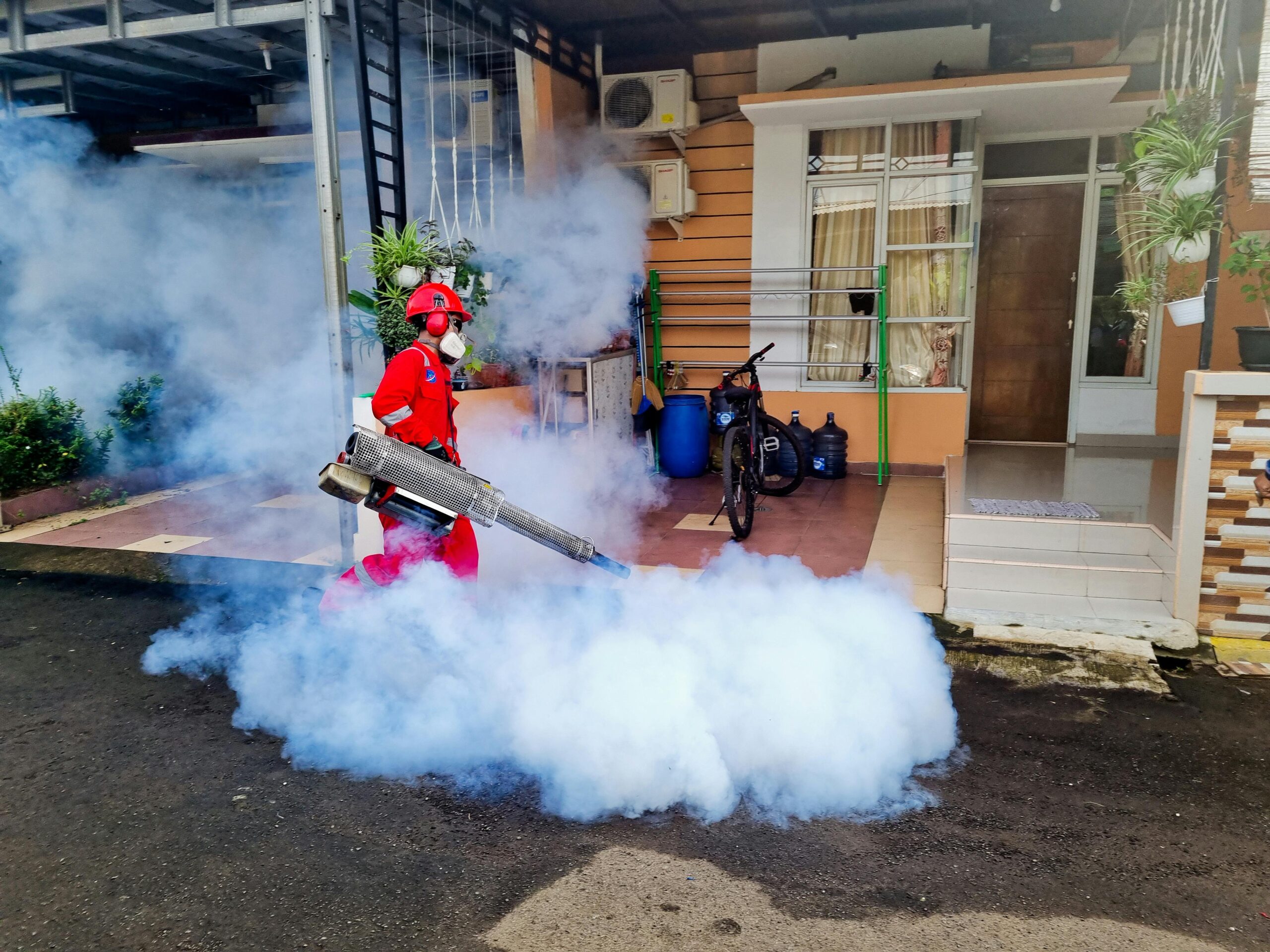
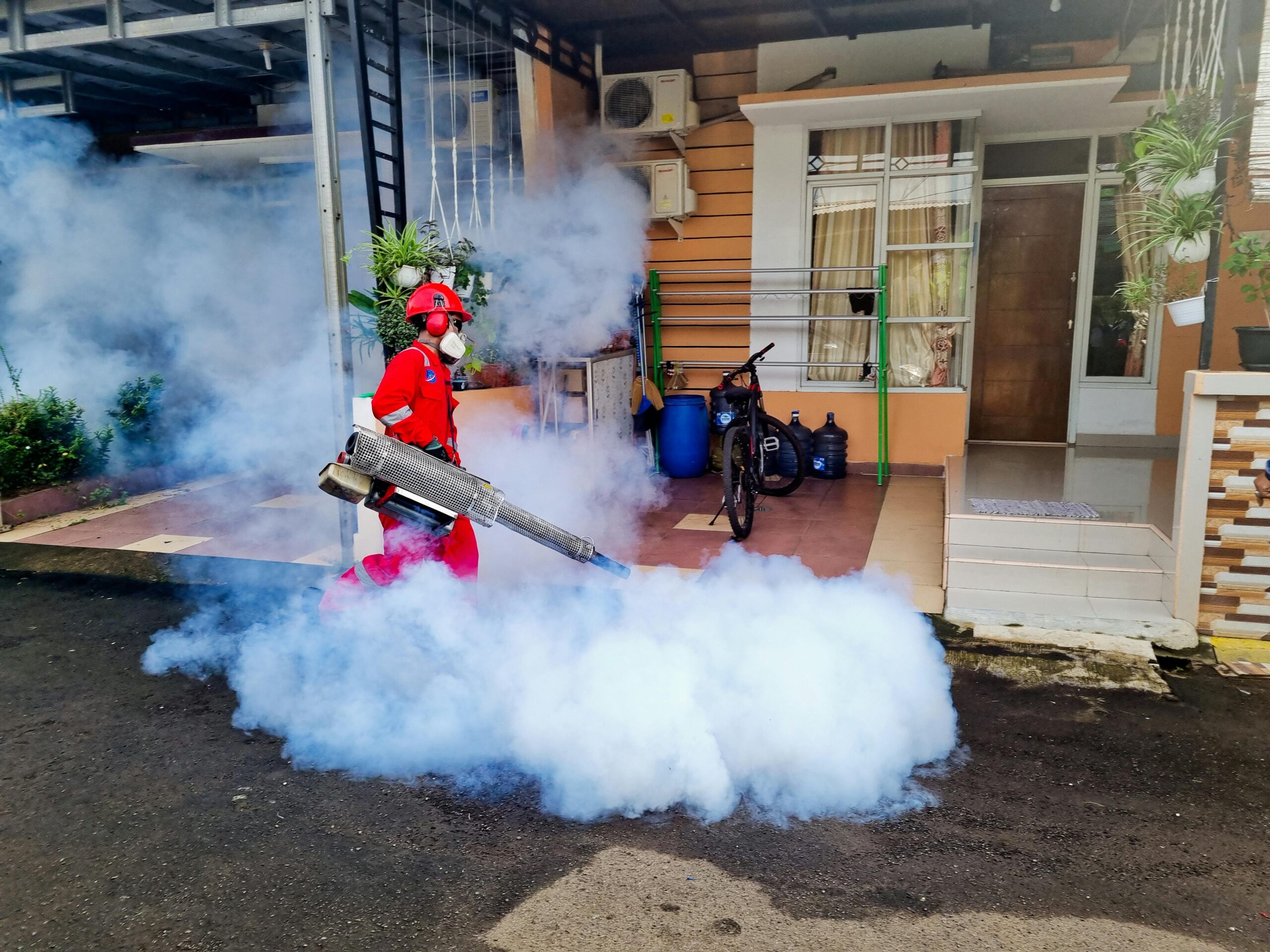
When stink bugs breach your living space, the fastest way to knock them out is with EPA-registered residual sprays. These products cling to walls, baseboards, and ceiling corners, forming a protective barrier that kills bugs on contact for weeks. A licensed technician—such as a professional stink bug exterminator Decatur homeowners rely on—will typically apply a residual indoor spray in kitchens, pantries, and any entry points they locate. For the exterior, a perimeter treatment creates a chemical moat around your home, preventing the insects from crossing the threshold.
All chemicals we use meet the EPA stink bug management guidelines, guaranteeing they’re safe for families and pets when applied correctly.
Non‑Chemical Options: When You Prefer a Green Approach
Not every homeowner wants chemicals in their kitchen. That’s why we offer several non‑chemical tactics:
- Heat treatment: Raising interior temperatures to 120‑130°F for a few hours kills every life stage of stink bugs hiding in wall voids and attics.
- Vacuum extraction: A high‑efficiency vacuum pulls bugs from cracks and crevices, then the collection bag is sealed for safe disposal.
- Exclusion techniques: We seal gaps around windows, doors, vents, and utility penetrations, essentially “plugging the holes” that stink bugs use to enter.
Timing Is Everything: Seasonal Strategies
Stink bugs are most active in late spring when they first emerge from overwintering sites. Applying a pre‑emptive outdoor spray during this window dramatically reduces the number that can find their way inside. Once the bugs start seeking shelter for the cooler months—usually early fall—you’ll want an indoor treatment to protect kitchens, closets, and other vulnerable rooms.
By aligning chemical or heat treatments with these seasonal peaks, you cut down on repeat visits and keep your home bug‑free year‑round.
Effectiveness Rates & Re‑Treatment Intervals
| Method | Initial Success Rate | Re‑Treatment Interval |
|---|---|---|
| Residual indoor spray | 85‑95% | Every 3–4 months (or after heavy rain) |
| Perimeter exterior spray | 80‑90% | Every 6 months |
| Heat treatment | 100% | Usually a one‑time service; repeat only if reinfestation occurs |
| Vacuum extraction + exclusion | 70‑80% (when combined) | Inspect and reseal annually |
The Licensed Technician Advantage
Our certified technicians bring more than a spray can to the job. They know how to:
- Identify the exact species and life stage, choosing the most effective product.
- Apply chemicals at the correct concentration and placement, minimizing exposure to occupants.
- Follow strict safety protocols—personal protective equipment, proper ventilation, and post‑application waiting periods.
- Offer a warranty that covers re‑treatment if stink bugs return within the guaranteed window.
Because we’re fully licensed in Georgia, you can trust that every step complies with state and federal regulations, and that any EPA‑registered product we use is documented and tracked.
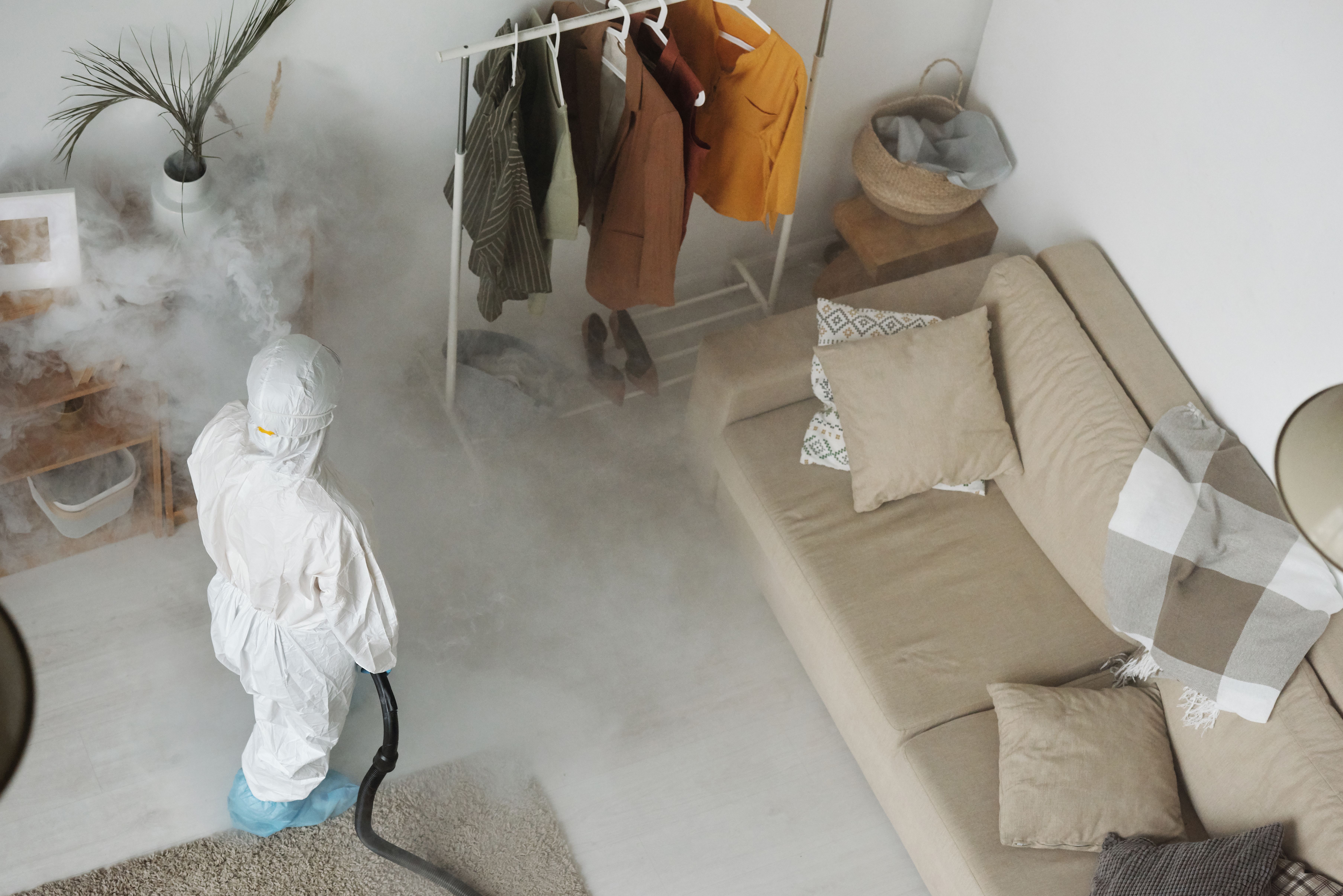
Choosing the right mix of chemical and non‑chemical tactics—and timing them to match stink‑bug biology—delivers the fastest relief for Decatur homeowners. Let Anthem Pest Control handle the heavy lifting; we’ll protect your home, keep your family safe, and give you the peace of mind you deserve.
Pricing Comparison and Service Plans
Understanding how much you’ll pay for stink-bug control is the first step toward a pest-free home. At Anthem Pest Control, a trusted stink bug exterminator Decatur homeowners rely on, we break down our three most popular service models so you can match the plan to your budget and your level of infestation.
One‑time Treatment
This option is ideal for homeowners who discover a sudden stink‑bug surge and need immediate relief. The typical price range is $150 – $250, depending on the severity of the problem and the square footage treated. The one‑time package includes a single professional visit, a comprehensive interior and exterior spray covering up to 2,000 sq ft, and a follow‑up inspection within 14 days to ensure the bugs are gone.
Quarterly Plan
For ongoing protection, the quarterly plan spreads the cost across the year at roughly $120 per quarter (about $480 annually). Each quarter, a certified technician conducts a full‑service visit, re‑treats the property’s exterior perimeter, and inspects interior hiding spots. The plan guarantees four visits per year, each covering up to 2,000 sq ft, and includes unlimited follow‑up calls for any post‑treatment concerns.
Annual Subscription
The most cost‑effective choice for long‑term peace of mind is our annual subscription, priced at about $400 per year. This flat fee covers six scheduled visits—every two months—plus two complimentary “boost” treatments during peak stink‑bug season (late summer). Homeowners receive a detailed service report after each visit, priority scheduling, and a 24/7 hotline for emergency pest spikes.
Cost‑Benefit Analysis
When you compare the numbers, the savings become clear. A homeowner who opts for four separate one‑time treatments would spend roughly $800 – $1,000 in a year. Switching to the quarterly plan reduces that expense by about 40 %, while the annual subscription saves nearly 60 % compared to ad‑hoc treatments. Beyond the dollar savings, recurring plans provide consistent monitoring, early detection of new infestations, and a healthier indoor environment—all without the surprise of unexpected fees.
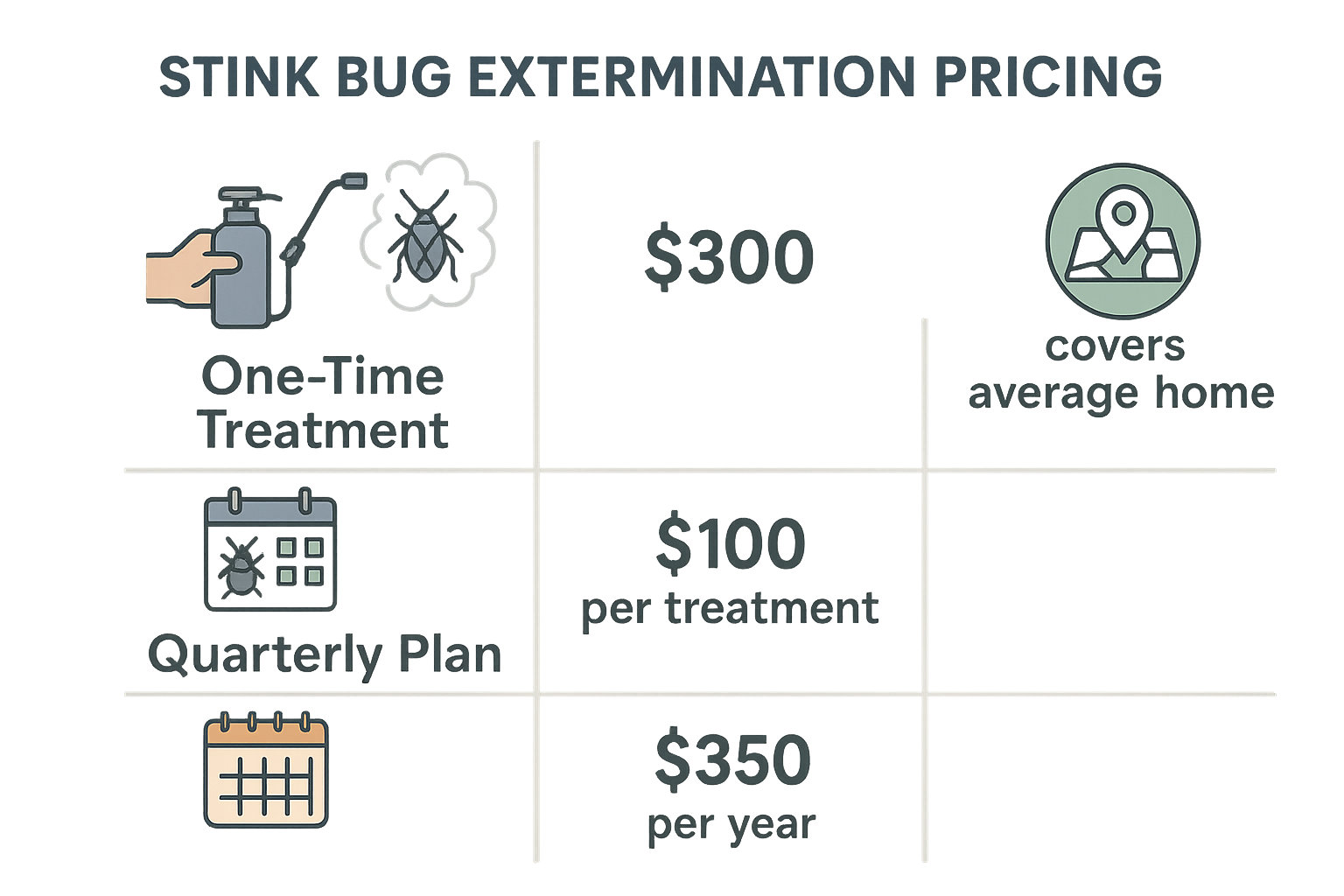
Our pricing aligns with industry benchmarks from the NPMA 2023 Price Survey, ensuring you receive transparent, fair rates without hidden charges. Choose the plan that fits your home’s needs, and let Anthem Pest Control handle the rest—so you can enjoy a bug‑free sanctuary year after year.
Safety Considerations and EPA Guidelines
Stink bugs are a nuisance, but the chemicals used to control them can pose risks if not handled correctly. Even a brief skin contact with a residential pesticide can cause irritation, redness, or a burning sensation. Inhalation of spray mist may trigger coughing, shortness of breath, or exacerbate asthma symptoms. Understanding these potential health effects is the first step toward protecting yourself and your family while keeping your home bug‑free.
What the EPA Requires for Residential Products
The U.S. Environmental Protection Agency (EPA) mandates that every pesticide sold for home use must be registered and labeled with clear safety instructions. Registration means the product has been evaluated for efficacy and for risks to humans, pets, and the environment. Labels include:
- Active ingredient(s) and concentration
- Specific target pests (e.g., stink bugs)
- Application rates and timing
- Required personal protective equipment (PPE)
- First‑aid measures in case of accidental exposure
Following the label isn’t optional—it’s a legal requirement. Misusing a product can lead to ineffective treatment, unnecessary exposure, and even penalties under federal law.
Protective Gear for DIY Treatments
If you decide to apply a pesticide yourself, treat it like any other household chemical. The label will tell you exactly what to wear, but a safe baseline includes:
- Gloves: Nitrile or chemical‑resistant gloves prevent skin absorption.
- Mask or respirator: A NIOSH‑approved N95 or a half‑face respirator with the appropriate cartridge protects your lungs from airborne particles.
- Eye protection: Safety glasses or goggles shield against splashes.
- Long sleeves and pants: Reduces the amount of skin exposed.
Never mix products, and always apply in a well‑ventilated area. After you finish, wash your hands and any exposed skin thoroughly with soap and water.
Why Hiring Certified Technicians Matters
Professional pest‑control teams, like Anthem Pest Control, are licensed and trained to interpret EPA labels, state regulations, and local ordinances. Certified technicians know how to:
- Select the least toxic, most effective formulation for stink bugs.
- Apply the product at the correct concentration and placement to avoid over‑use.
- Document the treatment for compliance and future reference.
- Educate homeowners on safe post‑treatment practices.
When you let a qualified professional handle the job, you eliminate guesswork, reduce health risks, and stay fully compliant with both state and federal guidelines.
Disposing of Dead Bugs and Empty Containers
After treatment, dead stink bugs should be swept or vacuumed up and placed in a sealed bag before trashing. This prevents accidental contact with residual pesticide on the insects’ bodies. Empty pesticide containers must never be poured down the drain or tossed in the regular trash. Follow the label’s disposal instructions—typically, you’ll need to triple‑rinse the container, puncture it, and place it in a designated hazardous‑waste collection point or a local household hazardous waste event.
For more detailed occupational safety information, visit the CDC’s pesticide safety page: CDC Pesticides.
Choose Anthem Pest Control for Stink Bug Protection
Stink bugs are more than a nuisance; they can damage fruit, vegetables, and your home’s exterior if left unchecked. Earlier in this guide we covered how to spot the tell‑tale shield‑shaped insects, why late summer and early fall bring the highest risk in Decatur, the simple steps you can take to seal entry points, and the clear advantages of professional treatment—rapid results, lasting barriers, and peace of mind.
Why Anthem Stands Out
- Nationwide coverage with local expertise: Anthem operates in all 50 states, yet each technician is trained specifically for Georgia’s climate and common pest pressures.
- EPA‑compliant, science‑backed methods: Our treatments meet federal safety standards, using low‑toxicity products that protect your family, pets, and the environment.
- Transparent pricing: No hidden fees—what you see in the quote is what you pay, and we offer a clear, upfront cost for each service.
- Locally trained technicians: Our crew knows Decatur neighborhoods, the typical bug pathways, and the most effective timing for interventions.
Anthem’s approach is built around safety, effectiveness, and affordability. We tailor each plan to the specific needs of Georgia homeowners, combining targeted exterior sprays with interior barriers that keep stink bugs from re‑entering after the season changes. Because we focus on prevention as much as eradication, you’ll see fewer repeat visits and lower overall costs.
Ready to protect your home from stink bugs? Request a free, no‑obligation quote today. Our certified experts will assess your property, explain the treatment steps, and schedule a convenient appointment.
Call Anthem Pest Control now at 877-371-8196 for your free quote, or visit Anthem Pest Control to speak with a trusted stink bug exterminator Decatur homeowners rely on for fast, effective relief.