Understanding the Stink Bug Threat in Druid Hills, Georgia

Invasive Brown Marmorated Stink Bug
The brown marmorated stink bug (BMSB) Halyomorpha halys is not a native insect; it arrived in the United States from East Asia in the late 1990s and quickly spread throughout the Southeast. Unlike many garden pests, the BMSB is highly adaptable, feeding on a wide variety of plants—from fruit trees to ornamental shrubs. Its signature shield‑shaped body and the unpleasant odor it releases when threatened make it instantly recognizable, but recognition alone won’t keep it out of your home.
Georgia’s Climate and Landscaping Create a Perfect Home
Druid Hills enjoys a humid subtropical climate with mild winters and long, warm summers. Those conditions are a banquet for stink bugs, allowing multiple generations to develop each year. Add to that the neighborhood’s mature oak canopies, azalea borders, and backyard fruit trees such as peaches and plums, and you have an ideal breeding ground. The bugs seek out the same shelter you provide—warm, protected spots in leaf litter, garden mulch, and even the cracks around window frames.
Typical Damage You’ll Notice
Homeowners often first notice stink bugs when they invade the kitchen or bedroom in large numbers. The damage they cause falls into three main categories:
- Garden produce: BMSBs pierce fruit and vegetable skins, leaving brown, sunken spots that render crops unsellable.
- Indoor infestations: As temperatures drop, they seek refuge inside homes, clustering on light fixtures, walls, and even inside appliances.
- Unpleasant odors: When crushed or disturbed, the bugs emit a pungent, cilantro‑like smell that can linger on fabrics and surfaces.
Local Numbers Show a Growing Problem
Recent surveys from the Druid Hills area indicate a sharp uptick in stink‑bug sightings. According to a local report, the number of confirmed BMSB infestations rose by roughly 40 % over the past three years—a trend mirrored across neighboring Fulton County neighborhoods. For a detailed look at the data, see the Anthem Pest Control field report. Those figures underscore that the bug is no longer a seasonal nuisance; it’s becoming a year‑round concern for Druid Hills homeowners.
Why Early Awareness Is Critical
Stink bugs reproduce quickly—each female can lay up to 400 eggs in a single season. If you wait until they’re already swarming your porch or kitchen, treatment becomes more intensive, costly, and disruptive. Early detection allows you to implement targeted interventions—such as sealing entry points, removing overwintering sites, and applying professional-grade controls—before the population explodes.
At Anthem Pest Control, we combine local knowledge with proven, low‑toxicity treatments to keep stink bugs at bay. Recognizing the signs early not only protects your garden’s harvest but also prevents the dreaded indoor odor and the scramble to eradicate a full‑blown infestation.
Identifying Stink Bugs and Recognizing Early Warning Signs

Stink bugs are small, shield‑shaped insects that most homeowners first notice because of their distinctive look. An adult typically measures between ½ and ¾ inch long, with a broad, triangular body that tapers toward the rear. Their coloration ranges from mottled brown to gray, often with faint lighter patches that help them blend into bark or foliage. The antennae are long, segmented, and curve upward—an easy visual cue that sets them apart from many garden insects.
Where They Like to Hide
These pests are masters of concealment. In Druid Hills, you’ll commonly find them tucked under roof eaves, inside cracks of siding, or lurking in wall voids where they’re protected from the elements. Outside, they gravitate toward garden foliage—especially fruit‑bearing plants—where they can feed and lay eggs. Because they seek tight, sheltered spaces, even a small gap in your home’s exterior can become a highway for a growing colony.
Early Signs of Activity
Before an infestation becomes obvious, stink bugs leave subtle clues. Look for faint, oily stains on windowsills, walls, or indoor furniture; these are the result of their defensive secretions. When disturbed, they emit a characteristic “stink” that is more noticeable in enclosed spaces. Additionally, you may spot damaged fruit, vegetables, or ornamental plants—tiny, irregular holes or wilted edges are often the work of feeding stink bugs.
Distinguishing Stink Bugs from Harmless Neighbors
It’s easy to mistake stink bugs for beneficial insects like ladybugs or other shield bugs. Ladybugs are rounder, brighter red with black spots, and lack the elongated, angled antennae of stink bugs. True shield bugs (Pentatomidae) share a similar shape but usually have a more uniform coloration and lack the strong, unpleasant odor. If you’re unsure, gently lift the insect; a noticeable scent is a reliable giveaway that you’re dealing with a stink bug.
Quick DIY Inspection Checklist
- Inspect roof eaves, soffits, and gutters for clusters of brown‑gray insects.
- Run a flashlight along interior wall seams and behind baseboards for tiny oily spots.
- Examine garden plants, especially tomatoes, peppers, and beans, for puncture marks or wilting leaves.
- Sniff any disturbed insects—an unmistakable odor means stink bugs.
- Seal visible cracks and gaps with caulk or weather‑stripping to block entry points.
Spotting these signs early can save you a lot of hassle later. If you notice multiple items on the checklist, it’s time to act—whether that means a thorough DIY clean‑out or calling a trusted professional like Anthem Pest Control for a targeted treatment plan. Early detection not only protects your home’s structure but also prevents the unpleasant odor and crop damage that stink bugs are notorious for.
Seasonal Activity Patterns of Stink Bugs in Georgia
Life Cycle at a Glance
Stink bugs move through three distinct stages: egg, nymph, and adult. In early spring, females lay clusters of 20‑30 eggs on the undersides of leaves. Those eggs hatch into tiny, wingless nymphs that molt five times before reaching adulthood. Once they become adults, they can fly, reproduce, and seek shelter in warm indoor spaces as temperatures drop. Understanding this progression helps you anticipate when bugs are most vulnerable to treatment.
What the Seasonal Chart Shows
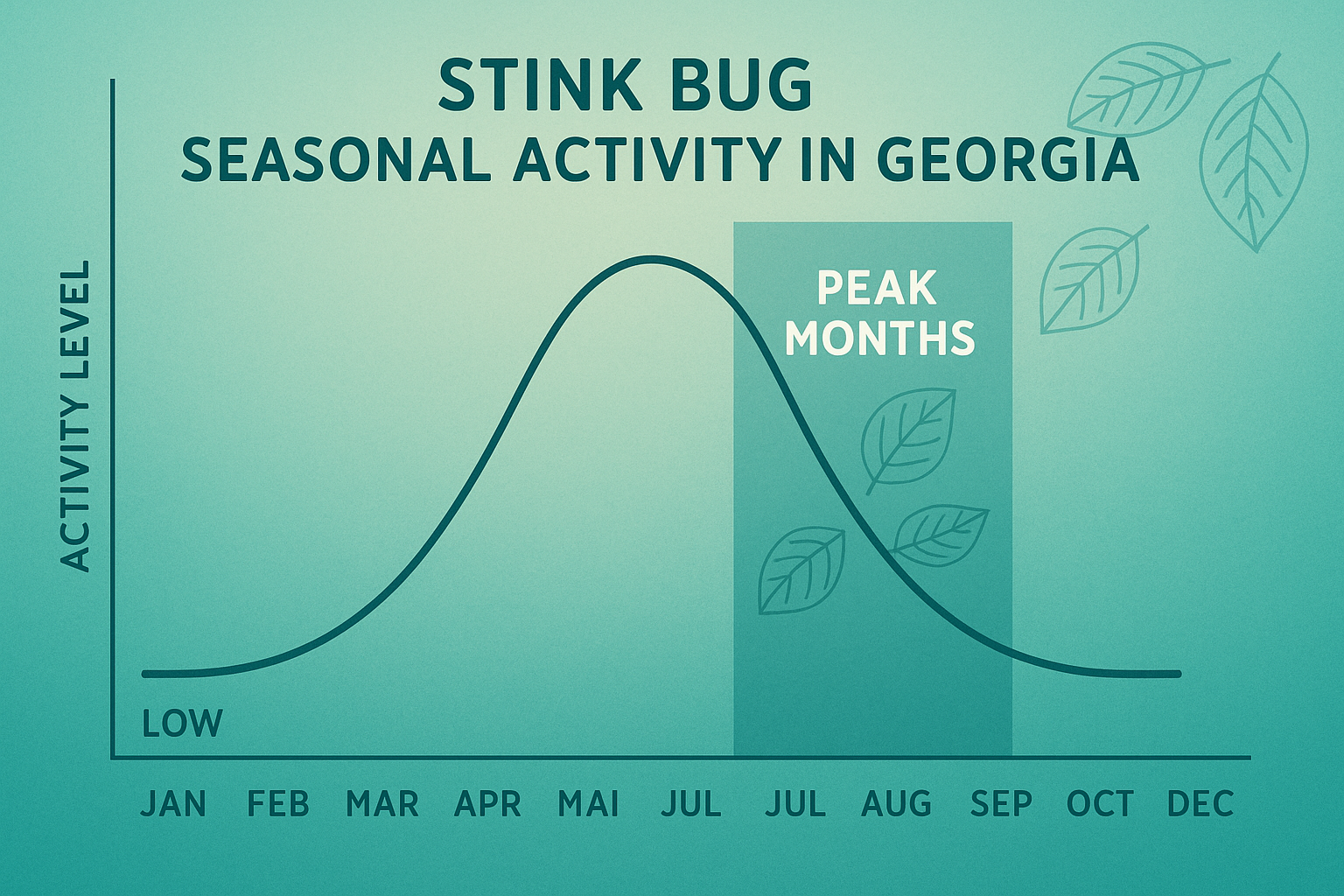
The chart visualizes stink‑bug activity from March through December. Notice a modest rise in May, a sharp climb from July to September (the peak period), and a gradual decline as October approaches. Late summer and early fall are when the insects begin migrating into homes, attracted by indoor lighting and the promise of a warm refuge.
| Month | Activity Level |
|---|---|
| March‑April | Low |
| May‑June | Moderate |
| July‑September | High (Peak) |
| October | Moderate‑High |
| November‑December | Low (Indoor migration) |
Temperature, Humidity, and Population Surges
Stink bugs thrive when daytime highs hover between 75°F and 85°F and humidity stays above 60%. Warm, moist conditions accelerate egg development and nymph growth, leading to the July‑September explosion. A sudden rain after a hot spell can also trigger a surge, as moisture encourages adults to seek shelter—often right under your eaves or in wall voids.
When to Inspect and Treat
Based on the chart, the most effective window for a preventive treatment is late May through early June. At this stage, nymphs are still on the plant and before the population spikes. Follow up with a second application in late August to knock down the peak generation before they move indoors. Schedule a thorough inspection in early spring (March‑April) to catch any overwintering adults hiding in cracks, siding, or attic spaces.
Simple Monitoring Tips
- Place a bright LED light trap near entry points in September.
- Inspect window sills and exterior walls weekly during peak months.
- Seal obvious cracks and gaps with silicone caulk before fall.
- Check outdoor lighting; switch to yellow bulbs that attract fewer bugs.
- Record sightings in a notebook to share with your pest‑control professional.
Treatment Options: One‑Time Extermination vs. Quarterly Subscription
When a stink bug invasion knocks on your door, the first question most homeowners ask is, “How many visits will it take to get rid of them?” At Anthem Pest Control we offer two clear‑cut service models: a single, intensive treatment or a year‑round subscription that spreads care across four visits. Understanding what each model includes helps you match the service to your home’s unique needs.
One‑Time Extermination
A one‑time treatment is a comprehensive, front‑loaded approach. Our technicians conduct a full‑property inspection, identify entry points, and apply a high‑efficacy insecticide to all known stink bug hotspots—typically around windows, door frames, and exterior lighting. The service also includes a detailed debrief, so you know exactly where the bugs were found and how to seal gaps for future protection. This model shines in scenarios where the infestation is isolated, such as a single season’s surge after a warm summer, or when you’re preparing a home for sale and need a quick, decisive result.
Quarterly Subscription
The quarterly subscription spreads protection over the entire year. Every three months, a certified technician returns for a fresh inspection, re‑treats any newly active zones, and adds preventive measures like barrier sprays and bait stations. Because stink bugs can re‑enter through tiny cracks that appear after seasonal weather shifts, regular monitoring catches these gaps before the bugs establish a foothold. The subscription also bundles a “home shield” service—protective perimeter treatments that deter other common pests, giving you a broader safety net.
Pros & Cons
- One‑Time Extermination
- Pros: Immediate relief, single invoice, ideal for short‑term needs.
- Cons: No built‑in follow‑up; if bugs reappear, another appointment is required.
- Quarterly Subscription
- Pros: Continuous monitoring, lower per‑visit cost, added preventive services, peace of mind throughout the year.
- Cons: Higher upfront commitment, recurring billing.
Choosing Based on Lifestyle & Home Size
If you’re a busy professional who prefers a “set it and forget it” solution, the subscription model aligns well with a hectic schedule—your pest control needs are handled automatically, and you avoid the hassle of re‑booking. Conversely, a homeowner with a smaller property, such as a townhouse or a well‑sealed single‑family home, may find a one‑time treatment sufficient, especially if they only see stink bugs during peak summer months.
Large properties with extensive landscaping, multiple outbuildings, or older construction often have more entry points. In these cases, the quarterly plan’s ongoing inspections catch new cracks and gaps before the bugs exploit them, delivering long‑term protection that a single visit can’t guarantee.
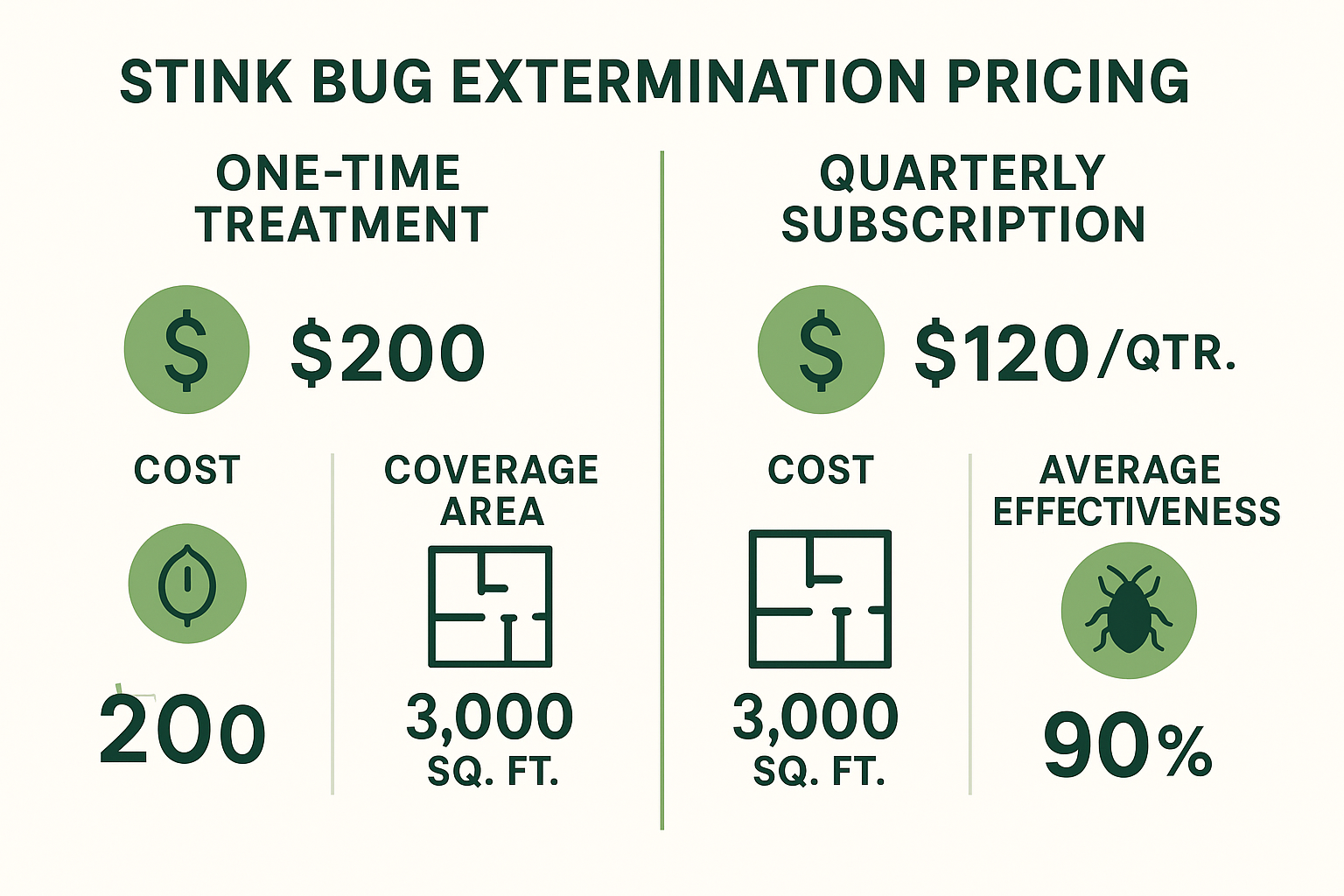
Visual Pricing Comparison
For a side‑by‑side look at cost, coverage, and frequency, refer to the pricing infographic below. It breaks down the exact dollar amount you’ll pay per visit, the total annual investment, and the added services each plan includes—helping you make an informed decision without guessing.
Safe and Effective Control Methods Used by Professionals
When a stink bug invasion threatens your Druid Hills home, Anthem Pest relies on a proven, science‑backed framework that protects your family, pets, and historic architecture while eliminating the pests.
Integrated Pest Management (IPM) – The Foundation of Our Approach
Our technicians start with a thorough inspection to confirm the species, locate entry points, and assess the extent of the infestation. Identification guides a targeted treatment plan that minimizes unnecessary applications. By combining monitoring, sanitation, and precise interventions, IPM delivers long‑term control without over‑reliance on chemicals.
Low‑Toxicity Chemical Options
When chemicals are needed, we choose EPA‑registered, low‑toxicity insecticides that are safe for children and pets. Spot‑treatments focus on cracks, windowsills, and other hot spots where stink bugs congregate, reducing the amount of product applied. For added protection, a perimeter spray creates a barrier around the home’s foundation, deterring bugs before they can cross the threshold.
Non‑Chemical Tactics for Long‑Term Prevention
Exclusion is the most effective non‑chemical tool: we seal gaps around doors, windows, utility penetrations, and roof vents to block the insects’ preferred entry routes. Habitat modification removes overwintering sites—such as leaf litter, wood piles, and damp basements—that attract stink bugs in the fall. Physical removal, like vacuuming visible bugs and disposing of them in sealed bags, eliminates the immediate nuisance without any chemicals.
Fully‑Protected Technicians: Precision Meets Safety
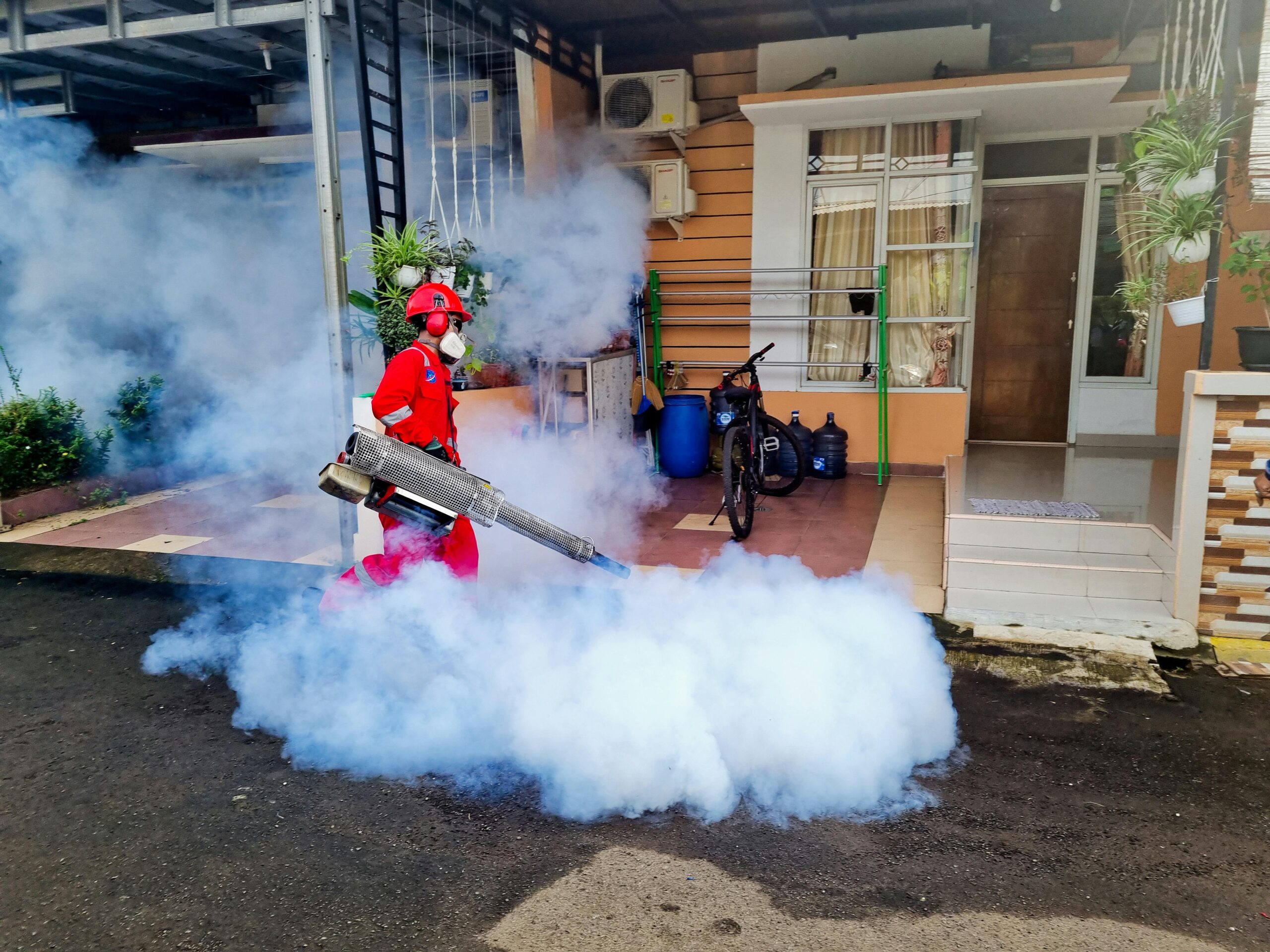
Every Anthem Pest technician works in a fully‑protected suit, glove, and respirator ensemble. This gear ensures that the applicator can handle low‑toxicity products confidently while safeguarding personal health and preventing cross‑contamination of your home. The protective outfit also signals professionalism, giving homeowners peace of mind that the treatment is applied with the highest safety standards.
Tailoring Treatments to Druid Hills Homes
Druid Hills features a mix of historic Victorian homes and modern new builds, each with unique construction quirks. For older homes, we pay extra attention to decorative woodwork, brick mortar, and original plaster that can hide tiny entryways; we use gentle sealants that preserve architectural detail. In newer homes, we focus on sealing engineered‑frame gaps and installing mesh screens that complement contemporary aesthetics. Regardless of style, our customized plan respects the property’s character while delivering a stink‑bug‑free environment.
Prevention Tips Homeowners Can Implement Right Now
Exterior Maintenance
Stink bugs love to slip through the tiniest cracks in your home’s envelope. Walk the perimeter with a caulk gun and seal gaps around windows, doors, utility penetrations, and foundation vents. Replace or repair torn screens—those mesh holes are invitation cards for bugs. Finally, trim back trees, shrubs, and vines so they don’t brush against siding; direct contact creates a bridge for insects to march straight inside.
Indoor Habits
During the peak months (late summer through early fall), keep interior lights dim or off at night. Bright bulbs act like beacons that draw stink bugs toward windows. If you spot a few early on, grab a vacuum and collect them promptly; empty the canister outside to prevent any lingering odor. Store fresh produce, especially fruit, in airtight containers; the sweet scent of ripening food is a major lure for these pests.
Seasonal Yard Work
Each fall, walk your yard and remove fallen fruit, over‑ripe berries, and any rotting plant matter. Stink bugs feed on these remnants and use them as staging posts before heading indoors. Rake up leaf litter and keep mulch no deeper than two inches from the foundation; excessive mulch creates a cool, damp haven where bugs can hide and later infiltrate your home.
When to Call a Professional
If you notice a sudden surge of stink bugs—dozens gathering on windowsills or in kitchen cabinets—DIY measures may no longer be enough. Repeated indoor sightings despite sealing gaps, or an inability to keep the population under control after a few weeks, signal that a professional treatment is warranted. A licensed technician can target hidden entry points and apply residual products that remain effective throughout the season.
Why Choose Anthem Pest
Anthem Pest combines local expertise in Druid Hills with transparent, upfront pricing so you never face surprise fees. Our technicians know the specific stink‑bug habits in the area and can tailor a prevention plan that fits your budget. When you partner with us, you get a fast, reliable solution backed by a company that values safety, effectiveness, and clear communication.
Protect Your Home with Expert Stink Bug Control from Anthem Pest
Stink bugs may seem harmless, but when they swarm your kitchen in late summer they can ruin meals, stain walls, and create an unpleasant odor that lingers for weeks. Their numbers peak from August through October, and a single missed spot can lead to a full‑blown infestation that spreads to neighboring homes. DIY sprays often miss hidden entry points, use harsh chemicals, or simply wear off after a few weeks—leaving you back at square one.
Why Professional Treatment Beats DIY Every Time
- Targeted inspections. Licensed technicians know exactly where stink bugs hide—under eaves, behind siding, and in attic vents.
- Safe, EPA‑approved products. We apply formulations that eliminate bugs without endangering pets, children, or indoor air quality.
- Long‑lasting protection. Our treatments create a barrier that stays effective through the entire season, unlike over‑the‑counter sprays that lose potency after a few applications.
What Sets Anthem Pest Apart in Druid Hills
At Anthem Pest we combine local knowledge with a national reputation for excellence. Our Druid Hills technicians are fully licensed, continuously trained, and familiar with the specific entry points and building styles common in this neighborhood. Whether you prefer a one‑time “fix‑it” service or a subscription plan that includes seasonal check‑ups, we tailor a program that fits your budget and lifestyle.
Transparent Pricing and Satisfaction Guarantees
We believe you should know exactly what you’re paying for. Our quotes break down every step—inspection, treatment, and follow‑up—so there are no surprise fees. Plus, every job comes with a satisfaction guarantee: if stink bugs return within the treatment window, we’ll re‑treat at no extra cost.
Ready for a Pest‑Free Home This Season?
If you’re tired of the smell, the stains, and the constant monitoring, let Anthem Pest handle the problem for you. Our team is just a call or click away from delivering a customized solution that protects your family and your home.
Call now for a free, no‑obligation quote: 877‑371‑8196
Request your free quote today and enjoy the peace of mind that comes with professional stink‑bug control.