What Are Stink Bugs and Why They Matter
Taxonomy and Common Species in Georgia
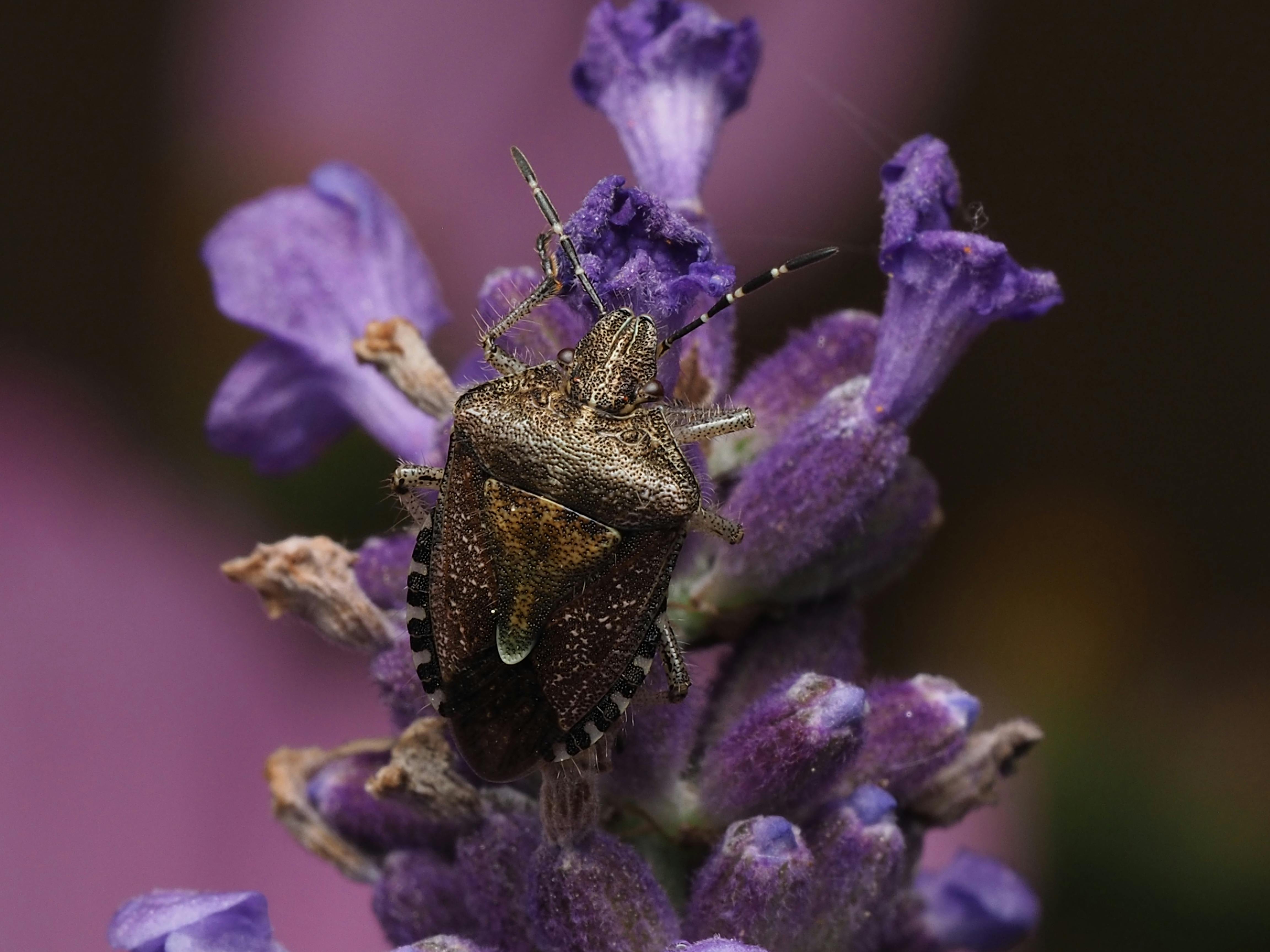
Stink bugs belong to the family Pentatomidae, a group of shield-shaped insects known for the defensive odor they release when threatened. In Georgia, the most notorious invader is the brown marmorated stink bug (Halyomorpha halys). This species arrived from East Asia in the early 2000s and has since spread throughout the Southeast, including Suwanee, where homeowners frequently seek help from a professional stink bug exterminator Suwanee to control indoor infestations. Other native species, such as the green stink bug (Acrosternum hilare), are also present, but the brown marmorated variety is the one homeowners hear about most often because of its aggressive indoor habits.
Physical Characteristics for Easy Identification
Spotting a stink bug is easier than you might think. They typically measure ½ to ¾ inch long and have a distinctive shield‑shaped back. The brown marmorated stink bug sports a mottled brown‑gray coloration with subtle white bands along the edges of its wings. In contrast, native green stink bugs are, as the name suggests, bright green with a more uniform hue. Both have six legs, two antennae, and a pair of scent glands at the rear that produce the infamous “stink” when the insect feels threatened.
Typical Habitats and How They Slip Inside Your Home
Outside, stink bugs favor deciduous trees, shrubs, and agricultural crops. In Suwanee’s warm climate, they congregate on fruit trees, ornamental vines, and even ornamental grasses. As autumn approaches and temperatures drop, they seek shelter from the cold. This is when they become unwelcome guests, squeezing through the smallest cracks in foundations, gaps around windows, and utility openings such as vent pipes or electrical conduits.
- Cracks in siding or foundation walls
- Unsealed window frames and door thresholds
- Openings around air‑conditioning units and dryer vents
- Gaps in roof eaves and soffits
Because they are attracted to light, you’ll often find them gathering on indoor lights during the night, especially in kitchens and basements.
Why Stink Bugs Matter to Homeowners
Beyond the annoyance of seeing them crawl across countertops, stink bugs pose several real problems:
- Odor: When crushed, they release a pungent, sulfur‑like smell that can linger on surfaces and fabrics.
- Food contamination: Their scent glands can taint pantry items, fruits, and vegetables, making them unpalatable.
- Crop damage: In gardens and nearby farms, they feed on a wide range of plants—apples, peaches, corn, soybeans—causing wilting, discoloration, and reduced yields.
For a homeowner in Suwanee, the combination of indoor nuisance and potential damage to a beloved garden makes early detection and professional treatment essential.
For a deeper dive into stink‑bug species, life cycles, and management tips, consult the National Pest Management Association’s stink‑bug guide. Understanding what you’re dealing with is the first step toward fast, effective control.
Spotting Stink Bugs Early – Identification Tips for Homeowners
Stink bugs are tiny, but they’re not subtle. Catching them before they turn a quiet home into a smelly nightmare starts with knowing exactly what to look for. Below, we break down the visual cues, the places they love to slip in, and a quick‑step checklist you can run through any day of the year.
Distinguishing Features: What Sets a Stink Bug Apart
When you spot a bug, ask yourself these three questions:
- Shield shape: The body is broad and triangular, resembling a miniature shield or a “V” when viewed from above.
- Antennae: Six short, segmented antennae sprout from the front of the head, usually darker than the body.
- Scent glands: A faint, oily sheen may appear on the underside of the thorax—this is where the bug releases its characteristic odor when disturbed.
These traits are consistent across the common brown stink bug (Halyomorpha halys) that plagues Suwanee homes each fall.
Common Entry Points to Inspect
Stink bugs are opportunistic travelers. They look for the smallest cracks and the warmest drafts. Focus your inspection on:
- Attic vents: Check the mesh screens for tears; bugs love the warm, sheltered space above your ceiling.
- Door frames and weather‑stripping: Gaps as thin as a pencil can become highways during migration season.
- Outdoor lighting fixtures: Bright lights attract insects at night, and stink bugs often gather around porch lights before slipping indoors.
- Window seals: Look for gaps around sliding or double‑pane windows, especially where condensation builds.
Seasonal Hotspots Inside the Home
Once inside, stink bugs gravitate toward environments that mimic their outdoor habitat—warm, dry, and near food sources.
- Kitchens & pantries: Crumbs, spilled sugar, and stored grains provide a buffet. Inspect pantry shelves, cabinet corners, and behind appliances.
- Window sills: Sun‑warmed glass offers a perfect basking spot. Check the lower edges for clusters of bugs seeking heat.
- Dryer vents and laundry rooms: The combination of warmth and occasional food particles makes these areas attractive.
- Basements and crawl spaces: The steady temperature and limited disturbance encourage overwintering colonies.
DIY Inspection Checklist – A Quick Walk‑Through
Grab a flashlight, a notebook, and a pair of gloves. Follow this 5‑minute routine each month, especially after the first frost:
- Exterior sweep: Walk the perimeter of your home. Look for bugs gathered on siding, eaves, and around outdoor lights.
- Vent & screen audit: Remove and inspect screens on attic vents, dryer exhausts, and porch fans. Repair any tears.
- Door & window seal check: Run your hand along frames; feel for drafts or visible gaps. Seal with caulk or weather‑stripping as needed.
- Interior hotspot scan: Starting at the kitchen, open cabinets and pantry boxes. Use the flashlight to spot bugs hiding in corners or under shelves.
- Record & act: Note the number of bugs, locations, and any entry points you discover. If you find more than a handful, it’s time to call a professional.
By mastering these identification cues and inspection habits, you’ll catch stink bugs before they multiply, keeping your Suwanee home fresh and pest‑free. If the checklist reveals a growing problem, Anthem Pest Control is ready with safe, fast solutions tailored to your situation.
When Stink Bugs Are Most Active – Seasonal Risk Chart
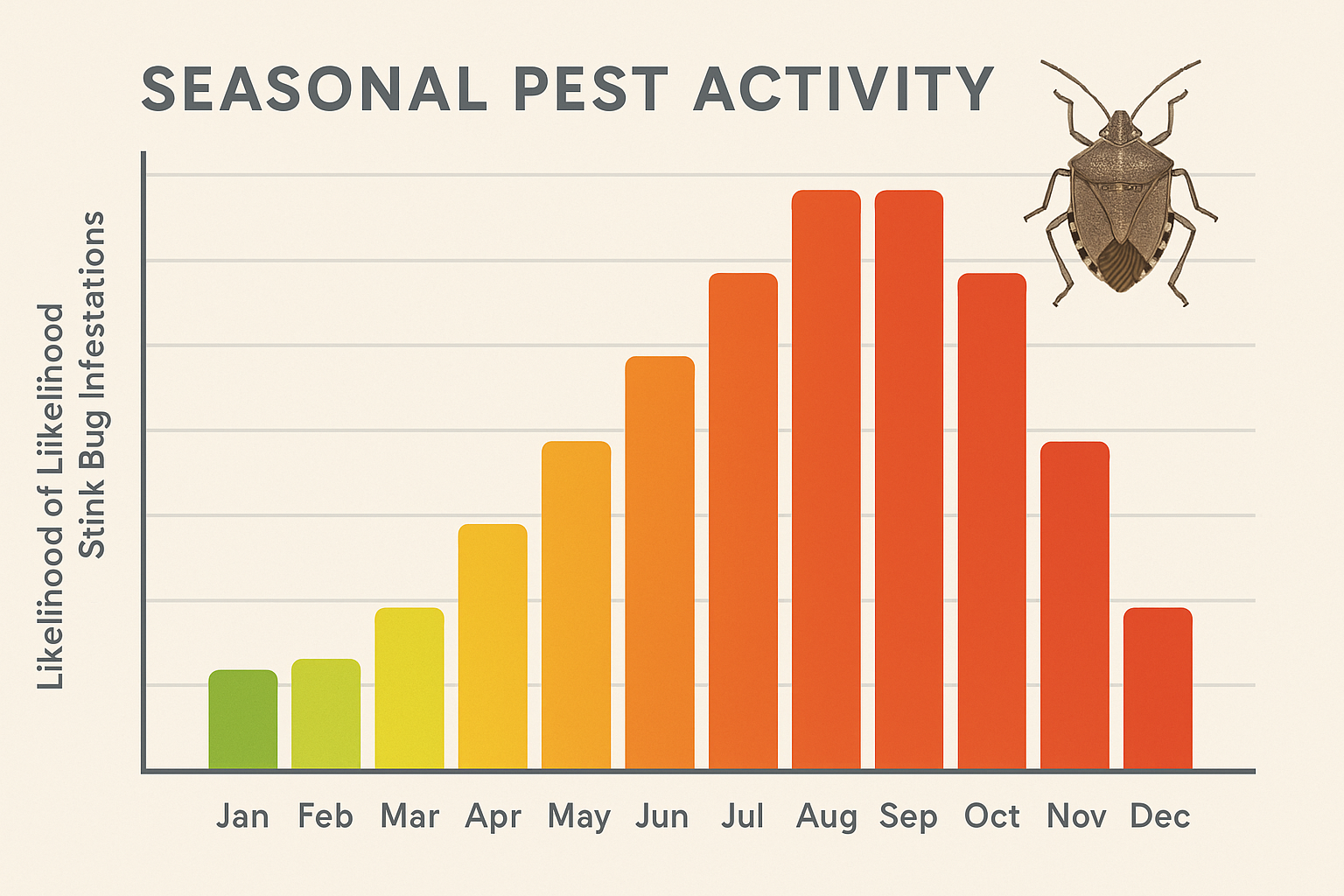
Stink bugs follow a predictable annual rhythm that hinges on temperature and food availability. In Suwanee, GA, they spend the cold months tucked away in leaf litter, cracks, or attic spaces—a stage we call overwintering. As soon as daytime highs consistently rise above 55°F in early spring, the bugs awaken, seek shelter inside homes, and begin feeding on tender plant growth, often prompting homeowners to contact a stink bug exterminator Suwanee for early intervention. Summer brings a rapid breeding phase, during which females lay dozens of eggs each week, swelling the local population. By late summer, the next generation is ready to emerge, and as temperatures start to dip in early fall, the bugs enter a migration phase, seeking warm indoor hideouts for the winter ahead.
Year‑Long Activity Pattern
The seasonal risk chart (see image below) visualizes this cycle with months on the X‑axis and infestation likelihood on the Y‑axis. The line starts low in January and February, reflecting the dormant overwintering stage. A modest rise appears in March as the first bugs crawl indoors, and the slope steepens through April and May when the first breeding cycles kick in. June and July mark a steady climb, reaching a plateau in August—this is the period of peak reproductive activity. September shows the highest likelihood of indoor sightings, after which the line gently declines through October and November as the bugs prepare for winter. By December, the risk drops back to baseline, completing the loop.
Peak Months in Suwanee, GA
Local climate data aligns closely with the chart’s peak. In Suwanee, the highest infestation likelihood typically occurs from late August through early October. During these weeks, adult stink bugs are most aggressive in seeking shelter, and the newly hatched nymphs are still vulnerable, making indoor environments especially attractive. Homeowners often report the first noticeable indoor swarms in mid‑August, with numbers swelling through September. By early October, the bugs begin to seek out warm cracks and crevices for overwintering, which can lead to large clusters appearing in attic corners, wall voids, and behind baseboards.
Timing Your Inspections and Treatments
Understanding the chart lets you schedule proactive steps before the bugs become a nuisance. Early‑season inspections (mid‑March to early April) give you a chance to seal entry points before the first wave of spring explorers arrives. Look for gaps around windows, doors, utility penetrations, and foundation cracks; caulking and weatherstripping are inexpensive barriers that pay off later.
Once the chart shows a steady climb (May‑June), consider a preventive perimeter treatment. A professional spray around the home’s exterior creates a chemical shield that deters bugs from crossing the threshold. This is especially effective for the first generation of breeders, reducing the overall population that could later invade your interior.
When the line peaks in August‑September, it’s time for targeted indoor treatments. Focus on known harborages—attic insulation, crawl spaces, and wall voids. Spot‑on dusts or low‑odor sprays applied by a certified technician can eradicate hidden colonies before they settle for the winter. Follow up with a post‑treatment inspection in early October to confirm that the bugs have been removed and that no new entry points have opened.
Finally, as the chart slopes downward in November, perform a pre‑winter seal‑up. Re‑check all previously treated areas, replace damaged screens, and clear debris from the foundation. This “closing the door” step prevents the next overwintering cohort from slipping inside, giving you a head start on the following year’s cycle.
Damage Stink Bugs Can Cause and the Cost of Inaction
Food contamination and spoilage
When stink bugs breach your kitchen, they don’t just make a mess—they actively compromise the safety of your food. These insects feed on fruits, vegetables, and even processed goods, leaving behind a bitter, metallic taste and a faint, lingering odor that often leads homeowners to call a stink bug exterminator Suwanee for professional help. A single batch of tomatoes or a sack of beans can become inedible within hours, forcing you to discard perfectly good produce. Over time, the cumulative loss can add up to dozens of dollars each month, especially if you rely on fresh, local produce for meals.
Structural concerns inside the home
Beyond the pantry, stink bugs can stain walls, ceilings, and fabric with their defensive secretions. The brownish‑black residue is notoriously stubborn, often requiring professional cleaning or repainting to restore a pristine appearance. Even after the stains are removed, the odor can persist, infiltrating upholstery, curtains, and HVAC ducts. This not only degrades indoor air quality but can also trigger allergic reactions or exacerbate asthma symptoms for sensitive family members.
Economic impact on resale value and insurance
Prospective buyers conduct thorough walk‑throughs, and a home plagued by visible stink‑bug damage can raise red flags. Stained walls, lingering smells, and evidence of food spoilage suggest a broader pest‑management problem, potentially lowering your property’s market value by several thousand dollars. While most homeowner’s insurance policies don’t cover pest infestations, some may increase premiums if repeated claims are filed for damage linked to insects, adding an indirect financial burden.
Psychological stress and reduced enjoyment
Living with a silent, smelly invader creates a constant undercurrent of anxiety. Homeowners report difficulty relaxing in kitchens, dining areas, or even bedrooms because the faint stink bug odor seems to follow them. This chronic stress can erode the sense of safety and comfort that a home should provide, leading to sleepless nights and a diminished quality of life.
Case example: The escalation of a neglected infestation
Consider the Johnson family in Suwanee, GA. They first noticed a few stink bugs near a fruit bowl and brushed it off as a one‑time sighting. Within two weeks, the bugs had multiplied, contaminating a week’s worth of produce and staining the pantry door. By the end of the month, the odor seeped into the living room carpet, prompting the family to replace the rug at a cost of $350. Their home inspection later revealed that the lingering smell reduced the property’s appraised value by $5,000. Only after contacting a professional service did they realize that early intervention could have prevented the cascade of expenses.
In short, the hidden costs of ignoring stink bugs far outweigh the price of a timely treatment. From spoiled groceries to structural repairs, lowered resale value, and the mental toll of a compromised living space, the financial and emotional stakes are high. Homeowners who act quickly protect both their wallets and their peace of mind.
Professional Treatment Options and What to Expect
When stink bugs breach the comfort of your Suwanee home, a professional approach delivers the speed and certainty that DIY sprays simply can’t match. Working with a trusted stink bug exterminator Suwanee, like Anthem Pest Control, ensures certified technicians bring a toolbox of proven methods, each calibrated for safety, effectiveness, and lasting protection. Below, we break down the core treatments you’ll encounter, the safety protocols we follow, and exactly how a typical service visit unfolds—from the first inspection to the final follow-up.
Common Treatment Methods
- Targeted Sprays: Concentrated, EPA‑approved insecticides applied directly to entry points, cracks, and known hiding spots. This laser‑like approach neutralizes bugs where they congregate without saturating your entire home.
- Perimeter Barrier: A continuous line of treatment around the exterior walls, windows, and doors. The barrier creates a chemical shield that deters stink bugs from crossing onto your property, reducing future invasions.
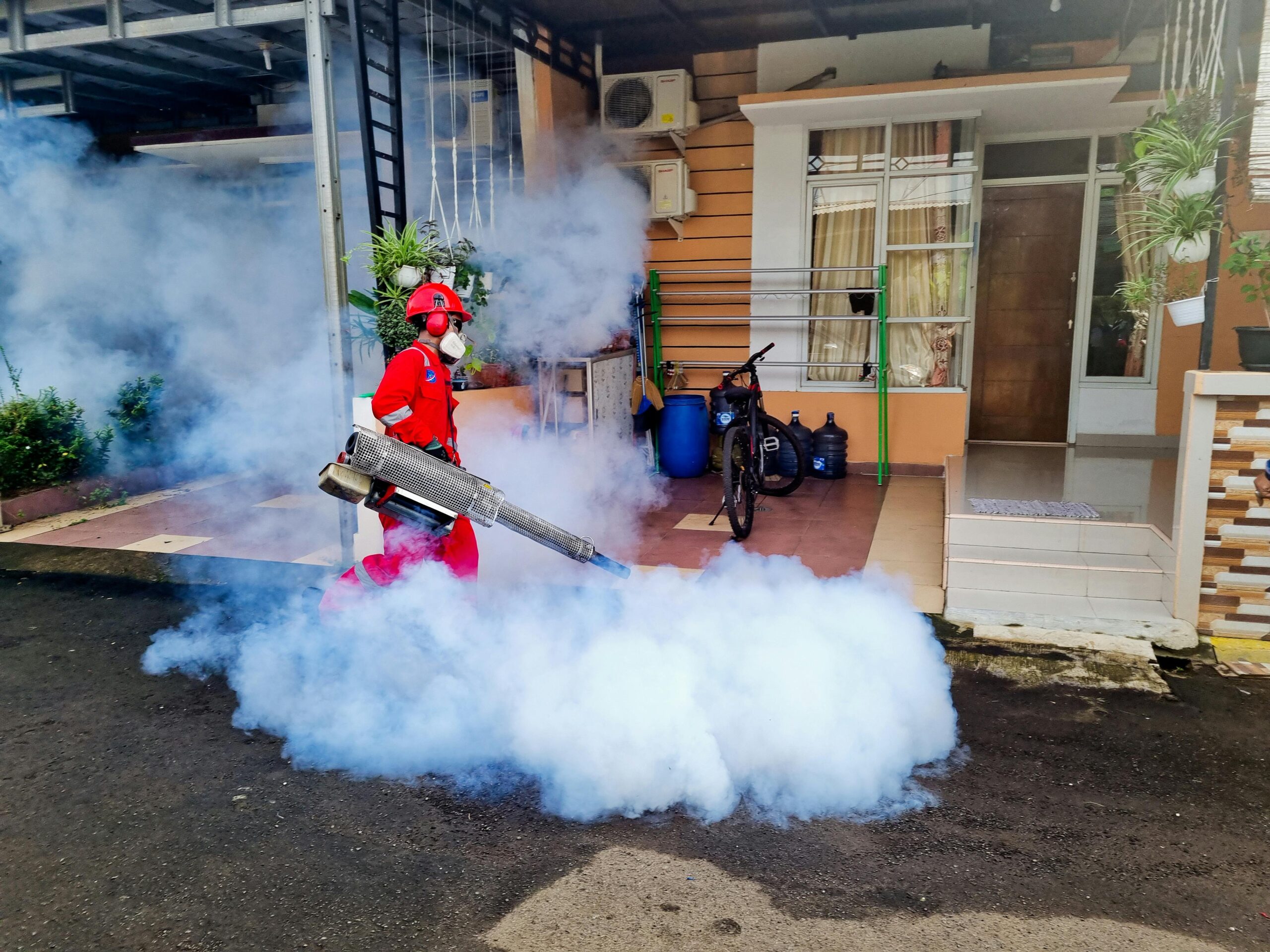
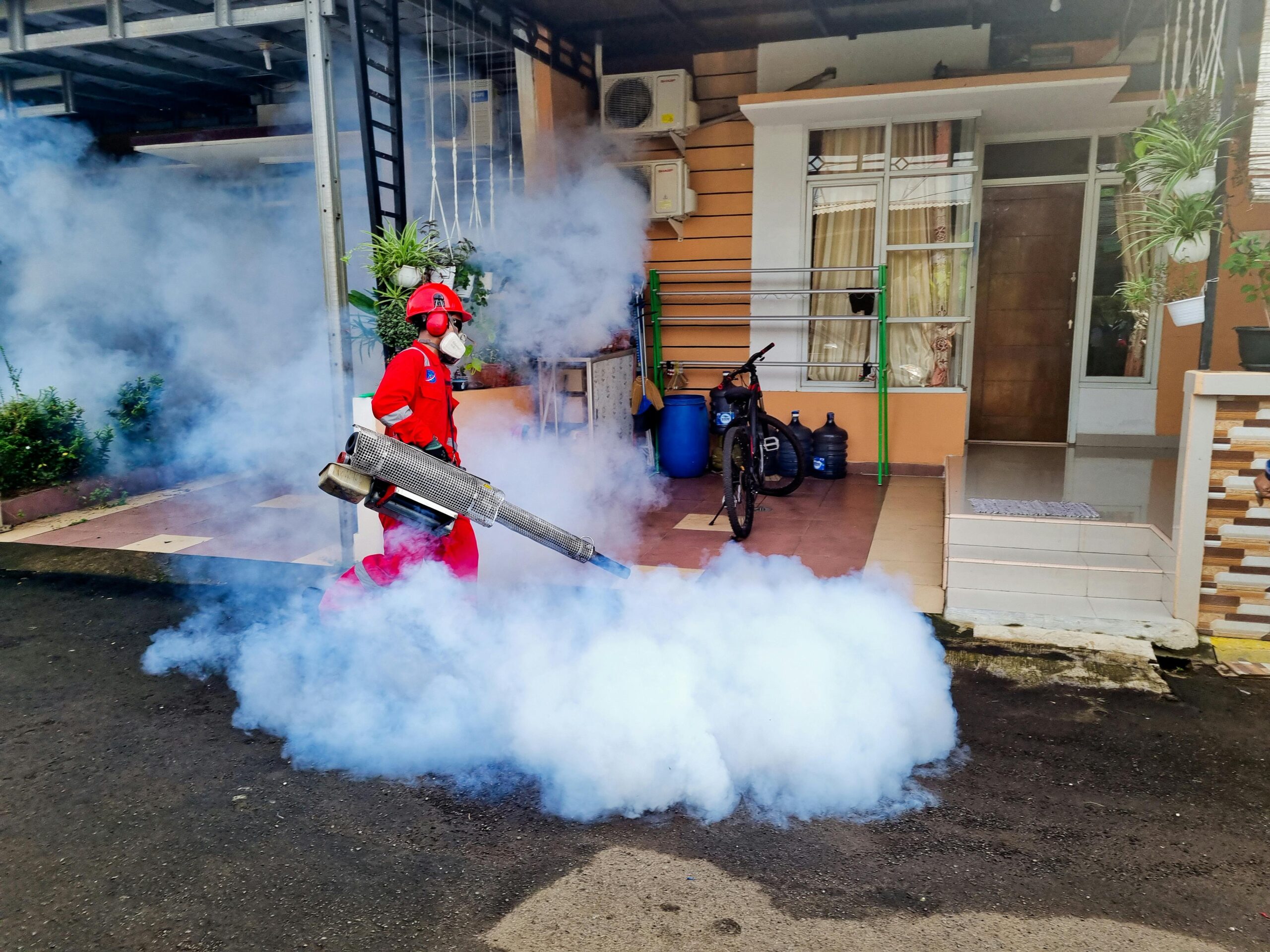
- Indoor Fogging: A low‑pressure fogger disperses a fine mist throughout interior spaces, reaching hidden crevices and ceiling voids. Fogging is especially useful for severe infestations or when bugs have already established a colony inside.
Safety Protocols We Rely On
Every Anthem technician is trained to handle chemicals responsibly. We exclusively use EPA‑registered products that have been vetted for indoor use and are low‑toxicity for humans and pets when applied as directed. Technicians wear protective gloves, goggles, and respirators during application, and we always ventilate treated areas afterward. Before any spray, we conduct a brief walkthrough with you to identify sensitive zones—such as children’s play areas or pet feeding stations—and adjust the treatment plan accordingly.
Step‑by‑Step Service Visit
- Inspection: Our expert arrives on time, conducts a thorough visual assessment, and uses flashlights and mirrors to locate entry points, nests, and damage.
- Plan Proposal: Based on findings, we present a customized treatment plan, explain the chosen methods, and outline costs. You receive a written estimate and a clear timeline.
- Execution: With your approval, the technician applies the targeted sprays, sets up the perimeter barrier, and, if needed, performs indoor fogging. All equipment is calibrated for precise coverage, and we label treated zones for your reference.
- Immediate Review: After application, we walk you through the treated areas, point out any remaining risk factors, and provide simple steps you can take to support the treatment (e.g., sealing cracks, removing outdoor lighting that attracts bugs).
- Follow‑Up: Within 7‑10 days, we schedule a complimentary check‑in to verify that the stink bugs are gone and the barrier remains intact. If needed, a touch‑up is performed at no extra charge.
Why Professional Treatment Beats DIY
Homeowners often reach for over‑the‑counter sprays, but those products typically cover only a fraction of the infestation and lack residual protection. Professional services offer several distinct advantages:
- Comprehensive Coverage: Certified technicians map out every potential entry point, ensuring no hidden gap is missed.
- Warranty & Guarantee: Anthem backs each treatment with a satisfaction guarantee and a warranty that covers re‑infestation within the service window.
- Long‑Term Prevention: Our perimeter barriers and follow‑up visits create a lasting deterrent, reducing the need for repeated emergency calls.
- Peace of Mind: Knowing that EPA‑approved products were applied safely eliminates the guesswork and health concerns associated with DIY chemicals.

Pricing Guide for Stink Bug Extermination in Suwanee, GA
Understanding what you’ll pay for stink‑bug control helps you avoid surprises and lets you compare options side‑by‑side. In Suwanee, the cost of a treatment is shaped by three primary factors: the size of your home, the severity of the infestation, and the type of treatment you choose. A modest 1,500‑sq‑ft house with a light, early‑season infestation will cost far less than a sprawling 3,500‑sq‑ft property battling a full‑blown invasion during peak summer months. Likewise, a simple interior spray is cheaper than a comprehensive barrier that protects both inside and outside year‑round.
Typical Service Packages
- Basic Treatment – One‑time interior spray targeting active stink bugs. Ideal for homeowners who spot a few bugs and want immediate relief. Includes a thorough inspection, targeted application, and a 30‑day follow‑up call.
- Seasonal Package – Quarterly treatments timed to the bug’s peak activity (spring, early summer, late summer, and early fall). This plan maintains a protective layer inside the home while also treating exterior entry points during the most vulnerable months.
- Premium Full‑Home Protection – Year‑round barrier applied to the home’s exterior, combined with interior follow‑up sprays every two months. The package also includes post‑treatment monitoring, a guaranteed bug‑free season, and a 100% satisfaction warranty.

What the Infographic Reveals
The graphic breaks down each package’s price range, the number of visits included, and the typical coverage area. For example, the Basic Treatment usually falls between $120‑$180, the Seasonal Package ranges from $350‑$450, and the Premium Full‑Home Protection is priced at $650‑$800. Bars on the chart illustrate how the value per visit increases as you move up the tiers, reflecting added labor, higher‑grade chemicals, and extended warranties.
Tips for Evaluating Value
- Guarantees matter. A company that backs its work with a re‑treatment guarantee or a seasonal “bug‑free” promise adds tangible value.
- Count the visits. More frequent visits mean less chance for bugs to re‑establish themselves, especially during the hot, humid months when stink bugs thrive.
- Look for monitoring. Post‑treatment inspections or remote monitoring tools help catch any resurgence early, saving you money on emergency calls.
- Consider the long‑term cost. A slightly higher upfront price for a full‑home barrier often pays off by reducing the need for repeat treatments later in the year.
Ask for a free, no‑obligation quote to see exact pricing for your home.
Protect Your Home Today with Anthem Pest Control
Stink bugs are easy to spot once you know what to look for: a shield‑shaped, brown‑gray body with a faint, unpleasant odor when crushed. They thrive in late summer through fall, slipping into cracks, windows, and even your attic as temperatures drop. While they don’t bite, their presence can lead to significant damage—chewed foliage on ornamental plants, ruined garden harvests, and unsightly stains on indoor walls and fabrics. Ignoring the early signs only gives them more time to multiply and infiltrate every corner of your home.
Choosing a professional, locally‑trained team makes all the difference. A neighborhood‑focused crew understands Suwanee’s unique climate patterns, knows where stink bugs hide, and can time treatments for maximum impact. Unlike DIY sprays that offer temporary relief, a licensed technician applies targeted, low‑toxicity products that penetrate deep into entry points and disrupt the bug’s life cycle. You also avoid the guesswork of dosage and application frequency, saving both time and money.
Anthem Pest Control stands behind a promise of safe, effective, and affordable solutions. Our technicians are certified, undergo continuous training, and use EPA‑approved products that protect your family and pets while eliminating the pest problem. Transparent pricing means no surprise fees—just a clear, upfront quote that fits your budget. We also provide a comprehensive follow‑up plan, ensuring that once the stink bugs are gone, they stay gone.
- Fast, same‑day inspection and treatment scheduling.
- Locally‑customized strategies for Suwanee’s seasonal patterns.
- Eco‑friendly products that safeguard indoor air quality.
- Transparent, upfront pricing with no hidden costs.
- Ongoing monitoring to prevent future infestations.
Ready for a pest-free home? Call us for a free quote and let a trusted stink bug exterminator Suwanee handle the rest. Reach us at 877-371-8196 or visit anthempest.com to schedule your inspection today.