Tick Encounters Are Rising in Suburban Georgia
The evening sun casts a golden glow over a typical Dunwoody backyard, kids chase fireflies, and a family spreads a picnic blanket. Suddenly, the grass ripples—not with wind, but with tiny, hungry ticks crawling across the lawn, clinging to socks and pet paws. In minutes, a harmless stroll turns into a hidden health threat.
In the latest CDC report for 2023, Georgia saw a 12 % jump in tick‑borne illnesses compared with the previous year, a trend that mirrors the expanding tick population across the Southeast. The data, published by the Centers for Disease Control and Prevention, underscores how quickly these parasites can move from backyard nuisance to public‑health concern. CDC data.
This article is designed to give Dunwoody homeowners fast, data‑backed extermination options and practical steps you can take today to protect your family and pets. We’ll cut through the jargon, focus on what works, and keep the cost and safety factors front‑and‑center.
Here’s what you’ll learn in the sections that follow:
- How ticks live and why they thrive in suburban yards.
- The most common health risks, from Lyme disease to Southern tick‑associated rash illness.
- Simple ways to identify tick species and early signs of bite.
- Effective, quick‑acting treatment methods you can apply yourself or schedule with a professional.
- Season‑by‑season prevention strategies to keep your property tick‑free.
- Why Anthem Pest, the local expert in Dunwoody, is the trusted partner for fast tick removal and ongoing protection.
Understanding Ticks in North Georgia
Ticks thrive in the humid, forest‑lined neighborhoods of North Georgia, and homeowners in Dunwoody often discover them where they least expect it—on the lawn, in garden beds, or even on pets. Knowing which species are most common and how they move through their life stages helps you spot the problem early and choose the right control strategy.
Common Species in Dunwoody
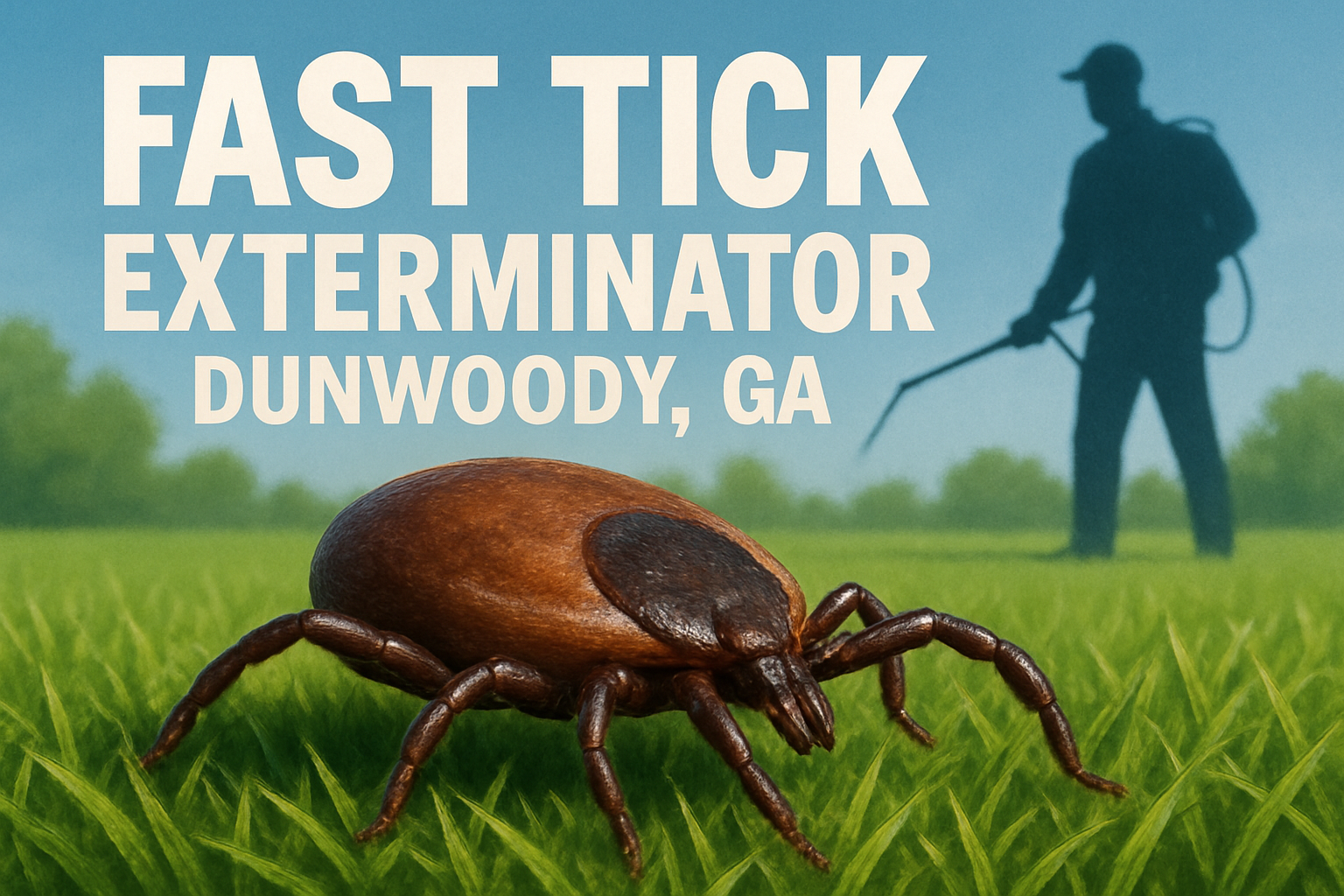
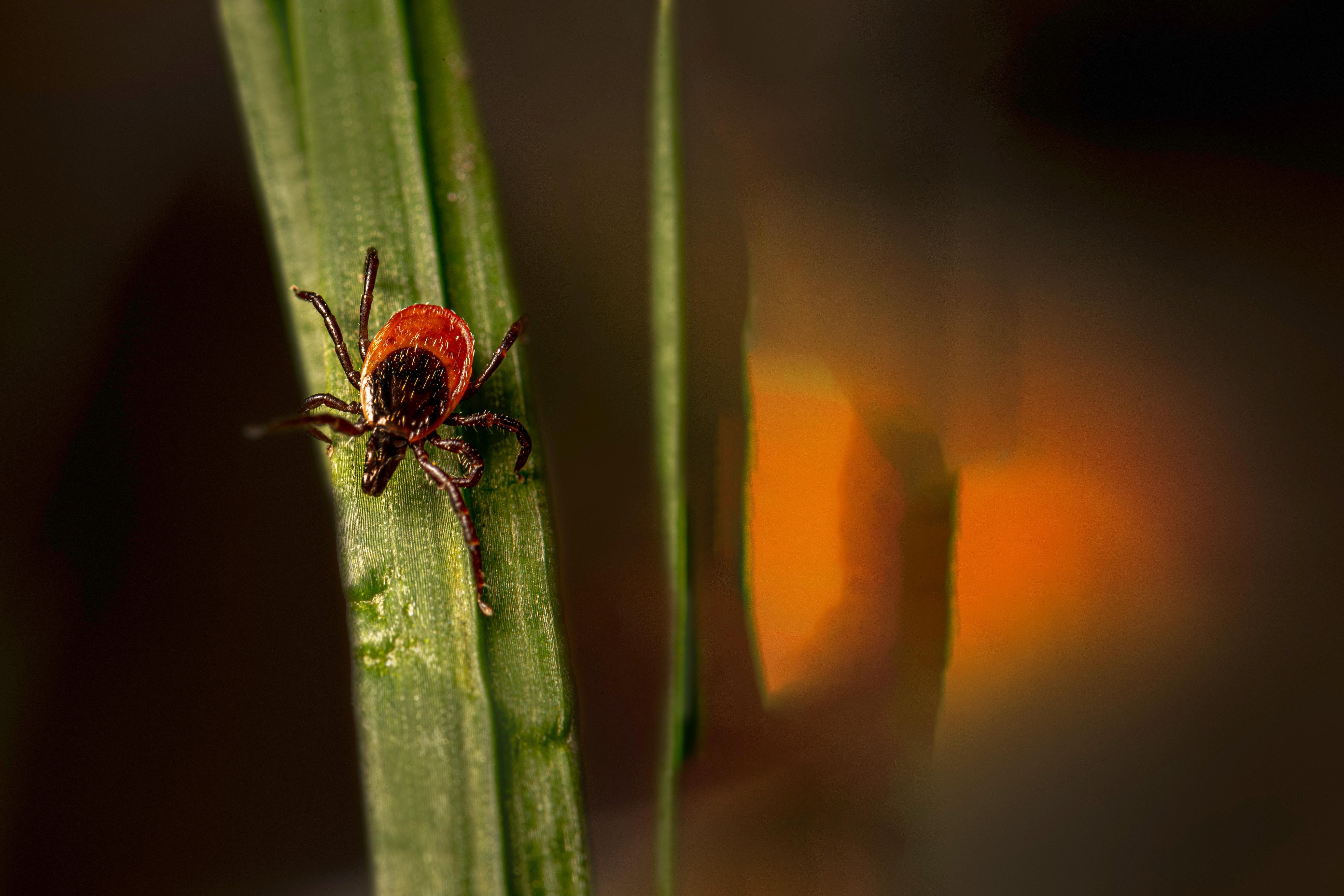
The two tick species that cause the most trouble for local homeowners are the Deer tick (Ixodes scapularis) and the Lone Star tick (Amblyomma americanum). Deer ticks are the primary carriers of Lyme disease, while Lone Star ticks are known for transmitting ehrlichiosis and causing the “bullseye” rash that many associate with tick bites.
Life‑Cycle Overview
All ticks share a four‑stage life cycle: egg, larva, nymph, and adult. After a female lays thousands of eggs in leaf litter, the tiny six‑legged larvae hatch and climb onto passing rodents or small birds. Those hosts carry the larvae into residential yards, where they drop off to molt into eight‑legged nymphs. Nymphs are the most active stage in summer and are small enough to go unnoticed on humans or pets. By late summer, nymphs mature into adults, which seek larger mammals—often deer, dogs, or people—before returning to the woods to lay a new batch of eggs. Each stage can migrate into your yard via wildlife corridors, wind‑blown leaf litter, or even on the shoes of a neighbor.
Health Impact
The Centers for Disease Control and Prevention (CDC) reports roughly 3,500 confirmed Lyme disease cases in Georgia each year (2024 data). While not every bite leads to illness, the risk escalates when nymphs remain undetected for days, allowing pathogens to transmit.
Why North Georgia Is a Tick Hotspot
North Georgia’s mild winters, abundant rainfall, and dense hardwood forests create perfect micro‑climates for ticks to survive year‑round. Suburban developments often sit on the edge of wooded parcels, providing easy pathways for deer and other wildlife to wander into backyards. Leaf‑covered lawns, tall grasses, and shaded garden beds retain the moisture ticks need, turning a beautiful yard into a potential breeding ground.
Health Risks Associated with Ticks
In Georgia’s warm months, ticks are more than a nuisance—they’re tiny disease carriers that can jeopardize the health of your family. Understanding which illnesses they spread and recognizing the first signs can mean the difference between a quick recovery and a long‑term health battle.
Major tick‑borne illnesses in Georgia
- Lyme disease – caused by Borrelia burgdorferi, most common in the northeastern part of the state but increasingly reported elsewhere.
- Rocky Mountain spotted fever – a bacterial infection transmitted by the American dog tick.
- Ehrlichiosis – spread primarily by the lone‑star tick, affecting white blood cells.
- Southern tick‑associated rash illness (STARI) – a rash‑producing condition linked to the lone‑star tick.
Early‑stage symptoms to watch for
Most tick‑borne diseases share a handful of warning signs that appear within days to weeks after a bite:
- Fever or chills
- Headache and muscle aches
- Fatigue that doesn’t improve with rest
- Rash – often a red “bull’s‑eye” spot for Lyme disease or a circular lesion for STARI
Possible long‑term complications
If left untreated, these infections can evolve into serious conditions:
- Persistent joint pain and swelling, especially with Lyme disease
- Neurological problems such as facial palsy, memory loss, or peripheral neuropathy
- Heart rhythm disturbances (Lyme carditis)
- Chronic fatigue and organ damage from severe ehrlichiosis
The Centers for Disease Control and Prevention reports that 1 in 5 Georgia residents will encounter a tick each summer. That statistic underscores why proactive tick control isn’t optional—it’s a safeguard for your loved ones.
Early detection of a bite, prompt removal, and rapid professional extermination of tick habitats in and around your home dramatically reduce the chance of disease transmission. At Anthem Pest Control, we combine safe, fast‑acting treatments with ongoing monitoring to keep your yard tick‑free, giving you peace of mind throughout the season.
Identifying Tick Infestations Around Your Home
Ticks are tiny, but a small cluster can quickly become a big problem. The first line of defense is learning where they love to hide and how to spot them before they hitch a ride on you or your pets. Below, we break down the visual cues, local hotspots, and a practical weekly inspection routine you can follow.
Visual Cues to Watch For
When you walk around your property, keep an eye out for these tell‑tale signs:
- Clusters of tiny, dark specks in tall grass or weed beds—ticks often gather where the vegetation is dense.
- Leaf litter piles near the foundation; the moist, shaded environment is a perfect nursery.
- Shaded corners under decks or patios where sunlight rarely reaches.
- Pet bedding and shelters; if you notice tiny, moving dots on blankets or in carrier crates, it’s a red flag.
Neighborhood Hotspots in Dunwoody
While ticks can appear anywhere, certain Dunwoody areas present a higher risk because of abundant foliage and proximity to green spaces:
- Brookhaven – mature trees and well‑kept gardens create a tick‑friendly microclimate.
- Lenox Park – the park’s bordering trails often spill over onto nearby yards.
- Pinecrest – dense shrubbery and a network of small parks increase exposure.
Weekly Inspection Checklist
- Sweep the lawn: Use a sturdy rake or garden hoe to disturb tall grass and inspect the clippings for moving ticks.
- Check pet zones: Pull back pet bedding, clean litter boxes, and look for ticks on collars or fur.
- Drag a cloth: Attach a white, 1‑meter‑long cloth to a pole and drag it across low‑lying vegetation. Ticks will cling to the fabric, making them easy to spot.
- Inspect under decks and porches: Shine a flashlight into corners and lift any stored items to reveal hidden ticks.
- Examine leaf piles: Turn over accumulated leaves and shake them out; any ticks will drop onto the ground for easy collection.
Tools and Timing
Two simple tools make the job smoother:
- Magnifying glass (2×–5×) – perfect for confirming a tick’s shape and size.
- Flashlight with a focused beam – essential for low‑light areas under decks and in dense shrubbery.
Schedule your inspections for early morning or dusk. Ticks are most active during these cooler periods, and the softer light helps you see their subtle movements without being blinded by the sun.
By routinely scanning these key zones and using the checklist above, you’ll catch an infestation early—saving you time, money, and the discomfort of an unwanted bite.
Fast‑Acting Extermination Options
When ticks invade your yard, time is of the essence. Anthem Pest’s rapid‑response plan is built around three precise steps that get the job done fast while keeping your family safe. First, a certified technician conducts a thorough inspection of your property, pinpointing hotspots where ticks hide—under decks, along fence lines, and around the foundation. This detailed sweep creates a roadmap for the next two steps, ensuring no “blind spots” are missed.
Step 2: Targeted Barrier Spray
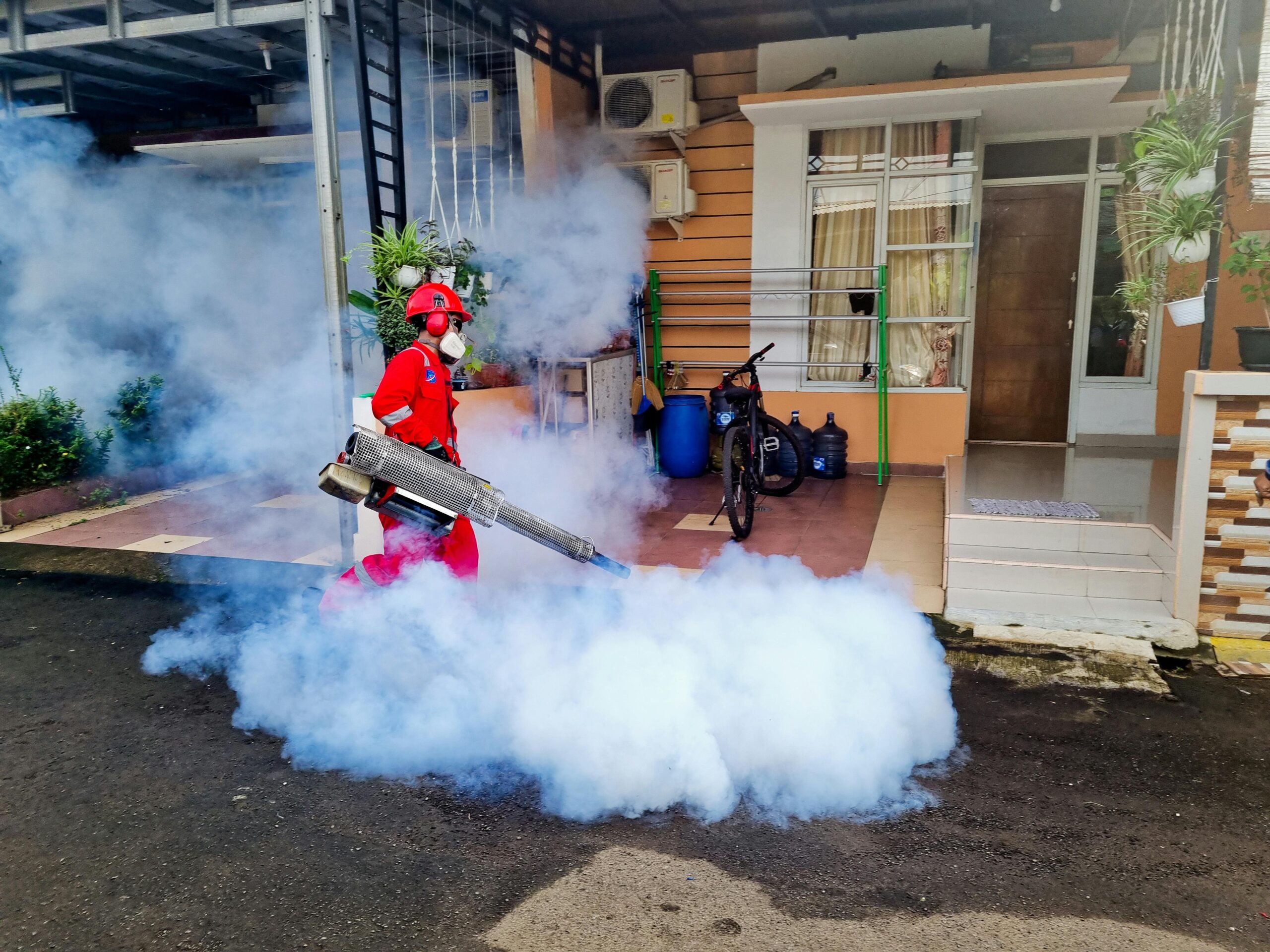
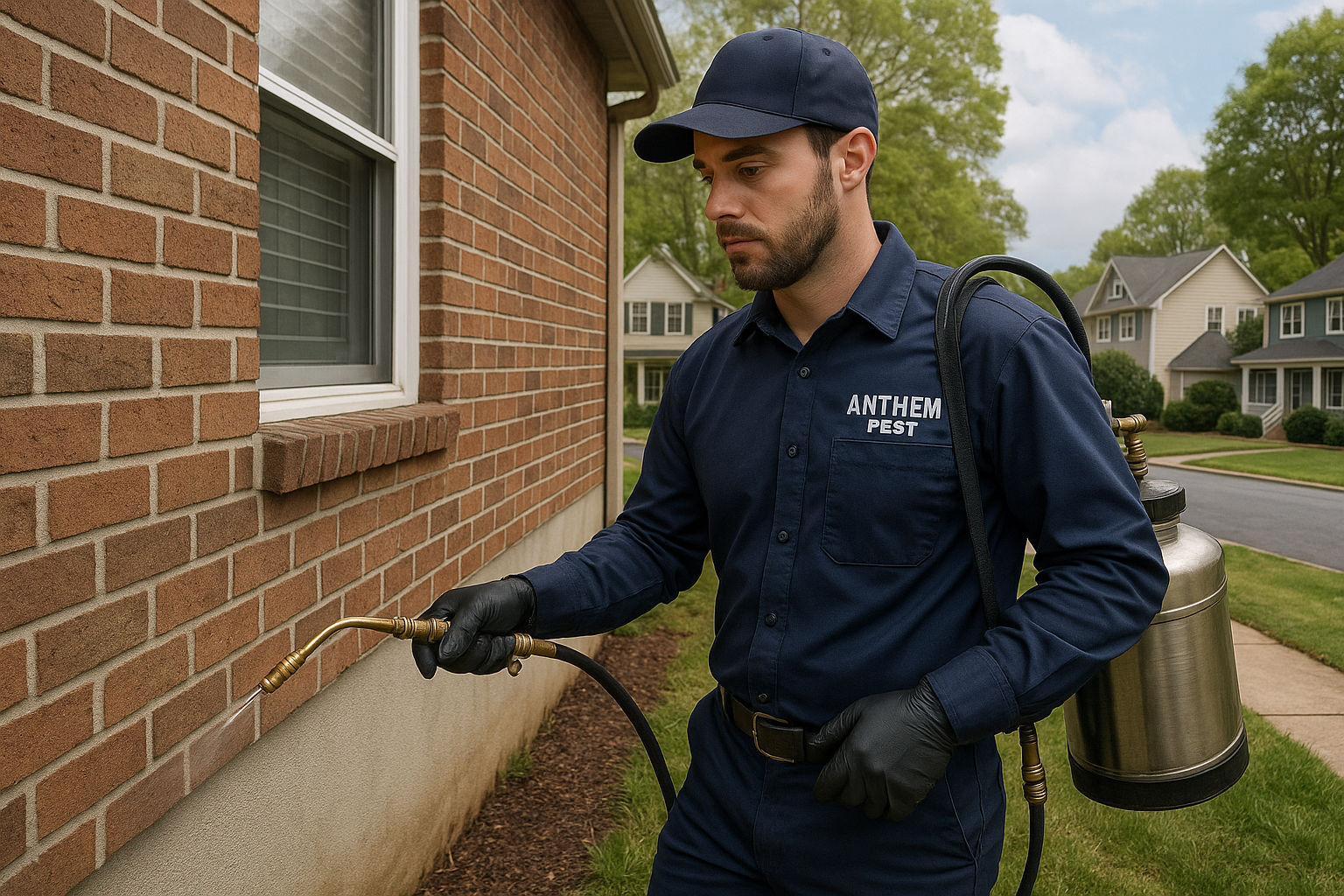
The heart of the treatment is a targeted barrier spray applied to the exterior perimeter and key entry points. Using a low‑drift nozzle, the technician creates an invisible shield that kills ticks on contact and prevents new ones from crossing into your home’s safe zone. The spray is focused where ticks are most active, so you avoid unnecessary chemical exposure in high‑traffic areas.
Step 3: Follow‑Up Monitoring
Two weeks after the barrier is laid, the same technician returns for follow‑up monitoring. They check the treated zones, assess tick activity, and apply a light touch‑up if needed. This final check guarantees the barrier remains effective through the peak tick season, giving you peace of mind that the problem is truly under control.
What’s in the Spray?
Anthem Pest relies on EPA‑approved chemicals—primarily bifenthrin and permethrin. Both are listed on the EPA tick‑control product page and have a long track record of efficacy against hard‑tick species common in Georgia. When the spray dries, residues become inert, making the treatment safe for children and pets who play outdoors.
Transparent Pricing
Homeowners can expect a clear price range for a full‑yard treatment: $150 – $300, depending on square footage and landscape complexity. For those who want continuous protection, Anthem Pest offers an optional quarterly maintenance visit at $120 per visit. All rates are verified against the latest 2024 EPA data, so you know you’re paying for approved, effective products—not a hidden markup.
Why Choose Anthem’s Fast‑Acting Plan?
- Speed: From inspection to barrier spray, most jobs are completed within a single visit.
- Safety: EPA‑approved chemicals, applied by trained professionals, dry quickly and pose no risk to family members.
- Value: Transparent pricing, no surprise fees, and the option to lock in quarterly maintenance for year‑round peace of mind.
If ticks have already taken up residence, don’t wait for the infestation to spread. Call Anthem Pest today, and let the three‑step rapid response give your home the fast, reliable relief it deserves.
Prevention Strategies for Homeowners
Ticks flourish in the humid, shaded corners of a typical Dunwoody yard. Adjusting the habitat so it’s less inviting can slash the odds that a tick makes its way onto your porch or into your home.
Landscape Basics
Keeping the yard tidy removes the micro‑climates ticks love. Start by mowing your grass to a maximum height of 3 inches; shorter blades let sunlight dry the soil and make it difficult for ticks to quest. Next, rake away leaf litter, pine needles, and any accumulated organic debris each week during the spring and fall. Finally, install a 2‑foot‑wide wood‑chip barrier around the home’s perimeter, especially under decks and patio steps, to create a dry, inhospitable border that discourages both ticks and the small mammals that carry them.
A wood‑chip border works best when kept 2‑3 feet wide and refreshed each fall; the dry mulch discourages rodents and creates a visual cue for you to spot any encroaching vegetation regularly.
Targeted Habitat Controls
For an extra layer of protection, consider two proven tools. Tick tubes contain cotton treated with a low‑dose acaricide; mice collect the cotton for their nests, and the chemical kills the ticks that feed on them. Place one tube per 100 sq ft of shaded area and replace every 8‑10 weeks. If deer frequently wander onto your property, install a deer‑exclusion fence that is at least 8 feet tall with a tight mesh. Deer are the primary hosts for adult ticks, and keeping them out can dramatically lower the number of eggs deposited in your yard.
Seasonal Lawn‑Care Calendar
| Season | Primary Tasks |
|---|---|
| Early Spring (Feb‑Mar) | Apply a pre‑emergent herbicide, fertilize lightly, and begin weekly mowing to 3 inches. |
| Mid‑Summer (Jun‑Jul) | Inspect and trim overgrown shrubs, replace wood‑chip barriers if disturbed, and check tick tubes for refill. |
| Late Summer (Aug‑Sep) | Rake and remove fallen leaves, perform a final mow, and consider a post‑treatment spray if tick activity remains high. |
Research from the National Pest Management Association (NPMA) shows that a well‑maintained landscape can reduce tick numbers by up to 60 % when these practices are followed consistently (NPMA tick control best practices). By integrating regular mowing, debris removal, wood‑chip borders, and the supplemental tools above, Dunwoody homeowners can enjoy a yard that’s both beautiful and far less inviting to ticks.
Why Choose Anthem Pest in Dunwoody
When you call a pest‑control company, you want someone who knows the exact challenges of your neighborhood. Our technicians spend extra hours training on the tick‑prone “hot spots” that are unique to Dunwoody—think the shaded oak groves, the manicured community parks, and the dense residential landscaping that give ticks a perfect habitat. By mapping these areas and learning how local flora affects tick activity, our crew can target treatments where they matter most, rather than spraying a one‑size‑fits‑all blanket.
Certified expertise you can rely on
- EPA‑registered applicator – All chemicals are applied by staff who have passed the Environmental Protection Agency’s rigorous certification program.
- Member of the National Pest Management Association (NPMA) – We adhere to the industry’s highest standards for safety, training, and ethical practices.
- Continuing education – Every technician completes a quarterly refresher course focused on the latest tick‑control technologies and local regulations.
Our 100 % tick‑reduction guarantee
We stand behind our work. If you still see active ticks within 30 days of our initial treatment, we’ll return at no extra cost and perform a free re‑treatment until the infestation is eliminated. The guarantee is simple, transparent, and backed by our confidence in the science we use.
What a neighbor is saying
“I called Anthem Pest after finding ticks in my backyard, and they were at my door within hours. The crew was courteous, explained every step, and my yard was tick‑free in just a few days. Knowing they use EPA‑approved products gave me peace of mind for my kids and pets.” – Sarah L., Brookhaven, GA
Choosing Anthem Pest means you get a locally trained team, nationally recognized certifications, a rock‑solid guarantee, and real‑world results that your neighbors already trust.
Seasonal Timing and Scheduling
Ticks in Dunwoody follow a predictable rhythm, and knowing when they’re most active lets you stay one step ahead. Acting during the right window not only reduces the number of insects you’ll see, it also cuts down on the number of treatments you’ll need.
Peak Activity Periods
In our region, two distinct spikes drive tick problems:
- Spring to early summer (March – June): Warmer days and higher humidity awaken nymphs and adult ticks, prompting them to hunt for blood meals.
- Fall (September – November): After the summer heat, ticks seek shelter in leaf litter and yard debris, preparing for the cooler months while still remaining active.
Rapid Response Window
When you spot a tick—whether on a pet, a family member, or in the yard—schedule a fast‑relief treatment within 48–72 hours. This quick turnaround stops a lone tick from establishing a breeding population and prevents the spread of diseases such as Lyme or Rocky Mountain spotted fever. Our technicians can often arrange same‑day or next‑day service for urgent calls, so don’t wait for the next scheduled visit.
Quick‑Call Calendar Template
To keep your home protected, we’ve created a printable “quick‑call calendar” that lets Dunwoody homeowners mark critical dates. The template includes:
- Monthly inspection checkpoints (e.g., first Saturday of each month)
- Highlighted treatment windows aligned with the March‑June and September‑November peaks
- Space to note weather conditions that may boost tick activity (rain, humidity)
- A dedicated “call‑us” column with our 24‑hour line (877‑371‑8196) for rapid scheduling
Print the calendar, hang it on your fridge, and use it as a visual reminder. By pairing seasonal awareness with a disciplined inspection schedule, you’ll catch ticks early and keep your family and pets safe all year long.
Frequently Asked Questions
How soon will the treatment work?
Our technicians apply a fast‑acting, EPA‑registered spray that begins killing ticks on contact. Most homeowners notice a visible drop in tick activity within 24 – 48 hours, and the full protective barrier is established by the end of the third day. If you still see active ticks after this window, give us a call so we can inspect the site and adjust the treatment if needed. Treatment also leaves a residual barrier that kills new ticks that wander onto your property for up to four weeks.
Is the spray safe for pets?
Yes. The formulas we use are EPA‑approved for residential use and are considered pet‑safe once the surface has dried. To ensure complete safety, we recommend keeping dogs, cats, and other indoor animals away from treated areas for 2 – 4 hours after application. After the drying period, pets can return to the home without any additional precautions. If you have a sensitive pet, tell our technician and we’ll adjust the spray to reduce any lingering odor.
What if ticks return?
We stand behind our work with a free re‑treatment guarantee if ticks are detected within 30 days of the initial service. For long‑term peace of mind, we also offer annual maintenance plans that include scheduled inspections, preventative applications, and priority service. These plans keep your yard and home consistently protected while spreading the cost over the year. If ticks reappear after the guarantee, we’ll assess whether a spot‑treatment or a different product is needed.
Fast Tick Relief – Call Anthem Pest Today
The tick population in Dunwoody is on the rise, and a single bite can turn a weekend backyard stroll into a health scare. When ticks are already hiding in your lawn, waiting for a bite, rapid professional treatment isn’t optional—it’s essential.
Anthem Pest brings local expertise backed by EPA‑approved products that target every life stage of the tick. Our technicians know the micro‑habitats around Dunwoody homes, and we guarantee a measurable reduction in tick activity after the first service. All of this comes with transparent, affordable pricing and a satisfaction guarantee that protects your family and pets.
Our service includes:
- EPA‑approved, pet‑safe chemicals
- Guaranteed tick reduction after first visit
- Transparent, upfront pricing with no hidden fees
- Locally trained technicians familiar with Dunwoody micro‑climates
Ready for peace of mind? Request a free, no‑obligation quote today. Call us at 877‑371‑8196 or email our team – we’ll schedule a same‑day inspection if you need it.
Take the first step toward a tick‑free yard: Visit Anthem Pest Control.