What House Centipedes Are and Why They Matter
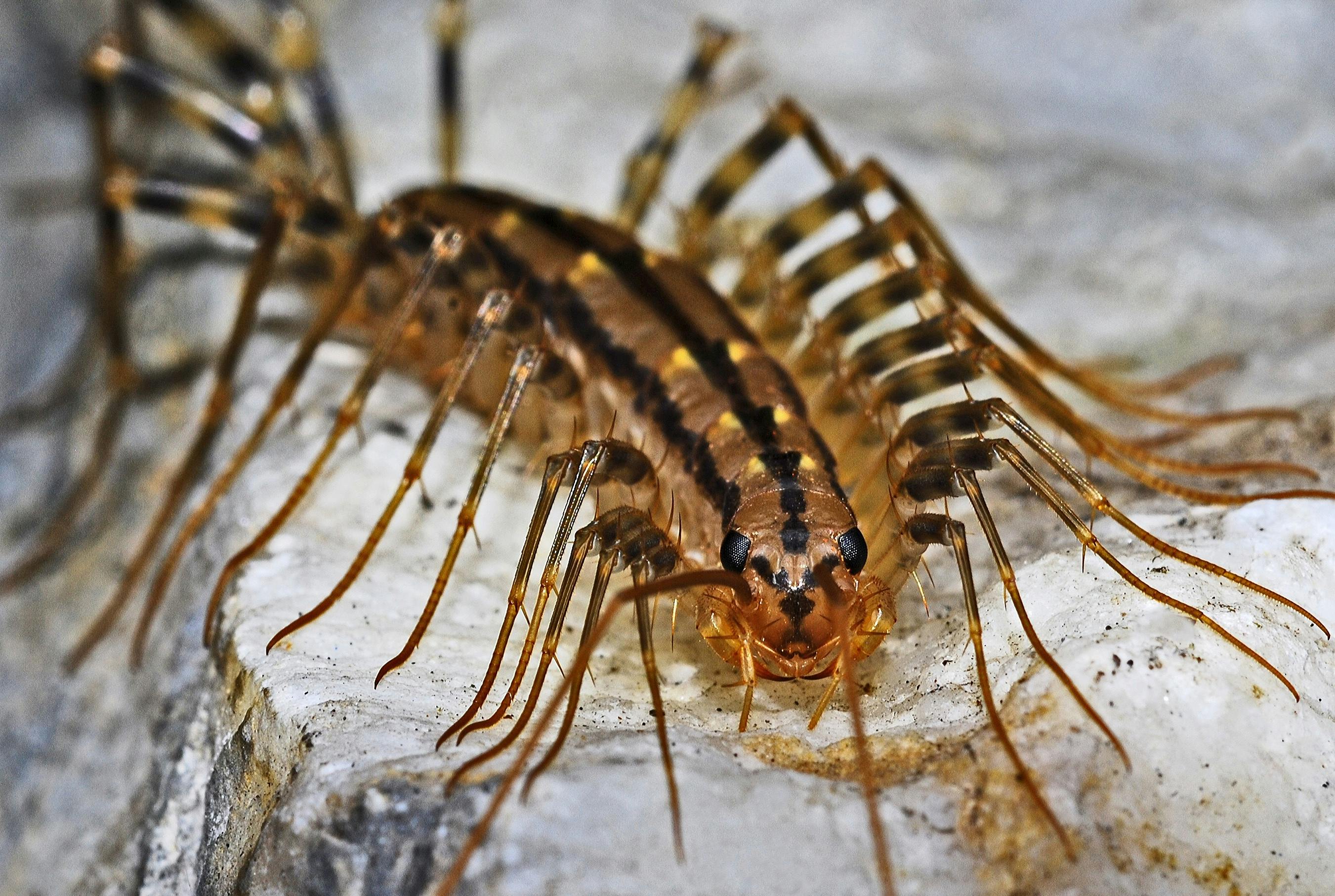
The house centipede (Scutigera coleoptrata) is the most familiar centipede you’ll encounter inside a home and a common pest identified by a centipede exterminator Peachtree City homeowners call for help. Its most striking feature is a sleek, gray-blue body topped with up to 15 pairs of incredibly fast, feather-like legs that fan out like a miniature windmill. Unlike the bulky, many-legged centipedes you might see outdoors, the house centipede’s legs are long, slender, and covered in fine hairs that give it a delicate, almost spider-like silhouette. Its eyes are arranged in three distinct rows, providing excellent vision for a nocturnal hunter.
Moisture‑Loving Hangouts
House centipedes are drawn to moisture because it supports the tiny insects they prey on—springtails, ants, spiders, and even other small arthropods. Bathrooms, basements, crawl spaces, and even damp corners of kitchens create the perfect micro‑climate for these prey species. The centipede’s thin exoskeleton makes it especially vulnerable to dehydration, so it seeks out areas where humidity stays high, often near leaky pipes, standing water, or poor ventilation.
Beneficial Predator or Nuisance?
In most cases, a solitary house centipede is a welcome tenant. It silently patrols dark crevices, feeding on pests that can damage your home or trigger allergies. By keeping populations of spiders, cockroaches, and flies in check, centipedes actually contribute to a healthier indoor environment. However, when the moisture problem persists, the food supply explodes, and centipedes can appear in noticeable numbers. At that point, their swift, erratic movements can startle homeowners, turning a beneficial insect into a perceived pest.
Common Misconceptions
Many homeowners assume that house centipedes pose a venomous threat. While they do possess a mild venom to subdue their prey, the bite is rarely felt by humans—if it is noticed at all, it feels like a faint pinch that quickly fades. Another myth is that centipedes reproduce at alarming rates. In reality, a female lays only a few dozen eggs over her lifetime, and the young take several weeks to mature. Their numbers swell primarily because of abundant food and ideal humidity, not because they multiply like flies.
Understanding these facts helps you decide when to act. If you notice a few centipedes scuttling across tiles, it’s usually a sign that your home’s humidity is high or that another pest is thriving. Addressing the underlying moisture issue—fixing leaks, improving ventilation, and using a dehumidifier—can dramatically reduce centipede activity without the need for chemical intervention.
For a deeper dive into centipede behavior, control methods, and why they matter to Peachtree City homeowners, check out the Anthem Pest Control centipede guide. Our experts break down practical steps you can take today to keep your home comfortable and pest‑free.
Spotting the Signs of a Centile Infestation
Centipedes are the night‑shift crew of your home – they love darkness, moisture, and the occasional stray insect. Because they move so quickly, many homeowners never see them until the numbers start to climb. Knowing the tell‑tale clues early can save you a frantic scramble later.
Visual cues you can’t ignore
- Fast‑moving, many‑legged silhouettes darting across walls or floors after the lights come on.
- Clusters of activity around porch lights, bathroom fixtures, or kitchen under‑cabinet lighting.
- Occasional “spider‑like” tracks that look like tiny, irregular footprints on smooth surfaces.
Physical evidence left behind
- Shed skins – pale, translucent exoskeletons that look like tiny, empty shells.
- Dead centipedes tucked into corners, behind baseboards, or inside dryer vents.
- Rarely, small red bite marks that may appear after a centipede feels threatened (they’re not dangerous, but they signal a presence).
Environmental indicators that invite centipedes
- Persistent dampness under sinks, around leaky pipes, or in basements.
- Standing water in plant saucers, clogged gutters, or poorly ventilated crawl spaces.
- Cluttered storage areas that trap moisture and provide hiding spots for prey insects.

Quick DIY inspection checklist
Grab a flashlight and a small notebook, then follow these steps in under ten minutes:
- Check under sinks. Look for water stains, mold, or tiny shells tucked behind the cabinet.
- Inspect behind appliances. Pull the refrigerator and stove away from the wall; moisture often collects there.
- Examine basements and crawl spaces. Focus on concrete walls, pipe elbows, and any exposed insulation.
- Survey window sills and door thresholds. These are common entry points for insects that centipedes prey on.
- Look in closets and storage bins. A stack of cardboard boxes can hold both moisture and the insects centipedes love to hunt.
Take note of any shed skins, dead centipedes, or wet spots you discover. A photo can be useful if you later decide to call a professional.
When to hand the hunt over to a pro
If you notice any of the following, it’s time to schedule a thorough assessment with a centipede exterminator Peachtree City homeowners trust and a licensed pest-control technician:
- Repeated sightings despite your DIY efforts.
- Large numbers of centipedes congregating in a single area.
- Persistent moisture problems that you can’t locate or fix yourself.
- Any bite marks that cause irritation or concern.
Anthem Pest Control’s technicians can pinpoint hidden moisture sources, apply targeted treatments, and set up preventive measures that keep centipedes—and the insects they hunt—out of your home for good. A professional inspection not only eliminates the current infestation but also safeguards against future invasions.
Professional Treatment Options and How They Work
When centipedes start making a habit of your home, a DIY spray can feel like a quick fix—but it rarely provides lasting protection. A centipede exterminator Peachtree City homeowners rely on brings EPA-approved products and a systematic approach that targets the bugs where they hide, while keeping your family and pets safe. Below is a breakdown of the most effective professional treatments you’ll encounter in Peachtree City, GA.
Exterior Perimeter Spray
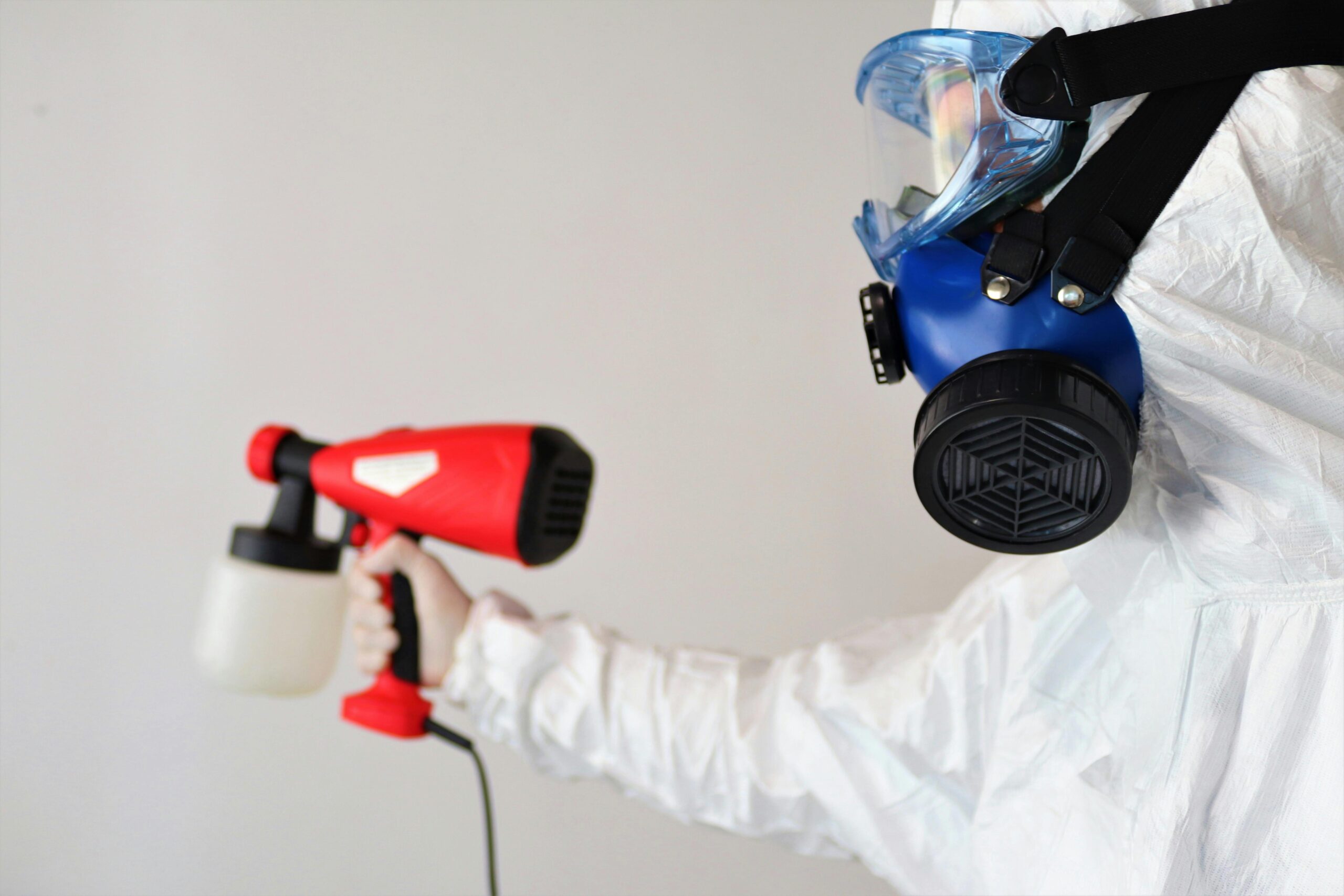
The first line of defense is a thin, invisible barrier applied around the foundation, cracks, and any obvious entry points. Technicians use a low‑toxicity, EPA‑registered insecticide that adheres to concrete, brick, and wood. Once the spray dries, it creates a chemical “moat” that repels centipedes and other crawling insects for up to 12 months. Because centipedes are attracted to moisture, the barrier is often paired with a moisture‑reduction recommendation—such as fixing gutter leaks or improving drainage—to prevent the bugs from seeking shelter near the home’s base.
Interior Fogging or Spot‑Treatment
Inside the house, the focus shifts to high‑risk rooms: bathrooms, kitchens, and basements where humidity is highest. Technicians may employ a fogger that disperses a fine mist of insecticide into cracks, crevices, and voids that are otherwise unreachable with a spray bottle. In areas with visible activity, a spot‑treatment using a handheld applicator delivers a concentrated dose directly onto the centipede pathways. Both methods use products that are safe for indoor use, dry quickly, and leave no strong odor.
Integrated Pest‑Management (IPM) Approach
Professional exterminators don’t rely on chemicals alone. The IPM model blends chemical control with long‑term preventive measures:
- Moisture Management: Installing dehumidifiers, repairing leaky pipes, and ensuring proper ventilation reduces the damp environments centipedes love.
- Structural Sealing: Caulking gaps around windows, doors, and utility penetrations eliminates hidden entryways.
- Sanitation Practices: Removing food debris, storing firewood away from the house, and keeping clutter to a minimum deprives centipedes of shelter and prey.
The synergy of these steps means the insecticide works at a lower dosage, which is better for occupants and the environment.
Safety Protocols
Every reputable company follows strict safety guidelines to protect both the technician and the homeowner:
- Personal Protective Equipment (PPE): Gloves, respirators, and eye protection are mandatory for anyone handling the chemicals.
- Low‑toxicity Formulations: Products are selected for their effectiveness against centipedes while posing minimal risk to humans, pets, and beneficial insects.
- Homeowner Precautions: After treatment, residents are advised to keep children and pets away from treated zones for a short period—usually 30 minutes to an hour—until the spray has fully dried.
Why Hire a Licensed Company Instead of DIY Sprays?
Choosing a professional service like Anthem Pest Control brings several advantages that DIY methods simply can’t match:
| Aspect | Professional Service | DIY Approach |
|---|---|---|
| Coverage | Comprehensive perimeter and interior treatment, including hidden voids. | Often limited to visible surfaces; gaps remain untreated. |
| Product Quality | EPA‑approved, high‑efficacy formulations. | Retail sprays may be less potent and not labeled for centipedes. |
| Follow‑up | Scheduled re‑inspections and warranty guarantees. | No built‑in guarantee; repeat applications are the homeowner’s responsibility. |
| Safety | Trained technicians use PPE and follow strict protocols. | Risk of improper mixing, over‑application, or accidental exposure. |
| Time & Effort | One‑time professional visit saves hours of prep and cleanup. | DIY requires research, purchase, and repeated applications. |
In short, a licensed exterminator delivers a scientifically backed, full‑spectrum solution that not only eradicates the current centipede infestation but also blocks future invasions. For homeowners in Peachtree City who want peace of mind and lasting results, professional treatment is the smartest investment.
Cost Comparison and Seasonal Activity Insights
Average Pricing Breakdown
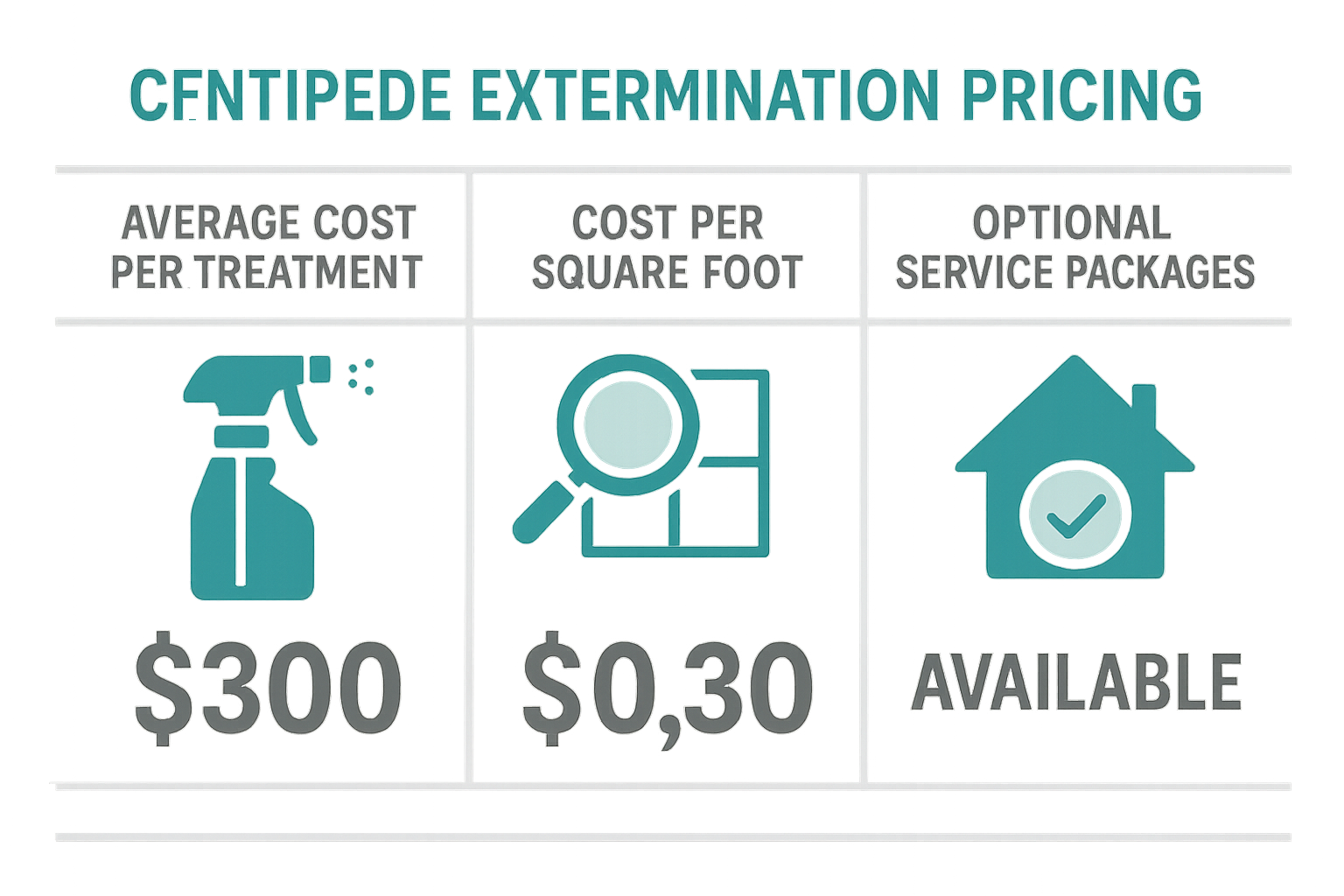
When you call Anthem Pest Control for centipede treatment, a centipede exterminator Peachtree City homeowners rely on will typically encounter three pricing structures:
- Per‑treatment flat fee: $180 – $250 for a standard interior spray covering up to 2,500 sq ft.
- Cost per square foot: $0.07 – $0.12 / sq ft, which is useful for larger homes or additions where a flat fee would be less accurate.
- Service packages:
- Basic Inspection & Seal – $95 one‑time, includes a thorough walk‑through and sealing of obvious entry points.
- Comprehensive Package – $350 – $420, combines the initial treatment, a follow‑up visit, and a 6‑month warranty.
- Premium Annual Plan – $650 per year, guarantees quarterly inspections, two treatments, and unlimited emergency calls.
What Drives the Price?
Understanding the variables behind the quote helps you avoid surprises:
- Property size: Larger square footage requires more product and labor, pushing the per‑treatment cost upward.
- Infestation severity: A light sighting may only need a spot treatment, while a heavy infestation demands multiple applications and possibly structural sealing.
- Geographic location: Peachtree City’s humid climate means centipedes thrive year‑round, so local technicians factor in higher seasonal activity when setting rates.
- Access challenges: Homes with tight crawl spaces, multiple levels, or extensive landscaping can add travel and setup time.
Seasonal Activity Chart
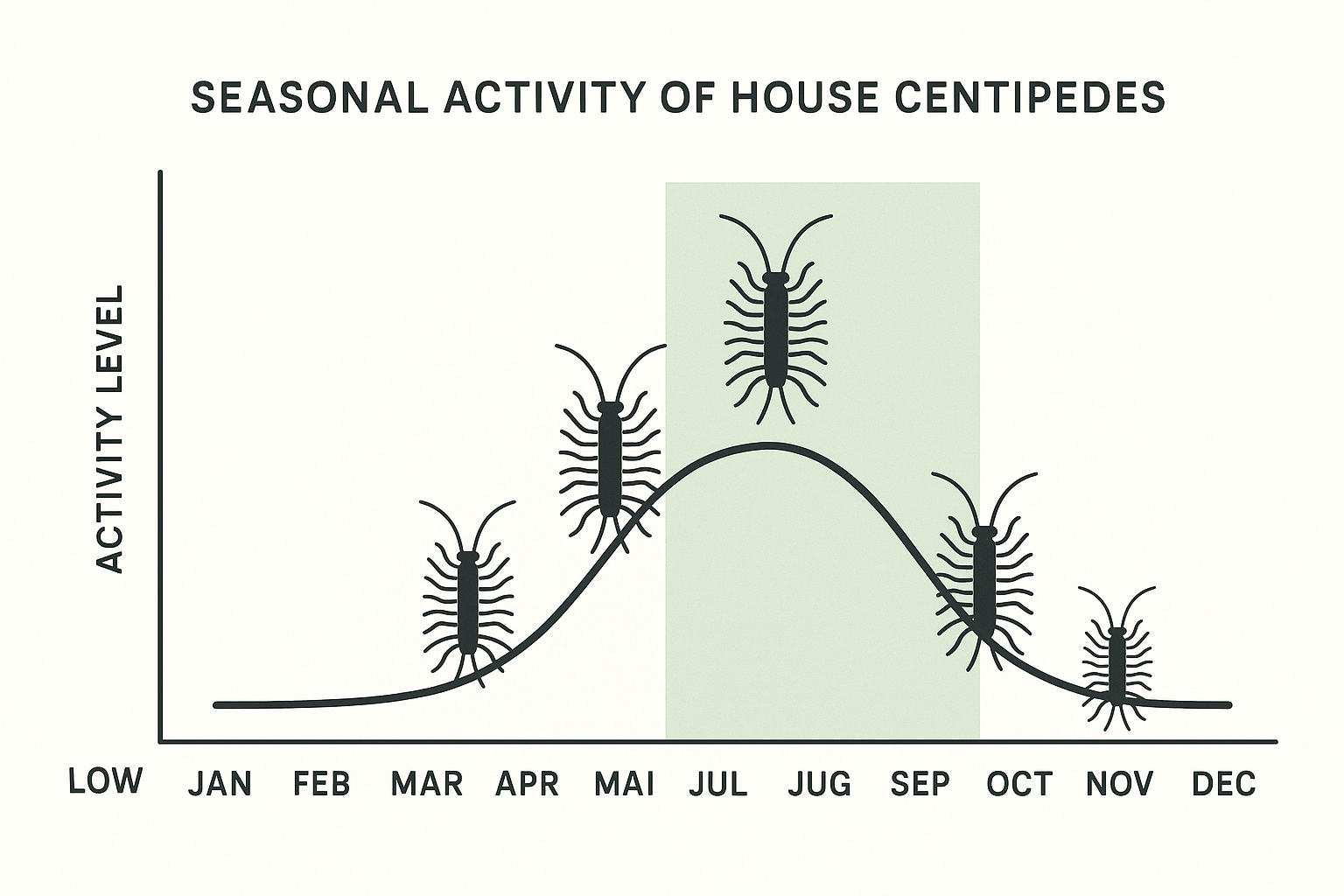
| Month | Relative Activity | Humidity Factor |
|---|---|---|
| January | Low | 45 % |
| February | Low | 48 % |
| March | Moderate | 55 % |
| April | Moderate | 60 % |
| May | High | 68 % |
| June | High | 73 % |
| July | Peak | 78 % |
| August | Peak | 80 % |
| September | High | 75 % |
| October | Moderate | 65 % |
| November | Low | 55 % |
| December | Low | 48 % |
Timing Your Treatment for Maximum Impact
The data above tells a clear story: centipedes reach their zenith in late summer (July‑August) and early fall (September). To stay ahead of the invasion, follow these two‑step timing rules:
- Pre‑emptive treatment: Schedule a full‑home spray in late May or early June. This creates a chemical barrier before humidity spikes, reducing the number of centipedes that can establish colonies.
- Post‑peak inspection: Book a follow‑up check‑up in October. Technicians will spot any survivors, reseal entry points, and apply a touch‑up spray if needed, keeping your home safe through the cooler months.
Homeowners who combine a pre‑emptive treatment with an October inspection typically see a 70 % reduction in centipede sightings compared with those who wait until the peak season.
Quick Tip: How to Negotiate a Clear, All‑Inclusive Quote
Ask for a written breakdown. Request line‑item pricing for the initial treatment, any sealing work, and the follow‑up visit. Verify that the quote includes “all‑inclusive” language—no hidden fees for travel, disposal, or extra applications.
Bundle services. If you need termite or mosquito control as well, ask whether Anthem can bundle the jobs. Bundling often yields a 10‑15 % discount and simplifies scheduling.
Set a price cap. Agree on a maximum total cost for the season before work begins. This protects you from surprise price hikes if the infestation turns out to be more severe than initially thought.
Protect Your Home with Anthem Pest Control
Centipedes can slip into your home unnoticed, especially during warm, humid months. Catching an infestation early is the difference between a quick fix and a full‑scale eradication. Professional treatment matters because trained technicians can locate hidden entry points, identify the species, and apply the right EPA‑approved product in the correct dosage. Waiting until you see dozens of centipedes scurrying across your floorboards often means more extensive work, higher costs, and greater disruption to your family’s routine.
Why Anthem Pest Control Is Your Best Ally
- Certified technicians: Every field agent holds state‑recognized certifications and completes ongoing training on the latest centipede biology and control methods.
- Safe, EPA‑approved products: We use formulations that target centipedes while protecting children, pets, and the environment.
- Transparent pricing: No hidden fees—our estimates break down labor, materials, and follow‑up visits so you know exactly what you’re paying for.
- Nationwide service: Whether you own a suburban home in Peachtree City or a vacation cabin elsewhere, our network of local experts can deliver the same high‑quality care.
When you choose Anthem, you’re not just hiring a pest‑removal crew; you’re gaining a partner in long‑term protection. Our technicians perform a thorough inspection, pinpointing vulnerable areas such as foundation cracks, window seals, and moisture‑prone zones. From there, they design a customized treatment plan that may include perimeter sprays, interior fogging, and preventive barriers—all tailored to your home’s layout and your family’s health concerns.
Take the First Step Toward a Centipede‑Free Home
Ready to stop centipedes before they become a nuisance? Schedule a free, no‑obligation inspection today. Our team will assess your property, explain all viable options, and provide a written quote that outlines every step of the process. With Anthem Pest Control, you’ll receive a clear, actionable plan that safeguards your living space without surprise costs.
Call now at 877-371-8196 to speak with a centipede exterminator Peachtree City homeowners trust for a free quote, or click here to learn more and book online.