Why Crickets Become a Homeowner’s Headache in Peachtree City
Common Cricket Species in the Area
In Peachtree City, the two culprits you’ll most often hear—and see—are the field cricket (Gryllus assimilis) and the house cricket (Acheta domesticus). Field crickets prefer open lawns, grassy edges, and the occasional pile of leaf litter, while house crickets are true indoor opportunists that slip through cracks and set up shop behind baseboards, in closets, or under kitchen appliances. Both species share a rapid life cycle, hatching in late spring and producing multiple generations before the first frost, which is why homeowners often turn to a cricket exterminator Peachtree City residents trust when activity escalates.
Peachtree City’s Climate and Landscaping Create a Cricket‑Friendly Habitat
The humid subtropical climate of Peachtree City, with warm summers and mild winters, mimics the crickets’ native environment. Average summer temperatures hover around 85°F (29°C) and nightly humidity often stays above 60%, conditions that accelerate egg development and keep adult crickets active well into the night. Add to that the city’s popular “green” landscaping—lush lawns, ornamental shrubs, and well‑maintained garden beds—and you’ve got a buffet of shelter and food. Mulch, compost piles, and even the occasional irrigation pond become perfect breeding grounds, allowing crickets to thrive where other pests might struggle.
Typical Signs That Crickets Have Moved In
Homeowners usually notice a cricket problem in three ways. First, the unmistakable chorus of chirping after sunset can turn a peaceful evening into a noisy nuisance. Second, you may spot small, shallow burrows or “nests” in the soil of flower beds, raised garden beds, or the edges of your lawn—crickets use these to hide during the day. Finally, look for occasional damage: crickets chew on tender plant leaves, seedlings, and even soft fabrics like curtains or upholstery, leaving ragged edges that can be mistaken for other pests.
Health and Comfort Impacts
Beyond the irritation of constant noise, crickets can affect indoor air quality. Their shed skins, droppings, and dead bodies become part of the household dust, contributing to allergen loads that may aggravate asthma or trigger allergic reactions. The CDC notes that indoor allergens from insects are a common trigger for respiratory issues. In kitchens, crickets may wander onto food preparation surfaces, raising concerns about contamination, especially for families with young children or immunocompromised members.
The Economic Angle: Early Detection Saves Money
Addressing a cricket infestation early is a cost‑saving strategy. Small, localized treatments—such as targeted baits, perimeter sprays, or simple habitat modifications—are far less expensive than a full‑scale chemical program required after a population explosion. Moreover, early intervention prevents secondary damage to landscaping, which can otherwise demand costly replanting or professional lawn restoration. By catching the problem before crickets multiply, homeowners protect both their comfort and their wallet.
Identifying Crickets and Recognizing Early Warning Signs
Physical description you can spot in a flash
Crickets that invade homes in Peachtree City are generally small—about ½ to ¾ inch long from head to abdomen. Their bodies are a muted brown or gray, which helps them blend into mulch, leaf litter, or the underside of decks. The most telling feature is the pair of long, transparent wings that lie flat over the back; only males have a second set of narrower wings that they rub together to produce the classic “chirp.” If you hear that rhythmic nighttime song, you’re likely dealing with a male field cricket, the species most prone to entering homes.
Where crickets love to hide
Understanding a cricket’s favorite hide‑outs lets you check the right places before the infestation spreads:
- Mulch and wood chips—moist, organic material provides shelter and a steady food source.
- Flower beds and garden borders—the foliage offers shade and easy access to plant roots.
- Foundation cracks and gaps—even a hairline opening can become a highway into your crawl space.
- Indoor basements—cool, damp environments mimic the outdoors, especially after heavy rain.
Early‑warning checklist for homeowners
Keep this quick list handy during the warm months. Spot one or more of the items, and you’ve likely got a cricket problem brewing:
- Sudden increase in night‑time chirping, especially near walls or windows.
- Small, dark droppings resembling fine coffee grounds on floors, countertops, or plant pots.
- Shredded fabric, especially on outdoor cushions, curtains, or clothing left in basements.
- Irregular bite marks or chewed edges on tender garden plants and seedlings.
Quick DIY inspection tips
Before you call a professional, a few simple steps can confirm whether crickets are present and how extensive the activity is:
- Listen first. Stand quietly on a porch or near a window after sunset; the louder the chorus, the closer the insects are.
- Flashlight sweep. Shine a bright beam along baseboards, under deck railings, and inside crawl spaces. Crickets often freeze when illuminated, making them easy to spot.
- Check soil moisture. Over‑wet mulch or poorly drained flower beds attract crickets. If the soil stays soggy for days, reduce watering and improve drainage.
Why early action matters
Crickets reproduce quickly—females can lay up to 200 eggs in a single batch. Detecting a few individuals early prevents a massive summer surge that could damage garden plants and create unwanted noise. Integrating these observations into a broader Integrated Pest Management (IPM) approach means you’ll use the least invasive methods first, reserving chemical treatments for when populations exceed a tolerable threshold.
At Anthem Pest Control, we recommend pairing your DIY checks with a professional inspection if you notice two or more warning signs. Our technicians can identify the exact cricket species, locate hidden entry points, and design a customized, low‑impact treatment plan that protects your family, pets, and garden.
Professional Inspection – What to Expect on the Front Door

Arrival and Safety Gear Overview
When the certified Anthem Pest Control technician arrives at your home, the first thing you’ll notice is the professional gear they wear: a high‑visibility vest emblazoned with the company logo, a sturdy clipboard for notes, and a handheld moisture meter tucked into a pocket. This gear isn’t just for show—it signals that the inspector follows industry‑standard safety protocols and is equipped to gather accurate data without compromising your property.
Exterior Assessment: Foundation, Drainage, and Vegetation
The inspection starts outside the front door. The technician walks the perimeter, looking for foundation cracks that could serve as cricket entryways. They’ll also evaluate drainage patterns; standing water or soggy soil near the foundation creates a humid environment that crickets love. Finally, they’ll note the proximity of shrubs, mulch, or tall grass, because dense vegetation offers shelter and a direct bridge from the yard to your home’s cracks.
Interior Walkthrough: Entry Points, Basements, Attics, and Crawl Spaces
Next comes the indoor tour. The inspector systematically checks high‑traffic rooms, baseboards, and window frames for tiny gaps or peeling caulk. In basements, they look for damp corners, exposed joists, and any signs of moisture staining. Attics aren’t overlooked—loose insulation and open eaves can hide cricket colonies. Crawl spaces receive special attention because they’re often the most humid, dark pockets where crickets set up permanent nests.
Moisture Meters and Visual Tools to Locate Hidden Nests
While visual clues are helpful, the moisture meter is the real game‑changer. By sliding the probe across walls, floors, and ceiling joists, the technician can pinpoint areas with elevated moisture levels that are invisible to the naked eye. Those “wet spots” usually indicate where crickets are nesting or where they’re likely to establish a new colony. In some cases, a small flashlight and a fiber‑optic inspection camera are used to peek behind drywall without tearing it apart.
Translating Findings into a Customized Treatment Plan
All the data collected—crack locations, moisture readings, vegetation assessments—are compiled on the spot. The technician then explains how each factor contributes to the cricket problem and outlines a tailored treatment strategy. This might include sealing specific cracks, installing perimeter barriers, adjusting landscape grading, or applying targeted baits in the attic. Because every home is unique, the plan balances immediate control with long‑term prevention.
The Importance of a Written Report for Homeowner Records
Before the visit ends, you’ll receive a detailed written report. It lists every observation, the moisture‑meter readings, and the exact steps recommended for eradication and future protection. Keeping this document handy helps you track progress, schedule follow‑up visits, and even provides proof of professional service for insurance or resale purposes. Anthem Pest Control makes sure the report is clear, jargon‑free, and signed, so you always know what was done and why.
Treatment Options – From Spot Sprays to Whole‑Home Fumigation
Spot‑Treatment Sprays
Spot‑treatment sprays are the quickest way to knock out crickets that have been seen near doors, windows, or foundation cracks. A technician applies a concentrated insecticide directly to the insect’s path, creating an immediate kill zone. The main advantage is precision—only the targeted area receives chemicals, which minimizes exposure to pets and children. However, spot sprays offer only short‑term relief; crickets can simply migrate around untreated zones, so a single application rarely eliminates a growing population.
Perimeter Barrier Treatments
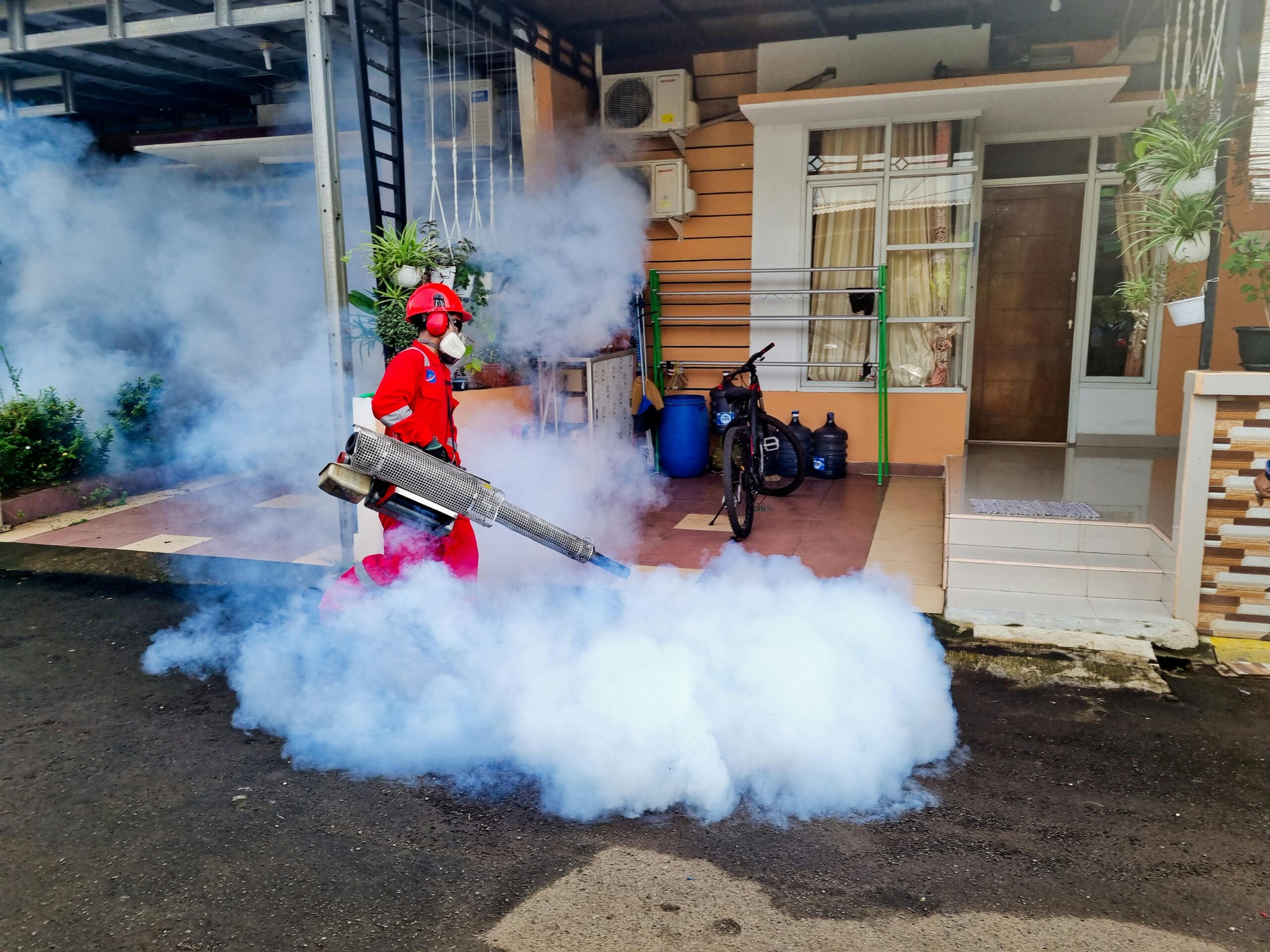
Think of a perimeter barrier as a protective moat around your home. Professionals spread a residual insecticide along the foundation, siding, and around exterior doors. This creates a long-lasting chemical shield that kills crickets as they attempt to cross onto the property. A cricket exterminator Peachtree City homeowners trust will tailor this barrier to local weather conditions, helping it remain effective for several weeks to months depending on product label claims. The downside is that heavy rain or landscaping work can erode the barrier, requiring re-application to maintain full coverage.
Indoor Fogging and Whole‑Home Fumigation
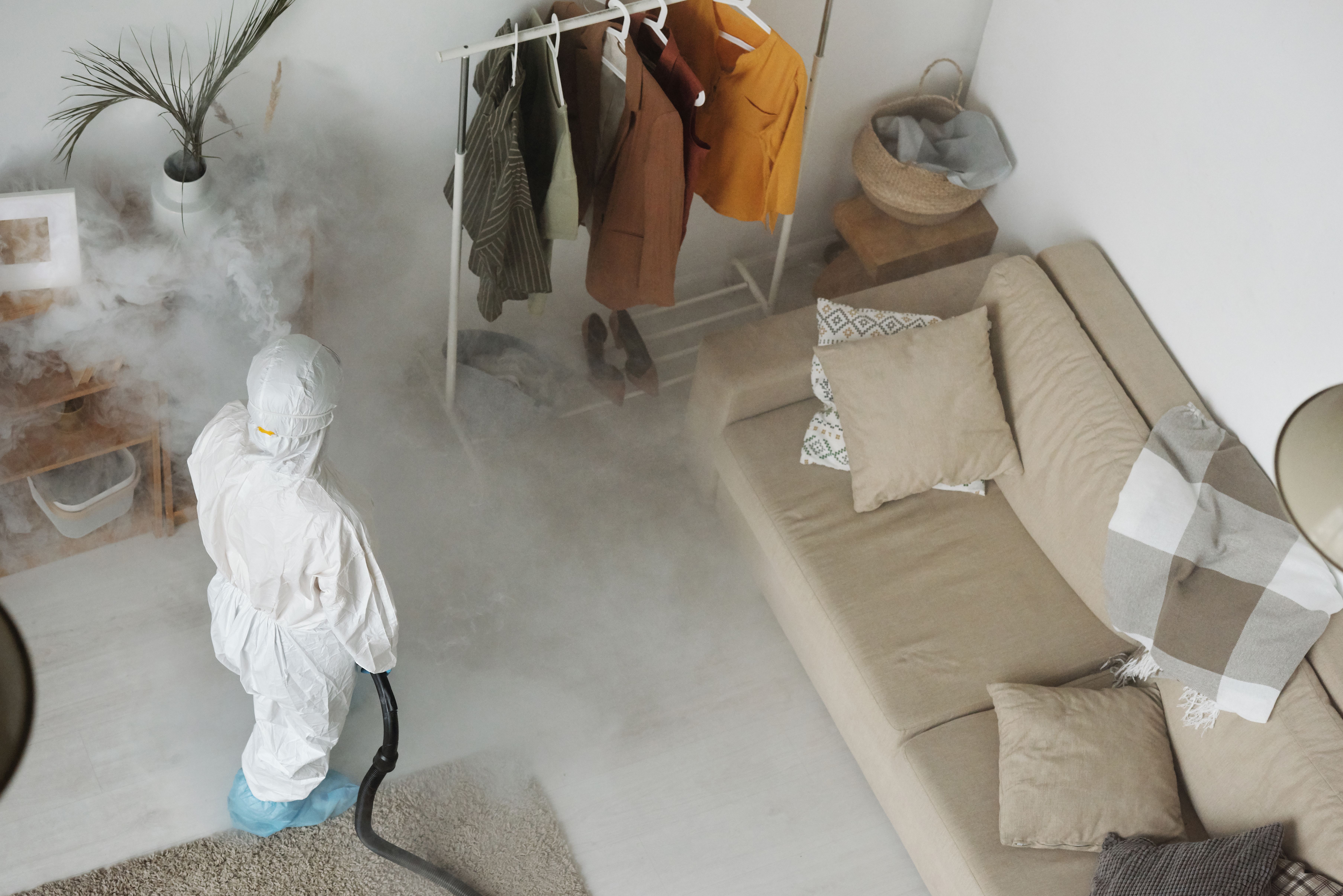
When crickets have moved inside—nesting in basements, crawl spaces, or attic insulation—spot sprays and barriers are insufficient. Technicians turn to indoor fogging or, in severe cases, whole‑home fumigation. Foggers disperse a fine mist of fast‑acting insecticide that penetrates cracks, voids, and hidden crevices. Fumigation involves sealing the structure and releasing a gas that permeates every room, eradicating hidden colonies. Both methods demand strict safety protocols: occupants must vacate the home, pets are removed, and thorough ventilation is required before re‑entry. After treatment, a professional will advise on air‑clearance times that meet NPMA safety guidelines.
Bait Stations and Growth Regulators
Unlike contact sprays, bait stations attract crickets with a food lure laced with an insect growth regulator (IGR). Crickets ingest the IGR, which disrupts molting and reproduction, gradually reducing the population over weeks. Bait stations are discreet, can be placed indoors or in shaded outdoor areas, and provide continuous control without frequent re‑application. The limitation is that they work best when crickets are actively feeding; dormant insects may ignore the bait, delaying results.
Eco‑Friendly Alternatives
Homeowners seeking greener solutions have options. Botanical sprays—derived from neem oil, pyrethrins, or essential oils—offer rapid knock‑down with lower toxicity to non‑target organisms. Heat treatment is another non‑chemical method: technicians raise the temperature of infested spaces to levels lethal to crickets (typically above 120°F) and maintain it for a set period. Both approaches are safe for families and pets, but they often require multiple passes and may be less effective against large, established infestations.
How Technicians Choose the Right Mix
A thorough inspection is the first step. The technician notes cricket density, entry points, surrounding vegetation, and any previous treatments. If crickets are confined to a few entryways, a spot‑treatment paired with a perimeter barrier often suffices. When indoor activity is evident, fogging or targeted indoor sprays become necessary, followed by bait stations to prevent rebound. For environmentally conscious clients, the tech may prioritize botanical sprays and heat, supplementing with low‑toxicity IGR baits. Throughout the process, every product used complies with NPMA standards for efficacy and human safety.
Pricing Breakdown – One‑Time Extermination vs. Monthly Service Plans
Typical One‑Time Cost in Peachtree City
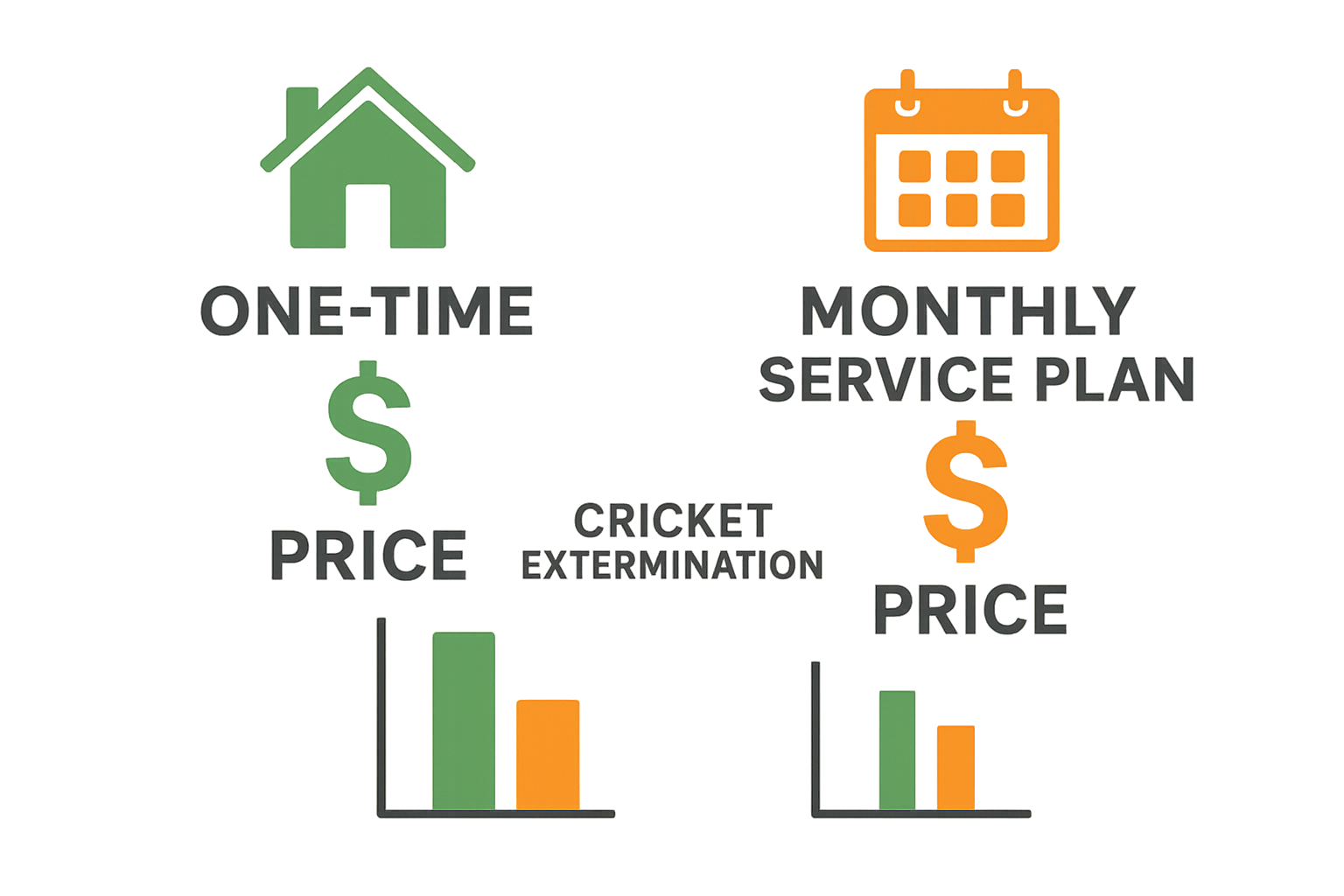
When you call a local pest professional for a single cricket eradication, the price you’ll see on most estimates falls between $150 and $250. This range reflects data gathered from two of the most active providers in the area—Anthem Pest Control and Burroughs Pest Control. A cricket exterminator Peachtree City homeowners rely on typically charges toward the lower end for a basic treatment in a modest-sized home, while the higher end includes additional labor for larger properties or tougher infestations.
What a One‑Time Visit Actually Includes
- Comprehensive inspection: A certified technician walks through indoor and outdoor spaces, identifying cricket hot spots, breeding zones, and any structural vulnerabilities.
- Targeted treatment: Application of EPA‑approved insecticide directly to nests and entry points, plus a perimeter barrier to stop new crickets from crossing onto your property.
- Follow‑up call: Within 48 hours the technician checks in to confirm results, answer questions, and advise on any additional steps you might need.
Monthly Service Plans – What You Get
For homeowners who prefer ongoing protection, a monthly plan spreads the cost over twelve visits and adds several value‑packed features:
- Regular inspections: Every month a technician revisits your home, monitors cricket activity, and adjusts treatments as seasons change.
- Re‑application of barriers: The exterior insecticide barrier is refreshed, keeping crickets and other pests from re‑entering.
- Priority scheduling: Subscribers receive first‑choice appointment slots, especially during peak cricket months (late summer and early fall).
- Discounted add‑ons: If you later need ant, mosquito, or rodent control, you’ll receive a reduced rate as part of the bundled service.
Cost‑Benefit Analysis: Upfront Savings vs. Long‑Term Protection
Let’s break down the numbers. A typical one‑time job at $200 eliminates crickets for about 8–12 weeks. After that, you risk a resurgence and will likely need another treatment, pushing the total yearly cost to $400‑$500 if you treat twice.
In contrast, a monthly plan from a cricket exterminator Peachtree City residents rely on averages about $30 per month, totaling $360 annually. That price includes the same initial treatment plus nine additional barrier refreshes, three extra inspections, and the peace of mind that comes with priority service. Over a full year, you save roughly $40-$140 while maintaining continuous protection.
Beyond pure dollars, consider the hidden costs of repeated infestations: damaged landscaping, food contamination, and the time you spend dealing with noisy night‑time chirping. A monthly plan mitigates those hassles, turning a reactive expense into a proactive investment.
Where to Find Detailed Pricing
For a deeper dive into exact figures, visit the dedicated cost pages of our local competitors:
- Anthem Pest Control – Cricket Control Cost in Peachtree City
- Burroughs Pest – Cricket Service Pricing
By comparing these transparent estimates with your home’s specific needs, you can decide whether a single strike or a subscription‑style shield offers the best value. Remember, the goal isn’t just to get rid of crickets today—it’s to keep them from returning tomorrow.
Seasonal Timing – When to Schedule Cricket Control in Peachtree City
Understanding when crickets are most active lets you strike before they turn your yard into a nightly chorus. Below we break down the life cycle, the months they thrive, and the exact window when a professional treatment gives you the biggest payoff.
Cricket Life Cycle at a Glance
Crickets move through three distinct stages:
- Egg – Laid in moist soil or leaf litter during late summer.
- Nymph – Small, wing‑less versions that molt several times before reaching adulthood.
- Adult – The chirping insects you hear after dusk, capable of reproducing within weeks.
Each stage is temperature‑dependent, so the speed of development spikes when nights stay warm.
Seasonal Activity Chart Explained
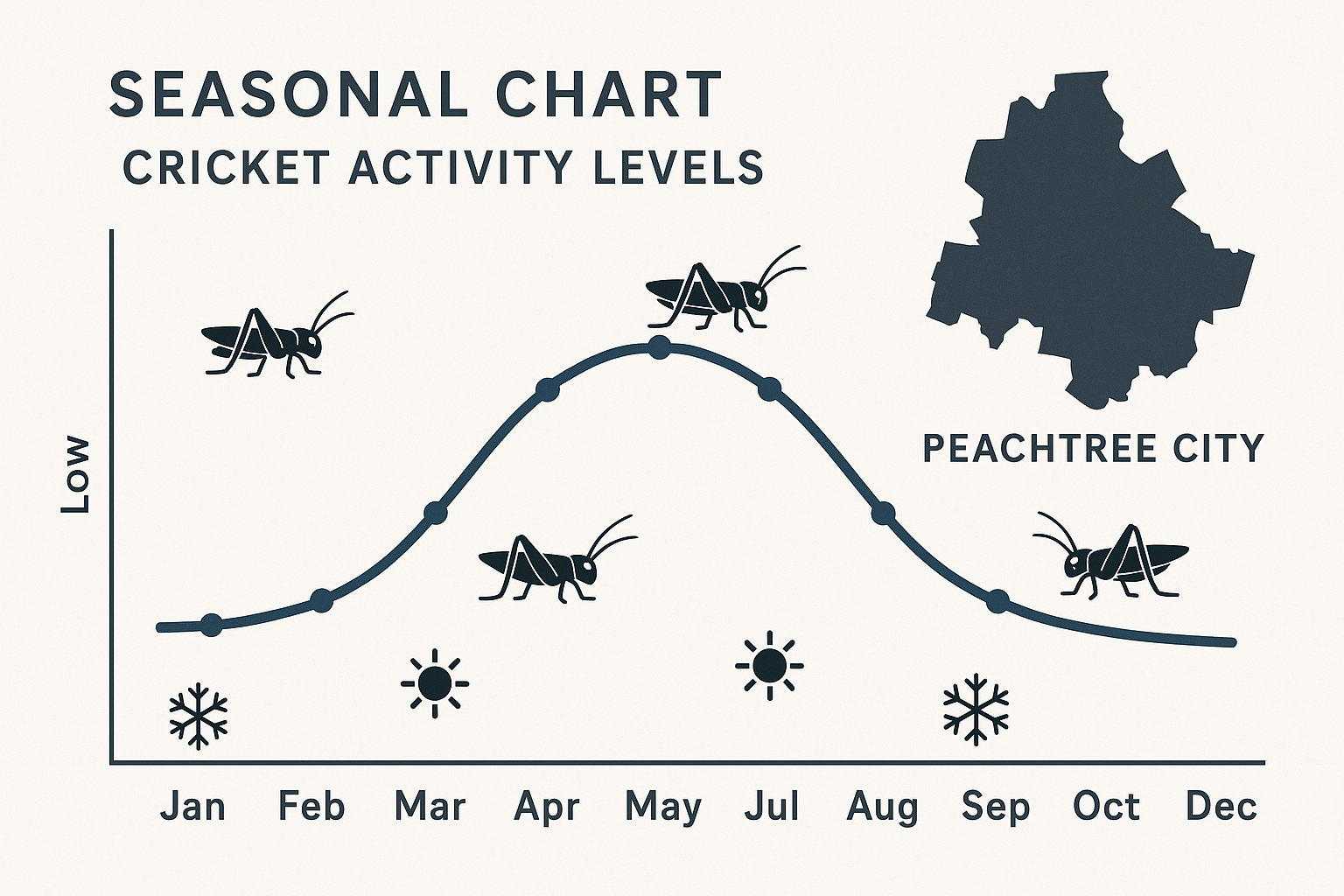
In Peachtree City, cricket populations follow a predictable pattern. A cricket exterminator Peachtree City homeowners rely on uses local monitoring and climate data to track these trends. The chart below shows the typical activity level for each month, helping you understand when cricket problems are most likely to peak.
| Month | Activity Level |
|---|---|
| January | Low |
| February | Low |
| March | Low‑to‑Moderate |
| April | Moderate |
| May | Moderate‑to‑High |
| June | High |
| July | Peak |
| August | Peak |
| September | Peak |
| October | Moderate |
| November | Low |
| December | Low |
Why Early‑Summer Treatments Win
By the time July rolls around, adult crickets are already laying eggs that will hatch into the next generation. Applying a barrier in early summer (late May to early June) stops that first wave of adults from breeding, dramatically reducing the total population for the rest of the season.
Weather Patterns That Shift the Clock
Peachtree City’s climate can nudge the timeline:
- Rainfall spikes – Moist soil accelerates egg hatching, so a wet May can bring nymphs out sooner.
- Temperature spikes – Nights above 75°F speed up nymph development, pushing peak activity into early June.
- Drought periods – Crickets retreat deeper into the ground, delaying visible activity but not eliminating the threat.
Monitoring local weather forecasts helps you fine‑tune the exact week for treatment.
Recommended Treatment Calendar
- Late Spring Inspection (mid‑May) – A professional walkthrough identifies hotspots, such as mulch beds, foundation cracks, and outdoor lighting zones.
- Early Summer Barrier (late May–early June) – Apply a perimeter treatment that creates a chemical wall, preventing adult crickets from entering the home’s exterior.
- Fall Follow‑up (late September–early October) – Target any late‑season survivors and residual egg clusters before winter sets in.
Sticking to this calendar gives you a “set‑and‑forget” peace of mind through the noisy months.
For hyper‑local climate details, the Centurion Pest Management site provides up‑to‑date temperature and rainfall statistics that can further sharpen your timing.
Protect Your Home with Anthem Pest Control – Get a Free Quote Today
Why a Professional Inspection Matters
Crickets may seem harmless, but an unchecked infestation can lead to structural damage, noisy evenings, and unwanted guests like spiders that feed on them. A trained technician can locate hidden nests, identify the species, and assess the extent of the problem—information you simply can’t gather from a DIY search. Tailored treatment plans target the exact entry points and breeding sites, ensuring you don’t waste time or money on generic sprays that miss the mark.
Anthem’s Credentials You Can Trust
Anthem Pest Control operates across the United States, bringing a nationwide network of certified technicians to your doorstep. Every professional is trained in the latest EPA‑compliant methods, meaning the products used meet strict safety and environmental standards. Our pricing is completely transparent—no hidden fees, no surprise add‑ons—so you know exactly what you’re paying for before any work begins.
Safety First, Satisfaction Guaranteed
We follow the EPA’s Integrated Pest Management (IPM) guidelines, which prioritize low‑toxicity solutions, precise application, and ongoing monitoring. This approach protects your family, pets, and the surrounding ecosystem while effectively eradicating crickets. Plus, Anthem backs every service with a satisfaction guarantee: if pests return within the warranty period, we’ll re‑treat at no extra cost.
A Friendly Invitation
If you’ve noticed the tell‑tale chirping at night, occasional cricket droppings, or a sudden increase in indoor activity, it’s time to let a professional evaluate your home. Our experts will conduct a thorough inspection and provide a free, no‑obligation quote tailored to your specific situation. There’s no pressure—just clear, honest information so you can decide the best next step.
Get Started Today
Call us now at 877-371-8196 or visit Anthem Pest Control to schedule your inspection with a trusted cricket exterminator Peachtree City homeowners rely on. Our friendly team is ready to protect your home, give you peace of mind, and keep those crickets out for good.