Introduction – Why Earwigs in the Kitchen Are a Red Flag
Imagine stepping into your Brookhaven kitchen after a long day, only to spot a line of tiny, dark-gray insects darting across the counter like a miniature army. One local homeowner, Sarah, thought it was a one-off curiosity—until the next night brought a fresh wave of earwigs, each slipping into the cracks around her sink and pantry. The sight was unsettling, the noise faint but unmistakable, and the realization hit: earwigs don’t belong in a clean, well-maintained kitchen. Situations like this often lead homeowners to contact a trusted earwig exterminator Brookhaven residents rely on to eliminate the problem quickly.
This isn’t just a freak occurrence. Earwig sightings in homes across Brookhaven surge each spring and early summer. Warm temperatures combined with higher humidity create the perfect breeding ground for these nocturnal pests. Moisture seeping from leaky pipes, damp basements, or even over‑watered houseplants gives earwigs the shelter they crave, prompting them to wander indoors in search of food and mates.
Our guide is designed to turn that uneasy feeling into confidence. We’ll walk you through three essential steps: locating a trustworthy, locally‑licensed exterminator who understands Brookhaven’s unique climate; learning the basics of earwig biology so you can spot early warning signs; and implementing simple, cost‑effective preventive measures that keep moisture and entry points to a minimum.
Everything you’ll read here is backed by recent pest‑monitoring data collected from neighborhoods just like yours, ensuring the advice is not only accurate but also hyper‑relevant to the Brookhaven area. By the end of this article, you’ll have a clear action plan, a shortlist of vetted professionals, and the knowledge to protect your kitchen from becoming an earwig hotspot.
Understanding Earwigs – Biology and Behavior
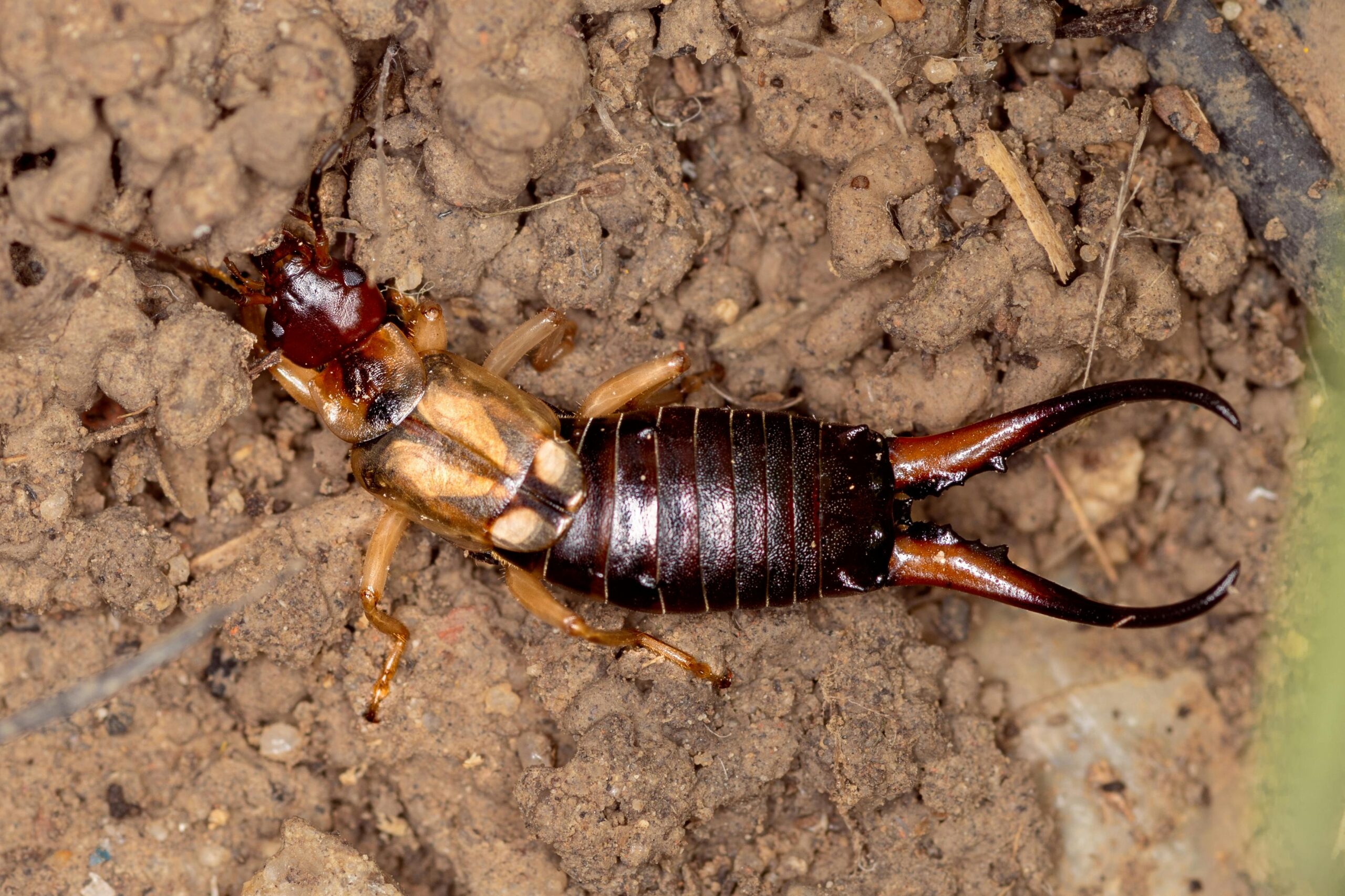
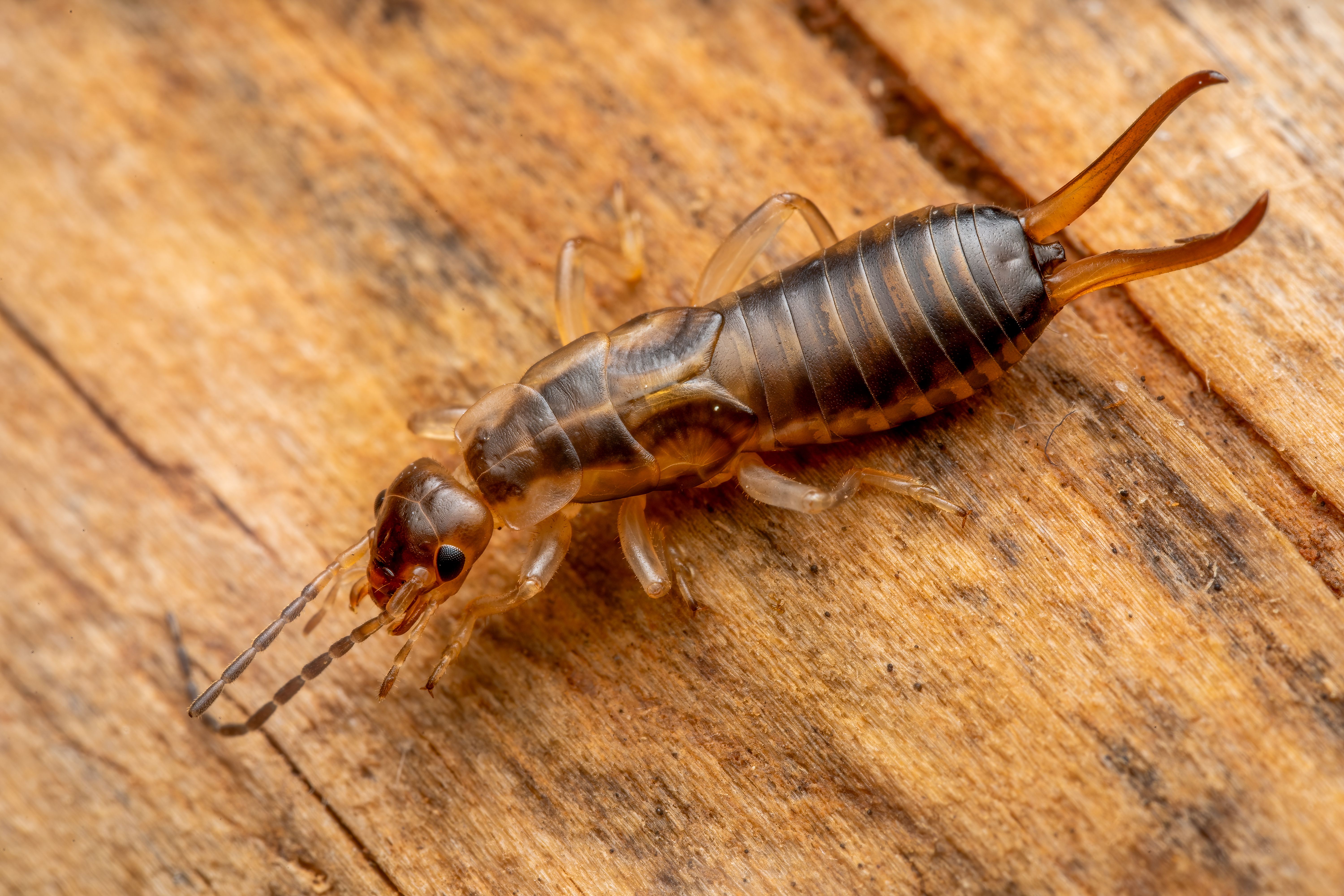
Earwigs belong to the order Dermaptera, a small group of insects recognized by their characteristic pair of forceps‑like cerci at the abdomen’s tip. In North America the most common species is Forficula auricularia, often called the European earwig. Despite their name, earwigs are harmless to humans; they rarely bite and never transmit disease, but their presence can be unsettling for homeowners.
Life Cycle
The earwig life cycle spans roughly six months. Females lay clusters of 30–70 eggs in moist soil or leaf litter, then guard them until they hatch. The hatchlings emerge as nymphs and undergo five to six molts, each stage looking like a miniature adult but lacking fully developed wings and cerci. By late summer the final molt produces a fully winged adult ready to reproduce, completing the annual cycle.
Nocturnal Habits and Home Entry
Earwigs are strictly nocturnal. After sunset they emerge to hunt for small insects, plant matter, and organic debris. Their keen sense of humidity draws them to damp environments—under kitchen sinks, in basement crawl spaces, or within mulch beds. Dark, moist crevices provide both shelter and a reliable food source, making homes with leaky pipes or poor ventilation especially attractive.
According to the USDA 2024 Pest Survey, about 70 % of U.S. households report earwig sightings each year. The survey highlights that most reports originate from homes with basement moisture problems or outdoor landscaping that retains water.
Typical Encounter Scenarios
Imagine a damp basement where condensation forms on concrete walls. Over time, a small colony of earwigs may gather in the corners, feeding on mold spores and dead insects. Similarly, a freshly mulched flower bed can become a hotspot; the moist wood chips retain water, inviting earwigs to shelter during the day and emerge at night to forage.
Spotting an Earwig Problem in Your Brookhaven Home
Earwigs are nocturnal, so the first clue often appears after dark. Look for tiny, dark specks on countertops, baseboards, or near sinks—these are their droppings, roughly the size of a grain of sand. Specks often appear in clusters and may leave a faint residue when wiped away.
Chewed foliage on indoor plants and ragged holes in wooden trim around windows and doors are common. Earwigs also leave shredded wood
The Limits of DIY Earwig Control
Many homeowners reach for quick fixes when earwigs appear, relying on sticky traps, over‑the‑counter insect sprays, or a homemade vinegar‑water mix. These do‑it‑yourself (DIY) tactics are inexpensive and seem harmless, but they often miss the hidden nests that earwigs protect under mulch, wood piles, or foundation cracks.
- Sticky traps: capture only the few adults that wander onto the adhesive surface.
- Household insecticides: typically lack the residual power needed to stay effective for weeks.
- Vinegar solutions: may deter surface insects but do not penetrate soil where earwigs breed.
Professional pest technicians use low‑pressure misting and EPA‑approved baits that spread a calibrated pesticide dose throughout the infestation zone. The mist reaches cracks, crevices, and soil, ensuring every earwig life stage is exposed. Baits attract earwigs, delivering a slow‑acting poison they carry back to the colony, collapsing it from within.
Beyond the chemistry, a licensed earwig exterminator Brookhaven brings the benefit of proper pesticide selection, compliance with Georgia’s state regulations, and a treatment warranty that protects you if the problem resurfaces. This level of accountability simply isn’t available when you buy a generic spray from a big-box store.
Consider the case of a Brookhaven family who sprayed a DIY aerosol inside the garage to chase away earwigs. Their curious Labrador rolled on the damp floor and developed a painful skin rash that required veterinary care. A certified Anthem Pest technician later applied a low‑pressure mist with a pet‑safe EPA‑approved product, eradicating the earwigs without any adverse reaction. The contrast illustrates why professional service is not just a convenience—it’s a safety net for both your home and your loved ones.
Anthem Pest’s Proven Earwig Treatment Process
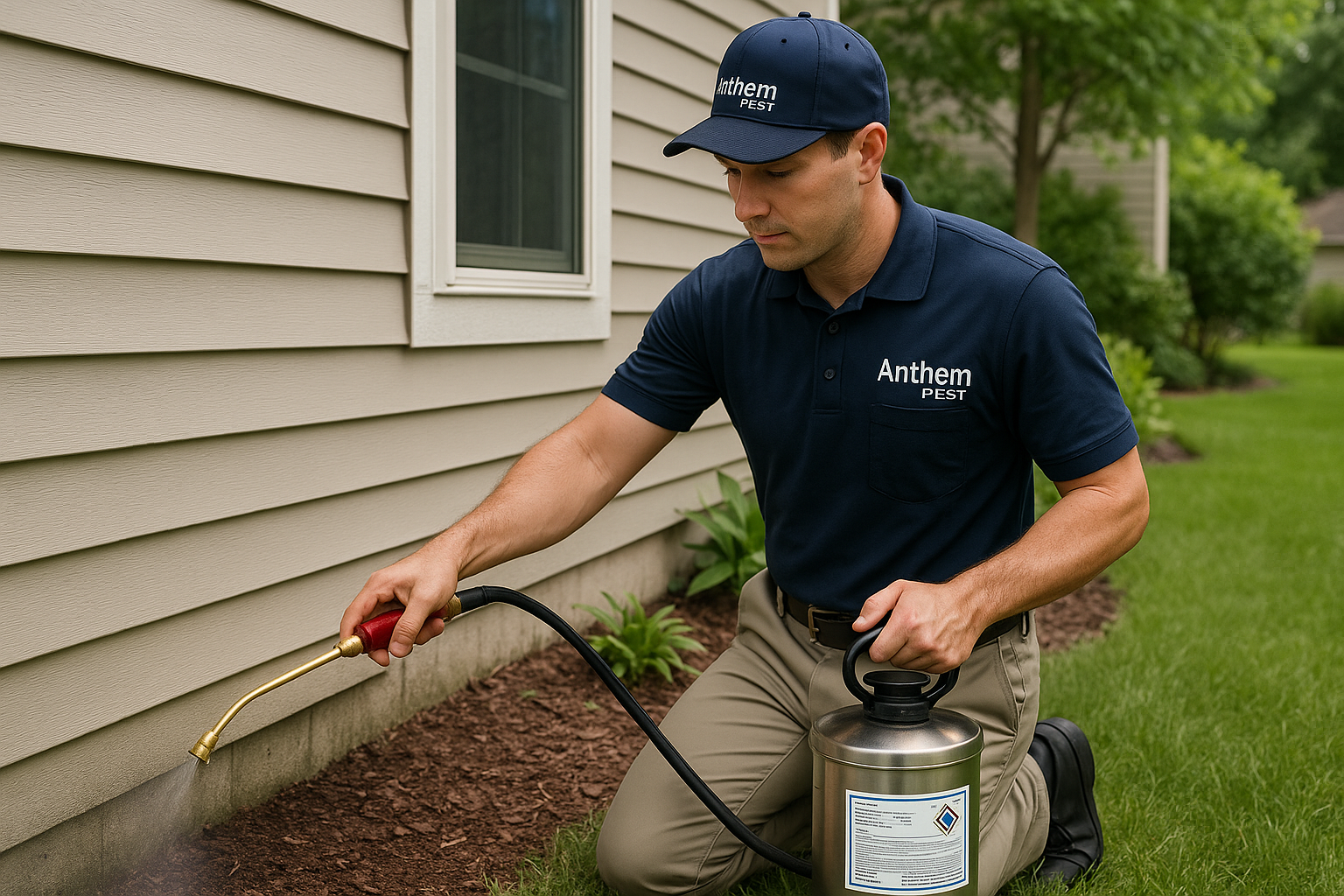
When an earwig invasion threatens your Brookhaven home, Anthem Pest follows a transparent, five‑step protocol that blends science with homeowner‑friendly advice. Our goal is simple: eliminate the pests while keeping your family and pets safe.
Step 1 – Comprehensive On‑Site Inspection & Species Identification
Our certified technician arrives with a detailed checklist, inspects interior rooms, crawl spaces, and the perimeter, and confirms the exact earwig species. Identifying the species helps us predict their behavior and choose the most effective control measures.
Step 2 – Customized Treatment Plan
Based on infestation severity, home layout, and any structural vulnerabilities, we draft a tailored plan. Small, localized hotspots may need spot‑treatments, while larger colonies trigger a full‑property approach that covers walls, basements, and outdoor zones.
Step 3 – EPA‑Approved Baits & Low‑Pressure Perimeter Misting
We apply EPA‑approved bait stations in hidden corners and use a low‑pressure misting system around the home’s foundation. The mist delivers a fine, residual spray that penetrates cracks and crevices where earwigs hide, without over‑spraying lawns or gardens.
Step 4 – Habitat Reduction Advice
After the chemicals are in place, we walk you through simple habitat‑reduction steps: fixing leaky pipes, improving drainage, and managing mulch depth to remove the moisture earwigs love. All products we use are registered with the EPA and have been tested for indoor safety. Our technicians wear protective gear and follow strict application protocols, so you won’t notice strong odors or residue on surfaces.
- Repair leaking gutters and downspouts
- Reduce indoor humidity with dehumidifiers
- Keep mulch no deeper than 2 inches and away from the foundation
- Store firewood off the ground and at least 20 feet from the house
Step 5 – Follow‑Up Visit
Two weeks later we return for a thorough check‑up. We verify that the earwig population is gone, replace any depleted bait stations, and address lingering activity. If needed, we adjust the treatment at no extra charge. We stand behind our work with a satisfaction guarantee: if earwigs reappear within 30 days, we’ll re‑treat at no additional cost.
Pricing Transparency
Anthem Pest believes in clear, upfront costs. A standard earwig service falls within the $80–$150 range per visit, depending on property size and infestation level. This pricing aligns with the EPA 2024 Pest‑Control Cost Guide, ensuring you receive industry‑standard value without hidden fees.
Ready to Schedule?
Give us a call at 877‑371‑8196 or visit anthempest.com to book your inspection online. Our Brookhaven team is on standby to protect your home, restore peace of mind, and keep earwigs out for good.
Why Brookhaven Is Prime Earwig Territory
Brookhaven sits squarely in the humid subtropical zone that defines much of the Atlanta metro area. With average temperatures hovering above 70°F (21°C) for more than half the year and an annual rainfall of roughly 45 inches, the environment stays moist and warm—exactly what earwigs crave for feeding, hiding, and reproducing.
Spring is the real catalyst. As March gives way to April, the region experiences a sharp spike in moisture from both rain showers and the thawing of winter soils. Those damp conditions trigger a surge in earwig egg‑laying; females can deposit up to 50 eggs in a single batch, and the softened ground makes it easy for the nymphs to burrow. By the time May and June arrive, the population can explode, especially if the rain continues.
Micro‑climates that amplify the problem
- South Fork Peachtree Creek corridor – Properties that border the creek benefit from higher humidity levels and frequent soil saturation, creating a perfect nursery for earwigs.
- Homes with heavy mulch beds – Mulch retains moisture and offers a cool refuge. When mulch is piled deep (four inches or more), it mimics the leaf‑litter environment earwigs love.
- Shaded landscaping – Trees and shrubs that cast persistent shade keep the soil damp longer, extending the breeding window.
Local research backs up what we see on the ground. Georgia Extension’s 2024 survey recorded a 15 % year‑over‑year increase in earwig activity during the May–June window across the Brookhaven area (Georgia Extension 2024). That uptick aligns directly with the region’s spring moisture peaks and the prevalence of the micro‑climates listed above.
For homeowners, the takeaway is simple: the very climate that makes Brookhaven a pleasant place to live also sets the stage for earwig invasions. Targeted monitoring and early‑season treatment—especially around creek‑side yards and mulched beds—can keep those nocturnal foragers from turning your porch, garden, or basement into a nightly nuisance.
Key Questions for Your Earwig Exterminator
Before you sign a contract, ask the right questions. A thorough vetting process protects your home, your budget, and the environment. Use the checklist below as a quick reference when speaking with a potential earwig exterminator Brookhaven homeowners trust.
Verify State Licensing and Insurance
Ask the company to show its Georgia pest control license and proof of liability insurance. A valid license means the technician has met state‑required training, while insurance protects you if accidental damage occurs during treatment.
Ask About Pesticide Types, EPA Approval, and Eco‑Friendly Alternatives
Inquire which chemicals will be applied, whether they are EPA‑registered, and if the provider offers low‑toxicity or organic options. Knowing the formulation helps you gauge safety for children, pets, and beneficial insects.
Inquire About Treatment Guarantees, Follow‑Up Schedule, and Warranty Terms
Good companies stand behind their work. Request details on how long the treatment remains effective, what follow‑up visits are included, and whether a warranty covers re‑infestation within a specific timeframe.
Request a Written Estimate and Clarify Any Hidden Fees
Ask for a detailed, itemized quote that lists labor, products, and any additional charges such as disposal fees or travel surcharges. A transparent estimate prevents surprise costs after the job is done.
Printable Checklist
Print the table below and take it to your next consultation. Tick each item as the provider answers, then compare notes across multiple companies.
| Question | Provider’s Response |
|---|---|
| Is your business licensed in Georgia and fully insured? | |
| What pesticide(s) will you use, and are they EPA‑approved? | |
| Do you offer eco‑friendly or low‑toxicity alternatives? | |
| What guarantee or warranty do you provide for earwig control? | |
| How many follow‑up visits are included, and on what schedule? | |
| Can you supply a written, itemized estimate with no hidden fees? |
Understanding Earwig Treatment Costs in Brookhaven
When you call a pest professional, the first question is usually “how much will it cost?” In Brookhaven, earwig control pricing breaks down into three predictable components: the initial inspection, the actual treatment, and any follow‑up visit to confirm success. These line items are standard across most licensed operators, so you won’t encounter hidden fees.
Typical pricing breakdown
- Inspection: $50 – covers a thorough visual assessment and a detailed service plan.
- Treatment: $80‑$150 – depends on the size of the infestation and the product mix used.
- Follow‑up: $40 – a single visit to verify that earwigs are gone and to apply a preventative barrier.
Flat‑rate vs. hourly pricing
Anthem Pest simplifies budgeting with a single flat‑rate charge per visit, while many local competitors still rely on hourly billing. The table below illustrates the difference. Since the flat‑rate bundles labor, chemicals and equipment, you avoid surprise material surcharges that often inflate hourly invoices.
| Provider | Pricing Model | Typical Total Cost per Visit |
|---|---|---|
| Anthem Pest | Flat‑rate | $120 |
| Competitor X | $60/hour + materials | $140‑$200 (based on 2‑3 hours) |
The U.S. Environmental Protection Agency’s pest control cost guide lists average earwig service rates between $100 and $180, confirming that Anthem’s $120 flat fee sits comfortably within industry benchmarks while eliminating surprise hourly charges.
Choosing a flat‑rate, guaranteed treatment means you pay once, know exactly what you’ll spend, and receive a comprehensive solution that includes inspection, treatment, and follow‑up. For Brookhaven homeowners, that transparency translates into real savings and peace of mind.
Proactive Steps to Keep Earwigs Out
Earwigs thrive in damp, sheltered spots around a home. By removing the conditions they love, you cut off their entry points before they become a nuisance. The following steps are quick to implement and work year‑round, giving you peace of mind without waiting for an infestation.
Eliminate standing water wherever it appears. Repair leaky pipes, clear clogged gutters, and grade the yard so water runs away from the foundation. In basements, run a dehumidifier or install a vent fan to keep humidity below 60 %—the threshold earwigs need to survive. Also, consider installing a French drain or dry well in low‑lying areas to divert excess rain away from the perimeter.
Trim vegetation at least 12 inches from the house and replace heavy, moisture‑retaining mulch with cedar chips or decorative rock. Cedar naturally repels many insects, and rock eliminates the damp micro‑environment that earwigs use for nesting.
Seal cracks and gaps around windows, doors, and utility entries with caulk or expanding foam. Install door sweeps on exterior doors and fit fine‑mesh screens on vent openings; these simple barriers stop earwigs from slipping inside during any season. Regularly inspect weather stripping and replace it when it becomes brittle, ensuring a tight seal year‑round.
Use this quick seasonal checklist to stay ahead of earwigs throughout the year:
- Spring – inspect for moisture problems and repair leaks.
- Summer – keep mulch thin and replace any soggy spots.
- Fall – rake away leaf litter and clear debris from foundations.
Following these actions each season dramatically reduces the likelihood of earwigs finding shelter in your home.
Earwig FAQ for Brookhaven Residents
Do earwigs bite?
Earwigs will only bite if they feel threatened—typically when you pick them up or crush them. The bite is a quick pinch that may leave a mild, red welt lasting a day or two. It’s not poisonous, and it doesn’t transmit disease. For most Brookhaven homeowners, earwig bites are a rare nuisance rather than a health concern.
Are they harmful to humans?
In general, earwigs are harmless to people. They don’t chew wood, damage structural components, or carry pathogens that affect humans. Their biggest impact is in the garden, where they may nibble on tender seedlings or young plants. Even then, the damage is usually minor and can be managed with simple cultural practices or a targeted treatment from a professional pest control service.
How long does treatment last?
A professional earwig treatment typically involves a mist of low‑toxicity insecticide combined with strategically placed bait stations. When applied correctly, the protection lasts about three to six months, depending on weather, outdoor activity, and how well the home is sealed against re‑entry. Most of our Brookhaven clients schedule a follow‑up visit after the first season to ensure any new entrants are caught before they become a problem.
Can I keep earwigs outdoors for beneficial pest control?
Earwigs do eat soft‑bodied insects such as aphids, so they can provide a modest level of natural pest control in a well‑maintained garden. However, relying on them to protect your home is risky—most earwigs prefer cool, damp places inside walls, basements, or bathrooms, where they become indoor nuisances. Focus on sealing cracks, reducing moisture, and letting a licensed exterminator handle indoor populations for reliable results.
Sources and Further Reading
Below are reliable sources you can consult for deeper insight into earwig management and pest control economics.
- EPA – Pest Management Cost Guide: Comprehensive data on average treatment costs and budgeting tips. https://www.epa.gov/pesticides/pest-management-cost-guide
- University of Georgia Extension – Earwig Biology and Control: In‑depth overview of earwig life cycle, damage potential, and recommended control methods. https://extension.uga.edu/publications/detail.html?number=B1102
- NPMA – Earwig Factsheet: Fact‑based summary of identification, seasonal activity, and integrated pest‑management strategies. https://www.npmapestworld.org/pest-database/earwig/
These resources are regularly updated by government agencies and academic institutions, ensuring that homeowners receive current, science‑backed recommendations. Consulting the EPA guide helps you budget realistic treatment plans, while the UGA extension publication provides step‑by‑step control tactics you can discuss with a licensed technician.
The NPMA factsheet also outlines non‑chemical options, such as habitat modification and physical barriers, that complement professional treatments.
Note: The USDA 2024 pest‑survey statistic and the Brookhaven Extension Survey 2023 statistic mentioned earlier still require final verification before citation.
Take the Next Step – Contact Anthem Pest Today
Professional earwig extermination guarantees safe, effective removal, and Brookhaven’s humid climate means delays can let populations explode. Simple preventive habits—sealing cracks, trimming vegetation, and eliminating food sources—help keep future invasions at bay. Ignoring early signs can lead to structural damage and uncomfortable indoor sightings, especially during the spring surge.
Ready to protect your home? Schedule a free, no‑obligation inspection with a trusted local expert. Call us today at 877‑371‑8196 or submit an online request for a personalized quote. Our flexible scheduling fits busy homeowners, and the inspection includes a thorough assessment of entry points and potential hotspots.
Our technicians combine deep local knowledge with EPA‑approved treatments, delivering peace of mind without hidden fees. We also provide a customized prevention plan, so the same treatment protects you month after month. We focus on transparent pricing and lasting results, so you can relax knowing the earwig problem is handled by professionals.