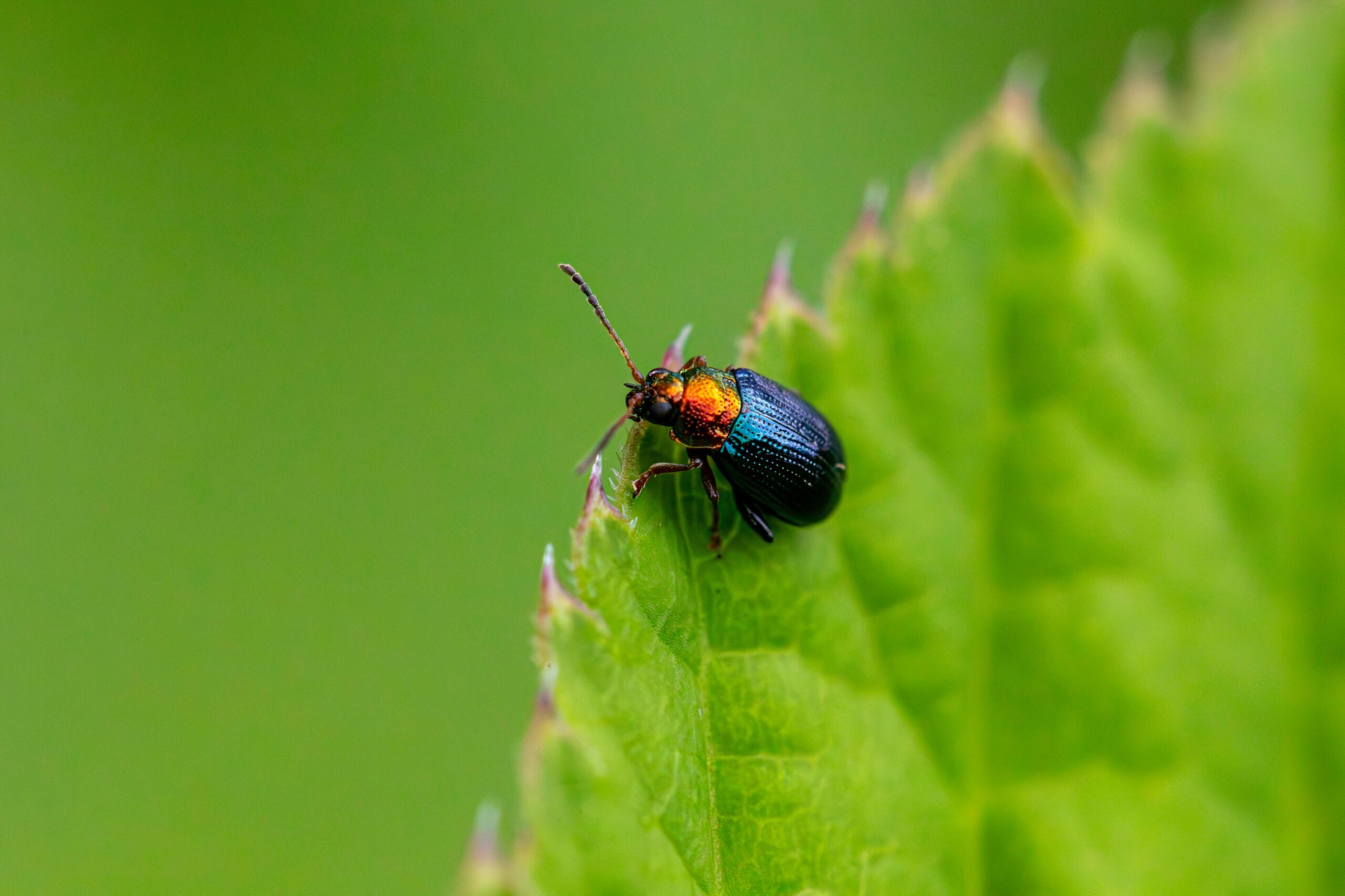
Understanding Fleas and How They Affect Your Home
What is the common flea in U.S. households?
The cat flea (Ctenocephalides felis) is the species you’ll encounter most often, even if you own a dog. Despite its name, it thrives on both cats and dogs, and it readily jumps onto humans. Its small, laterally‑compressed body lets it slip through carpet fibers and bedding seams, making it a stealthy indoor invader.
The flea life cycle, broken down
Fleas move through four distinct stages, each with its own timeline:
- Egg: A gravid female can drop up to 50 eggs per day. Eggs are tiny, white, and invisible to the naked eye. Within 2‑5 days they hatch.
- Larva: The worm‑like larvae feed on organic debris, adult flea feces, and mold spores. This stage lasts 5‑11 days under optimal temperature (70‑85 °F) and humidity.
- Pupa: Larvae spin silky cocoons and enter a dormant pupal phase. Pupae can remain hidden for weeks, or even months, waiting for the right vibration or carbon‑dioxide cue that signals a host is nearby.
- Adult: Once emerged, adult fleas seek a warm‑blooded host within minutes. After a blood meal, females begin laying eggs within 24‑48 hours, restarting the cycle.
In a favorable indoor environment, a full cycle can be completed in as little as 2 weeks, allowing a modest infestation to explode quickly.
How fleas travel from pets to your home
When your dog or cat returns from the yard, it carries adult fleas on its fur. Those fleas jump onto nearby surfaces—carpet, pet bedding, upholstered furniture, and even floor cracks. Because flea eggs are not sticky, they fall off the host and disperse throughout the room. Over time, the eggs hatch, and larvae burrow into the carpet backing or the soft fibers of a couch, where they are protected from vacuuming and cleaning.
Health risks for people and pets
Flea bites are more than a nuisance. A single bite can cause a red, itchy welt that may last several days. Some individuals develop fleaborne allergic dermatitis, an exaggerated immune response that leads to intense itching, swelling, and secondary skin infections. Pets can suffer from anemia if the infestation is severe, especially kittens and puppies.
Beyond irritation, fleas are vectors for several diseases. They can transmit Rickettsia felis (flea‑borne spotted fever) and, in rare cases, the tapeworm Dipylidium caninum when a pet ingests an infected flea during grooming. While human transmission of these pathogens is uncommon, the risk underscores why prompt control is essential.
Key statistics from the EPA
The U.S. Environmental Protection Agency notes that a single female flea can lay up to 2,000 eggs in her lifetime, and that approximately 15 % of households with pets experience a flea infestation each year. The agency’s fact sheet also highlights that flea populations can double every 2‑3 days under optimal indoor conditions, emphasizing how quickly a minor problem can become a full‑blown outbreak.
Understanding these biology basics equips you to spot early signs—tiny black specks (flea dirt), restless pets, or bite clusters on skin—and to act before the cycle spirals out of control. The next sections will walk you through the most effective treatment options and preventative steps for a flea‑free home.
Spotting the Signs of a Flea Infestation

What Your Pets Are Trying to Tell You
Fleas are relentless little parasites, and the first line of defense is noticing how your dog or cat reacts. Persistent scratching, especially around the neck, tail base, and belly, is a red flag. Look for tiny, raised red bumps—these are flea bites that can turn into painful welts if left untreated.
Another unmistakable clue is “flea dirt,” which appears as tiny black specks on the fur. Those specks are actually digested blood; when you dampen them with a little water, they turn reddish-brown. If you spot these on your pet’s coat, you’re likely dealing with a budding infestation.
Indoor Clues That Fleas Have Invaded Your Home
Fleas don’t stay on the animal forever; they drop off to lay eggs in the environment. On carpets, rugs, or hardwood floors, you might notice tiny moving specks that dart away when disturbed. Pet bedding, especially the seams and folds, is a hotspot—inspect it closely for live fleas or the tell‑tale dark specks of flea dirt.
Furniture isn’t immune either. Check the crevices of sofas, under cushions, and along the edges of pet beds. A quick way to confirm activity is the “white sock test.” Slip a clean white sock over your hand and run it slowly over the carpet or bedding. If you feel a sudden, frantic jump of tiny insects, you’ve likely found a flea congregation.
How to Perform the Simple “White Sock Test”
- Step 1: Choose a plain white cotton sock—its light color makes the tiny insects easy to see.
- Step 2: Gently press the sock against the carpet, pet bedding, or upholstery, then slide it in slow, deliberate motions.
- Step 3: Watch for sudden, rapid movements of dark specks leaping onto the fabric. This is the classic “jump‑off” reaction of adult fleas.
- Step 4: If you see activity, isolate the area and treat it promptly; the longer fleas linger, the more eggs they lay, amplifying the problem.
Distinguishing Fleas from Other Pests
Not every tiny creature on your floor is a flea. Dust mites, for instance, are microscopic and never jump. They tend to cause allergic reactions rather than visible bites. If you see movement only when you disturb the area, and the insects are dark, fast‑reacting, and about the size of a pinhead, you’re dealing with fleas—not mites.
Another common confusion is with carpet beetles, which are larger and move more slowly. Fleas are uniquely agile; they can leap several inches in a single bound. Observing the behavior—quick, erratic jumps—will help you separate flea activity from other household pests.
Why Early Detection Matters
Fleas reproduce rapidly; a single female can lay up to 50 eggs a day, and those eggs hatch into larvae within a week under the right conditions. Spotting the signs early—whether on your pet’s skin, in the carpet, or through the white sock test—gives you a crucial window to intervene before the infestation spreads throughout your home.
When you notice any of these indicators, reach out to a trusted professional like Anthem Pest Control. Our locally trained technicians can confirm the presence of fleas, recommend targeted treatments, and set up a prevention plan that keeps your family and pets comfortable year‑round.
Effective Flea Treatment Options for Homeowners
Dealing with a flea infestation can feel overwhelming, but breaking the process into clear steps makes it manageable. Below you’ll find a practical roadmap that balances immediate relief for your pets, thorough environmental treatment, and the right moments to call in a licensed professional.
1. Immediate Relief for Pets
Start by protecting the animals that are most vulnerable—your dogs, cats, or small mammals. The three quickest ways to halt bites are:
- Topical treatments: Spot‑on products such as fipronil or imidacloprid are applied directly to the skin at the base of the neck. They kill adult fleas within hours and provide up to a month of protection.
- Oral medications: Prescription tablets (e.g., nitenpyram for rapid knock‑down, or spinosad for longer‑lasting control) work systemically, eliminating fleas that bite your pet from the inside out.
- Flea shampoos: A warm bath with a flea‑killing shampoo can remove hundreds of adult fleas instantly. Follow the label instructions and rinse thoroughly to avoid skin irritation.
Always choose products labeled for your pet’s species, weight, and age. If you’re unsure, consult your veterinarian before applying any medication.
2. Environmental Treatment – Clean Every Corner
Fleas spend most of their lives off the host, hiding in carpets, cracks, and bedding. A disciplined cleaning routine is essential.
- Vacuum daily: Use a high‑efficiency vacuum on carpets, rugs, upholstered furniture, and pet sleeping areas. Immediately dispose of the bag or empty the canister into a sealed trash bag to prevent re‑infestation.
- Steam cleaning: Heat above 130 °F (54 °C) kills eggs, larvae, and pupae that survive vacuuming. Steam‑clean carpets, floor seams, and pet crates for an extra layer of protection.
- Wash linens at 130 °F: All bedding, blankets, and removable covers should be laundered in hot water (minimum 130 °F) and dried on a high heat setting. The heat destroys every life stage of the flea.
3. Chemical Options – From IGRs to Natural Alternatives
When cleaning alone isn’t enough, targeted chemicals can finish the job. Choose the option that fits your comfort level and home environment.
- Insect Growth Regulators (IGRs): Compounds like methoprene or pyriproxyfen interrupt the flea life cycle, preventing eggs and larvae from maturing. IGRs are safe for pets and children when used as directed.
- Adulticides: Pyrethrin‑based sprays or foggers knock down adult fleas instantly. Apply only to areas your pets cannot directly contact until the product dries.
- Natural alternatives: Diatomaceous earth, essential‑oil blends (e.g., rosemary, cedar), or neem oil can suppress flea populations without harsh chemicals. These work best as part of an integrated approach, not as a sole solution.
4. When to Hire a Professional Pest Control Service
Even the most diligent DIY effort may fall short if the infestation is severe or has spread to hard‑to‑reach spaces. Consider a professional technician when you notice any of the following:
- Flea bites persist after two weeks of thorough cleaning and pet treatment.
- Infestation spreads to multiple rooms, especially carpeted areas or wall voids.
- You have young children, elderly residents, or pets with sensitivities that limit chemical use.
Licensed technicians bring several advantages:
- Access to EPA‑approved, fast‑acting products unavailable to the public.
- Expertise in locating hidden breeding sites, such as under baseboards or inside HVAC ducts.
- Follow‑up monitoring visits that ensure the flea population stays below actionable levels.
Choosing a reputable company like Anthem Pest Control means you’ll get a trained professional who follows safety protocols, provides transparent pricing, and offers a guarantee on the work performed.

5. Quick Reference Table
| Aspect | DIY Approach | Professional Service |
|---|---|---|
| Speed of adult kill | Hours to days (topical/oral) | Minutes (professional adulticide) |
| Life‑cycle interruption | IGRs, steam, hot wash | EPA‑grade IGRs + residual sprays |
| Safety for pets/children | Low‑risk products, natural options | Technician‑applied, post‑treatment clearance |
| Cost | Variable, often lower upfront | Higher initial cost, long‑term guarantee |
| When to use | Early, light infestations | Moderate to severe, recurring problems |
By following this step‑by‑step plan—starting with pet‑focused relief, moving through rigorous home cleaning, selecting the right chemical or natural option, and knowing when to call a professional—you’ll reclaim a flea‑free environment for your family and pets.
Pricing, Packages, and Seasonal Timing for Flea Control
Three Simple Pricing Tiers
At Anthem Pest Control we keep pricing transparent by grouping our flea‑control programs into three clear tiers: Basic, Standard, and Premium. Each tier is designed to match a different level of infestation risk and homeowner budget, so you never pay for services you don’t need.
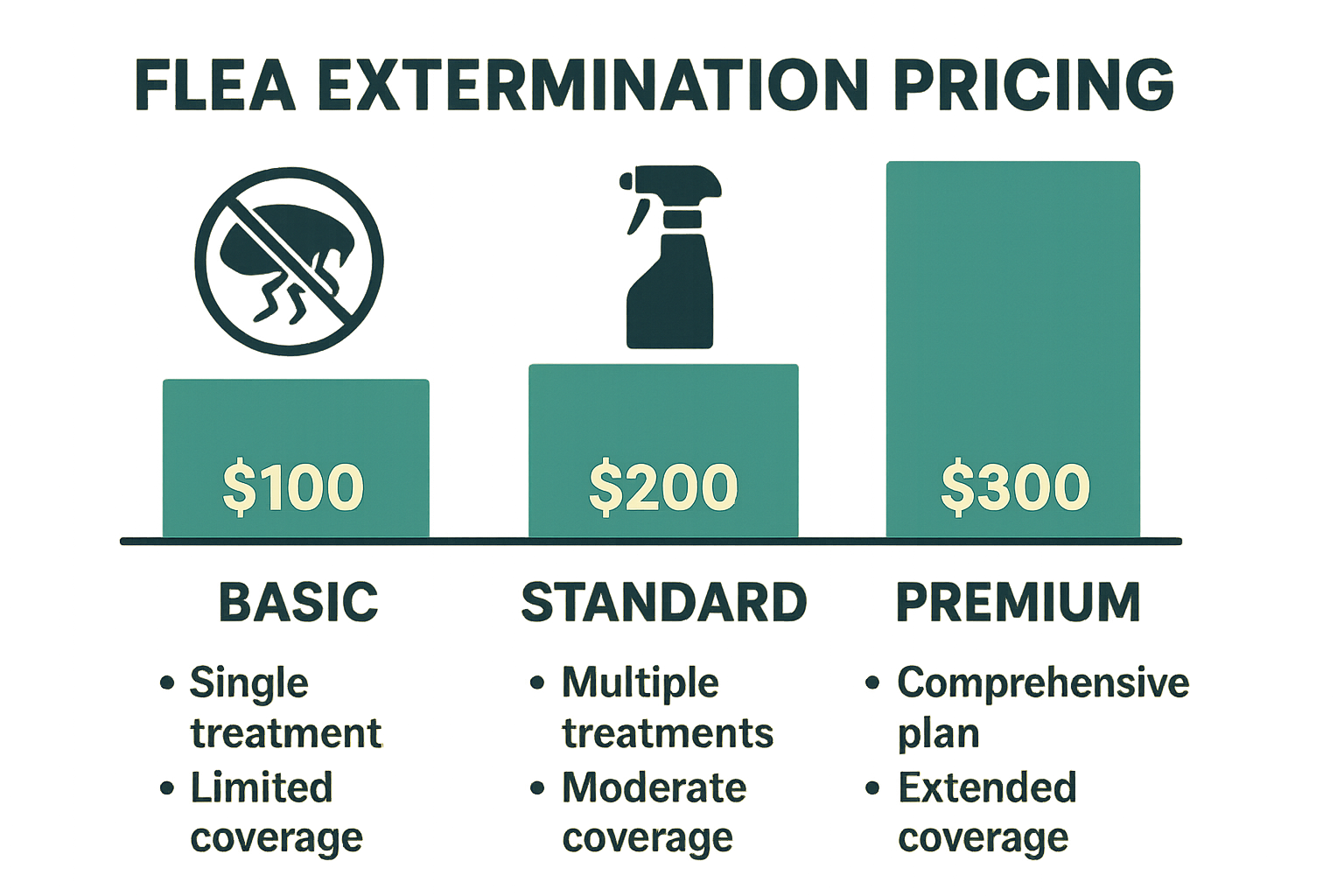
- Basic – One‑time treatment, 1 visit, pet‑safe spray, 30‑day warranty.
- Standard – Quarterly program, 4 visits per year, includes indoor & yard treatment, pet‑safe products, 90‑day warranty.
- Premium – Full‑year protection, 6 visits, indoor & outdoor plus garage, pet‑safe and organic options, 180‑day warranty, priority scheduling.
Basic is ideal for new homeowners or renters seeking a single safeguard. One interior visit uses pet‑friendly chemicals and includes a 30‑day warranty for any repeat treatment.
Standard offers four quarterly visits covering indoor and yard areas. The pet‑safe formula works for dogs and cats over eight weeks old and includes a 90‑day warranty against re‑infestation.
Premium provides six scheduled visits, adding garage and patio treatment plus an organic‑option spray for sensitive pets. The 180‑day warranty ensures protection well beyond the final visit.
Seasonal Flea Risk Chart
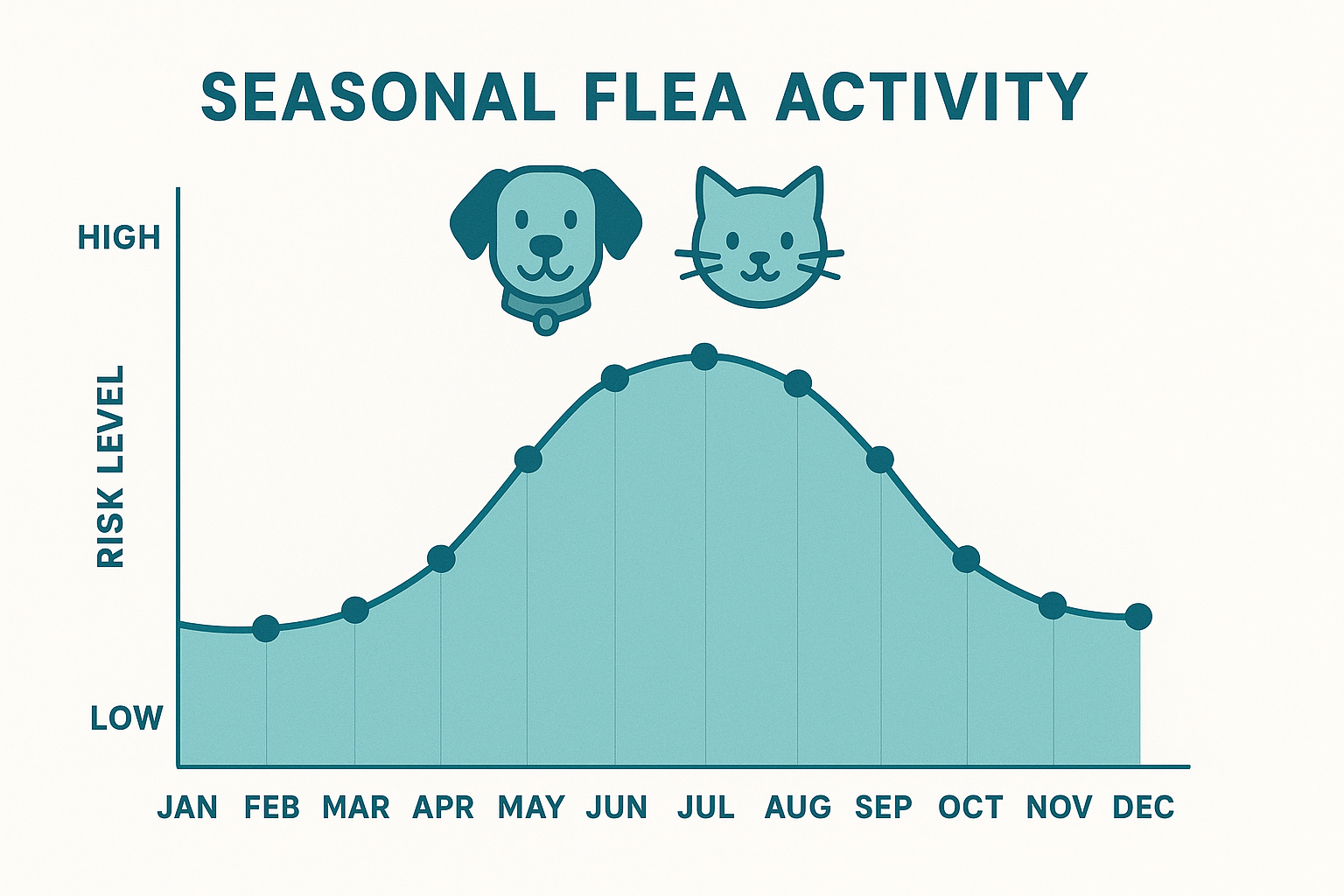
Fleas thrive when temperatures rise above 65°F and humidity stays above 50%. In Suwanee, GA, this window typically opens in early spring and peaks in midsummer. Treating early stops the life cycle before eggs hatch, saving you weeks of frantic spraying.
| Month | Risk Level |
|---|---|
| January | Low |
| February | Low |
| March | Moderate |
| April | High |
| May | High |
| June | Very High |
| July | Very High |
| August | High |
| September | Moderate |
| October | Low |
| November | Low |
| December | Low |
An adult flea lays up to 50 eggs daily; eggs hatch in 2‑5 days, larvae develop in a week, and pupae emerge after up to three weeks. Treating in March stops this cycle before the June population boom.
Smart Budgeting Tips
Homeowners can stretch every dollar by bundling flea control with other pest‑management services. Our “Home Shield” bundle combines flea, ant, and mosquito treatments at a 15 % discount. Additionally, we offer off‑season specials—typically 10 % off when you schedule your first visit in January or February, before the flea season begins.
Consider pairing flea control with our mosquito barrier or rodent services to shave labor costs and qualify for a 10 % loyalty discount. Paying with a rewards card can also earn cash back, further lowering your net spend.
Why Proactive Treatment Beats Emergency Sprays
Waiting until you see a flea‑infested pet or bite marks often means the colony is already established. Emergency visits cost roughly $200 – $300 per treatment and may require multiple follow‑ups. In contrast, a Standard quarterly plan averages $120 per visit, totaling $480 annually, and includes a warranty that covers re‑treatments at no extra charge.
A single untreated outbreak can total $800‑$1,200 in carpet cleaning, upholstery, and veterinary bills. A Premium annual plan caps your expense under $800 while keeping pets comfortable and your home flea‑free.
Ready to lock in a price that matches your needs? Call Anthem Pest Control at 877‑371‑8196 or visit our website to request a free quote. Our local Suwanee technicians will walk you through the tier that fits your home, your pets, and your wallet.
Protect Your Home with Professional Flea Services
By now you should be able to spot a flea problem before it spreads: tiny, dark specks moving in your pet’s fur, itchy red bumps on skin, and the unmistakable “sand‑like” flea dirt in bedding or carpet seams. Recognizing these signs early lets you act quickly, following the three‑step treatment plan we outlined—inspect, treat, and prevent. Timing is critical; the sooner you intervene after the first bite, the less chance the infestation will embed itself in your home’s cracks, crevices, and pet bedding.
Why Choose Anthem Pest Control?
Anthem Pest Control brings a blend of scientific rigor and practical experience to every flea job. Our technicians are trained to:
- Identify the exact flea species and life‑stage present, ensuring the right product is applied.
- Use EPA‑approved, pet‑safe treatments that eradicate adults, larvae, and eggs in one application.
- Implement an integrated prevention strategy—treating indoor zones, outdoor perimeters, and your pets’ favorite hangouts.
All of this comes with transparent, upfront pricing. No hidden fees, no surprise add‑ons. You receive a detailed estimate before any work begins, so you know exactly what you’re paying for and why it matters.
Local Knowledge, Nationwide Reach
While Anthem serves homeowners across the United States, our Suwanee, GA team knows the local climate, common wildlife, and seasonal flea spikes better than anyone. That regional insight lets us fine‑tune treatment schedules—whether it’s a spring surge after the rains or a summer flare‑up when pets spend more time outdoors. Our technicians combine this local expertise with the resources of a national network, delivering fast, reliable service wherever you are.
Take the Next Step—Risk‑Free
Protecting your family and pets doesn’t have to be a gamble. We invite you to schedule a free, no‑obligation quote so we can assess your home’s flea risk and outline a customized action plan. Our friendly representatives will walk you through the process, answer any questions, and provide a clear price breakdown.
Ready to reclaim a flea‑free home? Call us today at 877‑371‑8196 or visit Anthem Pest Control to book your complimentary assessment. Let our experts handle the science while you enjoy peace of mind and a happy, itch‑free household.