Why Gnats Matter in Brookhaven Homes

Imagine stepping onto your porch on a sticky Georgia evening only to be met by a relentless cloud of tiny, buzzing gnats. That moment of irritation is all too familiar for Brookhaven homeowners once the humidity climbs and the days grow longer. If you’re searching for a gnat exterminator Brookhaven, you’re not alone—these pests may seem harmless, but they can quickly turn a pleasant summer night into a constant nuisance that seeps into every room of your home.
Beyond the annoyance, gnats pose genuine health concerns. Their tiny proboscises can cause itchy skin irritations, especially for those with sensitive skin or allergies. In rare cases, certain species act as mechanical vectors for bacterial contaminants, potentially spreading food‑borne illnesses if they come into contact with kitchen surfaces or open containers. The constant buzzing also disrupts indoor comfort, forcing families to keep windows shut, which in turn reduces natural ventilation and raises indoor humidity—creating a feedback loop that invites even more pests.
According to the 2023 Brookhaven Neighborhood Association survey, resident‑reported gnat sightings jumped by 27 % compared to the previous year, making gnats one of the fastest‑growing household pest complaints in the area.
This surge isn’t random. Brookhaven’s subtropical climate—characterized by warm, moist summers and frequent rain showers—creates ideal breeding grounds for gnats. The city’s popular bungalow‑style homes often feature spacious yards, ornamental water features, and mature landscaping, all of which provide the damp soil and organic debris gnats love to lay their eggs in. Even well‑maintained lawns can become a hidden reservoir for larvae when irrigation systems overwater or when mulch retains excess moisture.
Our guide will walk you through everything you need to know to reclaim your home:
- How to accurately identify the different gnat species that frequent Brookhaven neighborhoods.
- A clear cost comparison of DIY remedies versus professional extermination services.
- Effective treatment options, from targeted larvicides to environmentally‑friendly traps.
- Season‑specific prevention strategies tailored to local weather patterns and housing styles.
- Answers to the most common FAQs, such as “Do gnats indicate a larger infestation?” and “Can I treat my garden safely?”
By focusing on Brookhaven’s unique climate and architectural trends, we ensure every recommendation is practical for the local homeowner. Whether you’re dealing with a single kitchen window or an entire yard swarming with midges, understanding why gnats matter is the first step toward a gnat‑free home. Let’s dive in and turn that summer buzz into a thing of the past.
Common Types of Gnats Found in Georgia
Georgia’s humid climate creates the perfect breeding ground for several tiny, winged pests that often go unnoticed until they become a nuisance. Knowing which gnat you’re dealing with is the first step toward effective control, and it helps you choose the right treatment before the problem spreads.
Fungus Gnats
Fungus gnats (family Sciaridae) are the most common indoor gnat in the Peach State. They measure 2–4 mm in length and have delicate, dark‑gray wings with a faint, veined pattern. Their larvae thrive in moist, organic media—think over‑watered houseplants, seed trays, or potting soil that stays damp for days. When you spot tiny, weak‑flying insects hovering around your indoor foliage, you’re likely looking at fungus gnats. According to EPA 2024 indoor pest data, 68 % of Georgia households with indoor plants see fungus gnats at least once per year, making them a top priority for homeowners.
Fruit Flies (Vinegar Flies)
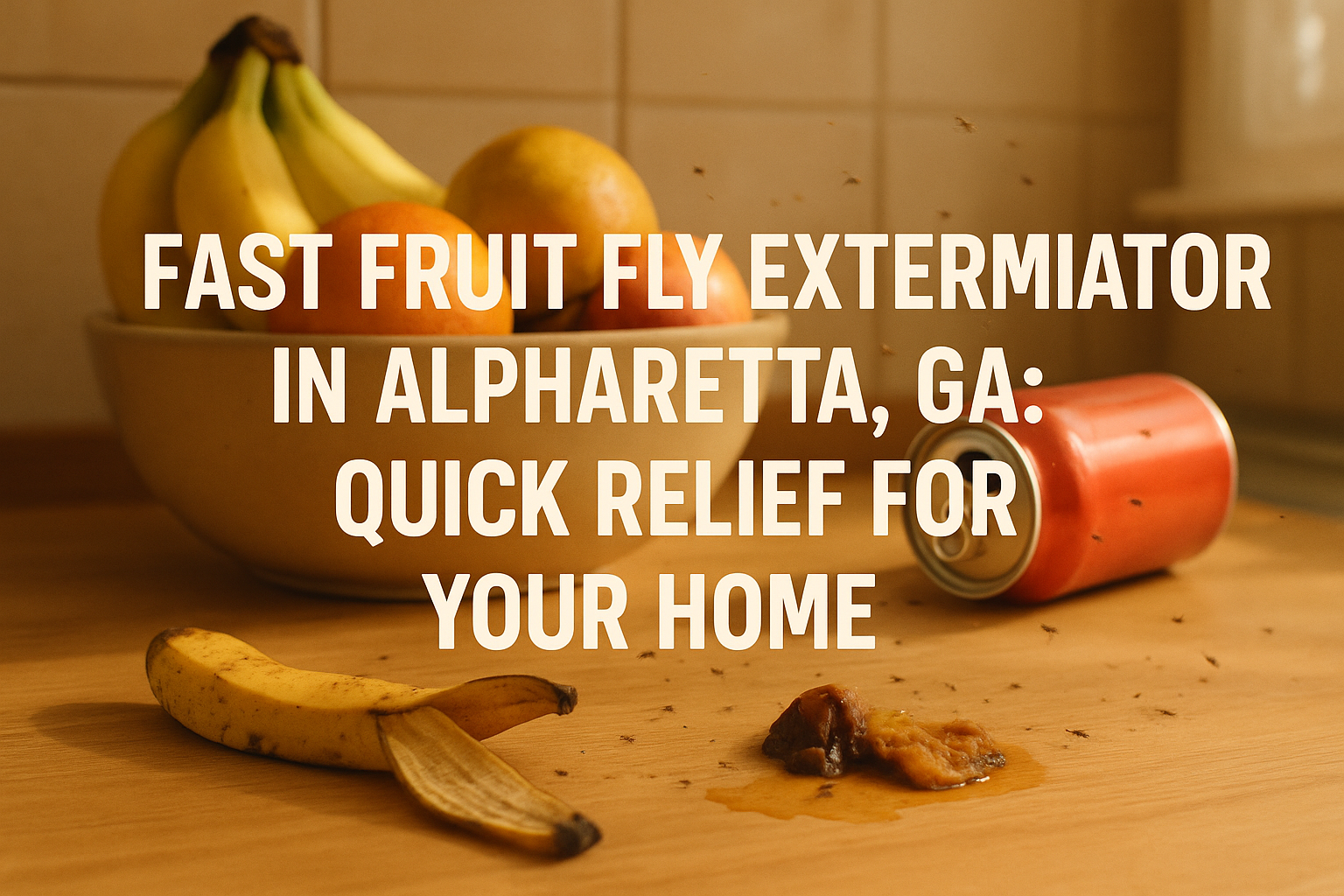
Fruit flies (family Drosophilidae) are slightly larger, typically 3–5 mm long, with clear wings that show a distinct dark spot near the tip. They are attracted to fermenting sugars, so ripe fruit, vegetable scraps, and even sugary drinks become their favorite hangouts. You’ll often find them buzzing around kitchen countertops, fruit bowls, or compost bins. Unlike fungus gnats, fruit flies can reproduce rapidly in just a few days, turning a single overripe banana into a full‑blown infestation.
Drain Flies (Moth Flies)
Drain flies (family Psychodidae) are recognizable by their moth‑like, fuzzy bodies and broad, patterned wings that resemble tiny butterflies. They are usually 2–5 mm in size. Their larvae develop in organic matter that accumulates in clogged drains, sewer lines, or standing water. If you notice a steady stream of tiny, erratic fliers emerging from a bathroom sink, shower drain, or kitchen garbage disposal, you’re likely dealing with drain flies. These pests thrive in moist, poorly ventilated environments and can signal a hidden plumbing issue.
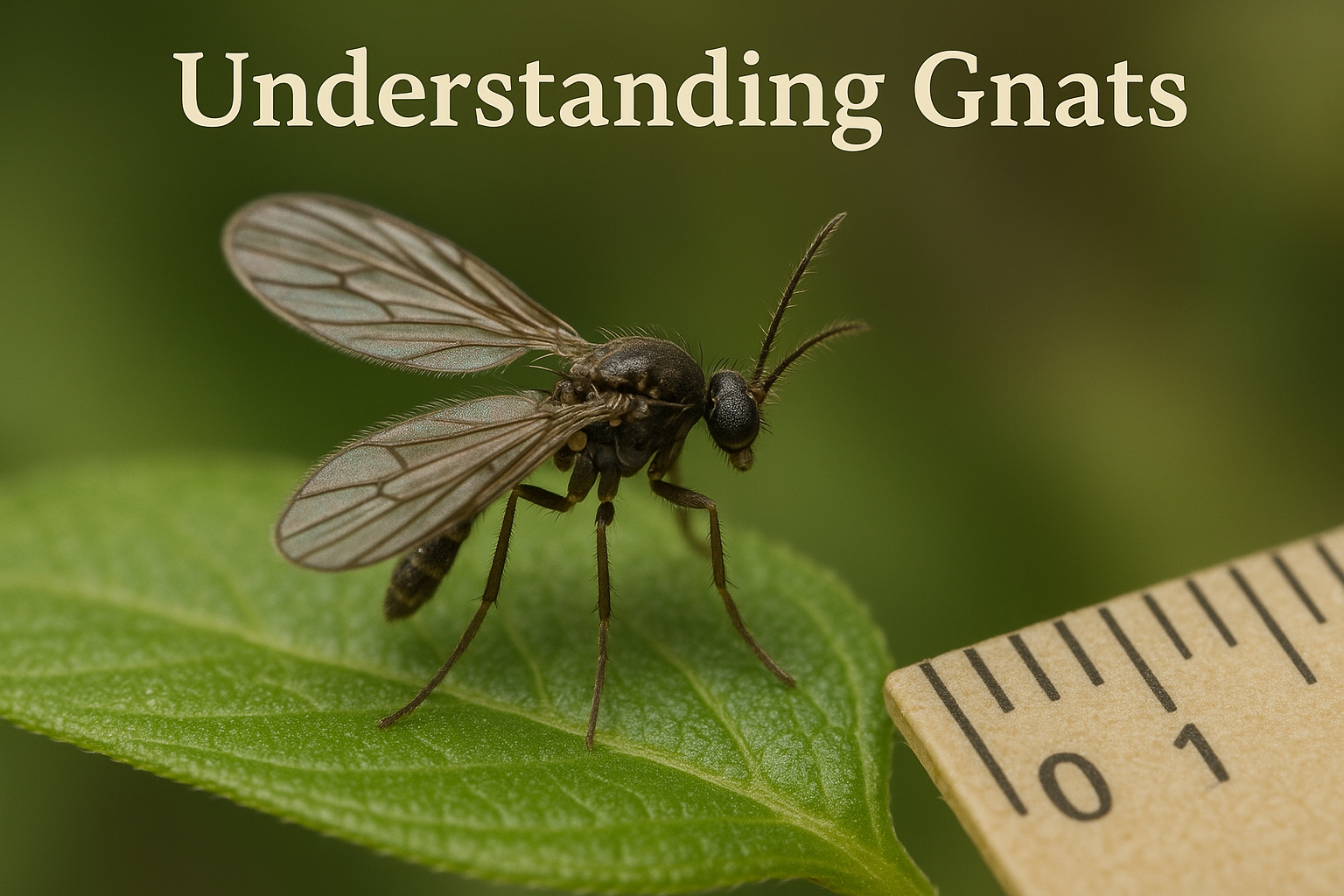
| Gnat Type | Size (mm) | Wing Pattern | Typical Habitat |
|---|---|---|---|
| Fungus Gnats | 2–4 | Fine, veined, dark gray | Moist potting soil, over‑watered plants |
| Fruit Flies | 3–5 | Clear with dark spot near tip | Ripe fruit, fermenting liquids, kitchen scraps |
| Drain Flies | 2–5 | Broad, fuzzy, moth‑like | Clogged drains, standing water, sewer lines |
Spot the Difference – Quick Field Identification
- Size: Fungus gnats are the smallest (2‑4 mm); fruit flies are slightly larger (3‑5 mm); drain flies vary but often appear bulkier.
- Wing Detail: Fungus gnats have delicate veining; fruit flies show a single dark spot; drain flies sport a fuzzy, moth‑like wing surface.
- Where You Find Them: Look at plant soil for fungus gnats, kitchen fruit bowls for fruit flies, and sinks or showers for drain flies.
- Flight Pattern: Fungus gnats flutter weakly near plants; fruit flies dart quickly around food; drain flies move in a slow, erratic zig‑zag near moisture.
What You Pay When You Do It Yourself vs. Hiring a Pro
When gnat swarms start buzzing around your patio or kitchen, the first instinct is often to grab a store‑bought solution and tackle the problem yourself. The upfront price looks attractive—traps for $10‑$25 each and over‑the‑counter (OTC) sprays ranging from $15‑$40. However, you also need to factor in the labor you’ll spend setting up traps, applying sprays, and monitoring results. Most homeowners spend roughly 2‑3 hours per treatment, which translates to real time you could be using for work, family, or simply relaxing.
Professional services, on the other hand, come with a transparent pricing structure. Anthem Pest’s 2024 rates start with an inspection fee of $79‑$99, followed by treatment packages that run between $199‑$349 per visit, depending on the severity of the infestation and the treatment method chosen (e.g., fogging, residual sprays, or a combination). While the per‑visit cost is higher than a single DIY trap, the service includes a thorough assessment, targeted application, and follow‑up visits that dramatically reduce the need for repeated treatments.
| Scenario | Total 12‑Month Cost | Typical Number of Treatments | Notes |
|---|---|---|---|
| DIY (average) | $210‑$350 | 4‑6 treatments | Includes traps, sprays, and labor; often requires re‑purchasing supplies due to limited efficacy. |
| Professional (Anthem Pest) | $458‑$847 | 2‑3 visits | Inspection, targeted treatment, and warranty coverage; fewer re‑treatments needed. |
The numbers above illustrate a clear pattern: DIY methods can appear cheaper per incident, but the cumulative cost over a year climbs quickly when you factor in multiple purchases and the time you spend. Homeowners often underestimate the hidden costs of a DIY approach—ineffective treatments that fail to eradicate the source, the need to replace traps that lose their attractant, and the frustration of recurring swarms that force you back to the hardware aisle.
Professional services bring additional value that’s hard to quantify in dollars alone. Anthem Pest offers a guaranteed result warranty on most treatment packages, meaning if gnats return within the warranty period, a follow‑up visit is included at no extra charge. This guarantee eliminates the surprise expense of buying new traps or sprays after a failed DIY attempt. Moreover, technicians are trained to identify underlying conditions—such as standing water, over‑watered plants, or clogged drains—that attract gnats, and they address those root causes during the initial visit.
Another hidden expense of the DIY route is the potential for misuse of chemicals. Over‑spraying can create health hazards for pets and children, and improper placement of traps can even attract more gnats into living spaces. Professionals follow EPA‑approved application guidelines, ensuring safety while delivering maximum efficacy.
In summary, while the DIY upfront spend may be lower, the total cost of ownership—including time, repeated purchases, and the risk of ineffective treatment—often exceeds that of a professional service. Anthem Pest’s transparent pricing, expert inspection, and warranty protection provide a clearer ROI, especially for homeowners who value lasting relief over short‑term fixes.
Why Brookhaven Residents Trust Anthem Pest Control
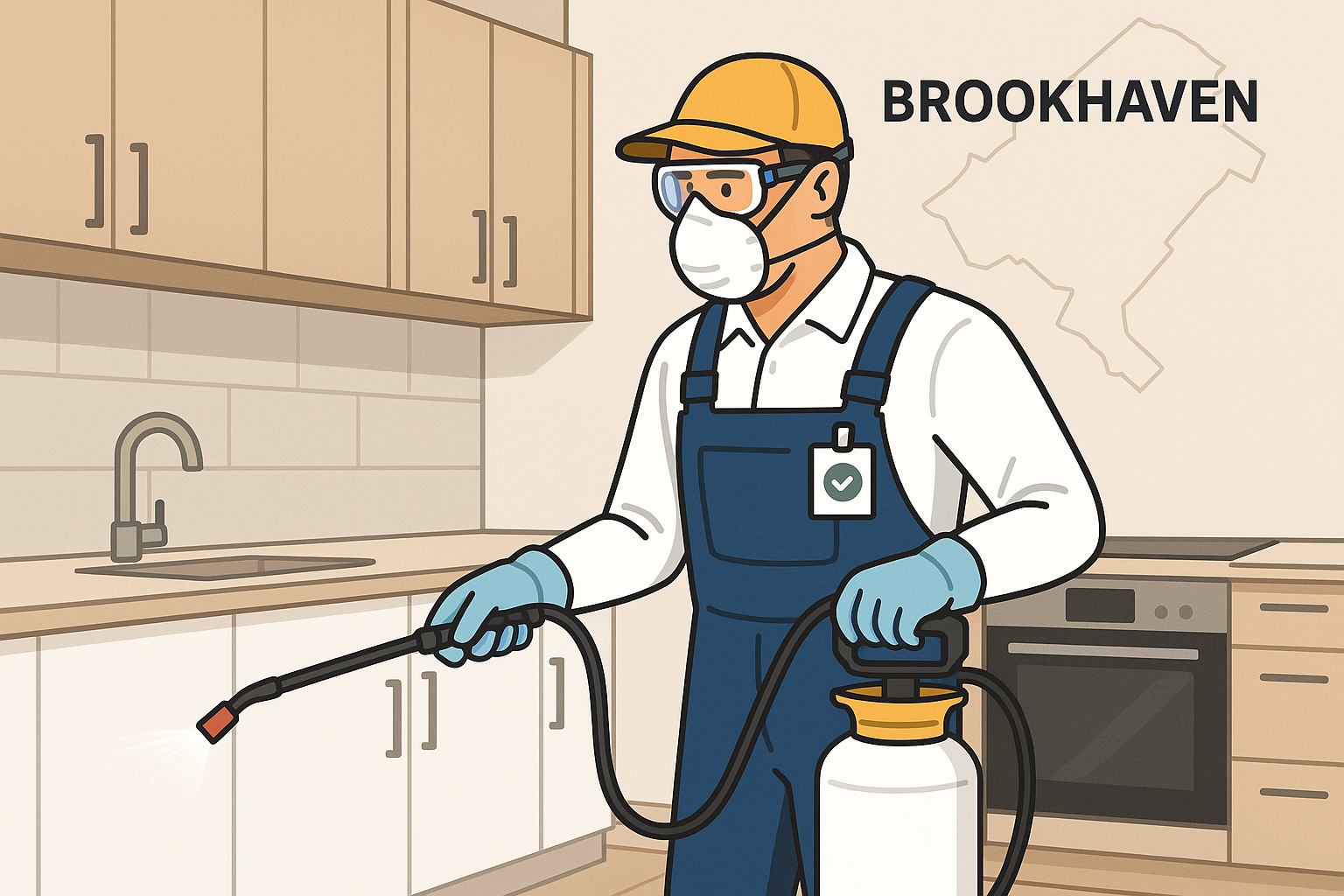
When a gnat swarm settles over your patio or kitchen, Brookhaven homeowners turn to the company that combines local knowledge with nationwide expertise. Anthem Pest Control has earned a reputation for fast, reliable gnat extermination, and the reasons behind that trust are both simple and compelling.
Fully Licensed and EPA‑Registered
Anthem Pest is fully licensed by the Georgia Department of Agriculture, holding all required certifications for residential pest management. Every technician carries a state‑issued license, and the company’s operations are regularly audited to ensure compliance with local regulations. In addition, Anthem exclusively uses EPA‑registered products, meaning each chemical has passed rigorous safety and efficacy tests before it can be applied in homes.
Targeted Service Coverage in Brookhaven
Brookhaven isn’t a one‑size‑fits‑all market, and Anthem respects that. The company’s service area includes three key neighborhoods:
- North Brookhaven – high‑density housing where gnats often breed near ornamental ponds.
- Brookhaven Village – mixed‑use developments that require careful indoor‑outdoor treatment plans.
- Brookhaven Heights – hillside homes with unique drainage issues that can attract flying insects.
By mapping its routes to these zones, Anthem can dispatch a local technician within hours, reducing the time gnats have to multiply.
Mission‑Driven Commitment to Safety and Affordability
“Our mission is to deliver safe, affordable pest solutions that protect families and preserve the environment,” reads Anthem’s public statement. This pledge isn’t just marketing copy; it drives every treatment plan, from the amount of product applied to the follow‑up schedule offered to each homeowner.
Easy Access to Specialized Gnat Services
Homeowners seeking immediate relief can explore Anthem’s dedicated gnat page for detailed service options, pricing, and FAQs: Anthem Pest Gnat Control. The page outlines a three‑step approach—inspection, treatment, and preventive monitoring—so residents know exactly what to expect.
BBB 2023 Customer Satisfaction Rating
| Rating | Year |
|---|---|
| A+ | 2023 |
The A+ rating reflects thousands of positive reviews, prompt dispute resolution, and a transparent pricing model that resonates with budget‑conscious homeowners.
What Brookhaven Homeowners Are Saying
“We called Anthem after a sudden gnat outbreak in our Brookhaven Village home. The technician arrived the same day, explained the EPA‑approved product he was using, and the gnats were gone within 48 hours. The price was fair, and the follow‑up call gave us peace of mind.” – Emily R., Brookhaven Village
Putting Trust Into Action
With state licensing, EPA‑registered treatments, hyper‑local coverage, a mission centered on safety, and an A+ BBB rating, Anthem Pest Control offers Brookhaven residents a complete package of confidence. When gnats threaten your comfort, you can count on a company that not only knows the science but also understands the community you call home.
Effective Gnat Control Methods
Indoor Residual Sprays
When gnats swarm inside a kitchen, bathroom, or living area, the quickest way to halt their activity is with an indoor residual spray. A professional gnat exterminator Brookhaven like Anthem Pest Control uses a low-odor formulation that adheres to walls, baseboards, and ceiling corners, creating a protective barrier that remains active for up to 30 days. The product is engineered to target adult gnats on contact while remaining invisible to occupants, so you won’t notice any lingering scent or residue. Application is performed with a fine-mist nozzle, ensuring even coverage in cracks, crevices, and other hidden travel routes where gnats tend to rest.
Outdoor Perimeter Treatments
Preventing gnats from entering the home is often more effective than battling them after they’ve crossed the threshold. Our outdoor perimeter service creates a defensive ring around your property, focusing on the zones where adult gnats congregate—such as shaded patios, garden beds, and the edges of drainage systems. By treating these hotspots with a fast‑acting adulticide, we interrupt the insects’ flight path before they can infiltrate doors or windows. The spray is applied at ground level and on low vegetation, forming a barrier that lasts roughly two weeks, buying you a window of relief during peak gnat season.
Biological Control – Bacillus thuringiensis israelensis (Bti)
For homeowners who prefer a naturally derived solution, Anthem offers a Bti‑based treatment that attacks gnat larvae where they develop—in moist soil, compost piles, and indoor drains. Bti is a harmless bacterium that releases toxins only when ingested by the larvae, leaving humans, pets, and beneficial insects untouched. The product is introduced as a granule or liquid that dissolves in water, allowing it to reach the hidden breeding sites that conventional sprays often miss. Over a 7‑ to 10‑day period, the larvae fail to mature, breaking the life cycle and preventing future adult eruptions.
Case Study: Brookhaven Homeowner Sees 85% Reduction
One Brookhaven resident struggled with a persistent gnat problem that seemed to flare up after every rainstorm. After an initial inspection, Anthem applied an indoor residual spray followed by an outdoor perimeter treatment. Two weeks later, a second visit introduced Bti into the home’s kitchen sink drain and the garden’s compost area. Within a month, the homeowner reported an 85 % drop in indoor gnat sightings—a result verified by a simple trap count before and after treatment. The success story, documented on the Anthem blog, underscores how a combined approach tackles gnats at every stage of their life cycle.
Safety Profile of the Products We Use
All chemicals and biologics employed by Anthem are classified by the EPA as Toxicity Category III, which denotes low risk to humans, pets, and non‑target organisms. The indoor residual spray is formulated to minimize inhalation exposure, and technicians wear protective gear during application. Outdoor perimeter products are applied at concentrations that are safe for beneficial insects such as bees once the spray dries. Bti, being a naturally occurring bacterium, poses no threat to mammals or birds and breaks down rapidly in the environment. Our commitment to EPA‑approved solutions ensures you receive effective control without compromising the health of your family or the local ecosystem.
When to Schedule Gnat Extermination in Brookhaven
Peak Seasons to Watch
In Brookhaven, gnat activity spikes during two distinct windows each year. The first, and most reliable, is late spring—roughly April through June—when the region experiences frequent, heavy rainfalls that leave soil and mulch saturated. Moisture creates the perfect breeding ground for gnat larvae, and adult gnats emerge in large numbers as temperatures climb above 68 °F. During this peak season, many homeowners turn to a gnat exterminator Brookhaven to control infestations before they spread indoors.
The second window arrives in early fall, typically September to October. After the summer heat recedes, humidity levels rise again, especially after a series of warm nights. This secondary surge can catch homeowners off‑guard if they assume the problem ends with summer.
Designer Note: Calendar Graphic Description
For the visual aid, imagine a horizontal calendar strip divided into monthly blocks. Use a soft green shade for “low‑risk” months (November‑March), a bright teal for the “optimal treatment window” (April‑June), and a warm amber for the secondary window (September‑October). Highlight the two teal blocks with a thin white border and place a small “✓” icon in the center to indicate the best times to call an exterminator. Include a subtle rain‑drop icon on the April‑June segment and a humidity droplet on the September‑October segment to reinforce the environmental triggers.
What the Numbers Say
According to the 2024 Georgia Extension pest report, gnat complaints surged by 42 % during the June‑July period compared with the same months in 2023. The report links this spike to an unusually wet early summer, which produced standing water in many residential yards and garden beds. This statistic underscores why a proactive approach—rather than a reactive one—saves both time and money.
Aligning Treatment with Your Landscaping Schedule
Many homeowners time their outdoor projects—such as planting new shrubs, installing mulch, or laying sod—around the same seasonal windows that favor gnat breeding. To avoid undoing your hard work, coordinate extermination with these activities:
- After planting new shrubs: Wait until the soil has settled (usually 1‑2 weeks) before scheduling treatment. This allows the roots to establish while the exterminator targets any larvae that may have hatched in the fresh mulch.
- Before laying fresh mulch: Apply a pre‑emptive gnat control product to the soil surface. Once the mulch is spread, a follow‑up treatment can be scheduled within the next 7‑10 days to eliminate any emerging adults.
- During routine lawn aeration: Combine aeration with a spot‑treatment for gnats. The aeration process loosens compacted soil, exposing larvae to the pesticide and improving overall effectiveness.
Practical Tips for Homeowners
1. Monitor weather patterns. If the forecast predicts a series of rain events in April or September, mark your calendar and book an appointment within the next 10‑14 days.
2. Check drainage. Stagnant water in birdbaths, clogged gutters, or low‑lying garden beds is a magnet for gnats. Eliminate these sources before the exterminator arrives to maximize treatment impact.
3. Schedule early. The optimal window is limited; waiting until gnats become a visible nuisance often means the infestation has already spread. Early scheduling secures the best pricing slots and ensures your yard stays enjoyable throughout the season.
4. Combine with preventive services. Anthem Pest offers a year‑round monitoring program that includes quarterly inspections and spot treatments. Pairing a one‑time extermination with this program keeps gnat populations below threshold levels year after year.
Bottom Line
Timing is the cornerstone of effective gnat control in Brookhaven. By targeting the late‑spring and early‑fall windows, aligning treatments with landscaping projects, and acting on weather cues, homeowners can dramatically reduce gnat populations before they become a nuisance. When you’re ready to lock in the optimal treatment window, give Anthem Pest Control a call at 877‑371‑8196 or visit anthempest.com to schedule your service.
DIY Prevention to Keep Gnats Away
Gnats are tiny, but they can turn a quiet home into a buzzing nuisance in just a few days. The good news is that most infestations stem from simple moisture problems you can control without reaching for chemicals. By tightening up a few everyday habits, you’ll make your Brookhaven home far less inviting to these persistent flyers.
Reduce Indoor Plant Watering
Indoor plants are a favorite breeding ground for fungus gnats because their soil stays damp for long periods. Let the top inch of soil dry out between waterings; this deprives gnats of the moist environment they need to lay eggs. If you’re unsure whether the soil is dry enough, stick a finger in—if it feels cool and damp, hold off on watering for another day.
Install Fine Mesh Screens
Even a tiny gap around a window or vent can become a highway for gnats. Fit fine‑mesh (≤ 1 mm) screens on all operable windows, bathroom vents, and kitchen exhaust fans. The mesh is dense enough to block insects while still allowing fresh air to circulate, keeping the indoor climate comfortable without inviting pests.
Clean Drains Regularly
Drain lines often hold organic matter that fuels gnat larvae. Once a month, pour a cup of baking soda followed by a cup of white vinegar down each sink, tub, and floor drain. Let the fizz work for 15 minutes, then flush with hot water. For tougher buildup, an enzyme‑based drain cleaner will break down the organic debris without harming your pipes.
Eliminate Standing Water Outdoors
Birdbaths, pet water dishes, and outdoor planters can become miniature reservoirs after a rainstorm. Empty and refill birdbaths at least twice a week, and rinse pet dishes daily. For planters, ensure the saucer drains freely and consider using a layer of gravel beneath the soil to improve drainage.
Quick‑Check Checklist
- Weekly
- Inspect indoor plant soil; water only if the top inch feels dry.
- Wipe down kitchen sinks and bathroom counters to remove food residue.
- Rinse and refill pet water dishes; clean birdbaths.
- Run a brief faucet flow in each drain to discourage stagnant water.
- Monthly
- Apply the baking‑soda/vinegar drain treatment to all household drains.
- Check window and vent screens for tears; replace or repair as needed.
- Turn over outdoor planters, remove excess water, and add fresh soil if it’s compacted.
- Inspect exterior gutters and downspouts for clogs that could create standing water.
By integrating these low‑effort habits into your routine, you’ll cut off the moisture sources gnats rely on for breeding. The result is a calmer home, fewer bites, and a reduced need for professional chemical treatments—though Anthem Pest Control is always ready to step in if an infestation does get out of hand.
FAQ – Gnat Extermination in Brookhaven
Do gnats carry diseases in Georgia?
In the southeastern United States, including Georgia, the most common gnats are fungus gnats and non‑biting “eye” gnats. According to the Centers for Disease Control and Prevention (CDC), these species are not recognized vectors for human diseases such as West Nile virus or Lyme disease. The CDC’s list of insect disease carriers primarily includes mosquitoes, ticks, and certain flies, but not the small, harmless gnats you find around indoor plants or damp outdoor areas. While gnats can mechanically transfer bacteria from waste to food surfaces, the risk of a serious illness is considered extremely low for the average homeowner.
How long does a treatment last?
Understanding the residual effect of a gnat control program helps you plan follow‑up visits and maintain a pest‑free yard.
- Residual sprays: Professional aerosol or liquid sprays that contain pyrethroids or neonicotinoids typically remain active for 2–4 weeks on treated surfaces. Heavy rain or excessive irrigation can shorten this window.
- Biological control (Bti): Bacillus thuringiensis israelensis (Bti) is a naturally occurring bacterium that targets gnat larvae in standing water. Once applied, Bti continues to release toxins for about 7–10 days, effectively suppressing new hatchlings during that period.
- Perimeter treatments: Foggers or barrier applications around the home’s foundation create a protective “moat” that can last 3–6 weeks, depending on the product’s formulation and local weather conditions.
For the most reliable protection, Anthem Pest recommends a quarterly inspection during peak gnat season (late spring through early fall) and a touch‑up treatment if moisture conditions persist.
Are treatments safe for children and pets?
Safety is a top priority for Anthem Pest. Most residential gnat products are registered with the U.S. Environmental Protection Agency (EPA) and carry a Classification III rating, indicating low toxicity when used according to label directions. This classification means that, after the recommended waiting period (usually 30 minutes for sprays and 2 hours for foggers), the treated area is safe for normal household activity, including children playing and pets roaming.
EPA guidelines require that applicators wear protective equipment and that homeowners keep pets and children away from the treatment zone until the product has dried. Anthem’s technicians follow these protocols rigorously, and we provide a written safety sheet after every visit so you know exactly when it’s safe to re‑enter the space.
Additional resources
- EPA Pesticide Safety Guidelines
- National Pest Management Association (NPMA) Standards
- CDC – Insect‑borne Diseases Overview
Take Action to Protect Your Brookhaven Home Today
Early identification of a gnat problem can mean the difference between a quick fix and a full‑blown infestation. In Brookhaven, gnats thrive in the warm, humid months, and they reproduce faster than many homeowners realize. Spotting the tell‑tale signs—tiny flying insects around lights, damp areas, or indoor plants—allows you to act before they multiply and spread to other rooms. Professional treatment at the first hint not only eliminates the current swarm but also breaks the life cycle, preventing future outbreaks.
Choosing Anthem Pest Control brings a blend of cost‑effectiveness and safety that most DIY solutions lack. Our technicians use EPA‑approved products calibrated to target gnats while preserving the health of your family and pets. Because we focus on precise application, you avoid the waste and expense of over‑treating large areas. Transparent pricing means you know exactly what you’re paying for—no hidden fees, just a clear, affordable plan that protects your home season after season.
Brookhaven’s peak gnat season typically arrives in late spring and can linger through early fall. Scheduling a free inspection now gives you a head start, allowing us to map out vulnerable spots and apply preventative measures before the insects become a nuisance. A pre‑season checkup also lets you address any underlying moisture issues, drainage problems, or plant care habits that attract gnats, turning a reactive response into a proactive defense.
If you’re ready for a gnat-free home, contact Anthem Pest Control for a complimentary quote. As a trusted gnat exterminator Brookhaven, our local technicians are ready to protect your family and property. Call us today at 877-371-8196 or visit Anthem Pest Control to schedule your free inspection and take the first step toward lasting peace of mind.